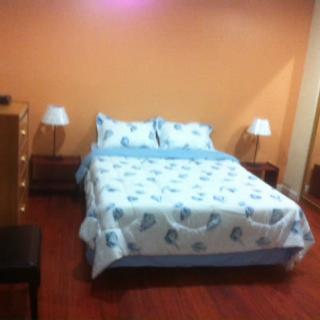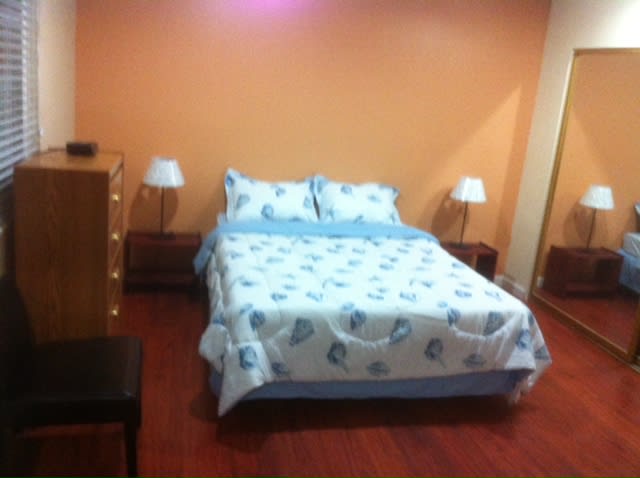
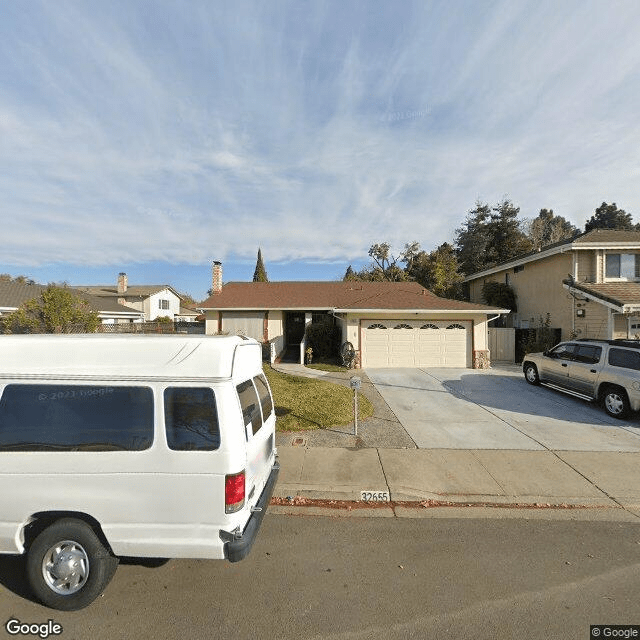
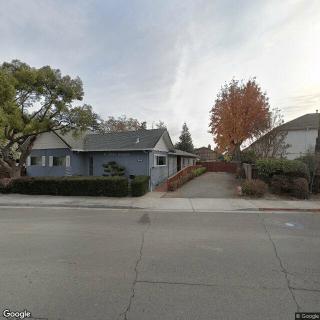
32655 Almaden Blvd, Union City, CA 94587
To contact a resident: (510) 475-5622
For more information about senior living options: (866) 208-4318
Mt. Zion Home For The Elderly Costs & Pricing
Mt. Zion Home for the Elderly offers semi-private rooms at a monthly cost of $3,500, which positions it slightly above the average rates in Alameda County ($3,273) and California as a whole ($3,333). For private accommodations, residents can expect to pay $4,500 per month, which also exceeds both the county's average of $3,748 and the statewide average of $3,939. This pricing reflects the facility's commitment to providing quality care and a nurturing environment for its residents while acknowledging that it is positioned higher than many alternatives within the region.
| Floor plans | Mt. Zion Home For The Elderly | Alameda County | California |
|---|---|---|---|
| Semi-Private | $3,500 | $3,273 | $3,333 |
| Private | $4,500 | $3,748 | $3,939 |
Senior living communities with a similar price nearby
-
from -$600 / mo
Parkside Manor
$2,900 to $3,600 / month10.6 miles away -
About the same
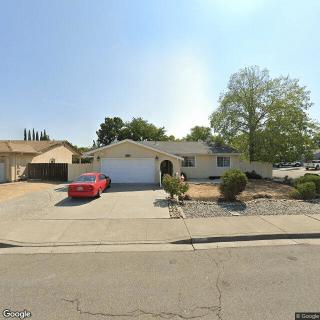
Gigi's Guest Home
$3,500 / month14.5 miles away -
from -$500 / mo

Palm Garden Home Care
$3,000 to $4,000 / month16.6 miles away -
About the same
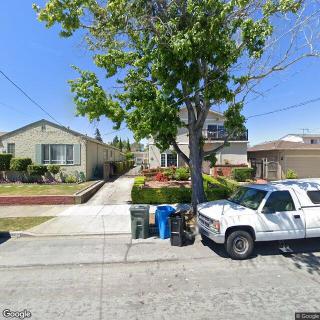
Apple Tree Home Care
$3,500 / month15.4 miles away -
from -$305 / mo
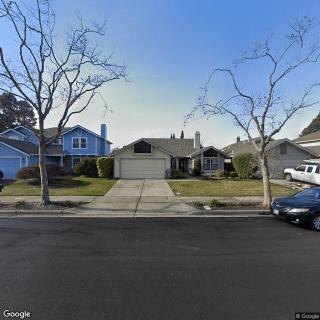
Harbor Bay Assisted Living
$3,195 to $5,000 / month15.3 miles away
Overall Review of Mt. Zion Home For The Elderly
Pros
 The staff treated her like family and did their best to keep her happy.
- Her ability to express herself verbally improved, allowing her to speak in complete sentences.
- She enjoys activities such as playing with the family dog, doing art projects, and taking walks in the back yard.
- The care and concern shown to her during her residency were heartfelt and genuine.
- Resty kept Mom active with puzzles, singing, games, and exercise, and she was treated with appreciation and love.
- Mom was treated like family throughout her stay.
- The home is clean, friendly, cozy, and provides excellent professional care with great facilities and grounds.
- The staff are nice, and the environment is inviting and well-suited for care.
- The monthly cost is very affordable, and the director and his wife are very nice.
- The facility is VA approved and offers excellent care with good food.
Cons
 The front room is too small for people to be comfortable.
- There are not enough places to sit down and relax in the common areas.
- Staff speaking a foreign language in front of residents comes across as disrespectful.
- Finances are discussed in front of residents and should be handled more privately.
- The father would not appreciate Sunday priest visits and would be upset if pressed to participate.
- The facility could use some updates and modernization.
Review
Mt. Zion Home For The Elderly in Union City is best suited for families seeking a warm, home-like setting where staff consistently treat residents with the care and respect expected from family. The community earns its strength from deeply personal attention, especially for residents facing dementia or memory loss, where daily engagement, art projects, puzzles, gentle exercise, and supervised outings in a safe outdoor space, helps maintain a sense of purpose. The environment tends toward intimate interactions rather than a rigid clinical atmosphere, and the large backyard invites regular outdoor activity. The VA-approved status broadens access for veterans and their spouses, and several staff conversations underscore a genuine commitment to person-centered care.
Alternatives should be considered for families prioritizing a more expansive common area, a more updated interior, or a setting with less religious influence. Several reviews point to a small front room that doesn’t invite easy casual gathering, and a few notes about the facility needing updates to feel more modern. Proximity matters too: for some families, the location was simply too far from home, making regular visits impractical. Language and privacy concerns also surface in a few critiques, including a fear that staff discussions of finances occur too publicly and that conversations in a language not understood by all residents may feel exclusionary.
Yet the strongest drew is the proven, hands-on warmth of the staff. When care teams lean into individualized attention, the benefits of a smaller, homelike setting can far outweigh spatial shortfalls. The care approach is practical and compassionate, with caregivers who demonstrate patience and creativity in keeping residents engaged. The positive testimonials about staff dedication, moments of gratitude, shared hugs, and lively activity programming, reassure families that meaningful connection with caregivers is not a rare exception but a daily standard. In this light, the pros of a close-knit, person-first culture offset the occasional need for space upgrades and more private, professional boundaries.
Dementia care is a particular strength here. Multiple families describe sustained activity-based routines that keep residents mentally and socially engaged, with staff members who monitor mood, communicate progress, and adapt activities to changing needs. The stories of residents remaining socially active, doing crafts, participating in games, and enjoying music, illustrate a care model that values quality of life alongside safety. Even when transitions to skilled nursing are eventually required, the foundation of affectionate, consistent care remains a meaningful factor, reducing distress during difficult changes and supporting families through the transition.
Cost and program mix introduce important decision points. One reviewer notes competitive pricing relative to nearby options, describing the staff and director as genuinely caring, while another family flags a religious component that may not align with every resident’s preferences. In short, those who want a cost-effective option with strong personal care but who prefer neutral or flexible religious involvement should probe alternative communities with similar price points. Residents whose families prioritize a robust social calendar, a more modernized facility, or a non-religious programming slate may find some of these trade-offs decisive.
For families seriously considering Mt. Zion, the next steps are straightforward. Schedule a tour with a clear list of questions about seating for visitors, space utilization in common areas, and whether language barriers affect daily interactions. Inquire how finances are handled in private versus public settings and whether any updates are planned to refresh interiors. Verify how the community balances religious activities with resident autonomy, and assess whether veterans’ benefits are fully leveraged. Finally, compare with a couple of alternative options in terms of proximity, layout, and monthly costs. When caring, enabling staff, and a nurturing environment top the list, Mt. Zion deserves strong consideration as a practical, compassionate choice for dementia-capable, family-oriented care.
 Board and Care Home
 Activities on-site
 Devotional services on-site
 Indoor common areas
 Outdoor common areas
 Private
 Private bathrooms
 Wheelchair accessible showers
 Metropolitan Oakland International (13 miles away)
 Diabetic care
 Incontinence care
 Medication management
 Meals provided


 Is a Geriatric Care Manager the Right Choice for Your Family?
 Compassionate Conversations: How to Comfort Someone Who Is Grieving
 Home Health Care Aides: Understanding Their Role and Supporting Your Family