
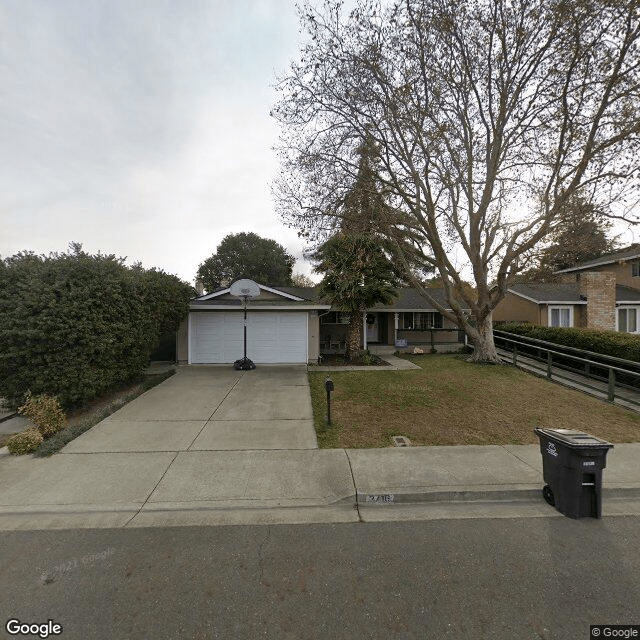
2716 Meadowlark Drive, Union City, CA 94587
For more information about senior living options: (866) 208-4318
Ageway Boarding Care Costs & Pricing
Ageway Boarding Care offers competitive pricing for its services, particularly when compared to the broader market in Alameda County and throughout California. For a semi-private room, Ageway's monthly fee stands at $3,500, which is slightly above the county average of $3,273 but remains reasonable when viewed against the overall state average of $3,333. In contrast, private room accommodations at Ageway are priced at $5,000 per month. This rate exceeds both the Alameda County average of $3,748 and the state average of $3,939, suggesting that while Ageway may be on the higher end for private rooms, it strives to provide quality care that justifies its costs.
| Floor plans | Ageway Boarding Care | Alameda County | California |
|---|---|---|---|
| Semi-Private | $3,500 | $3,273 | $3,333 |
| Private | $5,000 | $3,748 | $3,939 |
Memory care communities with a similar price nearby
-
from -$305 / mo
Harbor Bay Assisted Living
$3,195 to $5,000 / month15.8 miles away -
from +$500 / mo
Golden Age Of Channing Way
$4,000 to $5,000 / month15.5 miles away -
About the same
East Bay Assisted Living
$3,500 to $5,000 / month18.0 miles away -
from +$475 / mo
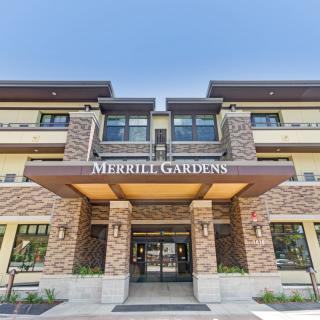
Merrill Gardens at Lafayette
$3,975 to $8,995 / month21.4 miles away -
from +$495 / mo
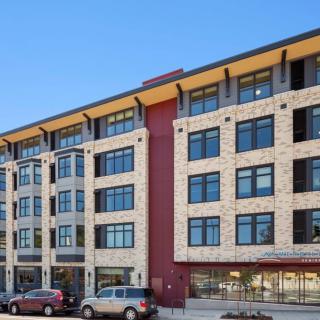
Merrill Gardens at Rockridge
$3,995 to $8,500 / month20.6 miles away
Overall Review of Ageway Boarding Care
Pros
 The staff is very attentive and keeps the resident comfortable and clean.
- The facility is very clean.
- The care services have been excellent.
- The resident seems to like the food, and the value for money is good.
- The communication is strong, with staff keeping the family well informed about the loved one.
- The staff really knows what they are doing and the resident likes it there.
- The family member is really happy with the care and no longer worries.
- The staff quickly learn the resident's habits and are not bothered by what the resident does.
- The resident is kept clean and neat, eats all meals, and enjoys certain textures of food.
- The facility listened to concerns and provided a recliner.
Cons
 The reviewer would not recommend Ageway Boarding Care for a bedridden loved one.
Review
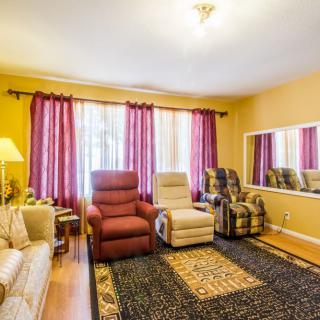
This community is best suited for seniors who are relatively independent but want reliable daily support in a warm, well-kept setting. It serves residents who can communicate needs clearly and appreciate attentive, hands-on staff interactions. Families leaning on transparent updates, consistent meal service, and a home-like environment will find Ageway Boarding Care reassuring. The strongest match is for those who don’t require complex medical intervention on a daily basis and value a facility where personal needs are anticipated and addressed with a collaborative spirit.
Those considering alternatives should focus on residents who are bedridden or require substantial medical oversight. If a loved one needs frequent skilled nursing, persistent wound care, or intensive therapy, a higher-acuity setting, such as a traditional assisted living with larger clinical resources or a skilled nursing facility, will be a safer fit. Additionally, for families seeking on-site wellness services like routine vaccinations or proactive preventive care, options with dedicated on-site medical staff may be preferable. Cognitive impairment at a moderate to advanced level or significant mobility limitations are practical red flags that warrant exploring other arrangements.
The key advantages here cluster around caregiving quality and everyday reliability. Staff attentiveness is repeatedly highlighted as a distinguishing strength, producing a sense of comfort and security for families that no longer worry about basic needs being overlooked. Cleanliness and a well-maintained environment reinforce trust, while meals and texture preferences show the team pays attention to sensory enjoyment and nutrition. Crucially, staff engagement translates into meaningful observations about habits and routines, care plans can be adjusted quickly, and concerns are addressed promptly, which helps residents feel seen and respected. That level of responsiveness can offset less tangible anxieties about daily life in care.
Communication stands out as a core asset. Families report being kept well informed about their loved one’s status, with staff who listen and adapt to individual preferences. This transparency reduces the guesswork that often accompanies in-home caregiving transitions and fosters a collaborative partnership between families and caregivers. On a practical level, residents often experience small but meaningful improvements in comfort and mood, such as changes in seating to accommodate needs and the tailoring of activities to personal rhythms. Those signs, quiet improvements in daily well-being and a sense of being understood, are the real payoff of the staff-centric model.
From a value perspective, the facility delivers solid return for the price, especially when matched with the quality of daily care and the reassurance of good communication. The clean, orderly atmosphere, reliable meals, and attentiveness create a balanced living experience that supports independence without sacrificing safety. The one notable gap mentioned by reviewers is the absence of on-site wellness services, such as vaccination clinics. While optional medical oversight isn’t a primary expectation in a boarding-care setting, this gap can matter for families aiming to minimize trips off-site for routine health needs. Weighing these elements against the overall positive experiences is essential for a grounded decision.
In sum, Ageway Boarding Care stands as a practical, well-run option for families seeking dependable, low-friction daily support in a smaller, attentive community. It excels where human touch, cleanliness, and clear communication matter most, delivering peace of mind for semi-independent seniors and their loved ones. It is not the right fit for those needing intensive medical care, constant nursing supervision, or extensive on-site healthcare services. For those cases, explore alternatives with stronger clinical resources. When visiting, prioritize questions about staffing ratios, care planning, mobility support, medication management, and opportunities for on-site wellness services to ensure alignment with long-term needs.
 6 resident community capacity
 Assisted Living
 Board and Care Home
 Memory Care
 Respite Care
 Cable or satellite TV
 Dining room
 Fully furnished
 Garden
 Housekeeping services
 Move-in coordination
 Outdoor space
 Private
 Private bathrooms
 Small library
 Telephone
 Metropolitan Oakland International (13 miles away)
 24-hour supervision
 Activities of daily living assistance
 Assistance with bathing
 Assistance with dressing
 Assistance with transfers
 Diabetes diet
 High acuity care
 Incontinence care
 Meal preparation and service
 Medication management
 Special dietary restrictions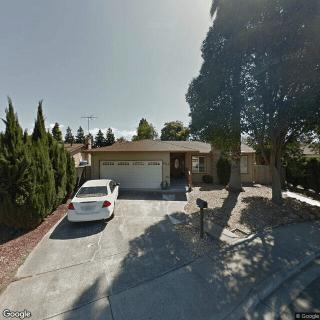


 Dementia Behaviors: In-Depth Understanding and Effective Coping Strategies
 5 Early Indicators of Dementia and What You Can Do
 8 Important Indicators That Memory Care May Be Necessary