













Sunrise of Cupertino in Sunnyvale, CA

Save

  • Interior

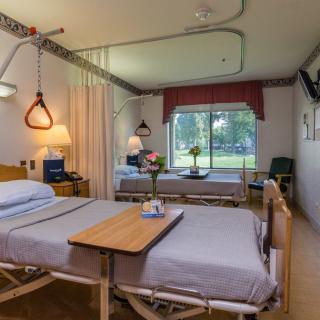
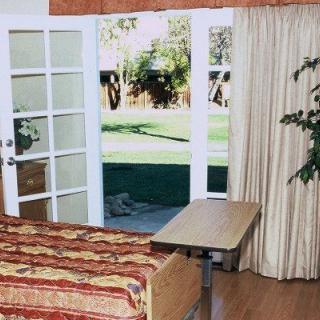
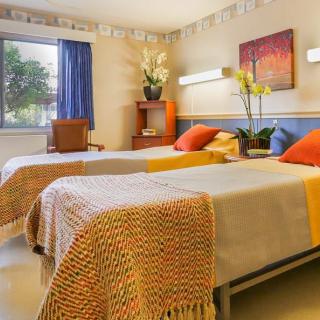
    A cozy bedroom with a neatly made bed, featuring decorative pillows and a patterned comforter, is warmly lit by bedside lamps and natural light from the window.
  • Decor

    A modern interior featuring a grand staircase adorned with wall art and a stylish console table with lamps and decor.
  • Living Room

    Cozy living room with a fireplace and modern decor.
  • Building

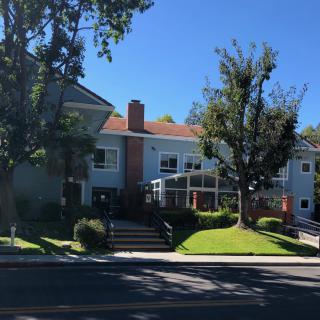
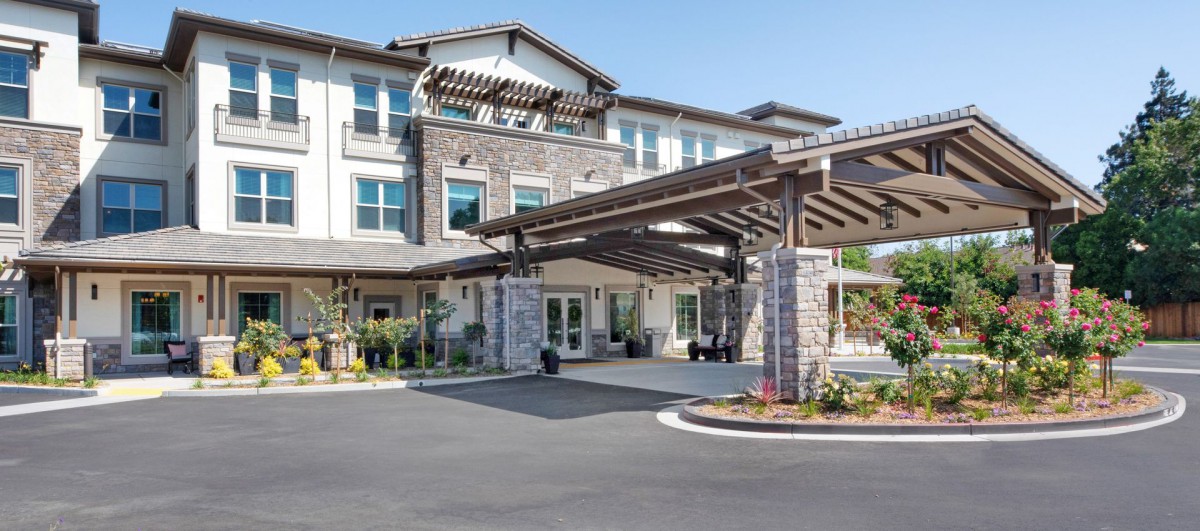
    A modern building with a covered entrance and landscaped surroundings.
  • Architecture

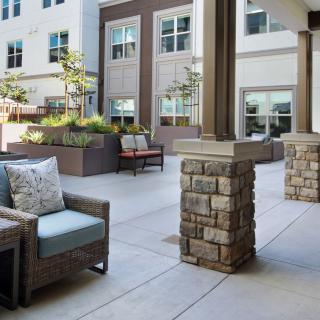
    A modern patio area with comfortable seating and landscaped planters, surrounded by building exteriors.
  • Bedroom

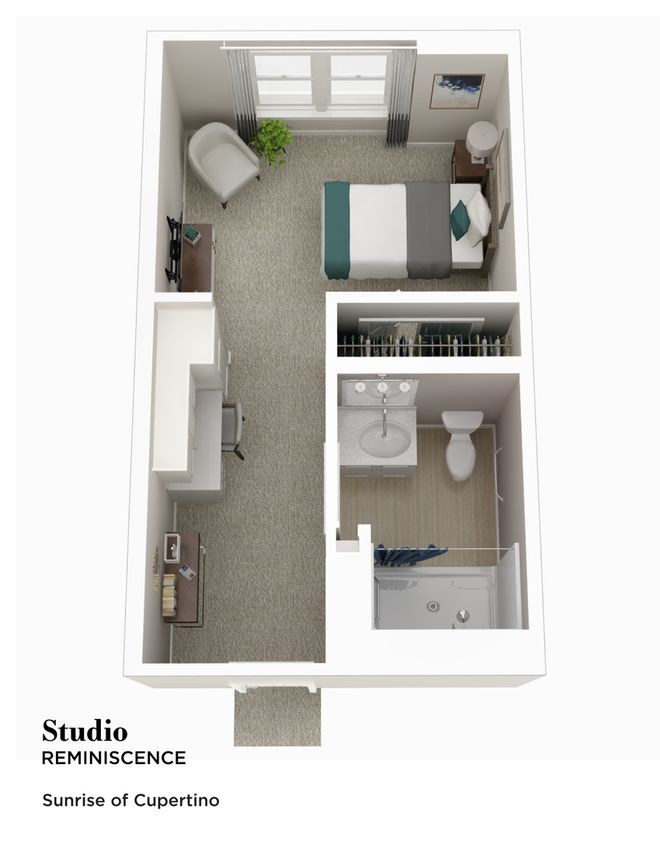
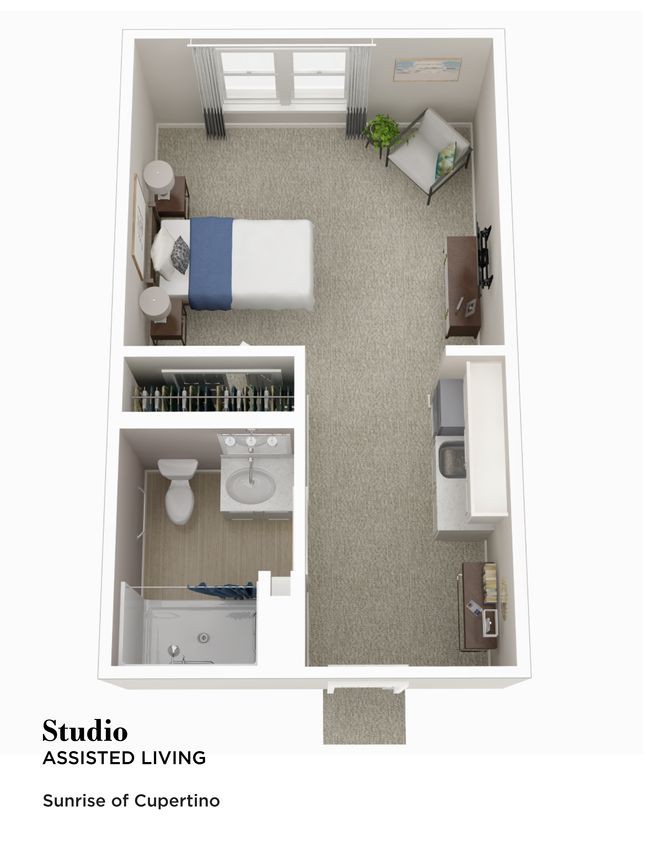
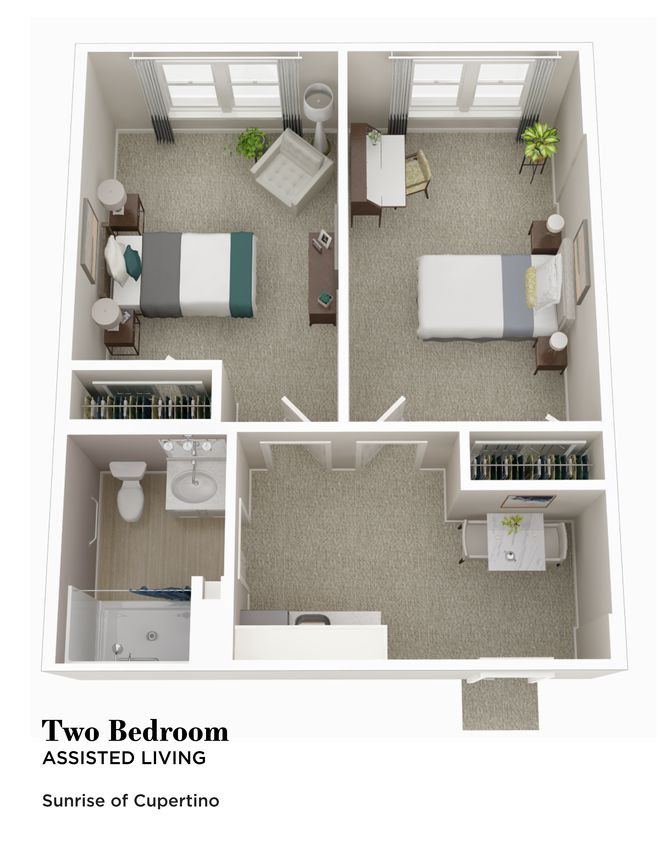
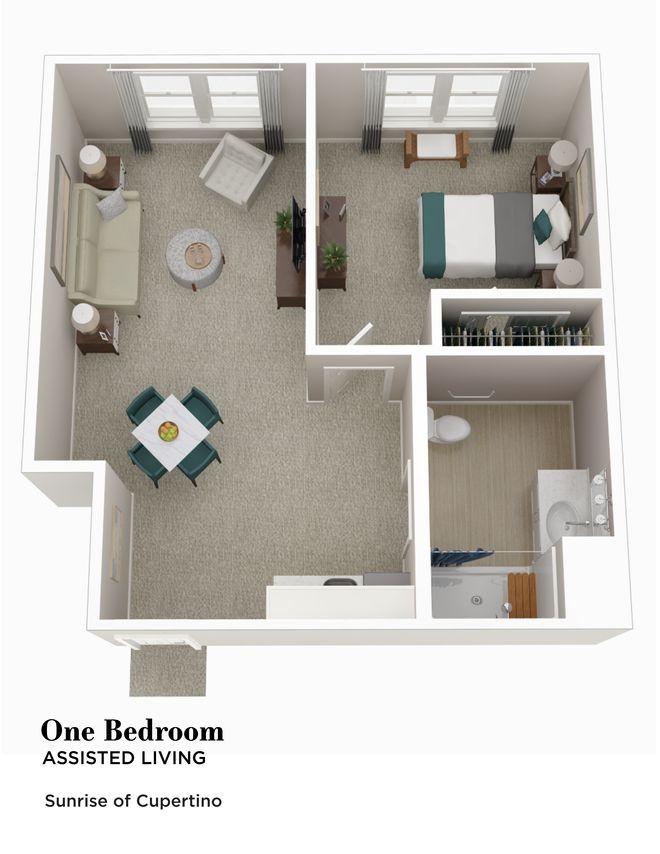
    A 3D floor plan of a studio apartment featuring a bedroom area, bathroom, and kitchen.
  • Windows

    A cozy living room featuring armchairs, a lamp, and large windows with curtains.
  • Dining

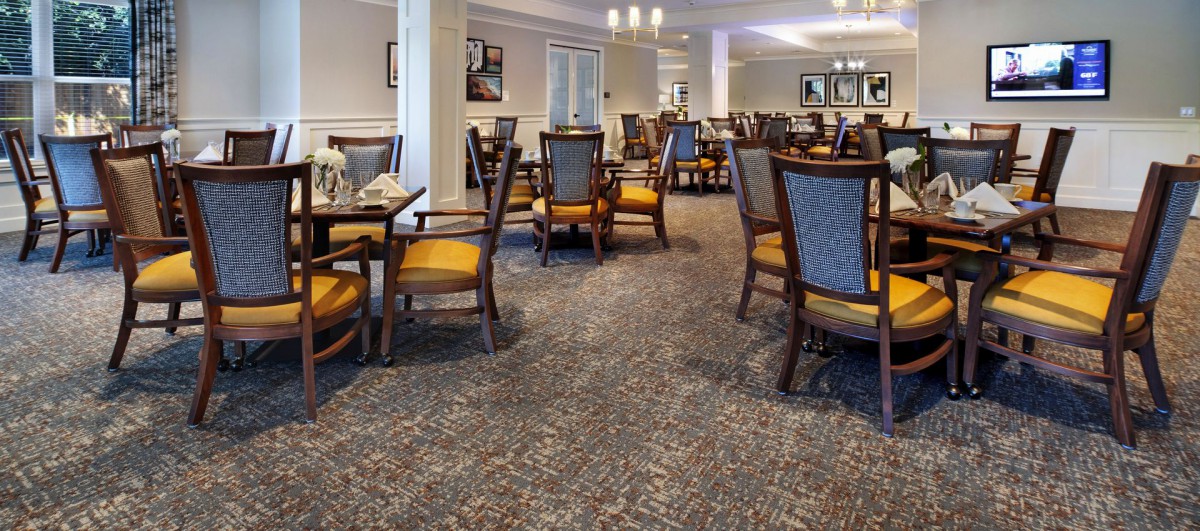
    An empty restaurant dining area with neatly arranged tables and chairs on a carpeted floor.
  • Kitchen

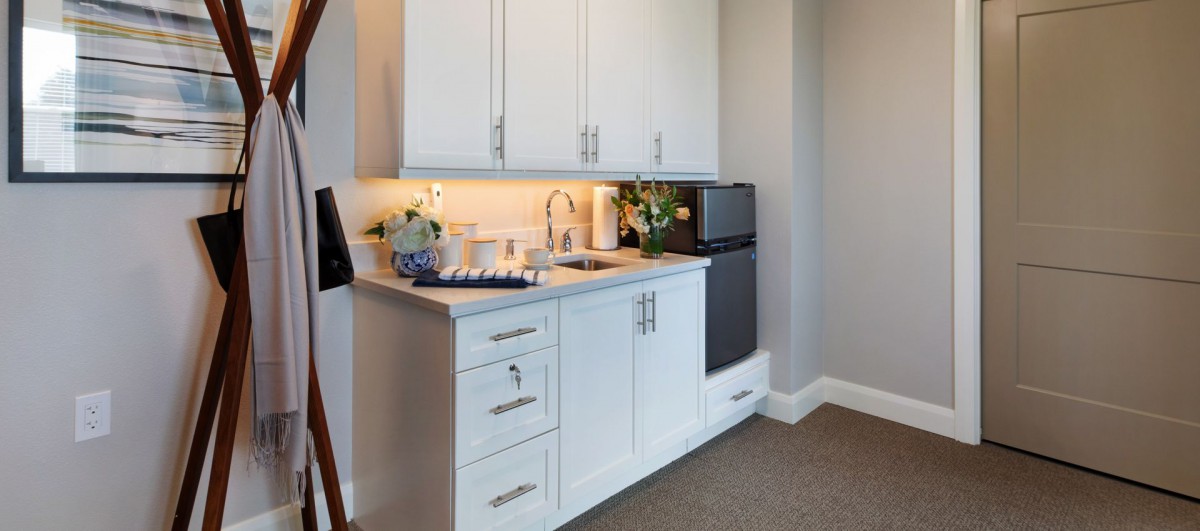
    A small modern kitchen with white cabinets and a compact sink area.
  • Lighting

    A modern restaurant interior with neatly arranged tables and chairs, featuring warm lighting and wood flooring.
  • Entrance

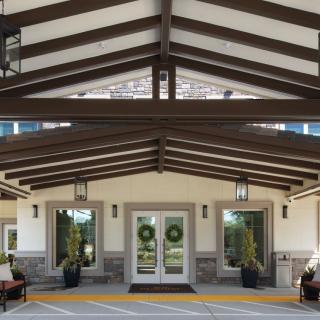
    A symmetrical building entrance with a covered walkway and outdoor seating.
  • Floor Plan

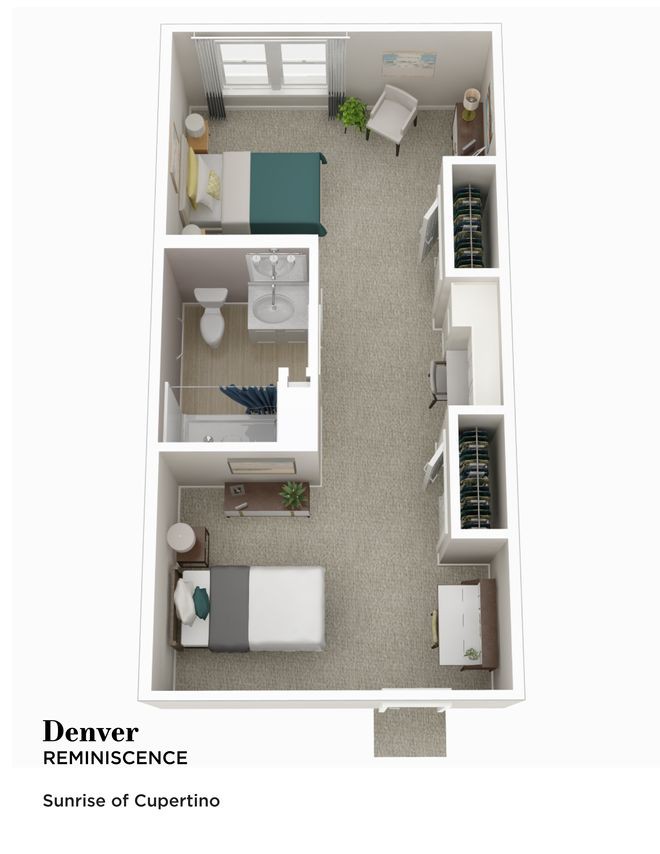
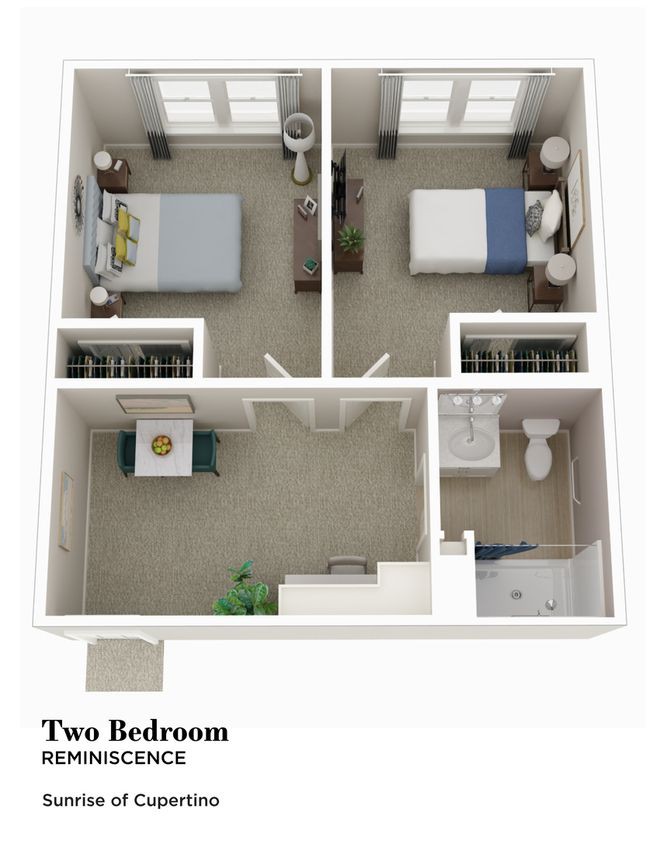
    3D floor plan of a studio apartment with a combined living and sleeping area.
  • Patio

    A modern patio area with comfortable seating and lush greenery.
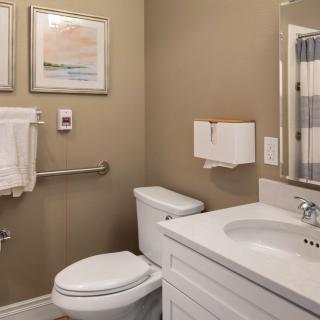
  • Bathroom

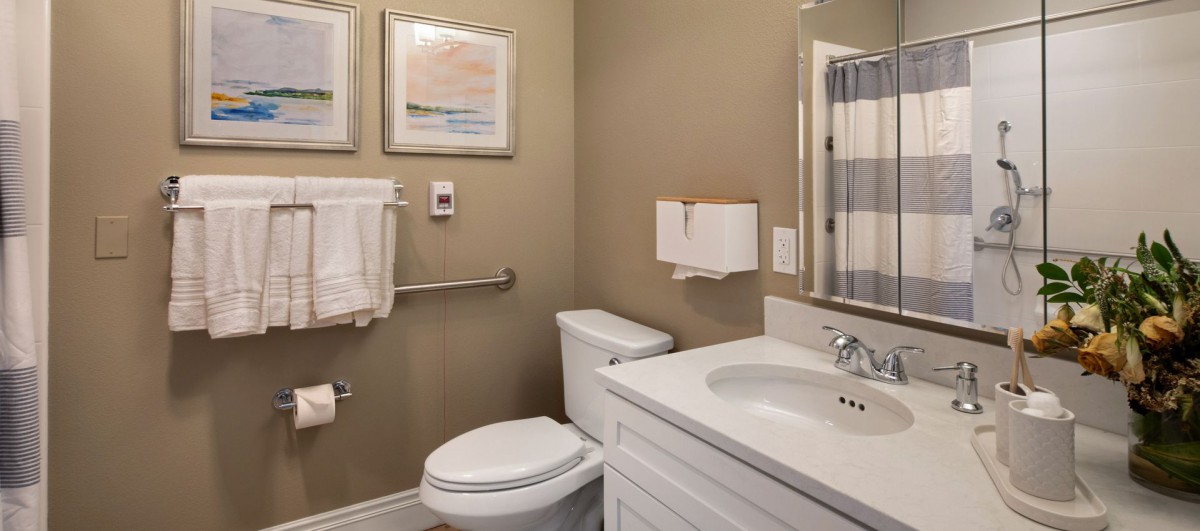
    A neatly designed bathroom with a toilet, sink, and mirror.

Sunrise of Cupertino in Sunnyvale, CA

Information last verified:

581 East Fremont Avenue., Sunnyvale, CA 94087

For more information about senior living options: (844) 490-3973

4.7 from 21 reviews
5 stars
17
4 stars
3
3 stars
0
2 stars
0
1 stars
1

Seniors.FYI Elite Community Awards

Top 5% Senior Living Community in 2026

Add this award to your website

Overall Review of Sunrise of Cupertino

Pros

  • pro Sunrise of Cupertino is clean, bright, and sunny, creating a welcoming environment.
  • pro The staff at Sunrise of Cupertino are kind, caring, and attentive.
  • pro The grounds at Sunrise of Cupertino are very nice, including options like raised garden boxes.
  • pro Dogs are allowed at Sunrise, which many families appreciate.
  • pro Sunrise provides excellent service and extremely friendly staff.
  • pro Sunrise of Cupertino is by far the best among communities, with attentive staff and amazing food.
  • pro Chris the chef at Sunrise takes great care and hosts some of the best brunches, making families feel at home.
  • pro The brunches at Sunrise bring families together and create a sense of home.
  • pro The care and comfort at Sunrise, particularly from Julianna, are outstanding.
  • pro The Sunrise care team is great, responsive, and highly recommended by families.

Cons

  • pro The residence is poorly run from the top down.
  • pro Poor hiring, understaffing, poorly trained staff, and poor communications between families, med techs, and care staff.
  • pro Some caregivers treat residents like items on a task list rather than people who deserve dignity.
  • pro Families have hired private caregivers because Sunrise was not adequately providing for the resident.
  • pro They were understaffed on the first floor of memory care and opened the second floor, further stretching the limited staff.
  • pro Bills are often incorrect and charge late fees for mistakes, with charges increasing without prior notification.

Review

Sunrise of Cupertino is best suited for families seeking a warm, person‑centered assisted living and memory care environment where care feels genuinely attentive and residents are treated with consistent kindness. The community differentiates itself with a bright, sunlit atmosphere, well‑kept grounds, and pet‑friendly policies that matter to families who want their loved ones to stay connected to familiar comforts. This is a place where meals, social programming, and everyday routines are designed to feel like home, rather than a clinical transition. For families prioritizing a high level of personal attention, steady staff relationships, and a sense of daily normalcy, Sunrise of Cupertino often rises to the top of the shortlist.

That said, there are clear reasons to consider alternatives, especially for families with concerns about operational consistency or cost transparency. A cautionary note comes from reviews that describe uneven experiences tied to staffing and administrative processes. In particular, some families flag understaffing on certain floors, ad hoc care handoffs, and billing discrepancies that demand careful review and ongoing follow‑up. For those needing unwavering, regimented protocols, with flawless, predictable billing and a tightly managed care pipeline across all shifts, exploring other communities or requesting current staffing metrics and a formal written care plan before moving in is prudent.

The strongest positives at Sunrise of Cupertino revolve around people and personalization. Care teams are frequently lauded as attentive, compassionate, and dedicated, with specific caregivers and care managers building trusted relationships with residents and families. Instances where care plans are individualized, and where staff members remember resident preferences, down to preferred meals and daily routines, provide meaningful continuity. The dining program stands out as a standout strength: multiple reviewers praise high‑quality meals, appealing brunches, and chef‑driven options that help sustain appetite and comfort. When families visit, they frequently encounter a responsive administrative and care team that can pivot to changing needs, which helps offset the inevitable complexities of memory care and aging in place.

The environment further amplifies the care experience. The campus is described as clean, bright, and energized by approachable programming. Residents are offered abundant activities, with memory care programming receiving particular emphasis, including therapeutic and engaging options that align with residents’ abilities. The ability to bring a beloved pet, the presence of gardens or raised beds, and the overall emphasis on social connectedness contribute to an atmosphere where residents can experience dignity, autonomy, and some sense of purpose. Even where concerns exist, these tangible strengths, personalized attention, engaging food and activities, and a bright, welcoming setting, often outweigh the friction encountered in administrative or staffing gaps.

Within memory care specifically, Sunrise of Cupertino demonstrates meaningful capability. Families describe caregivers who go the extra mile to keep residents comfortable, supported, and engaged. Programs, therapy services, and the physical environment are designed to support cognitive and functional goals, and families frequently report feeling confident that their loved ones are known and valued. The positive experiences standing beside the occasional operational hiccup give a practical view: the care emphasis is genuine, and the facility leverages that emphasis to foster a sense of home and belonging even in the more challenging stages of memory loss. For families weighing the tradeoffs, the strength of memory care programming and staff dedication provides a compelling offset to less predictable administrative performance.

Finally, the decision should center on how critical consistency and billing clarity are to the family’s planning. The most credible caveat is that, while many reviews celebrate the staff’s humanity and the community’s spirit, a dissenting voice points to uneven management, inconsistent care delivery, and billing issues that can complicate long‑term budgeting. The reality is not a broad indictment but a reminder to verify current conditions, staffing levels on the floor, the cadence of care plan updates, and a transparent, itemized billing process. When these elements align with a family’s expectations, Sunrise of Cupertino merits strong consideration; when they do not, alternatives with a tighter operational spine may be preferable.

In practical terms, families considering Sunrise of Cupertino should schedule a thorough on‑site evaluation, request to meet the memory care team, and examine a resident’s current care plan for specificity and updates. It is wise to ask for recent staffing ratios by shift, the cadence of care conferences, and a detailed explanation of any billing practices that have caused confusion in the past. For those who prize a high‑touch, vibrant environment with consistently excellent food and personalized attention, Sunrise of Cupertino delivers with confidence. For others who require iron‑clad processes, flawless billing, and a uniformly staffed floor around the clock, this community warrants careful comparison with alternatives that emphasize operational rigidity. In the end, the right fit hinges on aligning the emotional resonance of the staff and the resident with tangible assurances around care plans, staffing reliability, and transparent finances.

Features

Types of Care

  • Assisted Living Assisted LivingAssisted living facilities provide crucial support and care for seniors who may need help with daily tasks such as medication management, bathing, and meal preparation. These communities offer a safe and comfortable environment where seniors can maintain their independence while receiving the assistance they need to thrive in their golden years.
  • Memory Care Memory CareMemory care is crucial for seniors as it provides specialized support and services for individuals with dementia or Alzheimer's disease. These programs offer a safe and secure environment where residents receive personalized care, cognitive stimulation, and help with daily activities. Memory care helps seniors maintain their independence, quality of life, and dignity while also providing peace of mind for their families.

Amenities

  • Air-conditioning Air-conditioningAir conditioning is important for seniors as they are more vulnerable to heat-related illnesses and may have underlying health conditions that make it difficult for them to regulate their body temperature. It helps to keep them comfortable, safe, and healthy in hot weather.
  • Beauty salon Beauty salonBeauty salons are important for seniors because they provide a space for them to feel pampered, socialize, and maintain their personal grooming and hygiene. Regular visits to a beauty salon can help boost seniors' self-esteem and overall well-being.
  • Cable or satellite TV Cable or satellite TVCable or satellite TV is important for seniors because it provides entertainment, news, and companionship, helping to combat loneliness and boredom. It also offers a wide range of programming options tailored to different interests and preferences.
  • Computer center Computer centerA computer center is essential for seniors as it provides access to technology, communication tools, and resources that can enhance their daily lives. It allows them to stay connected with loved ones, engage in online activities, and learn new skills, ultimately promoting socialization and mental stimulation.
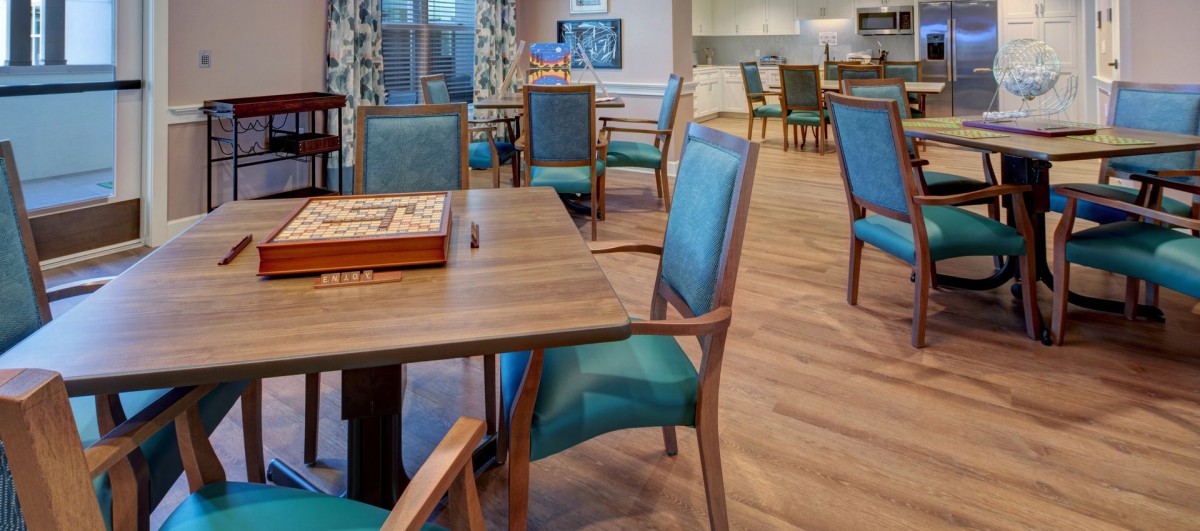
  • Dining room Dining roomDining rooms are important for seniors as they provide a space for socialization, connection, and nutritious meals. They offer opportunities for residents to bond over shared meals, foster a sense of community, and promote healthy eating habits. Dining rooms also ensure that seniors have access to well-balanced meals tailored to their dietary needs and preferences.
  • Family private dining rooms Family private dining roomsFamily private dining rooms are important for seniors as they provide a space for quality time with loved ones, encourage social interaction, and allow for a sense of normalcy and comfort in their living environment. This can greatly improve their overall well-being and quality of life.
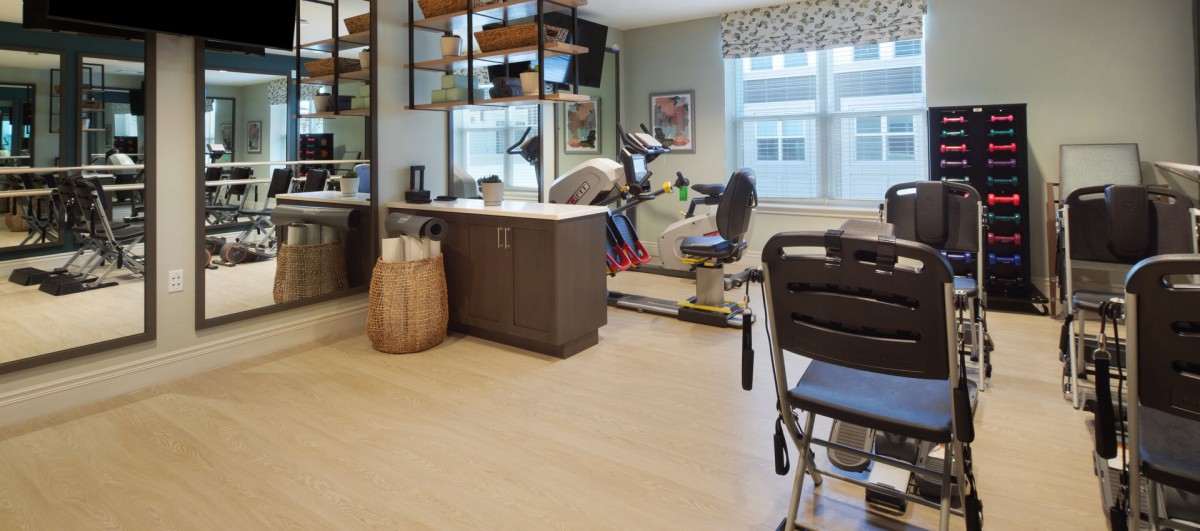
  • Fitness room Fitness roomHaving a fitness room in a senior living community is essential for seniors to stay active, maintain their physical health, and improve their overall well-being. Regular exercise can help prevent falls, reduce the risk of chronic diseases, and promote mental sharpness. It also provides social opportunities for residents to connect with others and enjoy a sense of community.
  • Fully furnished Fully furnishedFully furnished senior living communities are important for seniors because they provide convenience, comfort, and a hassle-free moving experience. Seniors can easily settle into their new living space without the stress of having to buy and move furniture. This allows them to focus on enjoying their new home and community.
  • Gaming room Gaming roomGaming rooms are important for seniors as they provide a fun and engaging environment for socializing, cognitive stimulation, and physical activity. Games can improve memory, problem-solving skills, and overall mental well-being while fostering friendships and reducing feelings of isolation.
  • Garden GardenGardens are important for seniors as they provide a peaceful and therapeutic environment for relaxation, physical activity, and socialization. Being in nature has been shown to reduce stress, improve mood, and promote overall well-being. Gardens also offer opportunities for seniors to engage in gardening activities, which can improve mobility, flexibility, and cognitive function. Additionally, gardens create a sense of community and connection with others who share a passion for plants and outdoor spaces.
  • Housekeeping services Housekeeping servicesHousekeeping services are important for seniors because they help maintain a clean and safe living environment, promote independence, and reduce the risk of accidents or illnesses. Additionally, having assistance with household chores can alleviate physical strain and allow seniors to focus on other aspects of their well-being.
  • Kitchenette KitchenetteKitchenettes are important for seniors living in senior living communities because they provide the convenience and independence of being able to prepare simple meals and snacks in the comfort of their own living space. This can help promote a sense of autonomy and well-being for seniors, allowing them to maintain some level of control over their dietary choices and daily routines.
  • Located close to restaurants Located close to restaurantsBeing located close to restaurants is important for seniors because it offers convenience, social opportunities, and the ability to maintain a healthy and varied diet. Easy access to dining options allows seniors to enjoy meals with friends or family, try new cuisines, and support their overall well-being.
  • Located close to shopping centers Located close to shopping centersBeing located close to shopping centers is important for seniors because it provides easy access to daily necessities, social interaction, and recreational activities. This convenience can enhance their quality of life and independence, making it a desirable feature for senior living communities.
  • Move-in coordination Move-in coordinationMove-in coordination is important for seniors because it helps ease the transition into their new living environment. It ensures that all logistics, such as packing, organizing movers, and setting up utilities are taken care of, allowing seniors to focus on settling in and adjusting to their new home. Having a smooth move-in process can alleviate stress and anxiety, making the transition smoother and more enjoyable for seniors.
  • Outdoor patio Outdoor patioOutdoor patios are essential for seniors as they provide a safe and peaceful space for them to enjoy the outdoors, socialize with friends and family, engage in physical activity, and soak up natural sunlight which promotes overall well-being and mental health.
  • Outdoor space Outdoor spaceOutdoor spaces are important for seniors as they provide opportunities for physical activity, social interaction, exposure to natural light and fresh air, and a sense of connection to nature. Having access to outdoor spaces can improve overall well-being and quality of life for older adults living in senior communities.
  • Private bathrooms Private bathroomsPrivate bathrooms are important for seniors in senior living communities because they provide independence, dignity, and comfort. Having a private bathroom allows seniors to maintain their personal hygiene routines without the need for assistance, promoting a sense of autonomy and privacy. Additionally, private bathrooms help prevent the spread of infections and provide a safe and clean environment for seniors to navigate safely.
  • Restaurant-style dining Restaurant-style diningRestaurant-style dining is important for seniors because it allows them to enjoy delicious, nutritious meals in a social and upscale setting. This enhances their dining experience, promotes healthy eating habits, and fosters socialization with fellow residents, ultimately contributing to their overall well-being and quality of life.
  • Small library Small librarySmall libraries are important for seniors as they provide access to a variety of reading materials, including books, newspapers, and magazines. This can help stimulate their minds, keep them engaged, and provide a sense of community through book clubs and other social activities. Additionally, reading has been shown to improve cognitive function and overall mental well-being in older adults.
  • Telephone TelephoneTelephones are important for seniors as they provide a lifeline for communication with loved ones, emergency services, and healthcare providers. They offer a sense of security and independence, enabling seniors to stay connected and access assistance when needed.
  • Wellness center Wellness centerWellness centers are important for seniors because they offer a variety of programs and services that promote physical, mental, and emotional well-being. These centers provide opportunities for exercise, socialization, education, and relaxation, helping seniors maintain their overall health and quality of life.
  • Wi-Fi/high-speed internet available Wi-Fi/high-speed internet availableWi-Fi/high-speed internet is important for seniors to stay connected with loved ones, access online resources, and participate in virtual activities to combat feelings of loneliness and isolation. It also allows them to easily manage healthcare needs, access entertainment, and engage in lifelong learning opportunities.

Transportation

  • San Jose International (5 miles away) San Jose International (5 miles away)
  • Community operated transportation Community operated transportationCommunity operated transportation is crucial for seniors as it provides them with the means to access essential services, social activities, and medical appointments. It allows seniors to maintain their independence and quality of life by ensuring they can participate in activities outside of their homes. Additionally, community-operated transportation services offer a safe and reliable way for seniors to travel without having to rely on family or friends for assistance.
  • Transportation arrangement Transportation arrangementTransportation arrangements are crucial for seniors as they may face challenges with driving, mobility, or access to public transportation. Having reliable transportation services ensures that seniors can easily attend appointments, social activities, and maintain their independence and quality of life.
  • Transportation arrangement (non-medical) Transportation arrangement (non-medical)Transportation arrangements are essential for seniors as they provide access to essential services, activities, and social interactions outside the home. This service helps maintain independence, mobility, and overall well-being for seniors who may have limited transportation options.

Care Services

  • 24-hour call system 24-hour call system24-hour call systems are important for seniors because they provide peace of mind and immediate assistance in case of emergencies. This technology ensures that help is always available, promoting safety and security for elderly individuals living alone or in assisted living facilities.
  • 24-hour supervision 24-hour supervision24-hour supervision is important for seniors to ensure their safety, well-being, and access to immediate assistance in case of emergencies or health issues. This constant support provides peace of mind for both seniors and their loved ones, allowing them to age in place with dignity and security.
  • Activities of daily living assistance Activities of daily living assistanceActivities of daily living assistance are important for seniors because they provide essential support with tasks such as eating, bathing, dressing, and mobility. This assistance helps seniors maintain their independence, dignity, and overall quality of life as they age.
  • Assistance with bathing Assistance with bathingAssistance with bathing is crucial for seniors as it helps maintain personal hygiene, prevents infections, and ensures their overall well-being and comfort. It also provides a sense of dignity and independence for seniors who may struggle with this task on their own.
  • Assistance with dressing Assistance with dressingAssistance with dressing is important for seniors because it helps maintain their independence, promotes personal hygiene, prevents accidents and injuries, and improves overall quality of life. This service ensures that seniors can continue to dress comfortably and confidently, despite any physical limitations they may have.
  • Assistance with transfers Assistance with transfersAssistance with transfers is crucial for seniors as it helps prevent falls and injuries, maintains their independence, and ensures they can safely navigate their living environment. It also provides peace of mind for both seniors and their loved ones.
  • Coordination with health care providers Coordination with health care providersCoordination with health care providers is crucial for seniors to ensure proper medical care, medication management, and overall well-being. This collaboration helps prevent overlapping treatments, track progress more effectively, and provide comprehensive support tailored to individual needs.
  • Dementia waiver Dementia waiverDementia waivers are essential for seniors as they provide critical protections and accommodations for those experiencing cognitive decline. These waivers ensure individuals with dementia receive appropriate care, support, and resources to maintain their quality of life and dignity as they navigate the challenges of this progressive condition.
  • Diabetes diet Diabetes dietA diabetes diet is crucial for seniors as it helps manage blood sugar levels, reduce risks of complications, and improve overall health and well-being. By following a balanced and nutritious diet tailored to their specific needs, seniors can better control their diabetes and enhance their quality of life.
  • Hospice waiver Hospice waiverHospice waivers are important for seniors because they allow individuals to receive specialized end-of-life care and support at home or in a hospice facility. This waiver ensures that seniors can access the necessary resources and services to maintain comfort and dignity during their final days.
  • Meal preparation and service Meal preparation and serviceMeal preparation and service are crucial for seniors as they may have limited mobility or energy to cook nutritious meals. Having access to healthy and convenient food options can ensure they are getting the proper nutrition needed to maintain their overall health and well-being.
  • Medication management Medication managementMedication management is crucial for seniors to ensure they are taking the right medications at the correct dosages and times. This helps prevent adverse drug interactions, reduces the risk of medication errors, and promotes overall health and well-being. Proactive management also allows for adjustments as needed based on changing health conditions or new prescriptions.
  • Mental wellness program Mental wellness programMental wellness programs are essential for seniors as they promote cognitive stimulation, emotional support, and social engagement. These programs help prevent isolation, depression, and cognitive decline, ultimately enhancing the overall quality of life for older adults.
  • Mild cognitive impairment Mild cognitive impairment"Mild cognitive impairment" is important for seniors because it is an early stage of cognitive decline that can potentially progress to more severe conditions such as dementia. Recognizing and addressing mild cognitive impairment can help seniors receive appropriate care and support to maintain their quality of life and independence for as long as possible.
  • Respite program Respite programRespite programs provide short-term relief for family caregivers and allow seniors to receive temporary care in a safe and supportive environment. These programs help prevent burnout among caregivers, promote socialization for seniors, and offer a break from the challenges of daily caregiving responsibilities.
  • Special dietary restrictions Special dietary restrictionsSpecial dietary restrictions are important for seniors because age-related changes in metabolism and health conditions can make it difficult for their bodies to process certain foods. By following a diet tailored to their specific needs, seniors can maintain their overall health and well-being, manage chronic conditions, and reduce the risk of complications such as malnutrition or food interactions with medications.
  • Specialized memory care programming Specialized memory care programmingSpecialized memory care programming is crucial for seniors with cognitive impairments such as dementia or Alzheimer's disease. These programs provide a safe and supportive environment tailored to the unique needs of individuals with memory loss, helping them maintain their independence, dignity, and quality of life.
  • Transportation arrangement (medical) Transportation arrangement (medical)Transportation arrangements for medical purposes are essential for seniors as they may have difficulty driving themselves to appointments or accessing public transportation. Having reliable and safe transportation options ensures that seniors can receive timely medical care and maintain their health and well-being.
  • Transportation to doctors appointments Transportation to doctors appointmentsTransportation to doctors' appointments is crucial for seniors as it ensures they have access to necessary medical care and support for their health needs. Without reliable transportation, seniors may struggle to attend important appointments, leading to potential delays in treatment and health complications. Providing transportation services helps seniors maintain their overall well-being and quality of life.

Dining

  • Diabetes diet Diabetes dietA diabetes diet is crucial for seniors as it helps manage blood sugar levels, reduce risks of complications, and improve overall health and well-being. By following a balanced and nutritious diet tailored to their specific needs, seniors can better control their diabetes and enhance their quality of life.
  • Special dietary restrictions Special dietary restrictionsSpecial dietary restrictions are important for seniors because age-related changes in metabolism and health conditions can make it difficult for their bodies to process certain foods. By following a diet tailored to their specific needs, seniors can maintain their overall health and well-being, manage chronic conditions, and reduce the risk of complications such as malnutrition or food interactions with medications.

Activities

  • Community-sponsored activities Community-sponsored activitiesCommunity-sponsored activities are important for seniors as they provide opportunities for social interaction, mental stimulation, and physical activity. These activities can help improve overall well-being, combat loneliness and isolation, and promote a sense of belonging and purpose among older adults.
  • Concierge services Concierge servicesConcierge services are essential for seniors as they provide assistance with daily tasks and errands, enhance their quality of life by offering convenience and personalized care, and promote a sense of safety and security.
  • Fitness programs Fitness programsFitness programs are crucial for seniors as they help improve strength, flexibility, balance, and overall well-being. Staying active can reduce the risk of chronic diseases, improve mental health, and enhance quality of life in older adults.
  • Planned day trips Planned day tripsPlanned day trips are important for seniors because they offer opportunities for socialization, mental stimulation, and physical activity. They provide a change of scenery and help seniors stay engaged and connected to their community, promoting overall well-being and quality of life.
  • Resident-run activities Resident-run activitiesResident-run activities are important for seniors as they encourage social interaction, creativity, and a sense of autonomy. These activities empower seniors to stay engaged and active in their community while fostering meaningful connections with their peers.
  • Scheduled daily activities Scheduled daily activitiesScheduled daily activities are important for seniors because they provide structure, socialization, mental stimulation, and physical activity. Engaging in regular activities can improve overall well-being and quality of life for seniors living in a community setting.

Description

Sunrise of Cupertino is an assisted living community located in Sunnyvale, CA, offering specialized care for individuals with memory impairments. Our community provides a range of amenities and services to ensure the comfort and well-being of our residents.

To cater to their personal needs, we offer a beauty salon, cable or satellite TV, housekeeping services, fully furnished accommodations with private bathrooms, and restaurant-style dining. Residents can also enjoy our outdoor patio and garden area, where they can relax and soak up the sunshine.

We understand the importance of staying connected in today's digital world, which is why we provide Wi-Fi/high-speed internet access and a computer center for residents to use at their convenience. For further convenience, our community is located close to restaurants and shopping centers.

Our caregivers are available 24/7 to provide 24-hour supervision and assistance with activities of daily living such as bathing, dressing, transfers, and meal preparation. Medication management is also offered to ensure that residents receive their prescribed medications on time.

At Sunrise of Cupertino, we prioritize mental wellness and aim to enhance cognitive abilities through specialized memory care programming tailored specifically for individuals facing memory challenges or mild cognitive impairment. Additionally, we provide a respite program for temporary stays for those who need short-term care.

Residents can engage in various activities organized by our concierge services team or join planned day trips to nearby attractions. We encourage resident involvement through resident-run activities where they can share their talents and hobbies with others. Scheduled daily activities are available for those who prefer structured routines.

Our community is conveniently located near cafes, parks, pharmacies, physicians' offices, restaurants, theaters as well as hospitals. Transportation arrangements are provided both for non-medical purposes such as shopping trips or social outings as well as medical appointments.

At Sunrise of Cupertino in Sunnyvale, CA, we strive to create a warm and supportive environment where residents receive the care they deserve while enjoying an enriching and engaging lifestyle.

Nearby Places of Interest

Restaurants

  • Falafel Stop (0.3 miles)
  • In-N-Out Burger (0.6 miles)
  • McDonald's (0.7 miles)
  • Chick-Fil-A (1.3 miles)
  • BJ's Restaurant & Brewhouse (1.5 miles)
  • Madras Cafe (2.1 miles)
  • Cafe Lattea (2.2 miles)

Cafes

  • Sunright Tea Studio (0.6 miles)
  • 7 Leaves Cafe (1.3 miles)
  • Caffe Macs (1.4 miles)
  • Apple Park Café (1.8 miles)
  • Panera Bread (2.1 miles)
  • Starbucks (3.5 miles)
  • Coffee & Water Lab (3.8 miles)

Pharmacies

  • CVS Pharmacy (0.6 miles)
  • Walgreens (1.1 miles)
  • Rite Aid (1.1 miles)
  • Walgreens (1.2 miles)
  • CVS Pharmacy (1.3 miles)
  • CVS Pharmacy (1.5 miles)
  • Walgreens (1.9 miles)

Physicians

  • VHC Sunnyvale Clinic (0.9 miles)
  • Santa Clara Valley Health & Hospital System (0.9 miles)
  • Silicon Valley Eye Physicians (1.6 miles)
  • Palo Alto Medical Foundation (2.9 miles)
  • Vaughn, Sarah Spring Fertility Management (3 miles)
  • Melchor Pavilion (3.2 miles)
  • Abbott Vascular (3.3 miles)

Parks

  • Serra Park (1 miles)
  • Ponderosa Park (1.4 miles)
  • Portal Park (1.9 miles)
  • Earl J Carmichael Park (2 miles)
  • Cupertino Memorial Park (2.2 miles)
  • Machado Park (2.2 miles)
  • Grant Park (2.4 miles)

Theaters

  • AMC DINE-IN Sunnyvale 12 & IMAX (1.5 miles)
  • AMC Mercado 20 (3.5 miles)

Transportation

  • Apple Park Transit Center (1.7 miles)
  • Sunnyvale Caltrain Station (1.8 miles)
  • U-Haul Moving & Storage (3.2 miles)
  • Mountain View Caltrain Station (3.9 miles)
  • Santa Clara Transit Center (5 miles)
  • Santa Clara Caltrain Station (5 miles)
  • Terminal A (5.5 miles)

Hospitals

  • Surgery Center Mountain View (2.6 miles)
  • El Camino Hospital (3.1 miles)
  • O'Connor Hospital (5.2 miles)

Frequently Asked Questions

Where is Sunrise of Cupertino?
Does Sunrise of Cupertino provide care for residents with dementia or Alzheimer's disease?
What photos are available for Sunrise of Cupertino in Sunnyvale, California?

Nearby Communities

  • Crescent Terrace Apartments

    Crescent Terrace Apartments

    Sunnyvale, CA

    3.7 from 3 reviews
     

    pro Strong nearby amenities and healthcare access.

  • Crescent Oaks Memory Care

    Crescent Oaks Memory Care

    Sunnyvale, CA

    3.9 from 16 reviews
    $6,400 to $8,700 / month

    pro Warm, close-knit memory care community with personalized care and engaging activities led by a dedicated program director.

  • Manorcare Health Services (Sunnyvale)

    Manorcare Health Services (Sunnyvale)

    Sunnyvale, CA

    3.9 from 77 reviews
     

    pro Caring staff, clean environment, and engaging activities.

  • Atria Sunnyvale

    Atria Sunnyvale

    Sunnyvale, CA

    4.5 from 113 reviews
    $3,895 to $12,195 / month

    pro Caring, responsive staff with a warm community feel and solid dining/amenities.

  • Cedar Crest Nursing And Rehabilitation Center

    Cedar Crest Nursing And Rehabilitation Center

    Sunnyvale, CA

    4.6 from 119 reviews
     

    pro Engaging activities and effective physical therapy.

  • Andrea's Elderly Care Facility

    Andrea's Elderly Care Facility

    Sunnyvale, CA

    5 from 4 reviews
     

    pro Good access to healthcare, parks, and social opportunities.

  • Belmont Village Senior Living Sunnyvale

    Belmont Village Senior Living Sunnyvale

    Sunnyvale, CA

    4.5 from 67 reviews
    $6,500 to $9,500 / month

    pro Caring staff and beautiful grounds with engaging memory-care programs.

  • The Forum At Rancho San Antonio

    The Forum At Rancho San Antonio

    Cupertino, CA

    4.9 from 142 reviews
    $2,222 / month

    pro Warm, professional staff in a vibrant, well-maintained community with abundant activities.

  • Los Altos Sub-acute and Rehabilitation Center

    Los Altos Sub-acute and Rehabilitation Center

    Los Altos, CA

    3.4 from 112 reviews
     

    pro Caring staff, clean environment, and engaging activities.

Related Resources

  • dementia stagesUnderstanding Dementia Through Its Seven Stages: A Comprehensive Look at Progression and Expectations

    Dementia encompasses a range of cognitive impairments characterized by types such as Alzheimer's and vascular dementia, and follows a seven-stage progression model known as the Global Deterioration Scale (GDS), highlighting varying symptoms and decline timelines. Early detection allows for lifestyle adjustments to potentially slow progression, while caregivers need support and resources to manage the challenges involved in caring for affected individuals.

  • how to prevent memory loss in old ageSafeguarding Your Memory Through the Golden Years: Eight Ways to Preserve Cognitive Health

    The article presents eight strategies for preserving cognitive health and memory in older adults, emphasizing a nutrient-rich diet, regular exercise, intellectually stimulating activities, adequate sleep, social connections, stress management techniques, limiting harmful substances, and regular medical checkups to mitigate age-related memory decline.

  • activities of daily livingComprehensive Insights into Activities of Daily Living (ADLs) and Their Assessment


    Activities of Daily Living (ADLs) are fundamental tasks vital for an individual's independence, particularly in older adults over 85, and include functions like bathing and dressing; assessing ADLs alongside Instrumental Activities of Daily Living (IADLs) helps determine the level of required assistance due to age-related health challenges. Tailored support plans, involving family and community resources, are essential for maintaining dignity and autonomy in assisted living environments.