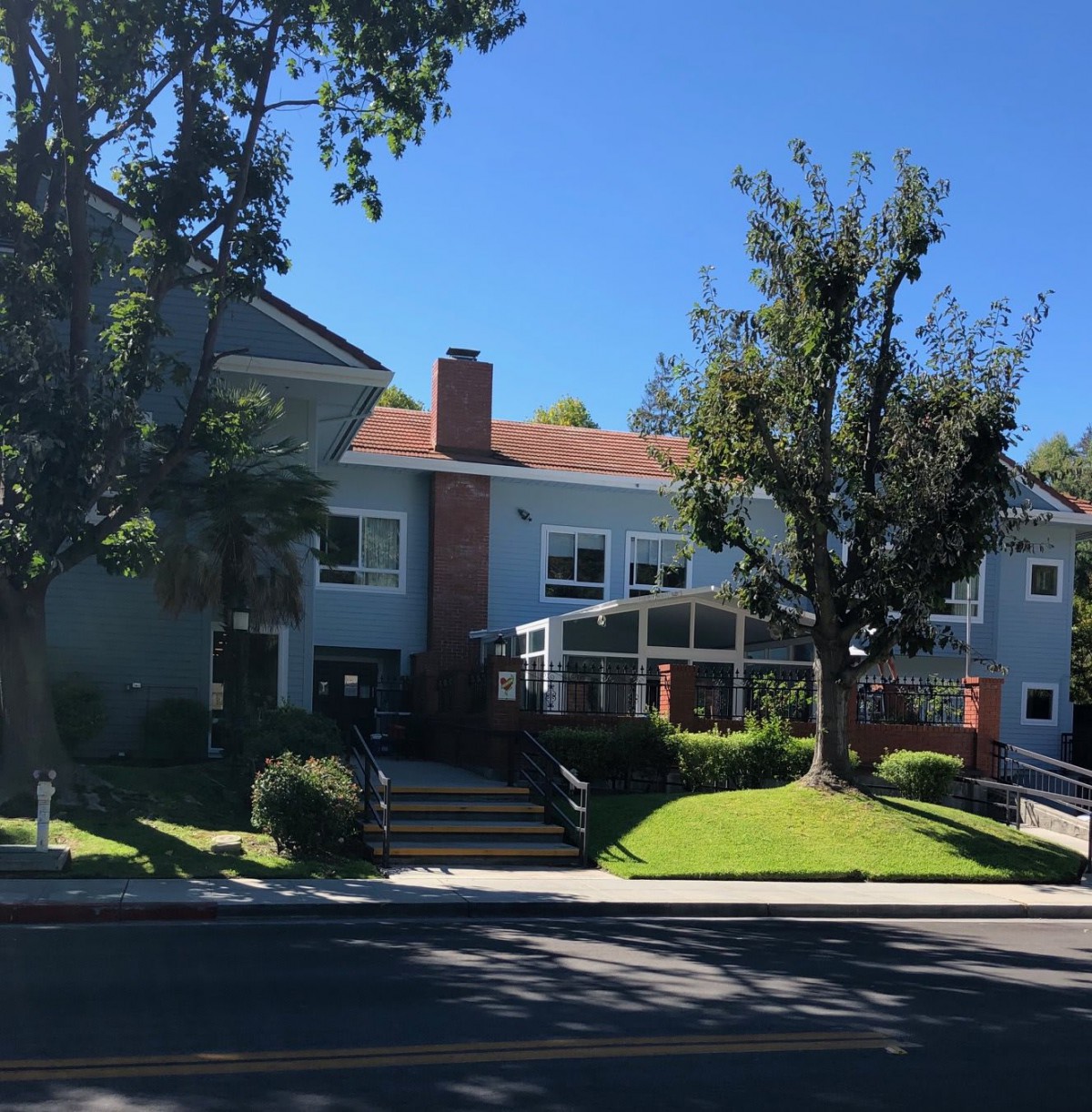

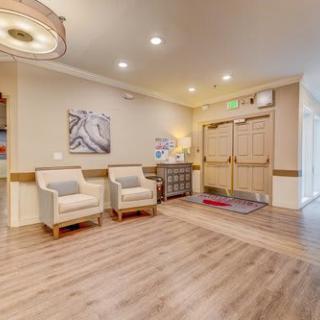
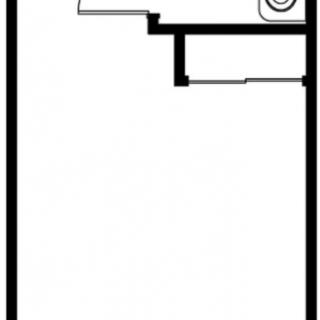
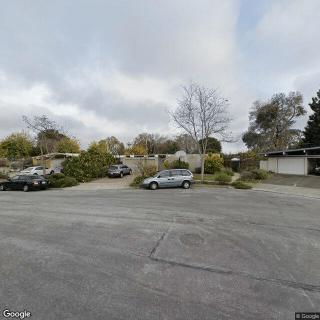
147 Crescent Ave, Sunnyvale, CA 94087
To contact a resident: (408) 730-4004
For more information about senior living options: (866) 208-4318
Crescent Oaks Memory Care Costs & Pricing
Crescent Oaks Memory Care offers specialized care with monthly costs reflecting the quality and services provided. For a semi-private room, residents can expect to pay $6,400, which is significantly higher than the averages in Santa Clara County at $3,943 and across California at $3,333. For those seeking a more private experience, the cost for a one-bedroom unit is set at $8,700, again surpassing local and state averages - Santa Clara County's average is $5,861 and California's stands at $4,340. These figures indicate that Crescent Oaks positions itself as a premium provider of memory care services, likely offering enhanced amenities and personalized attention that justify the higher expense.
| Floor plans | Crescent Oaks Memory Care | Santa Clara County | California |
|---|---|---|---|
| Semi-Private | $6,400 | $3,943 | $3,333 |
| 1 Bedroom | $8,700 | $5,861 | $4,340 |
Memory care communities with a similar price nearby
-
from -$1200 / mo
The Mansion
$5,200 to $6,300 / month23.2 miles away -
from -$730 / mo

Carefield Pleasanton
$5,670 to $5,700 / month24.1 miles away -
About the same
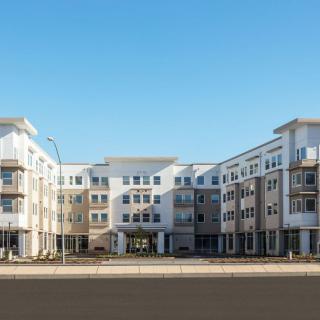
Almaden
$6,395 to $11,495 / month10.3 miles away -
from +$320 / mo

Belmont Village Los Gatos
$6,720 to $13,590 / month9.1 miles away -
from -$400 / mo
Palm Villas
$6,000 to $12,000 / month12.7 miles away
Overall Review of Crescent Oaks Memory Care
Pros
 The staff were extremely attentive to residents and the facilities were well kept.
- Deborah provided an excellent greeting, explained the services, and gave a warm, informative tour.
- The staff delivered loving care that helped families feel supported and connected to their loved ones.
- Olivia loved Crescent Oaks and felt comfortable with the people who took care of her.
- Geraldine consistently goes above and beyond with activities and holiday decorations, and Monica has formed a strong bond with residents.
- The program director keeps the calendar full of activities and events, creating a bright and engaging atmosphere.
Cons
 Crescent Oaks Memory Care lacks proper supervision and has insufficient staff.
- Communication with management is slow, and requests for care or repairs are often ignored.
- The reviewer would not recommend Crescent Oaks Memory Care for anyone seeking a safe and attentive environment.
- New management is focused on bringing in as many residents as possible.
- Moving in roommates without notice, with no regard to compatibility, was criticized.
- Staff were already spread thin and adding more residents would worsen the problem.
- A reviewer reported that their grandmother was pushed down the stairs.
- Crescent Oaks did not have space or staff to care for a loved one's needs.
Review
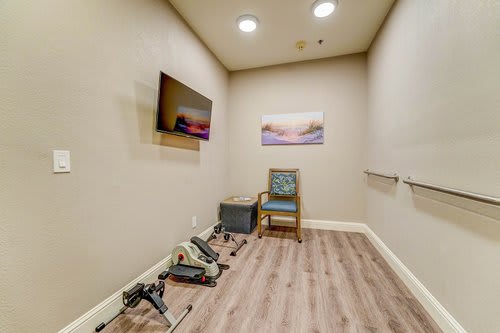
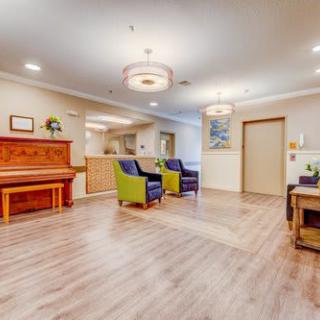
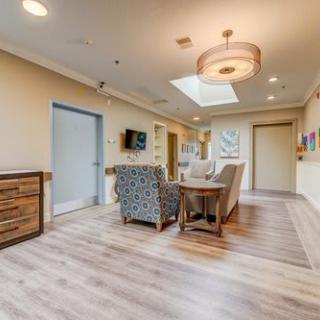
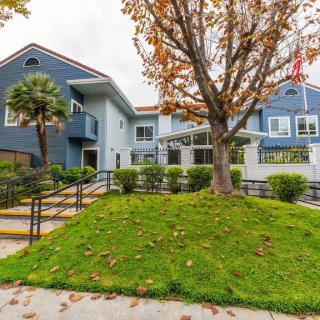
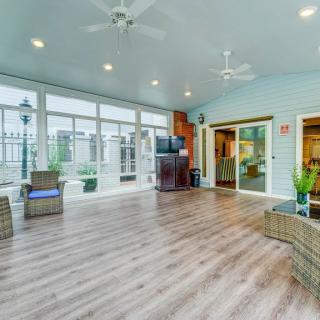
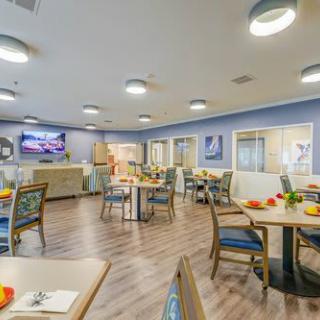
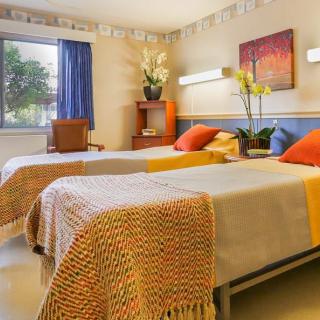
Crescent Oaks Memory Care in Sunnyvale is best suited for families seeking a warm, intimate memory-care community where daily life revolves around engagement, connection, and a devoted staff. The environment feels cozy, cheerful, and bright, with a visible emphasis on social rhythms, projects, celebrations, and activities that give residents a meaningful sense of a full day. It works particularly well for residents with Alzheimer’s or dementia who respond to predictable routines and robust opportunities to participate in organized events, music, and outings that foster a sense of belonging. This is not a facility built for slick marketing or luxury amenities; it is grounded in relationships and community warmth. For a loved one who needs consistent, highly structured medical oversight or meticulous supervision around the clock, Crescent Oaks may feel undersized in capacity. Those with complex medical needs or behaviors that demand intensive one-on-one attention should look elsewhere.
Those who should consider alternatives are families confronting persistent staffing gaps or high medical complexity. Several reviews flag insufficient supervision and slow or inconsistent communication from management, with care requests sometimes going unanswered. The bottom line for these families: the risk of missed or delayed care can be significant when staffing is thin or spread too wide. Additional concerns include reports of moving roommates without notice and questions about safety, including a firsthand account of a resident being injured in a fall. In short, Crescent Oaks performs best when resident needs align with the staff’s ability to be consistently present and responsive; for residents who require tight caregiver ratios or careful roommate matching, other communities with stronger oversight may be a safer bet.
The strongest positives are tangible and meaningful. Families repeatedly praise the staff’s warmth and attentiveness, the sense of warmth during tours, and the daily reality of care that feels personal rather than transactional. Key team members are highlighted for going the extra mile: an activities director who designs festive, engaging programs; a front-desk host who makes visitors feel welcome; and caregivers who connect with residents on a personal level. The activity calendar is robust and creative, monthly celebrations, live music, holiday decorating, and a consistent flow of events that give residents purposeful reasons to participate and look forward to each day. These elements often translate into clearly improved mood, social engagement, and a stronger sense of identity and purpose for residents. When operations align with this level of personal attention, Crescent Oaks delivers the meaningful, home-like experience many families seek.
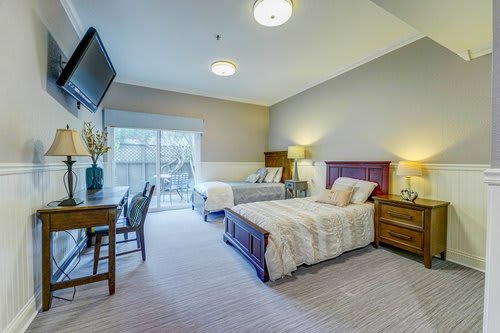
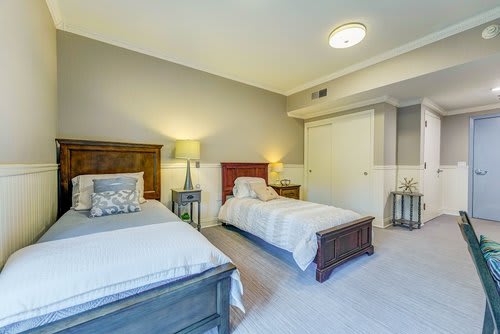
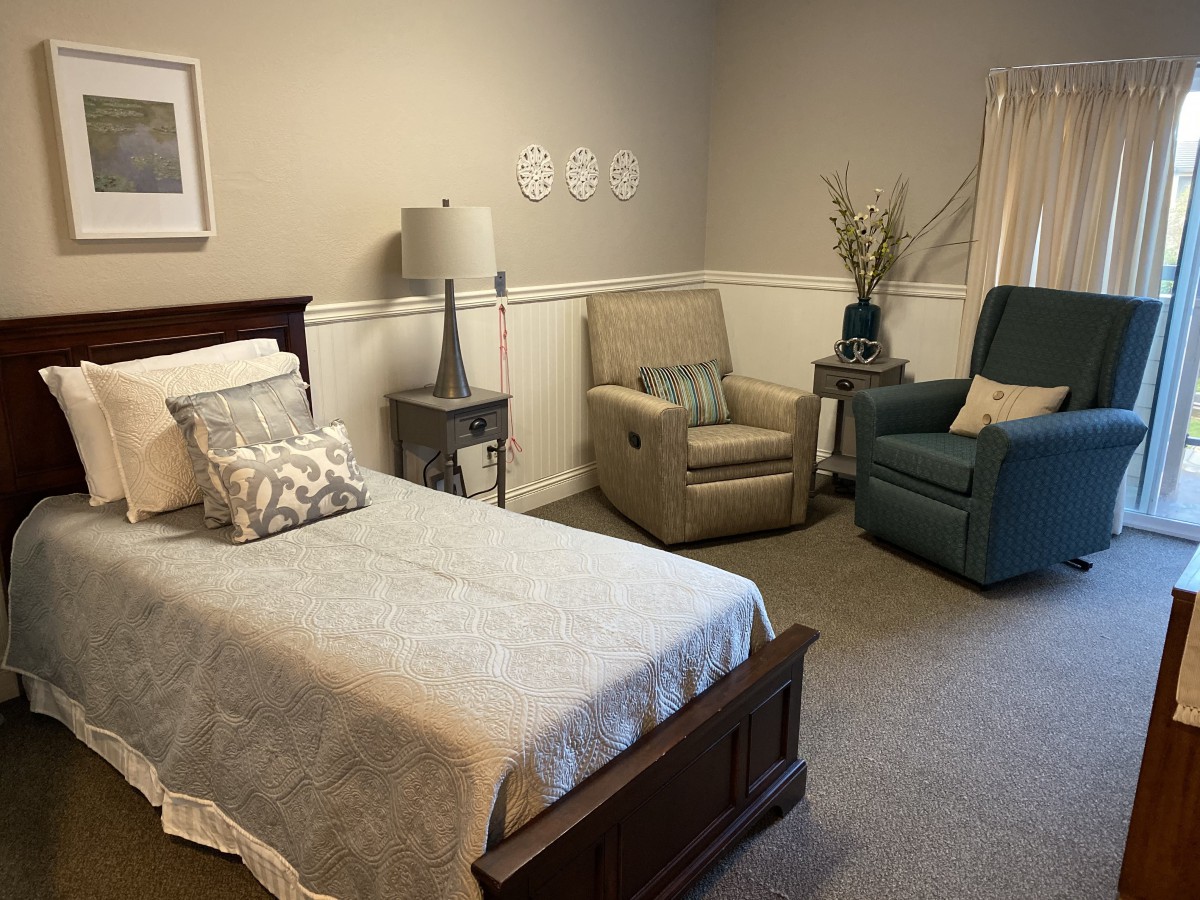
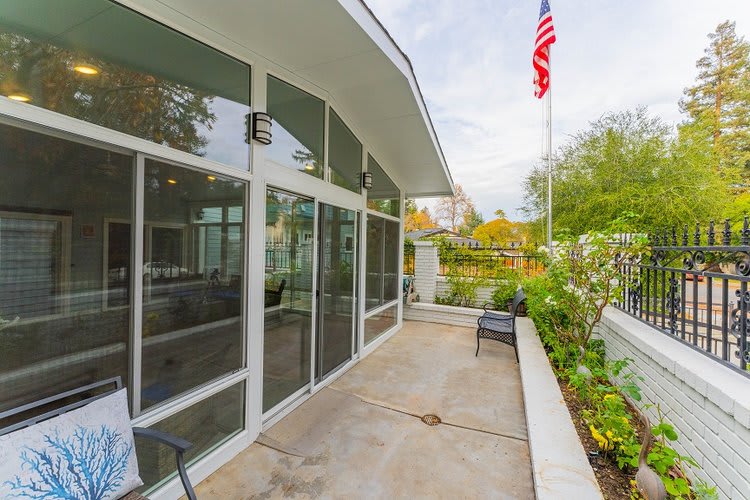
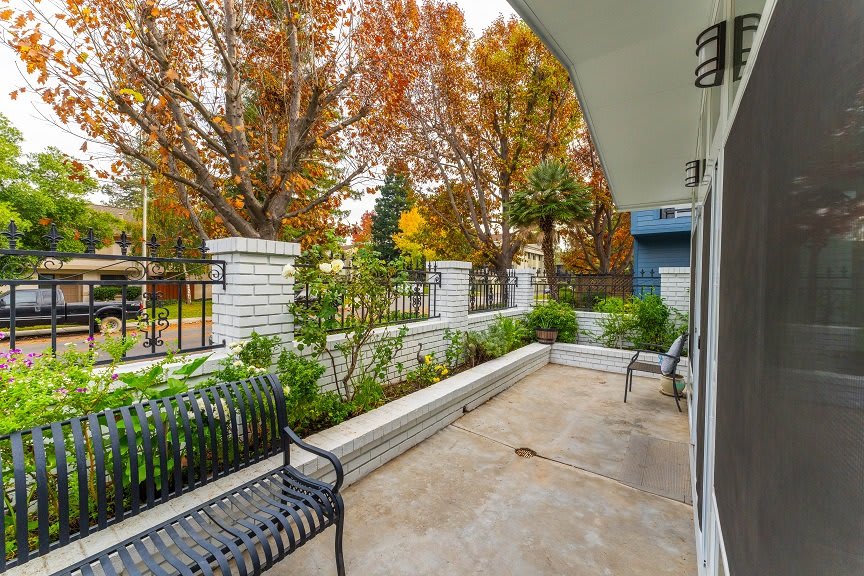
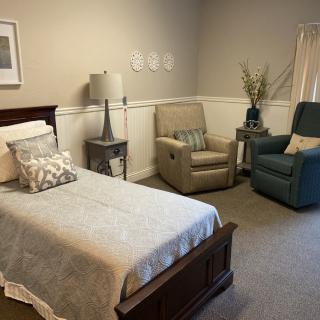
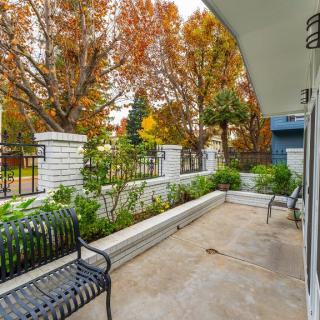
Yet the environment carries trade-offs that families must weigh carefully. The same proximity to activity and a busy calendar can obscure the downside for some residents, particularly where staffing carries a heavier load. Shared living arrangements are common, and in at least one critique the lack of partitions in companion rooms raises privacy and compatibility concerns for couples or roommates with differing routines. Outdoor space, while accessible, is described as not always being easy to reach for every resident, which can limit outdoor time for some. The “mom-and-pop” feel is endearing to many, but it also implies a smaller, less standardized operation than larger chains: pricing is straightforward, but consistency in service can depend on the day-to-day team in the building. The result is a compelling environment for social residents, while offering potential friction points for those who depend on predictable, highly supervised care.
From a practical decision standpoint, Crescent Oaks rewards families who value meaningful activity, close-knit staff relationships, and a cheerful atmosphere and who can tolerate, or even welcome, a bit of intimate, homelike imperfection. The facility’s strengths, personalized attention during activities, a community-oriented tempo, and a transparent, simple pricing approach, are not academic features on a brochure; they translate into real days of engagement and demonstrated care. However, the clear drawbacks, staffing strain, variable management responsiveness, and privacy considerations in shared rooms, can offset those benefits when resident needs exceed the model’s current capacity. Prospective families should calibrate expectations: if the resident thrives in a lively, socially oriented setting and the care plan is aligned with available staffing, Crescent Oaks can be a very good fit; if the resident requires more constant supervision or a higher level of medical oversight, alternatives warrant careful comparison.
The prudent path is a thorough, in-person due diligence. Prospective families should request a live look at staffing patterns, including caregiver-to-resident ratios during peak hours, and meet the care director to discuss how individualized care plans are developed and updated. Ask to observe a typical activity, how staff engage with residents, the ease of access to assistance during activities, and the responsiveness to call bells or care requests. It is also essential to review room configurations and privacy options, especially for couples or roommates who may need more separation or different routines. Request current menus, activity calendars, and a tour of outdoor spaces to confirm accessibility and safety features. Finally, talk to multiple families currently or recently served to gauge consistency of care and communication.
In sum, Crescent Oaks Memory Care represents a compelling option for families prioritizing warmth, community, and an active daily rhythm, delivered by a team that consistently earns praise for caring, personalized attention. It is less well-suited for residents whose care needs demand high, steady staffing, strict supervision, or aggressive risk management, and for those who require private, clearly separated living spaces rather than shared rooms. The decision hinges on aligning the resident’s behavioral and medical needs with the facility’s capacity and culture: a lively, affectionate, activity-forward environment can be transformative for the right person, while a mismatch in supervision or privacy can lead to frustration and gaps in care. For families moving forward, a structured, candid assessment, rooted in firsthand observation and conversations with frontline staff and current residents, will reveal whether Crescent Oaks is the right home or if a tougher, more rigorously supervised alternative is warranted.
 44 resident community capacity
 1-bedroom apartments
 Assisted Living
 Memory Care
 Respite Care
 Activities on-site
 Air-conditioning
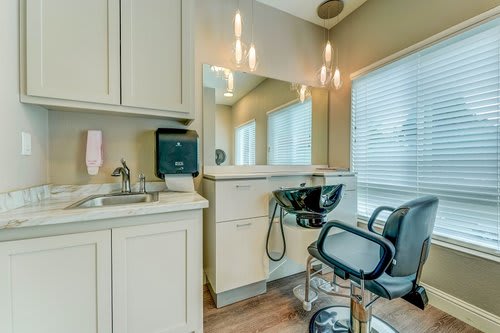
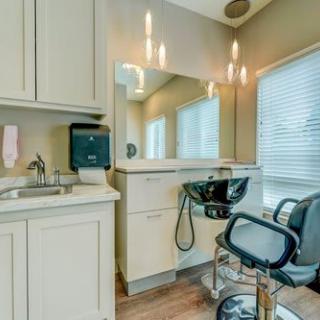
 Beautician on-site
 Cable or satellite TV
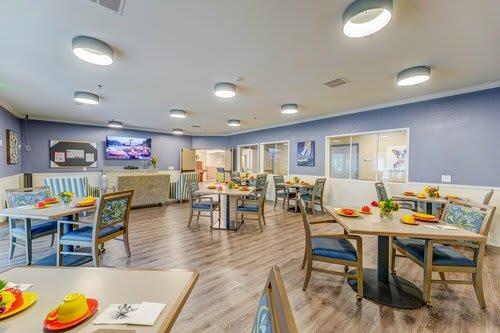
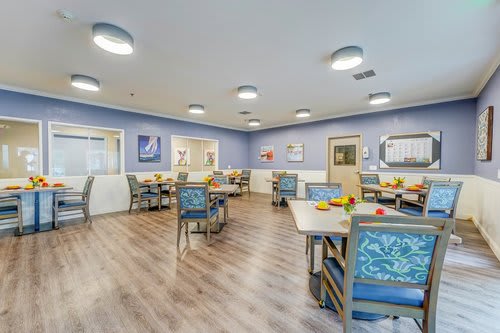
 Dining room
 Fully furnished
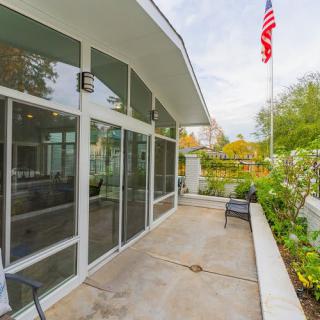
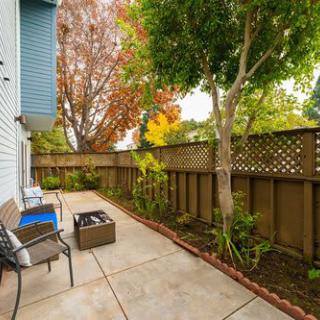
 Garden
 Housekeeping services
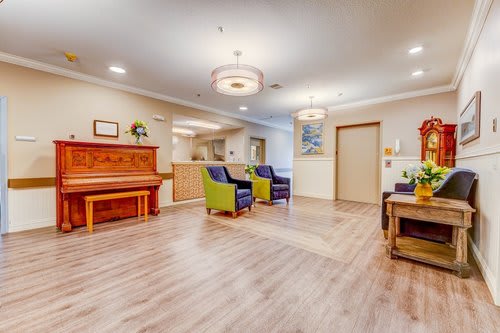
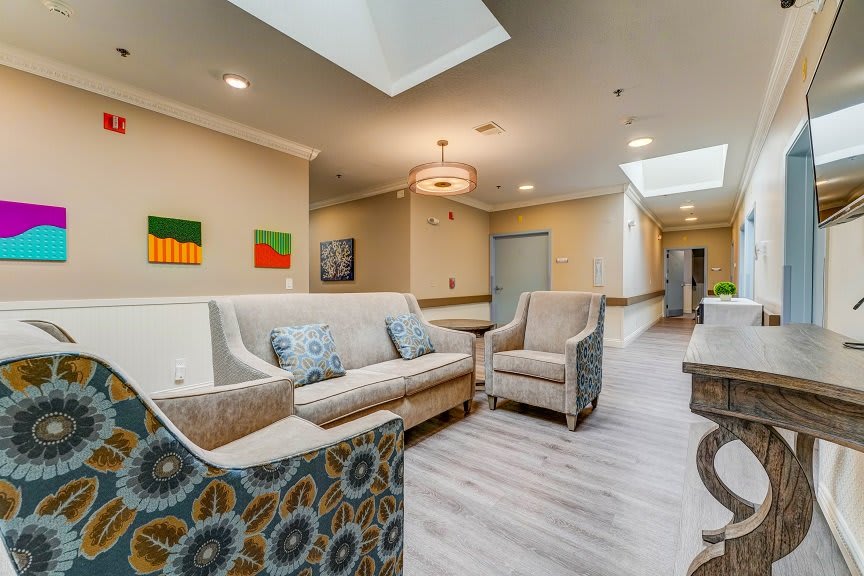
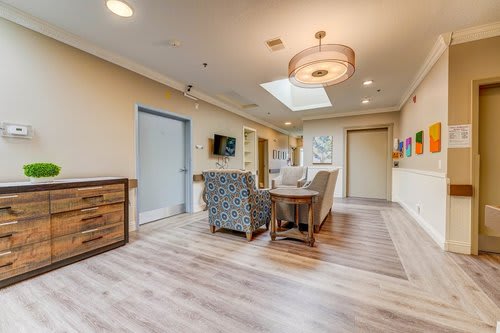
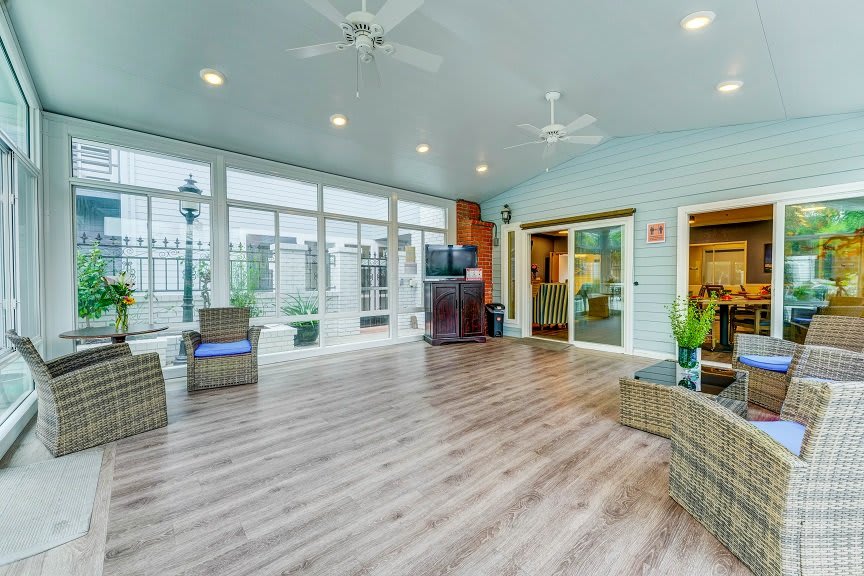
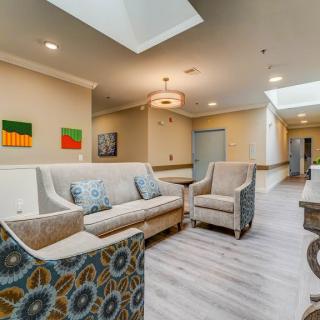
 Indoor common areas
 Laundry
 Meal preparation and service
 Move-in coordination
 Outdoor common areas
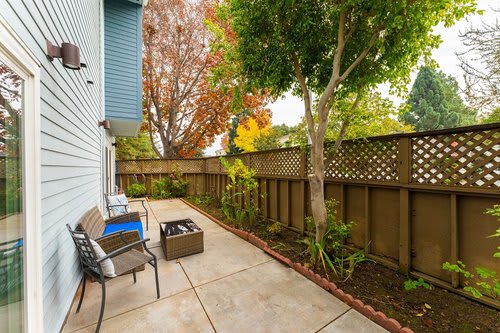
 Outdoor patio
 Security gate
 Small library
 Telephone
 Wheelchair accessible showers
 Wi-Fi/high-speed internet available
 San Jose International (6 miles away)
 Transportation & parking
 24-hour call system
 Ambulatory care
 Assistance with bathing
 Assistance with dressing
 Assistance with transfers
 Diabetes diet
 Diabetic care
 Hospice care
 Incontinence care
 Medication management
 Mental wellness program
 Special dietary restrictions
 Art classes
 BBQs or picnics
 Birthday parties
 Brain fitness
 Catholic services
 Karaoke
 Live musical performances
 Other religious services
 Stretching classes
 Trivia games
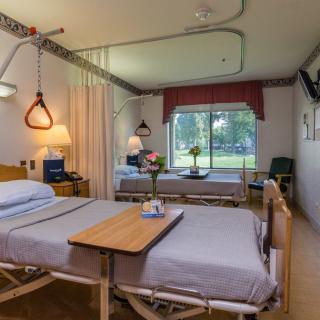

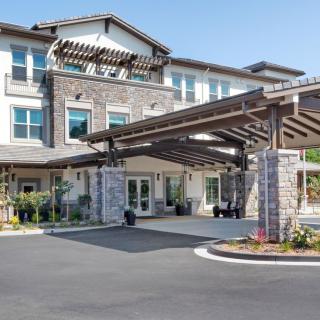
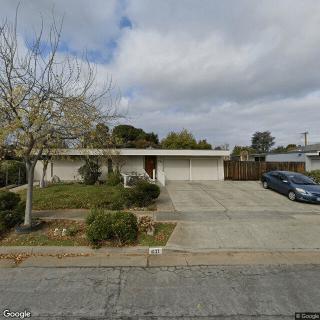

 Understanding Dementia Through Its Seven Stages: A Comprehensive Look at Progression and Expectations
 Safeguarding Your Memory Through the Golden Years: Eight Ways to Preserve Cognitive Health
 Comprehensive Insights into Activities of Daily Living (ADLs) and Their Assessment