
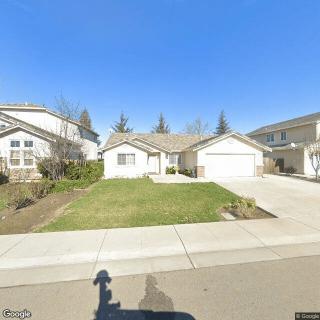
5766 Fred Russo Drive, Stockton, CA 95212
For more information about senior living options: (866) 208-4318
Overall Review of J & M Care Home
Pros
 He tried his best.
- He took care of what he could.
Cons
 The reviewer was frustrated that the restaurant wouldn’t let them order off the kid’s menu, despite claiming eight-year-old maturity.
- J & M Care Home was described as horrible, with weight loss, poor meals, and cleanliness issues.
- They criticized the facility for lacking food preparedness and for nine days in a row having nothing but ham sandwiches for dinner.
- It was noted that only one staff member was present, who did his best, but the overall care was insufficient; they wouldn’t recommend it and wouldn’t return.
- Regarding the Stockton facility, the reviewer felt misled when the husband contradicted the wife about openings.
- The visit was uncomfortable and disappointing and would not have been good for their father.
Review
J & M Care Home in Stockton is best suited for residents with very low care needs who can tolerate austere conditions and limited amenities. It is not a fit for anyone who expects reliable meals, clean surroundings, or proactive, transparent management. Families operating on tight budgets or constrained geography may consider alternatives, but those prioritizing dignity, consistency, and daily structure should look elsewhere. The home appears to function on a lean model that demands patience and active self-advocacy from residents and families. In practice, this community will suit someone who can endure the bare minimum while remaining flexible about routines and promises.
Meal quality and cleanliness stand out as the most troubling issues. One reviewer endured nine days of ham sandwiches, and overall food preparation was described as lacking. Cleanliness was questioned, with reports of subpar upkeep that undermine basic comfort and safety. These are not minor irritants; they affect appetite, mood, and engagement with daily life. Even when the lone on-site caregiver showed effort, the broader environment signals insufficient support. The combination of poor meals, questionable cleanliness, and inconsistent nourishment planning creates a corrosive baseline that erodes trust and makes meaningful activity and socialization unlikely.
Staffing logistics intensify the problem. The same account notes only one person on the floor at any time, despite claims of round-the-clock presence. A single caregiver cannot reliably monitor multiple residents, manage medications, respond quickly to alarms, or coordinate with family members. This structural shortage translates into slower response times and higher risk for overlooked needs or safety incidents. In essence, lean staffing stacks the deck against residents who require even modest levels of supervision, turning routine daily tasks into uncertain gambits. The operational model here appears ill-suited for sustained, person-centered care.
Miscommunication compounds the concerns. A prospective resident was told of openings that never materialized, and a tour left the family uncomfortable after the husband contradicted the wife's information. When families encounter inconsistent admissions timelines and uncertain commitments, trust frays quickly. This pattern signals governance that struggles to align front-desk promises with back-end operations, a fault line that families should not have to navigate during a critical transition. In short, transparency and reliability are as important as care quality, and these reviews reveal meaningful gaps in both.
Who should keep looking then? Families that insist on reliable meals, clean spaces, steady staffing, and honest communication should pursue other options first. Look for facilities with documented meal plans, consistent housekeeping, higher staffing ratios, and clear admission timelines. For residents with even modest medical or mobility needs, the deficits here would likely worsen over time. If budget constraints push toward J & M, demand concrete guarantees: standard menus for at least a week, a published daily cleaning schedule, staffing on each shift, and a formal, written care plan with daily responsibilities.
Practical next steps: visit several nearby communities to compare dining, cleanliness, and staffing; request recent inspection results and licensing details; speak with the administrator about care planning, on-site supervision, and ride-along opportunities to observe responsiveness. Ask for sample menus and a calendar of activities to judge engagement quality. Seek resident and family references and request a trial period to assess day-to-day operations before making a commitment. If the facility cannot provide verifiable assurances on meals, housekeeping, and staffing within a reasonable timeframe, pivot to options with a track record of consistency and dignity.
 6 resident community capacity
 Assisted Living
 Board and Care Home
 Cable or satellite TV
 Dining room
 Fully furnished
 Garden
 Housekeeping services
 Move-in coordination
 Outdoor space
 Telephone
 Wi-Fi/high-speed internet available
 24-hour supervision
 Activities of daily living assistance
 Assistance with bathing
 Assistance with dressing
 Assistance with transfers
 Diabetes diet
 Meal preparation and service
 Medication management
 Special dietary restrictions
 Transportation arrangement (medical)
 Transportation to doctors appointments






 Assisted Living and Memory Care: Understanding Their Core Differences
 Beyond the Bingo Hall: 50+ Enriching Activities for Seniors in Assisted Living
 Understanding the Distinctions: Assisted Living and Memory Care Explained