
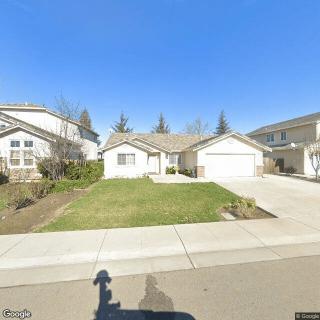
5315 Barbados Drive, Stockton, CA 95210
For more information about senior living options: (866) 208-4318
Overall Review of A Good Samaritan Home-Barbados
Pros
 The facility is wonderful.
- The staff are awesome and caring.
- The activities are plentiful and include families, helping keep minds sharp.
- Guests have had nothing but good experiences with the care.
- The caregivers give care and love to residents; Charles praised their caregiving.
- Local churches and the chaplain provided kind support to Charles.
Cons
 The facility is dirty and poorly managed, with staff standing around looking lost.
- The facility should be closed due to its poor conditions.
- Care is substandard, and the odor of urine is overwhelming at the entrance.
- Cleanliness issues have prompted multiple conversations with caregivers about patient care.
- Older staff are very rude, with some older staff being especially impolite; overall staff are unprofessional.
- The staff stereotype and judge people by appearance; the facility is unprofessional and unwelcoming.
Review
A Good Samaritan Home-Barbados in Stockton is best suited for seniors who thrive on an active, socially rich environment. The calendar pulses with engaging activities, bingo, karaoke, dancing, bowling, and interactive games, that keep residents connected to peers and family members. Several reviewers praise staff for warmth, compassion, and meaningful support, including assistance during difficult times and attention from a chaplain and other spiritual resources. For a loved one who values daily social stimulation, structured programming, and dependable human connection, this community can deliver the sense of belonging that makes aging at home feel more possible. The right resident here is someone who wants a lively, participatory lifestyle and appreciates caregivers who encourage participation and social engagement.
Yet this community is not ideal for those who expect pristine cleanliness and uniformly professional behavior. A notable portion of feedback describes the facility as dirty, with persistent odors and maintenance gaps that undermine comfort and perceived safety. Several reviews raise concerns about the demeanor and consistency of some staff, especially among older team members, with observations of rude or judgmental attitudes. The entry experience and overall upkeep are cited as areas needing improvement, suggesting that oversight or capital investments may not be keeping pace with resident needs. Families prioritizing immaculate environments, flawless hygiene, and consistently respectful care across shifts should consider alternatives and compare options with stronger housekeeping records and staff quality control.
The strongest positives center on programming and the genuine warmth shown by many caregivers. When life revolves around social engagement and meaningful activities, residents and families report emotional support, patient attention, and memorable moments of kindness. The presence of chaplaincy services and faith-based encouragement adds a comforting dimension for those who value spiritual care. These strengths can meaningfully offset drawbacks for families who place high importance on connection and daily purpose. However, when cleanliness and uniform staff professionalism falter, the benefit of these programs can wane, since the day-to-day experience hinges on reliable environments and consistently respectful care.
Prospective residents should scrutinize during tours: closely observe cleaning standards, odor control, and how promptly maintenance issues are resolved; speak with staff across shifts; and interview current residents about meal quality, safety, and daily routines. Look for visible supervision and a culture that treats every resident with dignity, including those with mobility or cognitive challenges. Ask about staff training, turnover, and how concerns are escalated and tracked. A principled administrator who welcomes feedback and demonstrates ongoing improvements can make a meaningful difference. If the environment feels clean, professional, and welcoming, the positives can crystallize into a strong fit; if not, red flags are likely to emerge quickly.
Decision guidance should hinge on resident priorities. If the objective is vibrant daily life, meaningful caregiver connections, and a community that invites regular family participation, a carefully monitored trial stay or frequent visits can validate fit. If cleanliness, a consistently respectful tone, and high-standard care across all shifts are nonnegotiable, prepare to compare options with stronger housekeeping histories and more reliable staff performance. Develop a practical checklist focusing on cleanliness, responsiveness, consistency of care, and administrative accountability, then let these benchmarks steer the choice. A clear framework will separate promising options from ones that routinely disappoint.
Bottom line: A Good Samaritan Home-Barbados offers genuine social vitality and compassionate attention for residents who prize activity and personal connection. The major caveat is cleanliness and staff consistency, which can erode comfort for families seeking a pristine, professionally run environment. The community is most persuasive for a resident who can leverage robust programming while a family actively monitors standards and advocates for improvements. For families willing to invest time in oversight, the positives can shine and create a meaningful living experience. For others, exploring alternatives that deliver stronger cleanliness, steadier care, and a consistently respectful culture will usually yield more confidence and long-term satisfaction.
 6 resident community capacity
 Assisted Living
 Board and Care Home
 Cable or satellite TV
 Dining room
 Fully furnished
 Garden
 Housekeeping services
 Move-in coordination
 Outdoor space
 Telephone
 Wi-Fi/high-speed internet available
 24-hour supervision
 Activities of daily living assistance
 Assistance with bathing
 Assistance with dressing
 Assistance with transfers
 Diabetes diet
 Meal preparation and service
 Medication management
 Special dietary restrictions
 Transportation arrangement (medical)
 Transportation to doctors appointments






 Comprehensive Insights into Activities of Daily Living (ADLs) and Their Assessment
 Guiding Elderly Parents Who Refuse Assisted Living: 6 Practical Steps
 Your Comprehensive Guide to Luxury Assisted Living: Elevated Facilities, Amenities, and Costs