Some families say it can be hard to reach residents by phone.
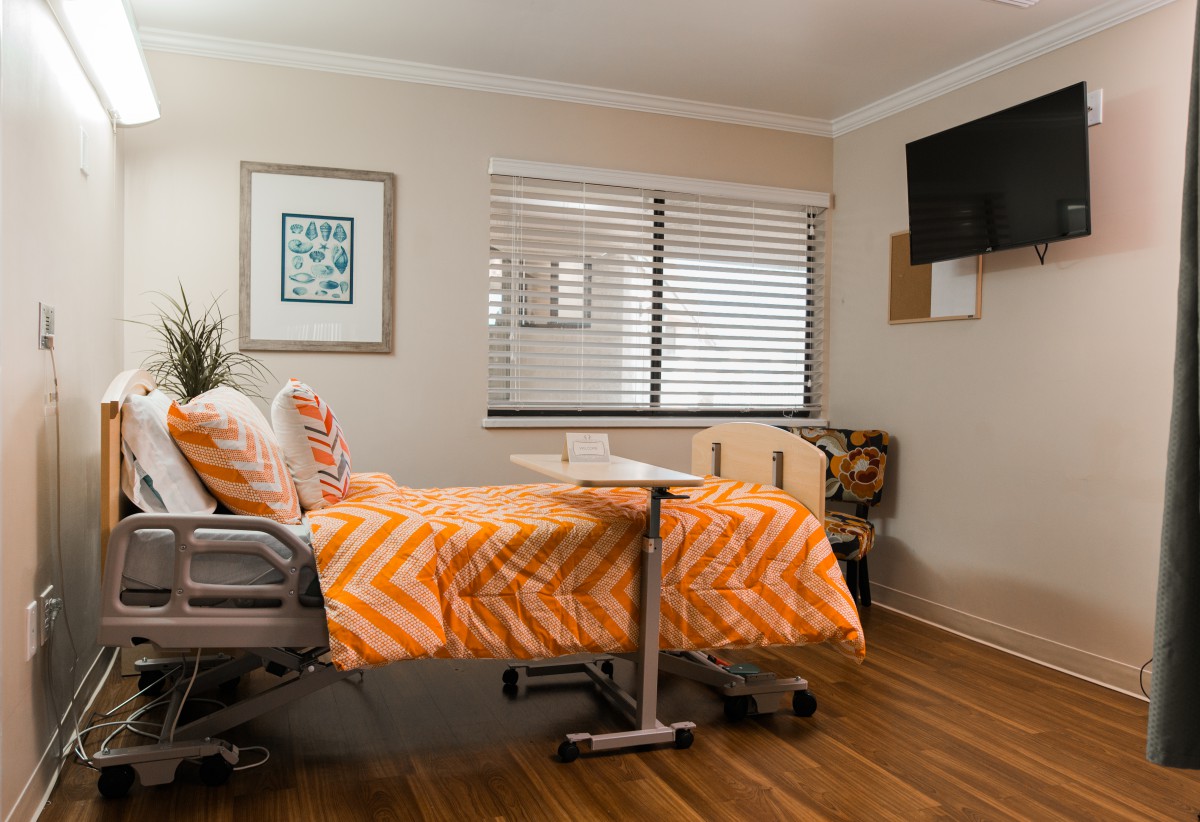
A couple of reviewers point out that patient rooms lack bedside phones, which can make residents feel cut off when family members are not able to visit. One review also describes having trouble getting in touch with a loved one by phone after hours. Even in reviews that describe good overall care, families advise close attention to how families and residents communicate.
caveat2 reviews mention this
Medication timing is a recurring concern
Residents and families mention delayed medication and treatment follow-through.
Two negative reviews describe medication not being given on time, with families having to press for attention. One also describes equipment being put in place and then not removed for days, requiring the family to intervene. These reports contrast with other reviews that praise care, but the medication and follow-through concerns are specifically called out by multiple families.
common6 reviews mention this
Rehabilitation therapy draws strong praise
Many reviewers highlight the rehabilitation team’s support.
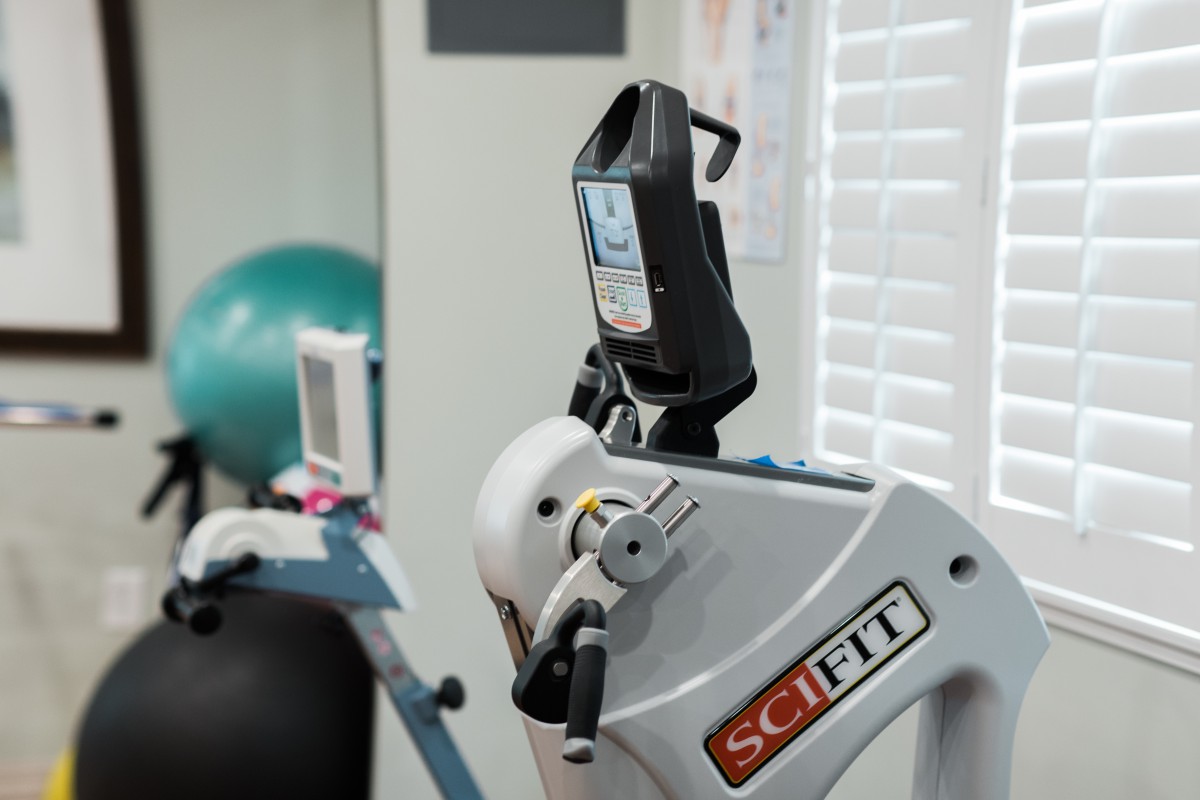
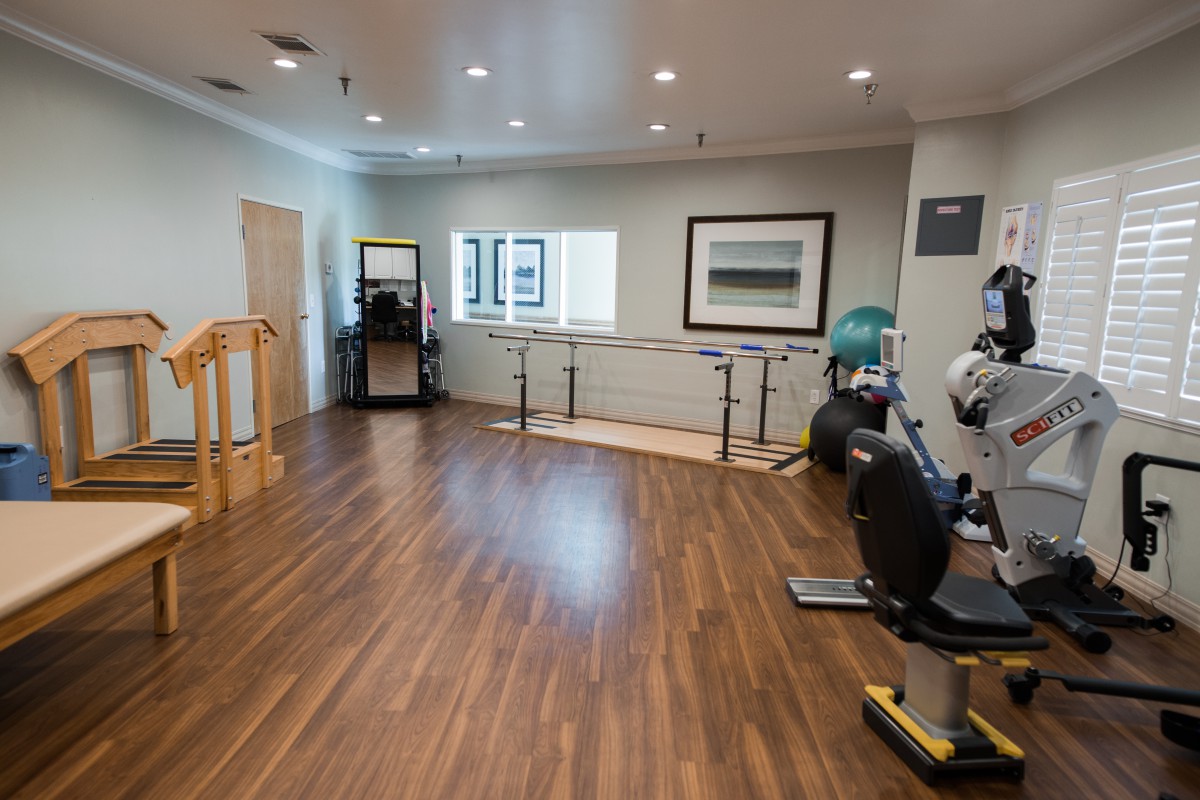
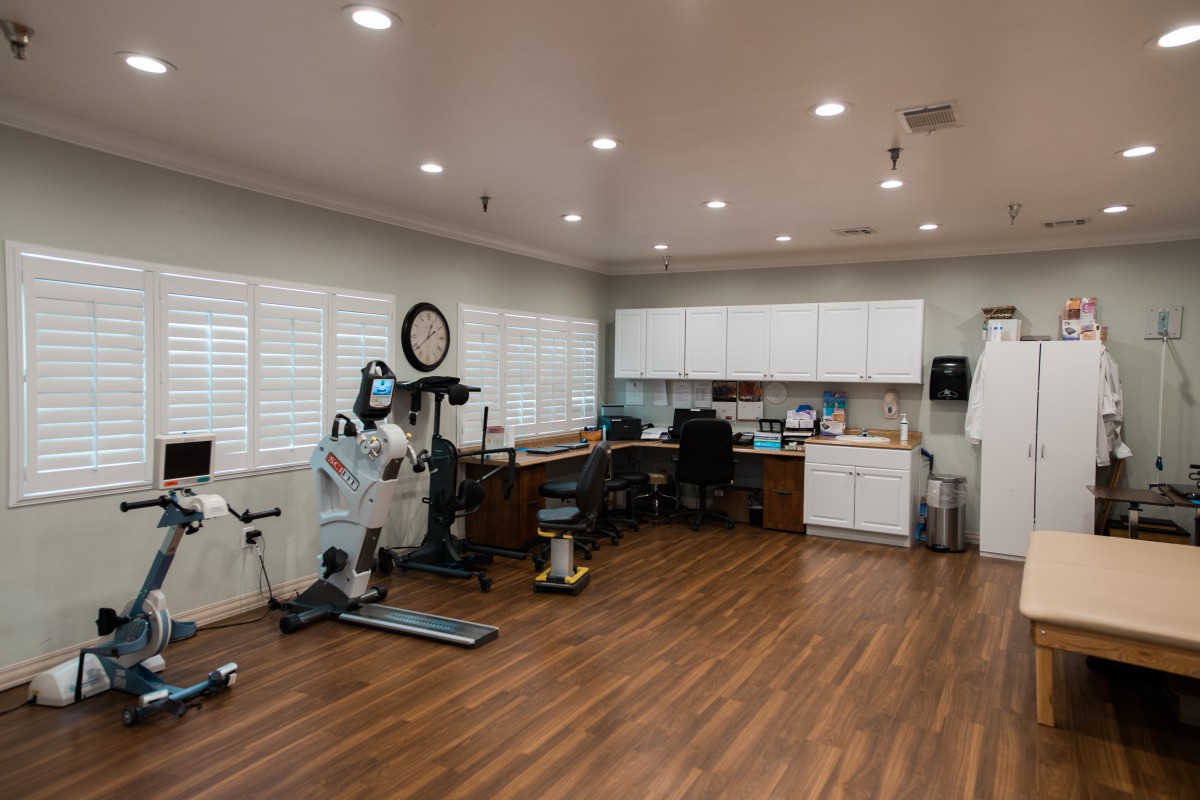
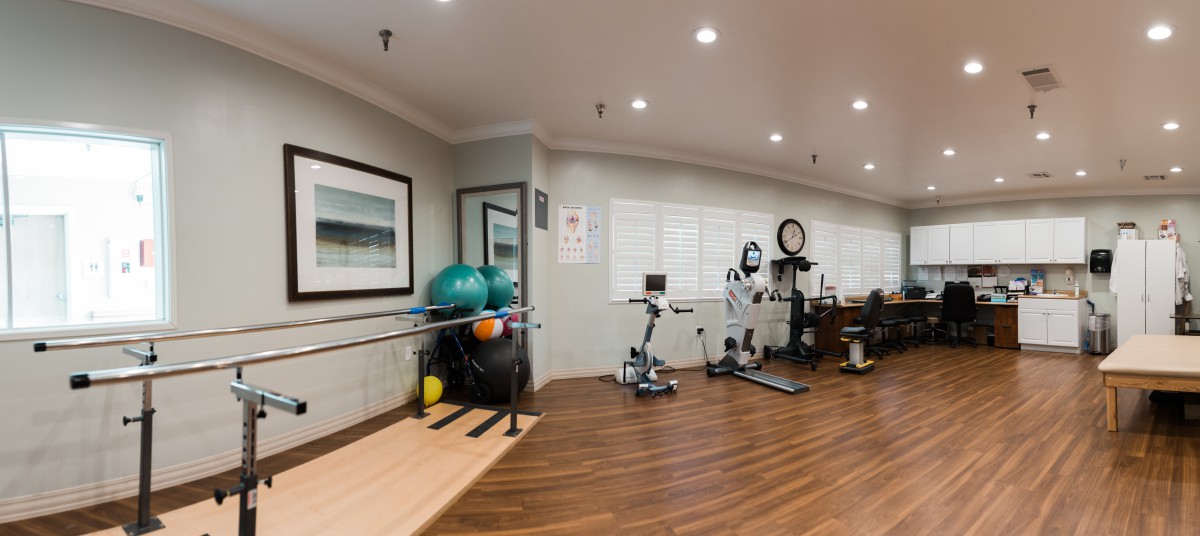
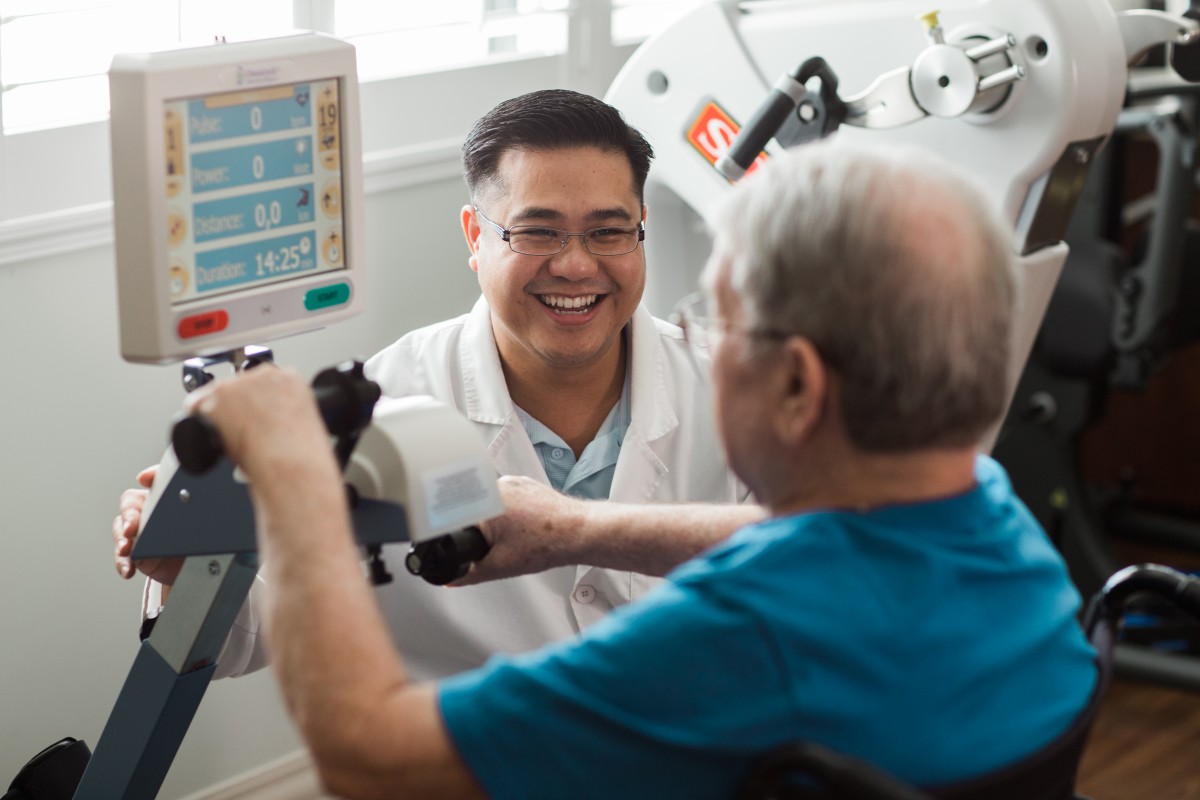
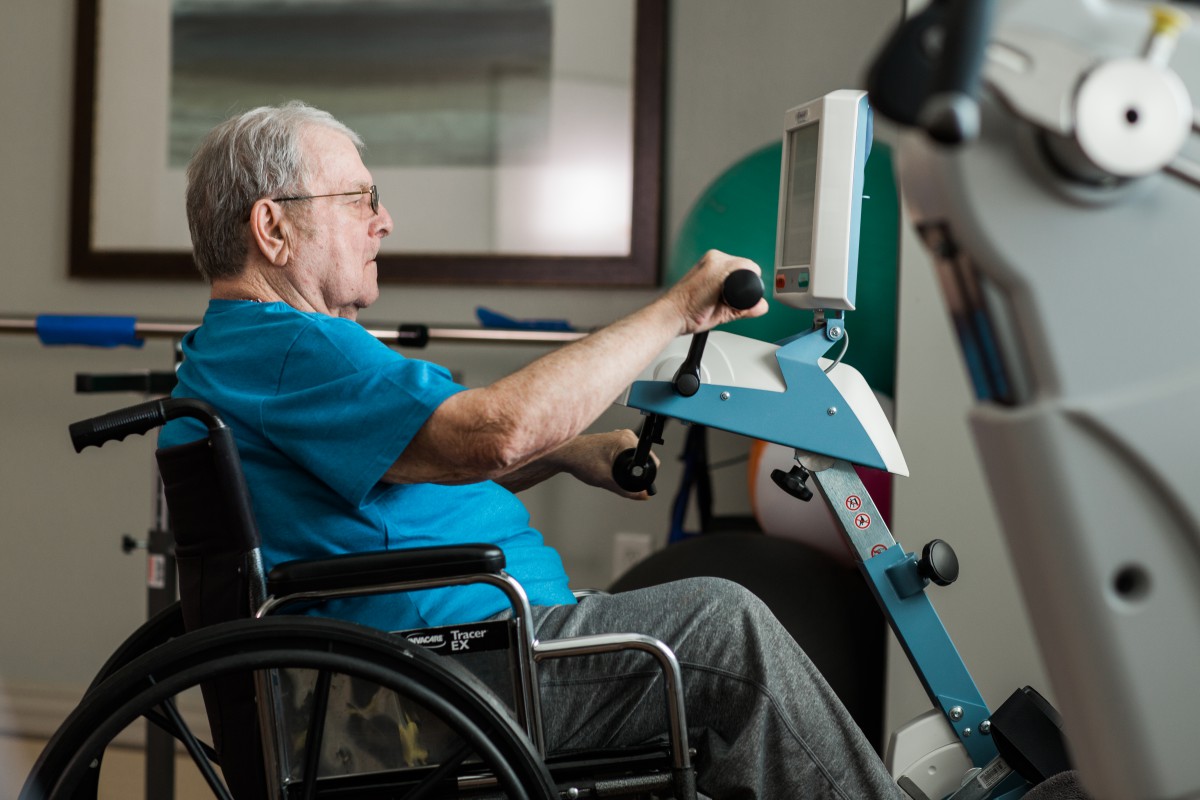
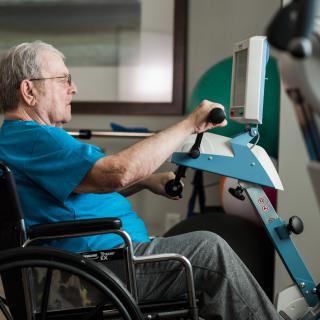
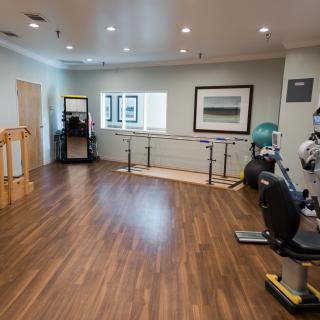
Several reviewers describe the rehab and therapy team as a standout part of the stay, including help with getting back on their feet. A number of positive comments specifically mention therapists’ experience and the difference residents felt during recovery. One review also contrasts the rehab space with a larger facility they had compared it to, while still crediting individual therapists for helpful, hands-on work.
common10 reviews mention this
Cleanliness is frequently noted
Clean rooms and a well-kept facility are repeatedly mentioned.
Multiple reviews describe the building as clean and maintained, often mentioning no unpleasant odors and spotless spaces. Cleanliness shows up both in short positive notes and in longer accounts of the overall environment. A minority view also includes cleanliness as a positive before focusing on other staff-related issues.
How we summarize
Counts show how many written reviews mention each theme; a review can touch several themes, and only frequently mentioned themes are displayed.
Features
Housing
99 resident community capacity
Types of Care
Skilled Nursing Facility
Amenities
Air-conditioning
Beauty salon
Cable or satellite TV
Computer center
Continuing learning programs
Dining room
Family education and support services
Fitness room
Fully furnished
Gaming room
Garden
Housekeeping services
Kitchenette
Move-in coordination
Outdoor patio
Outdoor space
Private bathrooms
Restaurant-style dining
Small library
Telephone
Wellness center
Wi-Fi/high-speed internet available
Transportation
Community operated transportation
Transportation arrangement
Transportation arrangement (non-medical)
Transportation to doctors appointments
Care Services
12-16 hour nursing
24-hour call system
24-hour supervision
Accept incoming residents on hospice
Activities of daily living assistance
Administer insulin injections
Assistance with bathing
Assistance with dressing
Assistance with transfers
Care with behavioral issues
Coordination with health care providers
Diabetes diet
Diabetic care
Meal preparation and service
Medication management
Mental wellness program
Mild cognitive impairment
Physical therapy
Rehabilitation program
Same day assessments
Special dietary restrictions
Transportation arrangement (medical)
Transportation to doctors appointments
Dining
Diabetes diet
Special dietary restrictions
Activities
Community-sponsored activities
Concierge services
Fitness programs
Planned day trips
Resident-run activities
Scheduled daily activities
Nearby Places of Interest
Physicians
Zeiter Eye Medical Group (0.4 miles)
Pacific Sleep Disorders Center (0.4 miles)
St Joseph's Immediate Care (0.5 miles)
Delta Heart & Medical Clinic (0.5 miles)
Community Medical Centers (0.8 miles)
Dr. David Krejchi, provider of Eyexam of CA (1.3 miles)
Sutter Gould Medical Foundation (1.5 miles)
Theaters
Regal Cinemas Stockton Holiday 8 (0.5 miles)
Cafes
Starbucks (0.5 miles)
Starbucks (1 miles)
Starbucks (1.9 miles)
Dutch Bros Coffee (2.6 miles)
Starbucks (2.9 miles)
Starbucks (3.2 miles)
Pharmacies
Kaiser Pharmacy 1 (0.9 miles)
March Lane Medical Pharmacy (1 miles)
Pharmacy Care Concepts (1.2 miles)
CVS Pharmacy (1.4 miles)
CVS Pharmacy (1.5 miles)
Safeway Pharmacy (1.5 miles)
Rite Aid (1.6 miles)
Parks
Sherwood Forest Park (0.9 miles)
Angel Cruz Park (1.3 miles)
Victory Park (3.3 miles)
Fritz Grupe Park (3.3 miles)
Restaurants
IHOP (1.1 miles)
Romano's Macaroni Grill (1.2 miles)
In-N-Out Burger (1.3 miles)
Chipotle Mexican Grill (1.3 miles)
Pacific Avenue Bowl (1.4 miles)
Raising Cane's Chicken Fingers (1.4 miles)
David's Pizza at Lincoln Center (1.6 miles)
Hospitals
St. Joseph's Medical Center (2.4 miles)
St Joseph's Medical Center (2.5 miles)
Childrens Health Services Of San Joaquin General Hospital (2.6 miles)
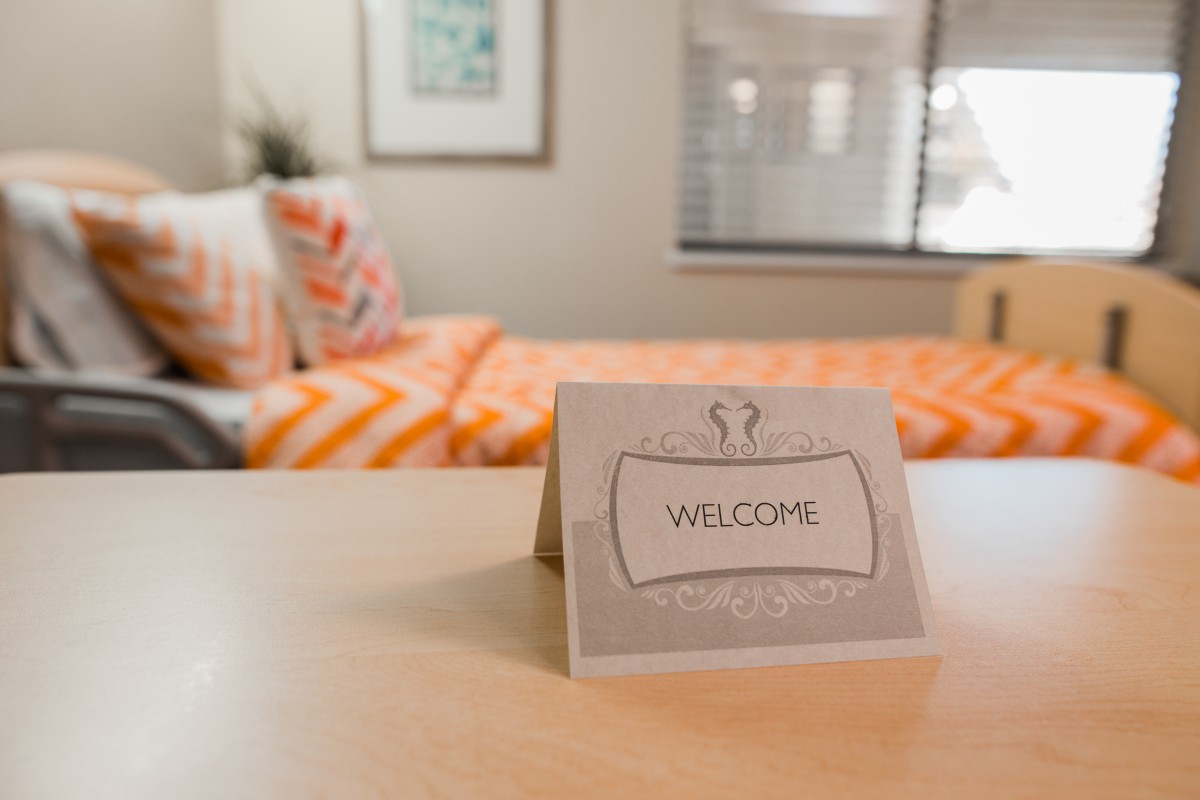
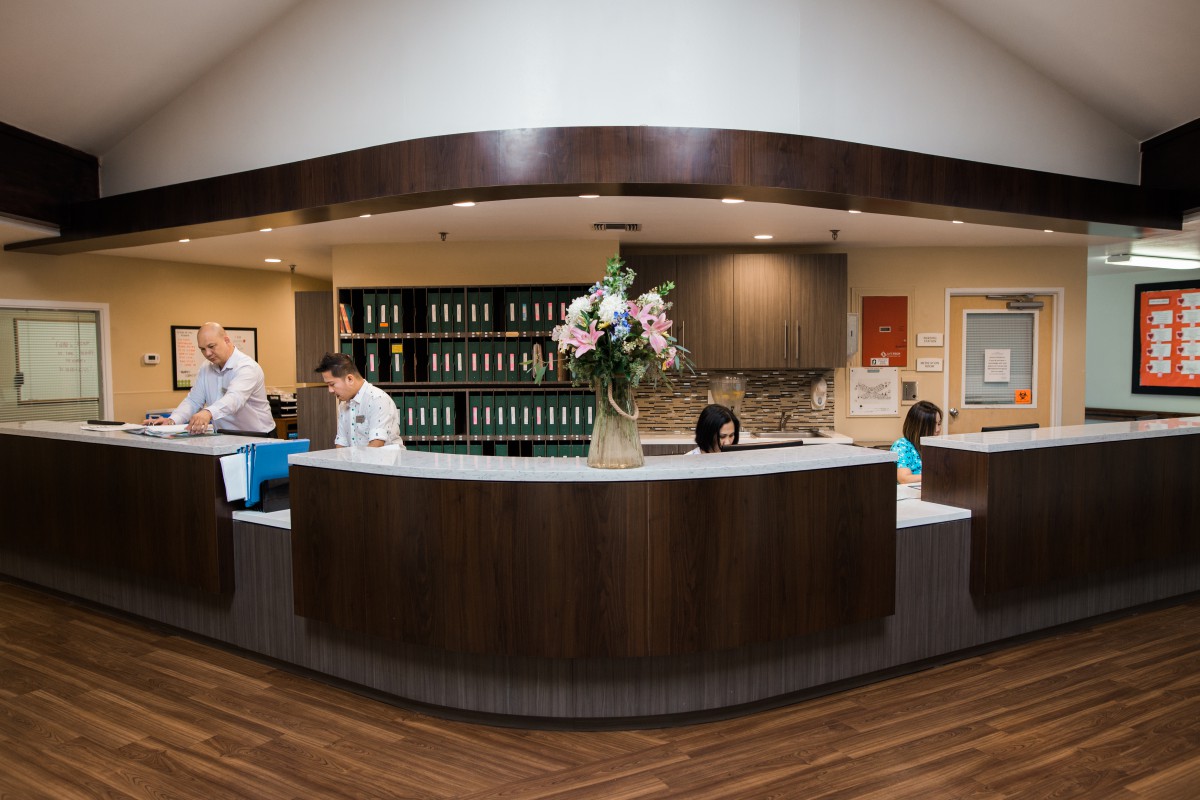
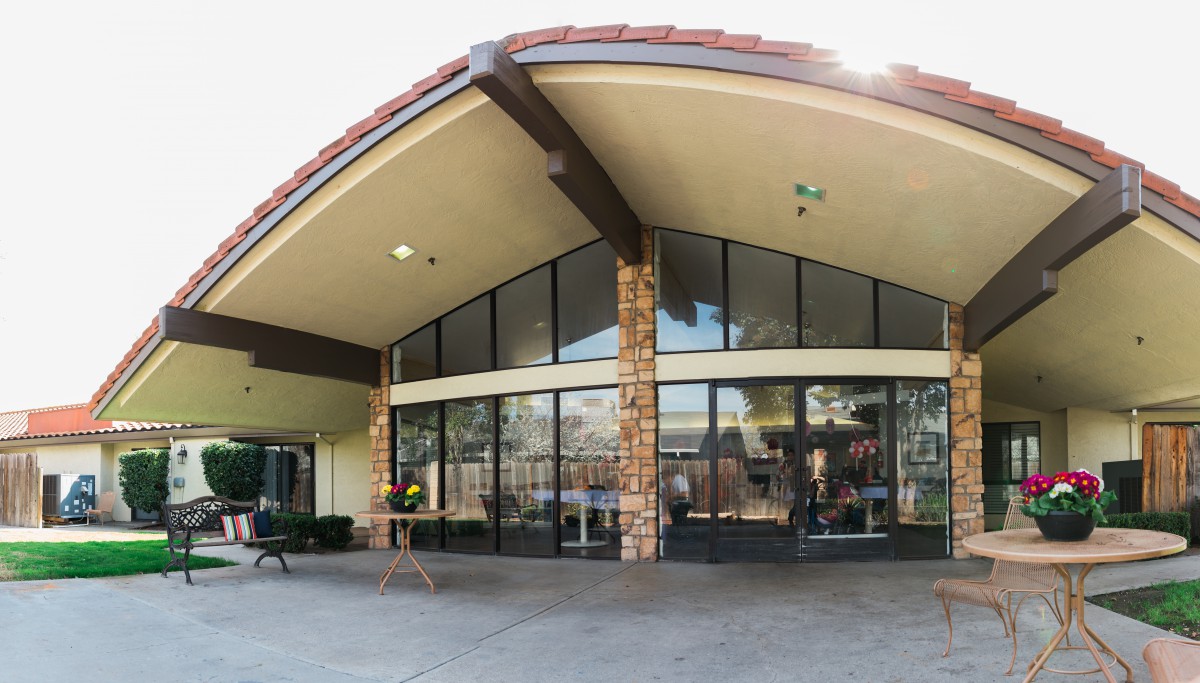
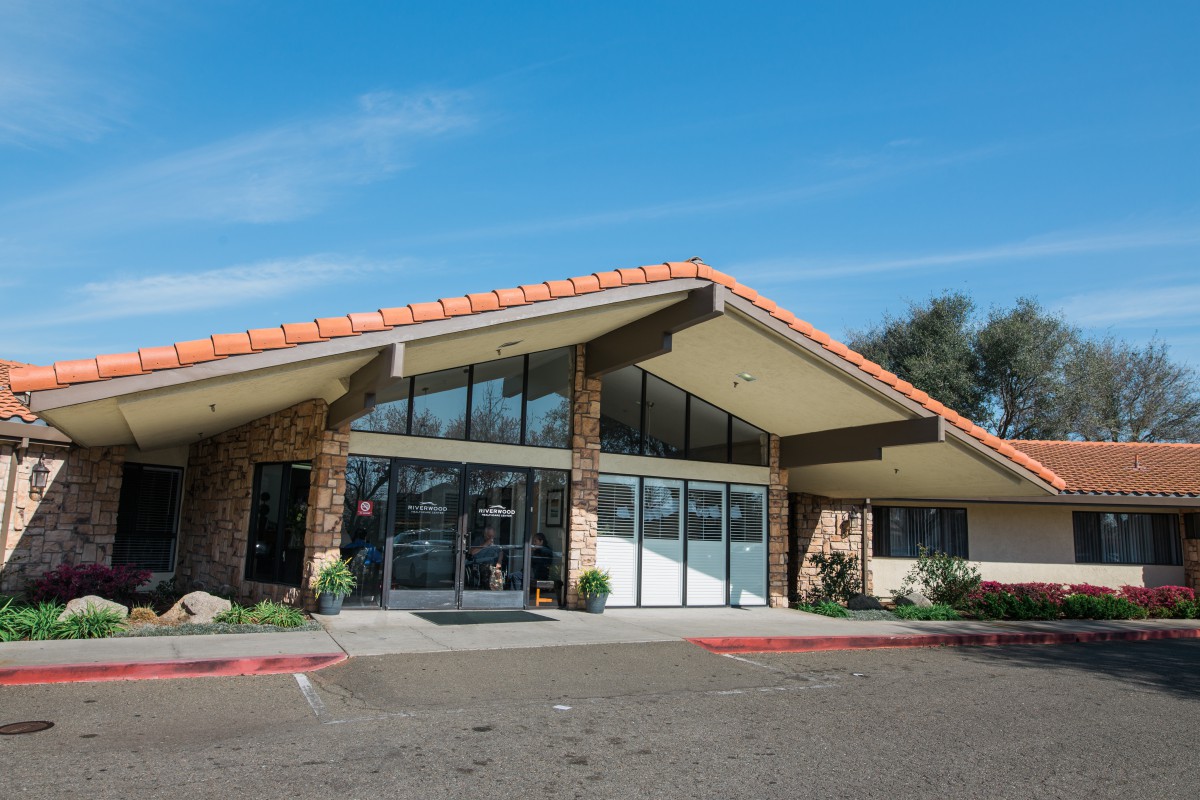
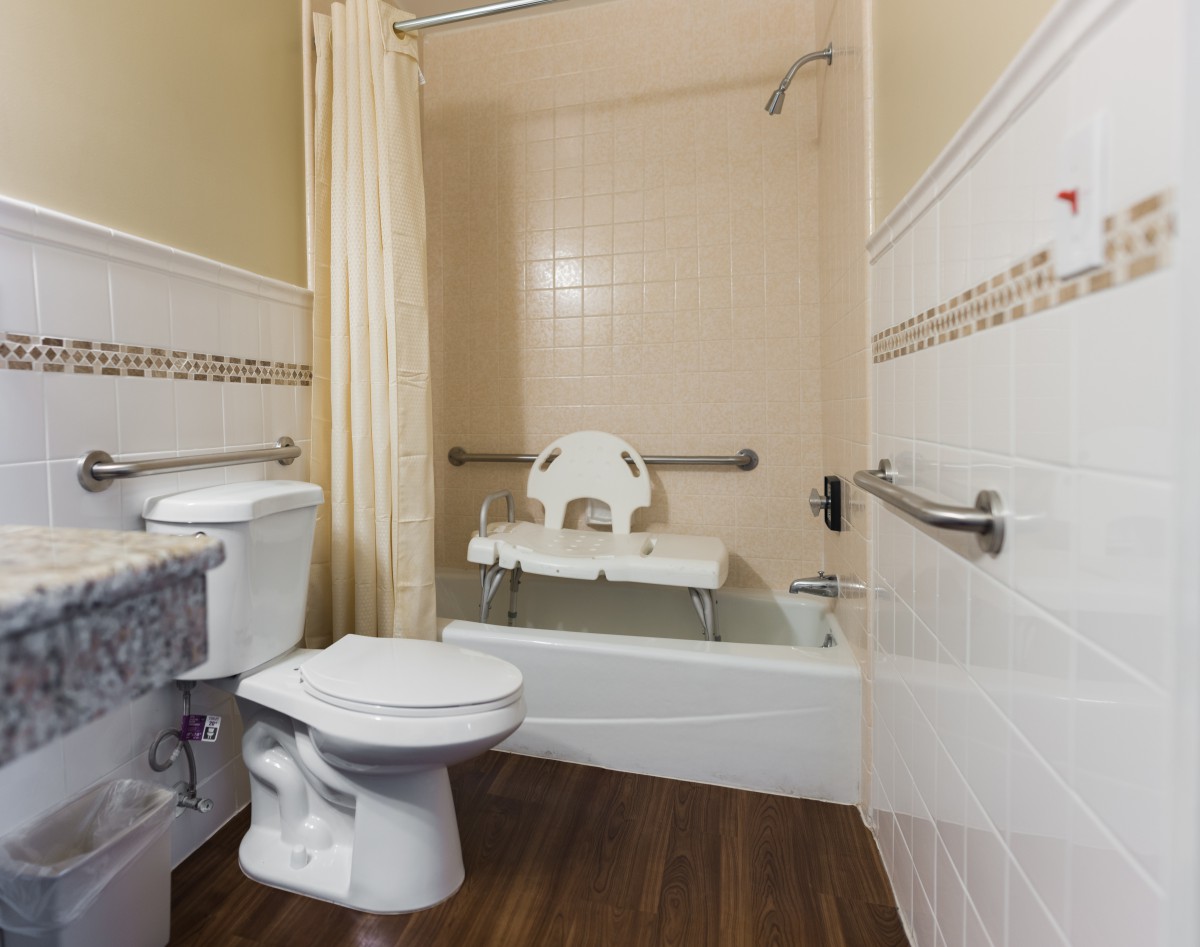
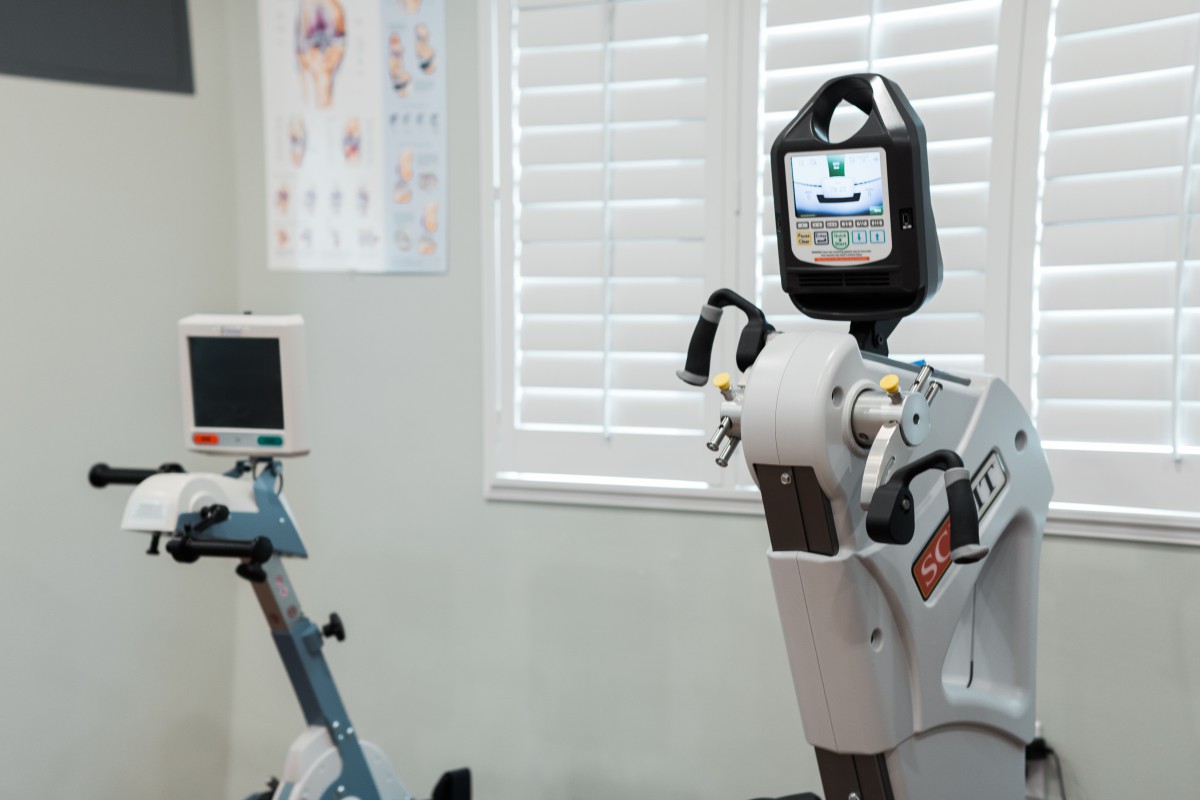
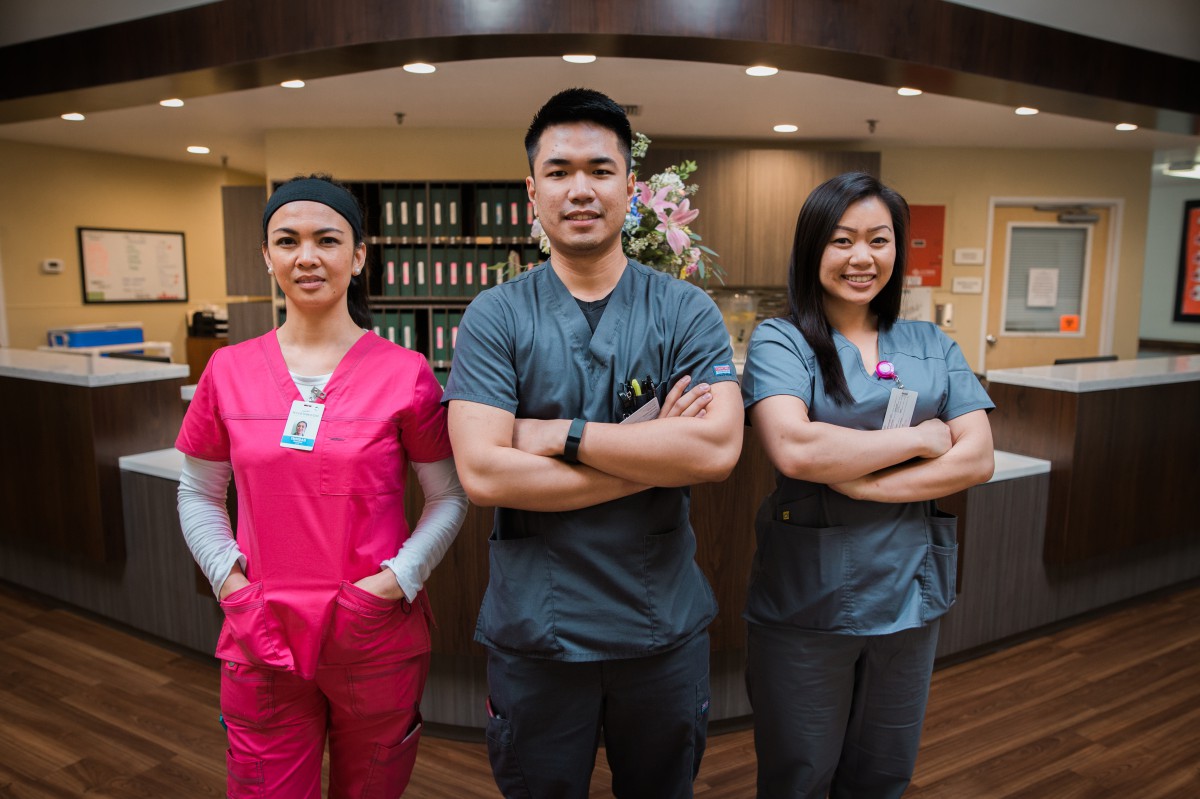
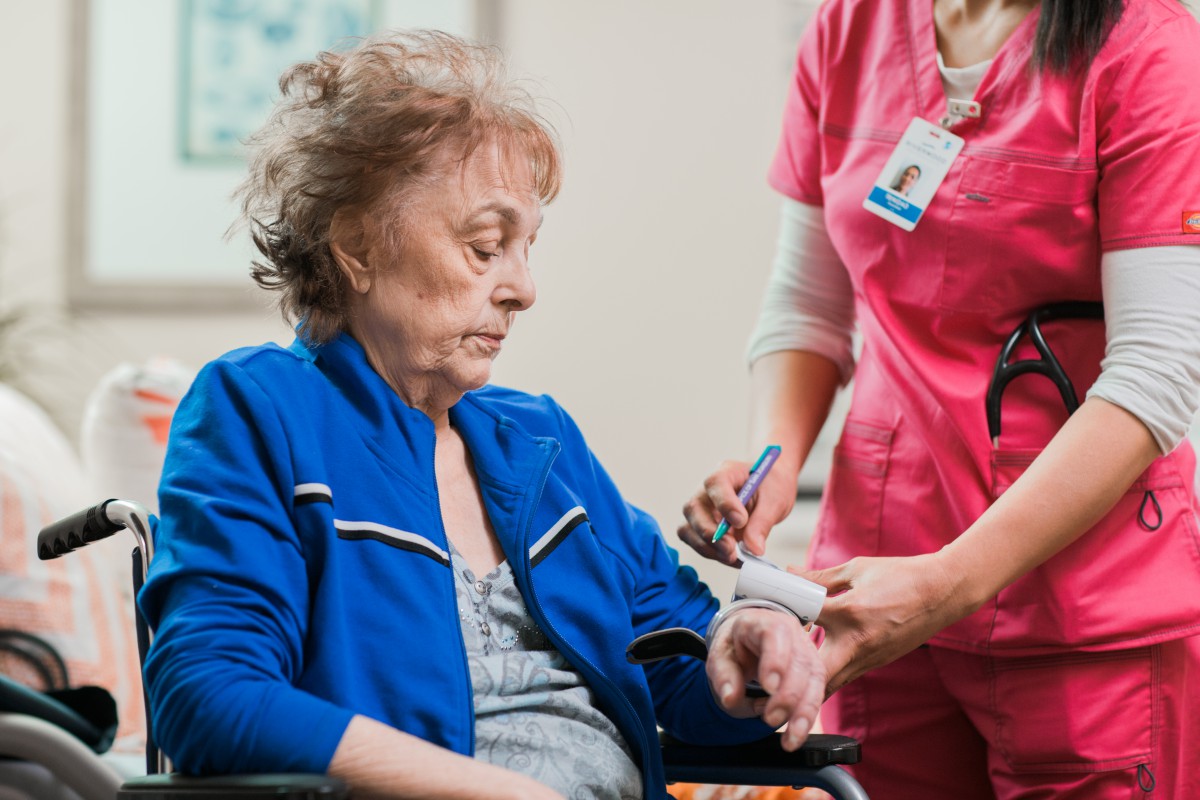
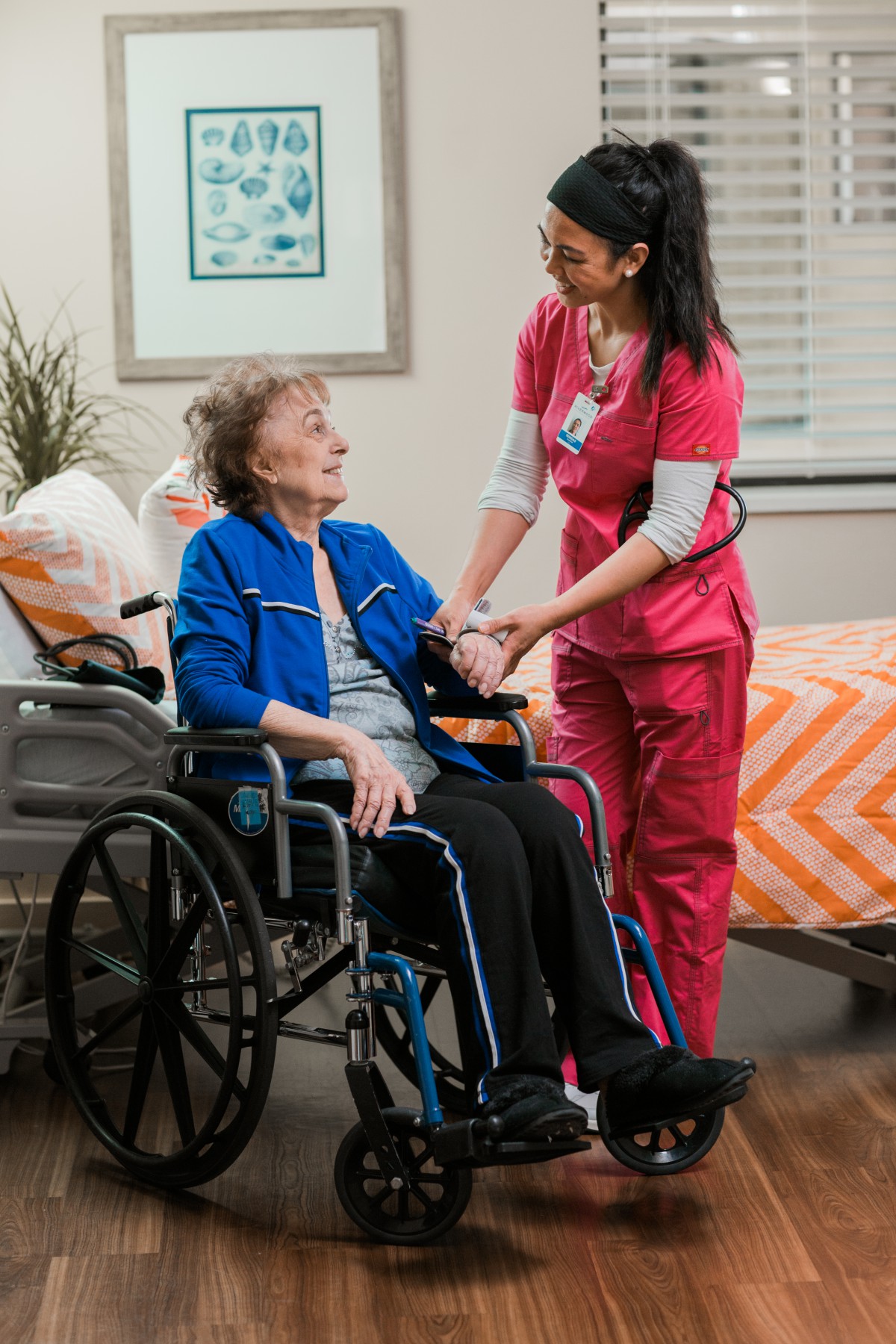
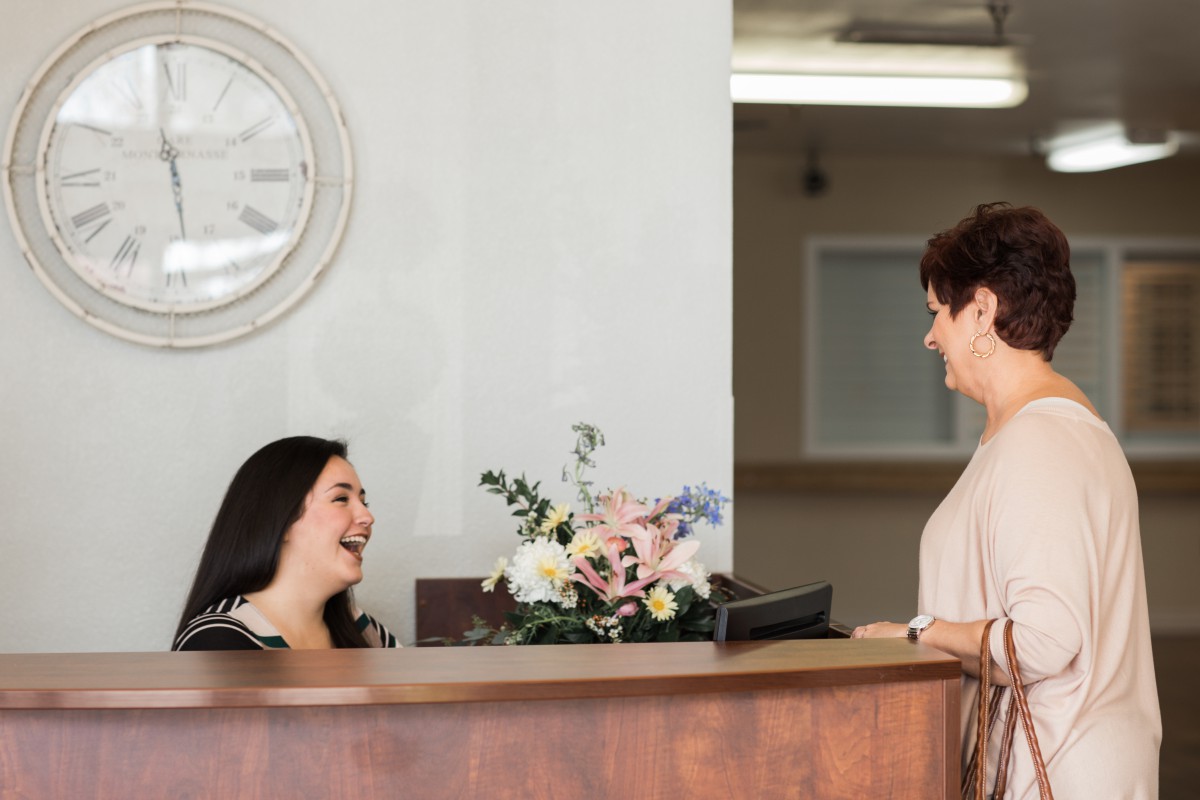
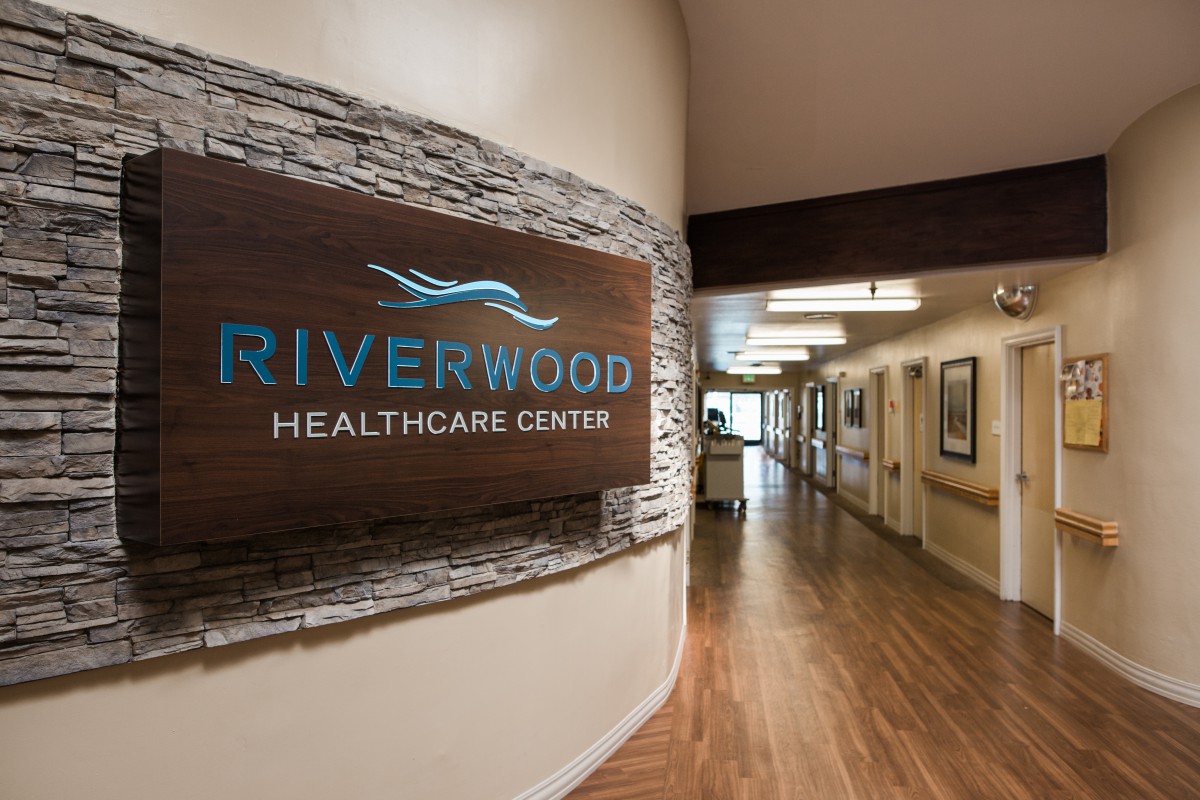
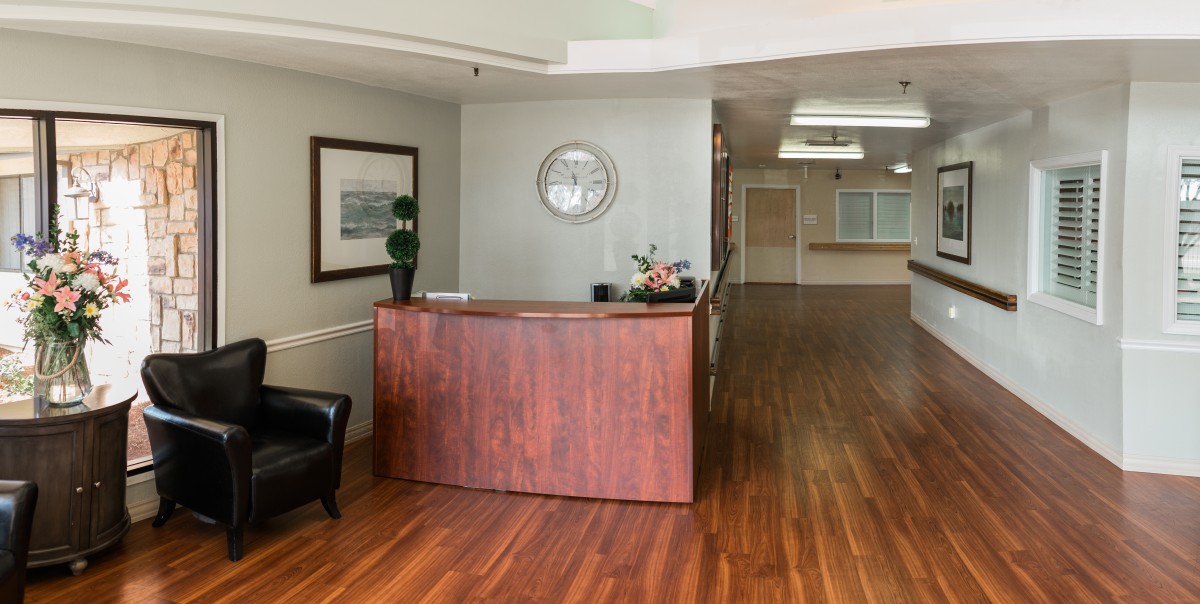
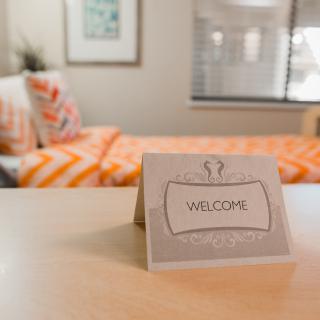
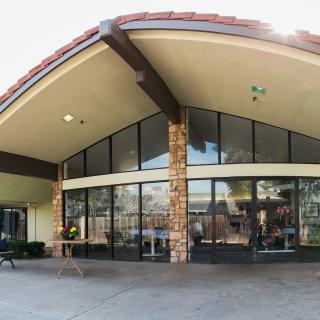
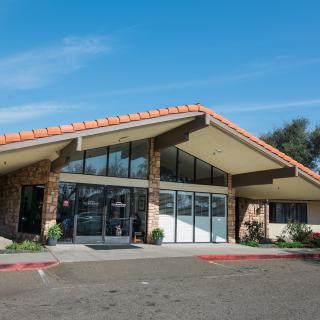
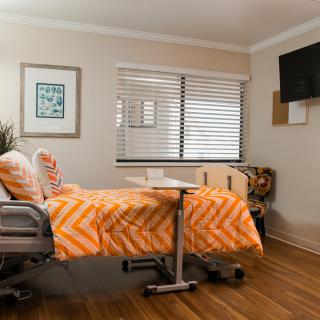
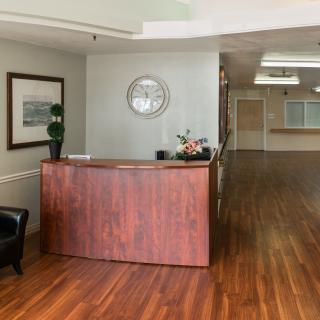
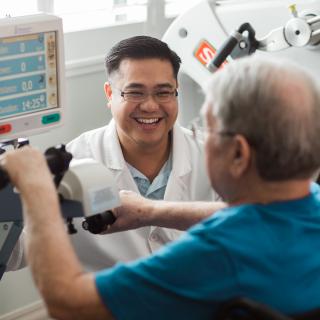
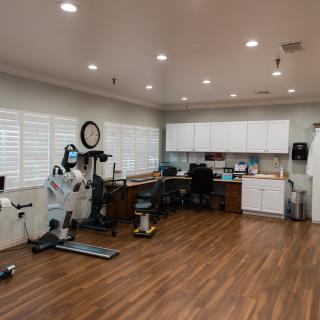
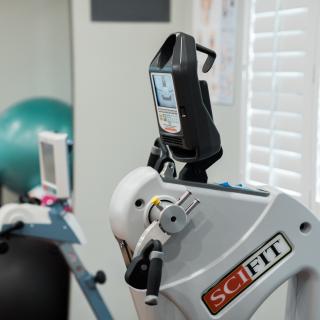
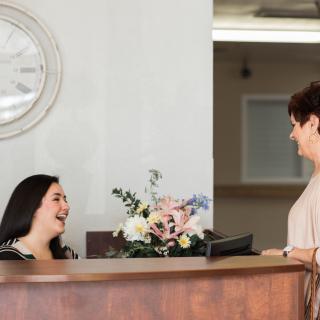
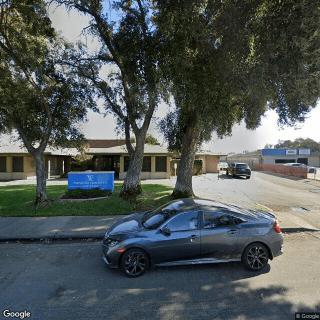
Riverwood Healthcare Center on seniors.fyi includes 20 photos including images showing healthcare, interior, exercise equipment, office, bathroom, gym, rehabilitation, reception, and more.
Nearby Communities
A Good Samaritan Home-Barbados
Stockton, CA
3 from 12 reviews
Holistic care with 24/7 supervision and care coordination.
Rio Las Palmas
Stockton, CA
4.7 from 167 reviews
$2,510 to $3,125 / month
Well-maintained community with attentive staff and diverse amenities.
Around The Clock Care
Stockton, CA
4 from 2 reviews
Friendly, compassionate staff in a clean, welcoming community.
Alcor Guest Home II
Stockton, CA
4.9 from 15 reviews
$4,900 to $5,800 / month
Clean, welcoming environment with compassionate staff
Pacific Heights Villas
Stockton, CA
2.6 from 19 reviews
$998 to $1,195 / month
Safe, well?maintained grounds with attentive management and spacious, independent living.
J & M Care Home
Stockton, CA
1 from 3 reviews
Dedicated caregiver and welcoming tour opportunities.
The Oaks At Inglewood
Stockton, CA
4.7 from 60 reviews
Friendly, attentive staff in a welcoming, homelike setting with diverse activities and dining options.
Sunny Place of Stockton
Stockton, CA
4.5 from 21 reviews
$3,500 / month
Caring staff, high cleanliness, and a family-like atmosphere.
Palliative care enhances the quality of life for seriously ill patients by providing comprehensive support at home through a multidisciplinary team, addressing various needs and prioritizing comfort over curative treatments. While it offers personalized care and involves family in decision-making, challenges like caregiver stress and logistical issues persist, with growing demand prompting advancements in technology and healthcare policies to improve access.
Palliative home care focuses on improving the quality of life for individuals with serious illnesses by providing comfort, symptom management, and emotional support in their own homes. This approach includes personalized care plans, regular assessments, and resources for family caregivers, all while prioritizing person-centered treatment that aligns with patients' goals.
Skilled nursing facilities (SNFs) provide high-level medical care and rehabilitation for short-term recovery, typically covered by Medicare after hospitalization, while nursing homes focus on ongoing custodial care for chronic conditions, mainly funded by Medicaid or private payments. The staffing and regulatory structures differ significantly between the two, necessitating clarity for families in choosing appropriate long-term care options.
Get PricingAsk A QuestionSchedule A TourContact Senior Advisor
By clicking submit, you agree to our Partner's Terms of Use. You
also consent to receive calls and texts, which may be autodialed, from our Partner. Your consent is not a condition to
using our Partner's service. Please visit our Partner's Privacy Policy for information about their privacy practices.




 99 resident community capacity
 Skilled Nursing Facility
 Air-conditioning
 Beauty salon
 Cable or satellite TV
 Computer center
 Continuing learning programs
 Dining room
 Family education and support services
 Fitness room
 Fully furnished
 Gaming room
 Garden
 Housekeeping services
 Kitchenette
 Move-in coordination
 Outdoor patio
 Outdoor space
 Private bathrooms
 Restaurant-style dining
 Small library
 Telephone
 Wellness center
 Wi-Fi/high-speed internet available
 Community operated transportation
 12-16 hour nursing
 24-hour call system
 Accept incoming residents on hospice
 Activities of daily living assistance
 Administer insulin injections
 Assistance with bathing
 Assistance with dressing
 Assistance with transfers
 Care with behavioral issues
 Diabetes diet
 Medication management
 Mental wellness program
 Mild cognitive impairment
 Physical therapy
 Same day assessments
 Special dietary restrictions
 Transportation arrangement (medical)
 Concierge services
 Planned day trips
 Holistic care with 24/7 supervision and care coordination.

 Exploring Palliative Care in the Home: A Comprehensive Overview
 Comprehensive Insights into Palliative Home Care: What It Is and What to Expect
 Skilled Nursing Facilities vs. Nursing Homes: Making Sense of the Differences