
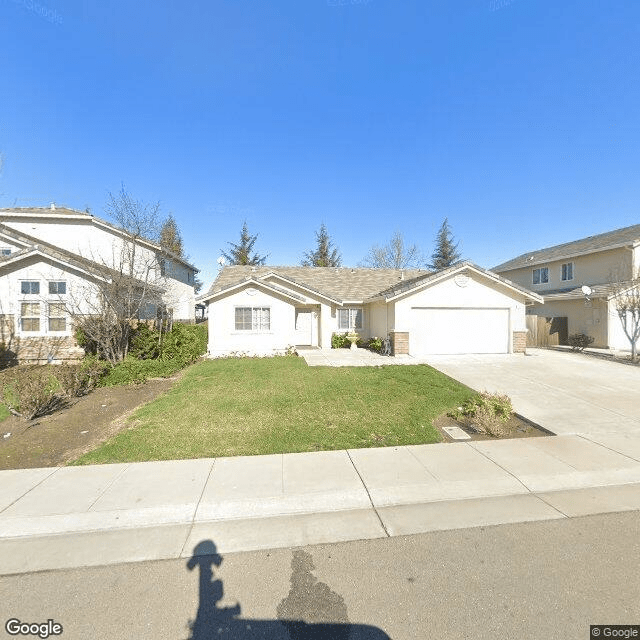
2815 Mirasol Lane, Stockton, CA 95212
To contact a resident: (209) 451-3206
For more information about senior living options: (866) 208-4318
Zosing Care Home II Costs & Pricing
Zosing Care Home II offers a competitive pricing structure for its care services when compared to both San Joaquin County and the broader state of California. For semi-private accommodations, Zosing Care Home II charges $2,200 per month, significantly below the county average of $3,074 and the state average of $3,333. Similarly, their private rooms are priced at $2,800 monthly, which is also lower than the county's average of $3,364 and the state's average of $3,939. These favorable rates not only provide an affordable option for families seeking quality care but also reflect Zosing Care Home II's commitment to accessible living solutions within the community.
| Floor plans | Zosing Care Home II | San Joaquin County | California |
|---|---|---|---|
| Semi-Private | $2,200 | $3,074 | $3,333 |
| Private | $2,800 | $3,364 | $3,939 |
Senior living communities with a similar price nearby
-
from +$300 / mo
Brentwood Care Home
$2,500 to $4,000 / month24.4 miles away -
from +$300 / mo
Stetson Court Living
$2,500 / month7.2 miles away -
About the same
Paradise Residential Care Home in Mountain House
$2,199 to $3,199 / month21.9 miles away -
from +$310 / mo
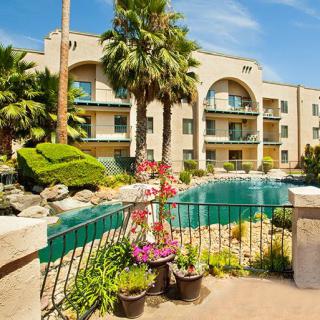
Rio Las Palmas
$2,510 to $3,125 / month1.2 miles away -
from -$200 / mo
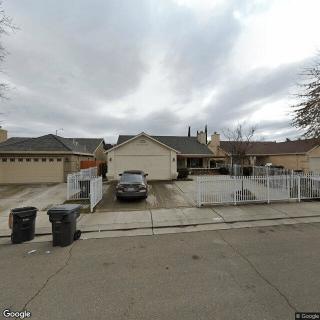
Homestead Care for the Elderly
$2,000 to $3,000 / month6.1 miles away
Overall Review of Zosing Care Home II
Pros
 The mom loved the staff and the food.
- The care facility feels like a home and is always clean and smells good.
- The care for residents is a top priority at the care home.
- The care home is the cleanest the reviewer has seen so far.
- The facility was affordable within the family’s budget.
Cons
 Not suitable for Mom - barren, unappetizing
Review
Zosing Care Home II in Stockton is best suited for families seeking a small, home-like setting where dementia care can be provided with budget awareness and a steady, personal touch. The strongest fit is for seniors who do not demand a large campus or hospital-style care, but who value a warm, residential atmosphere, predictable routines, and cleanliness. Reviews consistently highlight a house-like feel, with residents and families noting that the environment is well-kept, pleasant to be in, and that staff attention feels personal. Long-tenured stays, spanning five to seven years, signal a level of stability and trust that can be compelling for caregivers seeking continuity for a loved one with memory challenges.
That said, there are clear reasons some families should consider alternatives. The facility’s small size naturally limits the breadth of activities, amenities, and programming you would find in larger communities. A segment of reviewers described the setting as barren and flagged concerns about dining experiences being unappealing. For families prioritizing strong social calendars, extensive on-site medical oversight, or a wide range of enrichment options, this may fall short. Those facing advanced medical needs or requiring highly structured, multicenter care coordination may find other options better aligned with expectations for clinical support and diversified programming.
The favorable elements do more than merely compensate for the potential downsides. The intimate, house-like environment fosters individualized attention, which matters profoundly for residents with dementia who benefit from familiar routines and predictable interactions. Cleanliness and a well-maintained appearance create a sense of safety and ease, reducing agitation common in less orderly spaces. Stories of staff dedication and residents thriving over multi-year stays suggest that the care philosophy here prioritizes the person rather than throughput. When a family hears that a loved one loved the staff and meals, that resonance carries weight against concerns about limited activities.
However, the best fit hinges on aligning expectations with reality. Families should recognize that a small facility may have fewer recreational offerings, limited menu variety, and a less dynamic social scene. The occasional negative impression about barren surroundings and unappealing meals underscores the importance of an in-person evaluation to see whether the kitchen, dining experience, and daily rhythms meet the resident’s preferences. Prospective residents should probe staff availability, dementia-specific routines, safety measures, and how care plans adapt as needs evolve. A tour should include a direct conversation with caregivers about how memory care tasks are managed, including wandering risk, lighting, and supervision during key hours.
Practical decision factors should drive the next steps. Consider proximity to family members for frequent visits, the ability to maintain a consistent caregiving team, and the financial terms, especially since the community’s strongest selling points revolve around long-term stability and low-key, home-centered care. If the goal is a dependable, near-birthplace ambiance with attentive staff, Zosing Care Home II delivers. If the goal is a facility with a bustling activity calendar, chef-driven dining variety, and more intense medical oversight, it makes sense to compare with alternatives that specialize in memory care programs or larger campuses.
The bottom line is clear. For families prioritizing a small, budget-conscious option where cleanliness, a homelike atmosphere, and steady caregiving are valued above all, Zosing Care Home II represents a practical, sensible match. It rewards those who can embrace a calm, intimate setting and who place trust in consistent staff relationships. For those who require more robust social programming, expansive amenities, or heightened clinical services, alternatives should be pursued with diligence. The right choice depends on balancing wishes for familiarity and steadiness against the need for activity variety and enhanced medical support.
 Board and Care Home
 Activities on-site
 Devotional services off-site
 Indoor common areas
 Outdoor common areas
 Private
 Respite or short term stays offered
 Ambulatory care
 Incontinence care
 Medication management
 Meals provided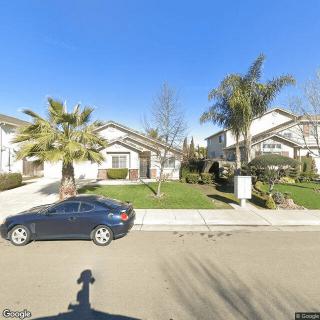
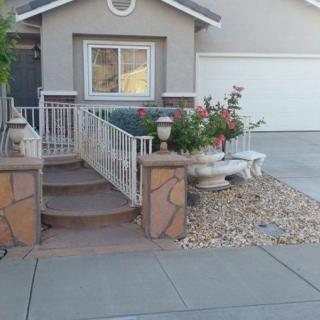


 Comprehensive Exploration of Living Wills and Other Advance Directives
 A Detailed Exploration of Living Wills and Advance Directives
 Comprehensive Guide to Medicare Coverage for Hospice Care