
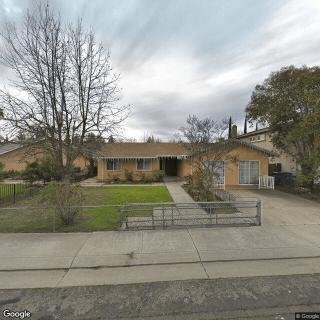
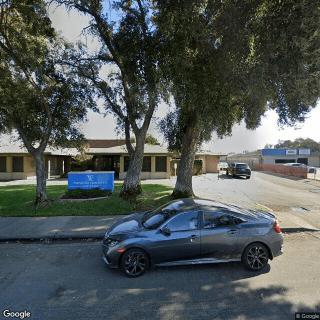
1611 Knickerbocker Court, Stockton, CA 95210
For more information about senior living options: (866) 208-4318
De Oro Guest Home 3 Costs & Pricing
De Oro Guest Home 3 offers a private room at a monthly cost of $3,500, which positions it competitively within the local and state landscape. When compared to the average cost in San Joaquin County, which stands at $3,364 for similar accommodations, De Oro's pricing reflects a premium service level that may include enhanced amenities or personalized care. In the broader context of California, where the average private room costs approximately $3,939, De Oro Guest Home 3 provides an attractive option for families seeking quality care without significantly exceeding regional norms. This balance of affordability and quality makes it a noteworthy contender for those exploring assisted living options in the area.
| Floor plans | De Oro Guest Home 3 | San Joaquin County | California |
|---|---|---|---|
| Private | $3,500 | $3,364 | $3,939 |
Assisted Living communities with a similar price nearby
-
from +$605 / mo
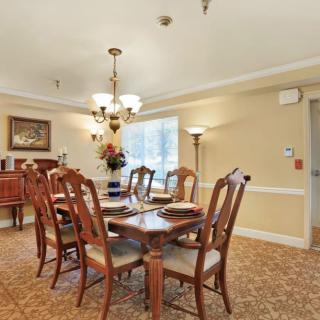
The Commons On Thornton
$4,105 to $7,000 / month3.9 miles away -
from +$200 / mo
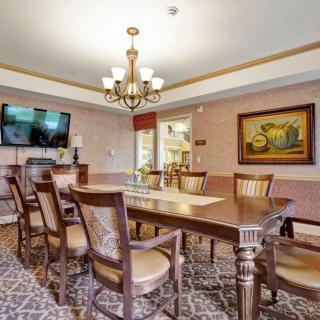
The Commons at Union Ranch
$3,700 to $5,700 / month13.8 miles away -
from -$500 / mo
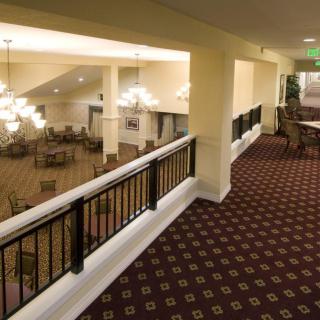
Prestige Assisted Living at Manteca
$3,000 to $4,745 / month15.5 miles away -
from -$500 / mo

Joy Senior Center
$3,000 to $3,800 / month22.4 miles away -
from -$205 / mo
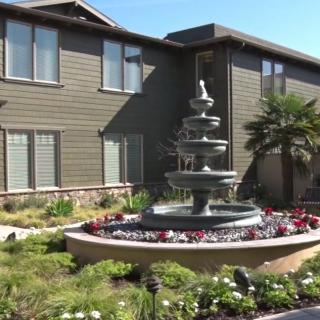
Oakmont of Brookside
$3,295 to $4,595 / month4.4 miles away
Overall Review of De Oro Guest Home 3
Pros
 The place was really nice and clean.
- They took good care of grandma, and she was happy when the family visited.
- The family felt lucky to have found this place.
Cons
 The family struggled to find a good place for her to stay.
Review
This community is best suited for families seeking a small, homey setting in Stockton for a long-term elder-care arrangement where cleanliness and a steady, personal touch matter most. De Oro Guest Home 3 presents a calm, tidy environment, and the experiences shared by families indicate a high degree of resident contentment. The strongest signal is longevity: one resident remained for almost five years, a clear indicator that familiar routines, trusted caregivers, and dependable attention to daily needs can be counted on. When visits occurred, the residentā€™s happiness suggested a stable caregiving network and ongoing, attentive support. For families prioritizing stability and ease of transition, this setting aligns well.
That said, some families will want to consider alternatives depending on evolving needs. If a loved one requires more intensive medical oversight, memory-specific programming, or a fuller calendar of activities, a larger assisted-living campus with on-site nurses and formal dementia care may be a better fit. The available observations do not spell out medical staffing levels or the scope of services in detail, so those elements should be verified during tours. The intimate, homelike feel that supports close caregiver relationships can be a strength, but it is prudent to confirm that the level of care matches anticipated future needs.
Pros are focused and meaningful. Cleanliness and a neat presentation are not merely cosmetic; they underpin daily comfort and reduce stress for both residents and visiting families. The reported happiness of the resident during family visits points to consistent, attentive care and stable routines, a critical factor for anyone balancing safety, dignity, and daily enjoyment. Longevity reinforces that staff and management likely provide reliable consistency, which matters greatly when trust is paramount. In a setting where personal attention tends to replace formal programming, these strengths often translate into fewer disruptions, easier communication, and a stronger sense of belonging for residents and their families.
However, the absence of explicit cons in the available observations means potential gaps must be anticipated during due diligence. The compact nature of a home-like environment typically translates to a narrower menu of services and potentially fewer advanced medical supports. Families should audit whether medication management, daily activity options, transportation to appointments, and immediate access to clinical staff meet current expectations and future contingencies. The positive indicators, cleanliness, happiness, stability, will still count heavily in favor of De Oro Guest Home 3, provided the care envelope remains aligned with evolving needs.
Practical evaluation steps should guide decisions. Schedule a firsthand tour to observe cleanliness, staff interactions, and safety features; ask about staffing levels around the clock and the process for handling medications and emergencies; request references from current families to gauge consistency over time. Discuss meals, privacy, and how visits are accommodated, since the stated happiness during visits is a key signal of rapport between caregivers and residents. Clarify what happens if care needs intensify, including transfer options and any partnerships with local medical providers. These checks turn a favorable impression into a reliable, data-backed choice.
In sum, De Oro Guest Home 3 stands out for families seeking a warm, stable, and clean living environment that supports long-term residency and personal attention. It is best suited for residents who thrive on a steady routine and close caregiver relationships, with families that value transparent communication and the reassurance of a familiar, well-kept home setting. Those pursuing extensive on-site clinical programming or dementia-specific pathways may want to compare other options. With due diligence, tours, conversations, and references, this community can be a dependable solution for the right senior, delivering peace of mind to both residents and their loved ones.
 6 resident community capacity
 Assisted Living
 Board and Care Home
 Cable or satellite TV
 Dining room
 Fully furnished
 Garden
 Housekeeping services
 Move-in coordination
 Outdoor space
 Telephone
 Wi-Fi/high-speed internet available
 24-hour supervision
 Activities of daily living assistance
 Assistance with bathing
 Assistance with dressing
 Assistance with transfers
 Diabetes diet
 Meal preparation and service
 Medication management
 Special dietary restrictions
 Transportation arrangement (medical)
 Transportation to doctors appointments


 Medicare Coverage for Assisted Living: An In-Depth Exploration
 Choosing the Right Senior Care: A Detailed Exploration of Assisted Living and Nursing Homes
 Understanding the True Cost of Assisted Living in 2025: A Comprehensive Guide