Dominican Oaks offers competitive pricing for its accommodations, particularly when compared to both Santa Cruz County and the broader California market. For a one-bedroom unit, residents can expect to pay $3,600 per month, significantly lower than the county average of $4,414 and the state average of $4,340. Similarly, the two-bedroom option at Dominican Oaks is priced at $4,050, again presenting a more affordable alternative compared to Santa Cruz County's $4,214 and California's higher average of $5,270. This positioning not only makes Dominican Oaks an attractive choice for prospective residents seeking quality living arrangements but also reflects a commitment to providing value in an increasingly competitive housing landscape.
Floor plans
Dominican Oaks
Santa Cruz County
California
1 Bedroom
$3,600
$4,414
$4,340
2 Bedrooms
$4,050
$4,214
$5,270
Assisted Living communities with a similar price nearby
Residents and families consistently describe a friendly, helpful staff and smooth day-to-day support.
Multiple reviewers say the staff are personable, warm, and approachable—from being attended during a tour to ongoing help for residents. Families also describe feeling comfortable about safety and health, and credit communication and follow-through as needs change. Beyond care, residents and guests mention staff support around daily life, including dining help and practical assistance.
common15 reviews mention this
Food quality is a frequent plus
Food quality and variety come up repeatedly in resident and family feedback.
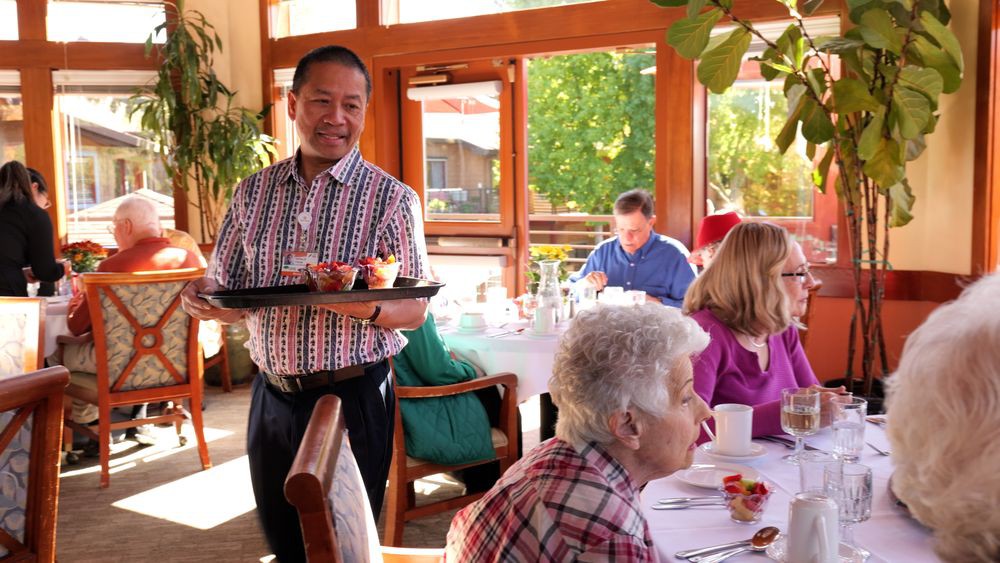
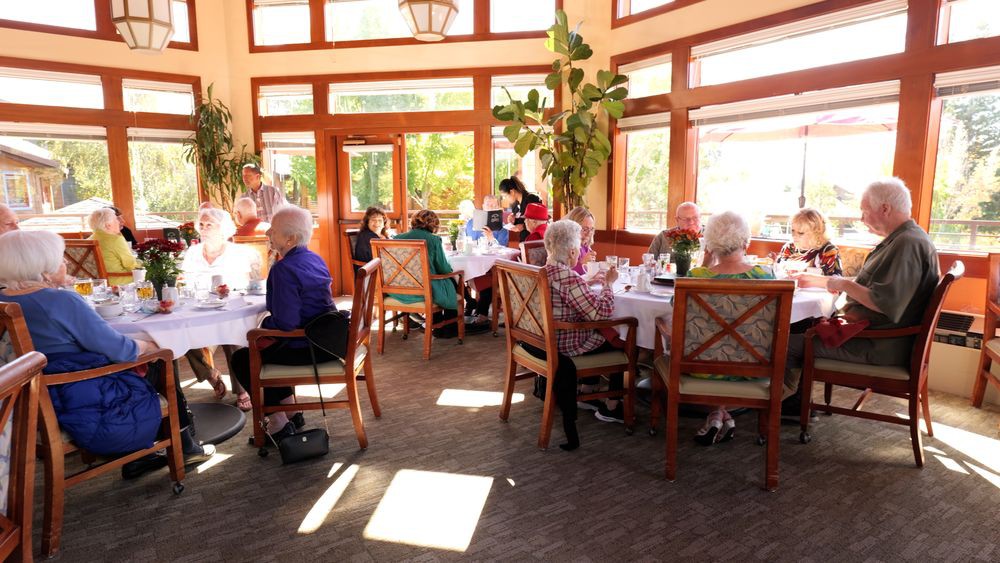
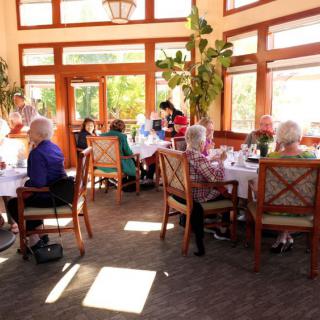
A large share of reviewers say the meals are high quality, with menus offering multiple options and cuisines like Mexican and Japanese mentioned by one family. Several people describe dining as restaurant-like, including daily meals and choices, and mention good meals over time. Some reviewers also note it can vary in personal preference, but overall dining is still a common highlight.
caveat7 reviews mention this
Pricing feels high for many
Many reviewers say the overall cost is very high.
Cost is the clearest negative theme, with reviewers describing monthly rates as far above what they consider reasonable. Some reviewers give ballpark figures and mention a one-time payment, while others simply say it is not cheap or too expensive to afford. Even amid praise, several people call the community pricey and note affordability as a barrier.
common10 reviews mention this
Activities and outings keep life busy
Reviews frequently mention programs, events, and outings that fill the calendar.
Many reviewers describe a steady range of activities, including resident-run events and scheduled programs. Families mention lectures, movies, trips, and music, and one person highlights how the community is not isolated. A visitor also points out their relative may not have participated much, but that they still saw ongoing activities.
How we summarize
Counts show how many written reviews mention each theme; a review can touch several themes, and only frequently mentioned themes are displayed.
Features
Housing
142 resident community capacity
Types of Care
Assisted Living
Independent Living
Amenities
Activities on-site
Air-conditioning
Beauty salon
Cable or satellite TV
Computer center
Devotional services off-site
Dining room
Fitness room
Fully furnished
Gaming room
Garden
Housekeeping services
Indoor common areas
Kitchenette
Move-in coordination
Outdoor space
Private bathrooms
Restaurant-style dining
Small library
Telephone
Wellness center
Wi-Fi/high-speed internet available
Transportation
Community operated transportation
Transportation arrangement
Transportation arrangement (non-medical)
Transportation to doctors appointments
Care Services
12-16 hour nursing
24-hour call system
24-hour supervision
Activities of daily living assistance
Ambulatory care
Assistance with bathing
Assistance with dressing
Assistance with transfers
Diabetes diet
Diabetic care
Meal preparation and service
Medication management
Mental wellness program
Special dietary restrictions
Dining
Diabetes diet
Meals provided
Special dietary restrictions
Activities
Activities on-site
Community-sponsored activities
Concierge services
Devotional activities offsite
Fitness programs
Planned day trips
Resident-run activities
Scheduled daily activities
Nearby Places of Interest
This part of Santa Cruz, California offers a convenient and vibrant location for senior living. With several hospitals and medical centers in close proximity, residents have easy access to healthcare services. Additionally, there are numerous pharmacies nearby for medication needs. The area also boasts a variety of restaurants offering diverse cuisine options, as well as cafes for socializing and enjoying a cup of coffee. For outdoor activities, residents can explore the nearby parks and beaches, providing opportunities for leisurely walks and relaxation. Overall, this neighborhood provides a well-rounded and supportive community for seniors looking to settle in Santa Cruz.
Hospitals
Dominican Hospital Comm Rm (0.1 miles)
Birthing Center: Sutter Maternity Surgery Center (0.4 miles)
Dominican Hospital (1.4 miles)
Physicians
Clement Clement J Cheng Cheng MD (0.2 miles)
Cypress Medical Center (0.2 miles)
Santa Cruz Oral & Maxillofacial Surgery (0.2 miles)
Dominican Oaks offers competitive pricing for its accommodations, particularly when compared to both Santa Cruz County and the broader California market. For a one-bedroom unit, residents can expect to pay $3,600 per month, significantly lower than the county average of $4,414 and the state average of $4,340. Similarly, the two-bedroom option at Dominican Oaks is priced at $4,050, again presenting a more affordable alternative compared to Santa Cruz County's $4,214 and California's higher average of $5,270. This positioning not only makes Dominican Oaks an attractive choice for prospective residents seeking quality living arrangements but also reflects a commitment to providing value in an increasingly competitive housing landscape.
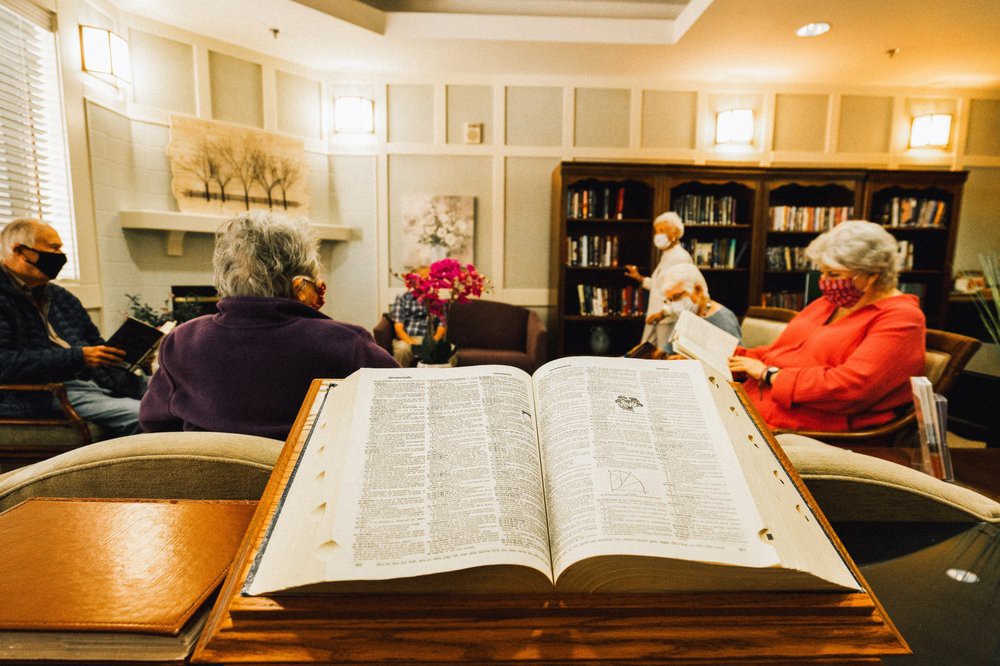
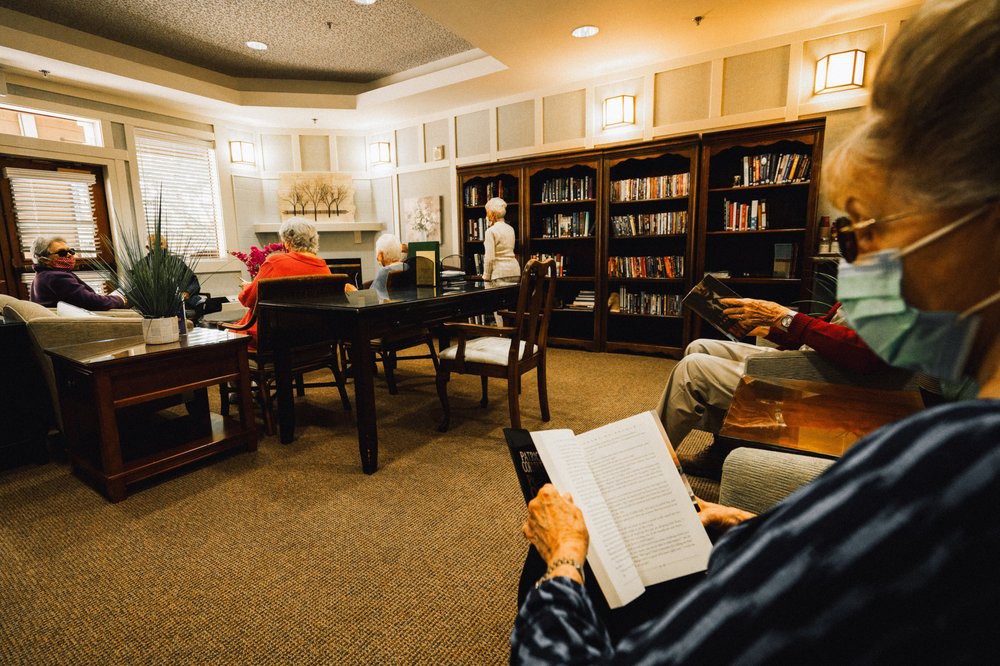
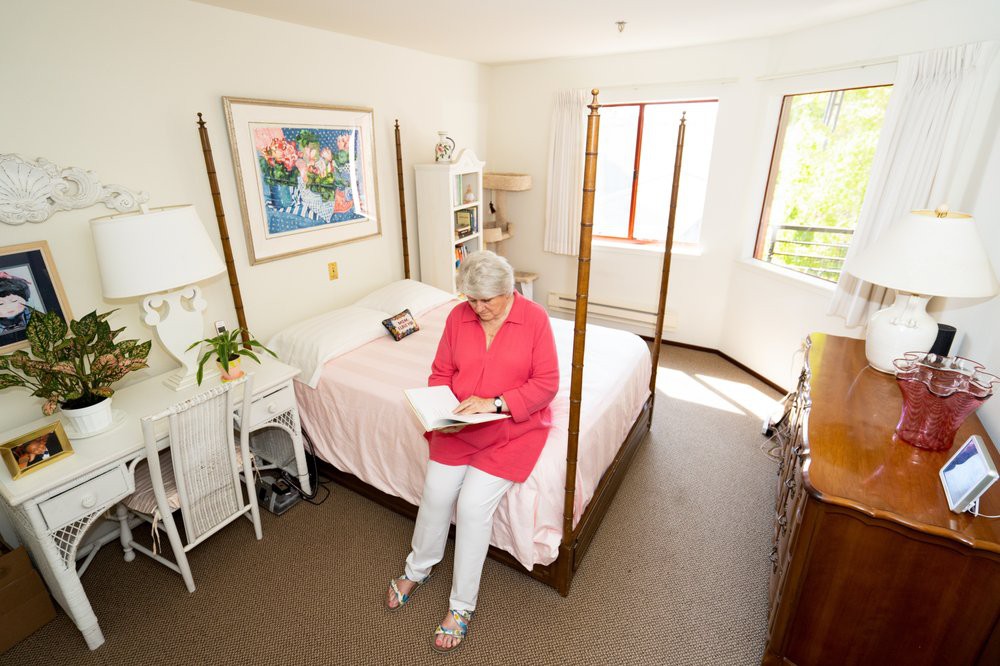
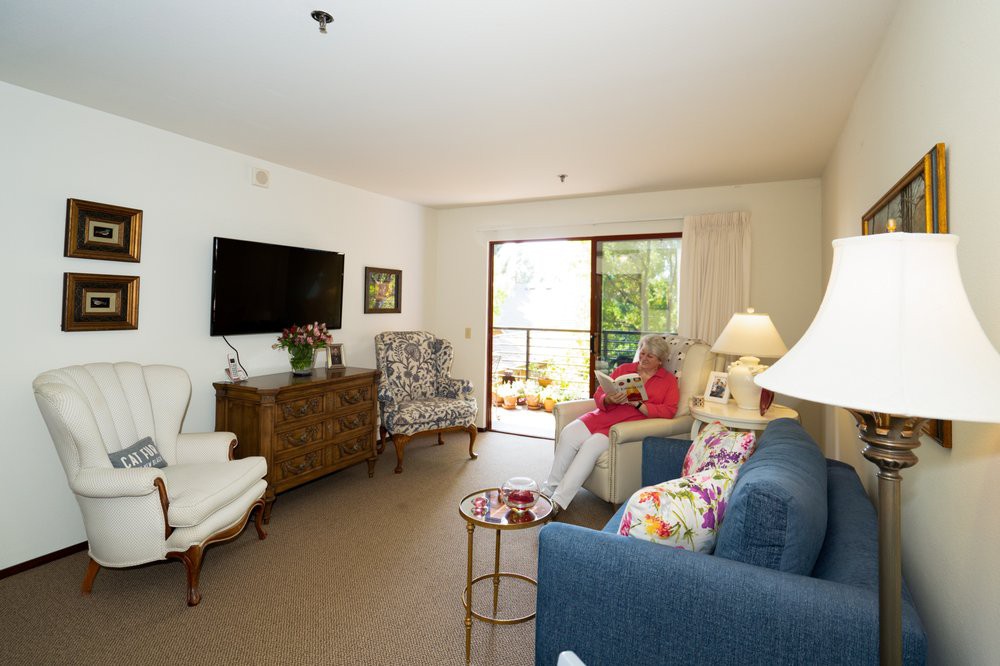
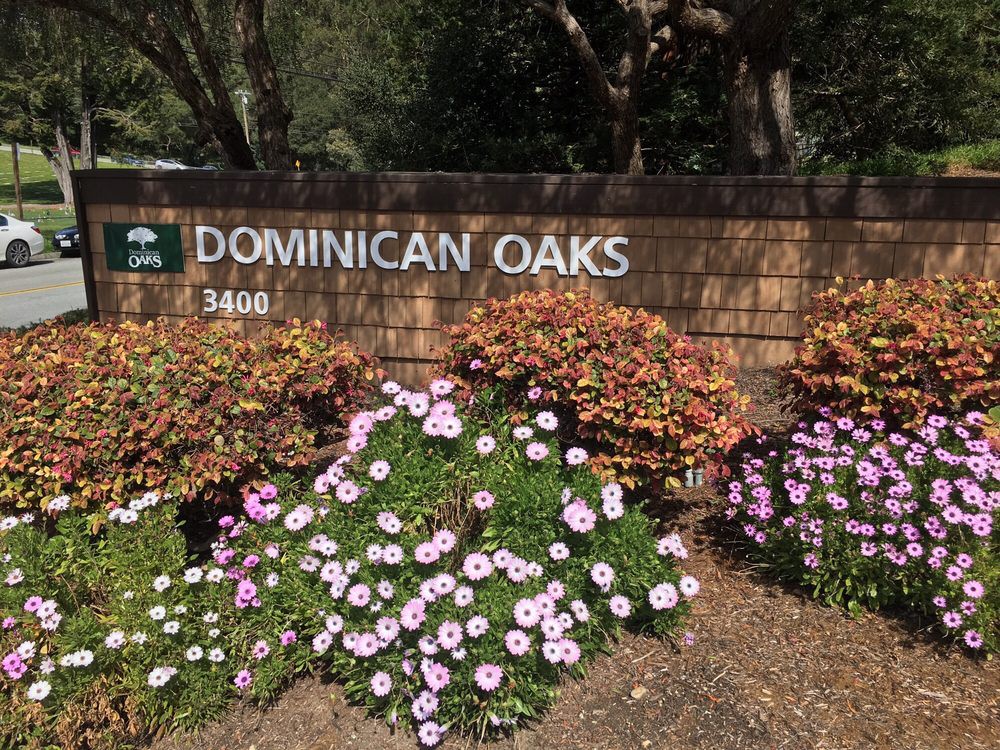
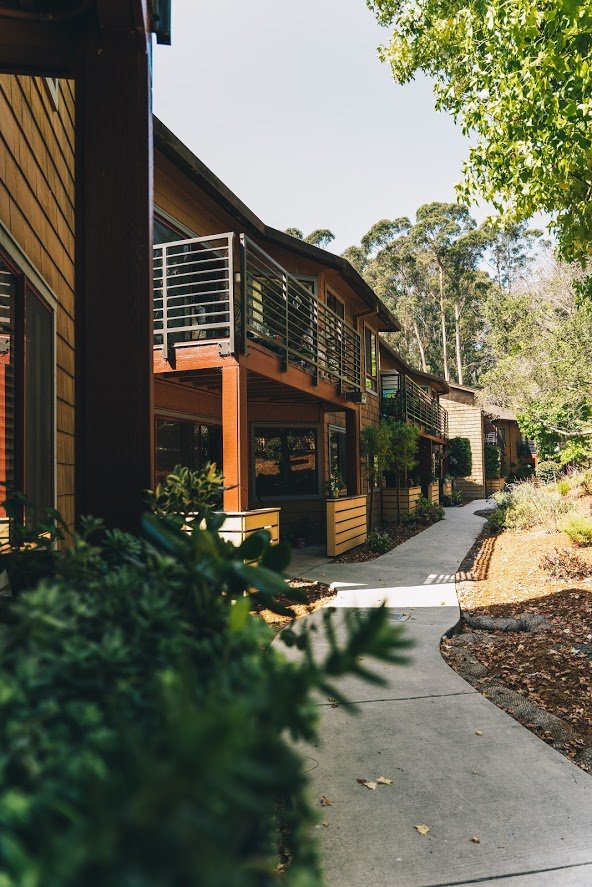
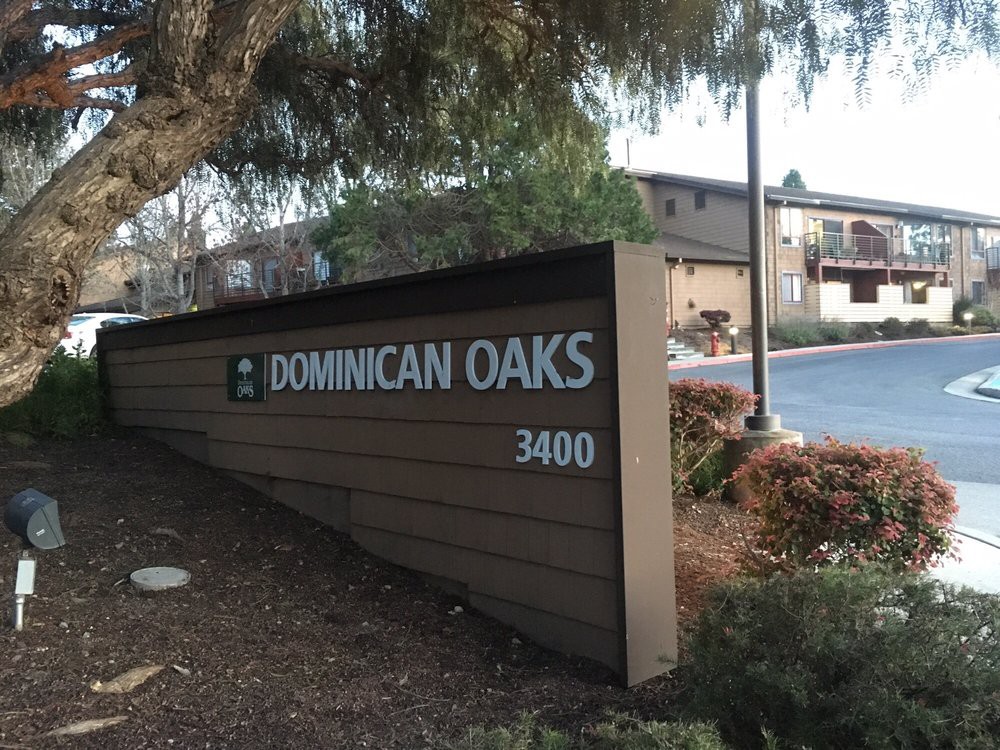
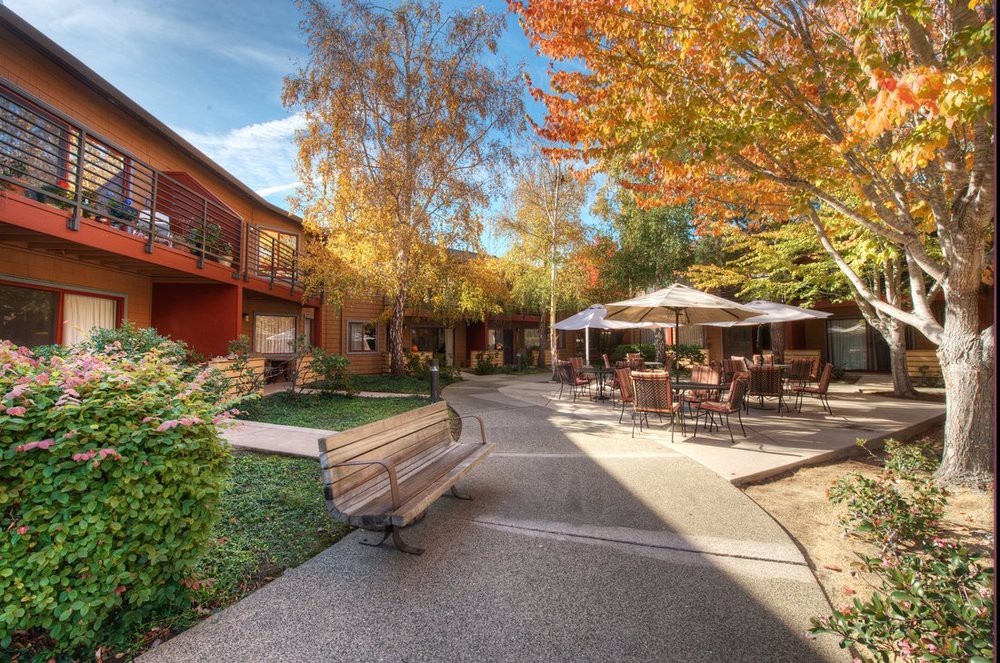
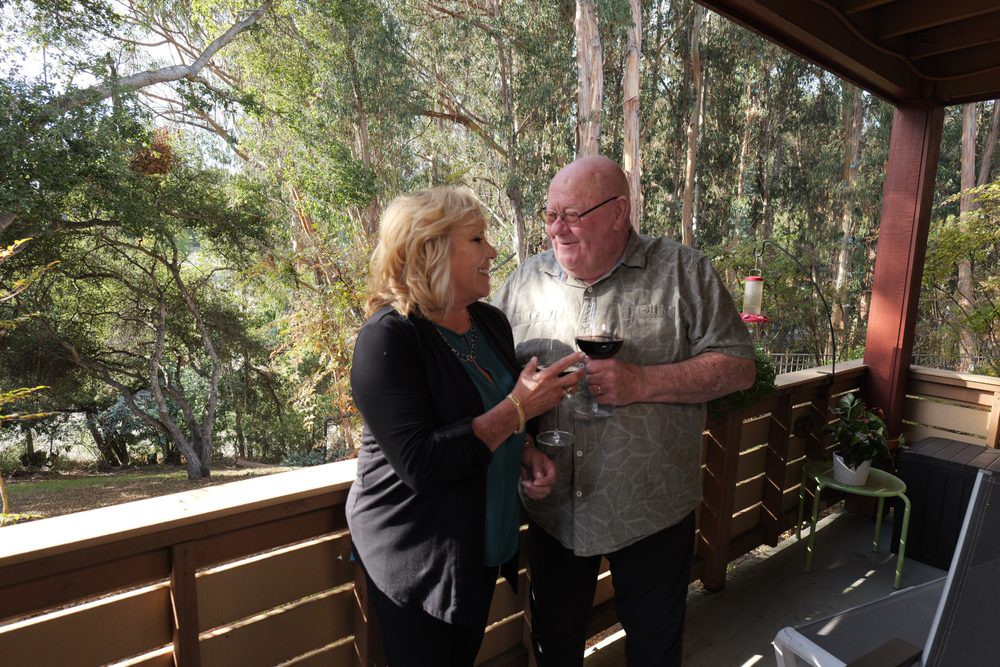
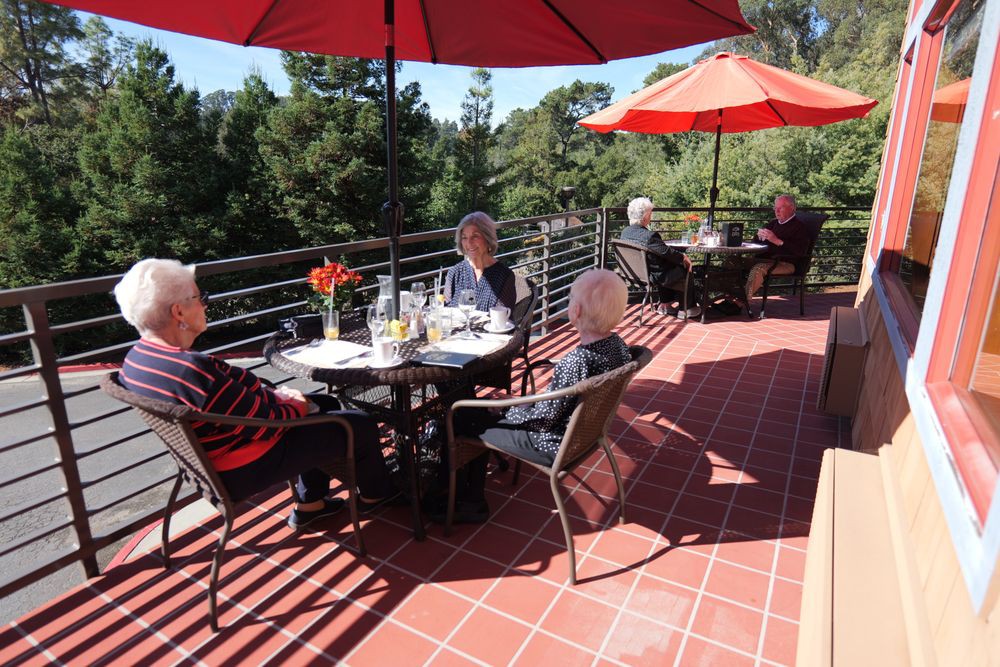
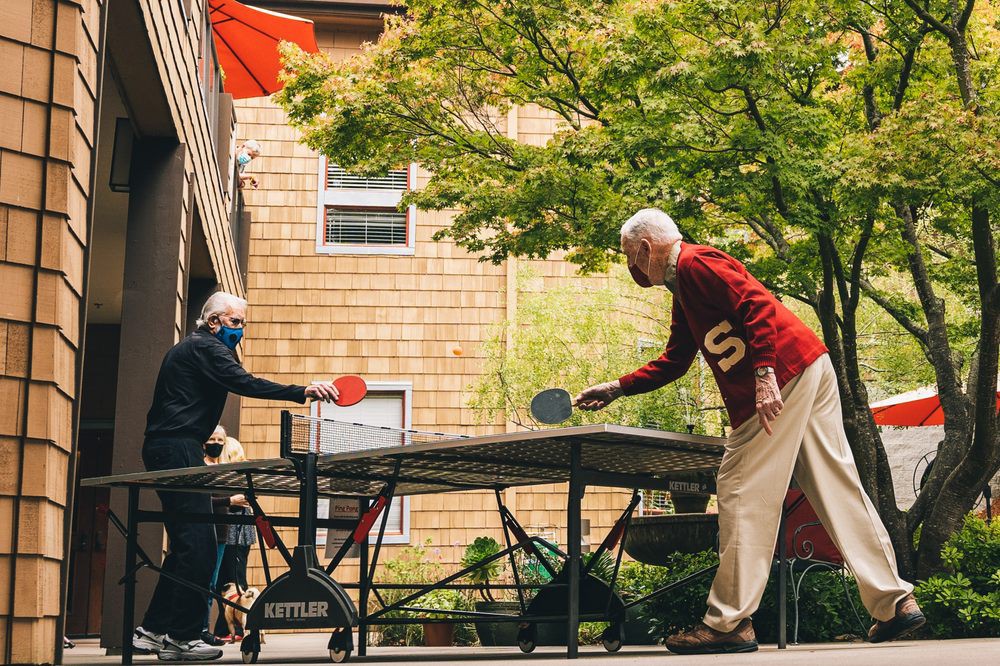
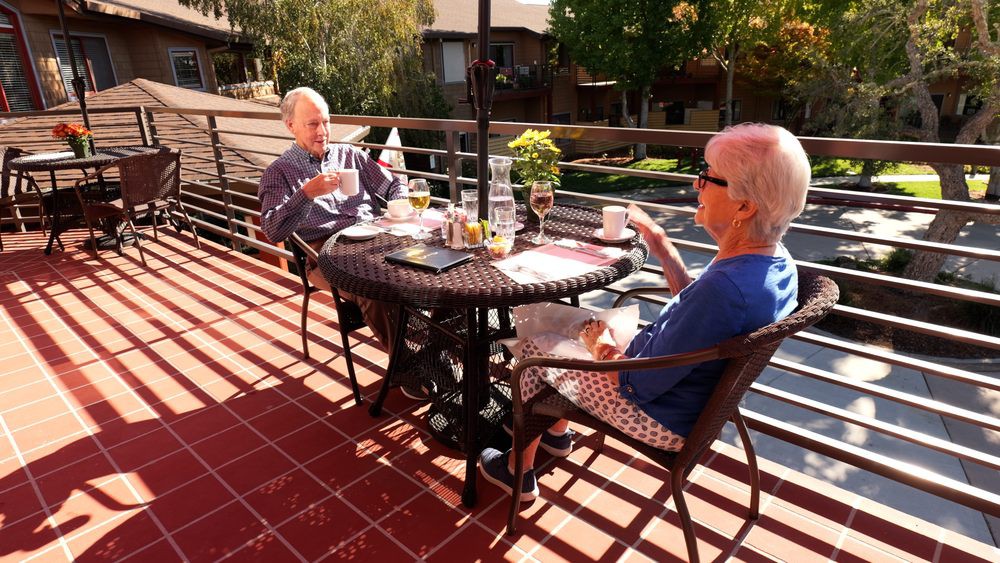
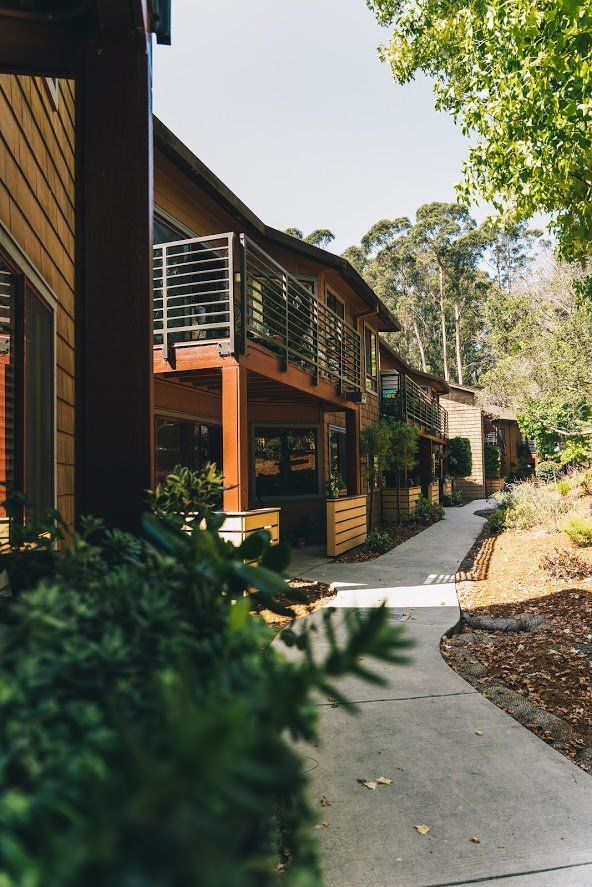
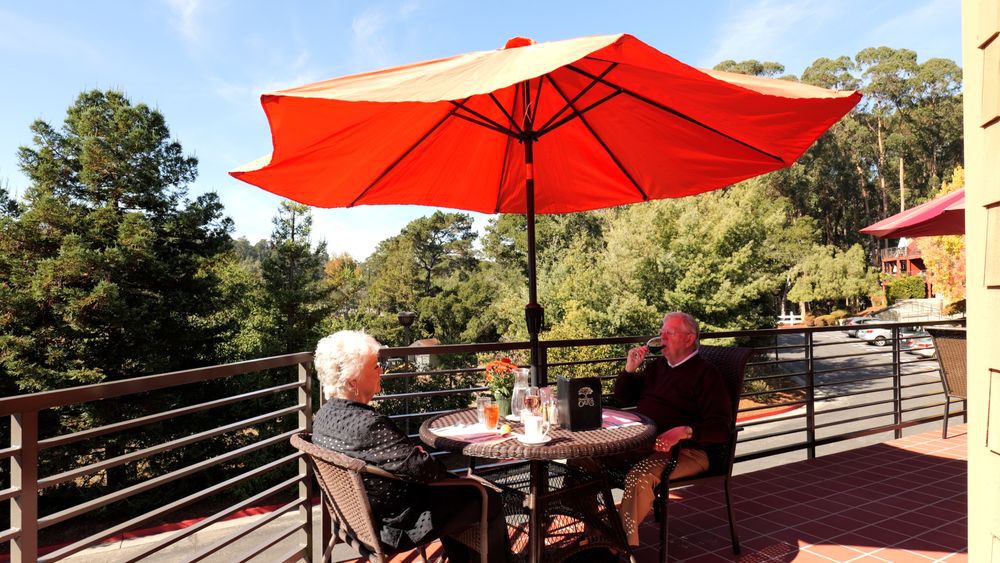
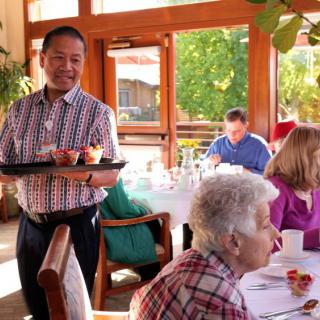
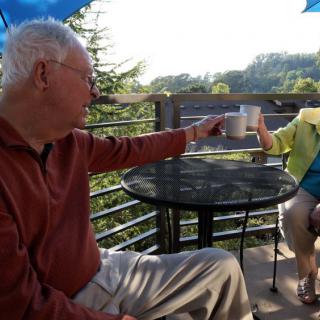
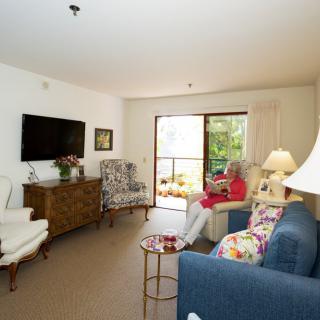
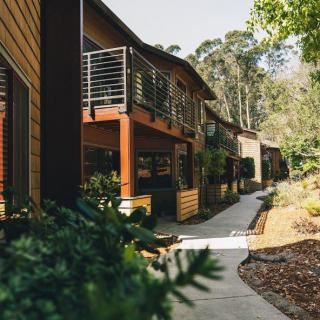
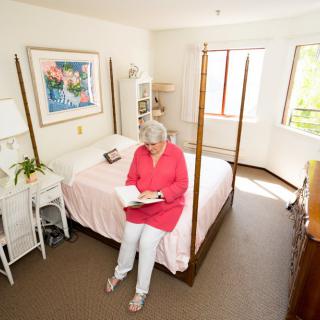
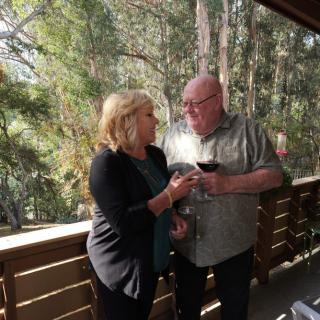
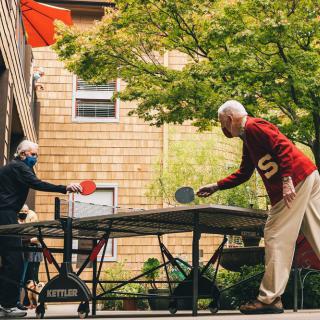
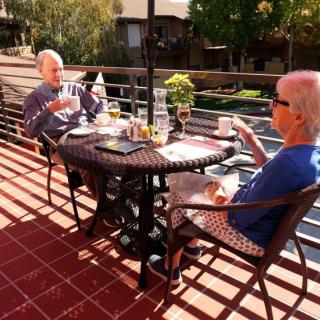
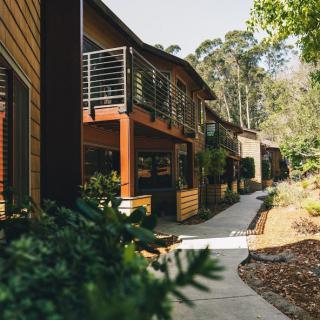
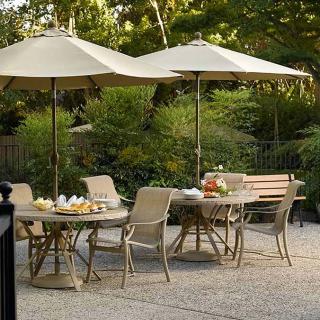
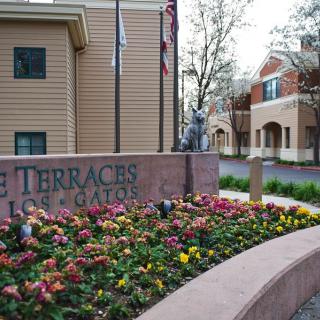
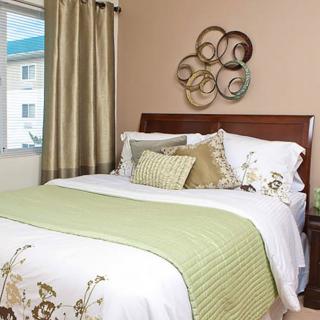
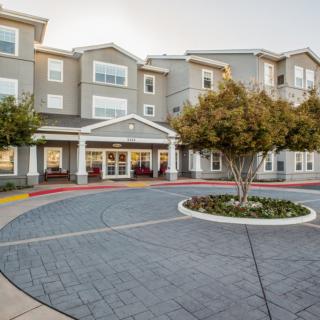
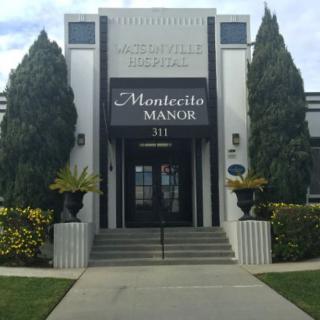
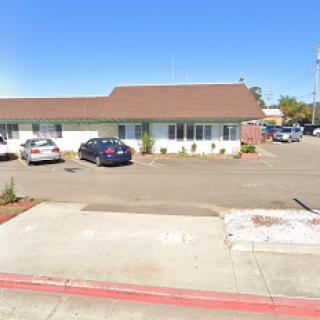
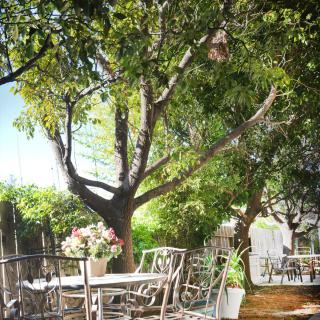
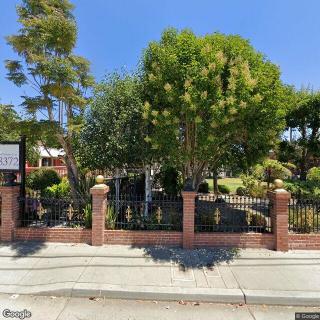
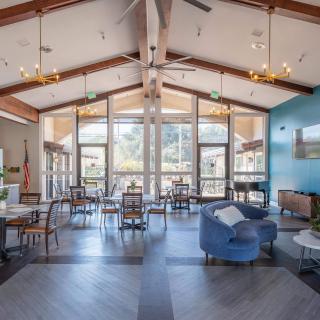
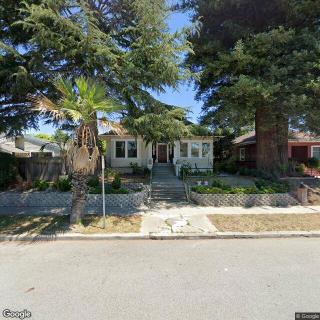
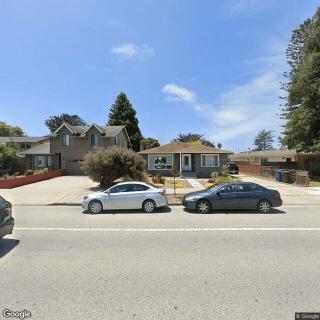
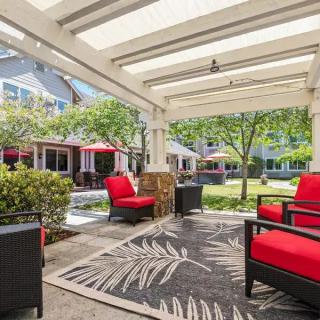
Dominican Oaks on seniors.fyi includes 27 photos including images showing dining, outdoors, trees, interior, nature, architecture, building, balcony, and more.
Nearby Communities
Care From The Heart
Santa Cruz, CA
4.5 from 28 reviews
Compassionate, personalized care with dietary-friendly dining options (gluten-free, low-sodium, no sugar, organic, vegan).
Visiting Angels
Santa Cruz, CA
5 from 1 review
Consistently high-quality, compassionate care.
Hearts & Hands - Post Acute Care & Rehab Center
Santa Cruz, CA
4.5 from 55 reviews
Clean facility with attentive, professional staff and effective rehab progress.
Paradise Villa
Santa Cruz, CA
4.4 from 26 reviews
$4,775 to $5,775 / month
Friendly staff; active community; recently remodeled light-filled rooms.
Valley Haven III
Santa Cruz, CA
4 from 3 reviews
Specialized memory care with 24/7 supervision and engaging activities.
Santa Cruz Post Acute
Santa Cruz, CA
4 from 57 reviews
Comprehensive amenities and 24/7 care
Alexandria Victoria
Santa Cruz, CA
5 from 10 reviews
$4,850 / month
Excellent, caring staff in a clean, home-like setting with delicious meals.
Garfield Park Village
Santa Cruz, CA
3.8 from 4 reviews
Excellent access to nearby healthcare, pharmacies, and dining.
Aegis Living Aptos
Aptos, CA
4.4 from 33 reviews
$6,240 to $7,530 / month
Beautiful, upscale facility with attentive staff, diverse dining, and broad amenities.
The article examines senior housing options, detailing the distinctions between independent living and assisted living, along with the emerging "independent assisted living" model that blends both approaches. It highlights the importance of assessing individual needs, preferences, and financial factors in making informed decisions about suitable living arrangements for seniors.
The deductibility of assisted living expenses on taxes hinges on factors like the individual's medical condition and service nature, typically requiring the resident to be "chronically ill" per IRS definitions. Taxpayers may deduct eligible medical expenses related to personal care services but generally not rent unless primarily for medical care, and they should maintain thorough documentation to support claims while considering itemizing versus standard deductions.
The guide highlights the importance of assisted living facilities for aging veterans needing daily support, discusses unique challenges they face, and outlines available financial assistance from the VA, including the Aid and Attendance program. It emphasizes understanding eligibility criteria and navigating the VA system to access necessary benefits effectively.
Get PricingAsk A QuestionSchedule A TourContact Senior Advisor
By clicking submit, you agree to our Partner's Terms of Use. You
also consent to receive calls and texts, which may be autodialed, from our Partner. Your consent is not a condition to
using our Partner's service. Please visit our Partner's Privacy Policy for information about their privacy practices.







 142 resident community capacity
 Assisted Living
 Independent Living
 Activities on-site
 Air-conditioning
 Beauty salon
 Cable or satellite TV
 Computer center
 Devotional services off-site
 Dining room
 Fitness room
 Fully furnished
 Gaming room
 Garden
 Housekeeping services
 Indoor common areas
 Kitchenette
 Move-in coordination
 Outdoor space
 Private bathrooms
 Restaurant-style dining
 Small library
 Telephone
 Wellness center
 Wi-Fi/high-speed internet available
 Community operated transportation
 12-16 hour nursing
 24-hour call system
 Ambulatory care
 Assistance with bathing
 Assistance with dressing
 Assistance with transfers
 Diabetes diet
 Diabetic care
 Medication management
 Mental wellness program
 Special dietary restrictions
 Concierge services
 Planned day trips
 Compassionate, personalized care with dietary-friendly dining options (gluten-free, low-sodium, no sugar, organic, vegan).
 Exploring the Path to Senior Living: A Comprehensive Look at Independent Living and Assisted Living
 Is Assisted Living Deductible on Your Taxes? Understanding the Complexities of Assisted Living Expenses and Deductions
 Assisted Living Support for Veterans: A Complete and Detailed Overview