
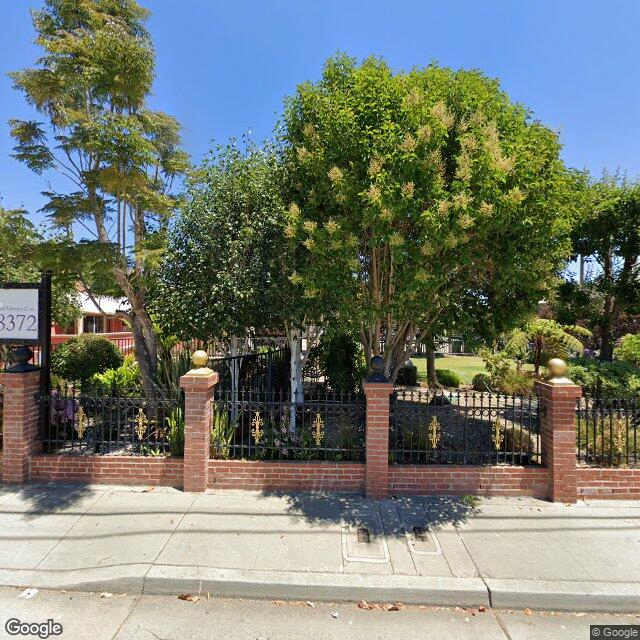
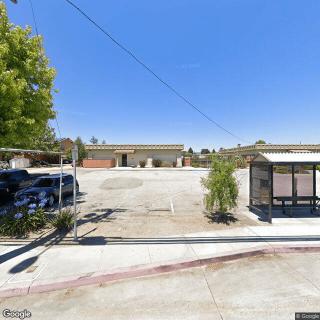
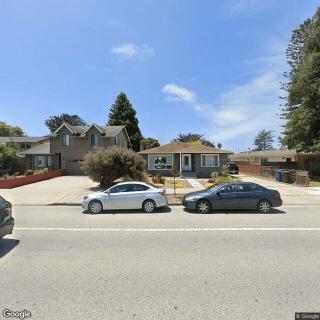
2266 Chanticleer Avenue, Santa Cruz, CA 95062
For more information about senior living options: (866) 208-4318
Overall Review of Valley Haven III
Pros
 They were pleased with her care and kindness shown by all the employees at Valley Haven.
- The staff organized fun, family-friendly events and encouraged visits.
- Many family members who stopped by reported good care for their mother.
- She was relaxed while she was at Valley Haven.
- They would definitely refer Valley Haven to others seeking care for their loved ones.
- They felt blessed having her there.
- Valley Haven treats residents like family.
- It feels more like a home than a memory care facility.
Review
Valley Haven III in Santa Cruz is best suited for seniors with memory-care needs who respond well to a warm, family-like atmosphere. The reviews portray a setting where kindness and personalized attention are central, and where family involvement is welcomed rather than treated as an afterthought. For families who prize regular visits, family-friendly events, and a homey routine over a clinical, institutional feel, this community offers a reassuring, low-stress option. The anecdotes emphasize residents appearing relaxed and at ease, a sign that caregiving is attentive and oriented toward comfort rather than rigid formality. In short, this is a setting where care is experienced as personal and relational, not transactional.
Those weighing Valley Haven III against alternatives should consider what happens if a higher level of clinical structure is essential. The home-like, family-centered portrayal is compelling for comfort and need-for-connection, but families seeking highly structured memory-care protocols, intensive medical oversight, or rigorous safety metrics may find a more traditional memory-care facility more reassuring. The emphasis on being “more like a home” can translate into fewer visible clinical routines or standardized therapies, which some families will want to see clearly defined. For residents whose progress demands targeted therapies, detailed care plans, and precise staffing models, exploring other options with explicit clinical programs is prudent.
Pros repeatedly highlighted in the accounts include genuine staff warmth and consistent, compassionate care, a culture that treats residents like members of a larger family, and an environment that invites ongoing family participation. One reviewer notes clear kindness from the care team and a welcoming stance toward visits, which strengthens trust and reduces stress for both residents and relatives. Another describes Valley Haven III as a place where residents are treated as family, not as residents in a facility, underscoring a philosophy that prioritizes relationship-based care. Taken together, these factors create a gentle, reassuring atmosphere where daily life emphasizes connection, dignity, and meaningful engagement.
Yet the available voices also point to gaps worth considering. The spread of ratings, one high, one solid, one mid-range, suggests that experiences can vary, and the narrative leaves questions about concrete clinical features unaddressed. Details about staffing ratios, the cadence of memory-care programming, and formal safety or medical oversight aren’t laid out in the anecdotes, making it reasonable to want more objective data. For families with a loved one who requires precise monitoring, frequent medical input, or heightened safety protocols, these missing specifics can be decisive. The warmth is undeniable, but the lack of explicit clinical benchmarks invites careful verification.
The strength of Valley Haven III lies in how far the positives tilt the balance for many families. A home-like vibe combined with active family engagement can translate into calmer days, easier transitions, and preserved routines that matter deeply to someone living with memory challenges. The social fabric, events, visits, familiar faces, can sustain a sense of belonging and reduce agitation, which in turn supports overall well-being. For families prioritizing emotional well-being, relational quality, and a setting that feels like home, these advantages often outweigh the absence of a formal clinical showcase.
For those ready to move forward, a practical decision framework is essential. Plan a thorough, on-site assessment focused on actionable questions: what are the caregiver-to-resident ratios on different shifts, and how consistent is staffing in memory-care tasks? What does the daily routine look like for a resident with memory impairment, and how is care adjusted as needs evolve? How are medical concerns monitored and escalated, and what safety measures are in place? Are there structured activities and therapies specifically tailored to memory care, and can families observe or participate in them? If the answers affirm a warm, engaged, and well-supervised home-like environment, and align with the resident’s care goals, Valley Haven III presents a compelling choice for Santa Cruz families seeking a compassionate, connection-first memory-care option.
 48 resident community capacity
 Assisted Living
 Memory Care
 Activities on-site
 Beauty salon
 Cable or satellite TV
 Devotional services off-site
 Dining room
 Fully furnished
 Garden
 Housekeeping services
 Indoor common areas
 Kitchenette
 Move-in coordination
 Outdoor space
 Restaurant-style dining
 Small library
 Telephone
 Wi-Fi/high-speed internet available
 24-hour call system
 Ambulatory care
 Assistance with bathing
 Assistance with dressing
 Assistance with transfers
 Diabetes diet
 Diabetic care
 Medication management
 Mental wellness program
 Special dietary restrictions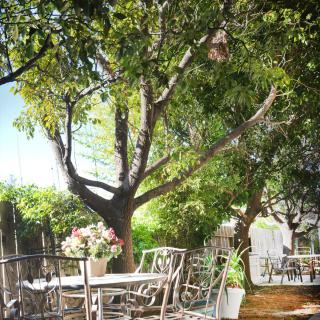

 Medications Associated with Dementia Risk: A Comprehensive Overview
 Guiding Your Journey: Understanding Power of Attorney for Elderly Parents
 22 Remarkable Caregiver Support Groups Available Online and In-Person