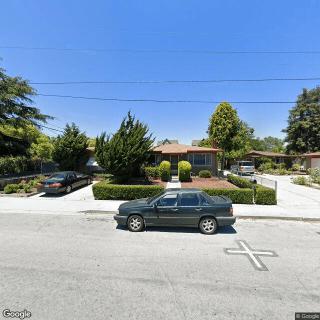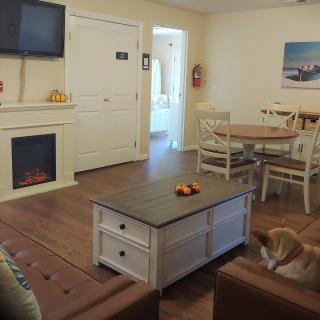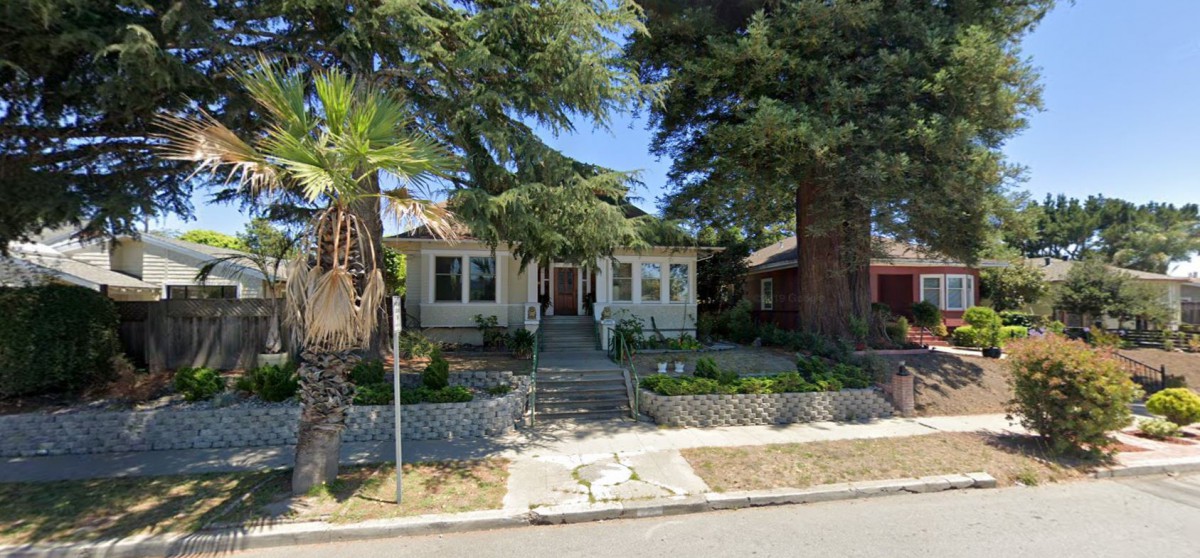


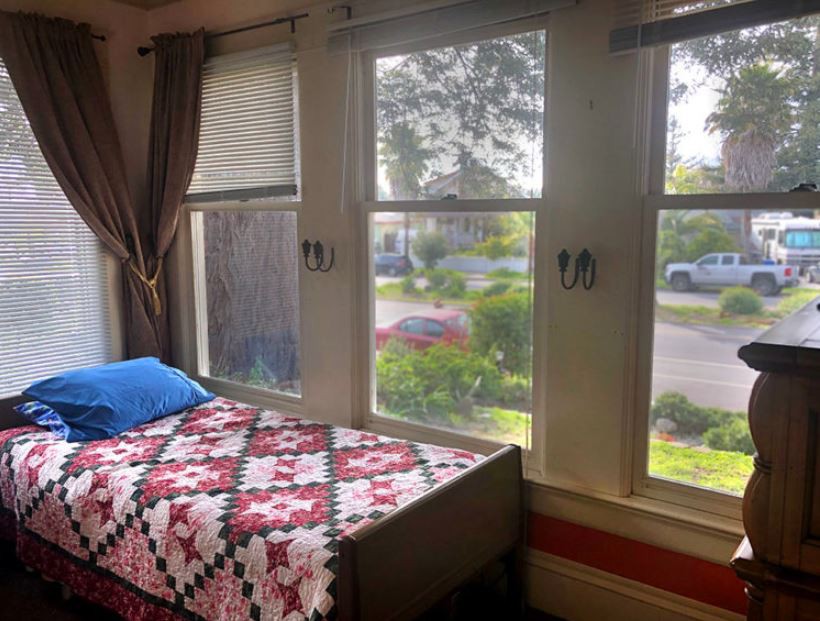

Alexandria Victoria in Santa Cruz, CA

Save

Alexandria Victoria in Santa Cruz, CA

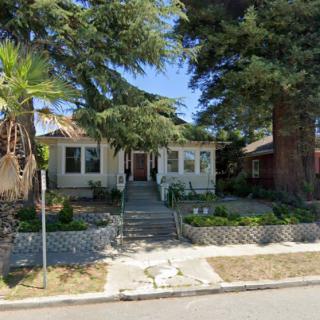
226 Morrissey Boulevard, Santa Cruz, CA 95062

For more information about senior living options: (844) 490-3973

5 from 10 reviews
5 stars
10
4 stars
0
3 stars
0
2 stars
0
1 stars
0

Assisted Living Board and Care Home Memory Care

Alexandria Victoria Costs & Pricing

In Alexandria Victoria, the monthly cost for a private room is set at $4,850. This rate is notably higher than the average cost in Santa Cruz County, where private rooms are priced at $3,760, and even exceeds the overall state average of $3,939 for California. The premium associated with Alexandria Victoria may reflect its unique offerings or amenities that cater to specific lifestyle preferences. While it positions itself above regional and state averages, this pricing also suggests a commitment to providing elevated care or enhanced living environments that could justify the investment for residents seeking quality accommodations.

Floor plansAlexandria VictoriaSanta Cruz CountyCalifornia
Private$4,850$3,760$3,939

What level of care are you interested in?

Assisted Living

Memory Care

Independent Living

Skilled Nursing Facility

Continuing Care Retirement Community (CCRC)CCRC

Other


Request a tour at Alexandria Victoria

    Overall Review of Alexandria Victoria

    Pros

    • pro The family felt fortunate to learn about Alexandria Victoria care home.
    • pro Rosie, John, Adrien and the staff became like family to the residents.
    • pro Freshly made meals catered to every resident's needs.
    • pro Rosie provided comfort during the final weeks.
    • pro Everyone there was very accommodating through hard days.
    • pro They offer a full range of care services, from homemade meals to holiday celebrations.
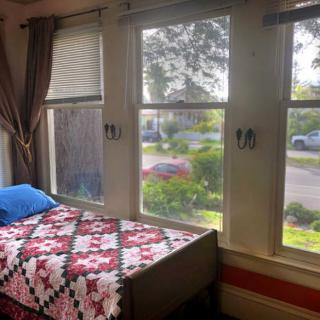
    • pro The location feels like a warm, welcoming home with a lovely atrium and gardens, giving families peace of mind.
    • pro The home is immaculate and spotless, with high-quality staff and day-and-night support.
    • pro The meals are delicious and residents enjoy three meals a day.
    • pro Rosie, John and the staff deliver personalized, compassionate care with a positive attitude.

    Cons

    • pro They're a little bit restricted on some of the activities, but they have a wonderful outside patio.
    • pro They're a little bit limited as to totally what they can do because of COVID.

    Review

    Alexandria Victoria is best suited for families seeking a warm, home-like, small-scale senior care setting where high levels of daily assistance are delivered with a personal touch. The community shines for residents who need substantial hands-on support and who flourish under a tightly knit, family-owned operation. With two Morrissey Street homes operating together and roughly 17 residents, the environment remains intimate rather than institutional, allowing caregivers to know each resident well and to tailor care in a way that feels genuinely personal. This is not a large campus; it's a deliberate, livable home where familiarity and continuity of staff matter more than breadth of services.

    The strongest pros are the relational dynamics and the practical care framework. Families consistently highlight caregivers who become like family - Rosie, John, Adrien, and the rest of the team are described as compassionate, attentive, and readily available for visits. The daily rhythm centers on home-cooked meals, a comforting, secure atmosphere, and a climate of open communication with families who are kept well-informed about care plans. The facility supports familiar routines and provides a range of care services beyond basic supervision, including a on-site physical therapist who works with residents individually and in groups, which is a meaningful advantage for aging bodies. The presence of hospice-aligned care inside the house underscores a capacity to address comfort and end-of-life needs with dignity, a factor many families weigh heavily.

    From a practical care perspective, the environment reinforces well-being. The home features inviting common spaces, a sunlit atrium, and well-kept gardens that invite residents to linger outside. Meals are consistently described as delicious and thoughtfully prepared, contributing to physical health, mood, and social connection around the table. The combination of day and night support adds a reassuring layer of security for families who want round-the-clock oversight without the bustle of a larger facility. The small, tightly managed setting often means fewer transfers and a more predictable routine, which can be a critical factor for residents wary of hospital-like environments and for families seeking stable, ongoing relationships with caregivers.

    A notable caveat is that activity programming may feel more limited than at bigger assisted living communities. The reviews acknowledge a certain restraint on the range of activities, an understandable trade-off in a small operation where staff capacity and resident mix drive what gets scheduled. For families who prioritize a highly structured calendar, extensive social programming, or specialized memory-care activities, Alexandria Victoria may fall short. The small scale can also limit resources or options for residents with very particular hobbies or demanding rehabilitation needs that require broader networks of services or partnerships that larger operators routinely provide.

    That tension between intimate care and programmatic breadth is the key lens for deciding whether this is the right fit. The pros - passionate, stable caregiving, home-cooked meals, a safe and welcoming setting, and seamless family communication - often offset the narrower activity slate for many families. The staff's hands-on approach and the home-like ambiance deliver peace of mind that is hard to quantify but highly valued. However, for families seeking extensive daily programming, diverse social opportunities, or specialized memory-care pathways under one roof, alternatives with bigger campuses or dedicated memory-care wings may deliver more of what would otherwise require off-site arrangements.

    In the end, Alexandria Victoria represents a practical choice for households prioritizing warmth, connection, and sustained, attentive care for high-needs seniors in a small, controlled setting. It excels where trust in caregivers and continuity of relationships trump the desire for a bustling activity schedule or expansive amenities. Families should target this option if the resident benefits from individualized attention, strong family involvement, and predictable routines delivered with dignity. If a richer calendar of activities, broader therapeutic offerings, or specialized memory-care programming is essential, it is wise to compare with larger, more resource-rich communities to ensure the best alignment with long-term goals and preferences.

    Features

    Housing

    • 13 resident community capacity 13 resident community capacity

    Types of Care

    • Assisted Living Assisted LivingAssisted living facilities provide crucial support and care for seniors who may need help with daily tasks such as medication management, bathing, and meal preparation. These communities offer a safe and comfortable environment where seniors can maintain their independence while receiving the assistance they need to thrive in their golden years.
    • Board and Care Home Board and Care HomeBoard and care homes provide a smaller, more intimate setting for seniors who require assistance with daily tasks but do not need the level of care offered by a nursing home. They offer personalized care, meals, and social activities in a homelike environment, ensuring that seniors receive individualized attention and support in their golden years.
    • Memory Care Memory CareMemory care is crucial for seniors as it provides specialized support and services for individuals with dementia or Alzheimer's disease. These programs offer a safe and secure environment where residents receive personalized care, cognitive stimulation, and help with daily activities. Memory care helps seniors maintain their independence, quality of life, and dignity while also providing peace of mind for their families.

    Amenities

    • Cable or satellite TV Cable or satellite TVCable or satellite TV is important for seniors because it provides entertainment, news, and companionship, helping to combat loneliness and boredom. It also offers a wide range of programming options tailored to different interests and preferences.
    • Dining room Dining roomDining rooms are important for seniors as they provide a space for socialization, connection, and nutritious meals. They offer opportunities for residents to bond over shared meals, foster a sense of community, and promote healthy eating habits. Dining rooms also ensure that seniors have access to well-balanced meals tailored to their dietary needs and preferences.
    • Fully furnished Fully furnishedFully furnished senior living communities are important for seniors because they provide convenience, comfort, and a hassle-free moving experience. Seniors can easily settle into their new living space without the stress of having to buy and move furniture. This allows them to focus on enjoying their new home and community.
    • Garden GardenGardens are important for seniors as they provide a peaceful and therapeutic environment for relaxation, physical activity, and socialization. Being in nature has been shown to reduce stress, improve mood, and promote overall well-being. Gardens also offer opportunities for seniors to engage in gardening activities, which can improve mobility, flexibility, and cognitive function. Additionally, gardens create a sense of community and connection with others who share a passion for plants and outdoor spaces.
    • Housekeeping services Housekeeping servicesHousekeeping services are important for seniors because they help maintain a clean and safe living environment, promote independence, and reduce the risk of accidents or illnesses. Additionally, having assistance with household chores can alleviate physical strain and allow seniors to focus on other aspects of their well-being.
    • Move-in coordination Move-in coordinationMove-in coordination is important for seniors because it helps ease the transition into their new living environment. It ensures that all logistics, such as packing, organizing movers, and setting up utilities are taken care of, allowing seniors to focus on settling in and adjusting to their new home. Having a smooth move-in process can alleviate stress and anxiety, making the transition smoother and more enjoyable for seniors.
    • Outdoor space Outdoor spaceOutdoor spaces are important for seniors as they provide opportunities for physical activity, social interaction, exposure to natural light and fresh air, and a sense of connection to nature. Having access to outdoor spaces can improve overall well-being and quality of life for older adults living in senior communities.
    • Private PrivatePrivacy is important for seniors as it allows them to maintain their independence, dignity, and sense of control over their own lives. It also gives them the space and freedom to relax, reflect, and engage in activities that bring them joy and fulfillment. Creating private spaces within senior living facilities is crucial for promoting overall well-being and quality of life.
    • Telephone TelephoneTelephones are important for seniors as they provide a lifeline for communication with loved ones, emergency services, and healthcare providers. They offer a sense of security and independence, enabling seniors to stay connected and access assistance when needed.
    • Wi-Fi/high-speed internet available Wi-Fi/high-speed internet availableWi-Fi/high-speed internet is important for seniors to stay connected with loved ones, access online resources, and participate in virtual activities to combat feelings of loneliness and isolation. It also allows them to easily manage healthcare needs, access entertainment, and engage in lifelong learning opportunities.

    Care Services

    • 24-hour supervision 24-hour supervision24-hour supervision is important for seniors to ensure their safety, well-being, and access to immediate assistance in case of emergencies or health issues. This constant support provides peace of mind for both seniors and their loved ones, allowing them to age in place with dignity and security.
    • Activities of daily living assistance Activities of daily living assistanceActivities of daily living assistance are important for seniors because they provide essential support with tasks such as eating, bathing, dressing, and mobility. This assistance helps seniors maintain their independence, dignity, and overall quality of life as they age.
    • Ambulatory care Ambulatory care"Ambulatory care services provide essential medical support and treatment to seniors without requiring hospitalization, allowing them to maintain their independence and quality of life while managing chronic conditions or receiving routine medical care."
    • Assistance with bathing Assistance with bathingAssistance with bathing is crucial for seniors as it helps maintain personal hygiene, prevents infections, and ensures their overall well-being and comfort. It also provides a sense of dignity and independence for seniors who may struggle with this task on their own.
    • Assistance with dressing Assistance with dressingAssistance with dressing is important for seniors because it helps maintain their independence, promotes personal hygiene, prevents accidents and injuries, and improves overall quality of life. This service ensures that seniors can continue to dress comfortably and confidently, despite any physical limitations they may have.
    • Assistance with transfers Assistance with transfersAssistance with transfers is crucial for seniors as it helps prevent falls and injuries, maintains their independence, and ensures they can safely navigate their living environment. It also provides peace of mind for both seniors and their loved ones.
    • Coordination with health care providers Coordination with health care providersCoordination with health care providers is crucial for seniors to ensure proper medical care, medication management, and overall well-being. This collaboration helps prevent overlapping treatments, track progress more effectively, and provide comprehensive support tailored to individual needs.
    • Dementia waiver Dementia waiverDementia waivers are essential for seniors as they provide critical protections and accommodations for those experiencing cognitive decline. These waivers ensure individuals with dementia receive appropriate care, support, and resources to maintain their quality of life and dignity as they navigate the challenges of this progressive condition.
    • Diabetes diet Diabetes dietA diabetes diet is crucial for seniors as it helps manage blood sugar levels, reduce risks of complications, and improve overall health and well-being. By following a balanced and nutritious diet tailored to their specific needs, seniors can better control their diabetes and enhance their quality of life.
    • Diabetic care Diabetic careDiabetic care is crucial for seniors as they are more susceptible to developing diabetes due to aging and other health conditions. Proper management of diabetes can help prevent complications such as heart disease, vision loss, and nerve damage, improving the overall quality of life for seniors in senior living communities.
    • High acuity care High acuity careHigh acuity care is important for seniors because it provides specialized medical attention and support for individuals with complex medical needs. This level of care ensures that seniors receive the appropriate treatment and assistance to maintain their health and quality of life as they age.
    • Hospice waiver Hospice waiverHospice waivers are important for seniors because they allow individuals to receive specialized end-of-life care and support at home or in a hospice facility. This waiver ensures that seniors can access the necessary resources and services to maintain comfort and dignity during their final days.
    • Incontinence care Incontinence careIncontinence care is essential for seniors to maintain their dignity, hygiene, and overall quality of life. By addressing incontinence issues promptly and effectively, seniors can enjoy a sense of independence and comfort in their daily activities.
    • Meal preparation and service Meal preparation and serviceMeal preparation and service are crucial for seniors as they may have limited mobility or energy to cook nutritious meals. Having access to healthy and convenient food options can ensure they are getting the proper nutrition needed to maintain their overall health and well-being.
    • Medication management Medication managementMedication management is crucial for seniors to ensure they are taking the right medications at the correct dosages and times. This helps prevent adverse drug interactions, reduces the risk of medication errors, and promotes overall health and well-being. Proactive management also allows for adjustments as needed based on changing health conditions or new prescriptions.
    • Mental wellness program Mental wellness programMental wellness programs are essential for seniors as they promote cognitive stimulation, emotional support, and social engagement. These programs help prevent isolation, depression, and cognitive decline, ultimately enhancing the overall quality of life for older adults.
    • Mild cognitive impairment Mild cognitive impairment"Mild cognitive impairment" is important for seniors because it is an early stage of cognitive decline that can potentially progress to more severe conditions such as dementia. Recognizing and addressing mild cognitive impairment can help seniors receive appropriate care and support to maintain their quality of life and independence for as long as possible.
    • Special dietary restrictions Special dietary restrictionsSpecial dietary restrictions are important for seniors because age-related changes in metabolism and health conditions can make it difficult for their bodies to process certain foods. By following a diet tailored to their specific needs, seniors can maintain their overall health and well-being, manage chronic conditions, and reduce the risk of complications such as malnutrition or food interactions with medications.
    • Specialized memory care programming Specialized memory care programmingSpecialized memory care programming is crucial for seniors with cognitive impairments such as dementia or Alzheimer's disease. These programs provide a safe and supportive environment tailored to the unique needs of individuals with memory loss, helping them maintain their independence, dignity, and quality of life.
    • Transportation arrangement (medical) Transportation arrangement (medical)Transportation arrangements for medical purposes are essential for seniors as they may have difficulty driving themselves to appointments or accessing public transportation. Having reliable and safe transportation options ensures that seniors can receive timely medical care and maintain their health and well-being.
    • Transportation to doctors appointments Transportation to doctors appointmentsTransportation to doctors' appointments is crucial for seniors as it ensures they have access to necessary medical care and support for their health needs. Without reliable transportation, seniors may struggle to attend important appointments, leading to potential delays in treatment and health complications. Providing transportation services helps seniors maintain their overall well-being and quality of life.

    Dining

    • Diabetes diet Diabetes dietA diabetes diet is crucial for seniors as it helps manage blood sugar levels, reduce risks of complications, and improve overall health and well-being. By following a balanced and nutritious diet tailored to their specific needs, seniors can better control their diabetes and enhance their quality of life.
    • Special dietary restrictions Special dietary restrictionsSpecial dietary restrictions are important for seniors because age-related changes in metabolism and health conditions can make it difficult for their bodies to process certain foods. By following a diet tailored to their specific needs, seniors can maintain their overall health and well-being, manage chronic conditions, and reduce the risk of complications such as malnutrition or food interactions with medications.

    Activities

    • BBQs or picnics BBQs or picnicsBBQs or picnics provide seniors with social interaction, enjoyment of the outdoors, and a sense of community, contributing to their overall well-being and quality of life.
    • Bible study group Bible study groupBible study groups provide seniors with a sense of community, spiritual growth, and support during their later years. It helps them stay connected to their faith, find comfort in difficult times, and build meaningful relationships with others.
    • Birthday parties Birthday partiesBirthday parties are important for seniors as they provide an opportunity for celebration, socialization, and joy. They allow seniors to feel special and appreciated, boosting their mood and overall well-being. Additionally, birthday parties can help combat feelings of isolation and loneliness by fostering connections with friends, family, and community members.
    • Community-sponsored activities Community-sponsored activitiesCommunity-sponsored activities are important for seniors as they provide opportunities for social interaction, mental stimulation, and physical activity. These activities can help improve overall well-being, combat loneliness and isolation, and promote a sense of belonging and purpose among older adults.
    • Holiday parties Holiday partiesHoliday parties are important for seniors because they provide opportunities for socialization, community involvement, and mental stimulation. These festive events offer a sense of belonging and connection during a time that can be lonely for many older adults. Additionally, participating in holiday celebrations can boost mood and overall well-being for seniors living in senior living communities.
    • Live dance or theater performances Live dance or theater performancesLive dance or theater performances are important for seniors because they provide opportunities for socialization, mental stimulation, and emotional engagement. These performances can help combat feelings of isolation and loneliness, while also offering a sense of connection to the arts and culture. Additionally, watching live performances can bring joy and create lasting memories for seniors in their later years.
    • Live musical performances Live musical performancesLive musical performances can provide seniors with a sense of joy, nostalgia, and connection. Music has the power to evoke emotions and memories, improve mood and cognitive function, and foster social interaction among seniors. It can also serve as a form of therapy and stress relief for older adults, making it an important activity to include in senior living communities.

    • Scheduled daily activities Scheduled daily activitiesScheduled daily activities are important for seniors because they provide structure, socialization, mental stimulation, and physical activity. Engaging in regular activities can improve overall well-being and quality of life for seniors living in a community setting.

    Description

    Alexandria Victoria is an assisted living community located in Santa Cruz, CA, offering board and care home as well as memory care services. The community provides a range of amenities to ensure the comfort and convenience of its residents. These include a dining room, fully furnished rooms, a beautiful garden area, housekeeping services, move-in coordination assistance, outdoor spaces for relaxation and recreation, private accommodations, telephone access, and Wi-Fi/high-speed internet connectivity.

    Residents at Alexandria Victoria receive comprehensive care services to meet their individual needs. This includes assistance with activities of daily living such as bathing, dressing, and transfers. They also benefit from coordination with healthcare providers for any specialized medical needs. The community offers specific care programs for individuals with dementia and mild cognitive impairment. Additionally, Alexandria Victoria provides high acuity care for those requiring more intensive support. Medication management and meal preparation are available to ensure the well-being of residents.

    The dining experience at Alexandria Victoria takes into account special dietary restrictions that residents may have. A variety of nutritious meals are prepared and served to cater to these requirements.

    A vibrant array of activities awaits residents at Alexandria Victoria. They can participate in Bible study groups, birthday parties, community-sponsored events, holiday parties, live dance or theater performances, live musical performances, and scheduled daily activities for mental and physical wellness.

    Located in Santa Cruz, residents can take advantage of the community's ideal location near numerous cafes, parks, pharmacies, physicians' practices restaurants and hospitals. This ensures convenient access to necessary amenities and healthcare facilities.

    At Alexandria Victoria in Santa Cruz, CA, seniors can enjoy comfortable accommodations along with personalized care services that promote their overall well-being while engaging in enjoyable activities within a lively community setting.

    Nearby Places of Interest

    This part of Santa Cruz, California is a vibrant and bustling community with convenient access to healthcare services such as Santa Cruz Pulmonary Medical Group and pharmacies like Walgreens and Tom's Medical Pharmacy within close proximity. The area also boasts reputable physicians like Dr. Jaclyn Gadbaw and Dr. Timothy Allari, as well as reputable hospitals including Dominican Hospital. For dining options, there is a variety of restaurants ranging from The Bagelry to Hula's Island Grill, offering diverse cuisines for every palate. Additionally, cafes like Lulus Midtown and Verve Coffee Roasters provide cozy spots for socializing or enjoying a relaxing cup of coffee. Nature lovers will appreciate the nearby parks such as De Laveaga Park and Depot Park for outdoor activities and leisurely strolls. Overall, this neighborhood offers a mix of amenities and attractions that make it an ideal location for seniors looking for a lively yet peaceful setting in which to reside.

    Physicians

    • Santa Cruz Pulmonary Medical Group (0.2 miles)
    • Hanger Prosthetics & Orthotics (0.2 miles)
    • Jaclyn Gadbaw, MD (0.4 miles)
    • Audiology Associates (0.4 miles)
    • Timothy Allari, MD (0.4 miles)
    • Matthew Reimert, MD (0.4 miles)
    • William R. Raffo, MD (0.4 miles)

    Pharmacies

    • Walgreens (0.3 miles)
    • Tom's Medical Pharmacy (0.4 miles)
    • Rite Aid (0.6 miles)
    • Santa Cruz Medical Marijuana Doctors (1.2 miles)
    • CVS Pharmacy (1.2 miles)
    • KindPeoples Collective (1.3 miles)
    • Granny Purps (2.2 miles)

    Hospitals

    • Dominican Hospital (0.3 miles)
    • Dominican Hospital Comm Rm (1.3 miles)
    • Birthing Center: Sutter Maternity Surgery Center (1.6 miles)

    Restaurants

    • The Bagelry (0.4 miles)
    • The Buttery (0.7 miles)
    • Mariannes Ice Cream (0.9 miles)
    • Taqueria Los Pericos (1.2 miles)
    • The Penny Ice Creamery (1.4 miles)
    • Hula's Island Grill (1.4 miles)
    • Crow's Nest Restaurant (1.4 miles)

    Cafes

    • Lulus Midtown (0.6 miles)
    • Starbucks (0.9 miles)
    • Verve Coffee Roasters (1.1 miles)
    • Linda's Seabreeze Cafe (1.1 miles)
    • Verve Coffee Roasters (1.3 miles)
    • The Walnut Avenue Cafe (1.4 miles)
    • Firefly Coffee House (1.5 miles)

    Parks

    • De Laveaga Park (1 miles)
    • Depot Park (1.8 miles)
    • Pogonip (2.3 miles)
    • Mystery Spot (2.3 miles)
    • Lighthouse Field State Beach (2.5 miles)
    • Anna Jean Cummings Park (2.8 miles)

    Frequently Asked Questions

    How much does it cost to live at Alexandria Victoria in Santa Cruz, CA?
    Where is Alexandria Victoria?
    Does Alexandria Victoria provide care for residents with dementia or Alzheimer's disease?
    What photos are available for Alexandria Victoria in Santa Cruz, California?

    Nearby Communities

    • Alexandria Victoria 2

      Alexandria Victoria 2

      Santa Cruz, CA


      pro Small, personalized setting with 24-hour supervision, diabetes-friendly dining, move-in coordination, and garden access.

    • La Posada

      La Posada

      Santa Cruz, CA

       
      $3,550 / month

      pro Affordable rate with ample nearby amenities.

    • Hanover Guest Home

      Hanover Guest Home

      Santa Cruz, CA

      3.2 from 10 reviews
      $2,000 to $3,500 / month

      pro Small, homey atmosphere with caring staff.

    • ComForcare Senior Services

      ComForcare Senior Services

      Santa Cruz, CA


      pro Proximity to cafes, parks, pharmacies, hospitals, and restaurants in a tranquil setting.

    • Maple House

      Maple House

      Santa Cruz, CA


      pro Specialized diabetic care with engaging activities and nearby healthcare/amenities.

    • Twin Lakes Manor

      Twin Lakes Manor

      Santa Cruz, CA

      3.4 from 8 reviews
       

      pro Clean, warm environment with friendly staff and family-like care.

    • Dominican Oaks

      Dominican Oaks

      Santa Cruz, CA

      4.8 from 47 reviews
      $3,600 to $4,050 / month

      pro Friendly, supportive community with engaging activities and high-quality dining.

    • Garfield Park Village

      Garfield Park Village

      Santa Cruz, CA

      3.8 from 4 reviews
       

      pro Excellent access to nearby healthcare, pharmacies, and dining.

    • Aegis Living Aptos

      Aegis Living Aptos

      Aptos, CA

      4.4 from 31 reviews
      $6,240 to $7,530 / month

      pro Beautiful, upscale facility with attentive staff, diverse dining, and broad amenities.

    Related Resources

    • reminiscence therapyExploring the Power of Reminiscence Therapy for Individuals With Dementia

      Reminiscence therapy helps individuals with dementia recall past memories through structured discussions and meaningful objects, enhancing mood, relationships, and sense of identity while celebrating their lives. It can be practiced in formal settings or at home, requiring sensitivity to personal histories and cultural backgrounds.

    • reminiscence therapyAn In-Depth Look at Reminiscence Therapy in Dementia Care

      Reminiscence therapy is a structured method for older adults, especially those with dementia, to share life stories using prompts and sensory cues, fostering emotional well-being, social engagement, and self-identity. It aims to improve quality of life by enhancing interpersonal connections and cognitive stimulation while requiring careful facilitation to avoid distressing memories.

    • dementia hallucinationsDementia-Related Hallucinations: Causes, Experiences, and Practical Approaches
      Dementia, particularly Lewy body dementia, often involves hallucinations that can significantly distress both patients and caregivers due to disruptions in sensory processing and neurotransmitter imbalances. Effective management includes compassionate communication, environmental adjustments, and a multidisciplinary approach to care while addressing the emotional needs of caregivers.


    Get Pricing Ask A Question Schedule A Tour Contact Senior Advisor