
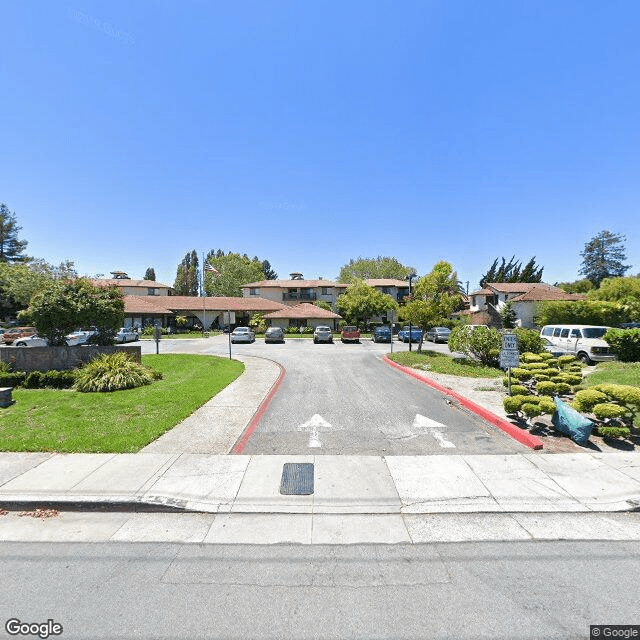
609 Frederick St, Santa Cruz, CA 95062
To contact a resident: (831) 429-9230
For more information about senior living options: (866) 208-4318
La Posada Costs & Pricing
La Posada offers a competitive monthly rate for its one-bedroom units at $3,550, which is notably lower than both the average costs in Santa Cruz County at $4,414 and the broader California state average of $4,340. This pricing positions La Posada as an attractive option for those seeking quality living without exceeding their budget, allowing residents to enjoy a desirable lifestyle while benefiting from significant savings compared to other local and state housing alternatives.
| Floor plans | La Posada | Santa Cruz County | California |
|---|---|---|---|
| 1 Bedroom | $3,550 | $4,414 | $4,340 |
Independent Living communities with a similar price nearby
-
About the same
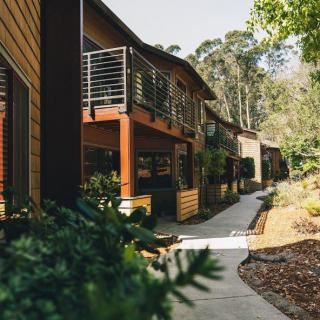
Dominican Oaks
$3,600 to $4,050 / month1.5 miles away -
About the same
Atria Willow Glen
$3,595 to $6,295 / month22.1 miles away -
About the same
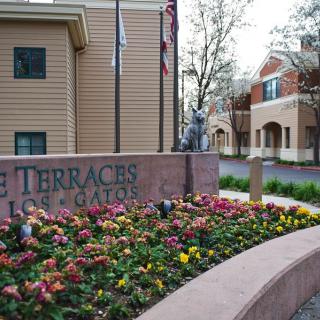
Terraces of Los Gatos
$3,578 to $5,382 / month17.8 miles away -
from +$445 / mo
Westmont Of Morgan Hill
$3,995 to $6,495 / month23.1 miles away -
About the same
Harvy's Home Care
$3,500 to $5,500 / month20.5 miles away
Overall Review of La Posada
Pros
 He was very social and made many new friends at La Posada.
- Lovely place to live.
- Excellent senior assisted living apartments.
Cons
 The manager harasses residents constantly.
- She has been harassing vulnerable elderly people for years.
- The service has been poor since the manager retired and the assistant manager became manager.
- The food is only OK and the main dishes are not served hot.
- The bands at activities play loud music, making it hard to talk to others.
Review
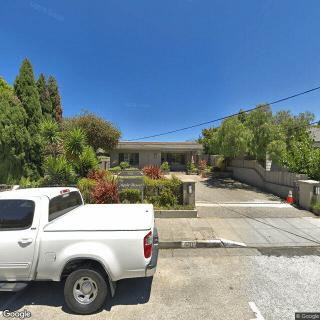
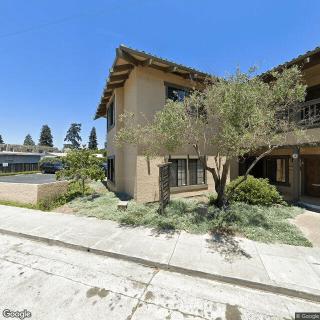
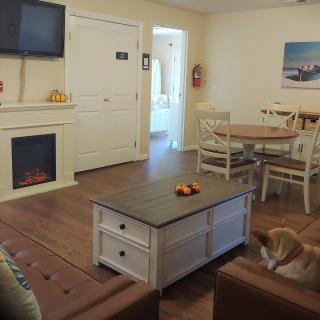
La Posada in Santa Cruz is best suited for active, socially inclined seniors who want solid apartment living at a moderate price and place a premium on peer connections. Reviewers highlight that residents can build meaningful friendships, and one account describes the stepdad forming a wide circle of friends after moving in. The apartments themselves are repeatedly praised as excellent, and the monthly rent is deemed reasonable for the level of housing offered. For families prioritizing independence with decent value, this community serves as a practical option that can feel like a comfortable home base with opportunities to stay engaged.
However, potential residents should carefully consider alternatives if consistency in management and respectful treatment are non-negotiable. The most consistently troubling theme is the management dynamic: accusations that the manager has harassed residents for years, coupled with complaints of poorer service after leadership changes. For someone who requires steady, responsive oversight, or who wants a clearly professional atmosphere without ongoing interpersonal friction, other communities with transparent processes and stable leadership may be a better fit. Those who value quiet, predictable service should weigh options elsewhere.
The positive elements of La Posada, its social fabric, apartment quality, and perceived value, do not exist in a vacuum. The social opportunities can meaningfully offset some daily inconveniences for residents who relish companionship and who can navigate occasional service gaps. The “lovely place to live” sentiment and the ability to form friendships are not trivial benefits in senior living, especially for individuals who would otherwise become isolated. When measured against the rent and the quality of the living spaces, these pros matter, but they do not fully neutralize the risk presented by uneven management and service.
Management and resident experience emerge as the decisive factors in a true risk–reward calculation. Claims that harassment by the on-site manager has persisted for years are not minor quibbles; they speak to a culture that can erode trust and comfort for vulnerable residents. The shift in leadership, described as a retirement of the former manager followed by poorer service under the new manager, signals potential inconsistency in how concerns are handled and how residents are treated day-to-day. Families should probe current leadership structure, escalation paths for complaints, and recent resident sentiment before committing. It is also wise to inquire about resident councils, mediation processes, and any formal oversight that could curb repeat issues.
Dining and activity noise add concrete daily frictions. Food is described as acceptable but not reliably hot for main dishes, a disappointment for residents who expect consistent, satisfying meals. At the same time, activities, especially band-based events with loud music, can make conversation difficult, which undermines the social benefits for residents who prefer easier, more intimate interaction. These factors matter for budgeting time and energy: if dining quality and a calm social environment are essential, this facility’s current pattern may fall short. Yet for the true social butterfly with a forgiving palate on meals, the calendar of events can still be a lure.
Bottom line: La Posada represents a conditional fit. For seniors who prize companionship, decent apartments, and reasonable rent, and who can tolerate management variability and occasional noise, this community can satisfy those core needs. For families prioritizing a consistently respectful manager, reliable service, quiet surroundings, and high dining standards, alternatives should be explored. A prudent approach is to verify the current leadership’s stability, request concrete examples of how resident concerns are resolved, and, if possible, spend time at peak social times to observe how staff respond and how residents interact. In the balance of factors, La Posada is worth considering, but only if the resident can endure the potential downsides and values the social upside enough to offset them.
 Independent Living


 Powerful Realities of Elder Abuse and the Most Effective Ways to Report It
 Ten Vital Duties of a Senior Caregiver: A Comprehensive Guide
 9 Stimulating Memory Activities for Seniors: Puzzles, Cards, and Much More