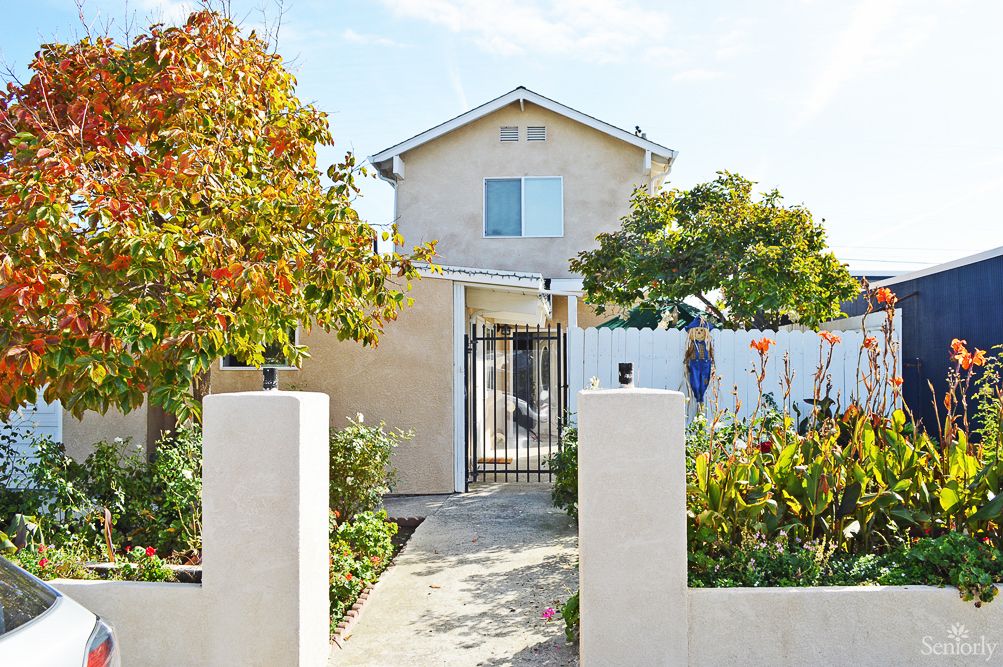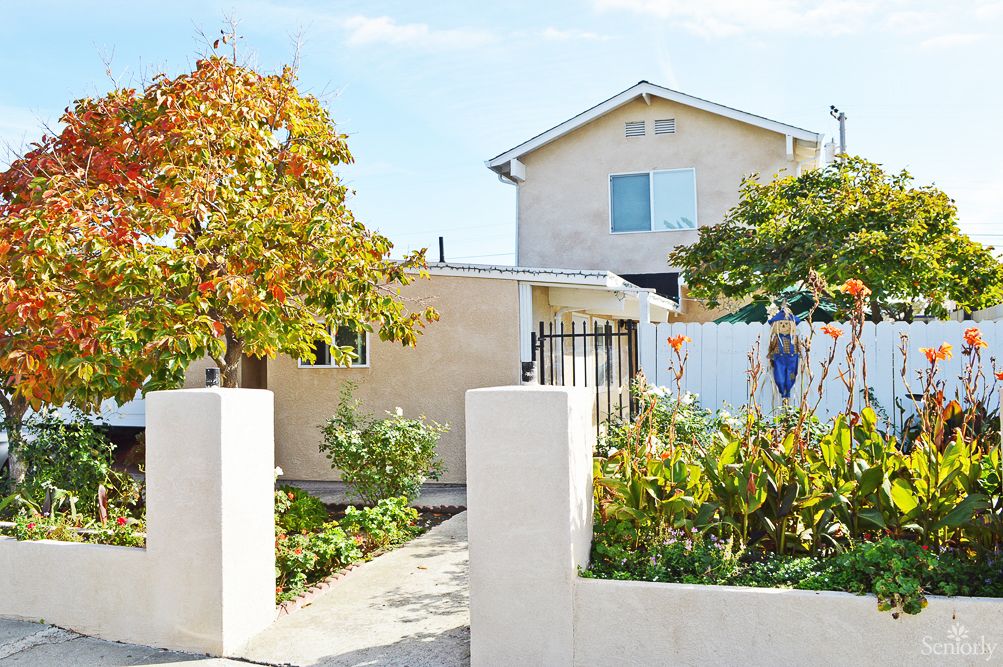

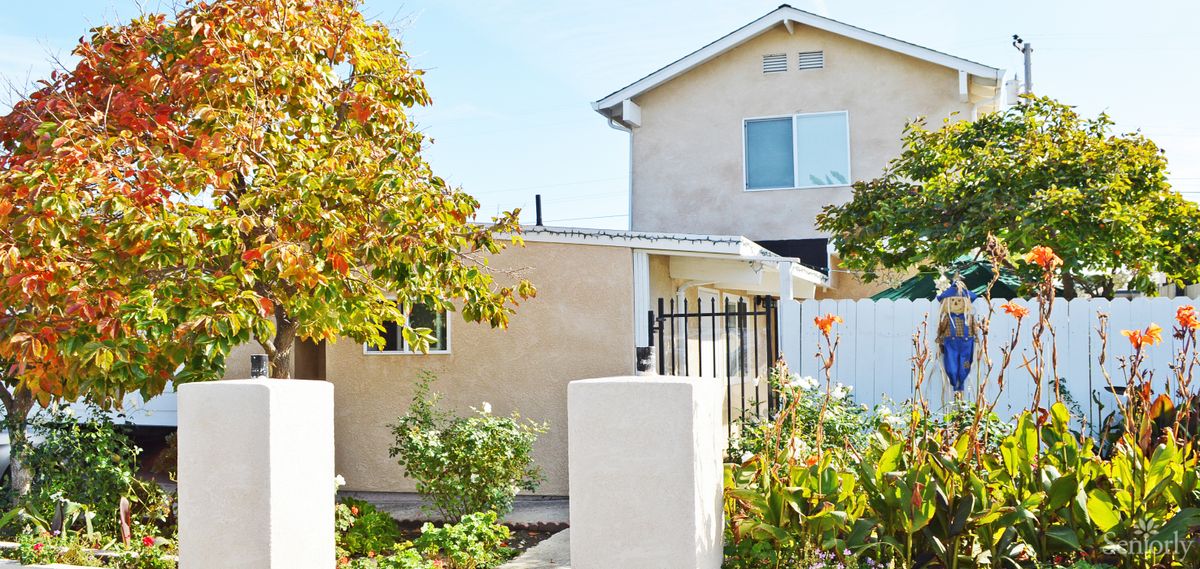
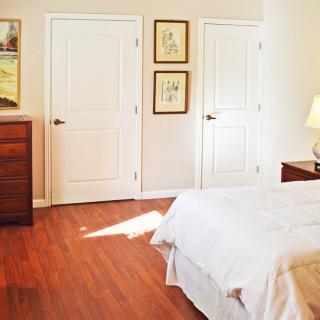
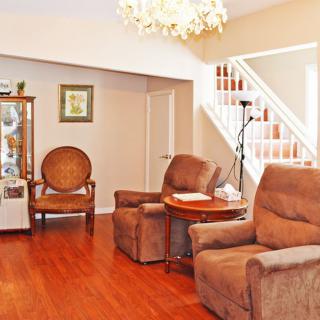
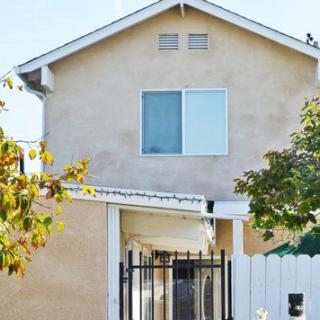
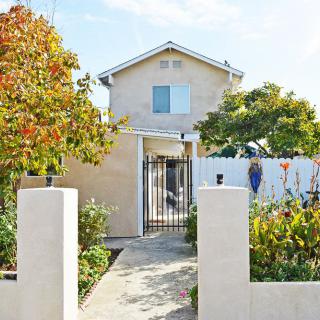
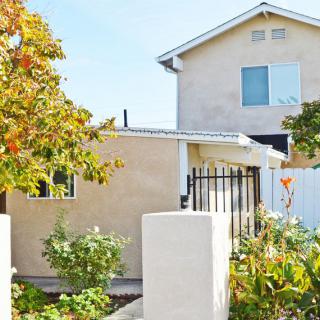


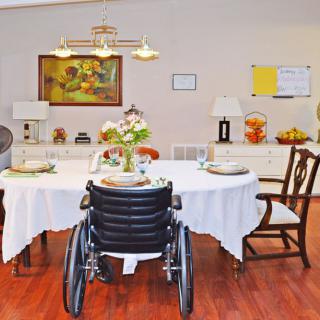
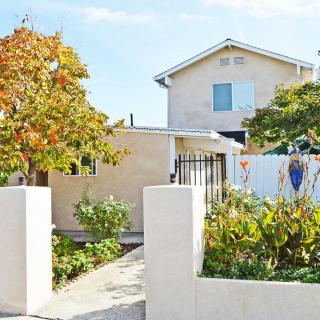
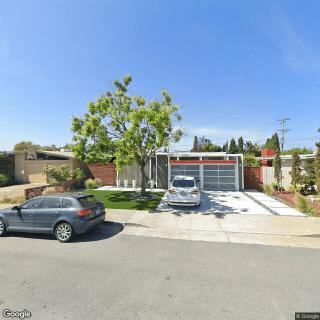
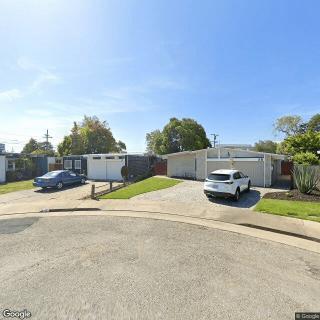
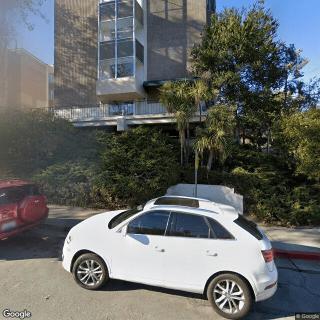
630 Vanessa Drive, San Mateo, CA 94402
For more information about senior living options: (866) 208-4318
Tlc Home Care III Costs & Pricing
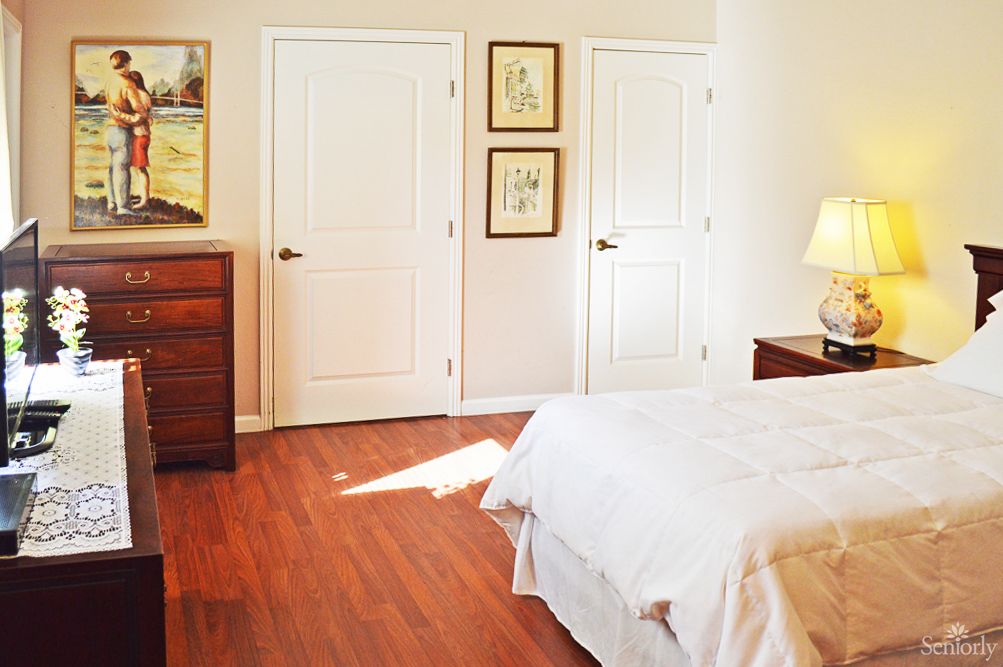
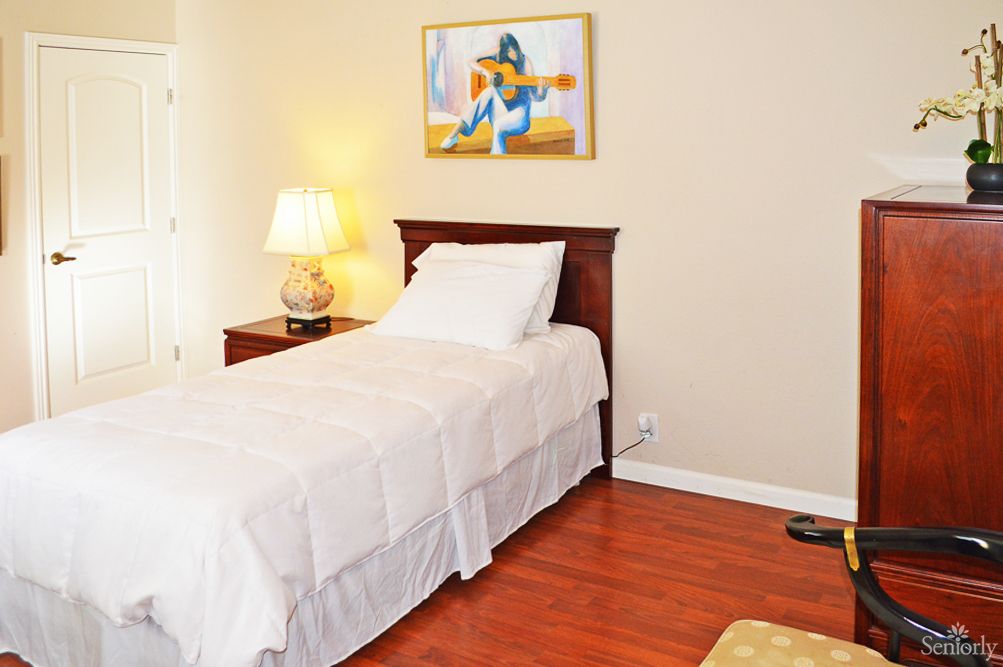
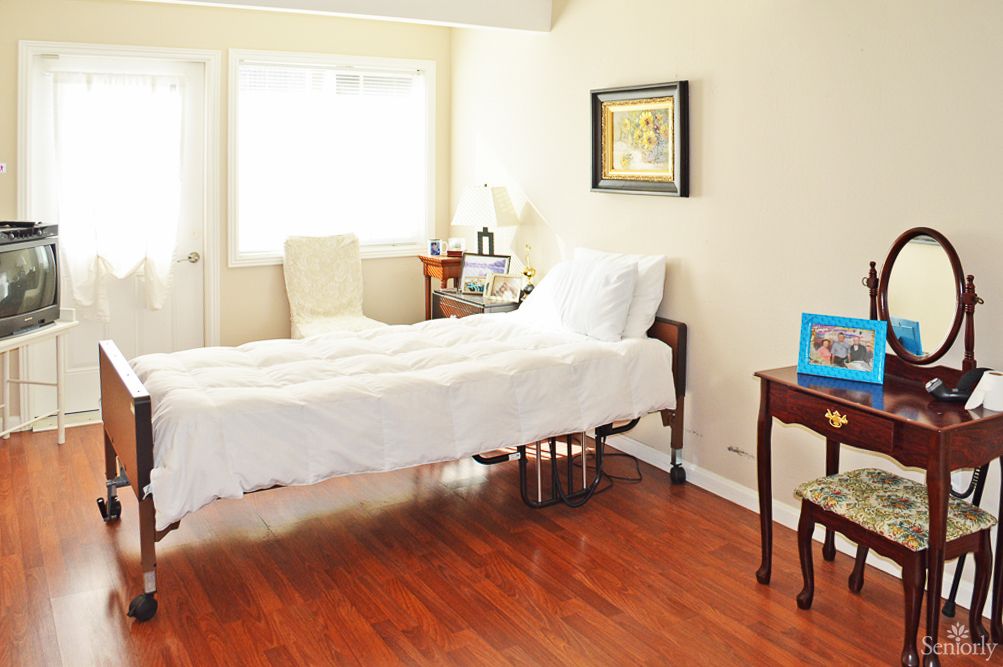
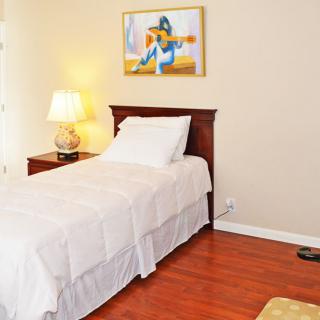
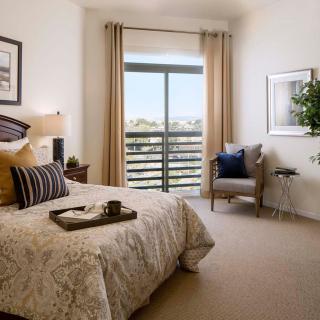
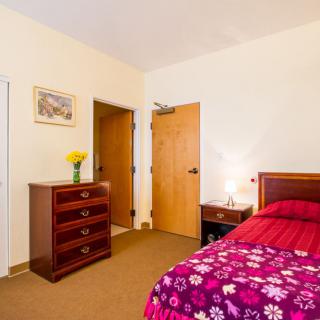
Tlc Home Care III offers a private room at a monthly rate of $4,500, which reflects the premium quality of care and services provided. While this cost is higher than the average rate in San Mateo County, currently set at $4,281, it still presents a competitive option when compared to the broader landscape of California's costs, where the average stands at $3,939. This pricing structure highlights Tlc Home Care III's commitment to delivering exceptional care tailored to individual needs, even as it positions itself above local averages. Ultimately, families exploring care options in this area may find that the additional investment aligns with their expectations for personalized and attentive service.
| Floor plans | Tlc Home Care III | San Mateo County | California |
|---|---|---|---|
| Private | $4,500 | $4,281 | $3,939 |
Memory care communities with a similar price nearby
-
from +$500 / mo
Blessing Home
$5,000 to $6,000 / month17.0 miles away -
from -$500 / mo
Golden Age Of Channing Way
$4,000 to $5,000 / month13.3 miles away -
from +$600 / mo

Aegis of Moraga
$5,100 to $6,150 / month21.4 miles away -
from -$505 / mo
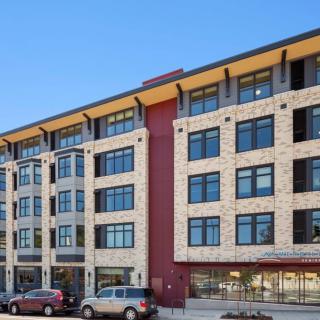
Merrill Gardens at Rockridge
$3,995 to $8,500 / month19.5 miles away -
from -$450 / mo
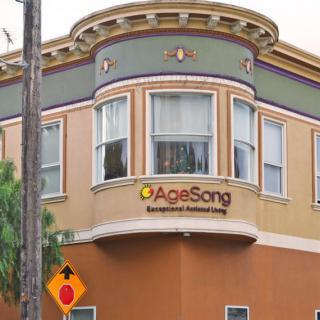
The Village at Hayes Valley
$4,050 to $6,900 / month16.5 miles away
Overall Review of Tlc Home Care III
Pros
 The place is loved for its homie, quiet atmosphere.
- The staff are wonderful, with reasonable pricing, and they go above and beyond.
- Rena Mercado is considered the best.
Review
TLC Home Care III in San Mateo is best suited for seniors who value a quiet, home-like atmosphere with a small, attentive care team and straightforward, sensible pricing. This community fits those who want daily life to feel warm and personal rather than clinical or chaotic, and who prioritize reliable, friendly service over a large campus feel. Families seeking a low-stress transition where staff relationships and consistency matter most will find the fit agreeable and reassuring.
Those with higher-acuity needs should consider alternatives. If 24/7 medical oversight, memory or dementia-specific programming, complex rehabilitation, or elaborate transportation and activity schedules are essential, a larger, more clinical facility may be a better match. For residents requiring intensive medical management or a broad spectrum of on-site specialists, the scale and resources of bigger communities typically provide a more comprehensive answer.
The strongest positives converge around atmosphere and people. The setting exudes a homelike, unobtrusive quiet that many families associate with comfort and dignity for daily living. The staff are repeatedly described as wonderful, with a level of warmth and responsiveness that translates into prompt, considerate care. Pricing is noted as reasonable, reducing financial strain and making ongoing support more sustainable for families on tighter budgets. Importantly, there is a sense of care going beyond the basics, with staff willing to go the extra mile to meet individual needs.
Given the limited detail in the public reviews, some practical considerations follow from the nature of a smaller home-care style operation. The compact footprint can mean fewer on-site medical resources, fewer specialized programs, and less formal programming when compared with larger assisted living campuses. Prospective residents may want to verify the breadth of services, transportation options, and the availability of equipment or therapies if care needs shift. In short, the setup appears ideal for steady, companionship-rich days, but may pose questions for families planning around escalating medical or cognitive support.
These pros offset potential constraints in a practical, real-world way. The hallmark warmth and consistent caregiving create trust, which is priceless when choosing a living situation for a loved one. The calm, homelike environment reduces anxiety for residents who prefer low-key routines and familiar faces, while the pricing structure minimizes ongoing financial stress, an important factor when budgeting long-term care. Leadership or standout staff, exemplified by positive notes about Rena Mercado, suggests a level of care coordination and accountability that can bridge minor gaps that a smaller setting might have compared with larger operators.
For families ready to move forward, a disciplined, purpose-driven approach is advised. Schedule a tour to observe resident interactions during mealtime and daily routines, and to meet the caregiving team in person. Request specifics on caregiver-to-resident ratios, on-site medical capabilities, medication management, and emergency response procedures. Ask about meal options, dietary accommodations, activity programming, and any transportation arrangements for appointments or outings. Clarify pricing terms, any deposits or freeloading concerns, and what happens if care needs intensify over time. If warmth, stability, and value are the priority, TLC Home Care III stands out as a highly workable choice.
Bottom line: TLC Home Care III serves as a compelling option for families seeking a quiet, intimate, reasonably priced home-like setting with consistently attentive staff. It is less likely to satisfy families needing expansive medical programming, dementia-specific pathways, or extensive on-site services. For those who can align with a small-scale environment and prioritize daily comfort, reliable care, and approachable pricing, this San Mateo option warrants strong consideration. For others, especially those with escalating clinical needs, exploring larger assisted living communities with broader medical support will likely yield a smoother fit.
 6 resident community capacity
 Assisted Living
 Board and Care Home
 Memory Care
 Respite Care
 Cable or satellite TV
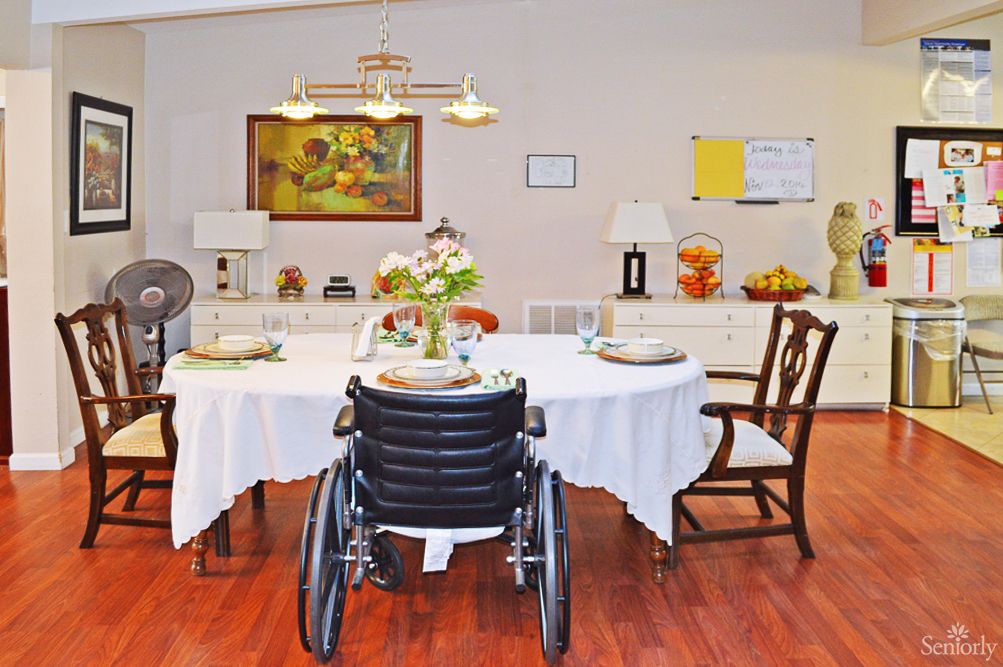
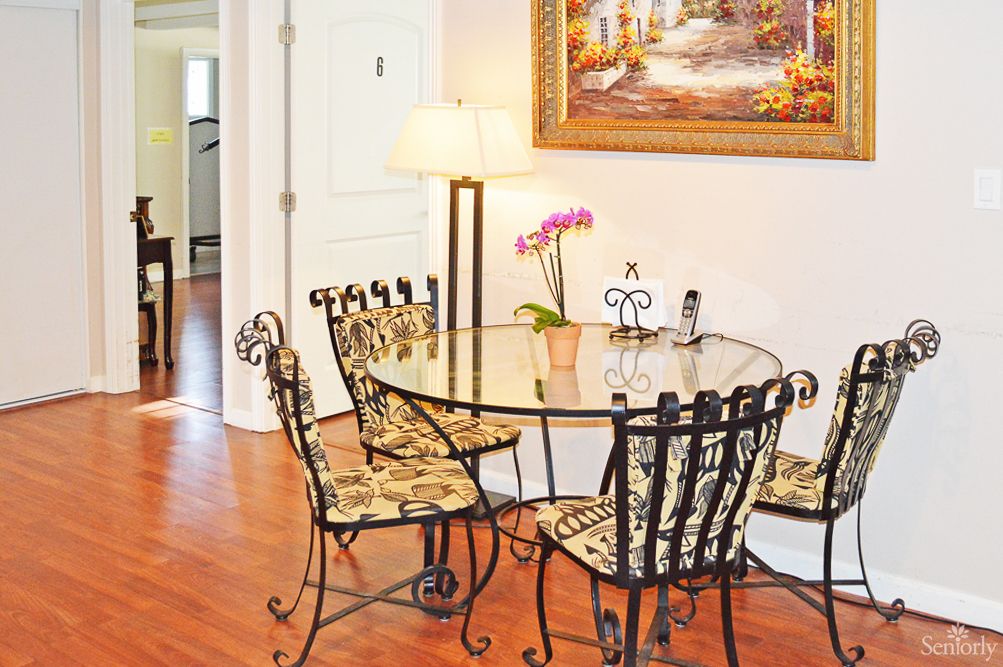
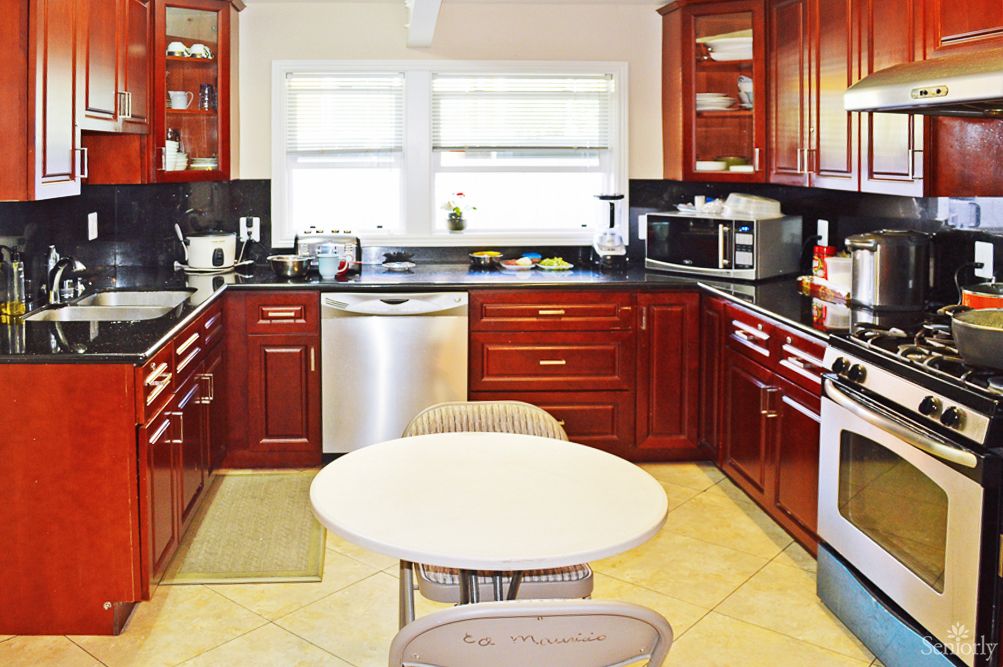
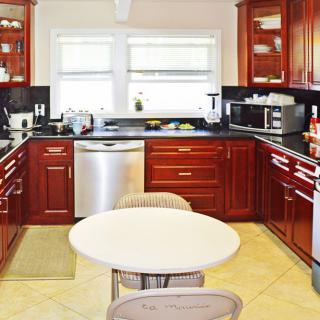
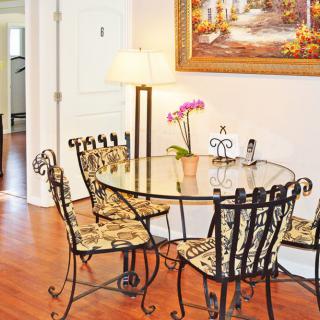
 Dining room
 Fully furnished
 Garden
 Housekeeping services
 Move-in coordination
 Outdoor space
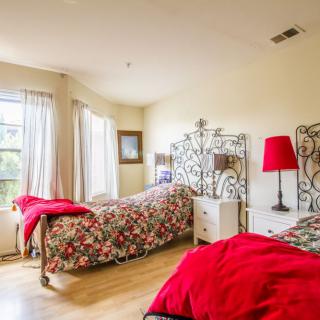
 Private
 Small library
 Telephone
 San Francisco International (6 miles away)
 24-hour supervision
 Activities of daily living assistance
 Assistance with bathing
 Assistance with dressing
 Assistance with transfers
 Diabetes diet
 High acuity care
 Meal preparation and service
 Medication management
 Mental wellness program
 Special dietary restrictions
 Are Dementia and Alzheimer's Disease Lethal? A Comprehensive Exploration
 Exploring the Power of Reminiscence Therapy for Individuals With Dementia
 An In-Depth Look at Reminiscence Therapy in Dementia Care