
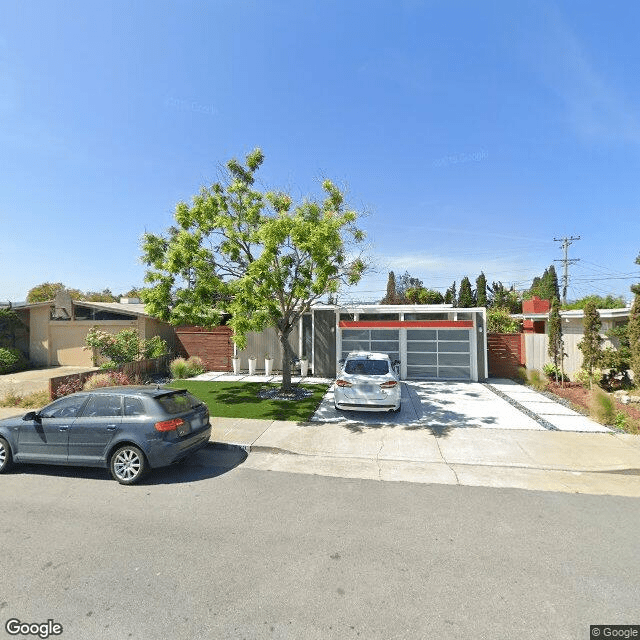
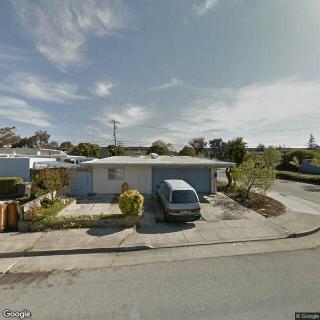
1628 Celeste Drive, San Mateo, CA 94402
To contact a resident: (415) 596-8227
For more information about senior living options: (866) 208-4318
19th Park Ave Home Care Costs & Pricing
19th Park Ave Home Care offers competitive pricing for its services, with a monthly cost of $5,000 for both private rooms and one-bedroom accommodations. This rate is notably higher than the average costs in San Mateo County, where private rooms are priced at approximately $4,281 and one-bedroom units at around $5,821. Comparatively, 19th Park Ave also exceeds the statewide averages for California, which stand at about $3,939 for private rooms and $4,340 for one-bedroom options. This positioning reflects an emphasis on quality care and personalized services that may justify the increased investment by families seeking exceptional support for their loved ones.
| Floor plans | 19th Park Ave Home Care | San Mateo County | California |
|---|---|---|---|
| Private | $5,000 | $4,281 | $3,939 |
| 1 Bedroom | $5,000 | $5,821 | $4,340 |
Memory care communities with a similar price nearby
-
About the same
Blessing Home
$5,000 to $6,000 / month17.0 miles away -
About the same

Aegis of Moraga
$5,100 to $6,150 / month21.3 miles away -
from +$700 / mo
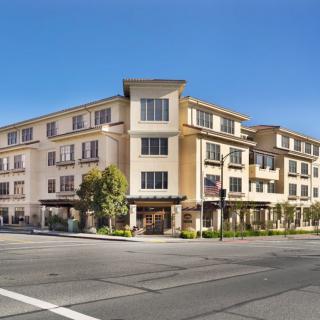
Sunrise of Burlingame
$5,700 to $9,000 / month5.0 miles away -
from -$950 / mo
The Village at Hayes Valley
$4,050 to $6,900 / month16.6 miles away -
from +$210 / mo
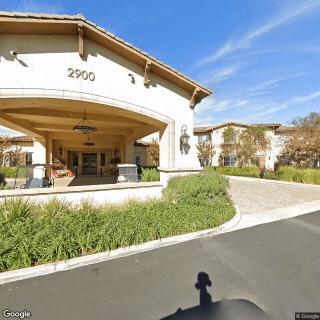
Creekview
$5,210 to $8,440 / month24.2 miles away
Overall Review of 19th Park Ave Home Care
Pros
 The staff caregivers take very good care of residents at 19th Park Ave Home Care and help them feel happy.
 - The facility is very nice, very clean, and all the staff are accommodating and hospitable.
- The owners are medically knowledgeable, since they are both a nurse and a physical therapist.
- The place is highly recommended for residents with high needs who seek loving, compassionate, real care.
- The personnel are the best.
Cons
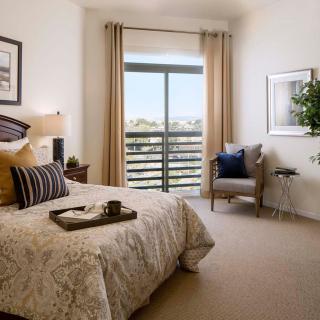
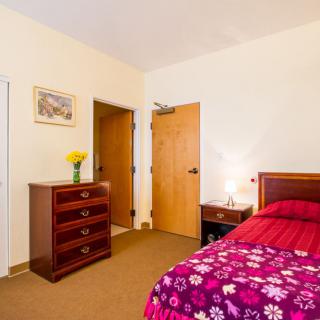
 The room available was too small.
- It wasn't any place one would put their mother.
- There was a language barrier that prevented communication with the staff.
Review
19th Park Ave Home Care in San Mateo is best suited for seniors who require steady, high-touch caregiving delivered by caregivers who are supported by medically knowledgeable owners. The reviews consistently highlight attentive staff who aim to lift the resident’s mood and deliver consistent daily care, with caregivers often described as taking good care of loved ones and helping them feel happy. The environment is presented as clean, and the team is described as accommodating and hospitable, with owners who bring nurse and physical therapy expertise to the table. For families seeking a hands-on, medically informed approach to daily care, this community delivers substantial reassurance and practical, daily reassurance within a home-like setting.
For those balancing a few non-negotiables, alternatives may be worth considering. A recurring practical constraint noted by reviewers is the size of the living spaces, with one account explicitly stating that a small room ultimately influenced the decision not to proceed. Language and communication fit also emerge as a potential hurdle for some families, as one reviewer pointed to a language mismatch that could complicate conversations and care planning. In short, this community excels in caregiving warmth and clinical know-how, but it may not align with priorities around room size or language compatibility for every family.
The strongest pro, care quality, directly supports outcomes that matter most to many families: reliable daily care, responsive staff, and a sense of security knowing a medically informed team is involved in oversight. The owners’ backgrounds as a nurse and a physical therapist add a layer of credibility and proactive problem-solving that can translate into better oversight for rehab, medication management, and routine medical questions. When a resident’s needs are high, these advantages help offset typical limitations of smaller facilities, providing continuity, familiarity, and a consistent approach to daily routines that many relatives prioritize over larger, more anonymous settings.
Yet the downsides are not negligible. The room size constraint affects long-term comfort and privacy for residents who value personal space or who anticipate hospital-style needs that require larger accommodations. Language alignment represents another real-world factor; for families whose primary concern is seamless English-language communication or a setting where cultural and linguistic fit is clear, this could be a deciding factor. These negatives do not erase the demonstrated strength in caregiving; they simply shift the calculus toward those with specific space and language preferences rather than a universal fit.
With these considerations in mind, the decision hinges on resident priorities. If the goal is a caregiving team that will go the extra mile, with hands-on clinical insight readily available and a home-like atmosphere, 19th Park Ave Home Care offers compelling value. Families should, however, verify room configurations and speak directly with staff about language capabilities and availability of multilingual options to ensure no hidden friction in daily coordination. For those who require larger private accommodations or prioritize language congruence, exploring alternatives, whether that means larger-room options or facilities with multilingual staffing, will likely yield a better match.
In conclusion, this community earns its reputation for compassionate, medically informed care that can deliver steady, reassuring support for residents with higher needs who thrive on consistent caregiver relationships. It is less ideal for households where private space or language alignment cannot be readily addressed. A thoughtful visit focused on room layouts, caregiver continuity, and language capability will reveal how well the strengths align with the resident’s values and daily routines, guiding families to a confident choice about whether 19th Park Ave Home Care should be the next step.
 Board and Care Home
 Memory Care
 Cats allowed
 Dogs allowed
 Activities off-site
 Indoor common areas
 Outdoor common areas
 Private
 Wheelchair accessible showers
 San Francisco International (6 miles away)
 Diabetic care
 High acuity care
 Incontinence care
 Medication management
 Kosher

 How to Communicate with a Loved One Living with Dementia: 10 Supportive Strategies
 Comprehensive Guide to VA Nursing Homes: A Crucial Long-Term Care Resource for Veterans
 Estimating the Expenses of At-Home Dementia Care: A Detailed Exploration