
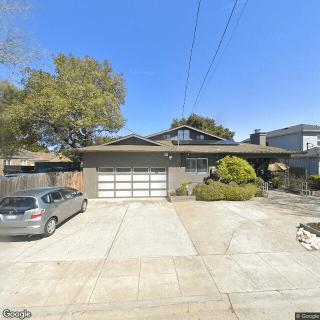
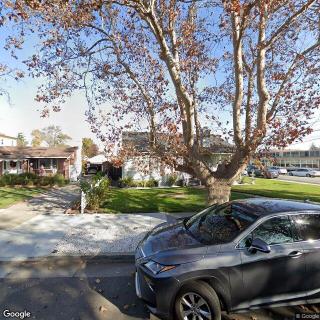
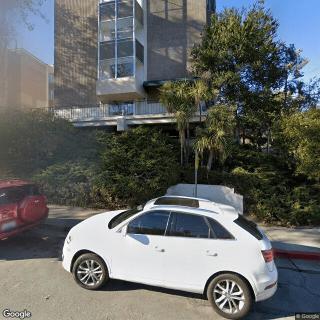
435 Portola Drive, San Mateo, CA 94403
For more information about senior living options: (866) 208-4318
Overall Review of M. S. Care Home
Pros
 The caregivers are friendly and kind.
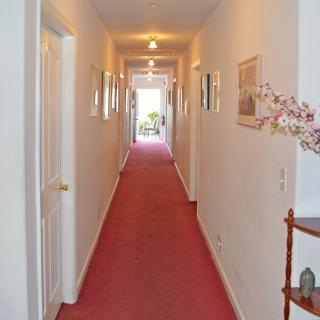
- The home is very clean and sunny.
- It is a delightful place to visit a loved one.
- Pacific Care Home is the perfect place for a safer environment.
- Pacific Care Home is highly recommended for a mom or dad.
Cons
 He fell twice in two weeks.
- He received 17 stitches on his head.
- He fractured a hip.
Review
This community is best suited for seniors who have recently faced safety concerns at home and now need a safer, more homelike setting. The review emphasizes friendly, kind caregivers, a clean and sunny living space, and visits that are genuinely pleasant. Taken together, these factors form a practical, visit-friendly option for families whose priority is reducing fall risk while preserving warmth and personal connection. It is particularly compelling for those who want care that feels like a step up from home care but without the impersonal atmosphere of a large facility. For families in San Mateo seeking a beacon of safety paired with a welcoming, homey vibe, this environment delivers on those core needs.
Those weighing options should explicitly consider whether the setting can meet higher medical or memory-specific requirements. If a loved one needs around-the-clock medical oversight, skilled nursing, rehabilitation services, or dementia-focused programming, this may not be the primary choice. Alternatives to explore include larger assisted living campuses with on-site medical staff, memory-care wings, or facilities explicitly geared toward intensive supervision. The strength of this home lies in its atmosphere and daily interactions, not in replacing a full-service medical environment. A clear fit emerges when safety, comforting routines, and family-friendly visiting conditions are the decisive criteria.
The standout pros, genuine caregiver kindness, a spotless and bright home, and a welcoming visiting environment, form a cohesive counterbalance to typical concerns families have after a serious fall or injury. The staff’s warmth translates into reliable daily assistance, reduced anxiety about oversight, and smoother transitions from hospital or home care. The clean, sunny ambiance contributes to mood and overall wellbeing, making ordinary days feel more livable and less clinical. The ability to visit easily and frequently reduces isolation for the resident and reassurance for relatives, turning the care setting into a true extension of family life.
In this light, the key advantages largely offset potential drawbacks because they directly address the principal worries of post-injury aging, safety, dignity, and social engagement. The absence of reported negatives in the experience suggests a consistently positive baseline, where residents are treated with attentiveness and respect. However, the lack of detail about medical capabilities, activity programming, or dementia-specific options means the decision should hinge on a careful confirmation of individual needs. Prospective families should verify what medical supports are available, what the daily schedule looks like, and how transitions between care levels are managed before committing.
Practical steps will help translate these strengths into a confident choice. Schedule a firsthand tour to observe interactions between staff and residents, paying attention to how staff respond to mobility needs and medical requests. Inquire about staff-to-resident ratios during the day and night, confirm what nursing or rehabilitation services are offered on-site, and review menus, meal times, and the variety of activities. Request a sample care plan to see how escalating needs would be addressed, and clarify costs, deposits, and what is included in standard rates. This approach ensures that the warmth and safety highlighted in the review align with the specific medical and cognitive requirements of the individual.
For families prioritizing a safe, home-like environment with compassionate care, this San Mateo option represents a reliable, well-regarded choice. It excels at delivering peace of mind through attentive staff, cleanliness, and a positive visiting dynamic. Yet for those whose loved one requires robust medical supervision or dementia-focused programming, it should be weighed against alternatives with explicit capabilities in those areas. The prudent course is a measured visit, thorough questions, and a clear comparison of service levels, then anchoring the decision to the one that most closely matches the resident’s current medical needs and personal preferences.
 6 resident community capacity
 Assisted Living
 Board and Care Home
 Cable or satellite TV
 Dining room
 Fully furnished
 Garden
 Housekeeping services
 Move-in coordination
 Outdoor space
 Telephone
 Wi-Fi/high-speed internet available
 San Francisco International (6 miles away)
 24-hour supervision
 Activities of daily living assistance
 Assistance with bathing
 Assistance with dressing
 Assistance with transfers
 Diabetes diet
 Meal preparation and service
 Medication management
 Special dietary restrictions
 Transportation arrangement (medical)
 Transportation to doctors appointments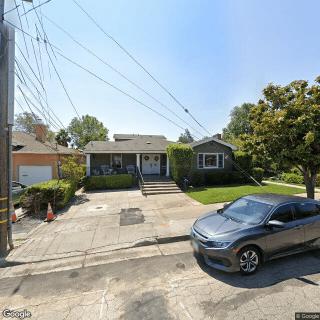




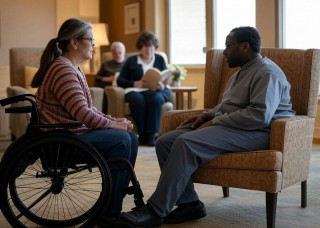 Comprehensive Residential Support and Assisted Living Solutions for Individuals with Disabilities
 Comprehensive Supportive Living Arrangements for Adults with Disabilities
 Funding and Affording Assisted Living: A Thorough Overview