
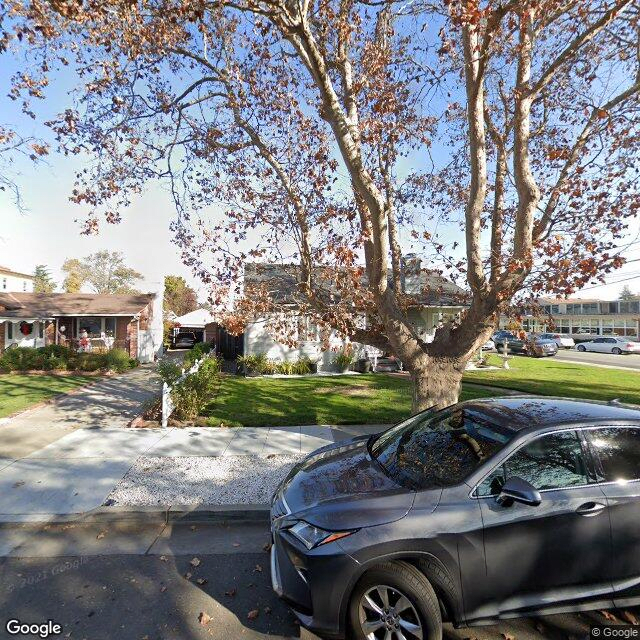
2671 Hacienda Street, San Mateo, CA 94403
For more information about senior living options: (866) 208-4318
Hacienda Place Costs & Pricing
Hacienda Place offers competitive pricing for its accommodations, particularly when compared to the broader market in San Mateo County and across California. For a semi-private room, Hacienda Place charges $4,200 per month, which is slightly above the county average of $3,830 but higher than the statewide average of $3,333. When it comes to private rooms, the cost at Hacienda Place stands at $4,700 monthly; this is marginally above San Mateo County's rate of $4,281 and significantly higher than California's overall average of $3,939. While costs may vary depending on location and amenities offered, Hacienda Place positions itself within a premium price range that suggests a commitment to quality care and services tailored to its residents.
| Floor plans | Hacienda Place | San Mateo County | California |
|---|---|---|---|
| Semi-Private | $4,200 | $3,830 | $3,333 |
| Private | $4,700 | $4,281 | $3,939 |
Assisted Living communities with a similar price nearby
-
from +$800 / mo

Blessing Home
$5,000 to $6,000 / month17.8 miles away -
from -$200 / mo
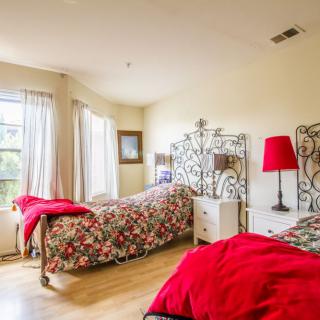
Golden Age Of Channing Way
$4,000 to $5,000 / month14.4 miles away -
from +$300 / mo
Pleasanton Senior Care Villa
$4,500 / month23.9 miles away -
from -$700 / mo
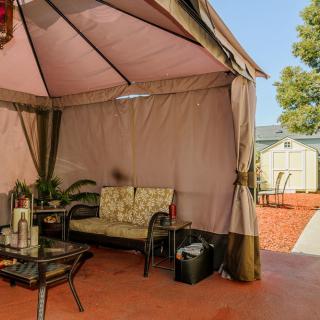
Blossom Garden Senior Home
$3,500 to $4,800 / month14.8 miles away -
from -$700 / mo
East Bay Assisted Living
$3,500 to $5,000 / month18.3 miles away
Overall Review of Hacienda Place
Pros
 The caretakers are the nicest caretakers the reviewer has seen.
- They are very understanding of the situation.
- They are very knowledgeable about the system.
Cons
 The grandmother faced hostility during her stay.
- The review implies a hostile environment for the grandmother.
Review
Hacienda Place in San Mateo is best suited for families who value deeply human, relationship-driven care. This community shines when the priority is warm, attentive staff who can calmly navigate the complexities of elder care for a relative who benefits from steady, compassionate support. It works well for residents who respond to a personal touch, where caregivers are able to build trust and interpret the family’s needs without creating friction. The tone from the available reviews suggests a home-like atmosphere grounded in kindness and practical understanding of care logistics, rather than a facility that markets itself primarily on clinical or highly specialized programs.
Those who may want to consider alternatives are families seeking robust medical oversight or specialized memory-care programming. The available impressions emphasize caregiver warmth and system-savvy staff, but there is little detail about advanced clinical capabilities, dementia-specific therapies, or structured daily activities. For residents with high medical acuity, frequent nursing interventions, or formal memory-care routines, prospective entrants should verify whether Hacienda Place can meet those demands or if a campus with dedicated clinical staffing and more defined programming would be a better fit.
The principal advantages center on the caregiving team. The staff are described as exceptionally kind, patient, and understanding of the family’s situation, with appreciable knowledge about how the care system functions. That combination can translate into smoother transitions, clearer communications, and a more predictable daily experience for residents. Families facing anxiety about admissions, billing, or care planning would likely feel reassured by this level of attentiveness and competence, which often reduces the stress that accompanies choosing and coordinating care for a loved one.
Those strengths offset some potential downsides in practice, but not all. The strongest offset is the confidence that accompanies knowing the team will listen, respond promptly, and advocate within the system on the resident’s behalf. However, the limited public detail about medical programming, activity schedules, or dementia-specific resources leaves questions open for residents who need more than caregiving warmth and logistical fluency. In such cases, the warmth and reliability of staff may mitigate disappointment to an extent, yet it may not fully compensate for gaps in clinical depth or structured, purpose-built programs.
For families evaluating Hacienda Place, practical diligence remains essential. Prospective buyers should request a transparent floor plan of services, confirm staffing ratios and shifts, and review sample care plans to see how personnel address daily needs, nutrition, mobility, and medication management. In addition, asking for references from families with residents at similar acuity levels can illuminate how the care team handles changes in condition, emergencies, and long-term planning. The facility’s existing reputation suggests a favorable baseline, but verified alignment with the resident’s medical and social expectations should guide the final choice.
In sum, Hacienda Place stands out for the human dimensions of care: empathetic, knowledgeable staff who can navigate the care system with grace. It is a compelling option for families prioritizing a warm, attentive environment and smooth administrative interactions. For those whose decision hinges on high-level clinical services, dementia-specific programming, or expansive activity offerings, it is prudent to explore elsewhere as a complement to this strong caregiver foundation. The right match will hinge on aligning the resident’s medical needs and daily preferences with the confidence that the caregiving team can deliver both dependable day-to-day support and clear, cooperative communication.
 6 resident community capacity
 Assisted Living
 Board and Care Home
 Activities off-site
 Cable or satellite TV
 Devotional services off-site
 Dining room
 Fully furnished
 Garden
 Housekeeping services
 Indoor common areas
 Move-in coordination
 Outdoor space
 Private
 Telephone
 Wi-Fi/high-speed internet available
 San Francisco International (7 miles away)
 24-hour supervision
 Assistance with bathing
 Assistance with dressing
 Assistance with transfers
 Diabetes diet
 Diabetic care
 Incontinence care
 Meal preparation and service
 Medication management
 Special dietary restrictions
 Transportation arrangement (medical)
 Transportation to doctors appointments


 Senior Transition Services: Understanding Their Role, Cost, and Importance
 Exploring the Path to Senior Living: A Comprehensive Look at Independent Living and Assisted Living
 Is Assisted Living Deductible on Your Taxes? Understanding the Complexities of Assisted Living Expenses and Deductions