
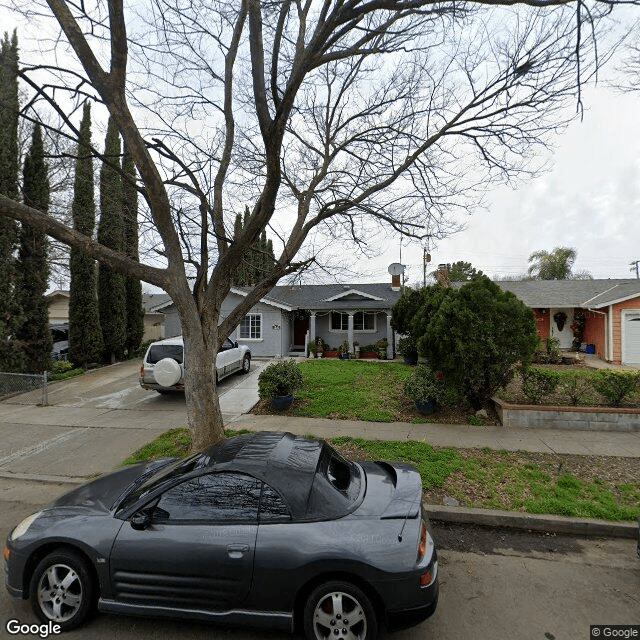
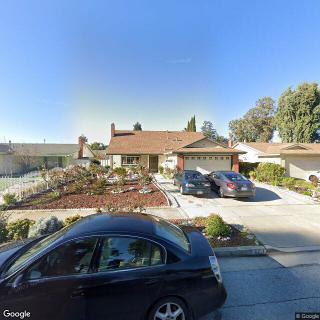
673 Jennings Drive, San Jose, CA 95121
To contact a resident: (408) 629-7379
For more information about senior living options: (866) 208-4318
JNJJ Care Home I Costs & Pricing
JNJJ Care Home I offers competitive pricing for its private room accommodations, with a monthly cost of $2,500. This rate is notably lower than the average private room costs in Santa Clara County, which stands at $4,096, and also undercuts the broader state average of $3,939 for California. By providing a more affordable option without compromising on quality of care, JNJJ Care Home I positions itself as an attractive choice for those seeking residential care in a region where costs can be significantly higher.
| Floor plans | JNJJ Care Home I | Santa Clara County | California |
|---|---|---|---|
| Private | $2,500 | $4,096 | $3,939 |
Senior living communities with a similar price nearby
-
from -$100 / mo
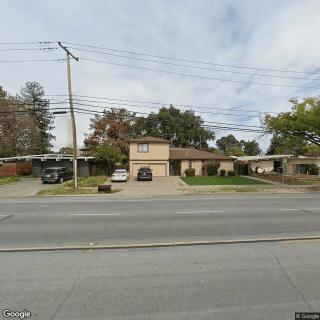
Homestead Care
$2,400 to $4,570 / month12.9 miles away -
About the same
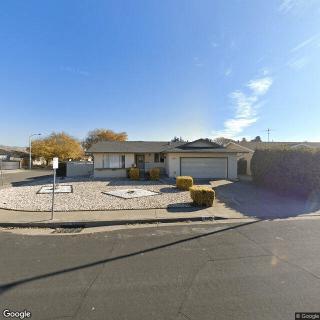
Ava Bella Care Home
$2,500 to $3,000 / month24.8 miles away -
About the same

House of Sunshine
$2,500 to $3,500 / month12.9 miles away -
from -$278 / mo
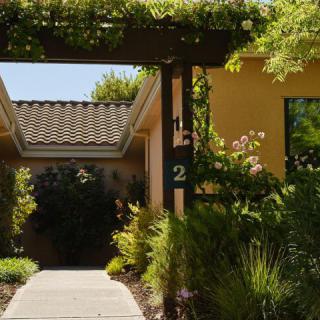
The Forum At Rancho San Antonio
$2,222 / month14.6 miles away -
About the same

TheKey Los Gatos
$2,449 / month7.3 miles away
Overall Review of JNJJ Care Home I
Pros
 It is described as the cleanest house they have.
- Three meals are provided daily.
Cons
 The place is infested with bed bugs.
- It is not ADA accessible; there are steps to get inside.
- It is bug-infested and holds onto residents' mail, including SSI checks.
- The staff are very rude.
- Residents must purchase toilet paper, soap, and silverware.
- The only benefits cited are three meals daily.
- The monthly price is about $1,200 for shared rooms.
Review
JNJJ Care Home I in San Jose is best suited for a very specific demographic: seniors operating on an extremely tight budget who can tolerate serious quality and safety concerns as a condition of care. If the priority is simply the lowest possible cost and the ability to get three meals a day, this community may feel like a last-resort option. Yet even there, the price and the service quality come with a brutal trade-off in living conditions and daily safety that should not be overlooked.
Those who should consider alternatives are families and residents who value a safe, sanitary, and respectful environment. If accessibility, secure handling of personal belongings, and professional, courteous staff are non-negotiables, this is not the place to invest trust. The combination of bed bug infestations, inconsistent cleanliness claims, and allegations of mail mishandling signals a level of risk that standard families should not accept as a routine part of senior living. For anyone with mobility needs, safety concerns, or a desire for reliable, dignified day-to-day care, a different option is warranted.
The core positive noted is simple: three meals daily at a stated budget. For some households, meals at this price point feel like a meaningful economy. However, the nutritional or dining experience cannot offset the heavier drawbacks. The reported monthly rate of about $1,200 for shared rooms appears incongruous when bed bugs and sanitation doubts overshadow any comfort that the meals might provide. In practical terms, meals become a marginal hedge against a much larger list of deal-breakers rather than a genuine value proposition.
The principal cons are substantial and non-negotiable. Bed bugs are not a minor nuisance; they are a red-flag indicator of ongoing sanitation and pest-control failures. The claim that the facility is “the cleanest house they have” clashes with visible infestations, creating an inconsistent reality that families cannot reasonably ignore. Accessibility is another critical flaw, with steps to enter the building indicating a lack of ADA compliance that can impede even basic daily routines. Beyond health and accessibility, troubling reports about mail and SSI checks being mishandled point to a potential risk to residents’ finances and privacy, while alleged rude administration compounds daily stress and reduces trust in care.
Pros cannot meaningfully offset these fundamental flaws. The limited upside, three meals, does not compensate for persistent pest problems, questionable cleanliness, accessibility barriers, and the risk of financial mishandling. Price sensitivity alone cannot justify tolerating infestations or unreliable staff. For families evaluating options, this facility’s profile strongly signals that the cost savings are illusory when weighed against safety, dignity, and long-term well-being. The right move is to compare facilities that offer transparent pricing, verified cleanliness, solid accessibility, and consistently respectful treatment.
Practical next steps center on a clear decision framework. Visit competing communities to observe cleanliness, pest control, accessibility features, and staff interactions firsthand. Request recent inspection reports, licensing status, and any remediation plans for pest concerns. Ask about secure mail handling, on-site administrators, and grievance processes to gauge responsiveness. If the budget dictates a tight plan, consider publicly funded or trusted private facilities with solid reputations for safety and transparency, rather than accepting a price that sacrifices essential standards. In short, for families seeking durable safety, predictable service, and true dignity in daily living, alternatives are strongly advised; only the most budget-constrained households with a willingness to endure significant risk should contemplate JNJJ Care Home I.
 Board and Care Home
 Activities on-site
 Bath tubs
 Beautician on-site
 Indoor common areas
 Outdoor common areas
 Private
 Private bathrooms
 Respite or short term stays offered
 Wheelchair accessible showers
 San Jose International (7 miles away)
 Ambulatory care
 Diabetic care
 High acuity care
 Incontinence care
 Kosher



 Caring for Those Who Care: Recognizing, Understanding, and Overcoming Caregiver Burnout
 Caregiver Exhaustion: Recognizing the Signs and Restoring Your Well-Being
 Understanding Hospice Care at Home: Comprehensive Services, Key Benefits, and Eligibility