
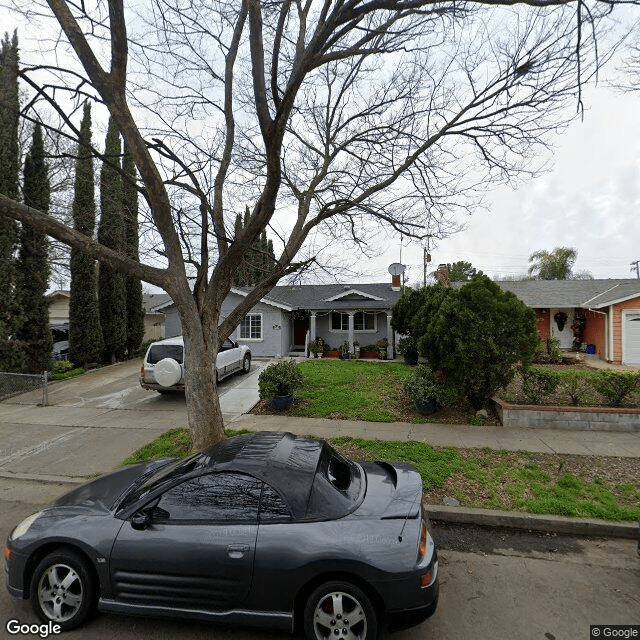
673 Jennings Dr, San Jose, CA 95111
To contact a resident: (408) 629-7379
For more information about senior living options: (866) 208-4318
Overall Review of Jnj Residential Care Home
Pros
 The place is described as the cleanest house they have.
- Three meals are provided daily.
- The meals are highlighted as a benefit of staying there.
Cons
 The place is infested with bed bugs.
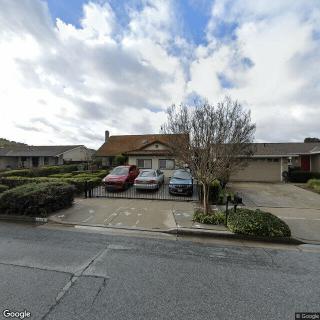
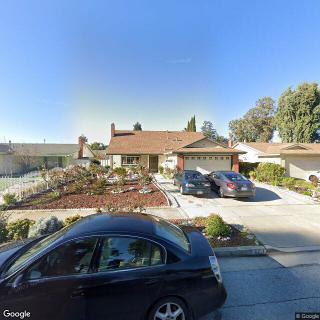
- It is not ADA accessible and has steps to enter.
- The rent is about $1,200 per month for shared rooms, and residents must purchase toilet paper, soap, and silverware; the only benefits mentioned are three meals daily.
- The property is bug-infested and allegedly holds residents’ mail, including SSI checks.
- The staff are very rude.
Review
Jnj Residential Care Home in San Jose is best suited for a very budget-conscious senior who can tolerate significant housekeeping and safety risks in exchange for a minimal level of housing and nourishment. This option works only if there is strong family oversight or a trusted advocate to supervise daily care, enforce cleanliness standards, and protect personal belongings. In practice, it functions as a low-cost shelter that provides meals but offers little in the way of reliable service, safety, or independence. Prospective residents must be prepared for a setting where basic conveniences are uneven, and where ongoing advocacy is indispensable.
Those evaluating alternatives should prioritize environments that deliver dependable hygiene, accessible entry points, and respectful, responsive management. If a resident requires ADA-accessible entrances or mobility supports, consistent housekeeping, professional pest control, secure mail handling, robust privacy, or more than three meals a day, this community should not be the first choice. Families with higher expectations for care quality, personal dignity, and predictable daily routines will likely find better alignment elsewhere, where licensed care, transparent staffing, and stronger resident protections are standard.
The most tangible pro, three meals daily, offers a clear nutritional baseline and some predictability in daily scheduling. The relatively low stated cost around $1,200 per month adds appeal for those guarding a tight budget. Yet these advantages are quickly undercut by major deficiencies: residents are expected to supply toilet paper, soap, and utensils, introducing ongoing out-of-pocket costs and household management that should not rest on residents or families. The absence of ADA accessibility compounds daily living challenges, turning simple tasks into potential safety risks and limiting independence for mobility-impaired residents. In short, modest meal service cannot compensate for the broader service gaps and safety concerns.
Even the modest cost savings fail to offset the main drawbacks once pest and maintenance realities surface. A bed bug infestation signals serious hygiene and housekeeping problems, undermining trust in the facility’s upkeep and raising health fears for older adults. Reports of rude staff and questionable mail handling further erode confidence in daily operations, transforming the living environment from a potential refuge into a source of anxiety. The combination of safety risks and administrative concerns makes the financial appeal look hollow: families will pay a price in stress, privacy, and peace of mind that the savings cannot justify.
From a safety and reliability standpoint, the red flags overwhelm the positives. Bed bugs are not a minor nuisance; they indicate an ongoing, unresolved pest-control challenge that can compromise resident comfort and health. The alleged mismanagement of mail, including SSI checks, points to fragile administrative controls and a troubling lack of trust. The lack of ADA accessibility means stairs and non-accessible entrances hinder safe movement and fall prevention for seniors with limited mobility. Given these realities, the decision should tilt toward facilities with verified pest management, professional staffing, respectful communication, and clear, accessible infrastructure. Any consideration of this home must come with concrete assurances and measurable remediation plans.
In sum, Jnj Residential Care Home should be approached with caution and a clear set of non-negotiables. Families weighing this option must demand comprehensive pest-control history, documented cleanliness standards, and a commitment to accessibility upgrades, as well as transparent, respectful management practices. Before committing, arrange a detailed tour with current residents and staff, request recent licensing inspection records, and verify procedures for mail handling and personal-item security. If the answers are uncertain or the facility cannot demonstrate reliable, ongoing remediation, steer toward alternatives that offer better hygiene, stronger oversight, and a living environment that truly supports dignity, safety, and consistent daily care.
 Board and Care Home
 San Jose International (7 miles away)

 In-Home Care Costs in 2025: A Detailed State-by-State Exploration
 Understanding Home Health Care: A Comprehensive Guide
 Home Health Care Demystified: A Comprehensive Guide for Families and Caregivers