
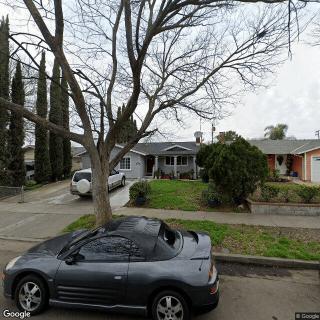
673 Jennings Drive, San Jose, CA 95111
For more information about senior living options: (866) 208-4318
Overall Review of Jnjj Care Home
Pros
 The staff member gave visitors a nice tour and was very polite.
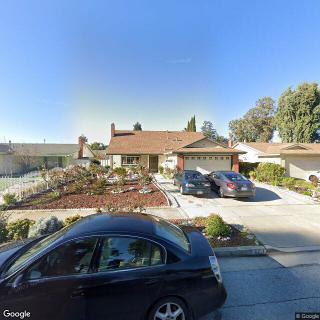
- The facility has a nice backyard with fruit trees and a shed.
- The room shown was small but neat and nice.
- Everything was clean and had a good appearance.
- The location is good, not far from 101 Bayshore Highway.
- The TV room is comfortable and nice.
Cons
 The facility is infested with bed bugs.
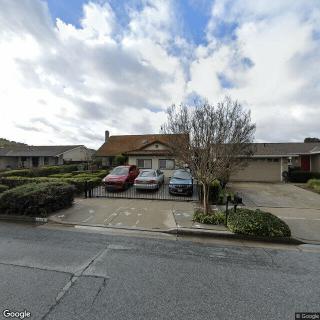
- The building is not ADA accessible and requires navigating steps to enter.
- Residents must purchase basic items like toilet paper, soap, and silverware, with only three meals a day as the stated benefit.
- There are claims that mail and SSI checks are being held, and staff are very rude.
- The exterior of the house is old and could use paint, especially the eaves.
- The reviewer questions whether this is truly assisted living.
Review
This community is best suited for seniors who want a bare-bones, budget-conscious living option with three meals a day and who can tolerate an older, less polished setting with limited services. The price point, roughly $1,200 per month for a shared room, can look attractive, but it comes with notable trade-offs. If the priority is robust pest control, strong accessibility, and consistently respectful, well-trained staff, this option tends to fall short. For families seeking dependable safety, modern conveniences, and transparent, comprehensive care, other local communities will typically be a better match.
Those who should consider alternatives are residents with mobility or safety needs, or anyone who expects a higher standard of cleanliness and security. The facility is not ADA accessible and requires navigating steps to enter, which creates real barriers for wheelchairs or aides. Allegations about pest infestations and even mismanagement of mail add a troubling layer of risk for residents who depend on routine services and secure handling of personal funds like SSI checks. In short, when accessibility, hygiene, and resident protections are non-negotiable, it’s prudent to look elsewhere.
On the upside, the setting can feel distinctly homelike. It operates like a small residential home rather than a sweeping campus, with a neat room, a modest kitchen, and a TV room that can foster a quiet, social rhythm. The outdoor space, a backyard with fruit trees, adds a welcome touch of charm that can be appealing to residents who value a familiar, homey atmosphere. A courteous staff member during a tour underscored that, in the right circumstances, residents may experience warmth and personal attention in a smaller, less institutional environment.
The downsides, however, are substantial and non-negotiable for many families. Bed bugs and other pest concerns repeatedly surface as major detractors, signaling ongoing hygiene and maintenance issues that impact daily comfort and safety. The non-ADA entry, exterior upkeep concerns, and reports of rude staff amplify the sense that personalized, dignified care may be inconsistent. A troubling note about mail handling, holding onto a resident’s mail or SSI checks, casts doubt on overall security and trust. When combined with the need to supply basics like toilet paper, soap, and silverware, the value proposition deteriorates quickly for anyone prioritizing reliability and ease of living.
Those trade-offs rarely balance fully, even for the frugal budget-minded resident. The three meals daily and intimate, home-like feel can deliver predictable daily structure, but they do not compensate for pest problems, accessibility gaps, and security concerns. The compelling question becomes whether the resident is willing to navigate infestations, inconsistent service, and potential safety risks for a tightly controlled price. Some may accept this if budget is the overriding constraint, but for the majority, the risks overshadow the perceived savings. The reality is clear: this option works for a narrow, budget-focused scenario, not as a default choice for families seeking peace of mind.
Bottom line: undertake a focused, on-site assessment before any commitment. Probe current pest-management practices, cleaning standards, accessibility, staff responsiveness, and the protection of personal belongings. Request concrete records on pest control and a written policy for mail handling, then confirm what mobility support exists for residents who cannot navigate stairs. If these gaps cannot be adequately addressed, or if transparency and service quality remain uncertain, pursue comparisons with other local options offering stronger accessibility, clearer pricing, and proven pest-control practices. In decision terms, this community should be evaluated only after rigorous due diligence and only if the budget constrains are truly binding and the family is willing to accept the accompanying risks.
 6 resident community capacity
 Assisted Living
 Board and Care Home
 Memory Care
 Respite Care
 Cable or satellite TV
 Dining room
 Fully furnished
 Garden
 Housekeeping services
 Move-in coordination
 Outdoor space
 Telephone
 Wi-Fi/high-speed internet available
 San Jose International (7 miles away)
 24-hour supervision
 Activities of daily living assistance
 Assistance with bathing
 Assistance with dressing
 Assistance with transfers
 Diabetes diet
 Hospice waiver
 Meal preparation and service
 Medication management
 Mental wellness program
 Special dietary restrictions
 Transportation arrangement (medical)
 Transportation to doctors appointments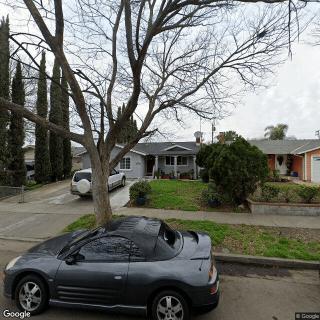

 8 Important Indicators That Memory Care May Be Necessary
 Delving into the Inner World of Dementia: Insights into Thoughts and Awareness
 Five Subtle Dementia Indicators to Observe: An In-Depth Guide to Understanding “Does My Mom Have Dementia?”