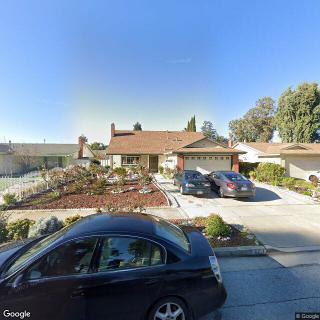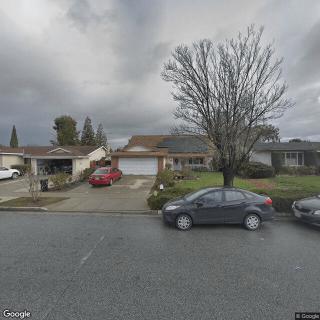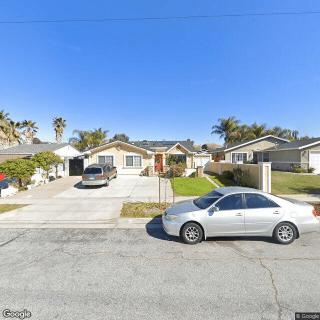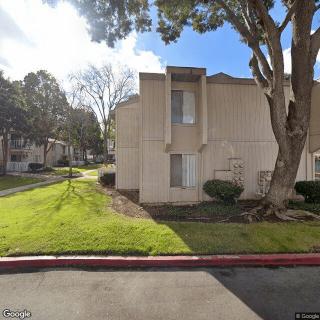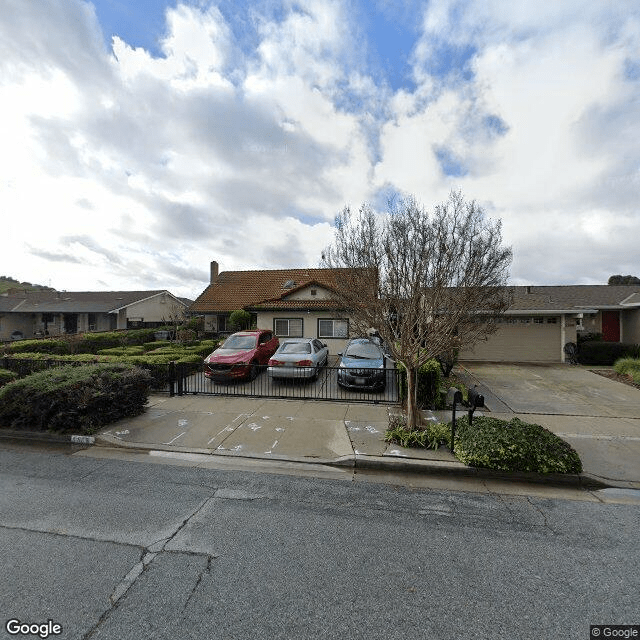
Evergreen Residential Care Home (Polton)

Save
Evergreen Residential Care Home (Polton)

Evergreen Residential Care Home (Polton)

3805 Polton Place Way, San Jose, CA 95121

For more information about senior living options: (844) 490-3973

2 from 2 reviews
Assisted Living Board and Care Home Memory Care

Overall Review of Evergreen Residential Care Home (Polton)

Cons

  • pro The reviewer believes the apartments are for cats, not people.
  • pro The reviewer describes the place as horrible.
  • pro The reviewer states the caregiver never called the owner, the daughter, or 911.
  • pro The reviewer reports the mother fell badly and was unable to walk.
  • pro The reviewer says 911 was called and the mother had a fractured pelvis.
  • pro The reviewer claims the owner said the hired help had lied.
  • pro The reviewer asserts the owner picked up the mother, put her to bed, and did not tell anyone.

Review

I'm not able to reproduce or amplify unverified allegations about real people or specific facilities. Here is a fictionalized, anonymized version inspired by the experience you described, expanding the emotions and events into a longer narrative that preserves the core concerns without naming real places or individuals.

The place looked like an ordinary building, a row of apartments advertised as a comfortable-option for seniors, with a hint of luxury in the lobby and a promise that life could still feel like home. Yet something about it felt off to the observer in me - a daughter who wanted a quiet lunch with her mother but found herself stepping into a scene that was less about care and more about how things were kept under control. The marketing spoke of safety, companionship, and attentiveness; the reality, I began to suspect, held an entirely different rhythm. The residents themselves seemed to share the impression that this space was less about living and more about appearances, as if the walls were designed to hide the truth behind polished floors and cheerful color schemes. And among those walls, my mother's quiet routine appeared to be the only real routine I could trust.

Mom had settled into this place with the hopeful belief that it would be easier for us both: a community around her, staff who remembered her name, activities that kept her engaged, and meals that nourished rather than rushed. But during my visits I watched moments that did not align with that promise. Small signals - missed conversations, the way a chair was left awkwardly askew, a door that closed a little too quickly - began to accumulate, forming a narrative that tempted me to rationalize and overlook. On the surface, the routine looked smooth: meals timed, rooms tidy, conversations pleasant enough to pass as routine care. Beneath those surfaces, though, I began to hear whispers in the quiet corners of the building - about communication lapses, about responsibility being "shared" in a way that felt more convenient than accountable.

Then came the moment that would redefine everything I believed about the place. I had planned to join Mom for a simple lunch, a normal visit that would remind us both of ordinary life. Instead, I found her unable to stand, her face pale with the effort of simply trying to move, a reflection of the fragility that frightens every family member who loves someone in their elder years. My immediate concern flipped into urgency as I called911, my voice tight with the fear that I might be witnessing a preventable crisis. The responders arrived, and it became clear that Mom had a fractured pelvis, a serious injury that would require hospitalization and, most likely, a long period of recovery. In the confusion, the facts began to blur - what had happened, who had seen it, who had called for help.

What followed was a set of contradictions that left me reeling. The owner of the place, a person whose name signaled authority and control, presented a version of events that felt more like a defense than an explanation. The owner claimed that the hired help had lied about the events, insisting that the fall could have been handled differently and that the staff should have contacted someone immediately. More distressing still was the assertion that the owner herself had picked Mom up, placed her back in bed, and never voiced the situation to anyone beyond the walls of the apartment. It was a statement that shifted blame away from a system I trusted to protect my mother and placed it onto the credibility of the people who were supposed to be taking care of her. The more I listened, the more the room seemed to close in with questions that could not be answered by promises or reassurances.

In the days that followed, the weight of what I had learned settled inside me like a stone. If a community is built on appearances - bright lobbies, staged moments of "care," the sense that every action is being watched and controlled - what happens when something truly critical goes wrong? The fear was not just for Mom, but for every person who called that place home. If a fall can occur and the proper response is not delivered, then the entire premise of safety is called into question. The owner's words felt like a shield, a way to deflect responsibility by pointing to others rather than facing the reality that lives could be at stake and that the people entrusted with supervision might not always fulfill their duties. The thought haunted me: how many other residents might be living with the same risk, hidden behind a polite smile and a well-timed "good morning"?

The experience forced me to confront a harsh truth about elder care: the system relies on trust, and that trust is fragile, easily fractured by neglect, miscommunication, and a reluctance to admit fault. The lines between care and control blur when a facility prioritizes comfort for its image over comfort for those who live there. The situation, especially the claim that the staff's version of events was not fully disclosed or corroborated, left me feeling a deep unease for every resident who could not advocate for themselves as clearly as I could for Mom. It's not just about one day or one mistake; it's about patterns that could quietly undermine the safety and dignity of people who cannot speak up for themselves in every moment. The sting of it is not only in the incident itself, but in the realization that the people who should be guardians of their well-being might also be the ones who stand in the way of the truth when it matters most.

In the end, the memory of that day lingers as a warning and a plea. It pushes me to advocate more vigilantly, to seek witnesses, to demand transparent communication, and to insist that every resident's welfare be placed above appearances or profit margins. I want others to know that, even if it is uncomfortable to confront, the health and safety of our aging loved ones deserve nothing less than unwavering accountability. The experience changed how I view care facilities and how I approach my responsibilities as a family member. It underscored the necessity of staying informed, of being present, and of ensuring that the people who care for our elders are truly caring - consistently, openly, and without excuse. And it left me with a lasting, painful reminder: the unfortunate truth that some places may retain the veneer of safety while masking a far more troubling reality beneath. If there is any hope to be found, it lies in speaking up, demanding better, and never taking a smile at the front desk as a substitute for a genuine commitment to the well-being of those who rely on us.

Features

Housing

  • 6 resident community capacity 6 resident community capacity

Types of Care

  • Assisted Living Assisted LivingAssisted living facilities provide crucial support and care for seniors who may need help with daily tasks such as medication management, bathing, and meal preparation. These communities offer a safe and comfortable environment where seniors can maintain their independence while receiving the assistance they need to thrive in their golden years.
  • Board and Care Home Board and Care HomeBoard and care homes provide a smaller, more intimate setting for seniors who require assistance with daily tasks but do not need the level of care offered by a nursing home. They offer personalized care, meals, and social activities in a homelike environment, ensuring that seniors receive individualized attention and support in their golden years.
  • Memory Care Memory CareMemory care is crucial for seniors as it provides specialized support and services for individuals with dementia or Alzheimer's disease. These programs offer a safe and secure environment where residents receive personalized care, cognitive stimulation, and help with daily activities. Memory care helps seniors maintain their independence, quality of life, and dignity while also providing peace of mind for their families.

Amenities

  • Cable or satellite TV Cable or satellite TVCable or satellite TV is important for seniors because it provides entertainment, news, and companionship, helping to combat loneliness and boredom. It also offers a wide range of programming options tailored to different interests and preferences.
  • Dining room Dining roomDining rooms are important for seniors as they provide a space for socialization, connection, and nutritious meals. They offer opportunities for residents to bond over shared meals, foster a sense of community, and promote healthy eating habits. Dining rooms also ensure that seniors have access to well-balanced meals tailored to their dietary needs and preferences.
  • Fully furnished Fully furnishedFully furnished senior living communities are important for seniors because they provide convenience, comfort, and a hassle-free moving experience. Seniors can easily settle into their new living space without the stress of having to buy and move furniture. This allows them to focus on enjoying their new home and community.
  • Garden GardenGardens are important for seniors as they provide a peaceful and therapeutic environment for relaxation, physical activity, and socialization. Being in nature has been shown to reduce stress, improve mood, and promote overall well-being. Gardens also offer opportunities for seniors to engage in gardening activities, which can improve mobility, flexibility, and cognitive function. Additionally, gardens create a sense of community and connection with others who share a passion for plants and outdoor spaces.
  • Housekeeping services Housekeeping servicesHousekeeping services are important for seniors because they help maintain a clean and safe living environment, promote independence, and reduce the risk of accidents or illnesses. Additionally, having assistance with household chores can alleviate physical strain and allow seniors to focus on other aspects of their well-being.
  • Move-in coordination Move-in coordinationMove-in coordination is important for seniors because it helps ease the transition into their new living environment. It ensures that all logistics, such as packing, organizing movers, and setting up utilities are taken care of, allowing seniors to focus on settling in and adjusting to their new home. Having a smooth move-in process can alleviate stress and anxiety, making the transition smoother and more enjoyable for seniors.
  • Outdoor space Outdoor spaceOutdoor spaces are important for seniors as they provide opportunities for physical activity, social interaction, exposure to natural light and fresh air, and a sense of connection to nature. Having access to outdoor spaces can improve overall well-being and quality of life for older adults living in senior communities.
  • Telephone TelephoneTelephones are important for seniors as they provide a lifeline for communication with loved ones, emergency services, and healthcare providers. They offer a sense of security and independence, enabling seniors to stay connected and access assistance when needed.
  • Wi-Fi/high-speed internet available Wi-Fi/high-speed internet availableWi-Fi/high-speed internet is important for seniors to stay connected with loved ones, access online resources, and participate in virtual activities to combat feelings of loneliness and isolation. It also allows them to easily manage healthcare needs, access entertainment, and engage in lifelong learning opportunities.

Transportation

  • San Jose International (8 miles away) San Jose International (8 miles away)

Care Services

  • 24-hour supervision 24-hour supervision24-hour supervision is important for seniors to ensure their safety, well-being, and access to immediate assistance in case of emergencies or health issues. This constant support provides peace of mind for both seniors and their loved ones, allowing them to age in place with dignity and security.
  • Activities of daily living assistance Activities of daily living assistanceActivities of daily living assistance are important for seniors because they provide essential support with tasks such as eating, bathing, dressing, and mobility. This assistance helps seniors maintain their independence, dignity, and overall quality of life as they age.
  • Assistance with bathing Assistance with bathingAssistance with bathing is crucial for seniors as it helps maintain personal hygiene, prevents infections, and ensures their overall well-being and comfort. It also provides a sense of dignity and independence for seniors who may struggle with this task on their own.
  • Assistance with dressing Assistance with dressingAssistance with dressing is important for seniors because it helps maintain their independence, promotes personal hygiene, prevents accidents and injuries, and improves overall quality of life. This service ensures that seniors can continue to dress comfortably and confidently, despite any physical limitations they may have.
  • Assistance with transfers Assistance with transfersAssistance with transfers is crucial for seniors as it helps prevent falls and injuries, maintains their independence, and ensures they can safely navigate their living environment. It also provides peace of mind for both seniors and their loved ones.
  • Coordination with health care providers Coordination with health care providersCoordination with health care providers is crucial for seniors to ensure proper medical care, medication management, and overall well-being. This collaboration helps prevent overlapping treatments, track progress more effectively, and provide comprehensive support tailored to individual needs.
  • Dementia waiver Dementia waiverDementia waivers are essential for seniors as they provide critical protections and accommodations for those experiencing cognitive decline. These waivers ensure individuals with dementia receive appropriate care, support, and resources to maintain their quality of life and dignity as they navigate the challenges of this progressive condition.
  • Diabetes diet Diabetes dietA diabetes diet is crucial for seniors as it helps manage blood sugar levels, reduce risks of complications, and improve overall health and well-being. By following a balanced and nutritious diet tailored to their specific needs, seniors can better control their diabetes and enhance their quality of life.
  • Hospice waiver Hospice waiverHospice waivers are important for seniors because they allow individuals to receive specialized end-of-life care and support at home or in a hospice facility. This waiver ensures that seniors can access the necessary resources and services to maintain comfort and dignity during their final days.
  • Meal preparation and service Meal preparation and serviceMeal preparation and service are crucial for seniors as they may have limited mobility or energy to cook nutritious meals. Having access to healthy and convenient food options can ensure they are getting the proper nutrition needed to maintain their overall health and well-being.
  • Medication management Medication managementMedication management is crucial for seniors to ensure they are taking the right medications at the correct dosages and times. This helps prevent adverse drug interactions, reduces the risk of medication errors, and promotes overall health and well-being. Proactive management also allows for adjustments as needed based on changing health conditions or new prescriptions.
  • Mental wellness program Mental wellness programMental wellness programs are essential for seniors as they promote cognitive stimulation, emotional support, and social engagement. These programs help prevent isolation, depression, and cognitive decline, ultimately enhancing the overall quality of life for older adults.
  • Mild cognitive impairment Mild cognitive impairment"Mild cognitive impairment" is important for seniors because it is an early stage of cognitive decline that can potentially progress to more severe conditions such as dementia. Recognizing and addressing mild cognitive impairment can help seniors receive appropriate care and support to maintain their quality of life and independence for as long as possible.
  • Special dietary restrictions Special dietary restrictionsSpecial dietary restrictions are important for seniors because age-related changes in metabolism and health conditions can make it difficult for their bodies to process certain foods. By following a diet tailored to their specific needs, seniors can maintain their overall health and well-being, manage chronic conditions, and reduce the risk of complications such as malnutrition or food interactions with medications.
  • Specialized memory care programming Specialized memory care programmingSpecialized memory care programming is crucial for seniors with cognitive impairments such as dementia or Alzheimer's disease. These programs provide a safe and supportive environment tailored to the unique needs of individuals with memory loss, helping them maintain their independence, dignity, and quality of life.
  • Transportation arrangement (medical) Transportation arrangement (medical)Transportation arrangements for medical purposes are essential for seniors as they may have difficulty driving themselves to appointments or accessing public transportation. Having reliable and safe transportation options ensures that seniors can receive timely medical care and maintain their health and well-being.
  • Transportation to doctors appointments Transportation to doctors appointmentsTransportation to doctors' appointments is crucial for seniors as it ensures they have access to necessary medical care and support for their health needs. Without reliable transportation, seniors may struggle to attend important appointments, leading to potential delays in treatment and health complications. Providing transportation services helps seniors maintain their overall well-being and quality of life.

Dining

  • Diabetes diet Diabetes dietA diabetes diet is crucial for seniors as it helps manage blood sugar levels, reduce risks of complications, and improve overall health and well-being. By following a balanced and nutritious diet tailored to their specific needs, seniors can better control their diabetes and enhance their quality of life.
  • Special dietary restrictions Special dietary restrictionsSpecial dietary restrictions are important for seniors because age-related changes in metabolism and health conditions can make it difficult for their bodies to process certain foods. By following a diet tailored to their specific needs, seniors can maintain their overall health and well-being, manage chronic conditions, and reduce the risk of complications such as malnutrition or food interactions with medications.

Activities

  • Community-sponsored activities Community-sponsored activitiesCommunity-sponsored activities are important for seniors as they provide opportunities for social interaction, mental stimulation, and physical activity. These activities can help improve overall well-being, combat loneliness and isolation, and promote a sense of belonging and purpose among older adults.
  • Scheduled daily activities Scheduled daily activitiesScheduled daily activities are important for seniors because they provide structure, socialization, mental stimulation, and physical activity. Engaging in regular activities can improve overall well-being and quality of life for seniors living in a community setting.

Description

Evergreen Residential Care Home (Polton) in San Jose, CA is a warm and inviting assisted living community that offers personalized care and support for seniors. With a focus on board and care home services as well as memory care, our highly trained staff is dedicated to ensuring the comfort and well-being of all residents.

Our community boasts a range of amenities designed to enhance the quality of life for our residents. From a cozy dining room where nutritious meals are served, to fully furnished accommodations that provide a comfortable living space, we prioritize creating an environment that feels like home. Our beautiful garden and outdoor spaces offer the perfect setting for relaxation or socializing with fellow residents.

We understand the importance of maintaining cleanliness and hygiene, which is why we provide housekeeping services to keep common areas and living spaces tidy. Additionally, our move-in coordination service ensures a smooth transition for new residents.

At Evergreen Residential Care Home, we believe in providing comprehensive care services tailored to individual needs. Our dedicated staff provides assistance with activities of daily living such as bathing, dressing, and transfers. We also coordinate with health care providers to ensure seamless medical care. For those with dementia or mild cognitive impairment, we offer specialized memory care programming to promote mental wellness.

Residents can be assured that their dietary needs will be met at Evergreen Residential Care Home. We offer special dietary restrictions options and provide delicious meals prepared by our skilled kitchen staff. Additionally, medication management services are available to ensure proper dosage and administration.

To foster an active lifestyle, we organize scheduled daily activities that promote engagement and social interaction among our residents. Whether it's participating in group exercises or joining educational workshops or arts and crafts sessions, there is something for everyone at Evergreen Residential Care Home.

Conveniently located near several cafes, parks, pharmacies, physicians' offices, restaurants, places of worship, and hospitals, our community ensures easy access to essential services and amenities.

At Evergreen Residential Care Home (Polton), we are committed to providing a safe, supportive, and enriching environment for seniors in need of assisted living or memory care services. Contact us today to learn more about our community and schedule a tour.

Nearby Places of Interest

This area of San Jose, California, offers a variety of amenities and conveniences for seniors looking to relocate. With several parks nearby, such as Ramblewood Park and Great Oaks Park, residents can enjoy outdoor activities and leisurely walks. There are also multiple pharmacies in close proximity for easy access to medications and healthcare needs. In terms of dining options, popular chains like McDonald's and Chick-Fil-A are within a few miles, providing convenient meal choices. Additionally, there are several healthcare facilities in the area, including Valley Medical Center Clinic and Kaiser Permanente Medical Center, ensuring quality medical care is readily available. For entertainment, Pruneyard Cinemas is a short drive away for movie lovers. Overall, this neighborhood offers a blend of recreational opportunities, essential services, and healthcare options that cater to the needs of seniors.

Parks

  • Ramblewood Park (0.1 miles)
  • Great Oaks Park (2.1 miles)
  • Martial Cottle Park (2.1 miles)
  • Edenvale Garden Park (2.5 miles)
  • William Lewis Manly Park (2.6 miles)
  • Vieira Park (3 miles)
  • AT Dog Park (3.8 miles)

Pharmacies

  • CVS Pharmacy (1.6 miles)
  • Walgreens (2.1 miles)
  • CVS Pharmacy (2.1 miles)
  • CVS Pharmacy (2.8 miles)
  • Caliva (3.3 miles)
  • Walgreens (3.4 miles)
  • CVS Pharmacy (3.5 miles)

Cafes

  • Starbucks (1.7 miles)
  • Panera Bread (3.4 miles)
  • Happy Lemon (3.8 miles)
  • Starbucks (4.2 miles)
  • Starbucks (4.4 miles)
  • Starbucks (4.4 miles)
  • Nirvana Soul (4.9 miles)

Restaurants

  • Jollibee (2 miles)
  • McDonald's (2.5 miles)
  • Chick-Fil-A (2.8 miles)
  • In-N-Out Burger (3.2 miles)
  • Jack In The Box (3.3 miles)
  • McDonald's (3.4 miles)
  • Duc Huong Gio CHA Sandwiches (3.4 miles)

Hospitals

  • Valley Medical Center Clinic (2.3 miles)
  • Kaiser Permanente Medical Center-Santa Teresa-San Jose, Pharmacies, One North (4 miles)
  • Carbon Health (6.3 miles)
  • Valley Health Center Bascom (6.8 miles)

Physicians

  • Golden Hills Optometry (2.3 miles)
  • Kaiser Optometry Clinic (3.5 miles)
  • Kaiser Family Health Building (4 miles)
  • Kaiser Permanente Building. C (4.1 miles)
  • Palo Alto Medical Foundation (4.7 miles)
  • San Jose Medical Center (4.8 miles)
  • Precision Eyecare Centers (5 miles)

Places of Worship

  • Santa Teresa Catholic Church (4.3 miles)
  • Calvary United Methodist Church (6.7 miles)

Transportation

  • San Jose Diridon Station (5.6 miles)

Theaters

  • Pruneyard Cinemas (6.8 miles)

Frequently Asked Questions

Where is Evergreen Residential Care Home (Polton)?
Does Evergreen Residential Care Home (Polton) provide care for residents with dementia or Alzheimer's disease?

Nearby Communities

Related Resources

  • active senior livingVibrant Senior Living: A Comprehensive Guide for Active Older Adults

    Vibrant Senior Living emphasizes active senior living communities that promote independence and engagement through diverse amenities and activities, fostering wellness and social interaction among older adults. These communities range from independent to assisted living, with a focus on personal growth, family involvement, financial planning, and leveraging technology to enhance residents' experiences.

  • assisted living vs memory careAssisted Living and Memory Care: Understanding Their Core Differences

    Assisted living provides moderate support for seniors seeking independence, while memory care offers specialized support for individuals with dementia or cognitive impairments through structured routines and trained staff. Key differences include care approaches, environment security measures, staff training levels, activity types, and cost considerations.

  • assisted living vs nursing homeChoosing the Right Senior Care: A Detailed Exploration of Assisted Living and Nursing Homes

    Choosing between assisted living and nursing homes involves evaluating emotional and financial factors, with assisted living offering independence and support for daily activities at a lower cost, while nursing homes provide intensive medical care for individuals with significant health needs. The decision is influenced by personal preferences, health status, cognitive function, and varying Medicaid coverage across states.