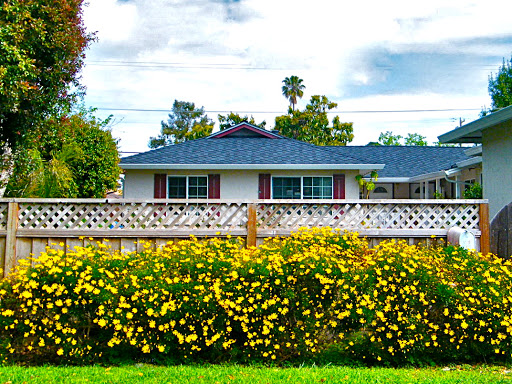

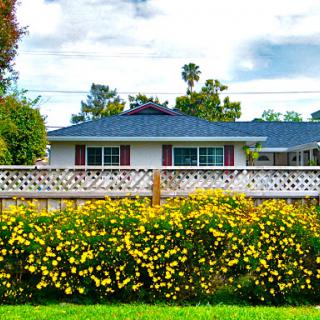

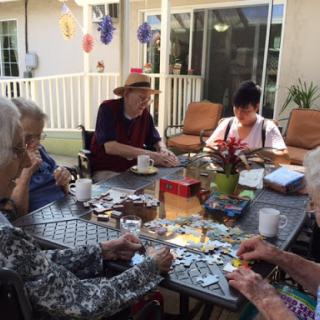
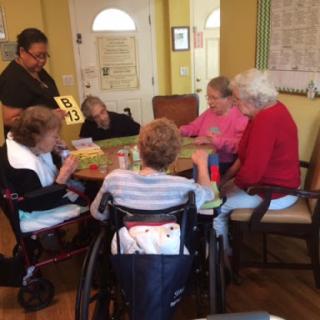
3664 Brigadoon Way, San Jose, CA 95121
For more information about senior living options: (866) 208-4318
Kingdom Hearts Care Home Costs & Pricing
Kingdom Hearts Care Home offers competitive pricing for its residential services, with semi-private rooms available at $4,500 per month and private rooms priced at $5,000. Comparatively, these rates are higher than the average costs in Santa Clara County, where semi-private rooms are approximately $3,943 and private options at $4,096. When viewed within the broader context of California's average costs - $3,333 for semi-private and $3,939 for private rooms - Kingdom Hearts positions itself as a premium option that likely emphasizes enhanced amenities and personalized care. While the costs may be above the regional and state averages, many families might find that the additional investment reflects a higher level of service tailored to their loved ones' needs.
| Floor plans | Kingdom Hearts Care Home | Santa Clara County | California |
|---|---|---|---|
| Semi-Private | $4,500 | $3,943 | $3,333 |
| Private | $5,000 | $4,096 | $3,939 |
Memory care communities with a similar price nearby
-
from +$350 / mo
Alexandria Victoria
$4,850 / month24.8 miles away -
from +$700 / mo
The Mansion
$5,200 to $6,300 / month23.1 miles away -
from +$145 / mo

Loma Clara Senior Living
$4,645 to $6,895 / month15.5 miles away -
from +$895 / mo

Merrill Gardens At Campbell
$5,395 to $9,295 / month8.2 miles away -
About the same

The Pavilion
$4,600 / month23.1 miles away
Overall Review of Kingdom Hearts Care Home
Pros
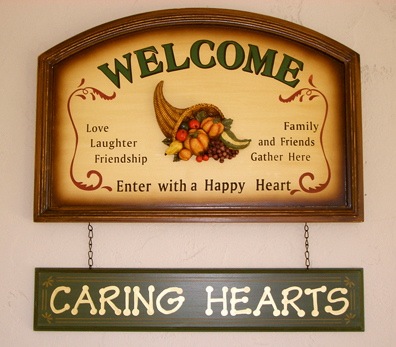
 Caring Hearts helps residents thrive and enjoy a better quality of life.
- Olivia and her caring team are described as loving, attentive, and a blessing to families.
- The director and staff are consistently reachable, friendly, and pleasant with all patients.
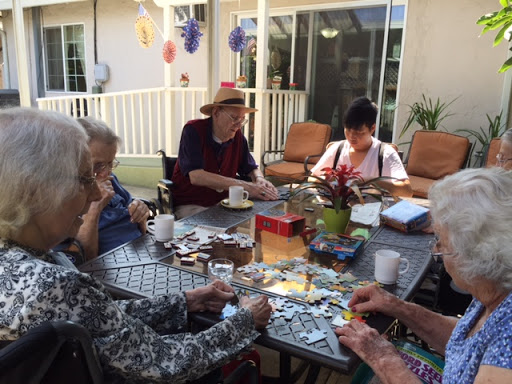
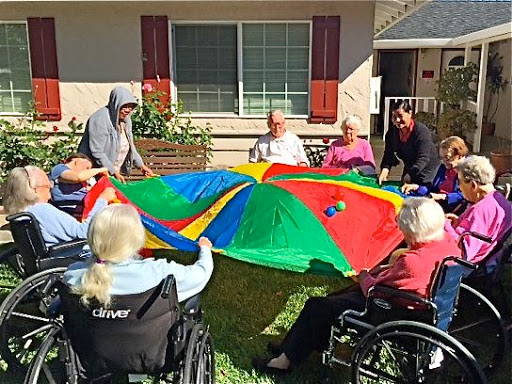
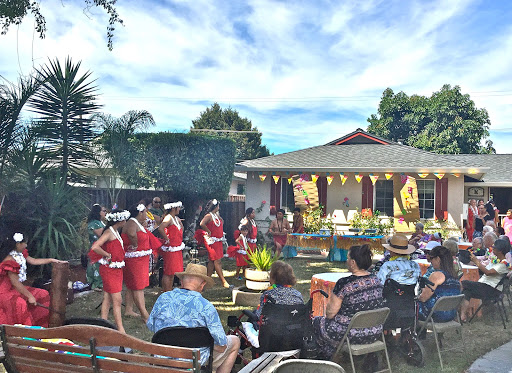
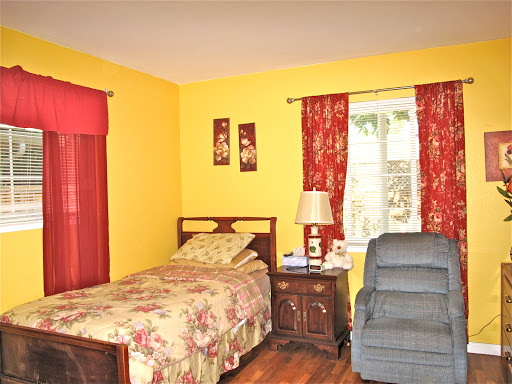
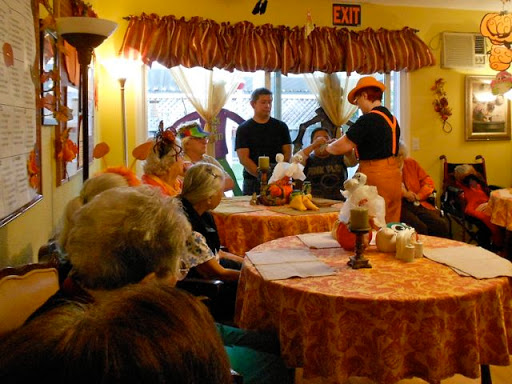
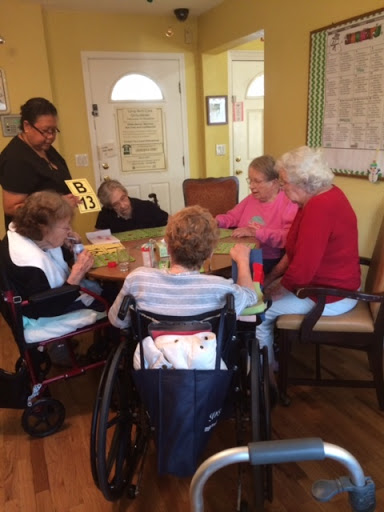
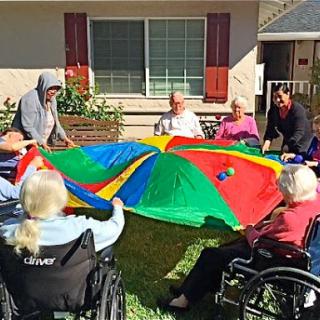
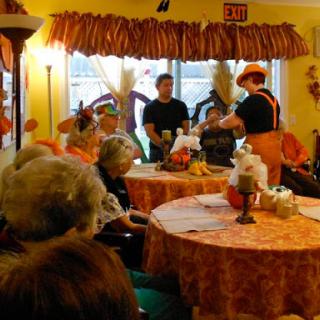
- The facility is clean, spacious, with good meals and engaging activities that residents enjoy.
- The team coordinates with multiple care providers to ensure timely, appropriate care.
- Families feel their loved ones are safe, at home, and well-cared-for during visits.
Cons
 They felt Caring Hearts did not fit their needs at that time.
- They described the previous facility as providing neglectful care.
- They noted the facility was not clean and the neighborhood was not enticing.
- They felt several other facilities initially did not meet their approval.
Review
Kingdom Hearts Care Home in San Jose is best suited for families seeking a tightly run, intimate, caregiver-led environment where residents receive highly personalized attention and where the owner–nurse is directly accessible. The small scale, roughly five residents, creates a home-like atmosphere, fosters strong relationships with staff, and enables rapid adjustments to care plans. This setting works best for seniors who thrive with consistent, hands-on supervision, clear daily routines, and a sense of security that comes from knowing the clinician in charge is actively involved in daily care decisions.
Those who may want to consider alternatives include families prioritizing pristine facility aesthetics, broad social programming, or extensive medical infrastructure. If curb appeal and a larger community with more formal activity calendars are non-negotiable, or if a more expansive staff structure is required to support complex medical needs, other options may serve better. Reviews suggest that not every family’s expectations align with a small, highly personalized home, particularly if cleanliness perceptions or neighborhood ambiance are decisive factors in choosing a long-term home.
On the positive side, the strongest advantages lie in leadership and proximity. The owner’s RN background translates into visible clinical oversight, with residents benefiting from a care philosophy that emphasizes direct answers from someone who understands medical nuances. The small team appears capable of delivering steady, individualized attention, with staff members who know each resident’s history and preferences. Family members repeatedly highlight accessibility, open communication, and a willingness to address questions promptly, which reduces the guesswork often felt in larger communities.
But the main drawbacks are nontrivial and warrant careful consideration. At least one visitor flagged cleanliness concerns, underscoring a potential mismatch between expectations and the facility’s upkeep. Another review noted the neighborhood and overall environment were not particularly enticing, which can influence a family’s sense of safety and convenience. While these observations do not negate the possibility of excellent care, they signal that Kingdom Hearts may not satisfy every standard for atmosphere, amenities, or first impressions, factors some families weigh heavily in the decision.
The key to balancing the pros and cons lies in alignment of needs and expectations. The advantages of an intimate, RN-led setting are most compelling when a senior benefits from highly personalized care, quick staff responsiveness, and ongoing clinical dialogue with a known caregiver. These strengths can offset concerns about cleanliness or location if the family prioritizes consistent care, strong advocacy, and a home feel over polished amenities. Prospective families should request a face-to-face meeting with the owner, review current care plans, and observe the daily routine to verify that cleanliness standards and neighborhood fit meet their personal thresholds.
Ultimately, Kingdom Hearts Care Home can be a strong fit for families who prize individualized attention, direct clinical oversight, and a warm, participatory care culture. It is less suited for those who require a larger community, extensive social programming, or a setting where immaculate presentation and urban convenience are primary criteria. To move from interest to confidence, families should conduct thorough site visits, scrutinize licensing and inspection records, and press for concrete assurances on housekeeping standards and safety protocols. When alignment exists between the resident’s needs and the home’s intimate, hands-on approach, Kingdom Hearts can deliver meaningful stability and sustained quality of life that larger facilities may struggle to replicate.
 6 resident community capacity
 Assisted Living
 Board and Care Home
 Memory Care
 Respite Care
 Cable or satellite TV
 Dining room
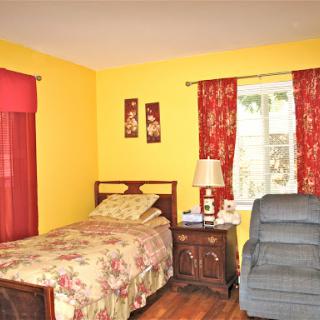
 Fully furnished
 Garden
 Housekeeping services
 Move-in coordination
 Outdoor space
 Private
 Small library
 Telephone
 San Jose International (8 miles away)
 24-hour supervision
 Activities of daily living assistance
 Assistance with bathing
 Assistance with dressing
 Assistance with transfers
 Diabetes diet
 Diabetic care
 High acuity care
 Incontinence care
 Meal preparation and service
 Medication management
 Special dietary restrictions

 Understanding Dementia Through Its Seven Stages: A Comprehensive Look at Progression and Expectations
 A Holistic Dementia Care Guide: Effective Strategies for Memory Support
 Memory Care Pathways: A Holistic Guide to Dementia Support