
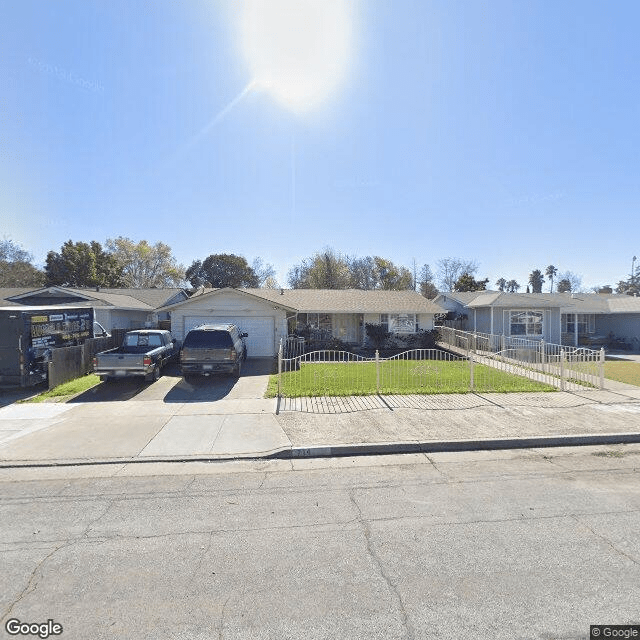
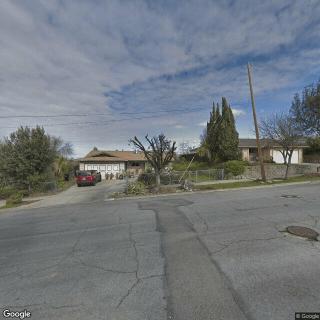
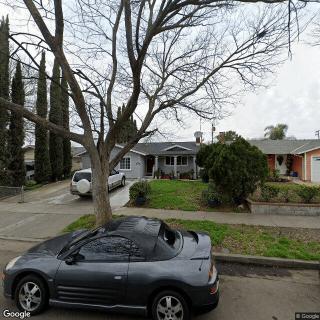
714 River Park Dr., San Jose, CA 95111
To contact a resident: (408) 360-9236
For more information about senior living options: (866) 208-4318
Foronda Home Costs & Pricing
Foronda Home offers competitive pricing for its accommodations, providing a cost-effective alternative to both Santa Clara County and the broader California market. For semi-private rooms, Foronda Home charges $2,800 per month, which is significantly lower than the county average of $3,943 and the statewide average of $3,333. Similarly, their private rooms are priced at $3,800 monthly - again undercutting Santa Clara County's average of $4,096 and California's average of $3,939. These rates highlight Foronda Home's commitment to delivering quality care while maintaining affordability for residents and their families.
| Floor plans | Foronda Home | Santa Clara County | California |
|---|---|---|---|
| Semi-Private | $2,800 | $3,943 | $3,333 |
| Private | $3,800 | $4,096 | $3,939 |
Senior living communities with a similar price nearby
-
from -$400 / mo
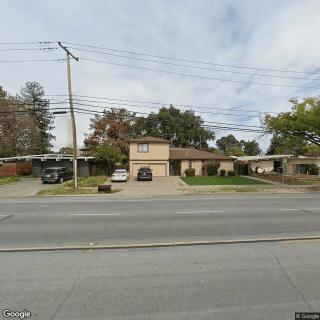
Homestead Care
$2,400 to $4,570 / month13.6 miles away -
from -$300 / mo
House of Sunshine
$2,500 to $3,500 / month13.6 miles away -
from -$351 / mo

TheKey Los Gatos
$2,449 / month7.6 miles away -
About the same
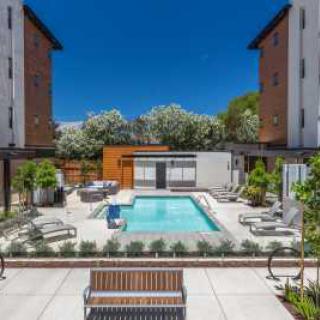
Santana Terrace
$2,839 to $3,725 / month8.9 miles away -
from +$359 / mo
Moldaw Family Residences a CCRC
$3,159 to $4,381 / month18.4 miles away
Overall Review of Foronda Home
Pros
 They really liked one of the caregivers.
- They really liked the deck with a rail outside.
Cons
 The shared room is very small.
- A private room would work better.
Review
Foronda Home in San Jose is best suited for seniors who prize personal, attentive caregiving paired with a safe, usable outdoor space. The most memorable takeaway from the experience is the connection with at least one caregiver, whose warmth and focus can anchor daily life. Equally notable is a deck with a rail outside, a feature that invites fresh air and easy, low‑effort outdoor time without leaving the building. Those positives matter because they create conditions for consistent daily engagement, security, and a sense of belonging. The catch is that the shared living arrangement is described as very small, which means comfort hinges on moving to a private room to preserve dignity and privacy.
That reality makes Foronda Home a practical choice for residents who can tolerate shared space or who can upgrade to a private room when privacy, sleep quality, or personal storage become essential. Families with strict privacy expectations, those requiring a larger living area, or residents needing a guaranteed private room as part of their care plan may want to consider alternatives. Other communities with more generous shared accommodations or stronger emphasis on private suites may better align with budgets and privacy priorities. In short, the environment works best when private space is available, and when caregiver continuity remains a focal point of daily life.
From a decision perspective, the caregiving relationship stands out as the primary offset to the room constraint. A compassionate, competent caregiver can significantly improve mood, reduce agitation, and help coordinate activities and medications, which translates into tangible daily benefits. The outdoor deck with its railing compounds those benefits by offering safe, accessible time outside, windows of calm, and opportunities for gentle movement or sun exposure, advantages that are not easily replicated in a cramped indoor room. When a resident prioritizes meaningful daily contact and outdoor accessibility, these positives can outweigh the discomfort of sharing compact quarters.
Yet the main con, the very small shared room, still matters. Limited space for belongings, restricted privacy, and potential noise or crowding can erode comfort, especially for residents who sleep or study in their living space or who depend on quiet for rest. The critical question becomes whether space can be expanded via a private room, and how readily that option can be secured. If a move to private housing is feasible, the overall fit improves markedly; if not, the limited shared footprint may intensify friction and detract from quality time in the community.
Operationally, prospective residents should use visits to surface specifics beyond the general impression. Ask to see a private room arrangement and a typical shared-room layout; request a meet-and-greet with multiple caregivers to gauge consistency and tone; verify what outdoor access looks like in different weather; review the activity calendar and social opportunities to ensure alignment with interests. Inquire about transition processes if private rooms flow is possible, and explore how staff handle noise, privacy, and belongings. A candid conversation about cost implications of private rooms versus shared space will also clarify whether the positives can be sustained long-term.
Bottom line: Foronda Home delivers a compelling combination of attentive caregiving and accessible outdoor space, which makes it a strong option for families willing to trade some privacy for daily engagement and security. The decisive constraint is the tiny shared room; if privacy and room size are non-negotiable, alternative communities are worth exploring. If a private room is accessible within the community or if a family can tolerate sharing while prioritizing caregiver relationships and outdoor time, this house can be a good long-term home. The prudent path is a guided tour with a specific focus on room options, caregiver consistency, and concrete privacy safeguards before making a commitment.
 Board and Care Home
 Activities off-site
 Bath tubs
 Devotional services off-site
 Indoor common areas
 Outdoor common areas
 Private
 Respite or short term stays offered
 Wheelchair accessible showers
 San Jose International (8 miles away)
 Ambulatory care
 Diabetic care
 High acuity care
 Incontinence care
 Meals provided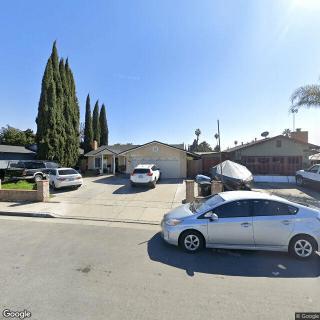

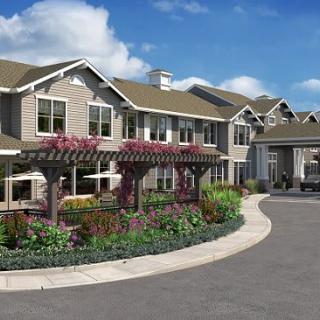
 Comprehensive Look at Senior Blood Pressure Charts: Normal and Elevated Levels by Age
 Top Canine Companions for Older Adults
 Comprehensive Guide to Blood Pressure Charts for Older Adults: Understanding Normal and High Readings by Age