
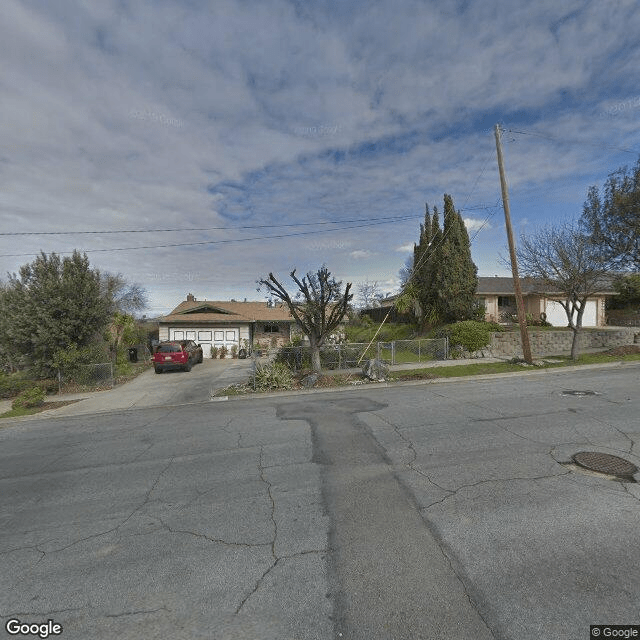
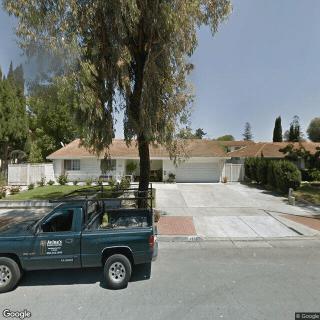
497 River View Dr, San Jose, CA 95111
To contact a resident: (408) 972-0291
For more information about senior living options: (866) 208-4318
Overall Review of Riverview Residential Care
Pros
 The staff at Riviera Living cares deeply for residents, showing their dedication in daily care.
- Wellness activities are thoughtfully organized, creating a warm and uplifting environment.
- The team is kind, responsive, and invested in making the community feel like home.
- Riviera Living is a clean, well-run facility that supports residents’ needs.
- The Med room is well organized and delivers medications on time.
- Individual staff members, such as Susan and Elizabeth, are attentive and proactive in residents’ safety and well-being.
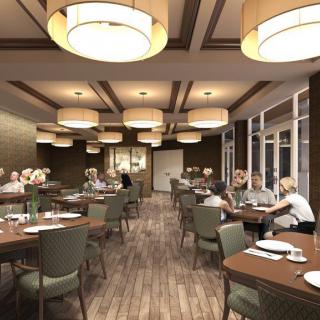
- The cafeteria serves hearty, homestyle meals, contributing to a comfortable daily routine.
Cons
 The reviewer believes Riviera Living does not belong for his father and lacks proper supervision.
 - The reviewer asserts that calls and voicemails from family members are ignored and staff deny allegations.
- The reviewer describes the staff as indifferent, uncaring, and dismissive of residents’ well-being.
- The reviewer criticizes the facility for being overpriced, lacking 24/7 care, and providing inadequate supervision.
- The reviewer states the food is horrible and residents are not allowed personal food or items in their rooms.
- The reviewer alleges theft by cleaning staff and improper handling of residents’ belongings.
Review
Riverview Residential Care is best suited for seniors who want a small, home-like setting where daily medications and routine caregiving are actively managed by a cohesive team. The community shows real strengths in caregiver engagement, dependable med administration, and a clean, orderly environment. For residents who need help with basic ADLs, reminders to take medications, regular check-ins, and a predictable daily rhythm, this can be a practical, supportive option. It is not, however, a fit for those requiring constant, 24/7 supervision or secure handling of complex behavioral or safety challenges. Families should expect to be more involved in monitoring than in a high-acuity setting, and they should prepare for the possibility that crisis-level situations may demand immediate escalation beyond what the community can consistently guarantee.
Those considering alternatives should weigh options designed for higher levels of supervision or specialized memory care. When safety and rapid, around-the-clock response are non-negotiable, or when a resident exhibits aggressive or severely erratic behavior, a larger assisted living with guaranteed staffing or a skilled nursing environment may be more appropriate. For individuals with advanced dementia, persistent aggression, or medical complexity requiring constant vigilance, Riverview may not deliver the oversight needed. In such cases, families ought to explore facilities with dedicated memory-care wings, higher staff-to-resident ratios, and more formal crisis-response protocols, or consider at-home solutions with robust 24/7 support.
The strongest positives, reliable medication management, attentive staff, and a generally welcoming, clean atmosphere, help offset several important drawbacks. The med room is well organized and medications are typically delivered on time, which reduces confusion and error for residents reliant on routine dosing. The kitchen routinely serves hearty meals, and staff are praised for warmth and consistency in daily interactions. There are stories of staff members taking decisive action in emergencies and of caregivers who treat residents like family. In practice, these strengths create a sense of security and belonging for many residents and their families, making the setting feel like a true home rather than a clinical institution.
Yet substantial concerns temper those strengths. Several accounts describe gaps in responsiveness when troubling situations arise, and some families feel their voices are not heard promptly when issues are raised. The perception that supervision can be inconsistent, particularly at night or during busy periods, undercuts confidence for residents with higher care needs or for families anxious about safety. Reports of theft or privacy intrusions by cleaning staff add a troubling layer, highlighting vulnerabilities around personal belongings and room access. While other reviews emphasize vigilance and crisis-ready staff, the variability in experience suggests that this community operates best when families maintain active oversight and establish clear channels for rapid escalation.
The bottom line centers on fit and expectations. If the priority is a warm, well-staffed environment with dependable med handling, a structured daily routine, and residents who thrive on social engagement and regular staff contact, Riverview can be a solid choice. The decisive caveat is that this setting may fall short for those who require constant, high-level supervision, aggressive behavior management, or robust safeguards against personal-property loss. Families should enter with a plan for ongoing involvement, ask pointed questions about staffing levels, incident handling, and security policies, and push for concrete commitments around response times and escalation procedures. For some, the math adds up; for others, alternatives with higher staffing ratios and more formal memory-care supports may offer greater peace of mind.
For families whose needs cluster around medication management, daily structure, and a caring, personable staff, a measured trial at Riverview can illuminate fit without overcommitting. It is wise to verify current staffing norms, request a tour of the medication and housekeeping routines, and speak with both front-line caregivers and managers about how emergencies are handled. Where feasible, observe a meal service and daytime activity to gauge resident engagement and staff responsiveness. If privacy, security of belongings, and consistent 24/7 coverage are non-negotiable, pursue facilities with stronger assurances in these areas. In all, Riverview presents a credible option for a particular segment of senior living, one that rewards family involvement and clear expectations while carrying risks that care teams in higher-acuity settings are specifically designed to mitigate.
 Board and Care Home
 San Jose International (9 miles away)


 Senior Move Management: Understanding the Role, Value, and Associated Costs
 Weight Training for Seniors: Building Strength and Vitality
 Understanding the Sandwich Generation: Stress and Responsibilities for Multigenerational Caregivers