















3880 Nobel Drive, San Diego, CA 92122
For more information about senior living options: (866) 208-4318
Overall Review of Belmont Village Senior Living La Jolla
Pros
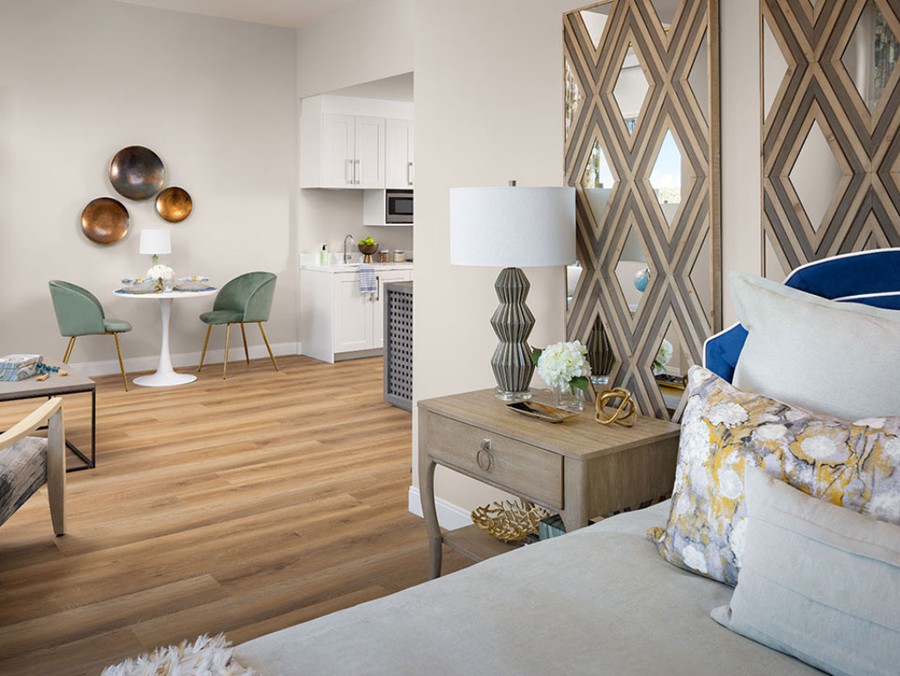
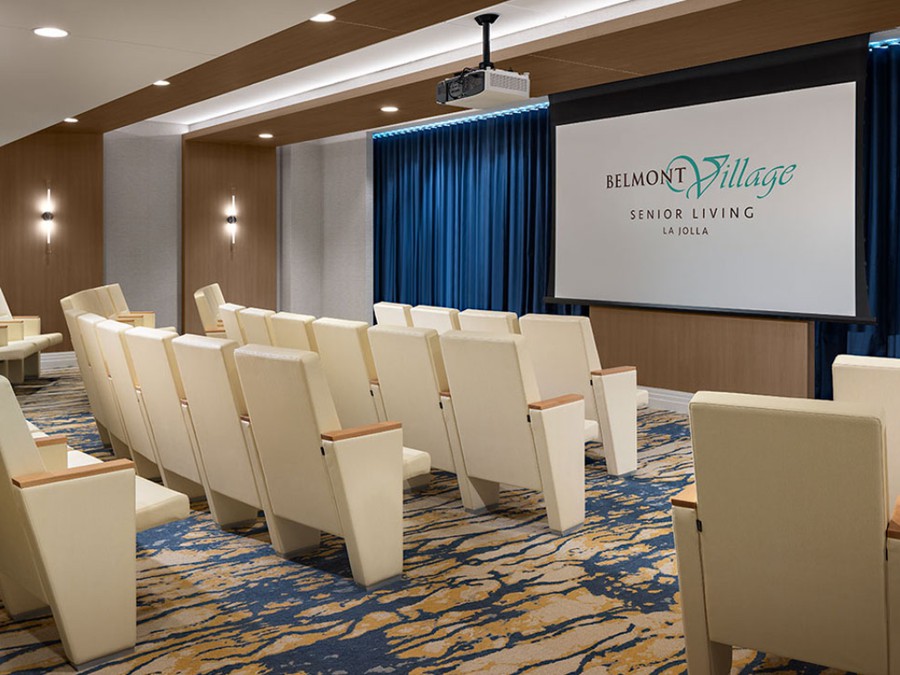
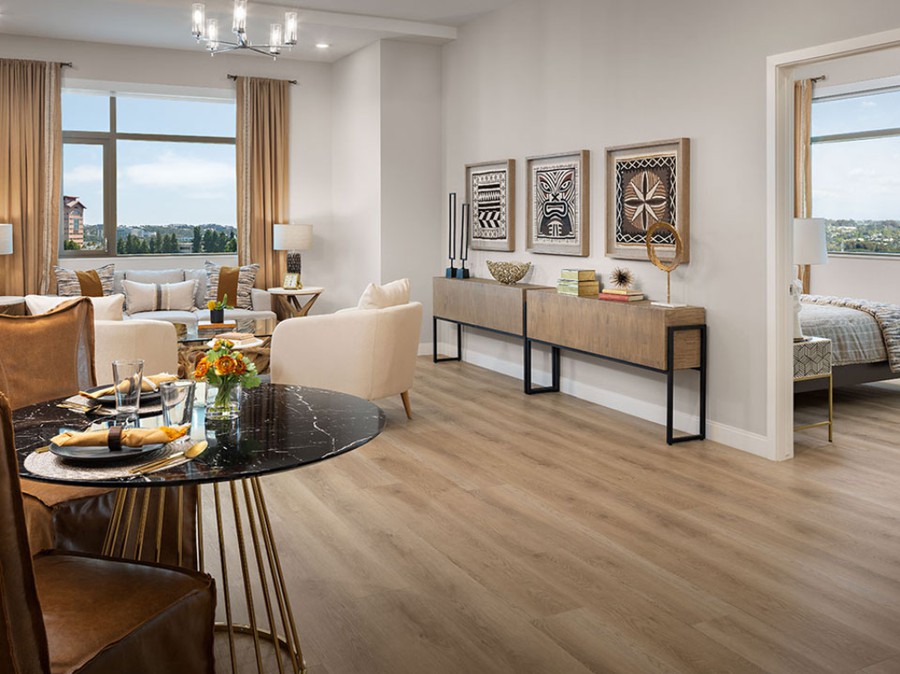
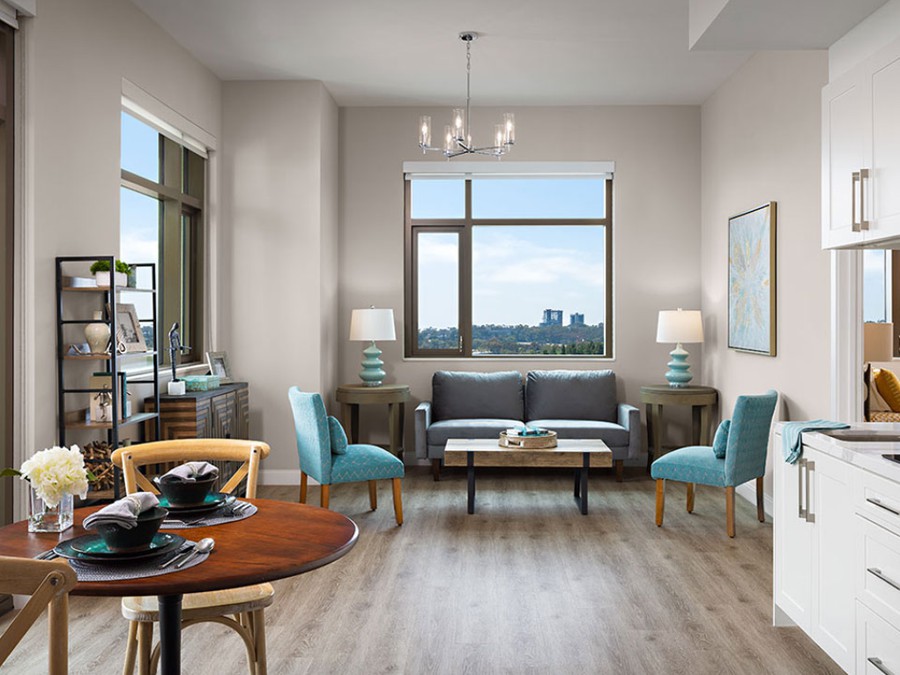
 Belmont Village La Jolla is described as a beautiful high-rise with a resort-like feel.
- The staff are friendly, helpful, and knowledgeable.
- Allison A and Daniela M are described as caring, loving, and thoughtful caregivers who go above and beyond.
- The care team is attentive to residents’ needs and does a terrific job in a beautiful setting.
- James, the director, is wonderful and responsive to questions and needs.
- The PT and OT teams are positive and encouraging in their work.
- The staff and residents had a marvelous time during the Halloween dance, showcasing joyful engagement.
- Residents feel safe, well cared for, and living their best life at Belmont Village.
Cons
 The reviewer found the care deeply disappointing despite paying for 24/7 caregiving.
- Critical care instructions, including medication timing and post-hospital discharge, were not consistently followed.
- There was a persistent lack of communication among staff, making it difficult to confirm whether care needs were being met.
- Key health issues were not communicated, and concerns raised by the family were often dismissed as someone else’s responsibility.
- Cleanliness was a major issue, with bodily fluids left uncleaned until specifically requested.
- A fall led to an ER visit because a personal caregiver was not present, raising concerns about reliability.
- The kitchen service has not improved and continually runs out of main courses and desserts.
Review
Belmont Village La Jolla is best suited for seniors who want a vibrant, resort-like living environment with strong social programming and consistently friendly, attentive front-line staff. The community shines for residents who value a beautiful setting, easy access to activities, and a team that shows up with genuine care every day. It works well for families that prioritize upbeat daily interaction, visible warmth from caregivers, and a treatment environment where therapy services and daily living support are readily available. Those needs, when paired with a willingness to tolerate some variability in day-to-day clinical oversight, make this a solid fit.
But families should seriously consider alternatives if the primary concern is ironclad clinical reliability. Several reviewers describe situations where critical care instructions were not followed, communication was inconsistent, and fall events or hospital returns occurred with what appeared to be delayed or insufficient post-incident follow-through. For residents with high medical complexity, strict medication timing, or frequent hospital-level needs, the gaps in accountability and responsiveness may translate into risk. In short, this is less suited for someone who requires ultra-tight medical governance and immediate, well-documented escalation when issues arise.
The strongest positives, well-trained frontline staff, a genuinely caring attitude, and a setting that feels welcoming and purposeful, tend to offset many everyday challenges. The morning care team and other caregivers are repeatedly praised for going above and beyond, and the building itself earns frequent praise for its decor and its resort-like ambience. PT and OT are described as positive and encouraging, and the leadership, when engaged, has a track record of responsiveness. For residents who thrive on social interaction, diverse programming, and reliable, friendly service from staff who remember preferences, these elements deliver meaningful quality of life.
Nevertheless, the major cons cited cannot be ignored, and they temper the overall value proposition. Cleanliness lapses, delayed maintenance, and unresolved housekeeping requests contribute to an unsettled sense of organization. When failures in care coordination occur, families report gaps in communication that undermine confidence in the care plan. The combination of occasional nursing gaps, a few safety-related concerns, and inconsistent follow-through after hospital or medical events creates a risk profile that more risk-averse families will want to address head-on before moving a loved one in.
From a decision-making standpoint, the pros matter a lot and the cons matter a lot, together they define whether Belmont Village La Jolla is the right fit. For families who prize aesthetics, staff warmth, steady routine, and robust rehab services, the positives can deliver a high-quality experience that feels both secure and socially rewarding. The positives are strongest when the resident’s needs align with strong daily support and when there is proactive engagement from leadership and therapy teams. The negatives, however, are not elusive: they touch on essential safety disciplines, accountability, and the consistency of medical oversight.
Guidance for evaluating this community should be practical and concrete. Ask for a current, written care plan with explicit medication timing, discharge instructions, and escalation protocols. Request a direct file of recent maintenance and housekeeping responses to gauge how quickly issues are resolved. Speak with the director and nursing leadership about how six-month trends in safety, falls, and hospital readmissions are monitored and addressed. If possible, arrange a trial period or a transition plan that includes a concrete contact point for daily concerns. And compare with other San Diego-area communities that emphasize medical governance and rapid incident response before finalizing a decision. Belmont Village La Jolla remains a compelling option for many, but its strongest appeal will be to families comfortable balancing warmth and social vitality with the acknowledged need for vigilant clinical oversight.
 52 resident community capacity
 1-bedroom apartments
 Assisted Living
 Independent Living
 Memory Care
 Air-conditioning
 Beautician on-site
 Cable or satellite TV
 Cafe
Cafe Computer center
 Dining room
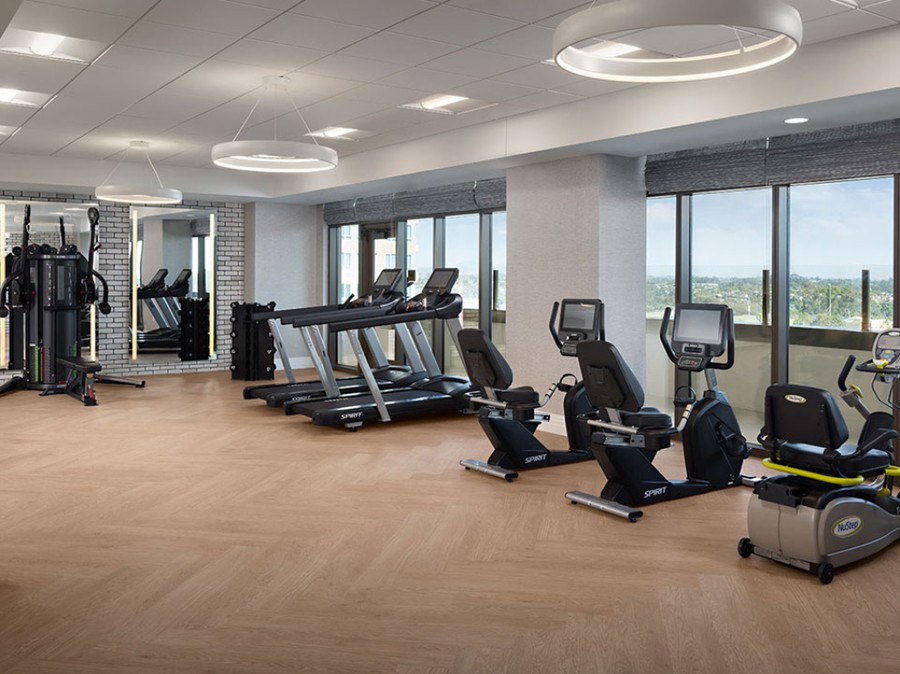
 Fitness room
 Full kitchen
 Fully furnished
 Gaming room
 Garden
 Guest parking
 Housekeeping services
 Laundry
 Move-in coordination
 Outdoor space
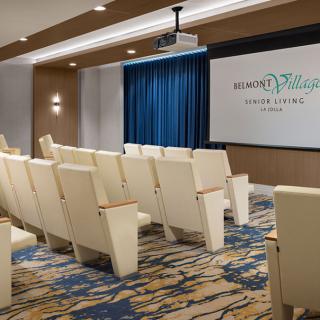
 Party space
 Private bathrooms
 Respite or short term stays offered
 Restaurant-style dining
 Small library
 Telephone
 Wellness center
 Wi-Fi/high-speed internet available
 San Diego International-Lindbergh (10 miles away)
 Community operated transportation
 12-16 hour nursing
 24-hour call system
 Activities of daily living assistance
 Assistance with bathing
 Assistance with dressing
 Assistance with transfers
 Diabetes diet
 Hospice care
 Medication management
 Mental wellness program
 Physical therapy
 Special dietary restrictions
 Transportation arrangement (medical)
 Arts and crafts
 Book club
 Concierge services
 Cooking club
 Educational speakers / life long learning
 Games
Games Planned day trips
 Religious services




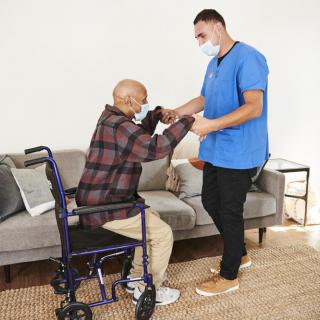



 When Dementia Sparks Anger and Aggression: Understanding the Connection and Ways to Cope
 Dementia Behaviors: In-Depth Understanding and Effective Coping Strategies
 5 Early Indicators of Dementia and What You Can Do