Vi at La Jolla Village, a CCRC

Save

  • Interior

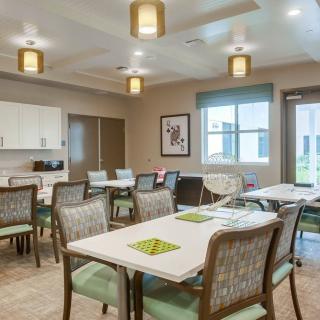
    A well-decorated living room with soft seating and a connected dining area.
  • Outdoors

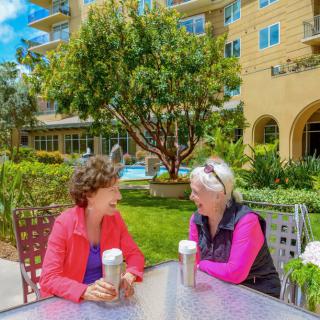
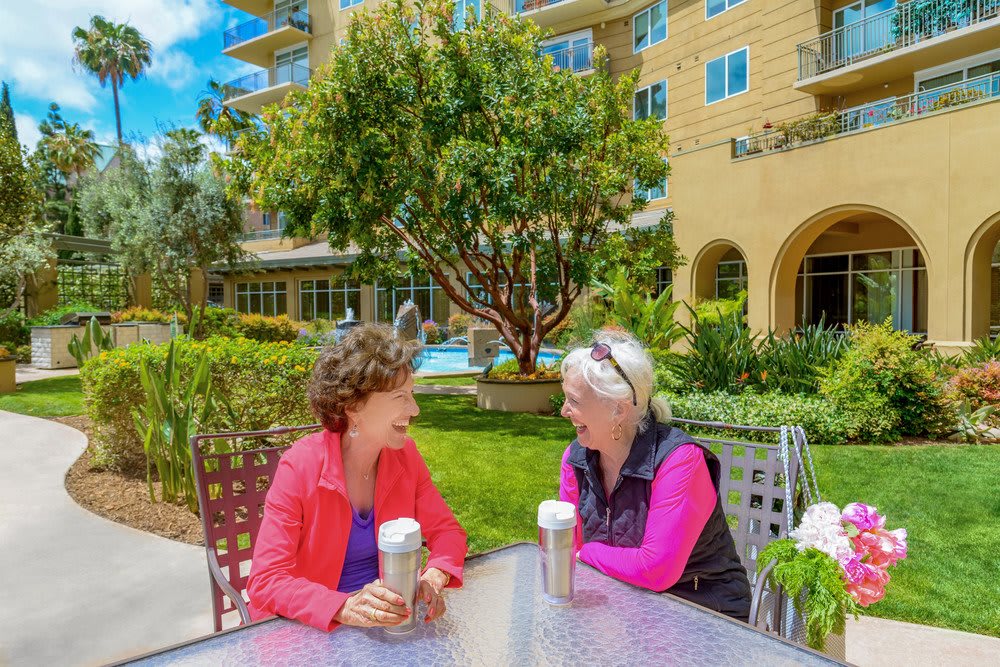
    Two women enjoying a conversation and coffee outdoors in a garden setting.
  • Decor

    A cozy living room with elegant furniture and natural lighting.
  • Living Room

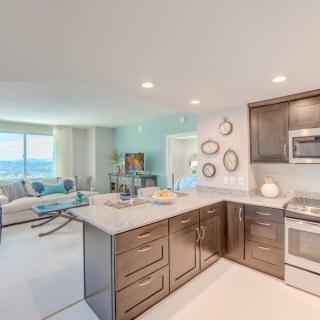
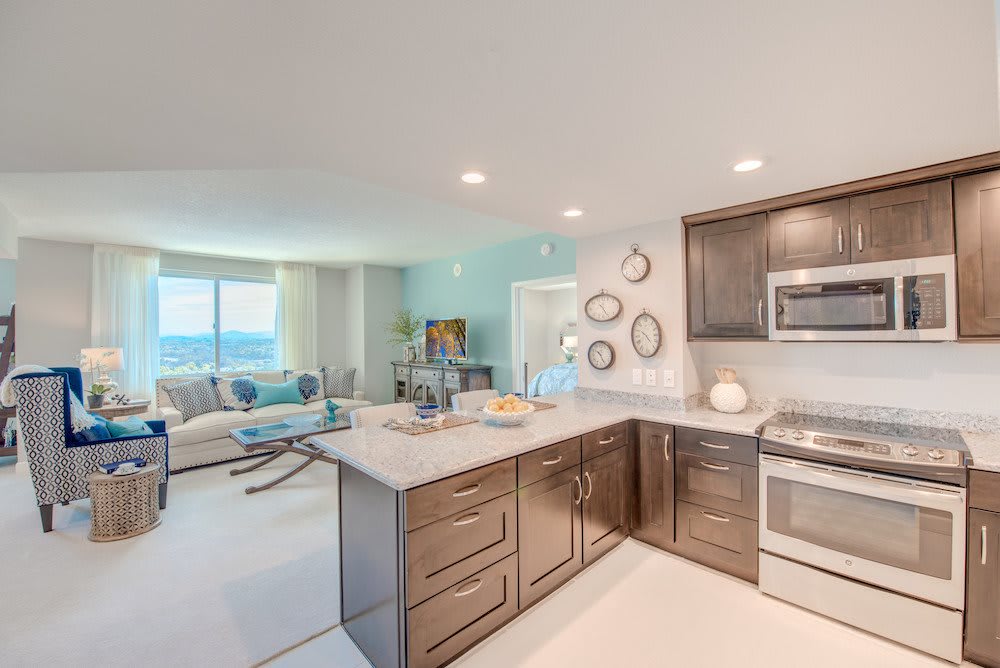
    A modern open-concept kitchen and living room with coastal decor and bright lighting.
  • Building

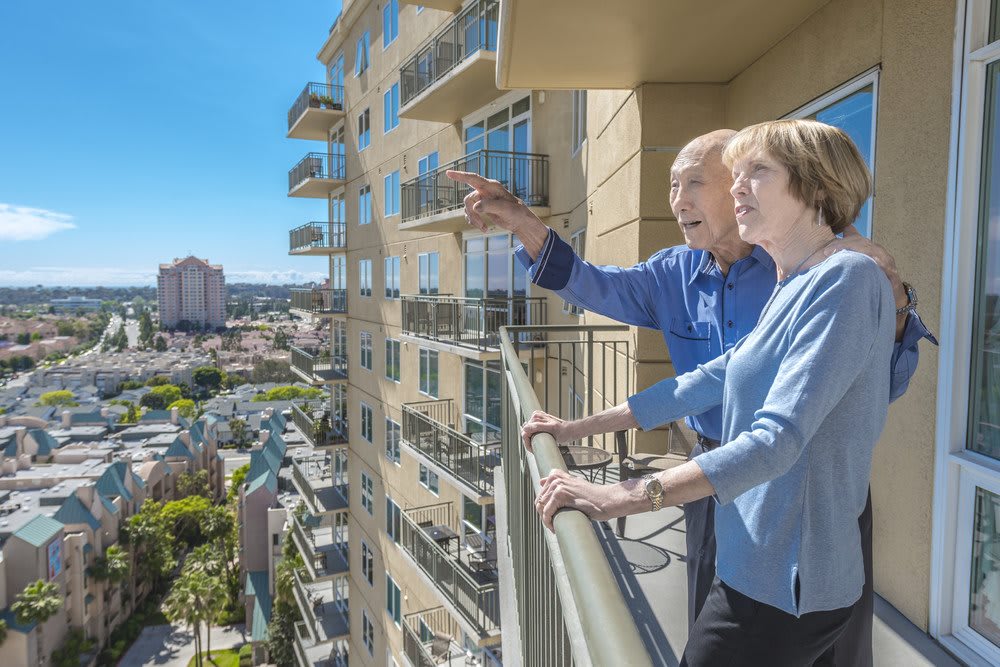
    A senior couple enjoys a view of the city from their balcony on a sunny day.
  • Architecture

    A luxurious hotel resort with tall buildings surrounded by palm trees.
  • Trees

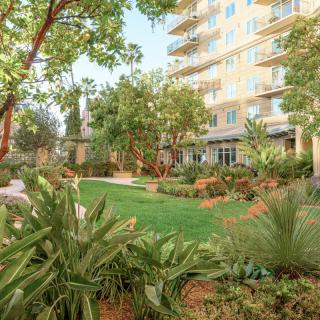
    A view of a well-maintained garden area with lush greenery in front of an apartment building.
  • Windows

    A luxurious lobby with a grand chandelier, large windows, and intricate floor design.
  • Dining

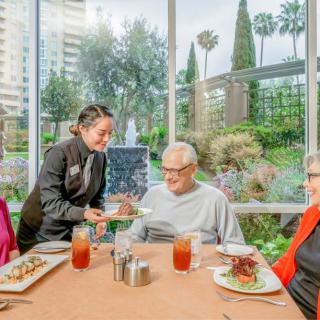
    A family enjoying a meal at an outdoor dining area surrounded by colorful flowers and a fountain.
  • Landscaping

    A modern apartment complex with landscaped gardens and a clear blue sky.
  • Kitchen

    A modern open-concept living space featuring a stylish kitchen, dining area, and a comfortable seating arrangement.
  • Lighting

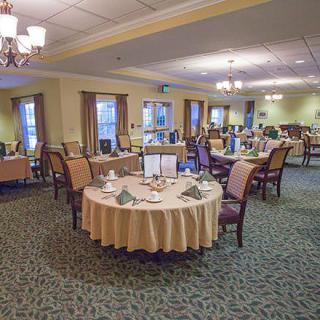
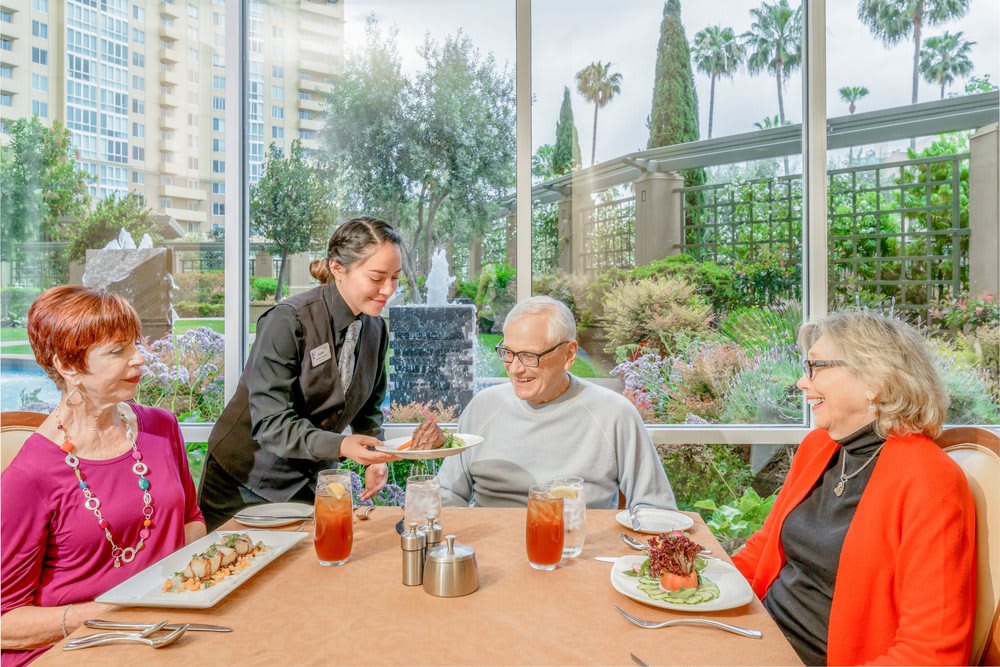
    A cozy restaurant interior with warm lighting and elegant decor.
  • Garden

    A serene urban garden with fountains, surrounded by high-rise apartment buildings.
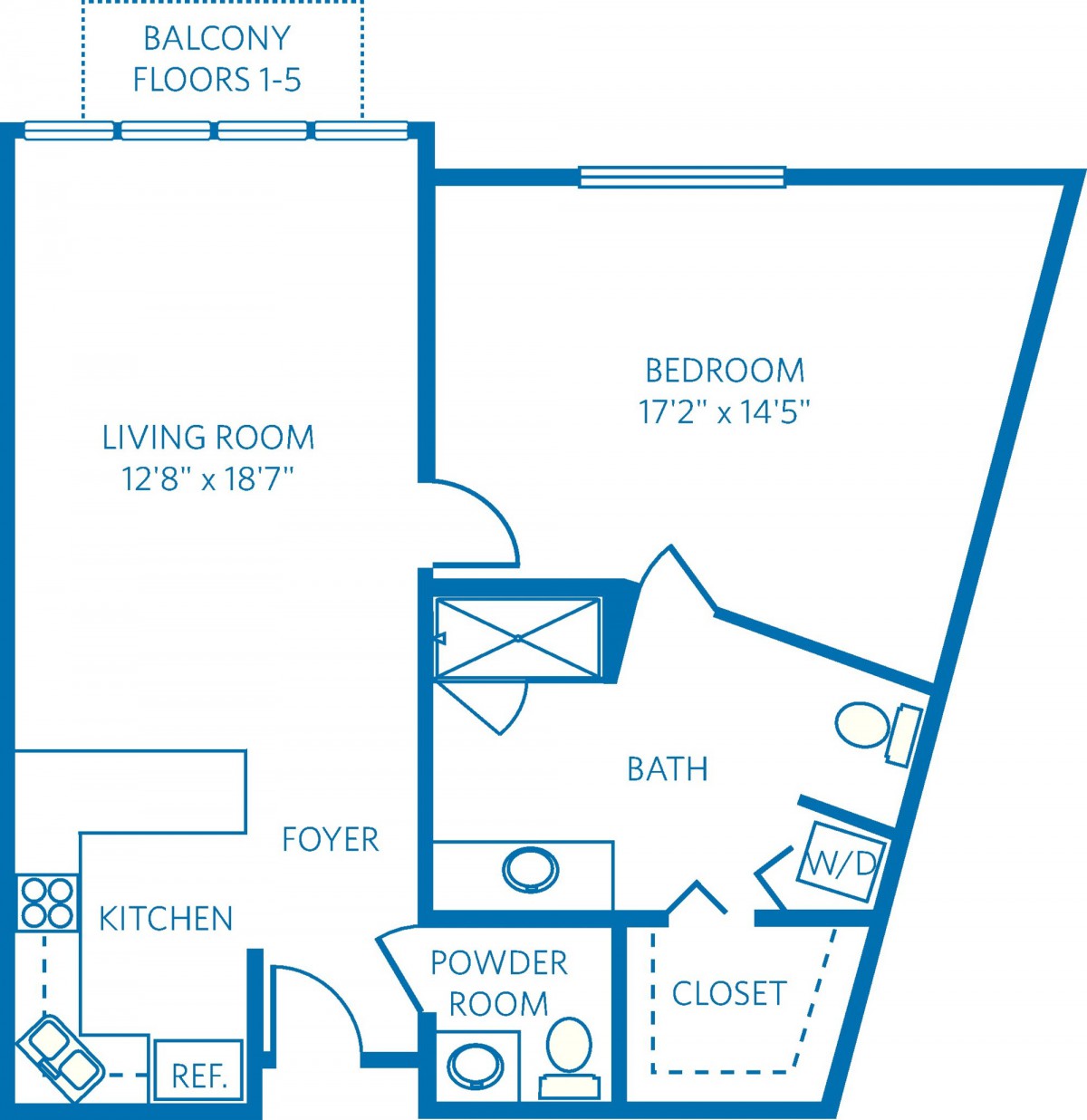
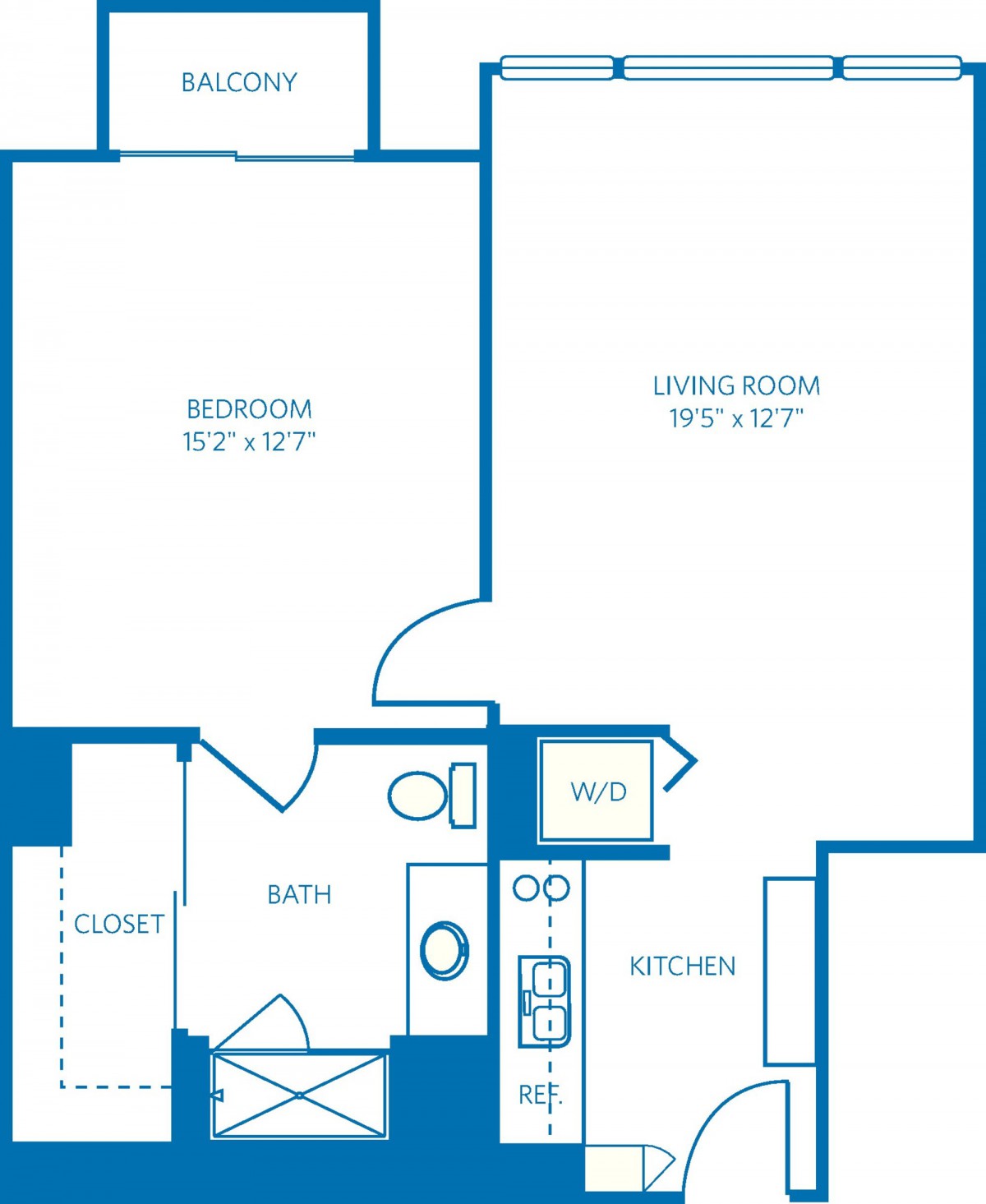
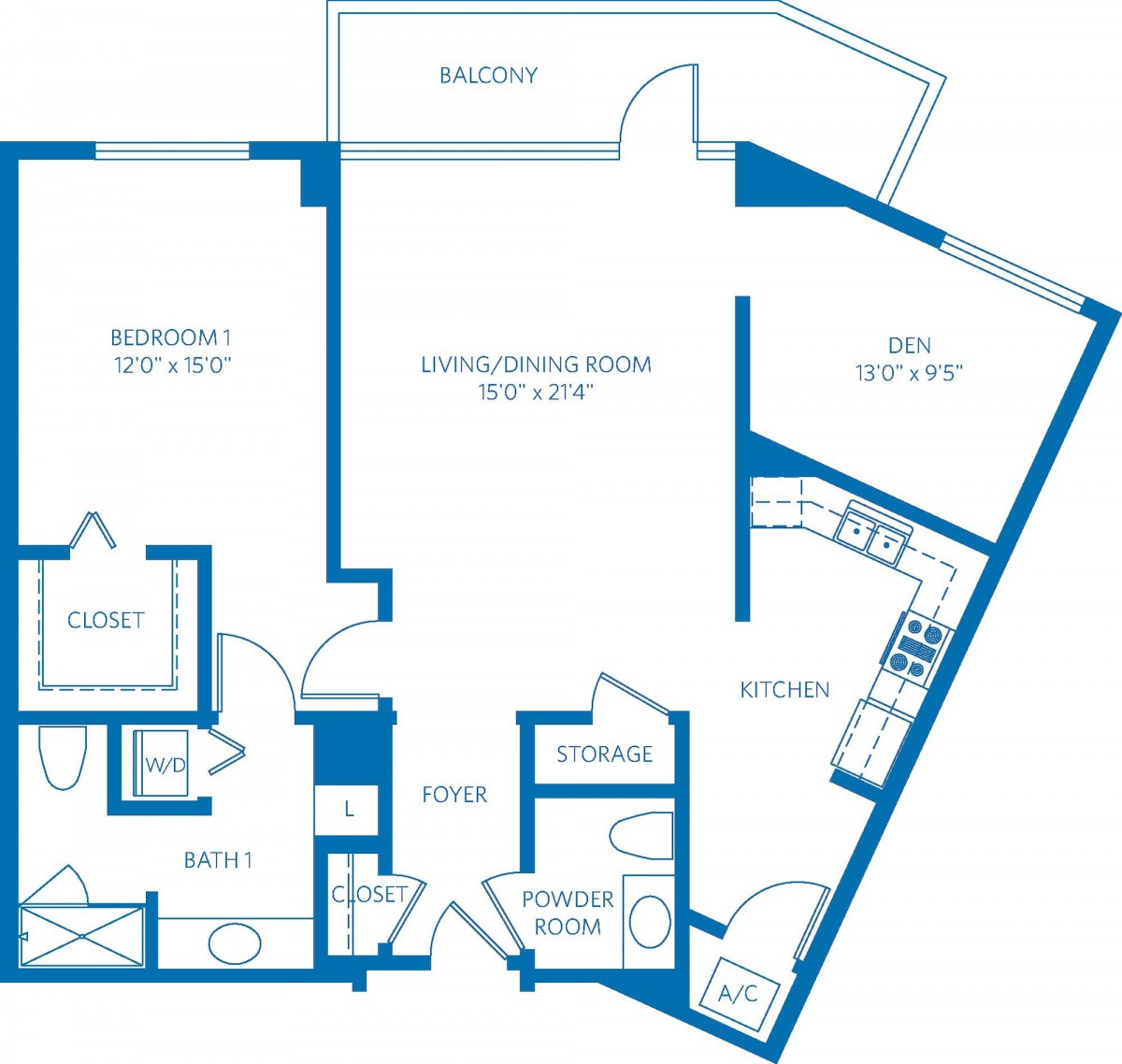
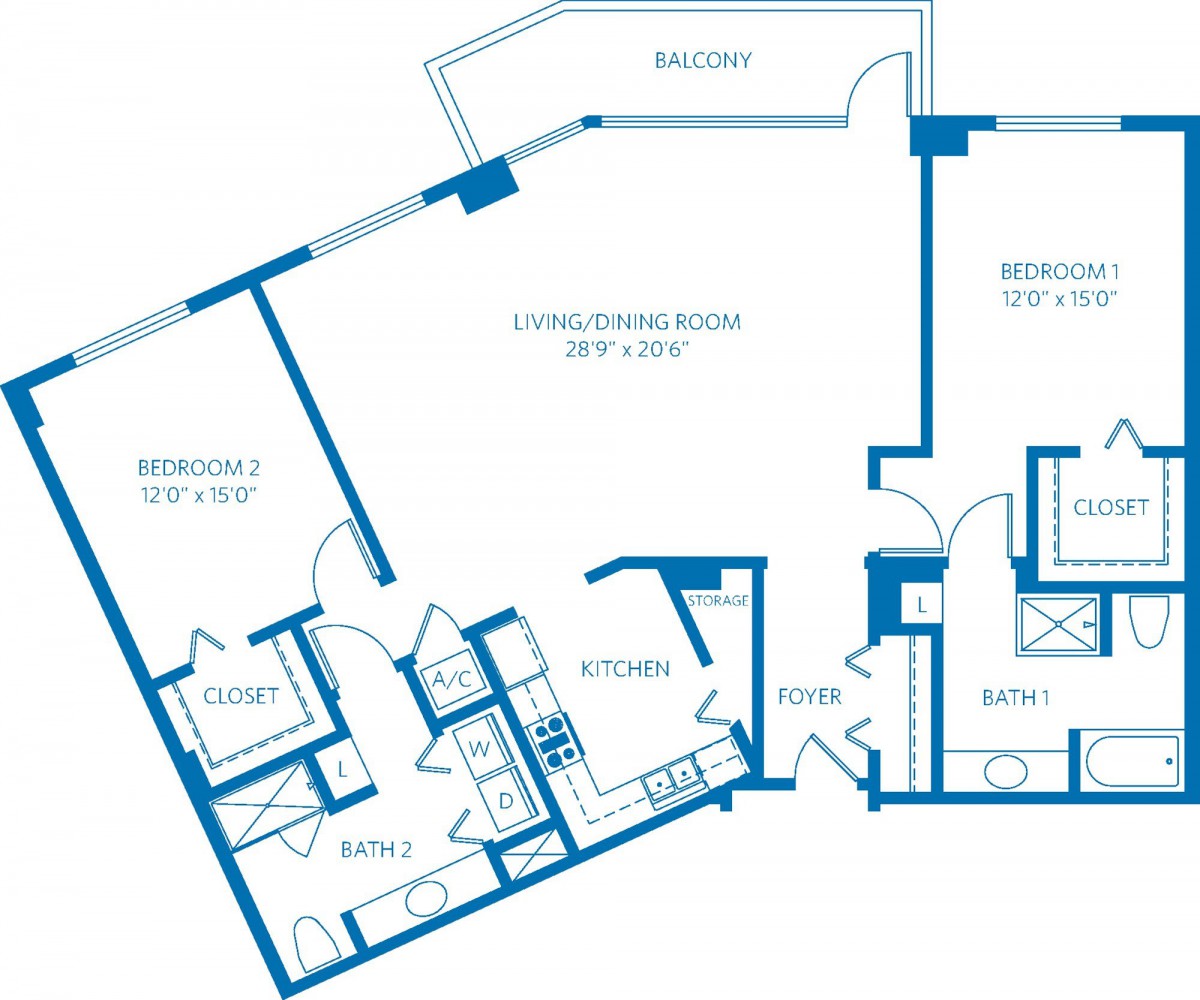
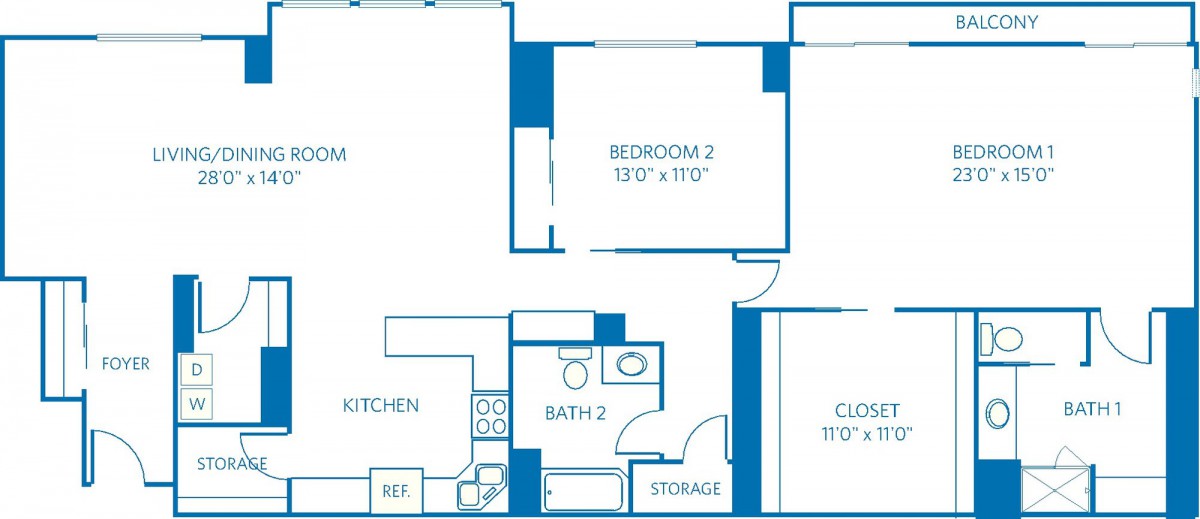
  • Floor Plan

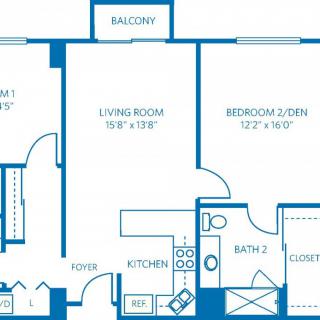
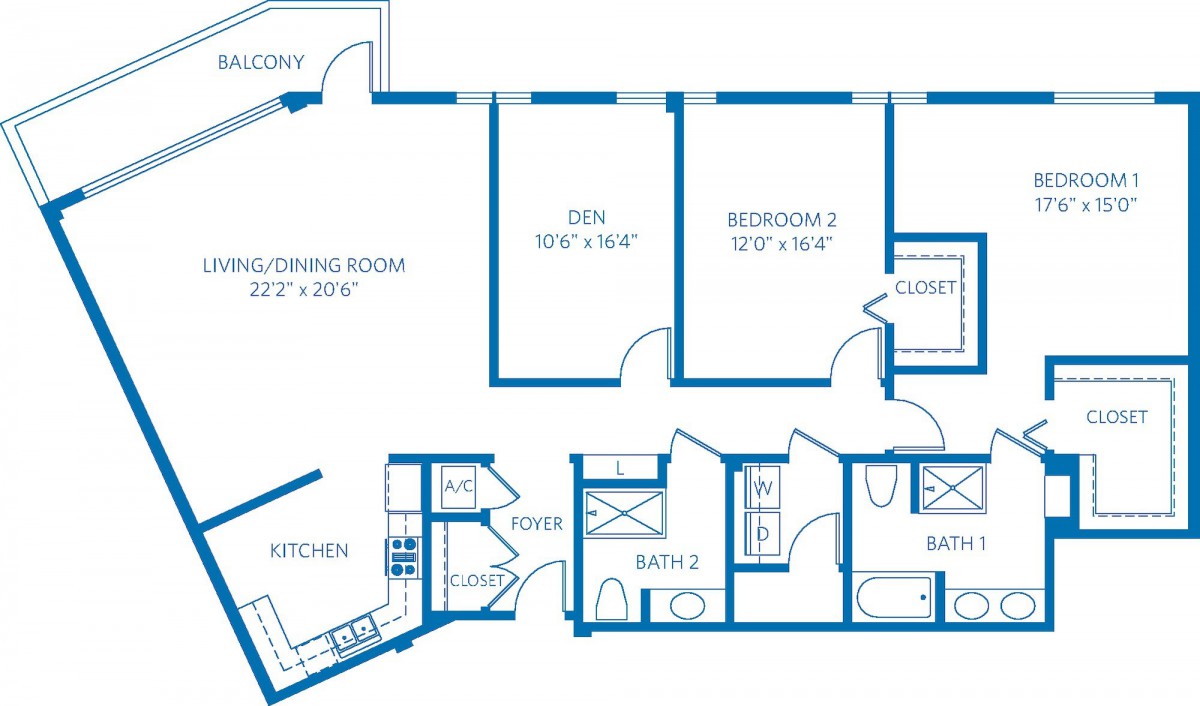
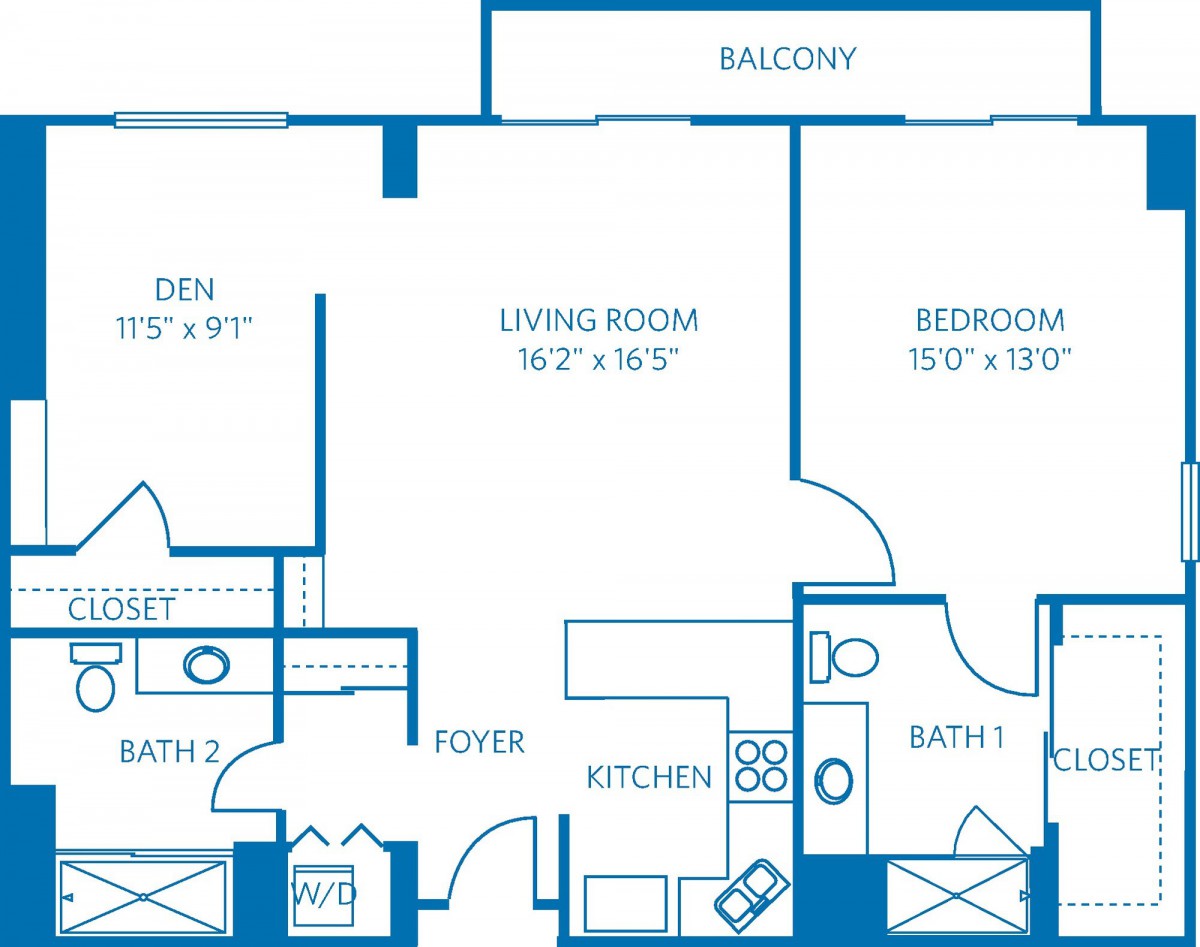
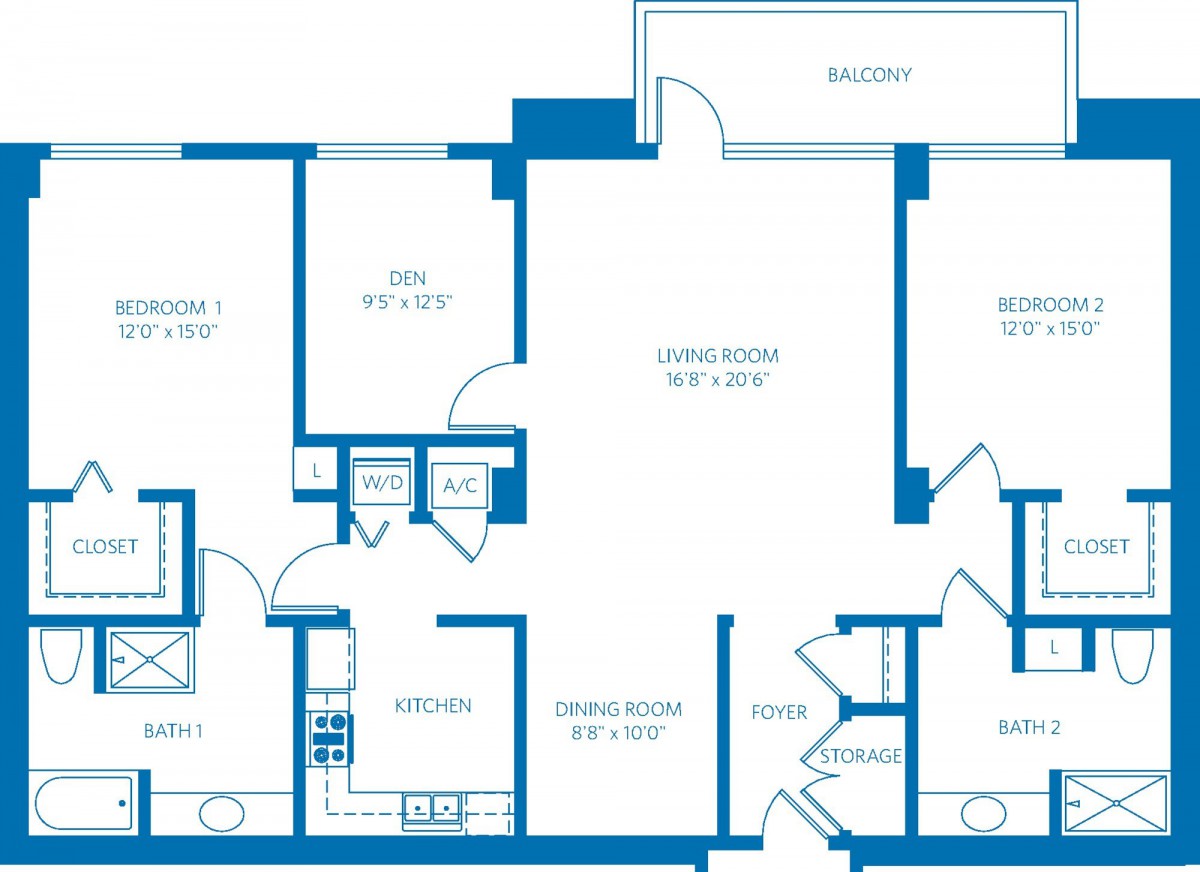
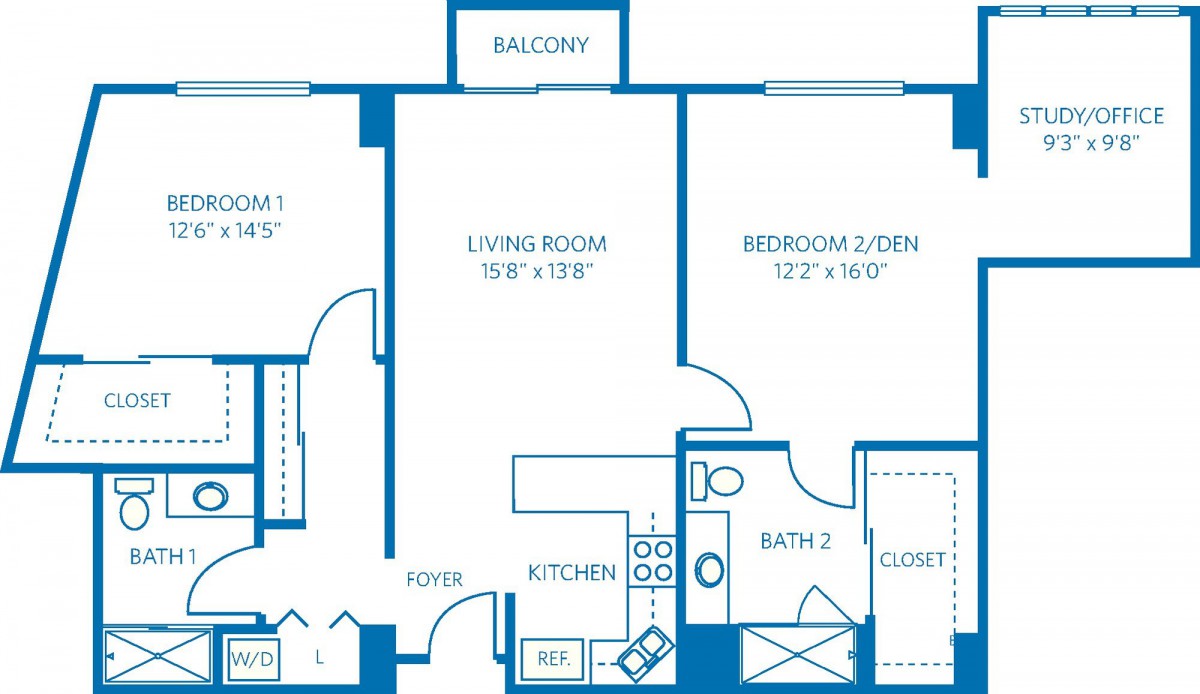
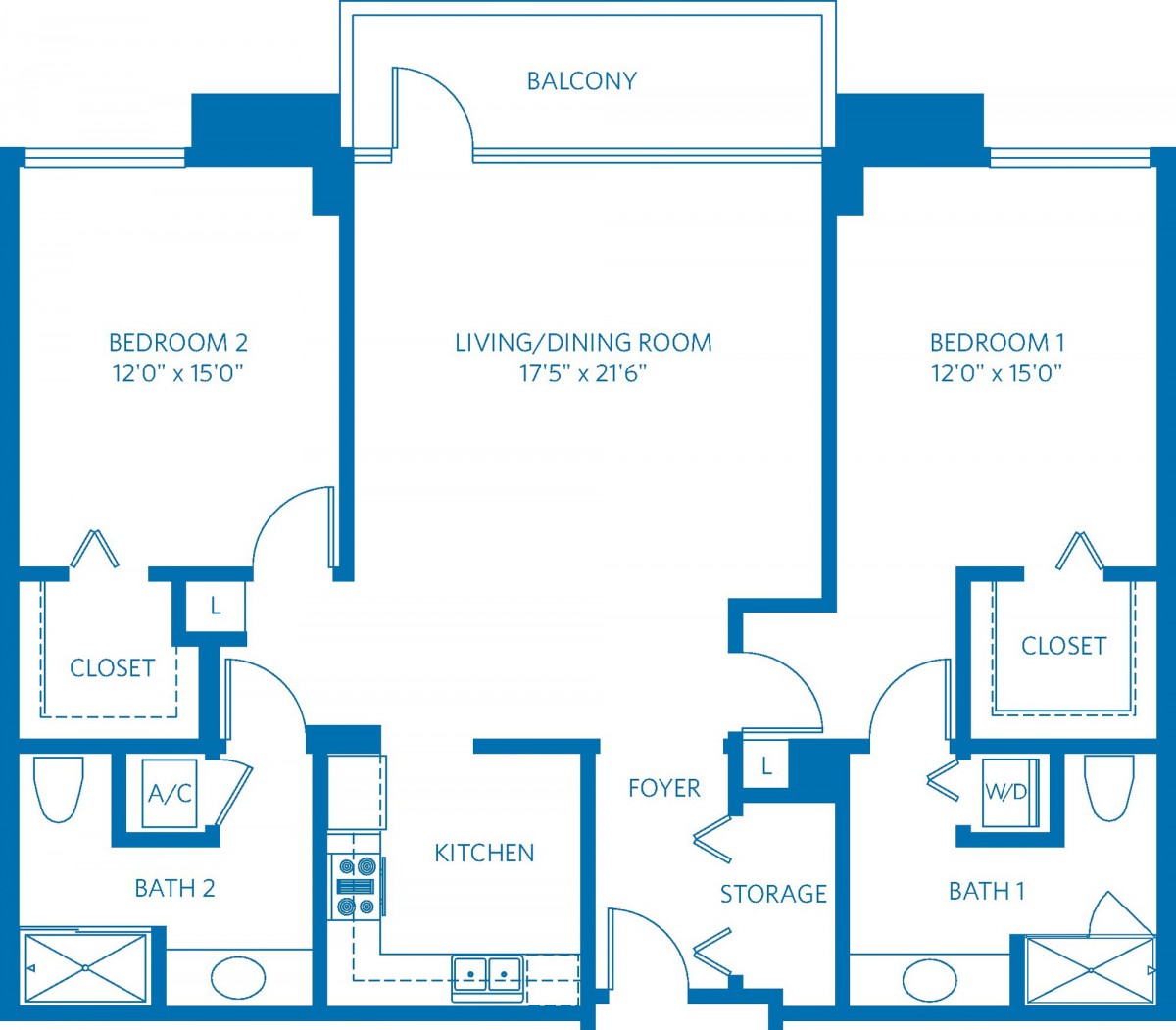
    A floor plan of an apartment featuring a living room, two bedrooms, a kitchen, a bathroom, and a balcony.

Vi at La Jolla Village, a CCRC in San Diego, CA

8515 Costa Verde Blvd, San Diego, CA 92122

For more information about senior living options: (844) 490-3973

4.6 from 108 reviews
5 stars
92
4 stars
6
3 stars
0
2 stars
0
1 stars
10

Independent Living

Vi at La Jolla Village, a CCRC Costs & Pricing

Vi at La Jolla Village, a Continuing Care Retirement Community (CCRC), offers competitive pricing for its accommodations compared to broader regional and state averages. For a one-bedroom unit, residents can expect to pay $4,230 per month, which is slightly more affordable than the San Diego County average of $4,315 and the California average of $4,340. In terms of two-bedroom options, Vi at La Jolla Village presents a higher monthly cost of $6,060; however, this figure still reflects the premium services and amenities provided by the community. Notably, this rate exceeds the San Diego County average of $5,219 and California's statewide figure of $5,270. Overall, while Vi at La Jolla Village's costs may be on the higher side for two-bedroom accommodations, they are positioned competitively within the local market for one-bedroom units.

Floor plansVi at La Jolla Village, a CCRCSan Diego CountyCalifornia
1 Bedroom$4,230$4,315$4,340
2 Bedrooms$6,060$5,219$5,270

Overall Review of Vi at La Jolla Village, a CCRC

Pros

  • pro The Vi is a wonderful place for seniors.
  • pro It offers a wide variety of activities and dining opportunities, with good food.
  • pro The staff are very helpful and friendly.
  • pro The Care Center provides superlative services, delivered with competence and understanding of individual needs.
  • pro The quality of care in the Care Center is exceptional, with staff who are kind, caring, attentive and professional.
  • pro Residents have peace of mind knowing their loved ones are in good hands medically.
  • pro Vi at La Jolla Village provides abundant dining options and menus that accommodate a variety of palettes.
  • pro The community is beautiful, with a welcoming vibe and staff who are kind and committed.
  • pro Executive Chef Gonzalo and his team deliver culinary experiences that wow residents.
  • pro Vi at La Jolla Village is an outstanding senior living community with high-quality care across independent living, assisted living, and memory care.

Cons

  • pro Kedra Markie, Social Services Manager, was unorganized, rude, and intolerant, upsetting the reviewer's mother during bypass surgery recovery; her behavior was unprofessional and distressing.
  • pro The reviewer claims that moving into Vi can cost residents their personal agency and even their apartment at Vi's discretion.
  • pro The Vi's executive director allegedly bullied the reviewer's mother into changing apartments to generate large initiation fees, implying a profit motive.
  • pro The reviewer asserts Vi can access residents' physicians, resulting in a lack of privacy.
  • pro The reviewer recounts an incident where Vi called police and adult protective services when caregivers were busy, causing fear for the mother.
  • pro One reviewer states, "I would avoid this place at all costs."
  • pro The front desk was described as trash by a reviewer.
  • pro A reviewer alleges Vi administrators attempted to move a resident to assisted living based on a dementia diagnosis, ignoring psychologist evaluation and suggesting elder abuse for profit.
  • pro A reviewer reported theft by a cleaning crew recommended by Vi, including vandalism of the entry.

Review

Vi at La Jolla Village is best suited for active, socially engaged seniors who want a comprehensive, life-care oriented environment in a premier San Diego setting. The community rewards residents who value a vibrant calendar of classes, lectures, fitness programs, cultural outings, and diversified dining, all within a two-tower campus that offers independent living alongside a full continuum of care. For couples or peers who want easy access to on-site skilled nursing, memory care, and rehabilitation without relocating, the Vi delivers a seamless path as needs evolve. The combination of walkable access to medical facilities, shopping, entertainment, and the beach-adjacent lifestyle makes this campus a strong fit for those who intend to stay long-term and leverage a built-in community network.

Those who may want to consider alternatives include residents who prize absolute independence with minimal oversight, those who are price-conscious given the cost structure, and families wary of perceived pressure to move between care levels. Several reviews flag concerns about how care-level changes are framed and the potential impact on housing occupancy, which can feel coercive to some. Privacy worries surface in a minority of accounts, along with instances where front-desk or social-services interactions left a poor impression. A handful of negative anecdotes about safety and security, including a theft incident, remind families that no community is immune to missteps. For risk-averse families or those prioritizing a strictly non-profit model, it is prudent to compare other options beyond the Glamor of a sophisticated, for-profit campus.

The Vi's most compelling advantages - its robust care continuum, extraordinary dining, and deep resident-to-staff engagement - tend to offset many of the most consequential drawbacks. Residents consistently praise the caliber and consistency of care in the Care Center, with many recounting competent, compassionate treatment during recoveries and transitions. The on-site team's longevity and the capacity to address medical and rehabilitative needs without evacuating to another facility create priceless peace of mind for families. Dining at multiple venues, led by a renowned culinary program, pairs with broad activity offerings to cultivate belonging and purpose, turning what can be a daunting transition into a richly social, stimulating retirement. While costs are nontrivial, the life-care model provides clarity that long-term care remains available on campus, which mitigates some long-term financial uncertainty for residents and their families.

Still, the most trenchant caveats revolve around governance dynamics and cost expectations. The community's upscale positioning means premium pricing, and the perception that moves into higher care levels can be used to reallocate assets or re-rent units is a recurring concern in several reviews. Prospective residents should insist on a transparent, written understanding of how level-of-care changes are determined, how they affect apartment rights, and what protections exist to preserve resident autonomy. Privacy and physician access require careful review and clear authorization frameworks. Families should verify the credibility of any accusations by speaking with multiple residents and staff, and should request current references from independent sources to gauge how policy translates into day-to-day experience.

For decision-makers, practical due diligence matters most. Schedule a candid tour focused on the care center's operations, ask to meet with the director of social services, and observe interactions across staff roles, from front desk to dining services to therapy teams. Taste a meal in each dining venue, test the wellness facilities, and evaluate the accessibility of services for walkers or mobility aids. Probe the contract for transfer restrictions, fees, and any "life care" guarantees that protect against spiraling costs. Check incident history and security protocols, and gather perspectives from residents about privacy, autonomy, and the balance between independence and support. This is a place where experiences hinge on individual expectations - clarity up front makes the difference between confident relocation and ongoing second thoughts.

Ultimately, Vi at La Jolla Village offers a compelling, high-quality living environment for those who want a dynamic, socially rich retirement with on-site care ready when needed. The blend of superior dining, extensive programming, and a genuine sense of community makes it hard to beat for the right person - one who values continuity, prestige, and a built-in path from independent living to assisted living and beyond. At the same time, families should approach with eyes open to cost, governance questions, and privacy considerations, and compare alternatives that might align more closely with a desire for maximal autonomy or a different financial structure. When a good fit exists, Vi proves itself as an exceptional choice for a long, active, and well-supported retirement.

Features

Types of Care

  • Independent Living Independent LivingIndependent living communities are important for seniors because they offer a safe and supportive environment where older adults can live independently while still having access to amenities and services that enhance their quality of life. These communities provide social opportunities, recreational activities, and assistance with daily tasks, promoting overall well-being and allowing seniors to maintain their independence for as long as possible.

Pets

  • Cats allowed Cats allowed"Pet friendly" senior living communities are important for seniors because pets provide companionship, reduce feelings of loneliness and depression, promote physical activity and mental stimulation, and offer a sense of purpose and responsibility. Pets can improve overall well-being and quality of life for seniors in many ways.
  • Dogs allowed Dogs allowed"Pet friendly" senior living communities are important for seniors because pets provide companionship, reduce feelings of loneliness and depression, promote physical activity and mental stimulation, and offer a sense of purpose and responsibility. Pets can improve overall well-being and quality of life for seniors in many ways.

Amenities

  • Activities off-site Activities off-siteEngaging in off-site activities is crucial for seniors to maintain social connections, stay active, and stimulate their minds. It promotes overall well-being and helps combat feelings of isolation and loneliness.
  • Activities on-site Activities on-siteActivities on-site are important for seniors because they provide opportunities for socialization, mental stimulation, physical activity, and overall well-being. Engaging in activities can help seniors stay active, maintain their independence, and improve their quality of life.
  • Air-conditioning Air-conditioningAir conditioning is important for seniors as they are more vulnerable to heat-related illnesses and may have underlying health conditions that make it difficult for them to regulate their body temperature. It helps to keep them comfortable, safe, and healthy in hot weather.
  • Bath tubs Bath tubsBath tubs are important for seniors because they provide a safe and relaxing way to bathe, helping to prevent slips and falls while promoting independence and overall well-being.
  • Beautician on-site Beautician on-siteHaving a beautician on-site at a senior living community is important for seniors as it allows them to easily access grooming and personal care services, boosting their self-esteem and overall well-being. It also provides convenience and helps seniors maintain their sense of independence and personal style.
  • Cable or satellite TV Cable or satellite TVCable or satellite TV is important for seniors because it provides entertainment, news, and companionship, helping to combat loneliness and boredom. It also offers a wide range of programming options tailored to different interests and preferences.
  • Devotional services off-site Devotional services off-siteDevotional services off-site are important for seniors as they provide spiritual nourishment, social engagement, and a sense of community outside of the senior living facility. This can enhance overall well-being and help combat feelings of isolation and loneliness often experienced by older adults.
  • Full kitchen Full kitchenHaving a full kitchen in a senior living facility is important for seniors because it allows them to maintain their independence and prepare their own meals. This promotes healthy eating habits, saves money on dining out, and provides a sense of familiarity and comfort for residents.
  • Garden view Garden viewGarden views are important for seniors as they provide natural beauty and tranquility, promoting relaxation and overall well-being. Access to green spaces can also encourage outdoor activity and socialization, enhancing physical and mental health.
  • Handicap accessible Handicap accessible"Handicap accessible" amenities are crucial for seniors to ensure they can easily navigate and access facilities, services, and activities without barriers or limitations due to physical impairments. This promotes independence, safety, and inclusivity for seniors in senior living communities.
  • Indoor common areas Indoor common areasIndoor common areas are crucial for seniors as they provide a space for socialization, recreation, and community engagement, promoting overall well-being and reducing feelings of isolation and loneliness.
  • Kitchenette KitchenetteKitchenettes are important for seniors living in senior living communities because they provide the convenience and independence of being able to prepare simple meals and snacks in the comfort of their own living space. This can help promote a sense of autonomy and well-being for seniors, allowing them to maintain some level of control over their dietary choices and daily routines.
  • Outdoor common areas Outdoor common areasOutdoor common areas are important for seniors as they provide a space for socialization, physical activity, and relaxation. Being outside in nature can improve mood and overall well-being, while also encouraging movement and engagement with others. These spaces can help combat feelings of isolation and promote a sense of community among residents.
  • Private patio, deck, or balcony Private patio, deck, or balconyHaving a private patio, deck, or balcony is crucial for seniors living in a retirement community as it provides them with access to fresh air, natural light, and the outdoors without having to leave their home. This outdoor space can promote physical activity, mental well-being, and socialization opportunities for seniors, contributing to an overall improved quality of life.
  • Swimming pool / hot tub Swimming pool / hot tubSwimming pools and hot tubs are important for seniors as they provide a safe and enjoyable way to stay active, improve mobility, reduce joint pain, and promote relaxation. Regular use of these amenities can contribute to overall well-being and quality of life for older adults living in senior communities.
  • Wheelchair accessible showers Wheelchair accessible showersWheelchair accessible showers are crucial for seniors as they provide a safe and independent bathing option for those with mobility challenges. These showers help prevent falls and allow seniors to maintain their dignity and autonomy while ensuring they can bathe comfortably.
  • Wi-Fi/high-speed internet available Wi-Fi/high-speed internet availableWi-Fi/high-speed internet is important for seniors to stay connected with loved ones, access online resources, and participate in virtual activities to combat feelings of loneliness and isolation. It also allows them to easily manage healthcare needs, access entertainment, and engage in lifelong learning opportunities.

Transportation

  • San Diego International-Lindbergh (9 miles away) San Diego International-Lindbergh (9 miles away)
  • MC Clellan-Palomar Airport (18 miles away) MC Clellan-Palomar Airport (18 miles away)

Care Services

  • Diabetic care Diabetic careDiabetic care is crucial for seniors as they are more susceptible to developing diabetes due to aging and other health conditions. Proper management of diabetes can help prevent complications such as heart disease, vision loss, and nerve damage, improving the overall quality of life for seniors in senior living communities.
  • High acuity care High acuity careHigh acuity care is important for seniors because it provides specialized medical attention and support for individuals with complex medical needs. This level of care ensures that seniors receive the appropriate treatment and assistance to maintain their health and quality of life as they age.
  • Incontinence care Incontinence careIncontinence care is essential for seniors to maintain their dignity, hygiene, and overall quality of life. By addressing incontinence issues promptly and effectively, seniors can enjoy a sense of independence and comfort in their daily activities.
  • Medication management Medication managementMedication management is crucial for seniors to ensure they are taking the right medications at the correct dosages and times. This helps prevent adverse drug interactions, reduces the risk of medication errors, and promotes overall health and well-being. Proactive management also allows for adjustments as needed based on changing health conditions or new prescriptions.

Dining

  • Gluten-free Gluten-freeGluten-free options are important for seniors as they are more prone to digestive issues and dietary sensitivities. Offering gluten-free meal choices in senior living communities can help improve their overall health and well-being.
  • Guest meals Guest mealsGuest meals are important for seniors living in senior living communities because they provide an opportunity for socialization and companionship. Sharing a meal with friends, family, or new acquaintances can help combat feelings of loneliness and isolation, promote a sense of community, and enhance overall well-being. Additionally, guest meals allow seniors to enjoy delicious food in a comfortable setting without the hassle of cooking or cleaning up, making dining a pleasurable and stress-free experience.
  • International cuisine International cuisineInternational cuisine is important for seniors because it offers a variety of flavors, ingredients, and cultural experiences that can help keep their meals interesting and enjoyable. Trying new dishes can also stimulate the senses and provide different nutrients that contribute to overall health and well-being. Additionally, exploring international cuisine can bring back fond memories of travels or childhood experiences, making mealtime more nostalgic and fulfilling for seniors.
  • Kosher KosherKosher options are important for seniors because they adhere to dietary laws that are significant to many Jewish individuals, providing them with peace of mind and an opportunity to maintain their cultural traditions and beliefs while living in a senior living community.
  • Low / no sodium Low / no sodiumLow/no sodium options are important for seniors because excessive sodium intake can lead to high blood pressure, heart disease, and other health issues commonly experienced by older adults. By choosing low/no sodium foods, seniors can better manage their health and reduce their risk of developing these conditions.
  • Meals provided Meals provided"Meals provided" are crucial for seniors in assisted living communities as it ensures they have access to nutritious, balanced meals without the stress of meal planning and preparation. This can help promote overall health and well-being for seniors who may have limited mobility or cognitive abilities.
  • No Sugar No SugarNo sugar diets are important for seniors because they can help prevent or manage chronic conditions such as diabetes, heart disease, and obesity. Sugar can also contribute to cognitive decline and inflammation in the body, so reducing sugar intake can lead to overall improved health and well-being in older adults.
  • Organic OrganicOrganic foods are important for seniors because they contain fewer chemicals and pesticides, which can be harmful to aging bodies. Additionally, organic foods often have higher nutrient levels, making them a healthier choice for maintaining overall well-being in older adults.
  • Professional chef Professional chefProfessional chefs are important for seniors living in senior living communities because they provide nutritious and delicious meals that cater to their dietary needs and preferences. A professional chef can ensure that seniors are receiving balanced, flavorful meals that support their overall health and well-being.
  • Restaurant style dining Restaurant style diningRestaurant style dining is important for seniors as it offers them a social and enjoyable dining experience, promotes healthy eating habits, and provides personalized menu options to cater to their dietary needs and preferences. This type of dining setting can enhance their overall quality of life and create a sense of community within the senior living facility.
  • Room service Room serviceRoom service is important for seniors in a senior living community because it provides convenience and allows them to have their meals delivered directly to their room. This can be especially beneficial for seniors who may have mobility issues or difficulty accessing the dining area. Room service ensures that seniors are able to receive nutritious meals without having to navigate through the facility, allowing them to maintain their independence and overall well-being.
  • Special dining programs Special dining programsSpecial dining programs are important for seniors because they provide nutritious meals tailored to their dietary needs and preferences. These programs also offer socialization opportunities, promote overall health and well-being, and can help prevent malnutrition.
  • Vegan VeganVegan diets can provide numerous health benefits for seniors, including lower risk of chronic diseases, improved digestion, and increased energy levels. Additionally, plant-based diets are often rich in essential nutrients that can support overall well-being and longevity in older adults.
  • Vegetarian VegetarianA vegetarian diet is important for seniors because it can help lower the risk of chronic diseases, maintain a healthy weight, and provide essential nutrients needed for aging bodies. Additionally, plant-based diets are often easier on digestive systems and can contribute to overall well-being in older adults.

Activities

  • Art classes Art classesArt classes are important for seniors because they provide a creative outlet, improve cognitive function, reduce stress and anxiety, promote socialization, and enhance overall well-being and quality of life.
  • Bible study group Bible study groupBible study groups provide seniors with a sense of community, spiritual growth, and support during their later years. It helps them stay connected to their faith, find comfort in difficult times, and build meaningful relationships with others.
  • Catholic services Catholic servicesCatholic services are important for seniors because they provide spiritual support, a sense of community, and opportunities for social interaction that can enhance overall well-being and quality of life in their later years.
  • Cooking classes Cooking classesCooking classes are important for seniors as they provide opportunities for social interaction, enhance cognitive skills, promote healthy eating habits, and boost confidence in the kitchen.
  • Day trips and outings Day trips and outingsDay trips and outings are important for seniors as they provide opportunities for socialization, mental stimulation, physical activity, and a break from daily routines. These experiences can enhance overall well-being and quality of life for older adults living in senior communities.
  • Devotional activities offsite Devotional activities offsiteDevotional activities offsite are important for seniors because they provide social engagement, spiritual growth, and a sense of community outside of their living environment. This can improve overall well-being, mental health, and combat feelings of isolation or loneliness.
  • Educational speakers / life long learning Educational speakers / life long learningEducational speakers and lifelong learning opportunities are crucial for seniors as they provide mental stimulation, promote social engagement, and contribute to overall well-being. Continuous learning helps seniors stay mentally sharp, build new skills, and maintain a sense of purpose and fulfillment in their lives. It also allows them to stay connected to the world around them and fosters a sense of community within senior living facilities.
  • Jewish services Jewish servicesJewish services are important for seniors as they provide a sense of community, spiritual support, and connection to their heritage and traditions. These services help enhance overall well-being and quality of life for older adults in senior living settings.
  • Karaoke KaraokeKaraoke provides seniors with a fun and social activity that can boost mood, confidence, and cognitive function. It encourages social interaction, physical movement, and creative expression, making it an important form of entertainment for senior living communities.
  • Live well programs Live well programs"Live well programs are essential for seniors as they provide opportunities for physical activity, social engagement, and mental stimulation, ultimately promoting overall health and well-being in later years."
  • Other religious services Other religious servicesOther religious services are important for seniors as they provide a sense of community, spiritual comfort, and opportunities for socializing. These services can help seniors feel connected to their faith and maintain a sense of purpose and belonging in their later years.
  • Visiting Rabbi Visiting Rabbi"Visiting rabbis provide spiritual and emotional support to seniors in assisted living communities, helping them connect with their faith, find comfort in times of need, and maintain a sense of community and belonging."
  • Visiting chaplain or priest Visiting chaplain or priestHaving a visiting chaplain or priest at a senior living community is important for seniors because it provides spiritual support, comfort, and guidance during a time of life that can be challenging and uncertain. Their presence can help seniors feel connected to their faith, find peace of mind, and cope with the emotional and mental struggles they may face in their later years.

Description

Vi at La Jolla Village is a luxurious Continuing Care Retirement Community (CCRC) located in the vibrant city of San Diego, California. With a range of amenities and care services provided, residents can enjoy a comfortable and fulfilling lifestyle.

The community offers an array of amenities to cater to residents' needs. Activities are available on-site to keep residents engaged and entertained. The indoor common areas provide spaces for socializing and relaxation, while the outdoor common areas offer opportunities for enjoying nature. Residents can also take advantage of the swimming pool and hot tub for leisurely swims or relaxation.

Each living space is designed with convenience in mind, featuring air-conditioning, full kitchens, private patios, decks, or balconies, and Wi-Fi/high-speed internet connectivity. For those needing additional assistance, the community provides handicap accessible features and wheelchair accessible showers.

Care services at Vi at La Jolla Village include high acuity care for those requiring specialized attention, as well as medication management and incontinence care for added peace of mind. Staff members are trained professionals who ensure that residents' needs are met with compassion and expertise.

When it comes to dining options, Vi at La Jolla Village offers a diverse range of choices. A professional chef prepares delicious meals daily using top-quality ingredients. Residents can indulge in international cuisine or opt for special dining programs such as kosher, low/no sodium, organic, vegan, vegetarian, or no sugar options. Room service is also available upon request.

The community believes in fostering spiritual well-being by offering various devotional services both on-site and off-site catering to different religious affiliations including Bible study groups, Catholic services, Jewish services, visiting Rabbi/chaplain/priest services among others.

Moreover, Vi at La Jolla Village benefits from its prime location with numerous amenities nearby. Cafes are conveniently located within close proximity along with parks providing green spaces for outdoor activities. Pharmacies are also easily accessible ensuring residents can easily obtain their medications. Residents have easy access to healthcare as several physicians and hospitals are located nearby. Additionally, transportation options and places of worship are also readily available.

At Vi at La Jolla Village, residents can enjoy a vibrant and fulfilling lifestyle with a variety of amenities, care services, dining options, and activities tailored to meet their individual needs.

Videos

Nearby Places of Interest

This part of San Diego, California offers a convenient and diverse range of amenities for senior living. With easy access to public transportation such as the UTC Trolley Station and Balboa Avenue Transit Center, getting around the area is simple. There are several reputable medical facilities nearby including UC San Diego Health and Scripps Memorial Hospital La Jolla, ensuring quality healthcare services are readily available. Additionally, there are numerous dining options ranging from casual eateries like Shake Shack and Jack In The Box to upscale restaurants like Din Tai Fung. For recreation, residents can explore nearby parks such as La Jolla Shores Park or Torrey Pines State Natural Reserve. Overall, this area provides a well-rounded environment for seniors to live comfortably with access to essential services and entertainment options.

Transportation

  • UTC Trolley Station (0.1 miles)
  • Balboa Avenue Transit Center (4.3 miles)
  • Montgomery Field Airport (MYF) (5.9 miles)
  • Fashion Valley Trolley Station and Transit Center (7.6 miles)

Restaurants

  • Shake Shack (0.3 miles)
  • Din Tai Fung (0.4 miles)
  • Pacific Catch WestCoast Fish House (0.5 miles)
  • Gravity Heights S (2.7 miles)
  • Jack In The Box (3 miles)
  • Cutwater Spirits (3.3 miles)
  • Chick-Fil-A (4 miles)

Cafes

  • Blue Bottle Coffee (0.5 miles)
  • Starbucks (2.5 miles)
  • Starbucks (3.9 miles)
  • Bird Rock Coffee Roasters (4.8 miles)
  • Bird Rock Coffee Roasters (5.1 miles)
  • The Coffee Bean and Tea Leaf (5.7 miles)
  • Blue Bottle Coffee (5.9 miles)

Physicians

  • NVISION Eye Centers (0.7 miles)
  • Sulpizio Cardiovascular Center at UC San Diego Health (0.9 miles)
  • UC San Diego Health - La Jolla 8910 Villa La Jolla Drive (1.1 miles)
  • Stahl Richard Dr Scripps Cardiovascular Thoracic Surgery Group La Jolla (1.2 miles)
  • Pearl Mini IVF (2.2 miles)
  • Sharp Rees-Stealy Mira Mesa (5.2 miles)
  • Jennifer Barkley, MD - Sharp Rees-Stealy Carmel Valley (5.9 miles)

Pharmacies

  • CVS Pharmacy (0.8 miles)
  • CVS Pharmacy (2.6 miles)
  • Walgreens (3.9 miles)
  • CVS Pharmacy (3.9 miles)
  • Walmart Pharmacy (4 miles)
  • CVS Pharmacy (4.8 miles)
  • Rite Aid (4.8 miles)

Hospitals

  • UC San Diego Jacobs Medical Center (0.9 miles)
  • Scripps Memorial Hospital La Jolla (1.3 miles)
  • Scripps La Jolla Emergency Room And Trauma Center (1.3 miles)
  • Scripps Green Hospital (2.5 miles)
  • Scripps Clinic Torrey Pines (2.6 miles)
  • Scripps Clinic (4.8 miles)
  • Kearny Mesa Convalescent and Nursing Home (5.9 miles)

Parks

  • La Jolla Shores Park (2.4 miles)
  • Torrey Pines State Natural Reserve (4 miles)
  • Kate O Sessions Memorial Park (4.3 miles)
  • Lindbergh Park (4.6 miles)
  • Crown Point (5.1 miles)
  • Tourmaline Surfing Park (5.1 miles)
  • Mission Bay Park (5.4 miles)

Places of Worship

  • Good Shepherd Catholic Church (4.8 miles)

Theaters

  • Regal Edwards Mira Mesa 4DX, IMAX & RPX (6.6 miles)
  • AMC Fashion Valley 18 (7.6 miles)

Frequently Asked Questions

How much does it cost to live at Vi at La Jolla Village, a CCRC in San Diego, CA?
Where is Vi at La Jolla Village, a CCRC?
Does Vi at La Jolla Village, a CCRC allow residents to have pets?
What photos are available for Vi at La Jolla Village, a CCRC in San Diego, California?

Nearby Communities

  • VI At La Jolla Village

    VI At La Jolla Village

    San Diego, CA

    4.4 from 28 reviews
     

    pro Seamless transition from independent living to assisted living with extensive amenities.


  • Atria La Jolla

    Atria La Jolla

    San Diego, CA

    4.6 from 177 reviews
    $4,295 to $5,595 / month

    pro Friendly staff and engaging community.

  • The Springs At Pacific Regent La Jolla

    The Springs At Pacific Regent La Jolla

    La Jolla, CA


    pro Extensive on-site amenities and comprehensive care services (24/7 support, ADL assistance, medication management, transportation, dining, fitness).

  • Pacific Regent La Jolla

    Pacific Regent La Jolla

    San Diego, CA

    4.2 from 31 reviews
    $5,000 to $10,500 / month

    pro Strong amenities and responsive staff within an ownership model.

  • Belmont Village Senior Living La Jolla

    Belmont Village Senior Living La Jolla

    San Diego, CA


    pro Comprehensive care options with restaurant-style dining, active programming, and transportation.

  • 24 Hour Home Care - San Diego

    24 Hour Home Care - San Diego

    San Diego, CA

    4.5 from 22 reviews
     

    pro Punctual, professional, and attentive caregivers.

  • Belmont Village La Jolla

    Belmont Village La Jolla

    San Diego, CA

    4.1 from 35 reviews
    $7,180 to $14,890 / month

    pro Beautiful, modern facility with excellent amenities, engaging activities, and quality dining.

  • La Jolla Nursing and Rehabilitation Center

    La Jolla Nursing and Rehabilitation Center

    La Jolla, CA

    2 from 6 reviews
     

    pro Attentive staff (notably Emily) and a pleasant dining/ambiance.

  • Monarch Cottage

    Monarch Cottage

    La Jolla, CA

    4.4 from 29 reviews
    $9,495 to $15,495 / month

    pro Warm, attentive staff with engaging activities and a well-designed, pleasant environment.

Related Resources

  • pneumonia in elderlyEssential Knowledge on Pneumonia in Older Adults

    Pneumonia significantly affects older adults due to weakened immune systems and atypical symptoms that complicate diagnosis, necessitating early detection and tailored treatment. Risk factors include chronic diseases and cognitive impairments, with preventive measures like vaccinations and healthy lifestyles being crucial for reducing risk.

  • palliative care at homeExploring Palliative Care in the Home: A Comprehensive Overview

    Palliative care enhances the quality of life for seriously ill patients by providing comprehensive support at home through a multidisciplinary team, addressing various needs and prioritizing comfort over curative treatments. While it offers personalized care and involves family in decision-making, challenges like caregiver stress and logistical issues persist, with growing demand prompting advancements in technology and healthcare policies to improve access.

  • palliative care at homeComprehensive Insights into Palliative Home Care: What It Is and What to Expect

    Palliative home care focuses on improving the quality of life for individuals with serious illnesses by providing comfort, symptom management, and emotional support in their own homes. This approach includes personalized care plans, regular assessments, and resources for family caregivers, all while prioritizing person-centered treatment that aligns with patients' goals.