
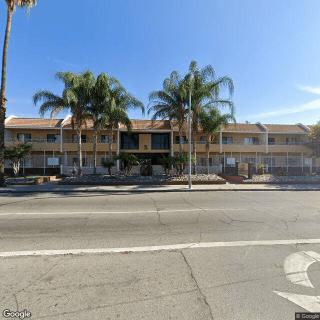
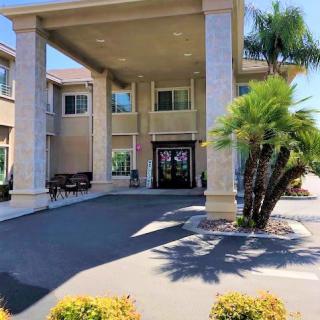
3875 North Belle Street, San Bernardino, CA 92404
For more information about senior living options: (866) 208-4318
Overall Review of La Posada II
Pros
 La Posada's owner and staff took excellent care of her mother.
- They were very attentive and compassionate.
- They ensured she was well taken care of and comfortable.
- The staff were always very kind to visitors, regardless of when they visited her.
Review
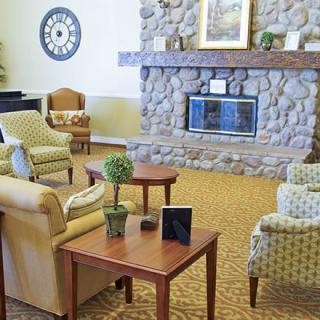
La Posada II in San Bernardino is best suited for families seeking a warm, caregiver-driven assisted living where an elder can receive steady, compassionate attention in a comfortable, home-like setting. The two favorable reviews point to a small-team dynamic guided by owners who lead with hands-on care and caregivers who respond with genuine empathy. Families that want visible, daily engagement from staff who know the resident’s routines, preferences, and comfort cues will find here a reassuring baseline. The environment appears designed to minimize confusion and stress for both resident and visitors, with staff greeting visits at any hour with consistent courtesy. That level of consistency and personal attention can translate into real peace of mind during the transition.
Those planning for residents with more demanding needs may want alternatives. If memory care, rehabilitation after illness or surgery, complex medical oversight, wound care, or specialized therapies are non-negotiable, other communities with formal clinical programs, higher nurse-to-resident ratios, or dedicated dementia units may be a better match. Likewise, families seeking a broad activity calendar, diverse enrichment opportunities, or a larger campus with additional on-site services could derive more value elsewhere. San Bernardino geography also plays a role: if regular, convenient visits or transport logistics matter, these considerations should be weighed against the small-community feel offered here.
On the upside, the strongest asset is unmistakable: the care team’s attentiveness and compassion. In both reviews, the owner and staff are described as highly attentive, considerate, and protective of the resident’s comfort. The mention that staff stay consistently kind to visitors at all hours signals a level of availability and warmth that reduces the anxiety families feel when a loved one moves away from home. When staff establish trust through reliable routines and compassionate introductions to meals, medications, bedtime, and safety checks, the resident’s day becomes predictable in a positive way, lowering stress and fostering a sense of belonging. This relational strength often translates into smoother adherence to care plans and fewer disruptive calls for urgent intervention.
Yet the data set is small. A five-star impression from two reviews is compelling but not definitive. The limited sample invites caution: outcomes may reflect an unusually strong alignment with these particular residents and families, rather than a universal experience. Important operational details are not surfaced in the reviews, price, room configurations, availability, transportation, meal quality, and access to on-site nursing or physician oversight. Families evaluating La Posada II should request current intake processes, arrange a daytime visit, and obtain a transparent outline of what is included in the base rate versus add-ons. Verifying staffing ratios and the cadence of ongoing care planning ensures the positive impression translates into day-to-day reliability.
From a decision-making perspective, the pros clearly offset many potential drawbacks for residents who prize warmth over scale. The practical benefits, strong caregiver responsiveness, compassionate communication with families, and a welcoming atmosphere, can be decisive for someone who thrives on routine, personal interactions, and a stable caregiving team. The absence of explicit cons in the reviews does not erase the need for due diligence. The central question remains whether the resident’s medical and daily living needs align with what a smaller, hands-on operation can sustain over time. If medical complexity grows, an earlier transition plan may be prudent.
In practical terms, families should approach a visit with a structured plan: observe interactions during meals and activities, request sample care plans, meet with the administrator and the direct care staff, and check state compliance records. If the personal touch matters most and the resident’s needs align with assisted living basics, medication assistance, mobility help, daily hygiene, and companionship, La Posada II presents a compelling, down-to-earth option. For those facing memory care challenges, intensive rehab, or a desire for a broader ecosystem of services, alternative communities deserve serious consideration. Ultimately, La Posada II offers a practical, reassuring option where compassionate, attentive care is the defining feature.
 11 resident community capacity
 Assisted Living
 Board and Care Home
 Cable or satellite TV
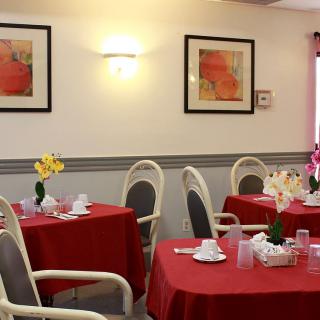
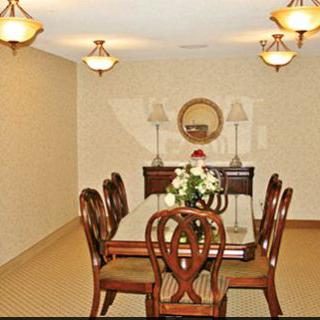
 Dining room
 Fully furnished
 Garden
 Housekeeping services
 Move-in coordination
 Outdoor space
 Telephone
 Wi-Fi/high-speed internet available
 Ontario International (19 miles away)
 24-hour supervision
 Activities of daily living assistance
 Assistance with bathing
 Assistance with dressing
 Assistance with transfers
 Diabetes diet
 Meal preparation and service
 Medication management
 Special dietary restrictions
 Transportation arrangement (medical)
 Transportation to doctors appointments


 A Detailed Exploration of Assisted Living Medicaid Waivers Across the United States
 Comprehensive Residential Support and Assisted Living Solutions for Individuals with Disabilities
 Comprehensive Supportive Living Arrangements for Adults with Disabilities