
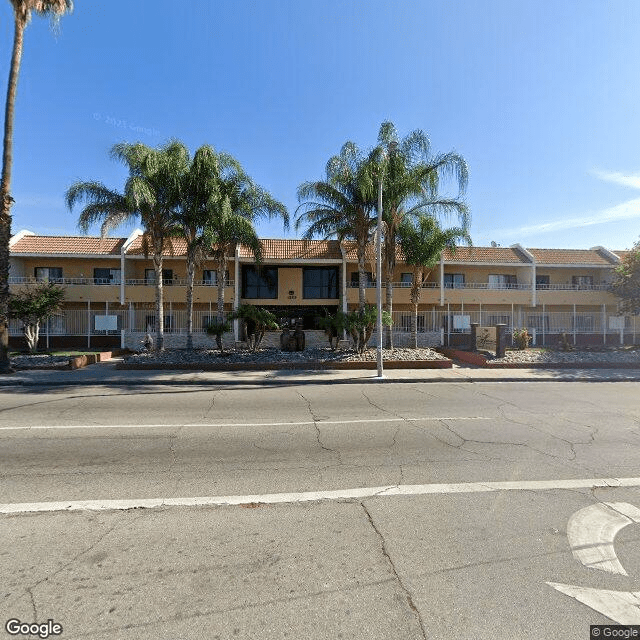
1589 N. Waterman Ave., San Bernardino, CA 92404
To contact a resident: (909) 884-4757
For more information about senior living options: (866) 208-4318
Overall Review of Abria del Cielo/San Bernardino Retirement-SSI
Pros
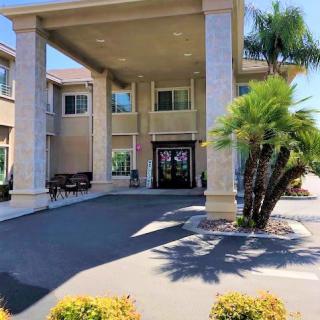
 Abria Del Cielo is a loving facility.
- All the staff care deeply about the residents and try their best to help every single one.
- The facility makes every resident feel at home and part of a family.
- The staff and members see the residents as their own family.
- They host monthly game nights and pizza days for the residents.
- They offer activities such as painting residents' nails and doing their hair.
Cons
 The facility is horrible.
- There are constant fights among the residents.
- The administrators don’t care about the residents and only see them as money.
- This place is despicable.
Review
Abria Del Cielo is best suited for families that prioritize a warm, home-like atmosphere where staff visibly cares and residents are treated like family. The strongest signal from the community is tangible staff engagement: caregivers who appear devoted to residents, efforts to make everyday moments meaningful, and regular social touches such as game nights and small indulgences that reinforce a sense of belonging. For residents who thrive on personal attention, friendly faces, and an environment that feels more intimate than a large campus, Abria Del Cielo can deliver a meaningful, welcoming daily life. This is the kind of place where volunteers note the staff’s willingness to go the extra mile to help someone feel comfortable, even through the ordinary frictions of aging in place.
But this is not a blanket endorsement. Those with tighter expectations for governance, consistency, and a rock-solid system of conflict management should proceed with caution. The reviews point to a troubling pattern where resident disputes arise and the administrative response is called into question. If a family needs a facility that prioritizes formal oversight, predictable staff ratios, and a clear, proactive approach to behavioral issues, Abria Del Cielo may fall short. In short, the community can be deeply warm and person-centered, but the upside is undermined for anyone who demands uniformly calm harmony and a administration that consistently prioritizes resident welfare over budget or optics.
The positive voices emphasize what works when care teams are fully engaged: personal connections, routine personal care, and meaningful activity programming. The same staff energy that makes nails and hair visits, game nights, and social events feel possible also helps residents feel seen and included. These strengths matter, particularly for residents who are content with a smaller, more homelike setting and who do not require highly specialized medical supervision. However, the other side of the ledger reveals that warmth does not automatically translate into stable environments if there are ongoing resident conflicts or if administrative priorities seem misaligned with resident welfare. In such cases, the warmth can feel insufficient to counterbalance the risk of disruption or neglect in minutes of crisis.
Pros offset weaknesses most clearly for residents who are moderately independent, enjoy social engagement, and can rely on family for advocacy and oversight. For those with higher acuity needs, or for families seeking a facility where every policy and procedure is consistently executed without variation, the gaps become more pronounced. The reports of resident fights and perceptions that administrators view residents as financial units rather than people raise legitimate concerns about safety, timely problem-solving, and resident dignity during difficult moments. The beneficial human touch remains valuable, but it cannot fully compensate for governance fragility or recurrent interpersonal friction.
Visiting the community with a checklist can help separate impression from reality. Observe how staff interact with residents: are conflicts deftly de-escalated, and do aides rotate consistently with adequate supervision? Request copies of incident logs and ask about how frequently admin leadership is present on the floor. Inquire about staff turnover, training standards, and how care plans are updated in response to evolving needs. Speak with residents and families about responsiveness to concerns, and examine how activities align with individual preferences. Clarify what happens if conflicts surface, who mediates, how risk is mitigated, and what escalation pathways exist. A careful due diligence process will reveal whether the warmth can be anchored by reliable governance.
The bottom line is clear. Abria Del Cielo can deliver a comforting, family-like atmosphere that makes daily life feel meaningful and personally attended to. That strength is compelling for families prioritizing companionship, accessible social programming, and a sense of belonging. Yet the downsides, reports of resident disputes and questions about how administration treats residents, become decisive for anyone seeking a consistently well-managed, low-friction environment. For families willing to lean into active oversight and to participate in ongoing advocacy, Abria Del Cielo may be a fit. For those who cannot tolerate frequent interpersonal tension or uncertainty about governance, alternatives with stronger oversight and smoother operations are strongly worth pursuing. Decision-making should center on tolerance for variability in day-to-day harmony and the comfort level with active family involvement.
 Cats allowed
 Dogs allowed
 Activities on-site
 Devotional services off-site
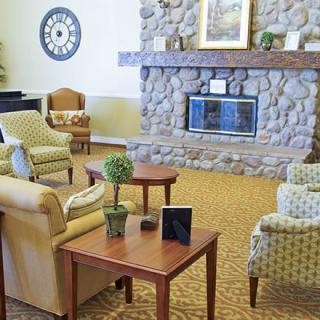
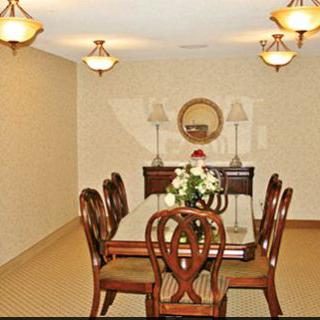
 Indoor common areas
 Ontario International (19 miles away)
 Ambulatory care
 Diabetic care
 Meals provided

 Caregiver Exhaustion: Recognizing the Signs and Restoring Your Well-Being
 Understanding Hospice Care at Home: Comprehensive Services, Key Benefits, and Eligibility
 Understanding the Full Cost of 24/7 In-Home Care: A Detailed Overview