
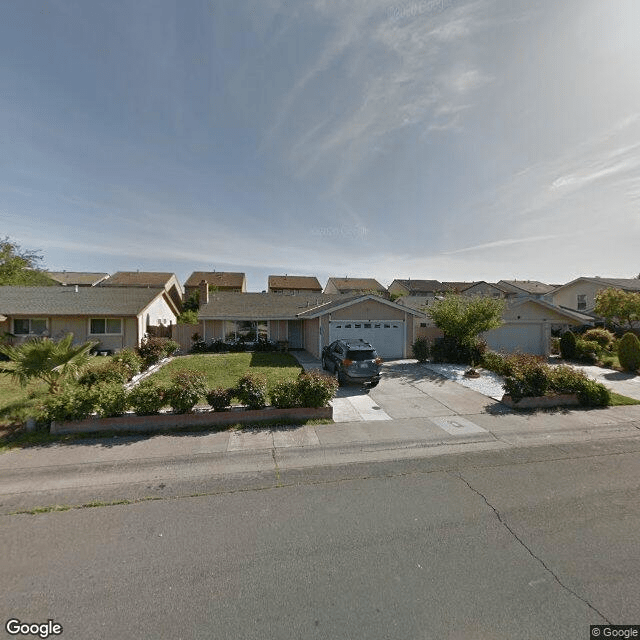
4250 Archean Way, Sacramento, CA 95823
For more information about senior living options: (866) 208-4318
Prasad's Care Home Costs & Pricing
Prasad's Care Home offers competitive pricing for its services, with monthly costs for both studio and semi-private rooms set at $3,000. This rate not only positions the facility favorably against Sacramento County averages - where similar accommodations are priced at $3,865 for studios and $3,106 for semi-private rooms - but also remains significantly lower than the overall state average of $4,145 per studio and $3,333 per semi-private room in California. By providing quality care at this cost-effective level, Prasad's Care Home stands out as an attractive option for families seeking affordable long-term care solutions without compromising on quality.
| Floor plans | Prasad's Care Home | Sacramento County | California |
|---|---|---|---|
| Studio | $3,000 | $3,865 | $4,145 |
| Semi-Private | $3,000 | $3,106 | $3,333 |
Memory care communities with a similar price nearby
-
About the same
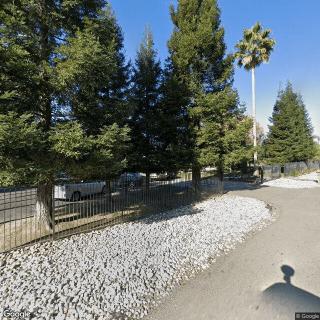
Love & Care for Elder
$3,000 to $4,500 / month17.6 miles away -
from +$500 / mo
Diamond Oaks Residential Care
$3,500 to $4,000 / month22.2 miles away -
from -$500 / mo
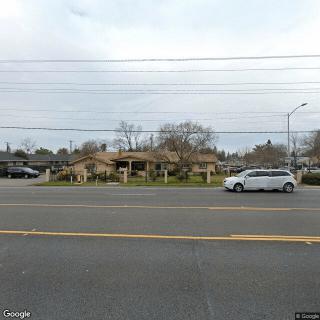
Eastern Manor
$2,500 to $3,000 / month10.7 miles away -
from -$500 / mo
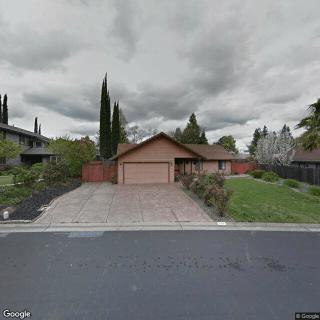
A.R.C. Manor of Folsom
$2,500 to $3,500 / month20.6 miles away -
from +$250 / mo
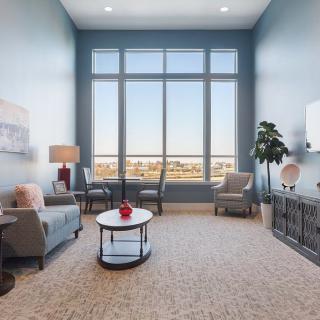
WellQuest of Elk Grove
$3,250 to $5,050 / month4.2 miles away
Overall Review of Prasad's Care Home
Pros
 They are very pleased with Prasad's.
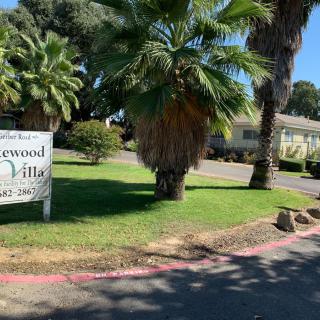
- The facility is in a quiet and clean neighborhood.
- They would recommend Prasad's to others.
- The staff are professional, friendly and caring, and they go above and beyond to engage residents and keep them safe.
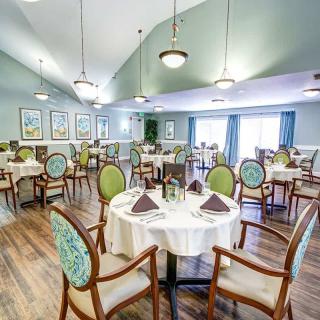
- The facility is beautiful and clean, with a welcoming bistro, a movie theater, and regular events.
- It feels like a home, not a hospital.
- Residents receive meals and snacks, and staff attend to grooming and cleanliness.
- Bedrooms and living spaces are kept clean, and residents socialize and interact with others.
- The staff are cordial, friendly, and attentive, described as wonderful.
- Sanjeeta and the staff are awesome, friendly and attentive.
Cons
 Awful facility
Review
Prasad’s Care Home in Sacramento is best suited for families seeking a warm, home-like atmosphere where seniors receive attentive, compassionate care from a small, cohesive staff. The community emphasizes a calm, residential vibe in a quiet neighborhood, with cleanliness and comfort highlighted repeatedly by families. The environment favors daily routines that feel personal and predictable, rather than clinical. Residents often enjoy ongoing engagement: social activities, regular outings, and conveniences like a bistro area, a movie theater with fresh popcorn, and on-site services that contribute to a sense of normalcy and dignity. For many, this setting translates into noticeable improvements in mood, appetite, and overall well-being.
Those who may want to consider alternatives include families prioritizing hospital-level medical oversight, advanced skilled nursing, or highly specialized memory-care programs with large-scale staffing. Prasad’s is described as a smaller, home-centered operation, which can limit the range of clinical resources and the capacity to manage complex, rapidly changing medical needs. Shared rooms, noted in several impressions, may pose privacy trade-offs for some residents and families. Considering the spectrum of dementia or chronic conditions, a few reviewers suggest exploring options with more formalized medical routines or larger memory-care environments if those elements are non-negotiable.
The strongest positives center on the staff and the culture. Reviews consistently praise professional, kind, and loving caregivers who treat residents with respect, maintain a tidy environment, and stay engaged with daily activities. The owner and management are frequently cited as accessible and committed to a home-centered care philosophy, staffing is described as small but effective, with teams that coordinate well and keep families informed. The atmosphere feels intimate rather than institutional, enabling staff to tailor meals, grooming, and routines to individual preferences, which translates into higher satisfaction and a calmer, more secure living situation for many residents.
That intimate setting and high level of personal attention interact with the practical realities of a smaller operation to offset some notable drawbacks. The home-like environment, ongoing family involvement, and visible dedication from staff help offset potential frustrations around privacy and limited on-site medical specialization. Families report that meals are nourishing and that residents are kept clean, well-groomed, and socially engaged. When a resident’s needs evolve, the same familiar staff are often the ones responding, which preserves continuity of care and reduces stress for both residents and visiting family members. In short, the pros are most potent where individualized attention, emotional warmth, and predictable routines matter most.
Nevertheless, the concerns raised by a minority of reviews cannot be ignored. A one-star experience hints at inconsistency or unmet expectations in some cases, underscoring the importance of firsthand evaluation. Prospective families should verify current staffing ratios, comfort with shared rooms, and the facility’s capacity to accommodate evolving medical or memory-care needs before committing. It is prudent to conduct unannounced visits, speak with direct caregivers, and review a formal care plan to understand how much medical oversight is available on a day-to-day basis. Transparency about licensing, emergency protocols, and continuity of care remains essential.
The practical takeaway is clear: Prasad’s Care Home offers a trusted, family-style home for seniors who thrive on personal attention, clean surroundings, and a social calendar that reinforces dignity and belonging. It is an excellent fit for those who value a calm, supportive atmosphere and who do not require extensive, hospital-grade medical services on site. For families prioritizing private rooms, extensive clinical programs, or highly specialized dementia care with large staff networks, alternatives may deliver a better fit. A deliberate tour, targeted questions about room configurations, care planning, and memory-care capabilities will determine whether this community aligns with specific needs and expectations.
 6 resident community capacity
 Assisted Living
 Board and Care Home
 Memory Care
 Respite Care
 Activities on-site
 Cable or satellite TV
 Devotional services on-site
 Dining room
 Fully furnished
 Garden
 Housekeeping services
 Indoor common areas
 Move-in coordination
 Outdoor common areas
 Private bathrooms
 Telephone
 Wi-Fi/high-speed internet available
 Sacramento International (17 miles away)
 24-hour supervision
 Ambulatory care
 Assistance with bathing
 Assistance with dressing
 Assistance with transfers
 Diabetes diet
 Diabetic care
 High acuity care
 Incontinence care
 Meal preparation and service
 Medication management
 Special dietary restrictions
 Transportation arrangement (medical)
 Transportation to doctors appointments
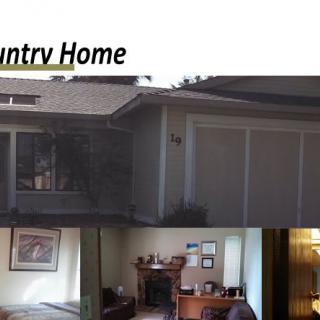

 Dementia Behaviors: In-Depth Understanding and Effective Coping Strategies
 5 Early Indicators of Dementia and What You Can Do
 8 Important Indicators That Memory Care May Be Necessary