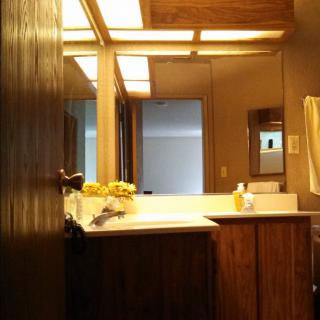
19 Oracle Court, Sacramento, CA 95823
To contact a resident: (916) 226-0210
For more information about senior living options: (866) 208-4318
Smith Country Home Costs & Pricing
At Smith Country Home, we offer competitive pricing for our residents that reflects a commitment to affordability and quality care. For semi-private rooms, the monthly cost is $1,500, which is significantly lower than the average rates in Sacramento County at $3,106 and across California at $3,333. Our private rooms are also priced competitively at $3,000, compared to Sacramento County's average of $3,686 and California's state average of $3,939. This positioning not only provides excellent value but also ensures that residents receive exceptional support in a welcoming environment without straining their financial resources.
| Floor plans | Smith Country Home | Sacramento County | California |
|---|---|---|---|
| Semi-Private | $1,500 | $3,106 | $3,333 |
| Private | $3,000 | $3,686 | $3,939 |
Memory care communities with a similar price nearby
-
from +$100 / mo
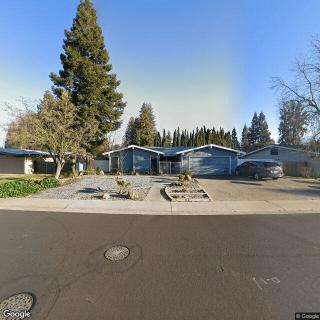
Gormley's Retirement Home
$1,600 to $2,400 / month6.0 miles away -
About the same
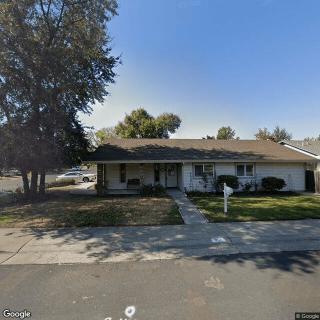
Regala's Care Home II
$1,500 to $2,000 / month20.6 miles away -
About the same
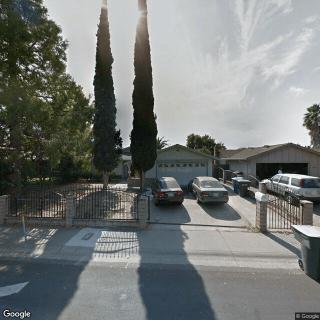
Red Deer Guest Home
$1,500 to $2,500 / month0.2 miles away -
About the same
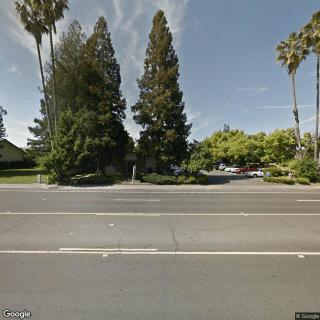
Stacie's Chalet - Sacramento
$1,500 to $2,000 / month9.9 miles away -
from +$100 / mo
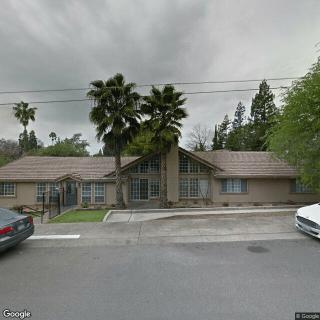
Sterling Suites
$1,600 to $2,600 / month15.6 miles away
Overall Review of Smith Country Home
Pros
 They were very impressed with the home.
- They found it nice and clean with a friendly staff and owners.
- They would recommend it for a high-functioning and mobile loved one.
- Lea was very friendly and helpful.
- The residents were friendly and alert, and the facility was nice and clean.
- They felt it may be a good fit and planned to negotiate and move forward.
Cons
 The reviewer was reluctant to visit because of the location in South Sacramento.
- The area is not the best.
Review
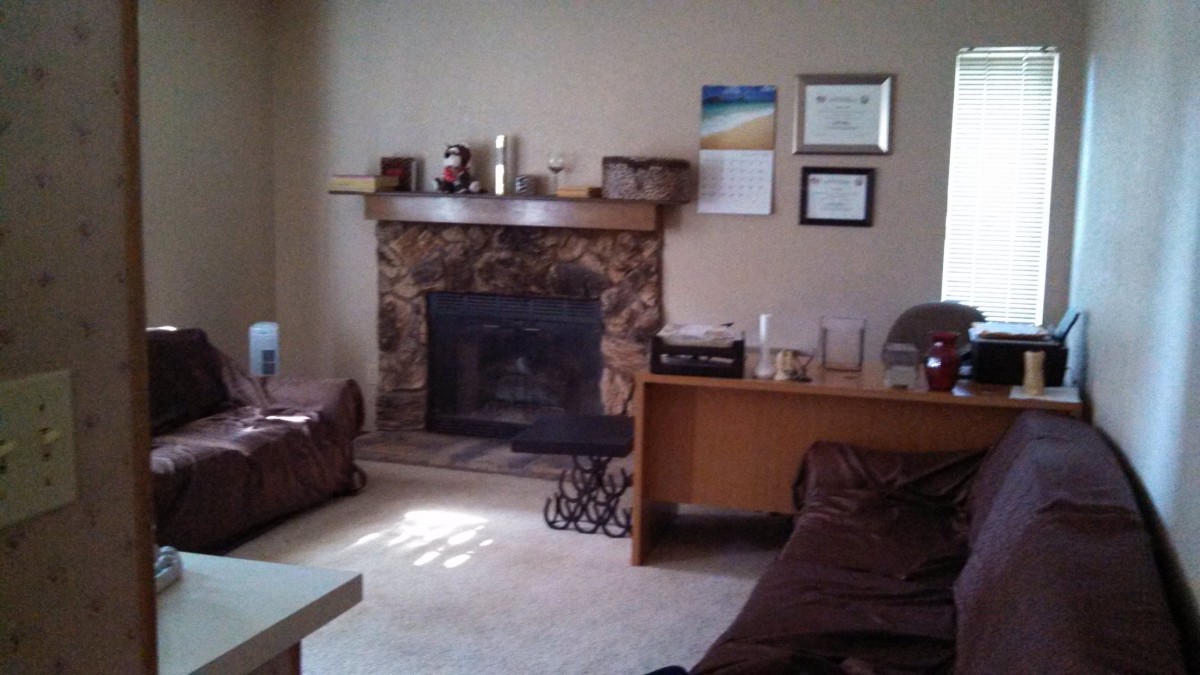
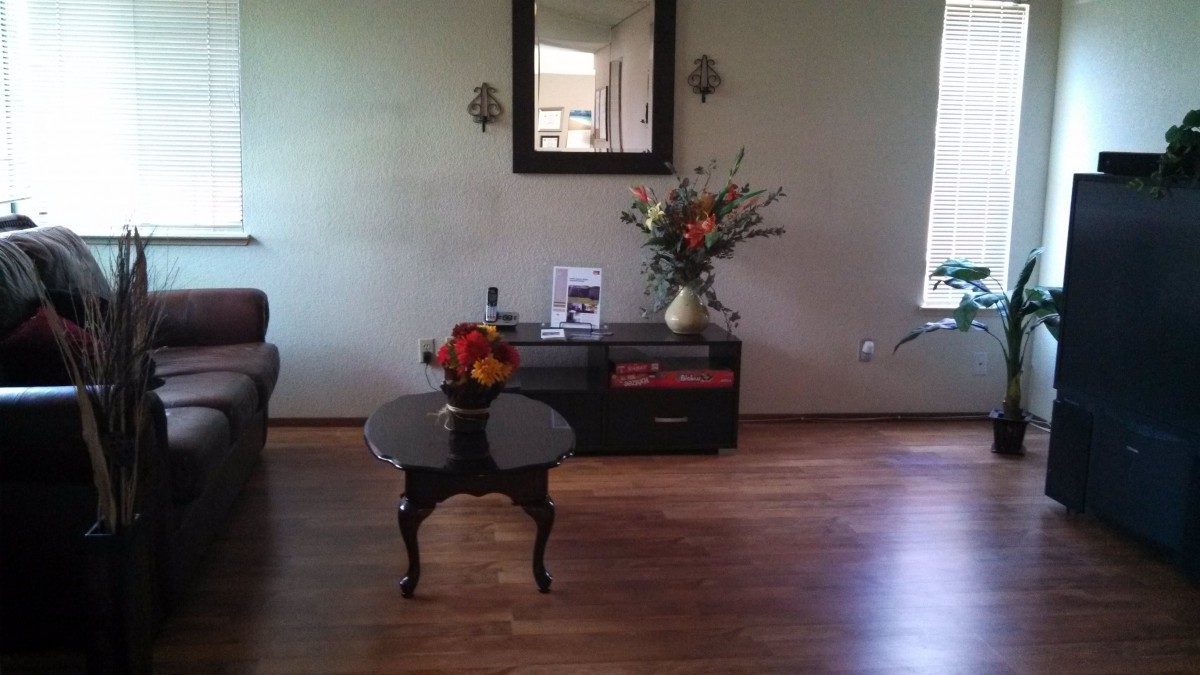
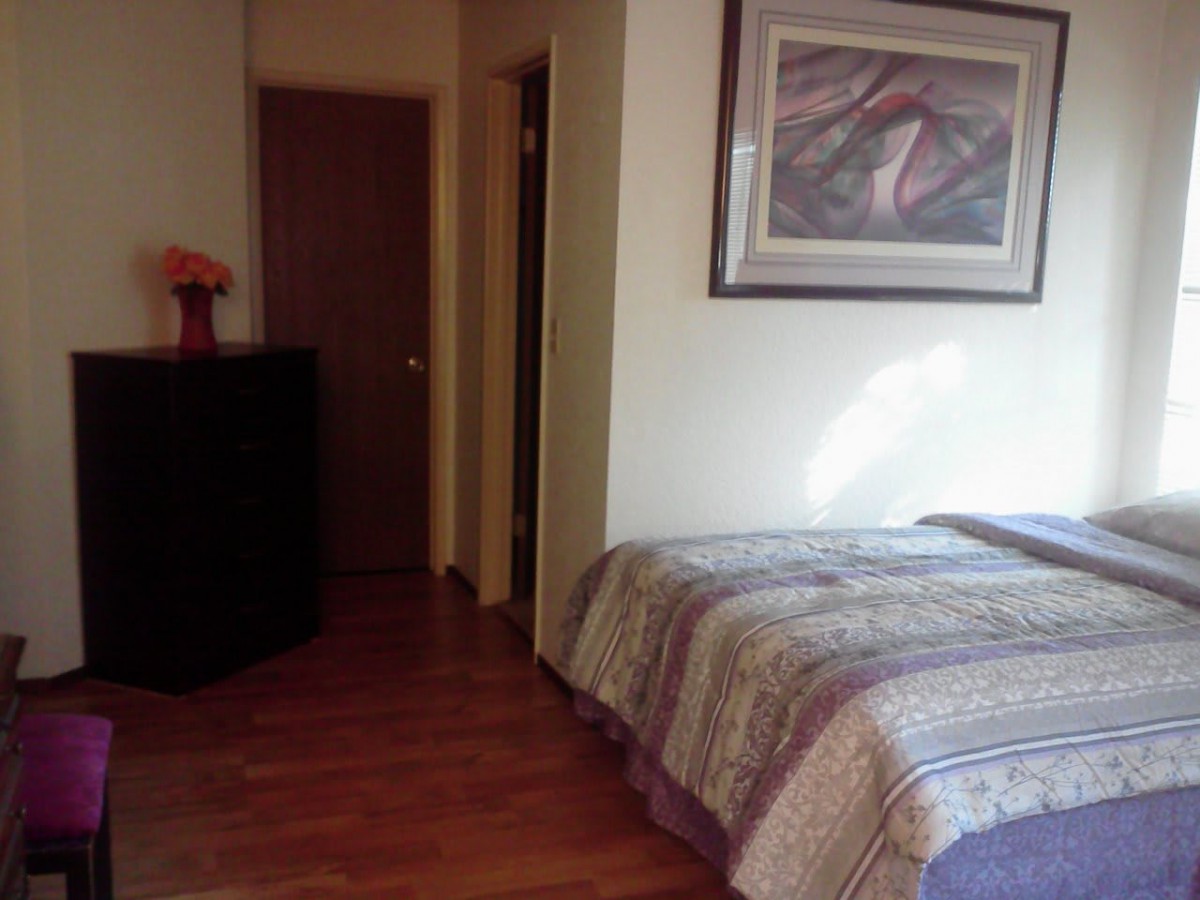
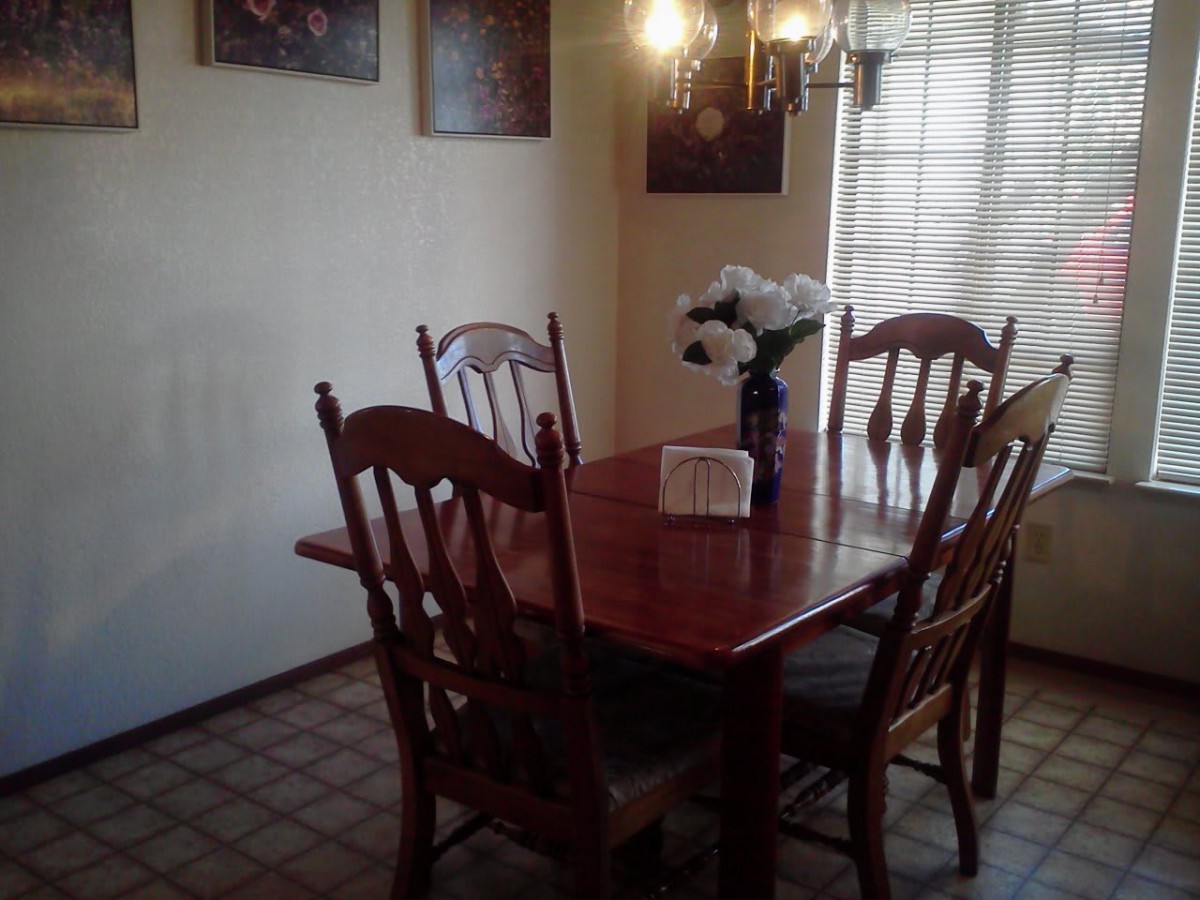
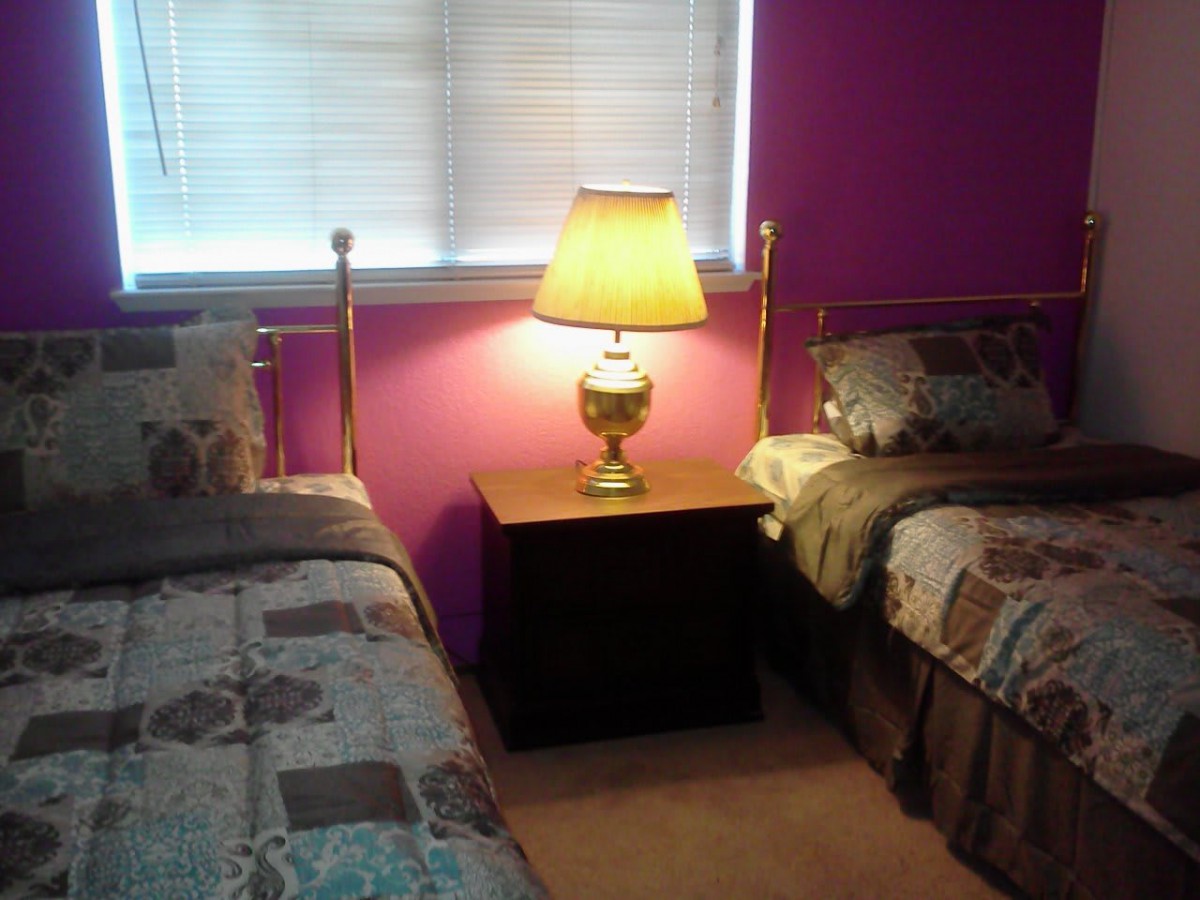
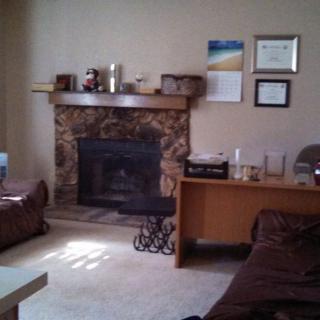
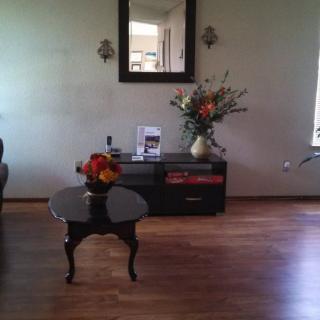
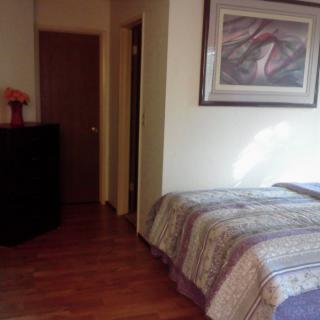
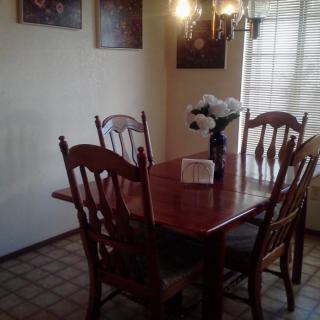
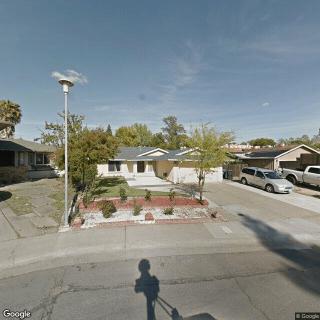
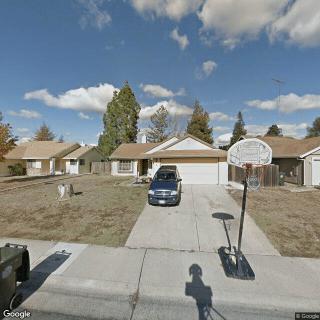
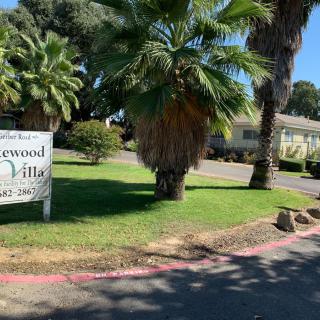
Smith Country Home in Sacramento is best suited for high-functioning seniors who want a warm, home-like setting and for families that value personal attention over campus size. The community consistently reads as clean, well maintained, and staffed by a small team that residents and families can know by name. The environment favors predictable routines, quiet moments, and safety, aided by a cul-de-sac location with little traffic. For families comparing it with larger dementia-focused campuses, this home offers a comparable standard of care delivered in a more intimate, less institutional package. It works particularly well for residents who can stay active and stay socially engaged with modest supervision. For those prioritizing kindness, predictability, and straightforward price comparisons, this option stands out.
Those considering alternatives are typically families with residents who require robust dementia care, round-the-clock clinical oversight, or a richer activity calendar. The surrounding area isn’t described as a standout amenity by reviewers, which can matter for families prioritizing neighborhood quality or accessibility to medical resources. If frequent medical appointments or significant mobility challenges are part of daily life, or if a structured cognitive-stimulation program is non-negotiable, a larger facility with broader resources may be preferable.
The strongest positives are cleanliness, friendly and engaged staff, and owners who appear involved in daily operations. Residents come across as friendly and alert, and staff interactions feel accessible and supportive. The low-traffic, cul-de-sac setting adds to safety for residents who still move about. These advantages help offset potential gaps in programming depth or in-house medical capacity. For a family seeking a low-stress, personable atmosphere, these factors often trump location drawbacks and any perception of limited amenities. The lack of flashy amenities is a feature, not a flaw, for many who value calm, predictable surroundings.
Practical visits should focus on daily rhythms and personal connections. Observe how staff greet residents, how meals are handled, and whether activities align with the resident’s interests. Lea, noted in multiple accounts as a welcoming presence, should be met to gauge consistency and responsiveness. Inquiries about memory-care capabilities, staff training in dementia care, and how care plans are updated are essential. Given the quiet, low-traffic setting, verify safety features outdoors and the degree of supervision during common activities.
Care fit hinges on independence level. A resident who can participate in tasks, enjoy social occasions, and accept light supervision is likely to thrive here. The reviews do not detail advanced medical or dementia programming, so families should probe staffing ratios, nurse availability, and the facility’s plan for escalation if needs increase. In short, Smith Country Home offers a humane, respectful environment that supports dignity and pace over institutional intensity.
Bottom line: this community suits families seeking a clean, personable, smaller-scale option for mobile, socially oriented seniors. It stands out for safety-conscious placement and intimate staff attention. For those whose loved one needs robust memory care, heavy clinical oversight, or a location with stronger neighborhood amenities, alternatives should be weighed. A deliberate visit, focusing on dementia capabilities, safety features, daily routine, and conversations with staff, will reveal whether Smith Country Home matches the next phase of care.
 Board and Care Home
 Memory Care
 Activities off-site
 Air-conditioning
 Bath tubs
 Cable or satellite TV
 Devotional services off-site
 Indoor common areas
 Outdoor common areas
 Private
 Private bathrooms
 Respite or short term stays offered
 Swimming pool / hot tub
 Wheelchair accessible showers
 Wi-Fi/high-speed internet available
 Sacramento International (17 miles away)
 Ambulatory care
 High acuity care
 Incontinence care
 Medication management
 Anytime dining
 Bible study group
 Cooking classes
 Day trips and outings
 Forever fit
 Karaoke
 Live well programs
 Quilting or sewing club

 Are Dementia and Alzheimer's Disease Lethal? A Comprehensive Exploration
 Exploring the Power of Reminiscence Therapy for Individuals With Dementia
 An In-Depth Look at Reminiscence Therapy in Dementia Care