
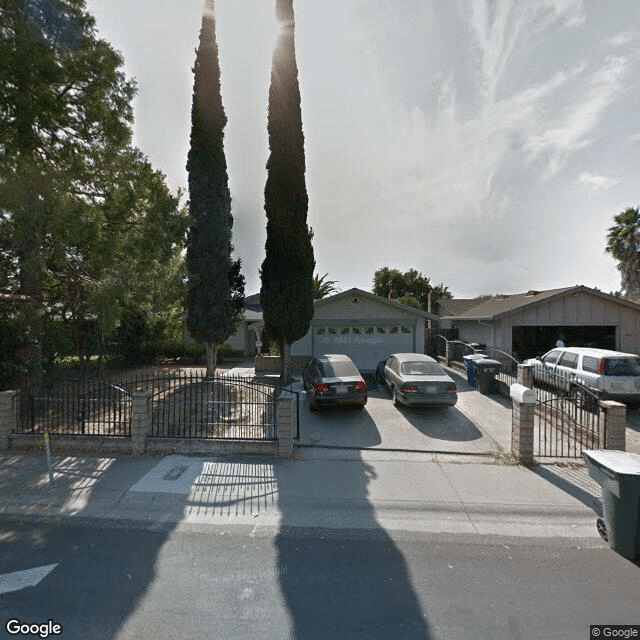
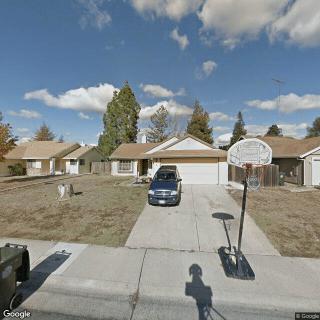
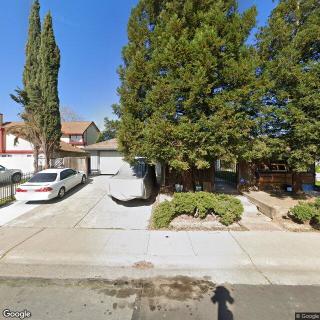
4230 Red Deer Way, Sacramento, CA 95823
To contact a resident: (916) 391-8496
For more information about senior living options: (866) 208-4318
Red Deer Guest Home Costs & Pricing
Red Deer Guest Home offers a competitive pricing structure for its residential care services, particularly when compared to the broader market within Sacramento County and California as a whole. For semi-private accommodations, Red Deer Guest Home charges $1,500 per month, significantly lower than the county average of $3,106 and state average of $3,333. In the case of private rooms, residents can expect to pay $2,500 monthly at Red Deer Guest Home, which again stands in stark contrast to the higher costs in Sacramento County at $3,686 and in California where prices reach an average of $3,939. These attractive rates not only make Red Deer Guest Home an appealing option for families seeking quality care but also reflect a commitment to affordability without compromising on service or comfort.
| Floor plans | Red Deer Guest Home | Sacramento County | California |
|---|---|---|---|
| Semi-Private | $1,500 | $3,106 | $3,333 |
| Private | $2,500 | $3,686 | $3,939 |
Memory care communities with a similar price nearby
-
from +$100 / mo
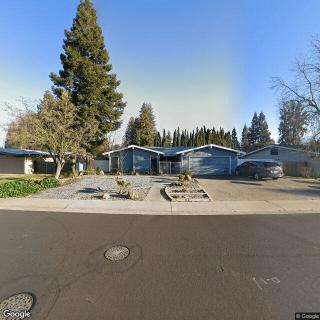
Gormley's Retirement Home
$1,600 to $2,400 / month5.8 miles away -
About the same
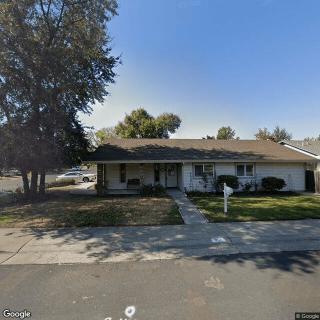
Regala's Care Home II
$1,500 to $2,000 / month20.7 miles away -
About the same

Stacie's Chalet - Sacramento
$1,500 to $2,000 / month9.9 miles away -
About the same
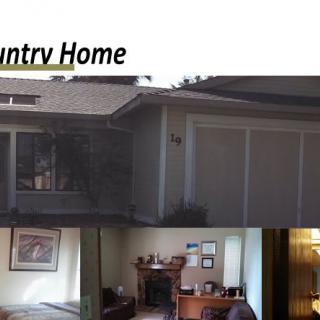
Smith Country Home
$1,500 to $3,000 / month0.2 miles away -
from +$100 / mo
Sterling Suites
$1,600 to $2,600 / month15.6 miles away
Overall Review of Red Deer Guest Home
Pros
 Everything so far is great.
- The home is well managed.
Review
Red Deer Guest Home in Sacramento is best suited for families seeking a small, intimate, well‑run home where hands‑on management and a homelike feel are prioritized in the early weeks of transition. The community appears to excel at what matters most in a start‑up phase: clear leadership, orderly routines, and a sense that operations are under control. This is a setting where residents likely experience steady daily structure, predictable communication from administration, and a welcoming atmosphere that reduces the sense of moving into a clinical environment. For families with a emphasis on oversight, responsiveness, and a personal touch, Red Deer Guest Home offers a compelling first impression and a reassuring sense of organization.
Those considering alternatives should note that the available feedback is narrowly focused and very early in the resident experience. There is no long track record presented, no detailed breakdown of care levels, and no comprehensive view of amenities or clinical support. Families needing robust medical nursing, memory care with specialized programming, or extensive social activity calendars may want to explore larger facilities or communities with a well-documented history of outcomes. In short, this should not be the default choice for those who require fixed, broad, or highly specialized services, or for those who want a lot of demonstrable data before making a decision.
The strongest pro is the apparent quality of management. Early signals, cleanliness of operations, orderly processes, and prompt, reliable communication, translate into a foundation where residents and families can feel confident about daily life and problem resolution. A well‑managed home often means fewer abrupt policy shifts, more consistent staffing patterns, and quicker responses to needs as they arise. In a setting this small, that level of control can meaningfully reduce stress for both residents and families during the initial transition, and it tends to foster dependable routines that support safety and peace of mind.
The small‑house dynamic itself is a meaningful advantage. With fewer residents, staff can deliver closer supervision, individualized attention, and faster, more personal interactions. For families who want to stay closely involved, this structure typically means easier coordination of care plans, on‑the‑ground observation, and candid conversations with caregivers. When management is solid, these advantages compound: families gain confidence that the day‑to‑day experience aligns with what was promised during tours and initial conversations. Yet the flip side of a small setting is that it may offer a narrower range of activities, fewer on‑site specialists, and less formal programming than larger communities, which is a real consideration for those seeking a particularly rich activity schedule or diverse therapy options.
Given the limited data, it is prudent to treat Red Deer Guest Home as a high‑potential option rather than a definitive solution. The main unknowns, the depth of clinical supports, the exact staffing mix by shift, the menu quality, and the variety of social and cognitive engagement opportunities, should be investigated through disciplined questions during visits. Families should press for a transparent outline of staffing ratios, attachment to a licensed care plan, and examples of daily schedules. If possible, request references from current residents or families, review recent inspection reports, and observe a meal and activity period to gauge genuine liveliness and safety. These steps help ensure the favorable early impressions endure over time.
In the end, the recommendation is practical and decisive: pursue a firsthand evaluation with a structured checklist, then compare against options with longer histories and broader service lines. Red Deer Guest Home shows promise as a well‑run, intimate setting with the potential to deliver a reassuring, family‑friendly experience in Sacramento. If those are the priorities, a careful visit and direct conversations will likely confirm fit. If instead a resident requires extensive medical care, highly specialized memory programming, or a larger, more varied community life, alternatives with established long‑term records should be pursued. The key is to observe, ask, and align expectations with what the home can sustain day after day.
 Board and Care Home
 Memory Care
 Dogs allowed
 Activities off-site
 Devotional services off-site
 Indoor common areas
 Outdoor common areas
 Private
 Private bathrooms
 Respite or short term stays offered
 Wheelchair accessible showers
 Sacramento International (17 miles away)
 Ambulatory care
 Diabetic care
 High acuity care
 Incontinence care
 Medication management
 Meals provided

 Medications Associated with Dementia Risk: A Comprehensive Overview
 Guiding Your Journey: Understanding Power of Attorney for Elderly Parents
 22 Remarkable Caregiver Support Groups Available Online and In-Person