
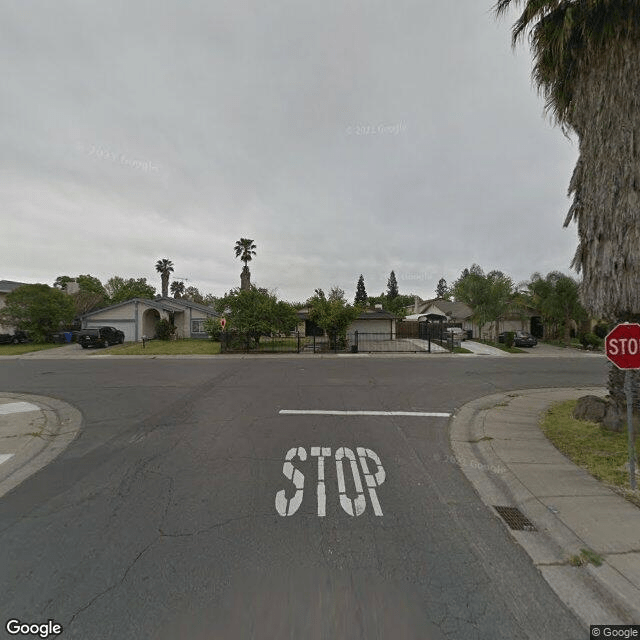
7983 Farnell Way, Sacramento, CA 95823
To contact a resident: (916) 392-5459
For more information about senior living options: (866) 208-4318
Overall Review of Rcca Svc
Pros
 The care team provided excellent care.
- The nurses and technicians are great people who make the experience pleasant.
- Staff members are encouraging and supportive throughout treatment.
- The staff helps put patients at ease with their kindness.
- Dialysis is life-giving.
Cons
 They described the service as rude and bad.
- They stated the overall experience was awful.
Review
This community is best suited for dialysis patients who need highly competent, compassionate on-site care and a reassuring, positive environment during treatment. The core strength here is a skilled dialysis team that can handle routine procedures and complications with confidence, paired with staff who actively encourage and comfort patients through the typically strenuous dialysis experience. For families prioritizing reliable access to skilled nurses and technicians who keep a patient’s treatment on track, RCCA Svc delivers where it matters most: medical proficiency, prompt problem-solving, and a warm, supportive atmosphere that can make long sessions feel more manageable.
Those who may want to consider alternatives are those seeking a broader spectrum of senior living services beyond dialysis support. While the facility excels in dialysis-related care, the reviews hint at variability that could matter in daily interactions outside treatment hours. Prospective families should scrutinize consistency of communication, general caregiver attentiveness, and the availability of non-dialysis activities or amenities. If the goal is a more uniform customer-service experience across all staff encounters or a community with a wider range of non-medical senior living offerings, exploring other options would be prudent.
The most compelling pro is the care team's effectiveness and attitude during dialysis. Reviewers repeatedly point to a highly capable group, nurses and technicians who manage fistula issues with care and professionalism and who approach each treatment with a positive, encouraging stance. This combination of technical competence and empathetic support can translate into shorter anxiety, smoother procedures, and better overall treatment experiences. When a patient’s main objective is steady, life-sustaining dialysis delivered by people who genuinely aim to make the process bearable, these strengths can decisively outweigh other concerns.
Equally important is the emotional ease fostered by the staff. The consistent message from multiple accounts is that the personnel work hard to put patients at ease, maintaining a pleasant atmosphere that helps patients feel understood and cared for. That kind of environment matters as much as clinical skill because it reduces stress, improves cooperation during sessions, and can influence a patient’s willingness to engage with the treatment plan over time. For families weighing safety and comfort alongside medical outcomes, such a staff dynamic is a meaningful differentiator.
Nevertheless, the presence of at least one strongly negative review cannot be ignored. A single report of rude and bad service signals potential variability in interpersonal interactions. This underscores the need to verify consistency: ask for assigned staff to minimize turnover, request a point of contact for ongoing questions, and discuss how concerns are addressed. Prospective residents should also inquire about the caregiver-to-patient ratio, how often staff assignments rotate, and whether there are mechanisms to escalate complaints promptly. This is not a caution against the facility, but a prudent step to ensure that the preferred level of service is reliably met.
In the end, RCCA Svc earns its solid 3.9 rating by delivering indispensable dialysis-focused care in a setting that is described as welcoming and supportive. For families whose primary criterion is access to expert dialysis with a nurturing staff, this option stands out as a practical, dependable choice in Sacramento. If the decision hinges on broader, non-dialysis living needs or on a uniformly exemplary service culture across all touchpoints, additional communities should be explored. A disciplined inquiry, tours, conversations with current residents, and explicit questions about consistency and complaint handling, will reveal whether this center truly aligns with long-term goals or if a different path better fits the household’s expectations.
 Sacramento International (17 miles away)


 Managing Nursing Home Expenses After Medicare Coverage Ends
 Is a Geriatric Care Manager the Right Choice for Your Family?
 Compassionate Conversations: How to Comfort Someone Who Is Grieving