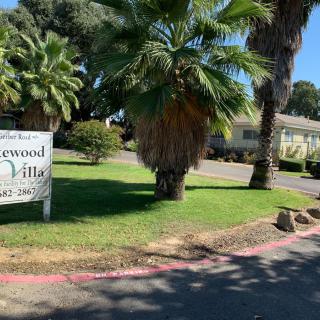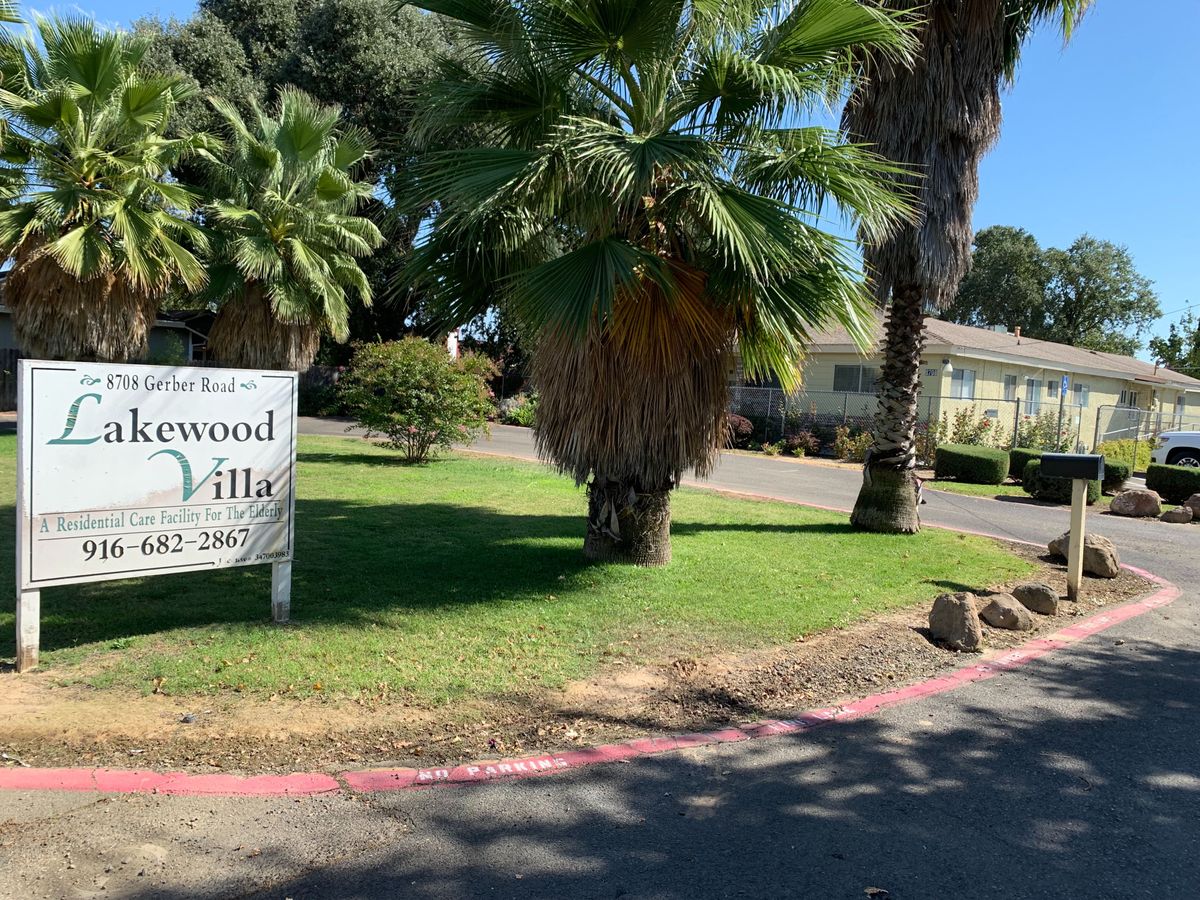
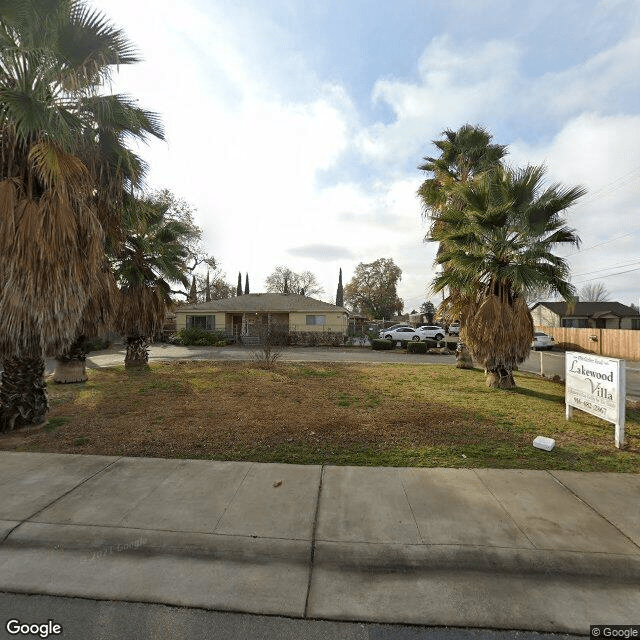
8708 Gerber Road, Sacramento, CA 95828
For more information about senior living options: (866) 208-4318
Lakewood Villa Costs & Pricing
Lakewood Villa offers competitive pricing for its assisted living accommodations, with monthly costs that are generally favorable compared to both Sacramento County and the broader California market. For semi-private rooms, residents at Lakewood Villa pay $3,000 per month, which is slightly lower than the county's average of $3,106 and significantly below the state average of $3,333. Additionally, the private room option is priced at $4,000 monthly; this rate remains below Sacramento County's average of $3,686 and California's higher average of $3,939. Overall, Lakewood Villa presents an appealing financial choice for those seeking quality assisted living options in a supportive environment.
| Floor plans | Lakewood Villa | Sacramento County | California |
|---|---|---|---|
| Semi-Private | $3,000 | $3,106 | $3,333 |
| Private | $4,000 | $3,686 | $3,939 |
Memory care communities with a similar price nearby
-
About the same
Love & Care for Elder
$3,000 to $4,500 / month16.2 miles away -
from +$500 / mo

Diamond Oaks Residential Care
$3,500 to $4,000 / month20.4 miles away -
from -$500 / mo
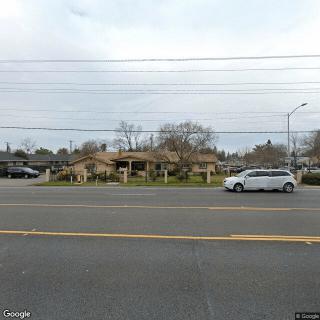
Eastern Manor
$2,500 to $3,000 / month9.2 miles away -
from -$500 / mo
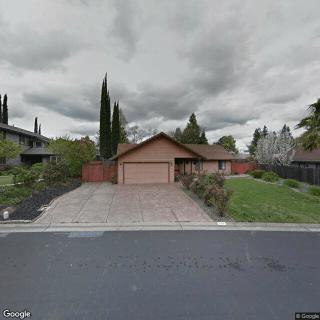
A.R.C. Manor of Folsom
$2,500 to $3,500 / month17.7 miles away -
from +$250 / mo
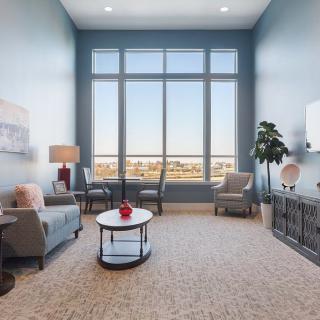
WellQuest of Elk Grove
$3,250 to $5,050 / month3.3 miles away
Overall Review of Lakewood Villa
Pros
 The facility is great and awesome, with caring professionals around the clock.
- The sister is happy at Lakewood Villa, which relieves the family’s stress.
- The director is wonderful to work with.
- The staff are on time for appointments and answer questions in detail.
- The property is clean, and the apartments are spacious with natural lighting.
- The staff are familiar with Filipino culture and treat residents like family.
- Families feel comfortable with the care their mothers receive, noting kind and respectful caretakers.
Cons
 Lakewood Villa seems more like a warehouse for the disenfranchised.
- The facility has no program for residents' mental health unless it is provided elsewhere.
- It was a good place, but it didn't work out for their mother.
- The activities are limited, with no outside activities to keep residents connected to society.
- Due to staffing, some services beyond doctor visits could not be provided.
- The exits have alarms and the building is dated and locked, restricting residents from going outside.
Review
Lakewood Villa in Sacramento is best suited for families seeking round-the-clock caregiving in a warm, hospitable setting where staff reliability and a responsive leadership team deliver steady reassurance. The community earns high marks for daily attentiveness, with caregivers who stay present and engaged, and a director described as wonderful to work with. Families report that residents are well groomed, content, and frequently described as happy by visitors who feel welcome and included. Cleanliness and a bright, open-feel environment add to the sense of safety, while a culture-friendly atmosphere, especially for Filipino families, helps residents settle in and feel treated like family from day one.
Alternatives become worth considering for any loved one who needs more specialized memory care, more robust mental-health programming, or a livelier social calendar with outings outside the building. Several reviews flag a high percentage of residents with dementia, which could be misaligned with a loved one in earlier stages or not comfortable around cognitive decline. The facility is sometimes described as institutional or dated, with limited opportunities for outdoor activities or community excursions due to staffing constraints. For someone seeking a modern campus feel, expansive campuses, or a facility with a strong emphasis on memory-care services, Lakewood Villa may not be the best fit.
On balance, the strongest positives, constant staffing, compassionate care, cleanliness, safety measures, and a proven track record of family satisfaction, well offset the caveats. The around-the-clock care and alarmed exits address safety and wandering risks, particularly for residents who require vigilant supervision. Open floor plans and bright interiors support a cheery daily routine, while reliable routines and a responsive director help families sleep at night. The cultural fit and the sense of belonging matter a lot, with families reporting that staff knowledge of and respect for cultural norms translates into more comfortable, less stressful caregiving. Where the cons bite is in the limited social outings and the lack of formal mental-health programming to address mood or anxiety issues; those gaps can erode engagement for some residents, especially if family members cannot supplement with in-home activities or external programs.
That dynamic suggests a practical decision rule: Lakewood Villa works best when the priority is dependable caregiving, safety, and a warm, residential feel over a richer calendar of events or highly specialized memory-support services. Families should verify how memory-care needs are met, whether the community has dedicated programming or partnerships, and ask about daily activity schedules, group outings, and opportunities that might be added with staff support. Cost can be reasonable, with references around several thousand dollars per month, but current pricing should be confirmed. Prospective residents should visit and talk to several current families to gauge whether the atmosphere matches expectations for social engagement and cognitive support.
Other practical signs matter. Staff turnover, training in dementia care, and the availability of one-on-one activities can tip the balance between a good place and a difficult long-term stay. Prospective residents should inquire about security features, especially for wander-prone individuals, and about the daily meal program and overall nutrition. While many residents flourish and express happiness, the occasional review framed the campus as more of a comfortable, contained environment than a bustling community; this suggests Lakewood Villa excels at safety and consistency, but may underdeliver on outside-the-building engagement. Understanding these nuances will help families align expectations with reality and avoid surprises.
Lakewood Villa is a solid, compassionate fit for families who prize safety, steadiness, and a family-like culture, especially where cultural compatibility matters. It is not the best pick for those who need intensive memory-care programming, a contemporary campus vibe, or a robust schedule of social outings. With a wonderful director and consistently caring staff, the decision should hinge on whether the loved one will thrive in a homey, supervised setting with generous caregiver availability and a strong sense of community, rather than in a facility that offers more expansive activities or memory-specific services. A thoughtful tour, frank conversations about care plans, and feedback from current residents’ families will reveal whether Lakewood Villa meets long-term needs or if alternatives with stronger cognitive-health support and more dynamic programming are a better match.
 18 resident community capacity
 Studio apartments
 Assisted Living
 Board and Care Home
 Memory Care
 Respite Care
 Activities off-site
 Air-conditioning
 Bath tubs
 Cable or satellite TV
 Devotional services on-site
 Dining room
 Fully furnished
 Garden
 Ground floor units
 Handicap accessible
 Housekeeping services
 Indoor common areas
 Laundry
 Move-in coordination
 Outdoor common areas
 Private
 Small library
 Telephone
 Wheelchair accessible showers
 Wi-Fi/high-speed internet available
 Sacramento International (19 miles away)
 Transportation & parking
 24-hour supervision
 Assistance with bathing
 Assistance with dressing
 Assistance with transfers
 Diabetes diet
 Diabetic care
 High acuity care
 Incontinence care
 Meal preparation and service
 Medication management
 Mental wellness program
 Special dietary restrictions
 Art classes
 BBQs or picnics
 Catholic services
 Karaoke
 Live musical performances
 Live well programs
 Trivia games
 Wii bowling
 English

 8 Key Indicators That Suggest It May Be Time to Transition from Assisted Living to Skilled Nursing Care
 Nourishing the Mind: Essential Dietary Approaches for Dementia
 Understanding Dementia Behaviors: Practical Insights and Strategies for Caregivers