For more information about senior living options: (866) 208-4318
4.6 from 23 reviews
5 stars
19
4 stars
2
3 stars
0
2 stars
1
1 stars
1
Siebenthal Care Home Costs & Pricing
Siebenthal Care Home offers a range of pricing for its accommodations that reflects the premium services and amenities provided to residents. For semi-private rooms, costs range from $3,500 to $3,600 per month, notably higher than the Sacramento County average of $3,106 and the statewide average of $3,333. Private rooms are priced between $4,500 and $4,620, which is above both the county's average of $3,686 and California's average of $3,939. Additionally, their one-bedroom options are available at a flat rate of $5,500 per month, surpassing Sacramento County's mean cost of $3,758 and California's overall average of $4,340. This pricing structure positions Siebenthal Care Home as a premium provider in the region, catering to those seeking enhanced care and living experiences.
Floor plans
Siebenthal Care Home
Sacramento County
California
Semi-Private
$3,500 to $3,600
$3,106
$3,333
Private
$4,500 to $4,620
$3,686
$3,939
1 Bedroom
$5,500
$3,758
$4,340
Memory care communities with a similar price nearby
Residents describe care plans built around changing cognitive needs.
Several reviewers discuss memory-related conditions and say staff helped during ups and downs in daily functioning. One family describes a structured, interactive schedule for Alzheimer’s, while another credits the team’s ability to adjust daily for advanced Parkinson’s, dementia, and hallucinations. Reviews also mention hospice care and describe a supportive approach as conditions progressed. The community’s care services align with dementia and memory-focused programming, plus hospice support listed in its offerings.
common12 reviews mention this
Daily activities keep residents engaged
Daily activities are a consistent part of life here.
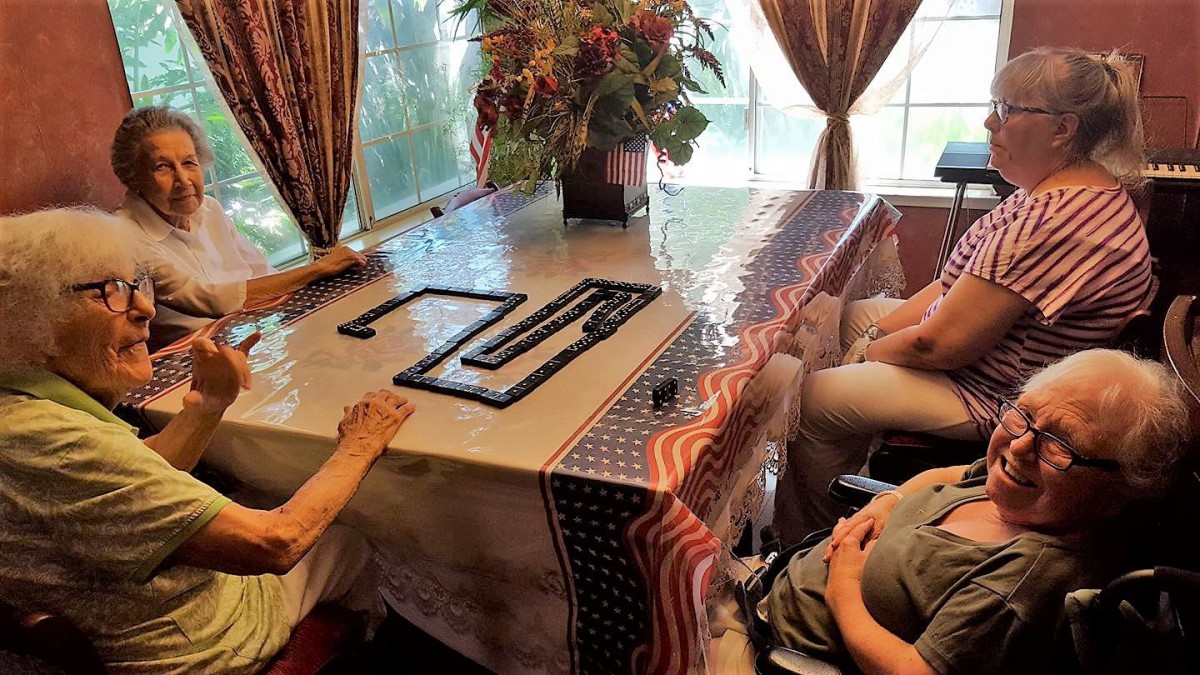
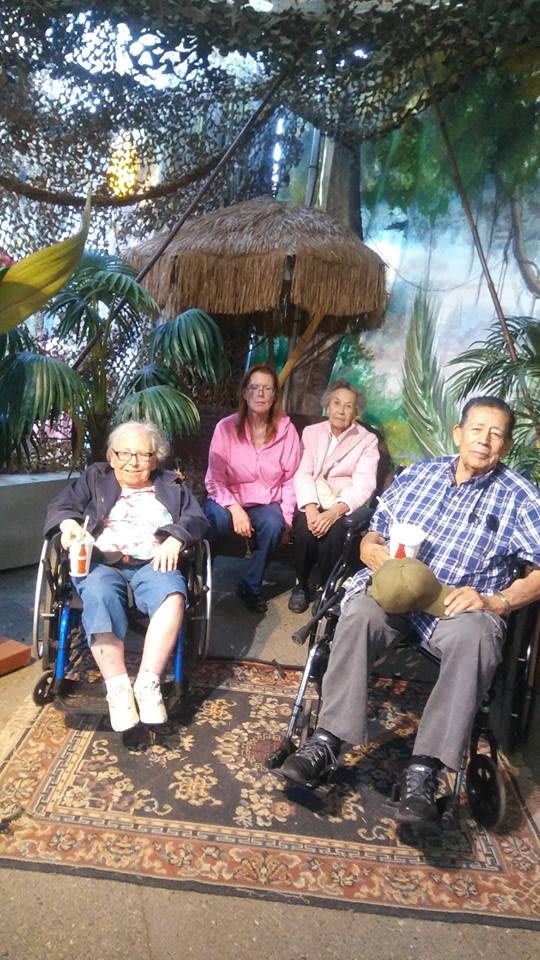
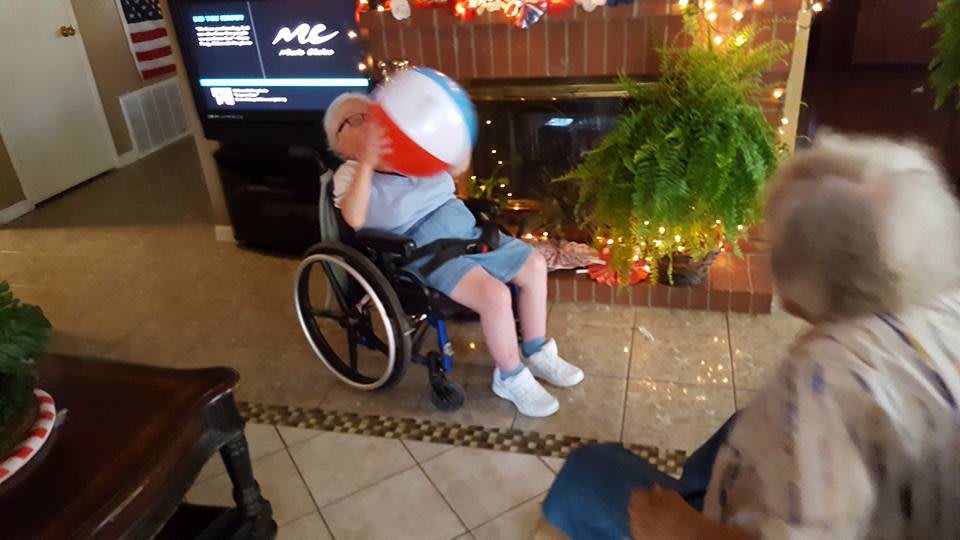
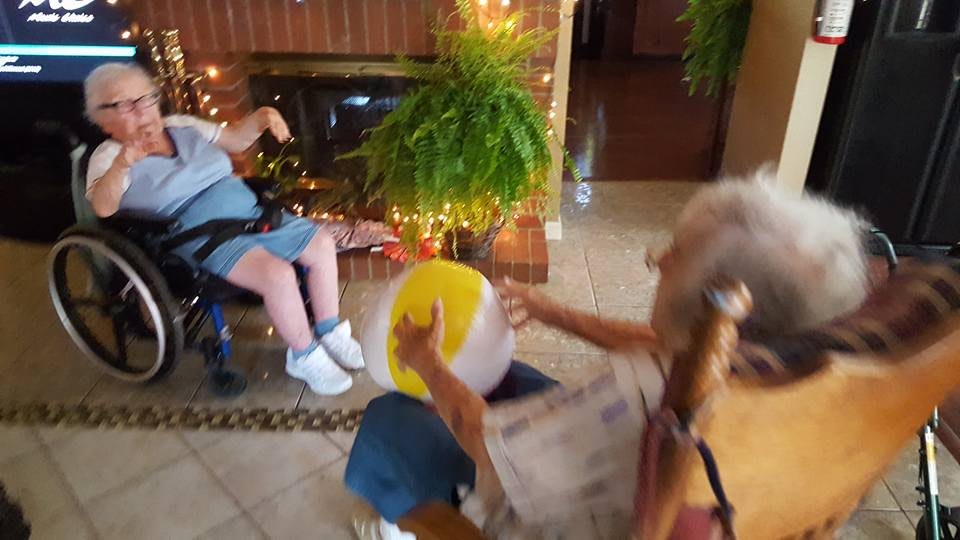
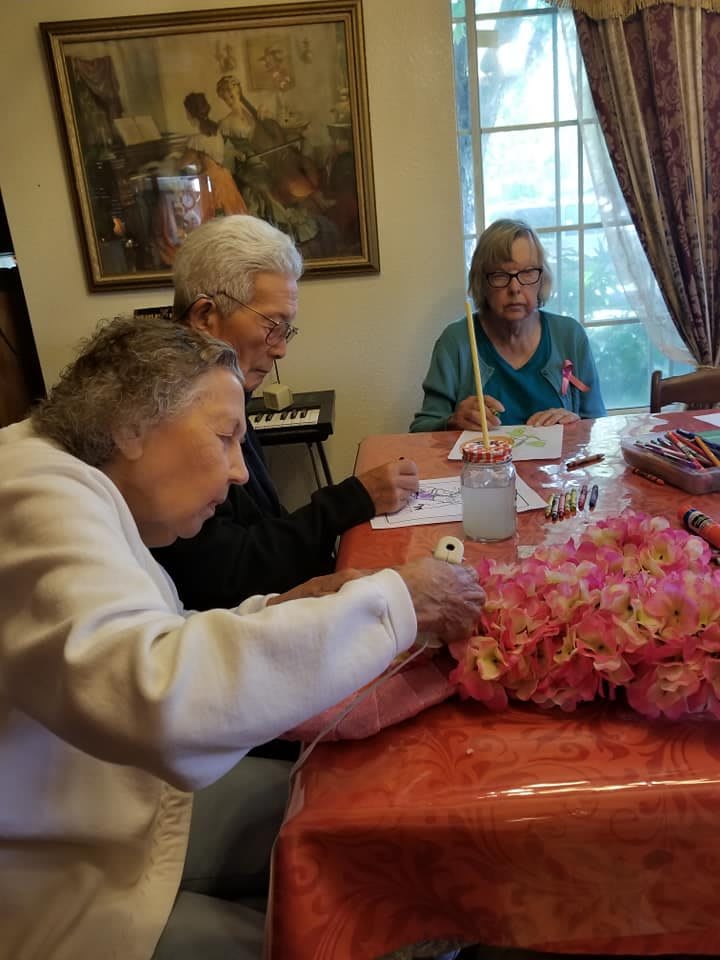
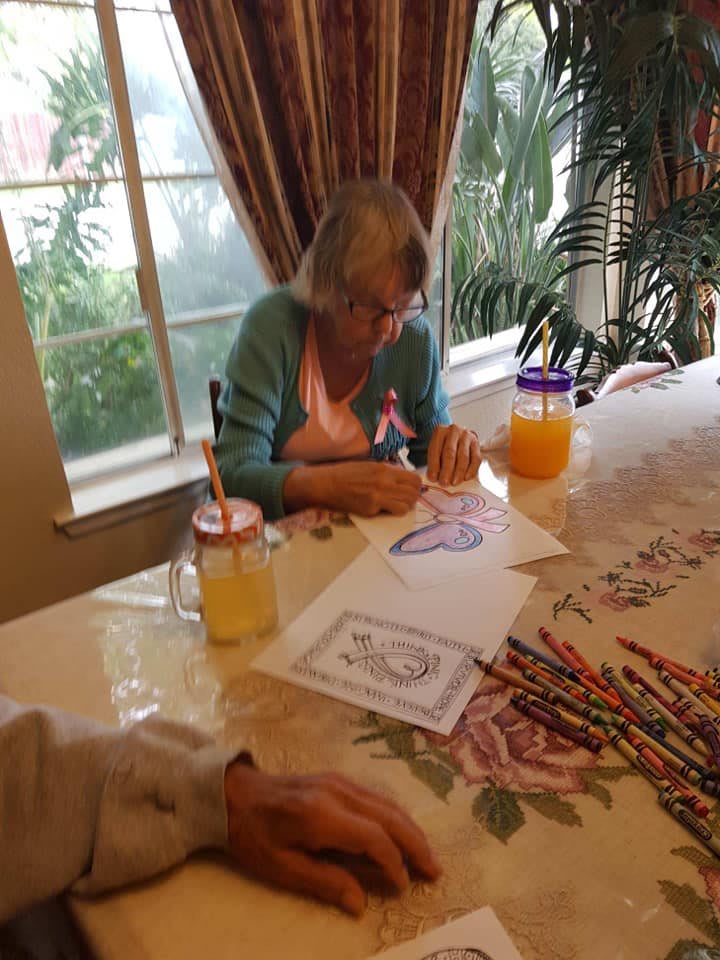
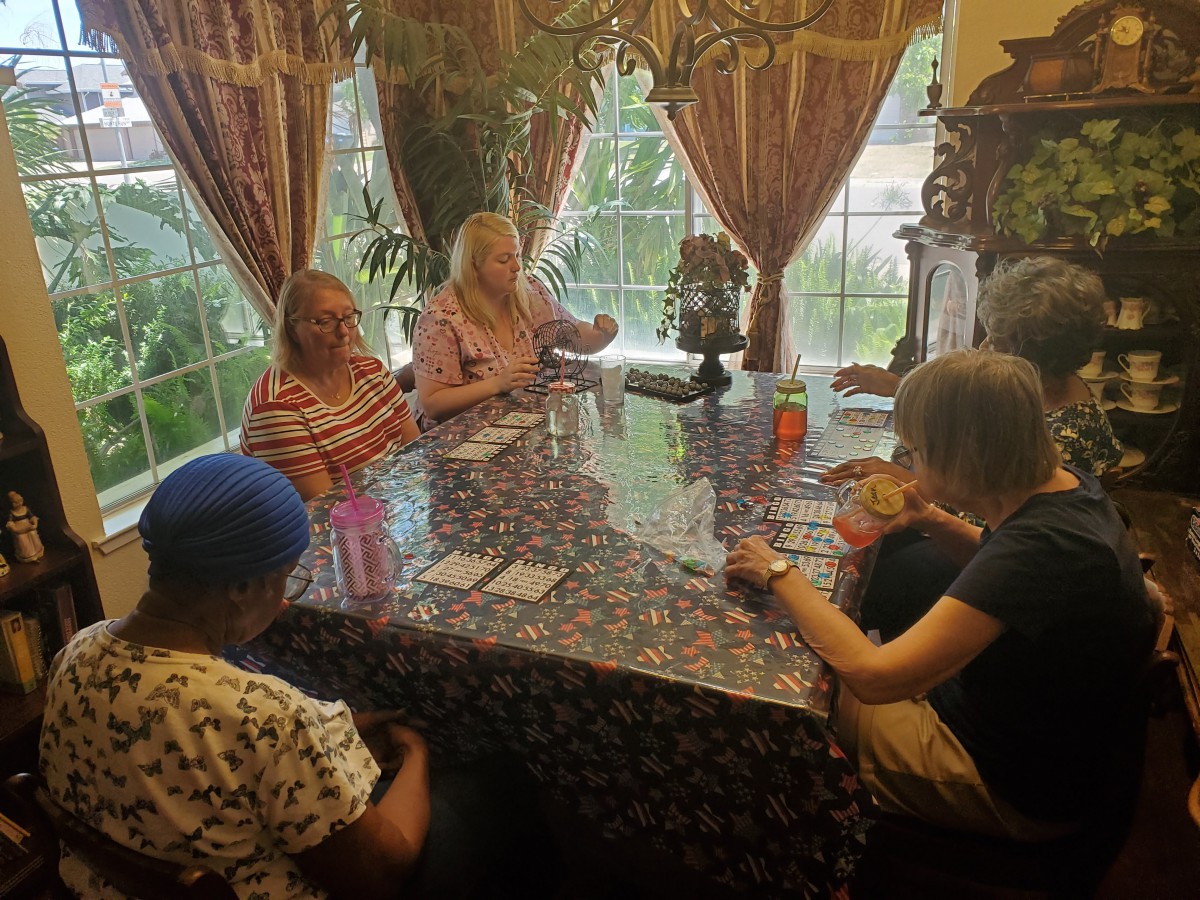
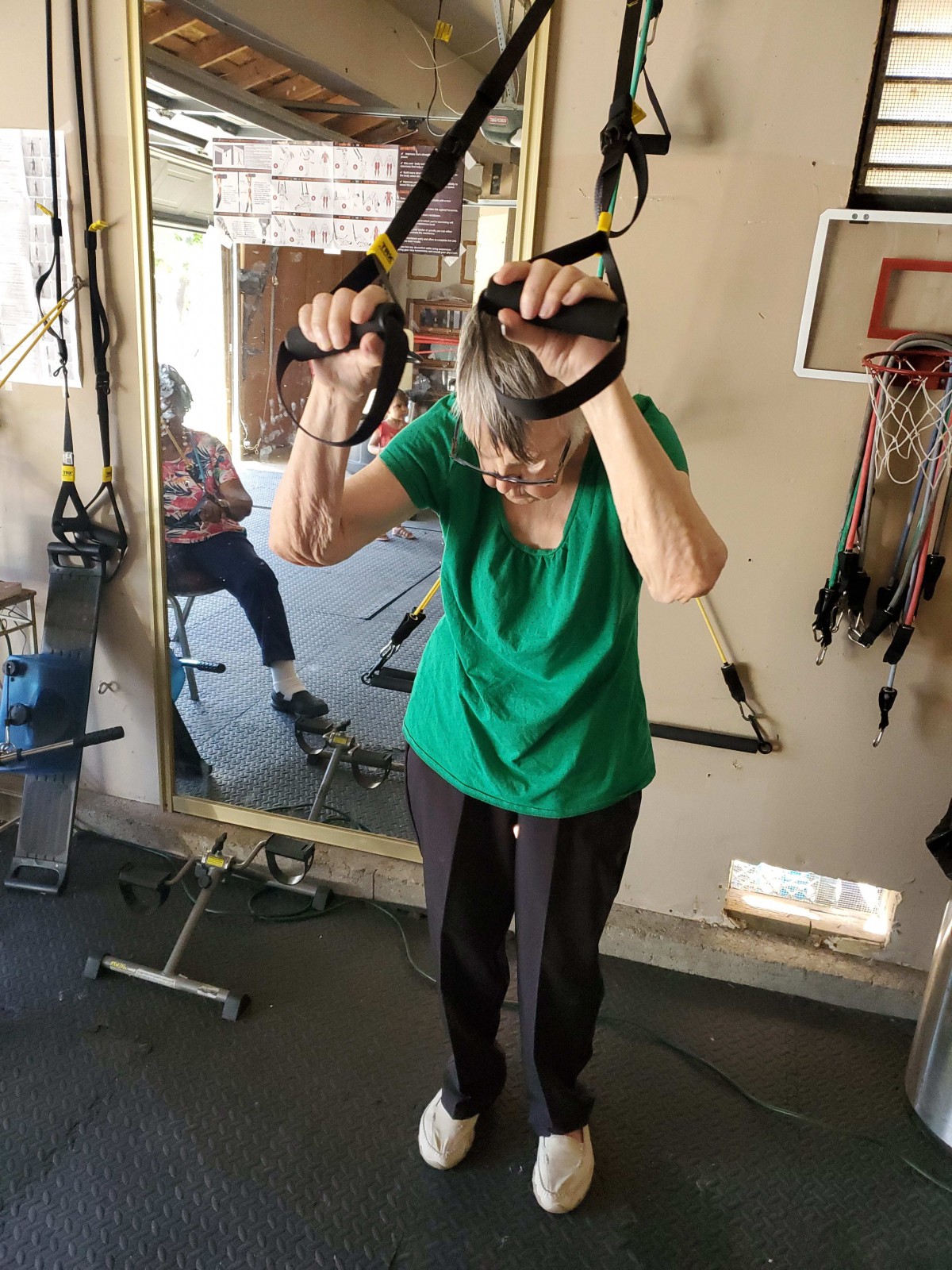
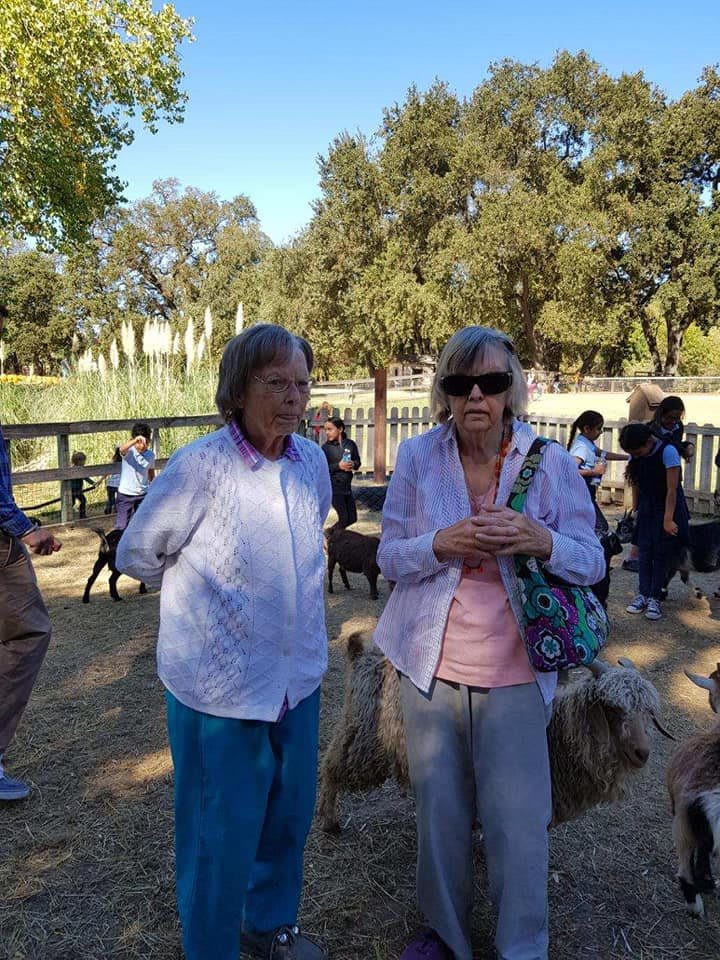
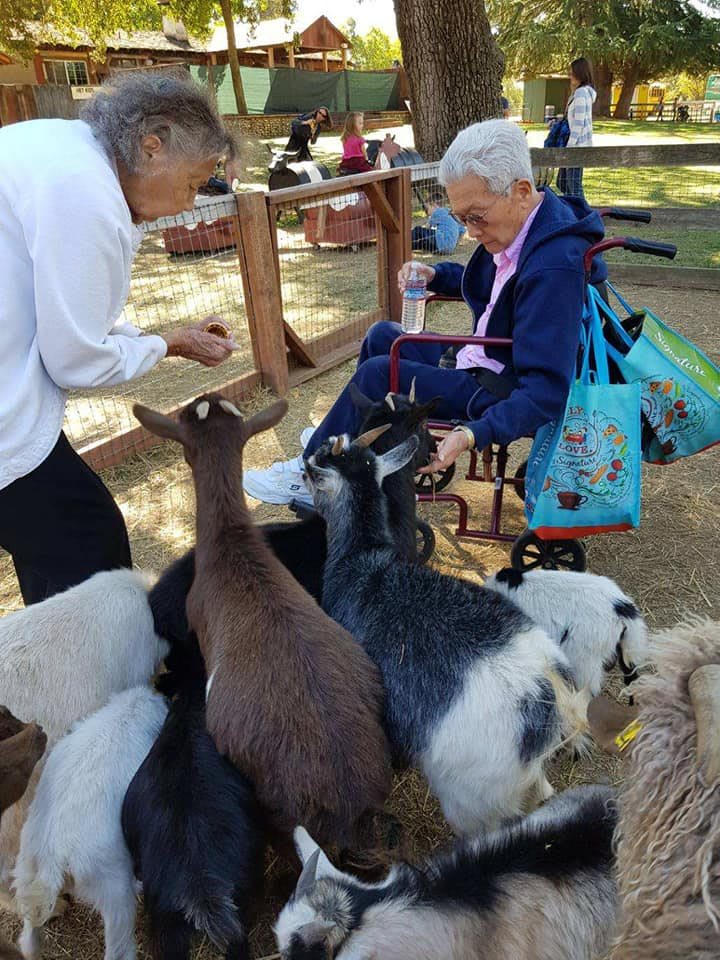
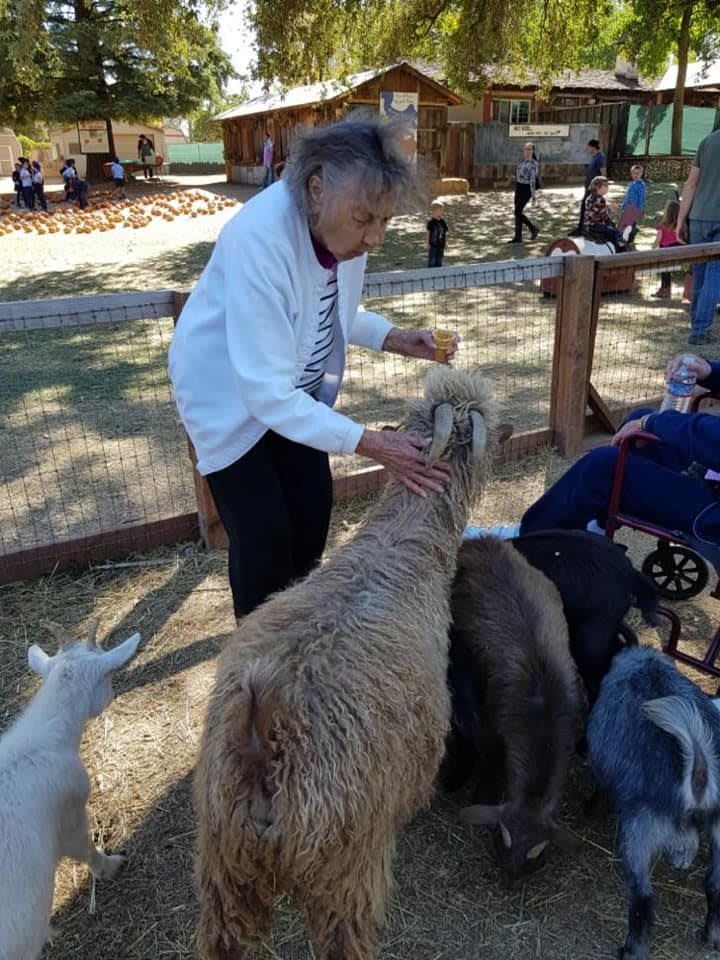
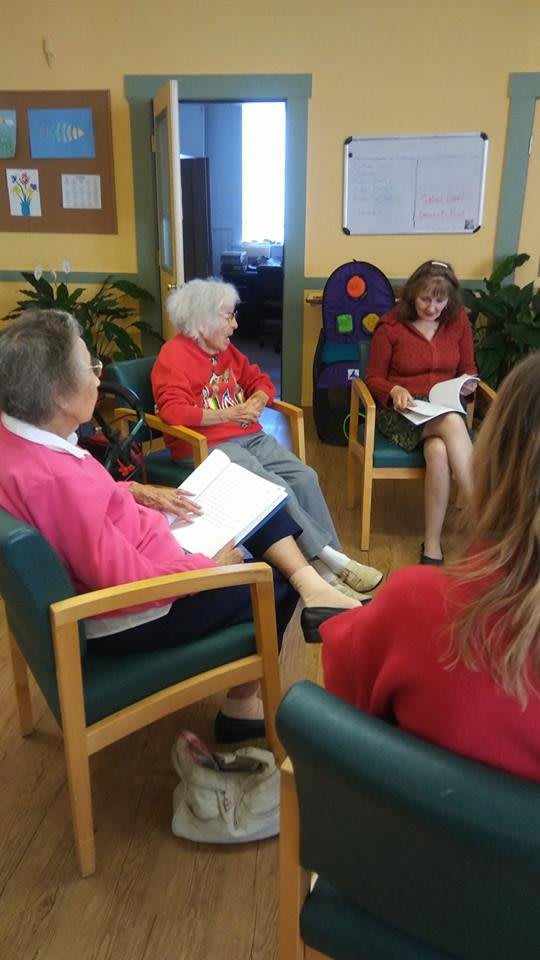
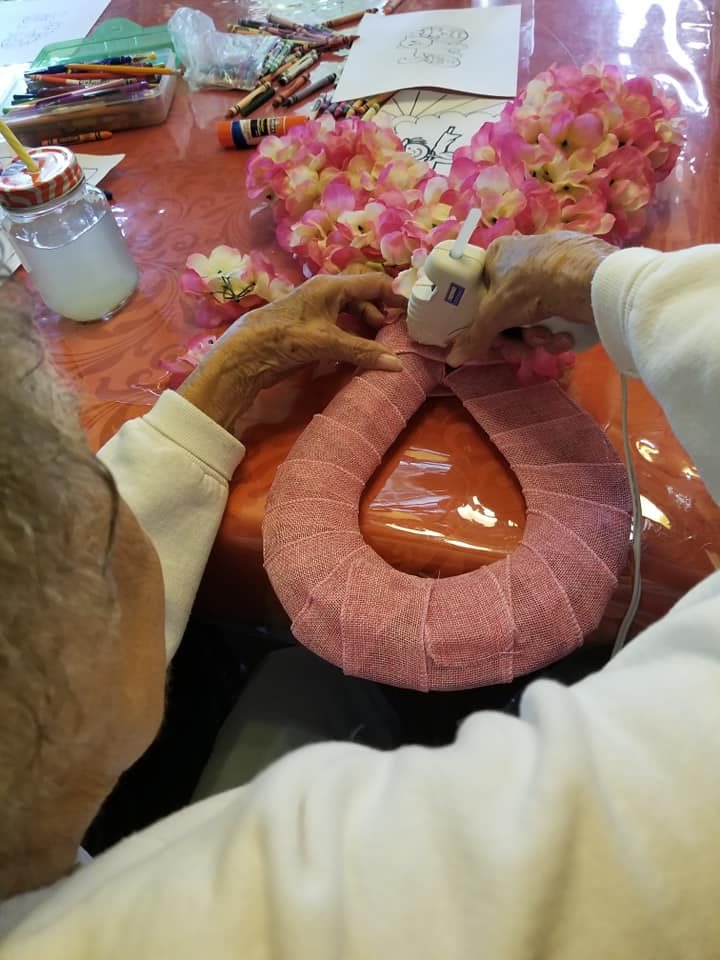
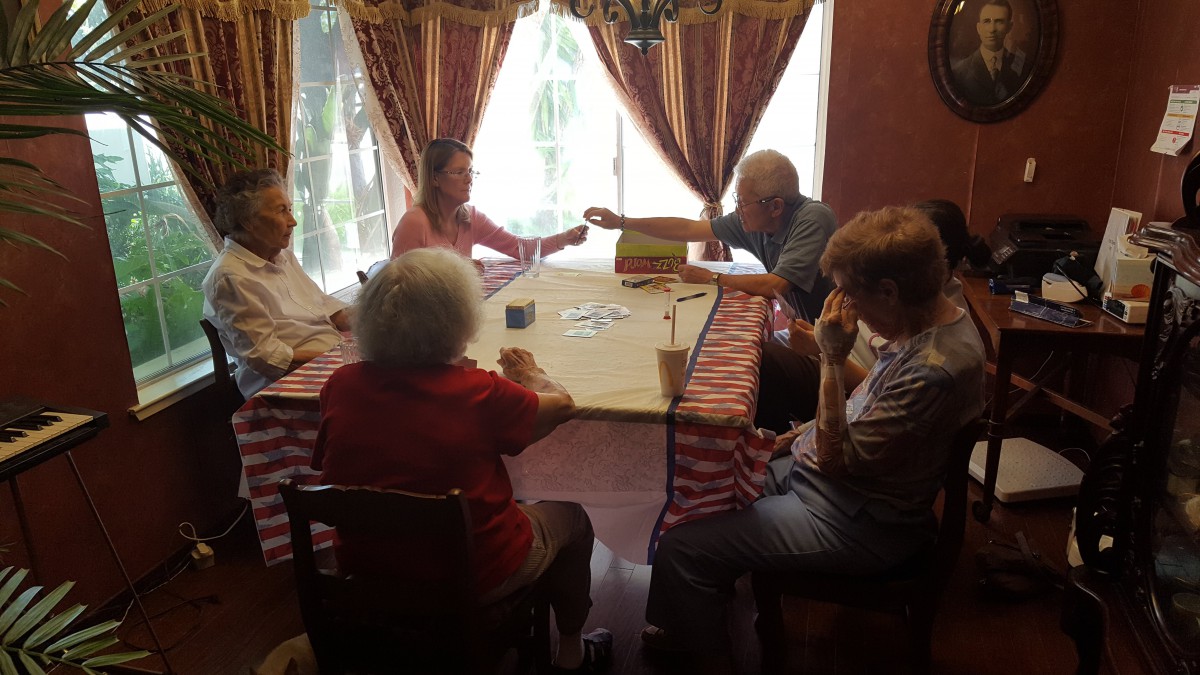
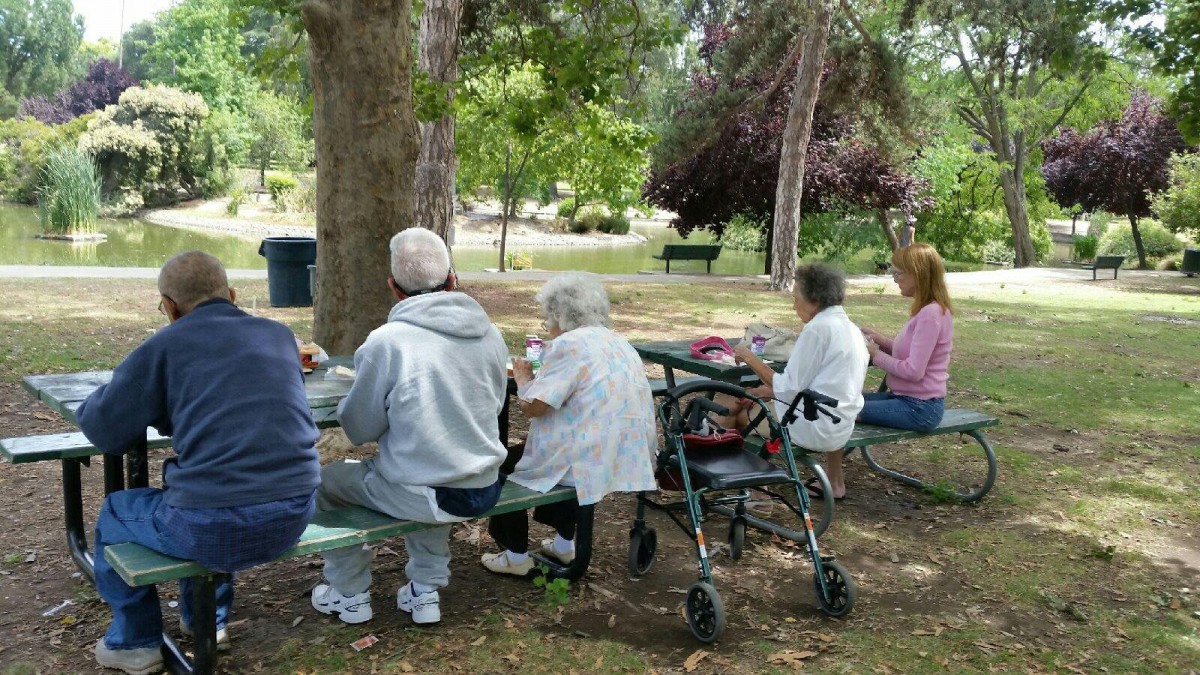
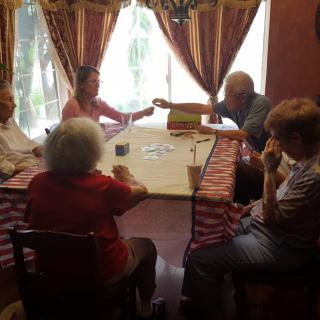
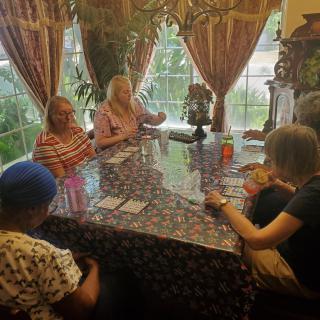
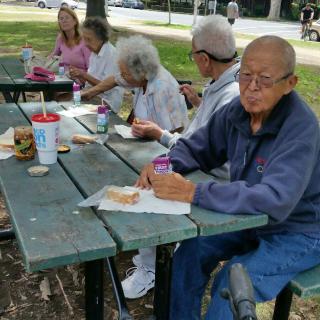
Across multiple reviews, families describe residents staying engaged with scheduled activities, group exercises, and outings. One reviewer mentions trips like taking someone to the coast, while others describe music, chair exercises, and a full, structured day. Several note residents were encouraged to participate even when they were challenging to manage. The community also offers on-site and off-site activities, reminiscence-style programming, and other scheduled daily options.
common16 reviews mention this
Families feel kept in the loop
Families describe frequent updates and responsive support.
Many reviewers say the staff communicated clearly about day-to-day progress, including reports and photos. Several mention ongoing contact during visits or after placing a loved one, along with help coordinating paperwork. A review about a long stay also highlights texting and sharing how health was doing after doctor visits. At the same time, one review raised concerns about staffing and limited responsiveness during a scheduled tour.
common5 reviews mention this
Home cleanliness stands out
Cleanliness is frequently mentioned as a strength.
Multiple families describe the home as clean and cared for, including comments that it never smells. One mixed review still said it appeared clean most of the time, but also noted issues like dirty clothes, pests, and areas not being cleaned promptly after pets. Another reviewer contrasts the home’s cleanliness with a concern about how quickly attention may have slipped. Overall, cleanliness is an area residents and families raise repeatedly in both positive and negative terms.
caveat3 reviews mention this
Food quality is mixed
Food quality is a recurring point of disagreement.
While some reviewers say meals are adequate and that staff try to accommodate picky eaters, others describe a decline in how food was prepared. One review says food was not to their mother’s liking even though favorites were sometimes provided, and another describes a shift to frozen meals and bagged salads. Taken together, dining seems to vary by time and individual preferences, with families reporting both attempts at accommodation and unmet expectations.
How we summarize
Counts show how many written reviews mention each theme; a review can touch several themes, and only frequently mentioned themes are displayed.
Features
Housing
6 resident community capacity
Types of Care
Assisted Living
Board and Care Home
Day Program
Memory Care
Respite Care
Pets
Cats allowed
Dogs allowed
Amenities
Activities off-site
Activities on-site
Bath tubs
Beautician on-site
Cable or satellite TV
Devotional services off-site
Dining room
Fully furnished
Garden
Housekeeping services
Indoor common areas
Move-in coordination
Outdoor common areas
Outdoor space
Private
Respite or short term stays offered
Telephone
Wheelchair accessible showers
Wi-Fi/high-speed internet available
Transportation
Sacramento International (19 miles away)
Care Services
24-hour supervision
Activities of daily living assistance
Assistance with bathing
Assistance with dressing
Assistance with transfers
Coordination with health care providers
Dementia waiver
Diabetes diet
Diabetic care
High acuity care
Hospice waiver
Incontinence care
Meal preparation and service
Medication management
Mental wellness program
Mild cognitive impairment
Special dietary restrictions
Specialized memory care programming
Transportation arrangement (medical)
Transportation to doctors appointments
Dining
Diabetes diet
Kosher
Meals provided
Special dietary restrictions
Vegetarian
Activities
Activities off-site
Activities on-site
Community-sponsored activities
Devotional activities offsite
Light therapy programs
Other religious services
Reminiscence programs
Scheduled daily activities
Visiting Rabbi
Visiting chaplain or priest
Nearby Places of Interest
This part of Sacramento, California, offers a convenient and diverse range of amenities for senior living. There are several pharmacies nearby, as well as healthcare facilities such as Kaiser Permanente Medical Group and NVISION Eye Centers. In terms of dining options, there are popular chains like Subway and Wingstop, as well as casual dining options like Snowfox Sushi and Raising Cane's Chicken Fingers. For recreational activities, there are parks like Laguna Community Park and Elk Grove Regional Park within a short drive. Additionally, the area has theaters like Regal Delta Shores & Imax for entertainment. Places of worship such as New Hope Community Church Sacramento and Harvest Church provide spiritual fulfillment. Overall, this neighborhood offers a balanced mix of practical amenities and leisure opportunities for seniors looking to settle in Sacramento.
Pharmacies
Save Mart Supermarkets (1.4 miles)
Leader Pharmacies (1.4 miles)
CVS Pharmacy (1.5 miles)
Walgreens (1.5 miles)
Valley Pharmacy (1.5 miles)
Bel Air Pharmacy (1.6 miles)
Bel Air Market #523 (1.6 miles)
Cafes
Starbucks (1.4 miles)
Dutch Bros Coffee (2.3 miles)
Starbucks (3.3 miles)
Starbucks (4.4 miles)
Starbucks (6.9 miles)
Starbucks (6.9 miles)
Chocolate Fish Coffee Roasters (7.1 miles)
Restaurants
Subway (1.4 miles)
Wingstop (1.6 miles)
Snowfox Sushi (2.5 miles)
Raising Cane's Chicken Fingers (3.1 miles)
Chick-Fil-A (3.2 miles)
Romano's Macaroni Grill (3.2 miles)
Journey to the Dumpling (3.4 miles)
Physicians
NVISION Eye Centers - Sacramento (1.5 miles)
Kaiser Permanente Medical Group (1.9 miles)
Health Care for Women Medical Group (3.1 miles)
Pramila Penta MD (3.2 miles)
EyeOptics Optometry Center (3.3 miles)
Elk Grove Hearing Care (3.5 miles)
Sacramento County Primary Care Center (6.3 miles)
Hospitals
Kaiser Permanente South Sacramento Medical Center (1.8 miles)
Sutter Center for Psychiatry (5.7 miles)
Kaiser Permanente Hospitals (6.9 miles)
Parks
Laguna Community Park (3.2 miles)
CSD Youth Center/McConnell Playground (5 miles)
Elk Grove Regional Park (5.3 miles)
JM Derr & Peter And Sue Okomoto Community Park (5.3 miles)
Siebenthal Care Home offers a range of pricing for its accommodations that reflects the premium services and amenities provided to residents. For semi-private rooms, costs range from $3,500 to $3,600 per month, notably higher than the Sacramento County average of $3,106 and the statewide average of $3,333. Private rooms are priced between $4,500 and $4,620, which is above both the county's average of $3,686 and California's average of $3,939. Additionally, their one-bedroom options are available at a flat rate of $5,500 per month, surpassing Sacramento County's mean cost of $3,758 and California's overall average of $4,340. This pricing structure positions Siebenthal Care Home as a premium provider in the region, catering to those seeking enhanced care and living experiences.
Siebenthal Care Home offers a comprehensive range of services that address the unique needs of residents with dementia or Alzheimer's disease, ensuring their physical, emotional, and cognitive well-being. Assistance with dressing, bathing, and transfers helps maintain personal hygiene and dignity while promoting independence within safe boundaries. Medication management ensures that residents receive timely and accurate dosing, which is crucial for managing health conditions associated with dementia. Meal preparation and service cater to dietary requirements and preferences, enhancing nutrition while fostering social engagement during mealtimes. Transportation arrangement for medical appointments facilitates access to necessary healthcare services, while coordination with healthcare providers ensures continuity of care. Activities of daily living assistance supports residents in maintaining routine tasks that contribute to a sense of normalcy. The availability of 24-hour supervision provides safety and reassurance, complemented by specialized memory care programming tailored to stimulate cognitive function. Additionally, services like incontinence care and participation in a mental wellness program directly address both physical comfort and psychological health, fostering an environment where residents can thrive despite the challenges posed by memory-related illnesses.
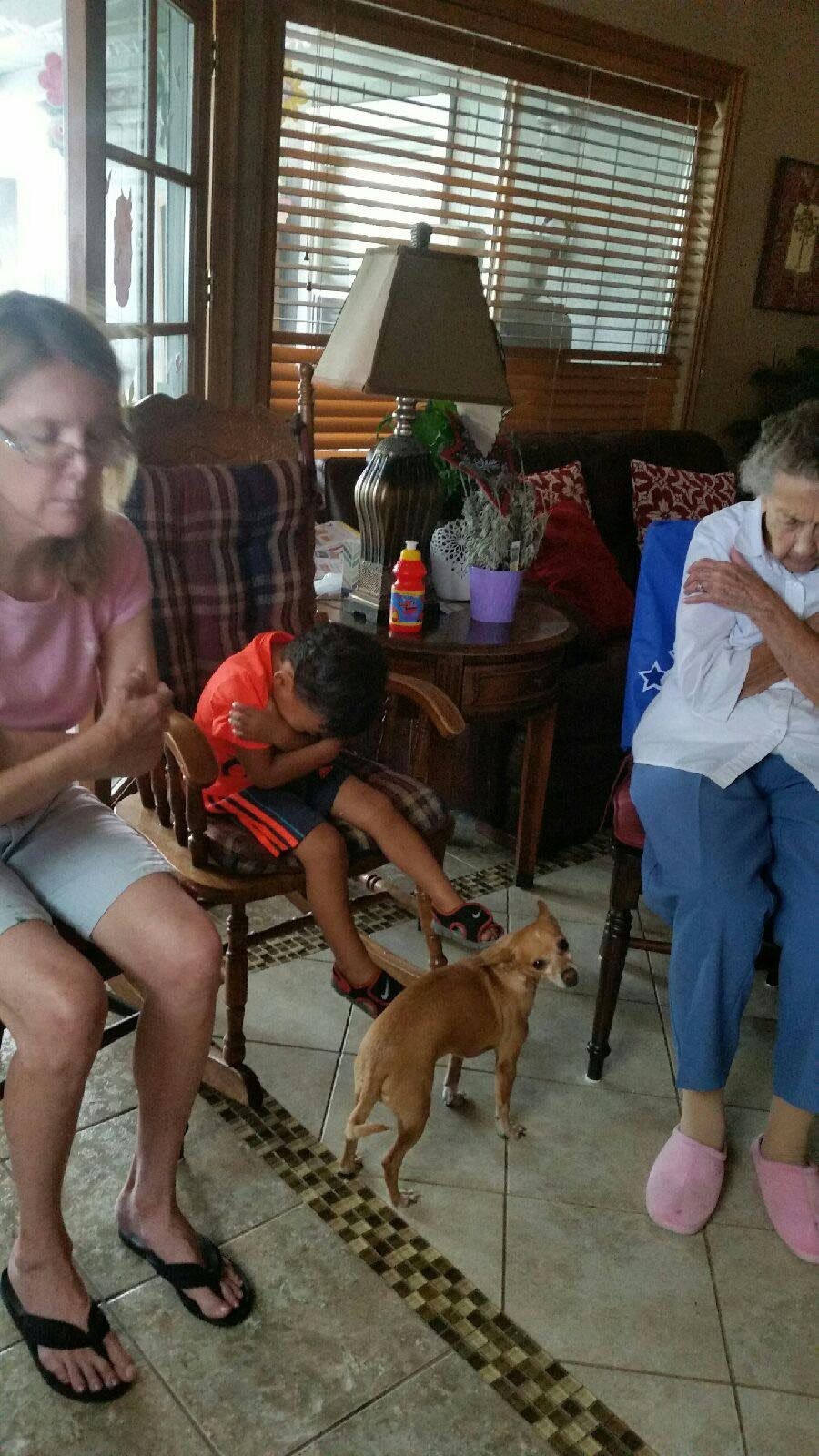
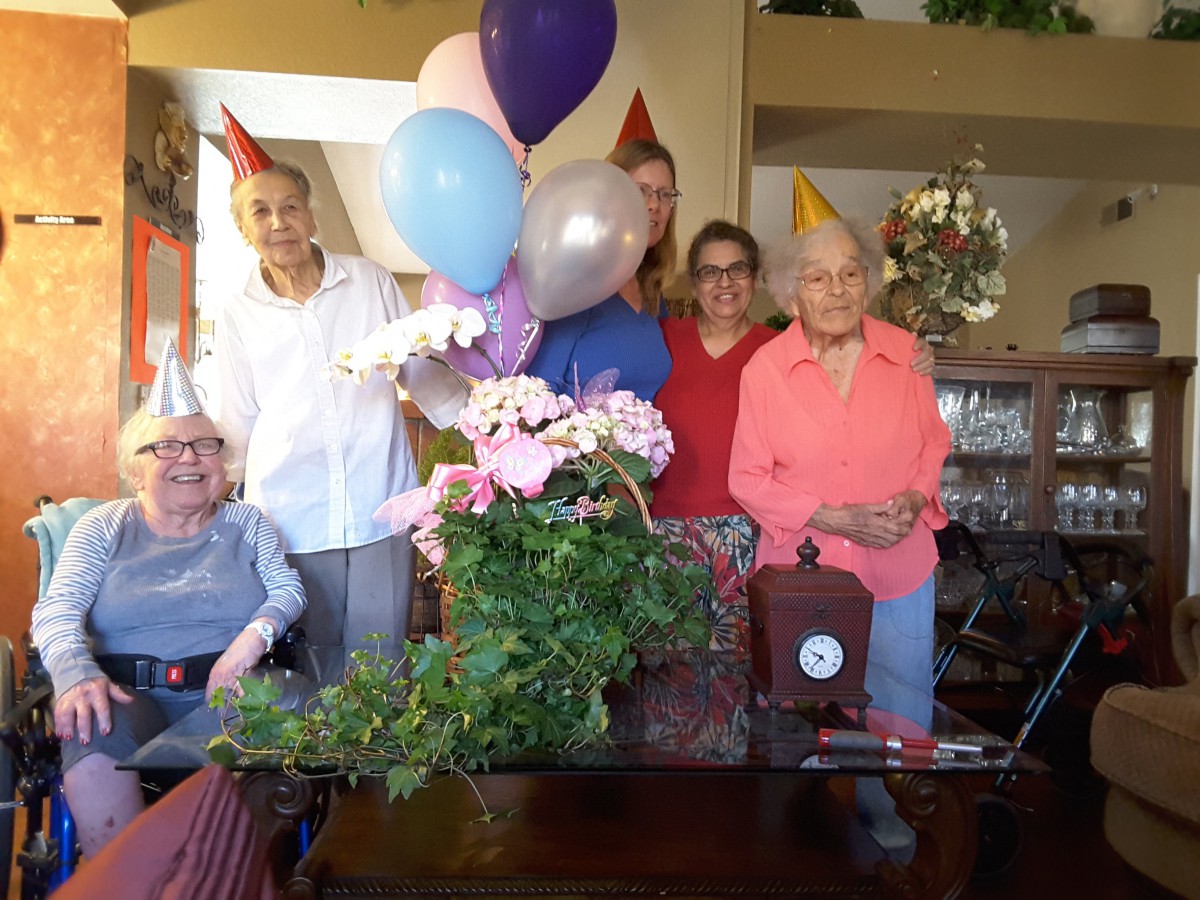
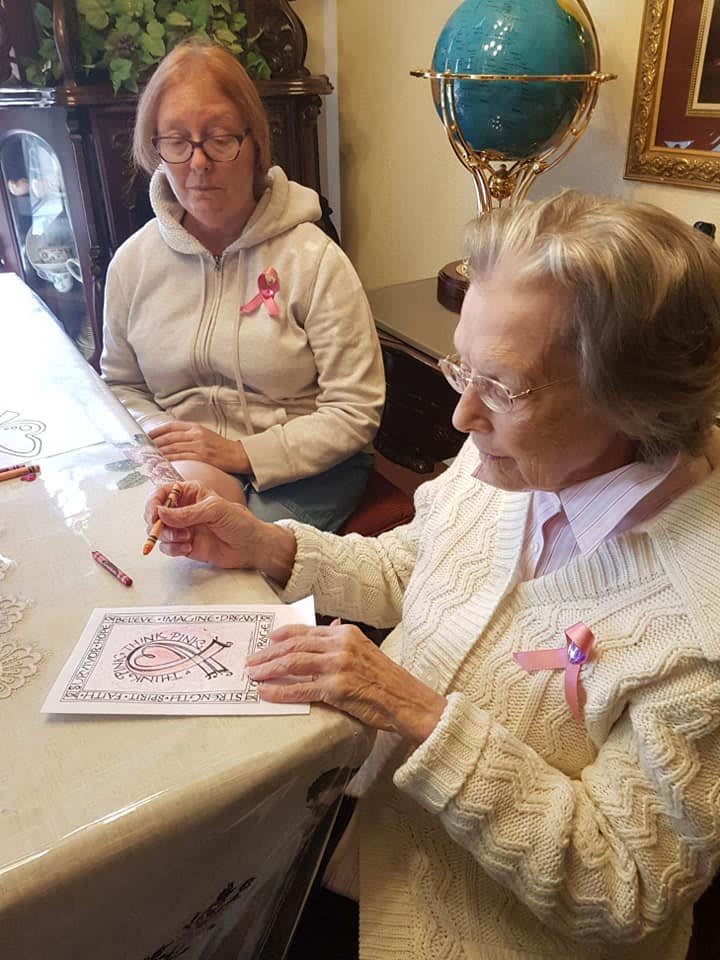
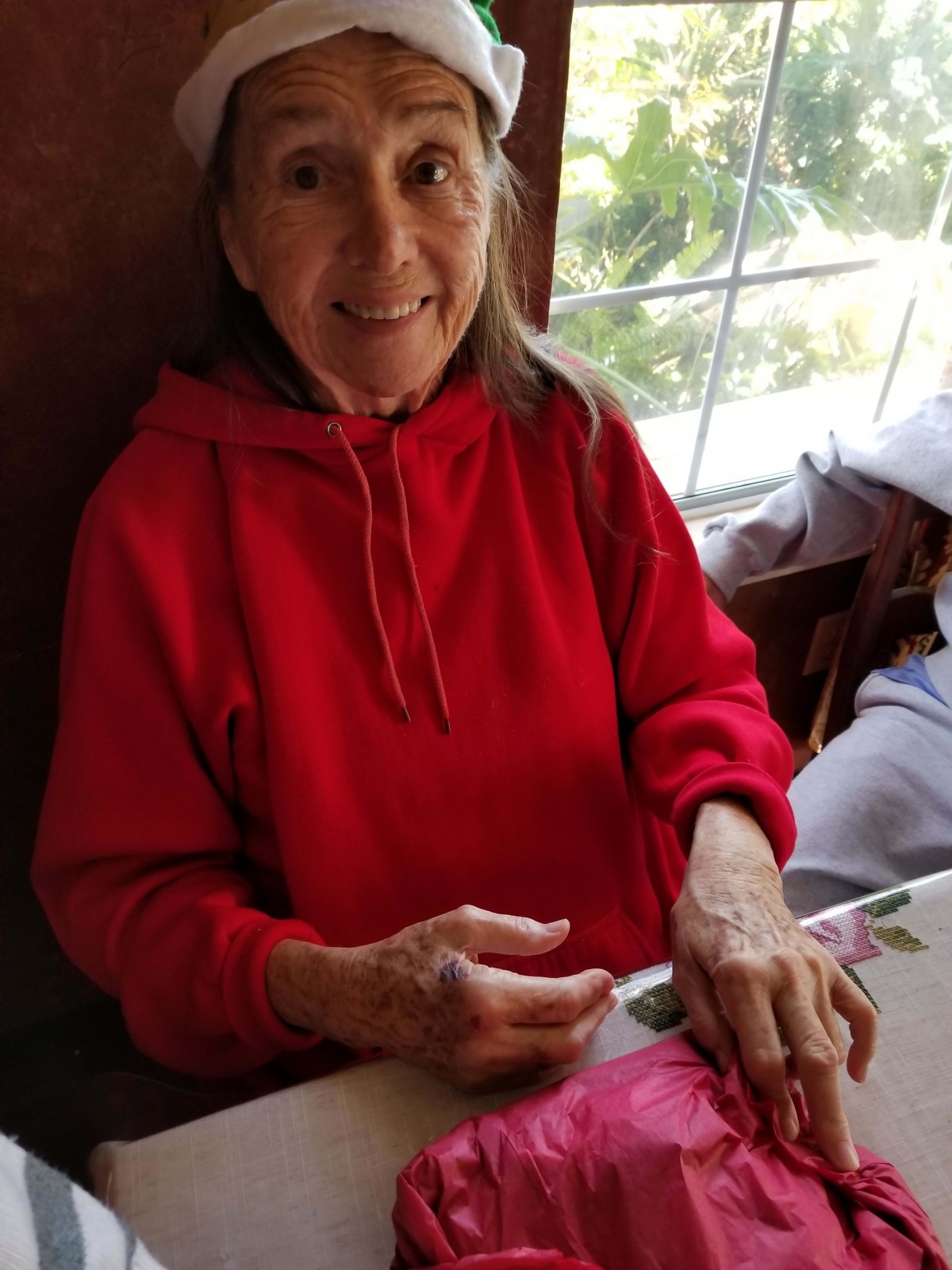
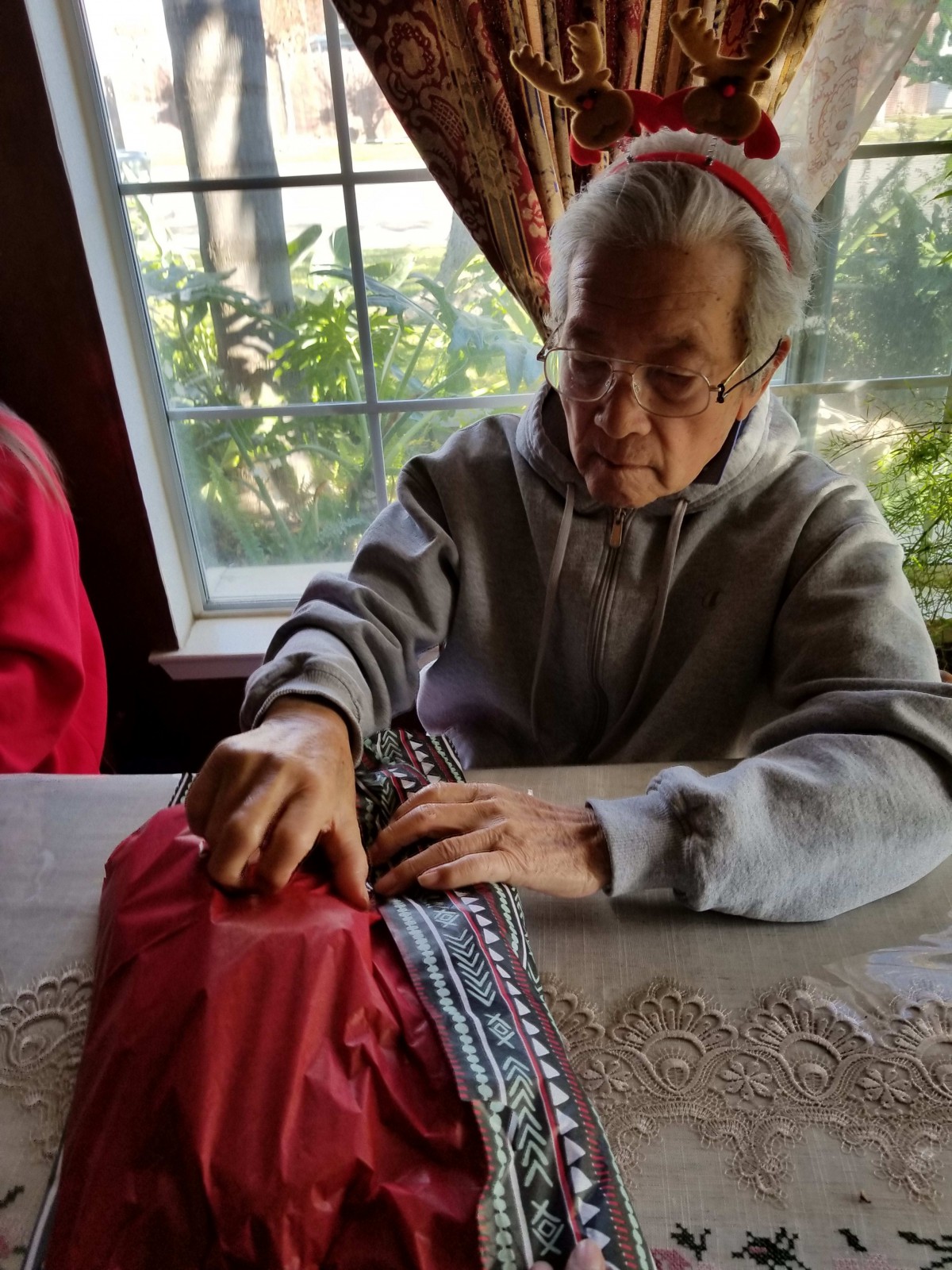
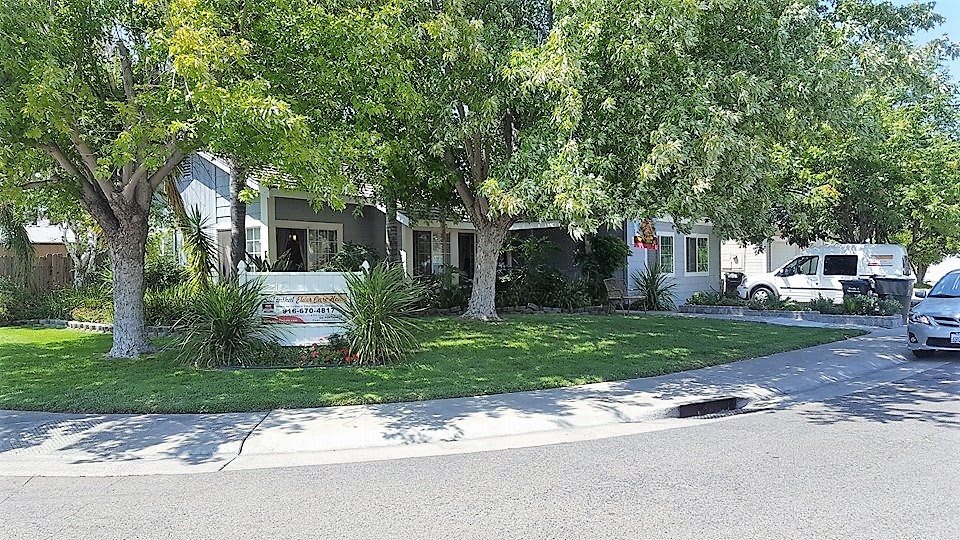
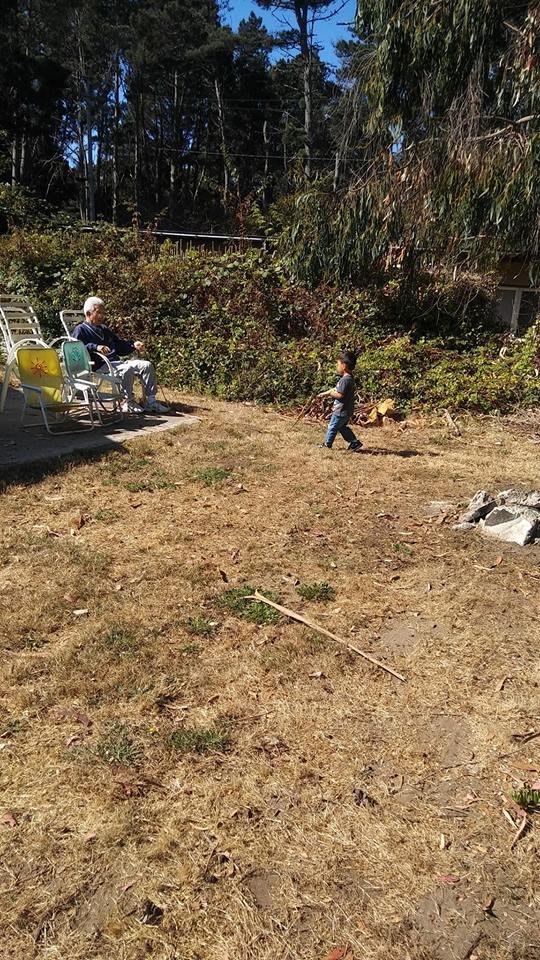
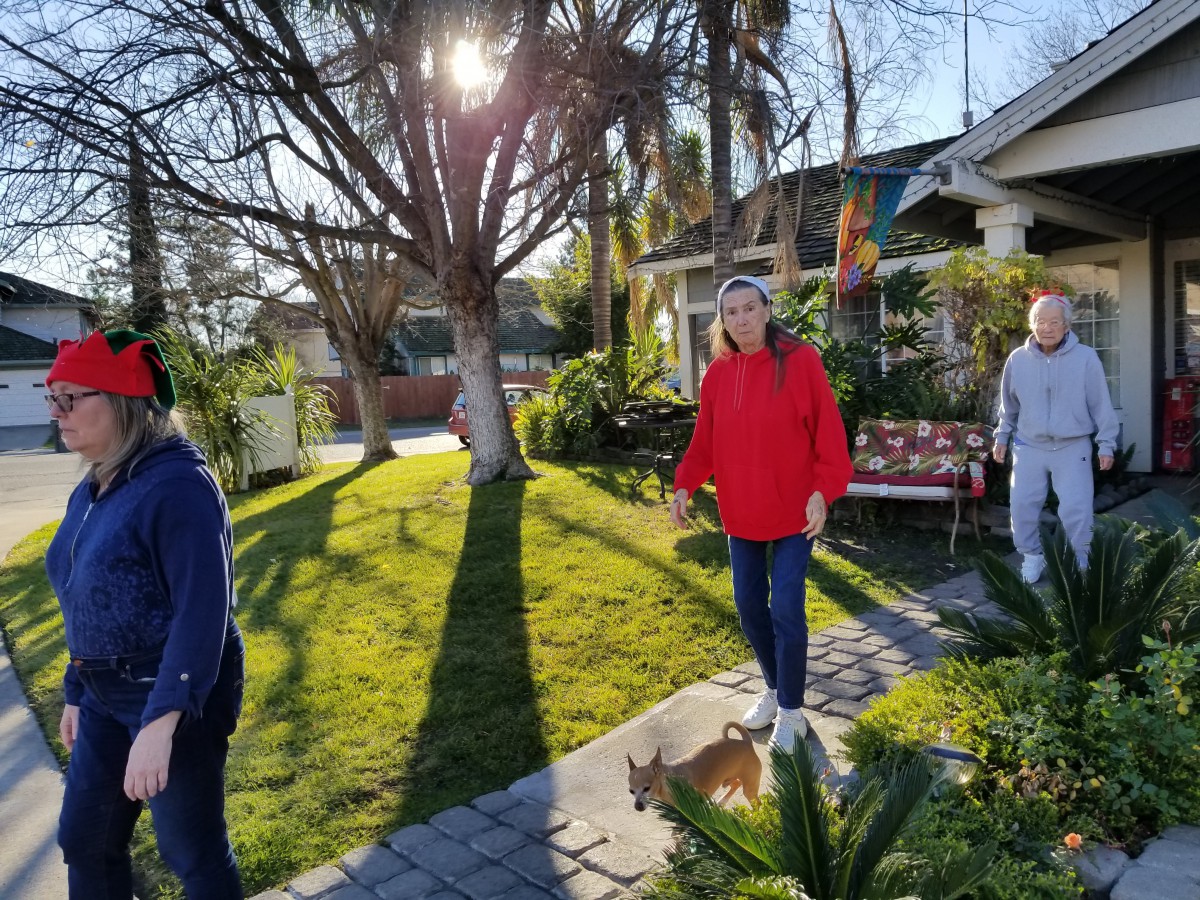
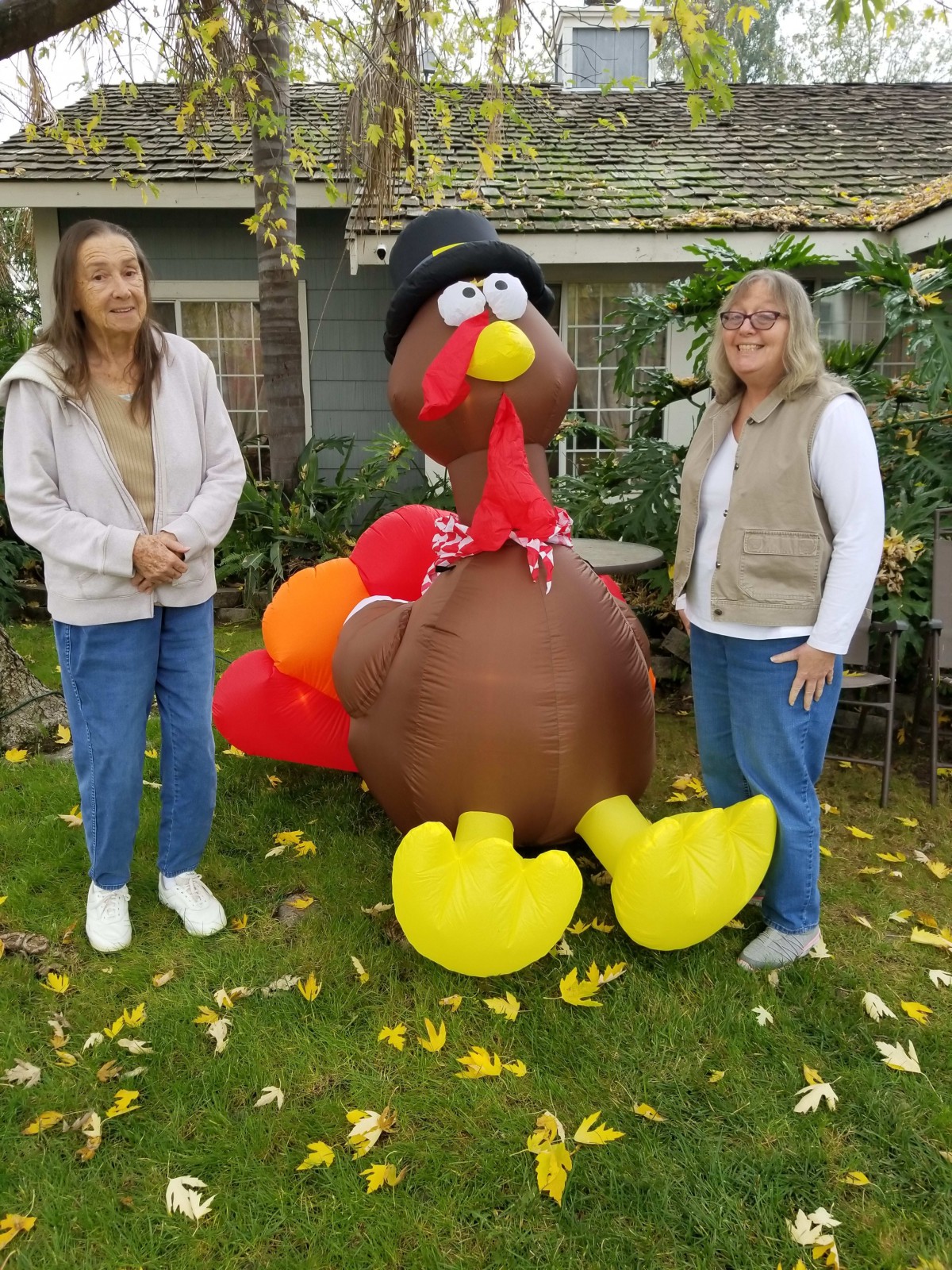
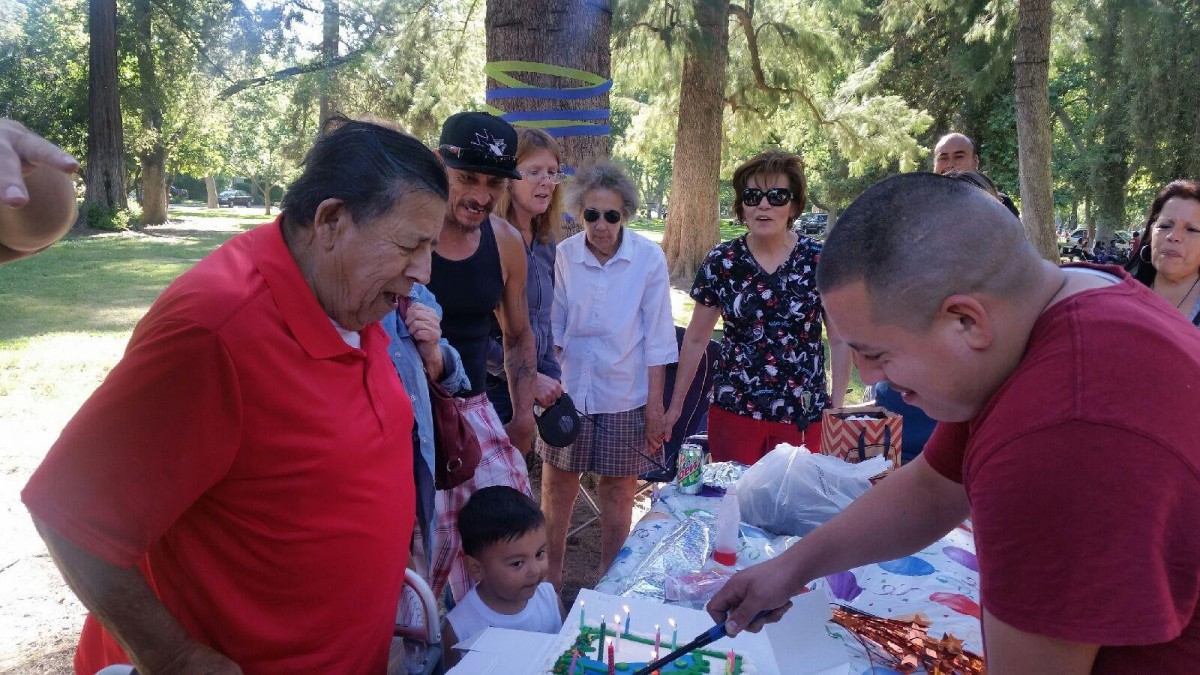
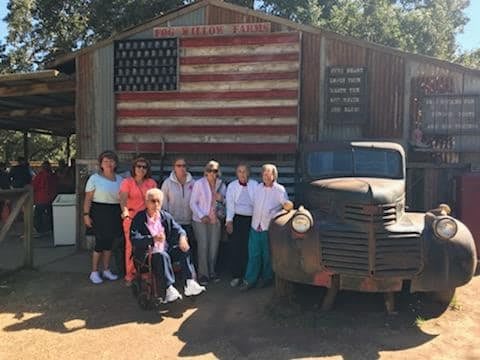
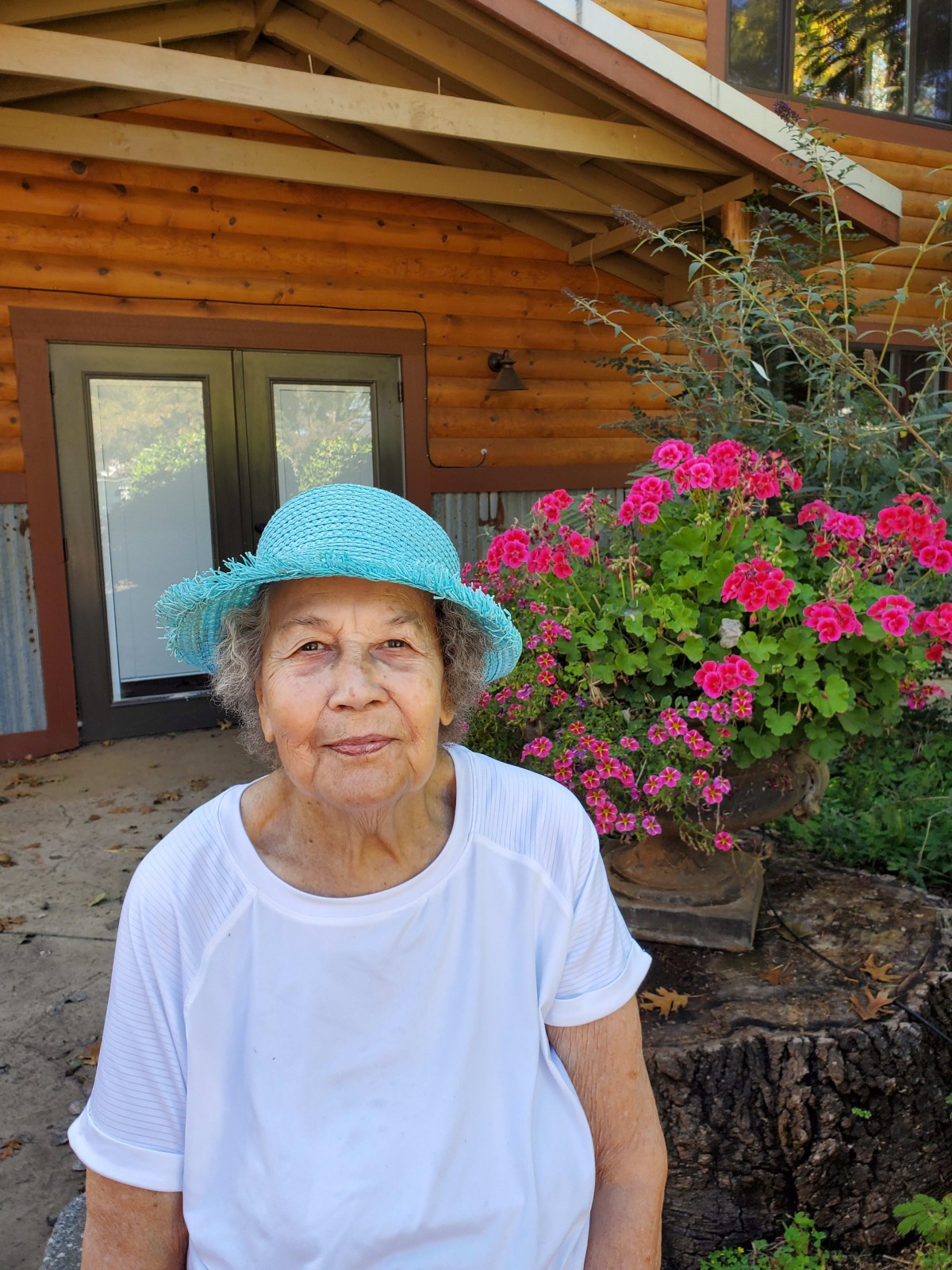
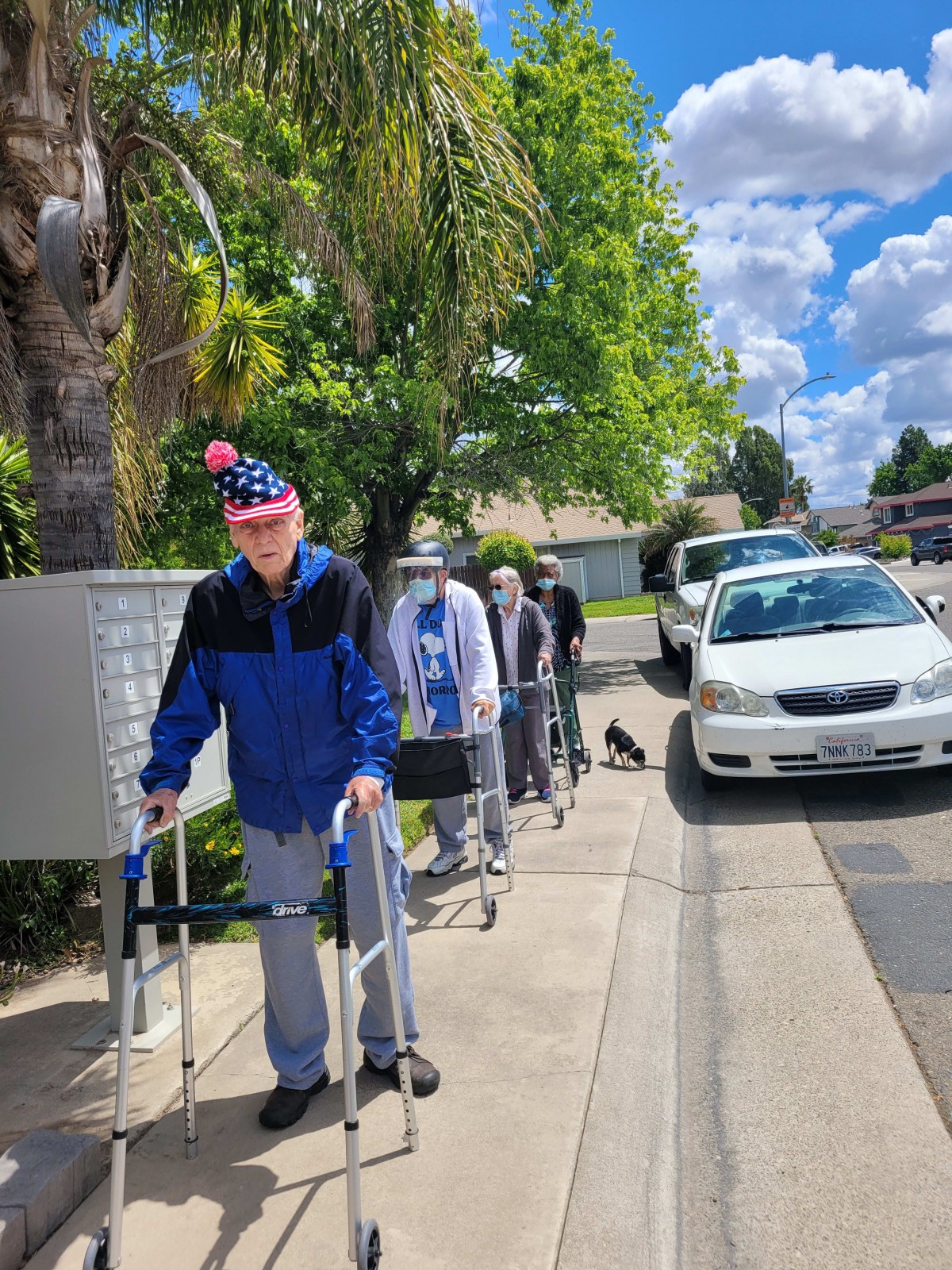
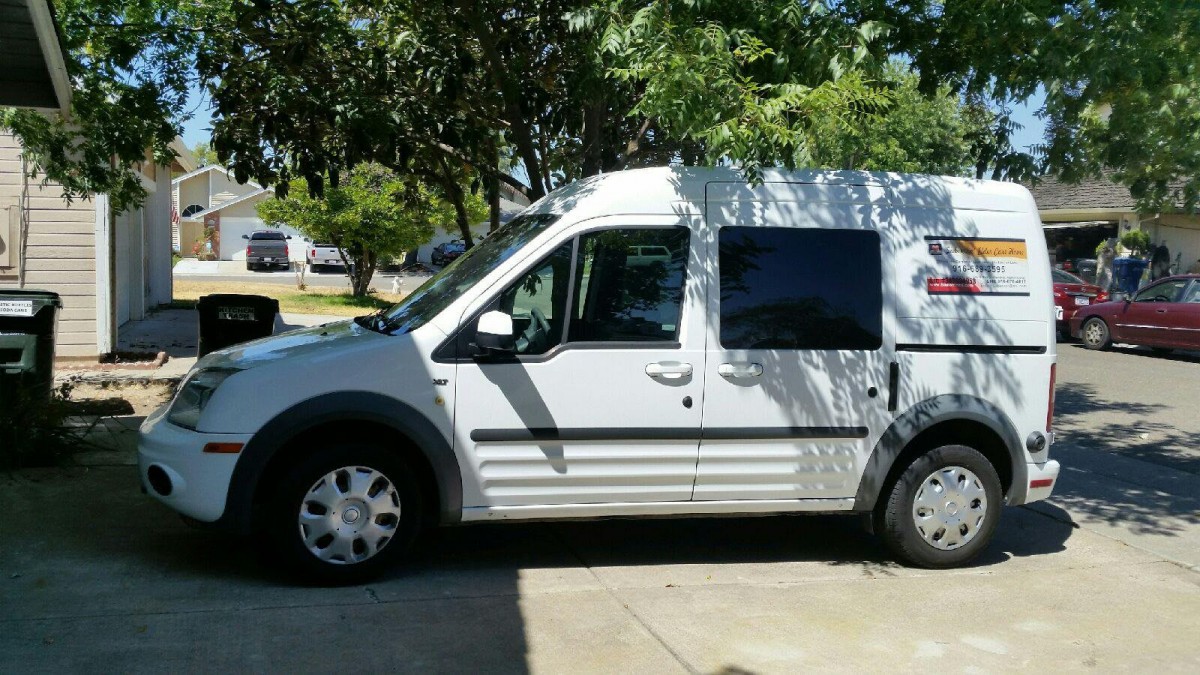
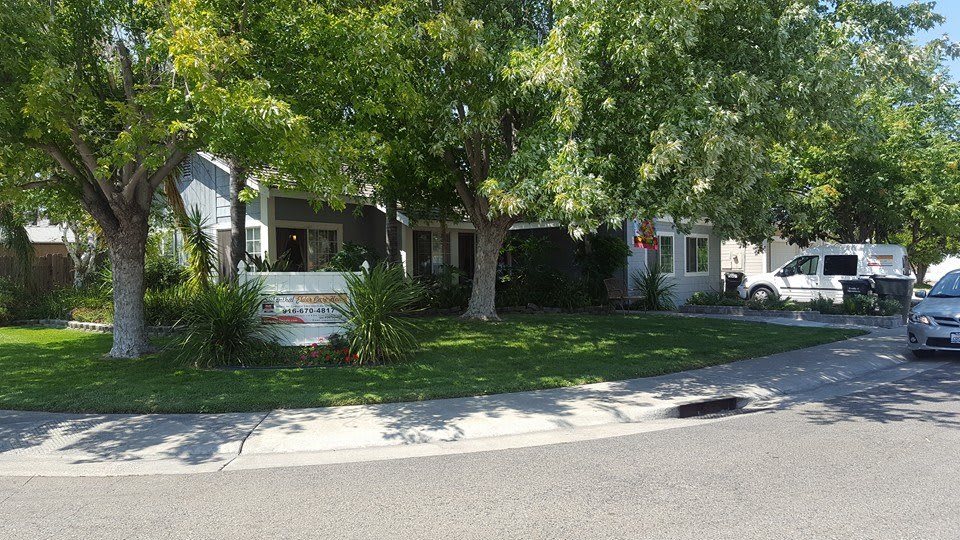
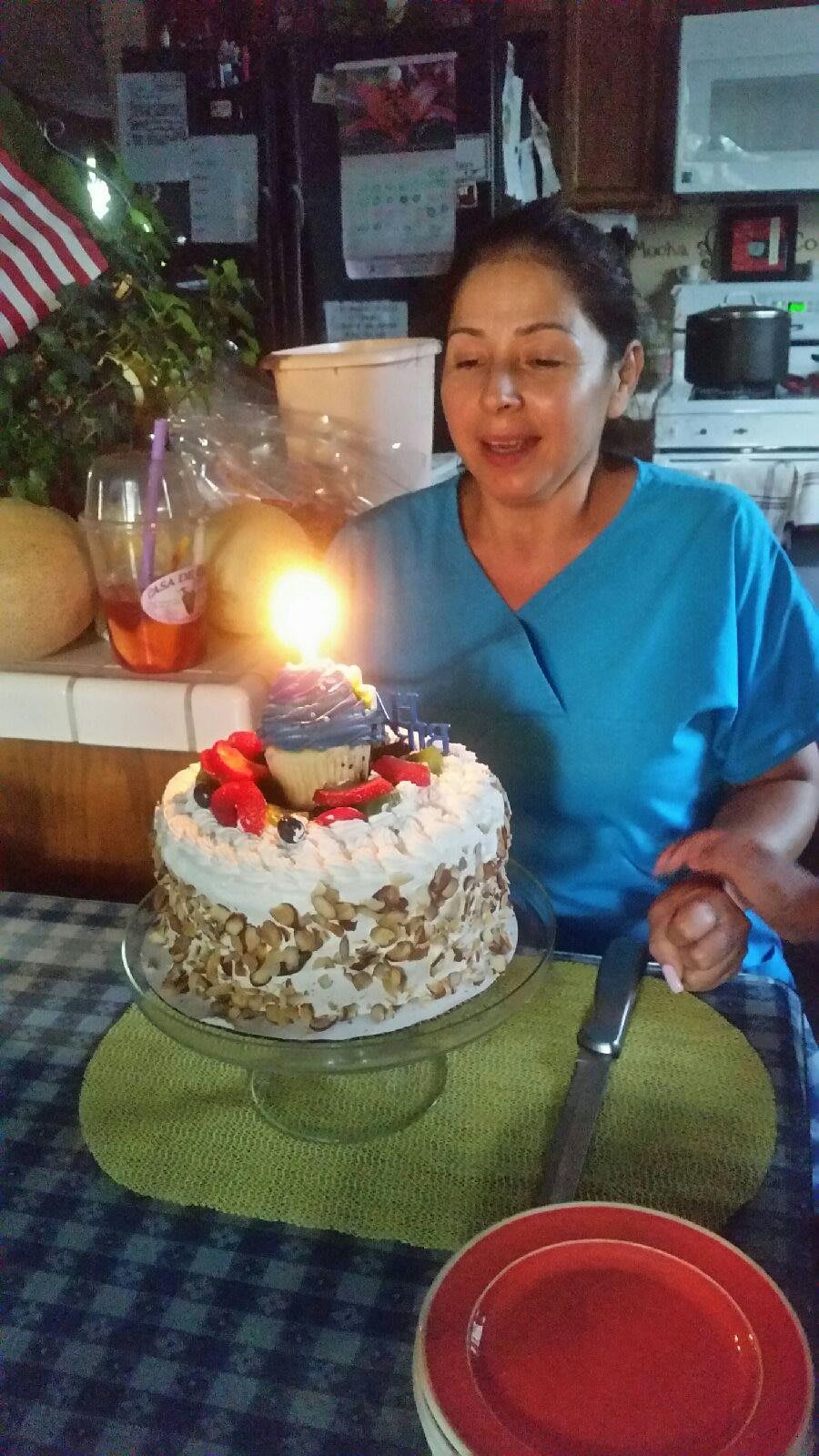
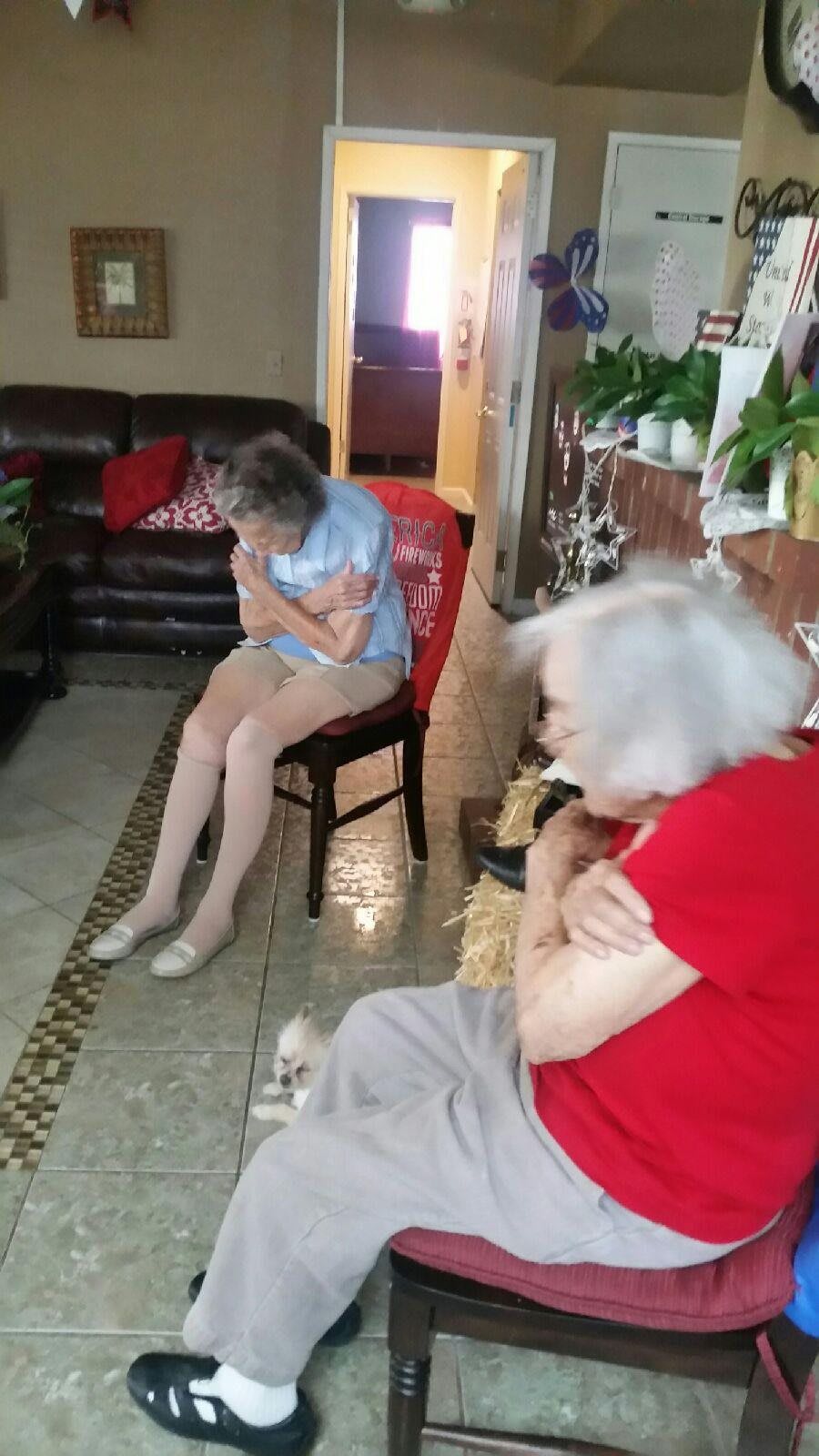
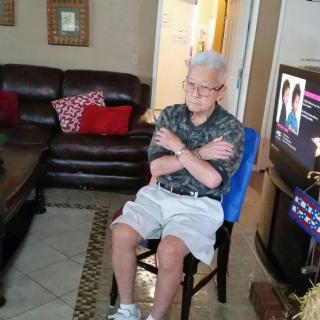
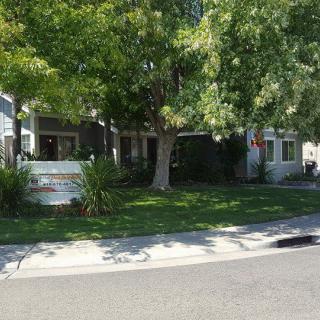
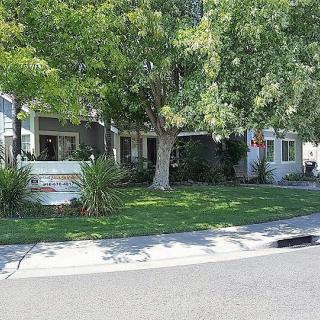
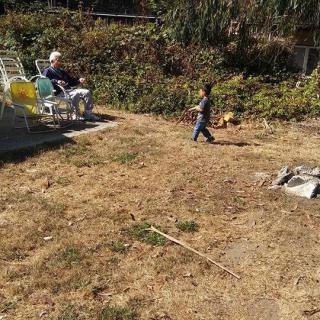
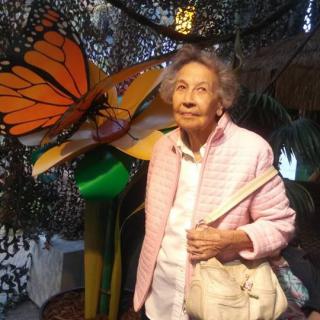
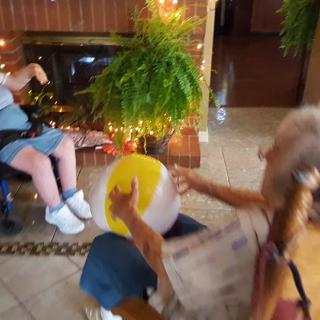
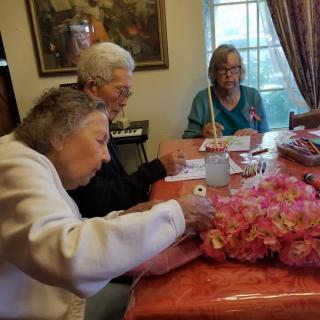
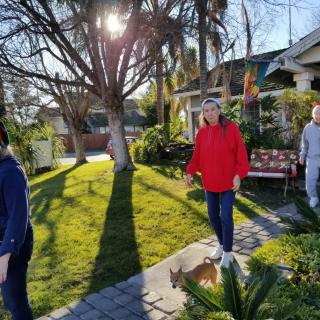
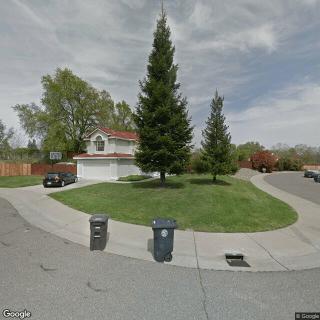
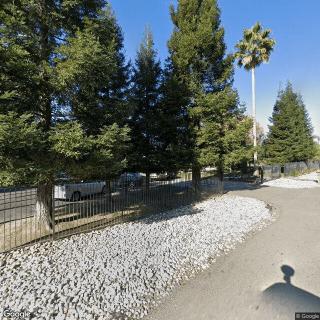
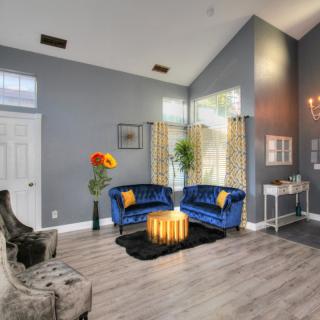
Siebenthal Care Home on seniors.fyi includes 43 photos including images showing interior, outdoors, outdoor, trees, wheelchair, living room, garden, landscaping, and more.
Nearby Communities
Camelot Care Home
Sacramento, CA
3.7 from 3 reviews
$2,900 to $3,200 / month
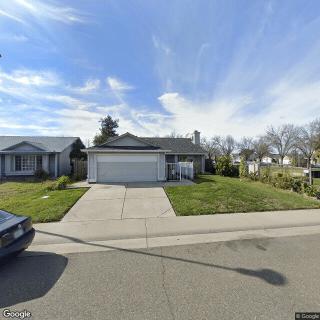
Competitive pricing, especially for private rooms, compared to county and state averages.
Spring Garden Residential Care
Sacramento, CA
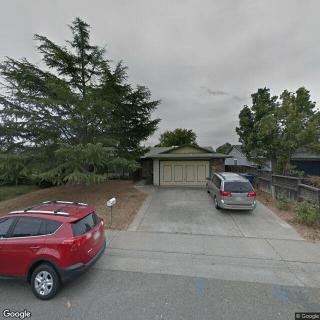
Excellent access to nearby amenities and healthcare.
Supreme Residential Care Facility
Sacramento, CA
3 from 2 reviews
Small, home-like facility with personalized ADL support and diabetes-friendly dining.
Southbreeze Gardens
Sacramento, CA
$2,000 to $2,500 / month
Affordable private rooms with private baths; 24/7 memory-care staff; nearby pharmacies, physicians, hospital, and local amenities.
Chris Best Care For Elderly
Sacramento, CA
3.7 from 3 reviews
Personalized ADL support with 24/7 supervision, healthcare coordination, and a homelike setting.
Indorcare House I
Sacramento, CA
Strong nearby access to healthcare and daily conveniences (pharmacies, hospitals, cafes, restaurants, and a park).
Lakewood Villa
Sacramento, CA
4.2 from 13 reviews
$3,000 to $4,000 / month
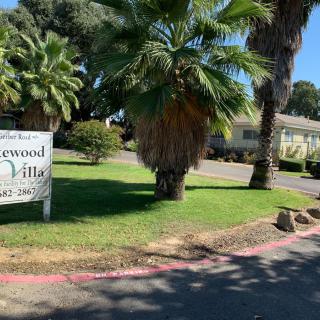
Friendly staff, a warm sense of community, and clean, well-maintained facilities.
Alegre Home Care - Elk Grove
Elk Grove, CA
4.3 from 10 reviews
Prime Elk Grove location with easy access to cafes, parks, pharmacies, doctors, restaurants, and places of worship for a convenient, active lifestyle.
WellQuest of Elk Grove
Elk Grove, CA
4.8 from 99 reviews
$3,250 to $5,050 / month
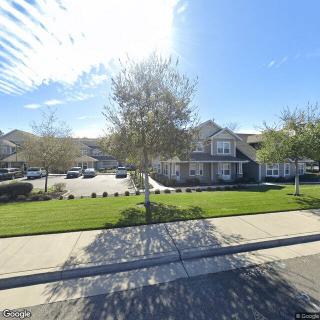
Friendly, professional staff; clean, modern, hotel-like ambiance; spacious apartments with on-site dining and engaging activities.
Dementia encompasses progressive neurological disorders that impair cognitive functions and can lead to paranoia due to cognitive decline and emotional changes. The article discusses the triggers of paranoia in dementia, caregiver strategies for managing it, and the importance of distinguishing between dementia-related paranoia and other psychiatric conditions.
Memory care activities are essential for improving the quality of life of seniors with cognitive impairments, as they stimulate cognitive function, promote well-being, and encourage social interaction through tailored strategies. These activities combine structured exercises with spontaneous tasks, sensory engagement, physical workouts, creative pursuits, and intergenerational interactions to enhance emotional connection and a sense of purpose.
Transitioning from assisted living to memory care is driven by an individual's cognitive decline and specific needs, requiring careful evaluation of indicators like increased confusion and wandering. The process involves consulting medical professionals, researching suitable communities, considering financial and legal aspects, and ensuring effective communication for personalized care plans.
Get PricingAsk A QuestionSchedule A TourContact Senior Advisor
By clicking submit, you agree to our Partner's Terms of Use. You
also consent to receive calls and texts, which may be autodialed, from our Partner. Your consent is not a condition to
using our Partner's service. Please visit our Partner's Privacy Policy for information about their privacy practices.




 6 resident community capacity
 Assisted Living
 Board and Care Home
 Day Program
 Memory Care
 Respite Care
 Cats allowed
 Dogs allowed
 Bath tubs
 Beautician on-site
 Cable or satellite TV
 Devotional services off-site
 Dining room
 Fully furnished
 Garden
 Housekeeping services
 Indoor common areas
 Move-in coordination
 Outdoor common areas
 Private
 Telephone
 Wheelchair accessible showers
 Wi-Fi/high-speed internet available
 Sacramento International (19 miles away)
 24-hour supervision
 Assistance with bathing
 Assistance with dressing
 Assistance with transfers
 Diabetes diet
 Diabetic care
 High acuity care
 Hospice waiver
 Incontinence care
 Meal preparation and service
 Medication management
 Mental wellness program
 Special dietary restrictions
 Transportation arrangement (medical)
 Transportation to doctors appointments
 Light therapy programs
 Visiting Rabbi
 Visiting chaplain or priest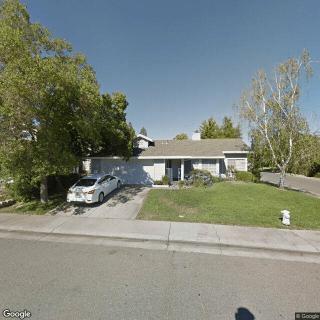
 Competitive pricing, especially for private rooms, compared to county and state averages.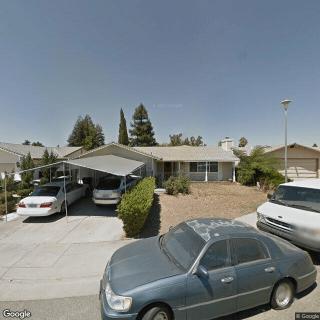

 Dementia, Paranoia, and Caregiver Guidance: Understanding the Connection
 Engaging Memory Care Activities That Enhance Quality of Life
 When to Transition from Assisted Living to Memory Care: Key Indicators, Steps, and Finding the Right Community