
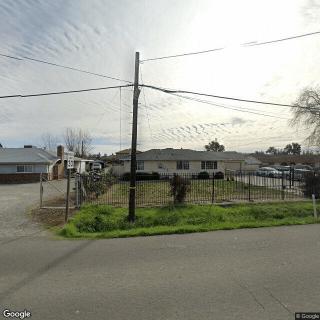
8326 Summer Creek Court, Sacramento, CA 95828
For more information about senior living options: (866) 208-4318
Overall Review of Supreme Residential Care Facility
Pros
 Amazing care home for the elderly.
- The best in Sacramento hands down.
Cons
 The care home is not state certified and is being run without proper government clearance.
- The reviewer advises keeping loved ones safe and staying far away from this business.
- The review warns others to avoid this establishment to protect their loved ones.
Review
Supreme Residential Care Facility seems best suited for families seeking a warm, home-like atmosphere with highly attentive daily care. The facility appears to deliver a caregiving presence that feels personal and hands-on, with routines and interactions that create a sense of community rather than a clinical, impersonal setting. Residents who respond well to small-scale environments, where staff seem to know names and preferences and respond promptly to needs, may find this option appealing. That said, the most consequential factor for any decision is the facility’s regulatory status, a matter that demands thorough verification before any commitment.
A major red flag accompanies the positive impressions: claims that the home is not state certified and operates without proper government clearance. Licensing and regulatory compliance are non-negotiable in senior care, because they govern caregiver qualifications, medication management, safety protocols, and the facility’s overall accountability. For families with residents who have medical or rehabilitative needs, or those relying on insurance, Medicare, or Medicaid, the absence of verified certification introduces tangible risk to continuity of care, funding, and recourse if issues arise. This is not a peripheral concern; it directly affects safety and stability.
The upside is clear in the positive feedback, caregivers who are described as devoted, a setting that supports social engagement, and a daily rhythm that can enhance mood and quality of life. When staff are attentive and residents feel seen, the benefits can be substantial: timely assistance, meaningful interaction, and a sense of belonging that is hard to reproduce in larger, more anonymous facilities. If regulatory questions are resolved to the satisfaction of state authorities and ongoing compliance is demonstrated, these strengths place Supreme Residential Care Facility in the running for families prioritizing personal connection and a nurturing environment.
Yet the contrast between warmth and compliance cannot be ignored. The strongest pro, high-touch, personable care, begins to ring hollow if safety oversight and licensing are uncertain. Pros do not fully offset the main cons when the facility’s legal status remains unclear. Prospective renters must demand concrete evidence: current licensure numbers, proof of state clearance, recent inspection reports, and transparent explanations of staffing ratios, medication administration procedures, and incident history. A credible response to these questions is essential to render the caregiving advantages meaningful and sustainable.
Alternatives warrant serious consideration for risk-conscious families. Licensed facilities with a transparent regulatory track record, regular inspections, and clear safety protocols should be prioritized, especially for residents with complex medical needs or those needing robust oversight. Larger campuses with established accreditation or continuing-care communities that guarantee levels of care may offer greater predictability. In-home options with licensed home-health services remain a viable path for families who want to maintain familiar surroundings while ensuring professional oversight. The decision should hinge on the facility’s ability to demonstrate verifiable compliance and a viable plan for ongoing quality assurance.
Bottom line: Supreme Residential Care Facility presents a compelling care-forward narrative, quiet dignity, attentive staff, and a sense of community, that resonates with families seeking a close-knit, humane living environment. However, the reported lack of state certification is a decisive caution, one that cannot be overlooked. Unless solid, verifiable evidence of licensure and regulatory compliance is provided and maintained, this option should not be viewed as a primary choice. If the facility can deliver transparent documentation and ongoing regulatory accountability while preserving the described culture of care, it becomes a strong candidate worth serious consideration. In the end, the best match will balance a proven safety framework with the heartfelt, day-to-day care that residents and families value.
 6 resident community capacity
 Assisted Living
 Board and Care Home
 Cable or satellite TV
 Dining room
 Fully furnished
 Garden
 Housekeeping services
 Move-in coordination
 Outdoor space
 Telephone
 Wi-Fi/high-speed internet available
 Sacramento International (19 miles away)
 24-hour supervision
 Activities of daily living assistance
 Assistance with bathing
 Assistance with dressing
 Assistance with transfers
 Diabetes diet
 Meal preparation and service
 Medication management
 Special dietary restrictions
 Transportation arrangement (medical)
 Transportation to doctors appointments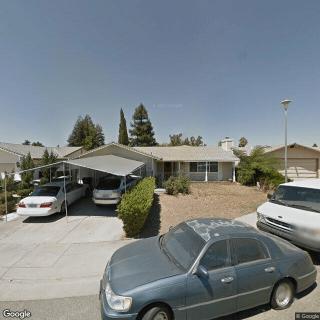

 Assisted Living Support for Veterans: A Complete and Detailed Overview
 Exploring the Contrasts Between Assisted Living and Skilled Nursing
 8 Key Indicators That Suggest It May Be Time to Transition from Assisted Living to Skilled Nursing Care