Sunrise at Canyon Crest presents a premium pricing structure for its accommodations, reflecting the high-quality services and amenities it offers. For instance, the monthly cost for a semi-private room is $6,390, significantly higher than the Riverside County average of $2,844 and the California state average of $3,333. Similarly, residents seeking more space will find the two-bedroom option priced at $7,140 - again eclipsing both local and state norms of $3,614 and $5,270 respectively. The studio and one-bedroom options follow suit with costs of $7,350 and $8,820 compared to their county counterparts of $3,559 and $3,611. This substantial difference underscores not only the quality of care but also the tailored lifestyle experience that Sunrise at Canyon Crest aims to provide its residents in comparison to typical market rates in Riverside County and across California.
Floor plans
Sunrise at Canyon Crest
Riverside County
California
Semi-Private
$6,390
$2,844
$3,333
2 Bedrooms
$7,140
$3,614
$5,270
Studio
$7,350
$3,559
$4,145
1 Bedroom
$8,820
$3,611
$4,340
Memory care communities with a similar price nearby
from -$690 / mo
Mt. San Antonio Gardens
4.9 from 35 reviews
$5,700 to $8,550 / month
24.6 miles away
About the same
Sunrise at Alta Loma
4.4 from 76 reviews
$6,390 to $8,340 / month
18.7 miles away
from -$1140 / mo
Terracina Post Acute formerly Braswell's Colonial Care
Residents and families repeatedly describe attentive, compassionate caregivers.
Across the reviews, families highlight care teams that treat residents with dignity and kindness, stay patient, and respond to concerns. Several reviewers specifically mention good bedside manner, clear communication, and staff who make time to update families. In memory care, residents and families also describe staff who stay engaged and supportive as needs change.
differentiator18 reviews mention this
Food stands out as a strength
Dining quality is a frequent, specific positive in reviews.
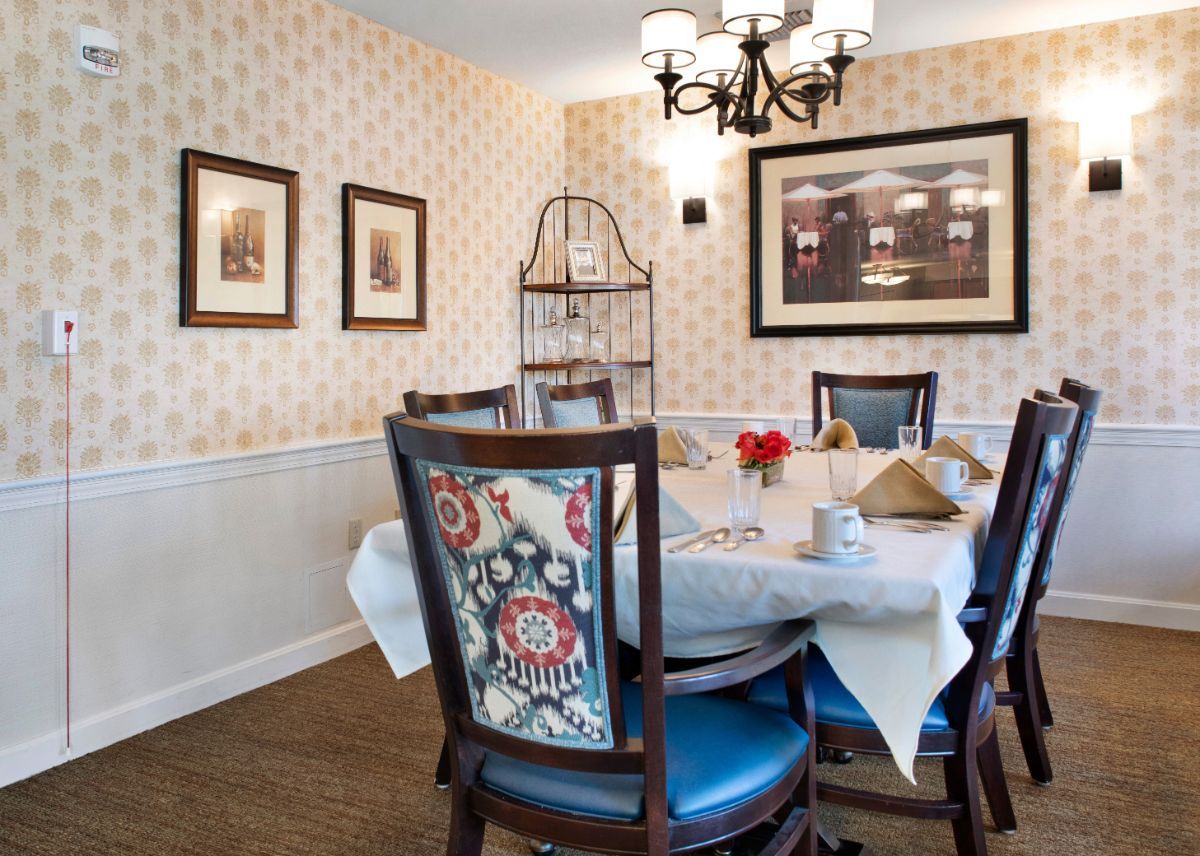
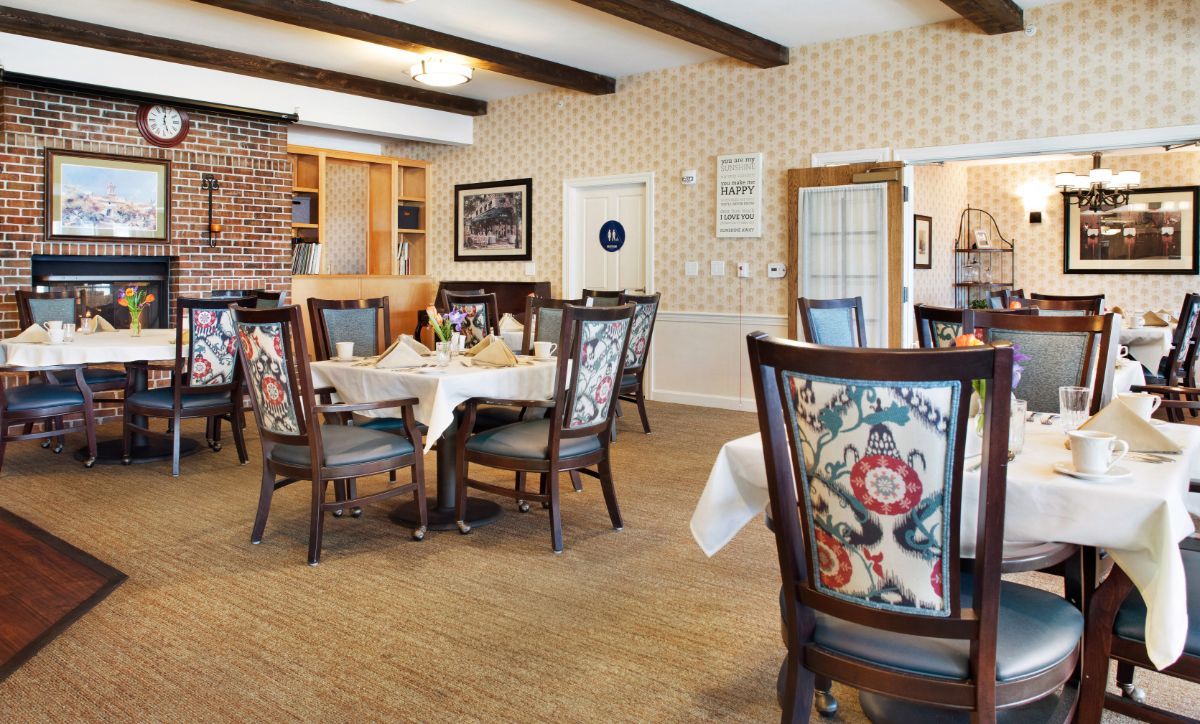
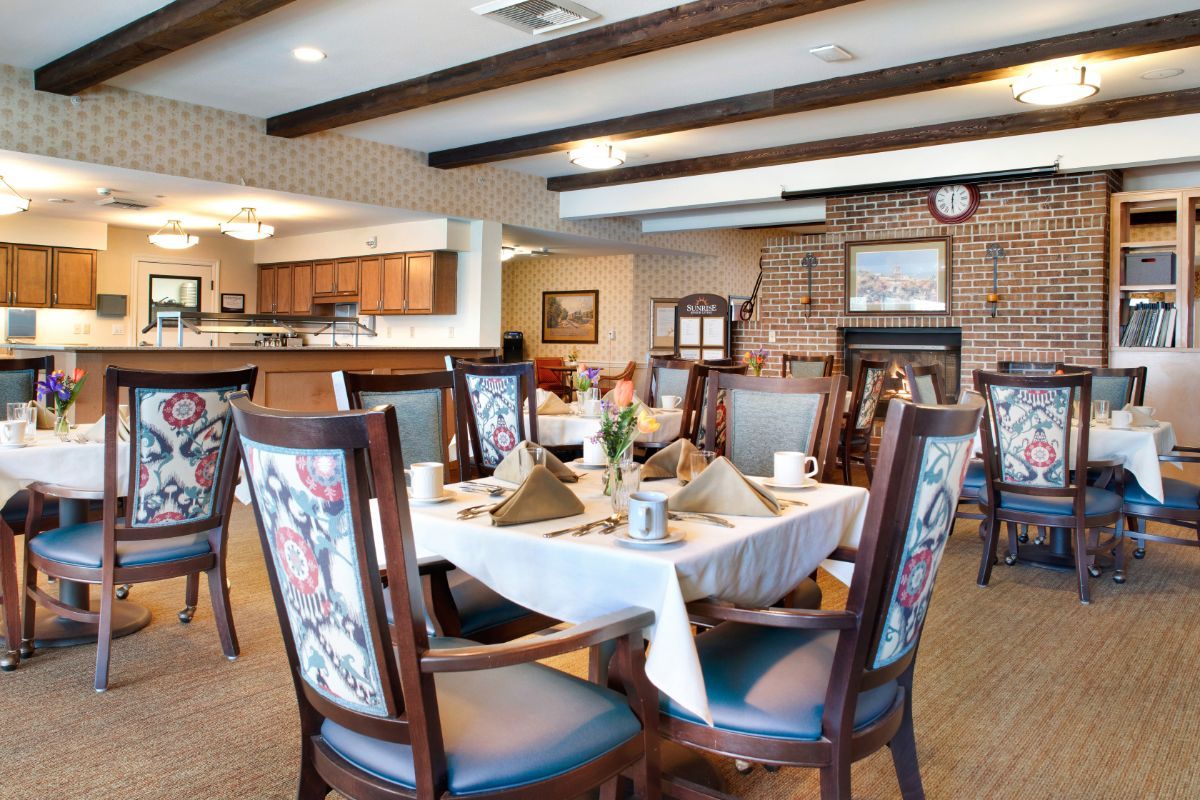
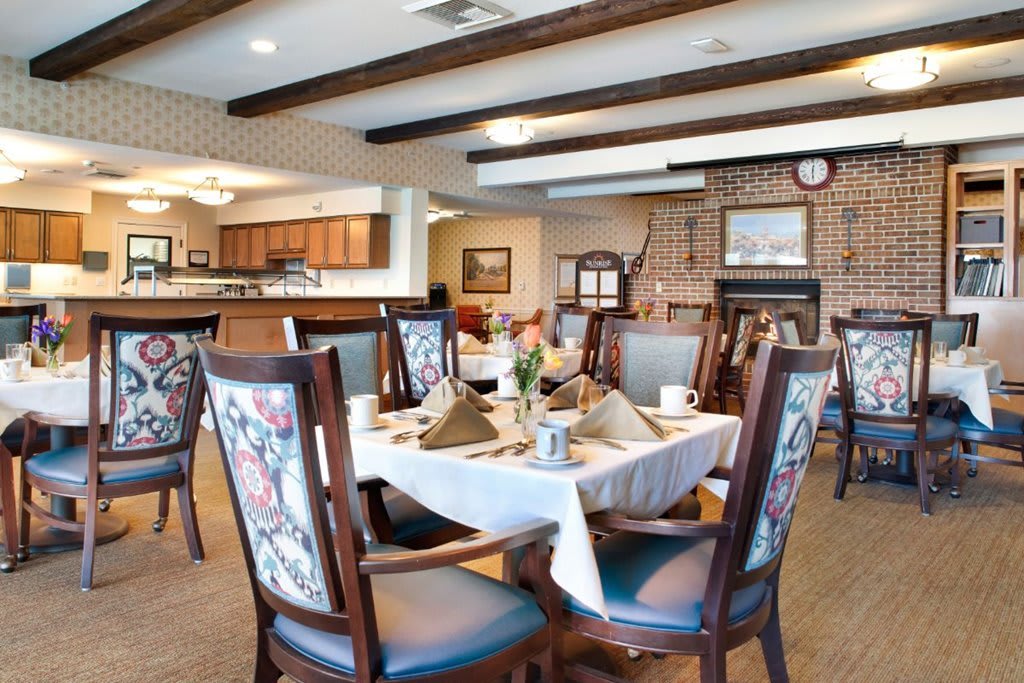
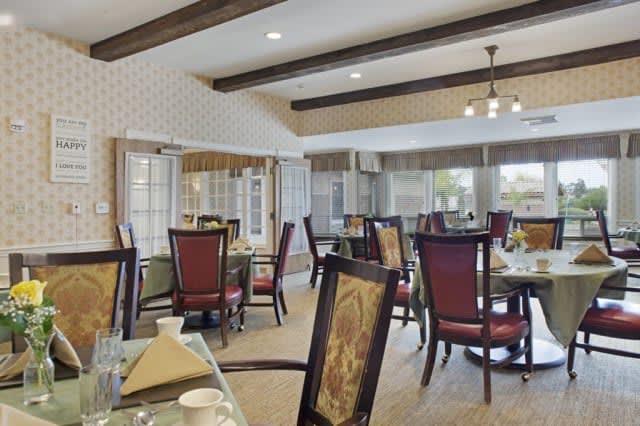
Many reviewers point to the quality of meals, describing the food as tasty, plentiful, and sometimes home-feeling. Several also mention weight gain or improved enjoyment, and multiple reviews connect dining with day-to-day comfort. The community offers restaurant-style dining and professional chef support, aligning with what residents and families describe.
common15 reviews mention this
Activities keep residents engaged
Residents are kept involved with regular activities and outings.
Reviewers frequently describe activities that help residents stay mentally stimulated, socially connected, and entertained. Some call out outings, brunches, and community events, while others mention crafts, exercise, and religious or educational programming. The community also lists a wide set of on-site activity options and ongoing scheduled programming, which matches the recurring theme that life here is more than just sitting at home.
common12 reviews mention this
Facility feels clean and home-like
Multiple reviews emphasize cleanliness and a home-like environment.
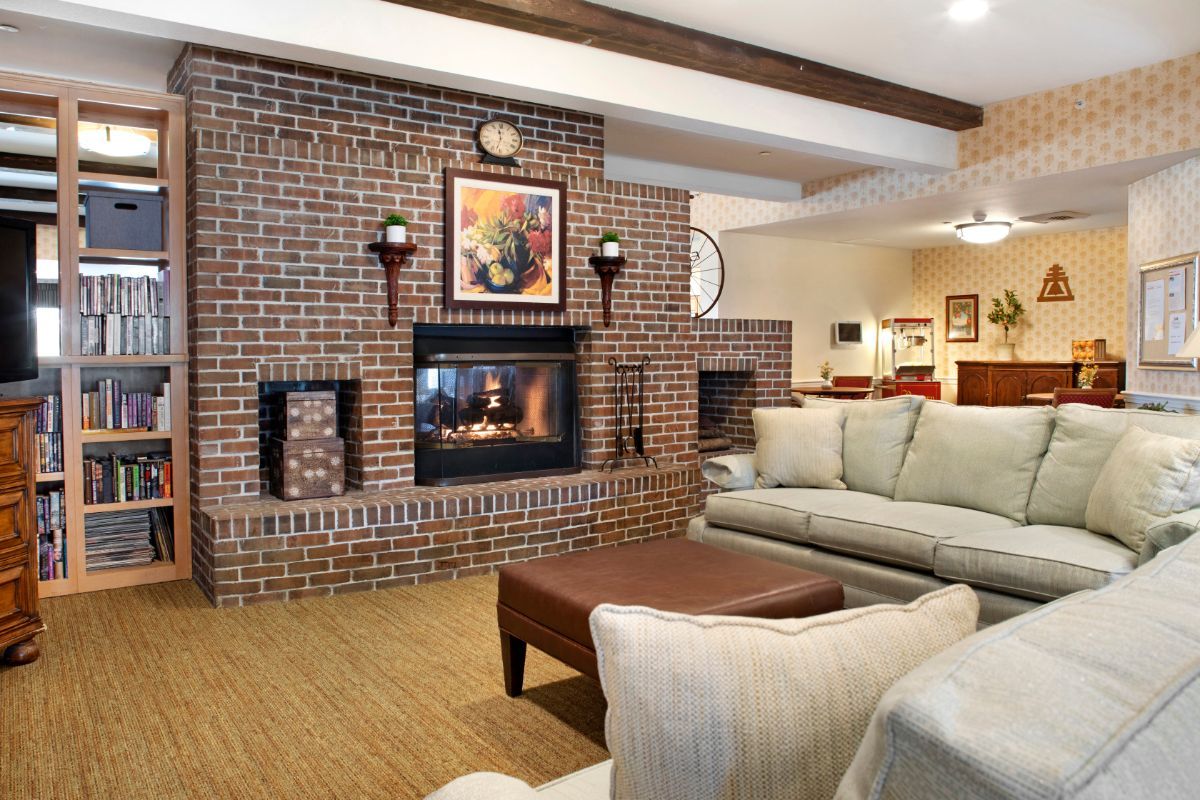
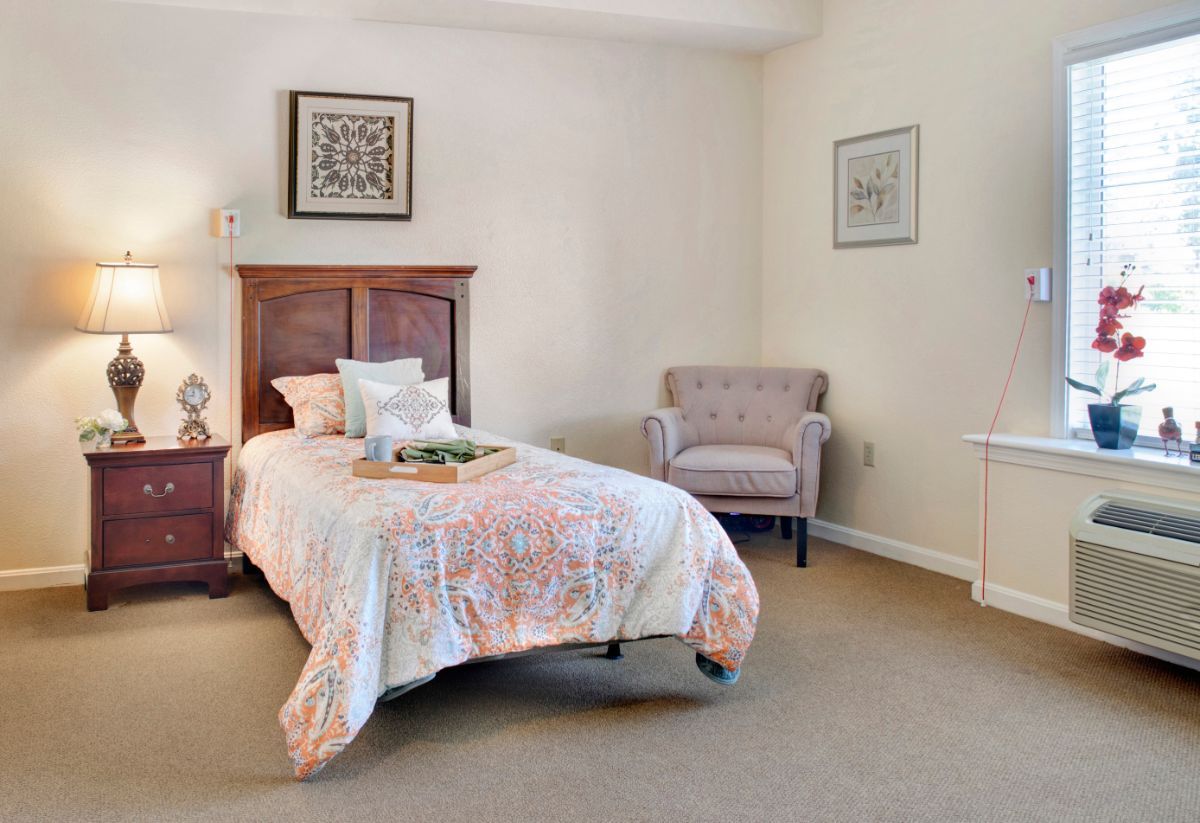
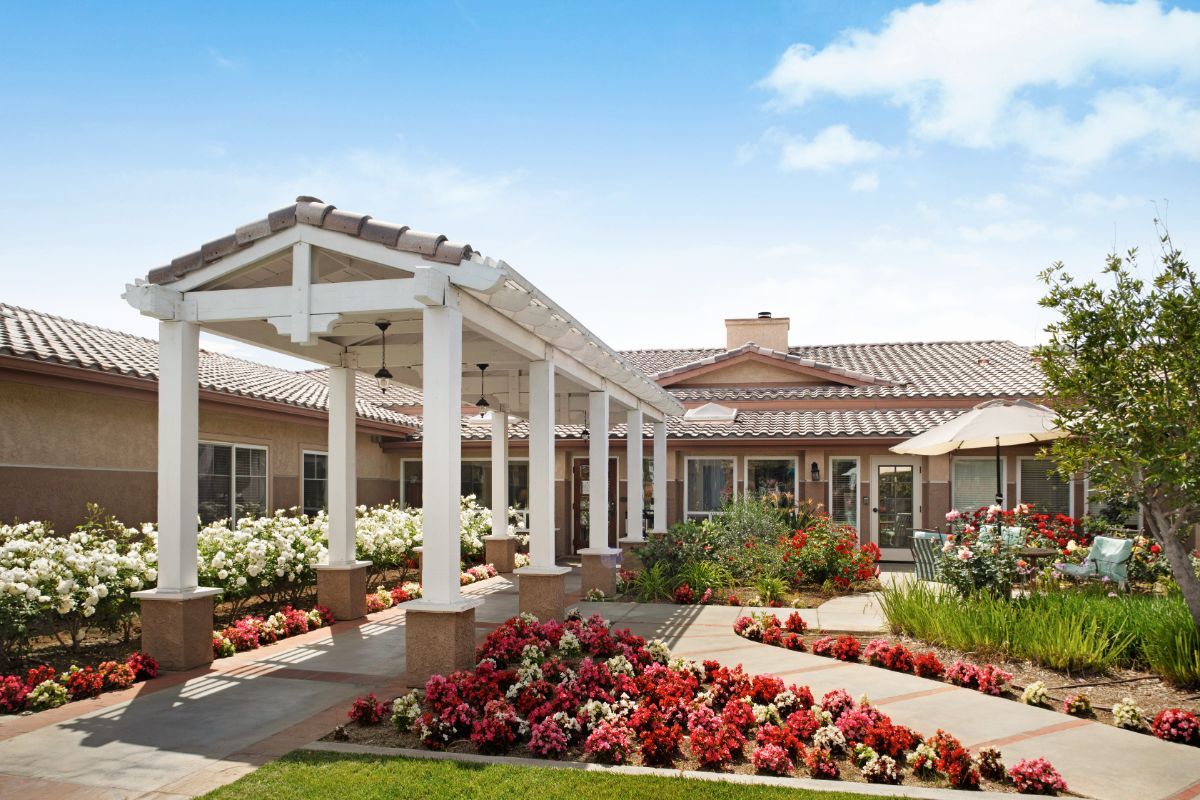
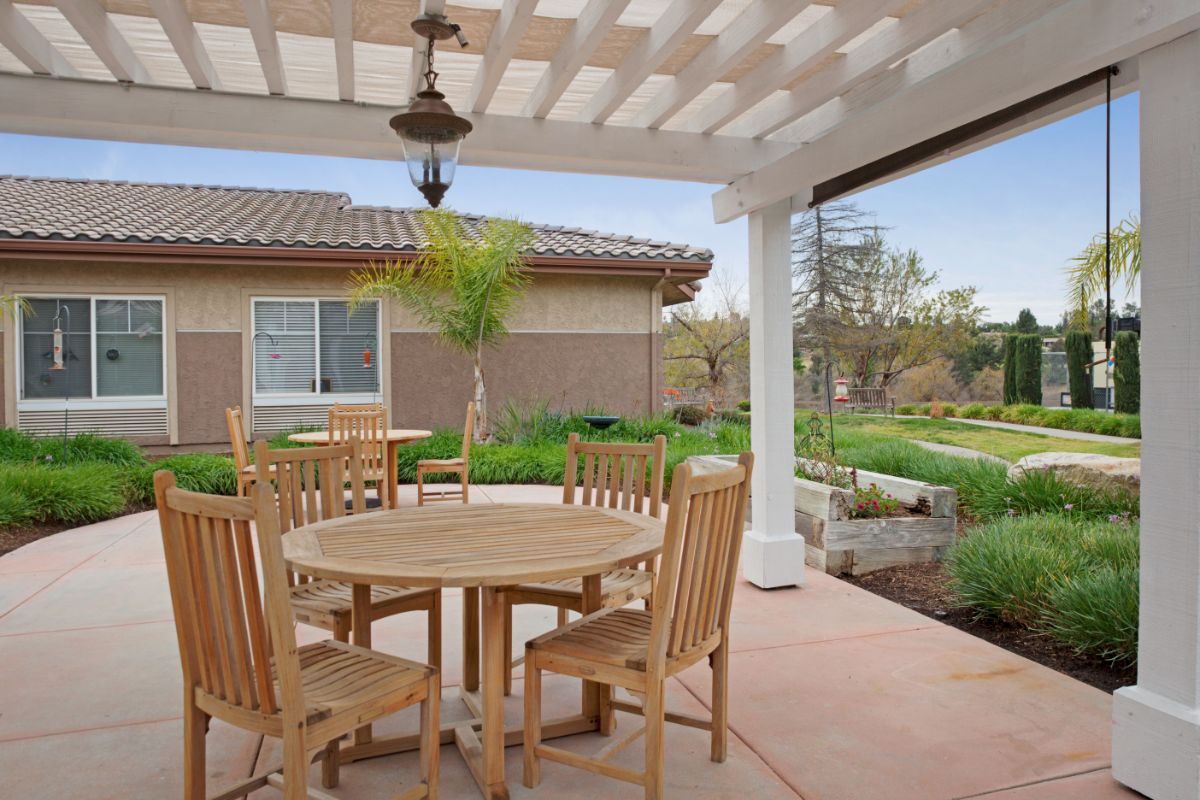
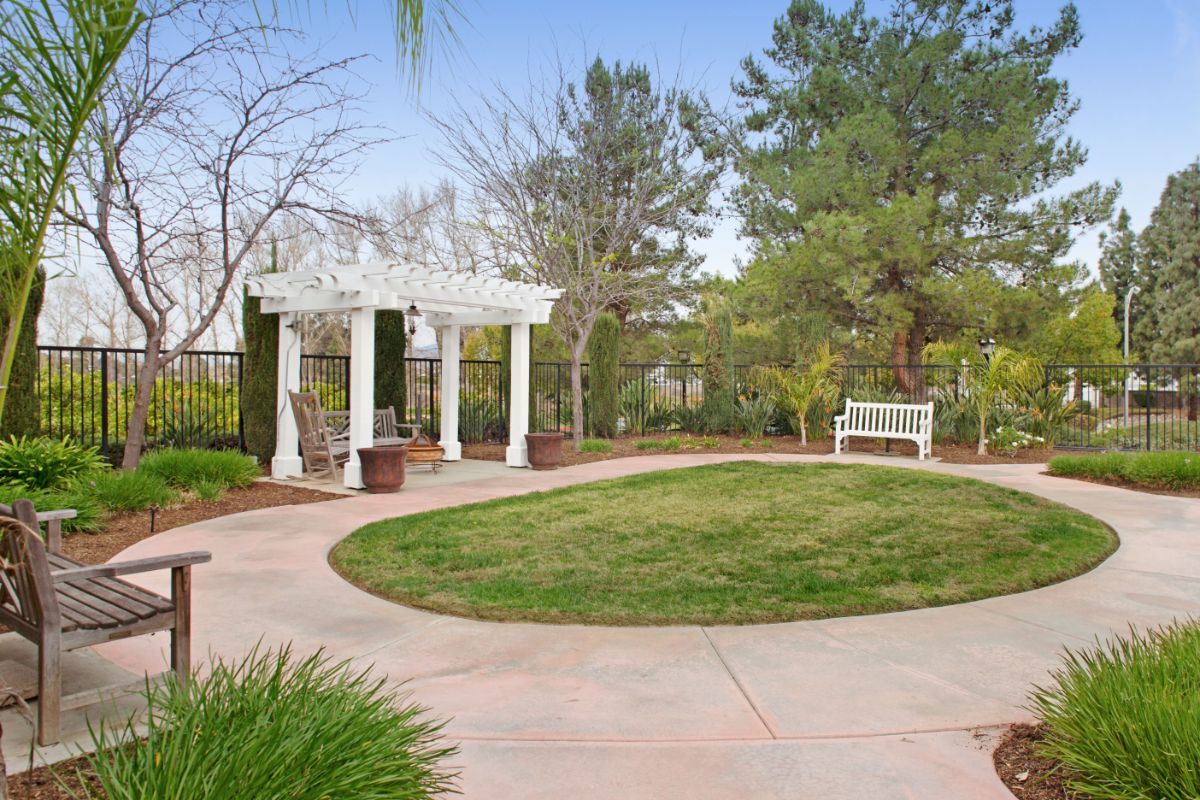
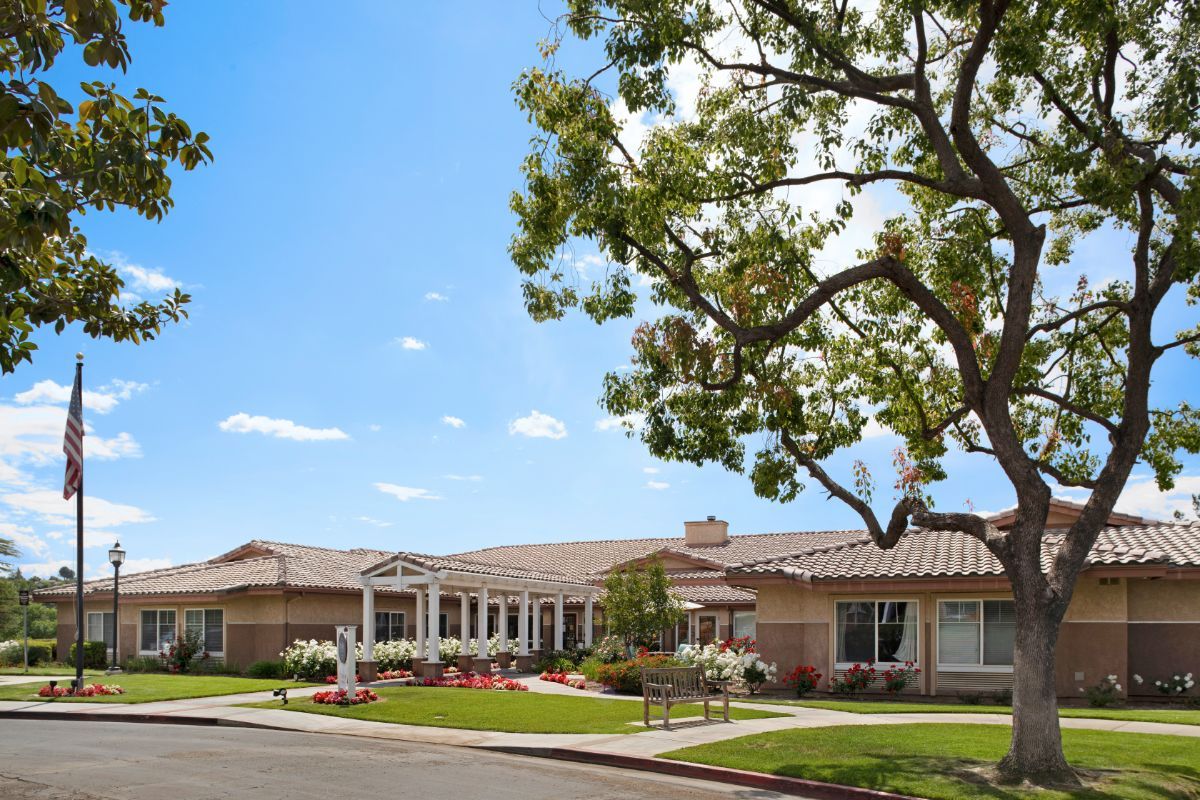
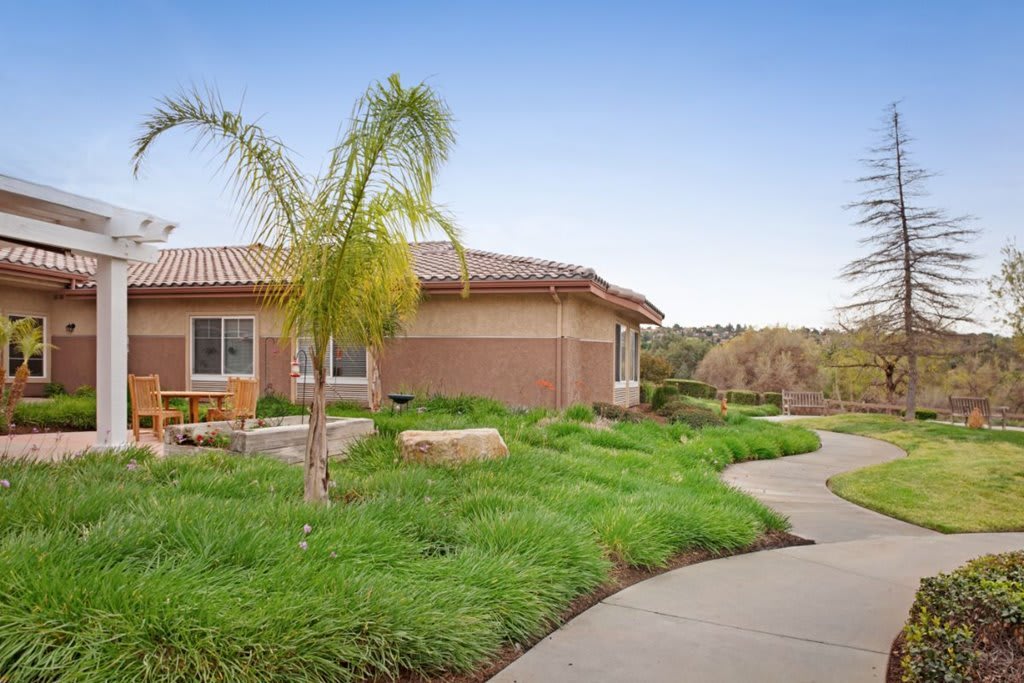
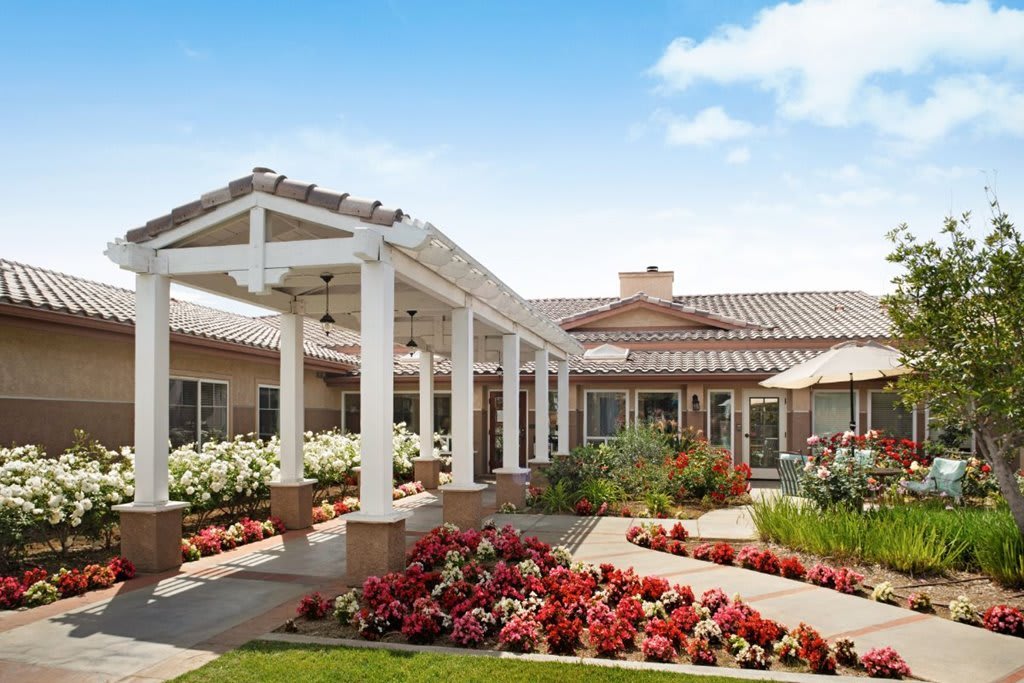
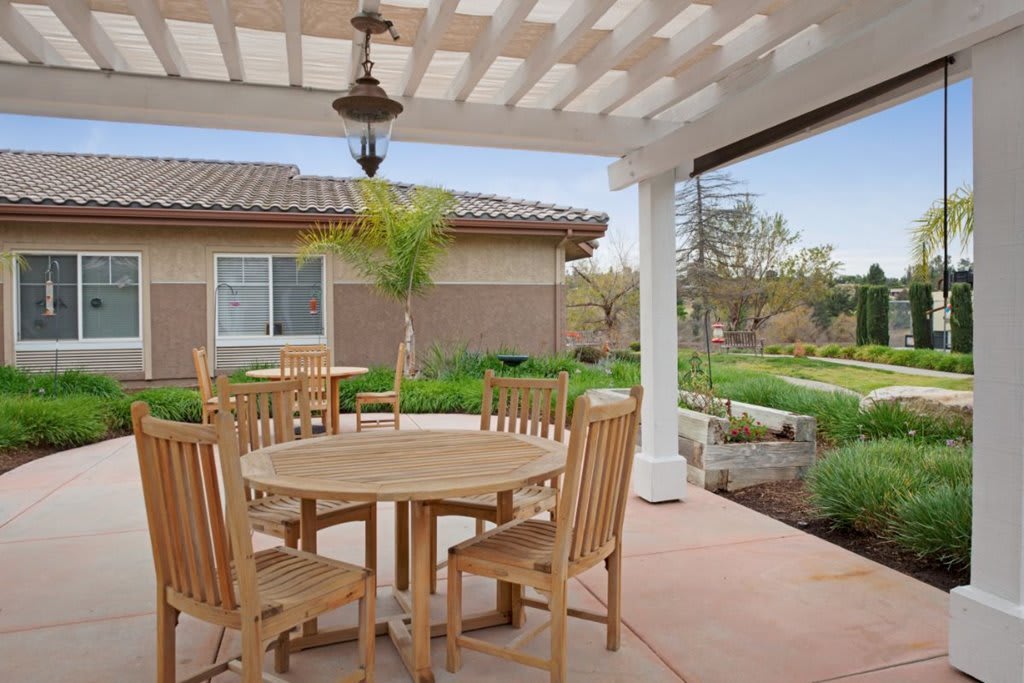
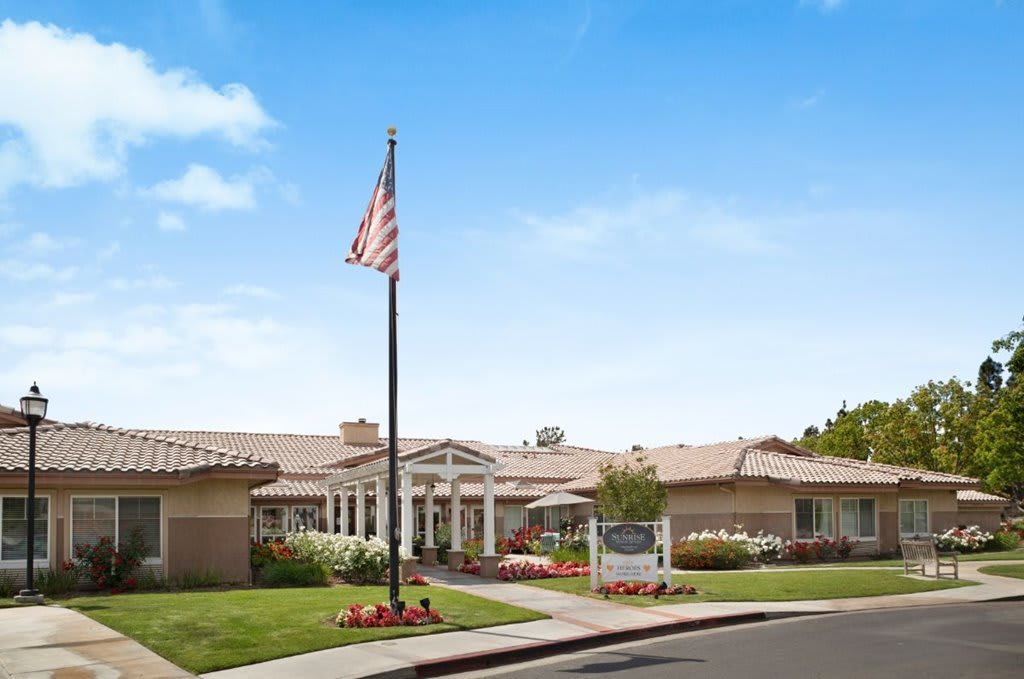
A consistent thread in the reviews is that the facility looks well kept, clean, and welcoming. Several families describe a homey atmosphere rather than something institutional, and others mention updates or maintaining a pleasant environment for daily life. Reviewers also describe rooms, cottages, and common spaces as comfortable, supporting the overall “home” feel that comes up repeatedly.
common10 reviews mention this
Memory care support is emphasized
Families in memory care describe supportive transitions and ongoing care.
Several reviews specifically mention memory care, often describing a smoother transition when a loved one’s needs became more challenging. Families also talk about staff being patient with dementia-related behaviors and keeping residents comfortable and engaged. The community provides specialized memory care programming and dementia-related care services, aligning with how often memory care experiences are discussed.
caveat9 reviews mention this
Cost is a major drawback
Many reviewers say the community is expensive for what they receive.
Price comes up as a recurring concern, with multiple reviewers directly calling it costly or saying it was not affordable. Even among otherwise-positive reviews, families often qualify their recommendation with comments about the expense. Pricing shown for units is substantially higher than county and state benchmarks, which helps explain why cost is one of the clearest caveats in the feedback.
caveat2 reviews mention this
Some call out staffing and response delays
A small number of reviews describe delays and possible understaffing.
While most feedback is positive, a couple of reviews raise concerns about understaffing and extended waits when calling for help. One reviewer also questions training, describing poor care experiences. These concerns appear in the lowest-rated reviews, making staffing reliability the clearest recurring negative theme to consider.
How we summarize
Counts show how many written reviews mention each theme; a review can touch several themes, and only frequently mentioned themes are displayed.
Features
Housing
88 resident community capacity
1-bedroom apartments
Detached homes
Studio apartments
Types of Care
Assisted Living
Memory Care
Pets
Cats allowed
Dogs allowed
Amenities
Activities off-site
Activities on-site
Air-conditioning
Beautician on-site
Beauty salon
Cable or satellite TV
Cafe
Computer center
Devotional services off-site
Devotional services on-site
Dining room
Financing advice
Fitness room
Fully furnished
Gaming room
Garden
Ground floor units
Guasts at mealtime
Guest parking
Handicap accessible
Housekeeping services
Indoor common areas
Kitchenette
Laundry
Located close to restaurants
Located close to shopping centers
Move-in coordination
Outdoor common areas
Outdoor patio
Outdoor space
Overnight guests
Party space
Pet friendly
Private bathrooms
Resident parking
Respite or short term stays offered
Restaurant-style dining
Small library
Spa
TV room
Telephone
VA Benefits Consultation
Wellness center
Wheelchair accessible showers
Wi-Fi/high-speed internet available
Transportation
Ontario International (16 miles away)
Community operated transportation
Transportation & parking
Transportation arrangement
Transportation arrangement (non-medical)
Care Services
12-16 hour nursing
24-hour call system
24-hour supervision
Activities of daily living assistance
Assistance with bathing
Assistance with dressing
Assistance with transfers
Care with behavioral issues
Coordination with health care providers
Dementia waiver
Diabetes diet
Diabetic care
Hospice care
Hospice waiver
Incontinence care
Meal preparation and service
Medication management
Mental wellness program
Mild cognitive impairment
Physical therapy
Respite program
Special dietary restrictions
Specialized memory care programming
Transportation arrangement (medical)
Transportation to doctors appointments
Dining
Diabetes diet
Guest meals
Low / no sodium
Meals provided
No Sugar
Professional chef
Restaurant style dining
Special dietary restrictions
Special dining programs
Activities
Activities off-site
Activities on-site
Art classes
Arts and crafts
Book club
Community-sponsored activities
Concierge services
Cooking club
Day trips and outings
Devotional activities offsite
Devotional activities on-site
Educational speakers / life long learning
Fitness programs
Games
Gardening club
Happy hour
Live musical performances
Live well programs
Pet-focused programs
Planned day trips
Religious services
Resident-run activities
Scheduled daily activities
Stories
Tai Chi
Wii bowling
Languages Spoken
English
Nearby Places of Interest
This particular area of Riverside, California offers a mix of natural beauty and convenience. With several parks nearby including Andulka Park and Mount Rubidoux, residents can enjoy outdoor activities and scenic views. There are also several cafes and restaurants in the vicinity, providing options for dining out or grabbing a quick bite to eat. For medical needs, there are pharmacies and physicians within a few miles radius, ensuring easy access to healthcare services. Additionally, there are places of worship for spiritual fulfillment and theaters for entertainment. The proximity to hospitals like Empire Imaging and Parkview Community Hospital Medical Center provides peace of mind in case of emergencies. Overall, this area offers a comfortable living environment with amenities that cater to the needs of seniors.
Parks
Andulka Park (0.5 miles)
Sycamore Canyon Wilderness Park (1.8 miles)
Mount Rubidoux (3.6 miles)
Towngate Memorial Park (4.3 miles)
Cafes
Starbucks (0.6 miles)
Starbucks (2.9 miles)
Starbucks (3.7 miles)
The Coffee Bean and Tea Leaf (3.9 miles)
Starbucks (4.6 miles)
Wanda's Cafe (5.3 miles)
Starbucks (6 miles)
Restaurants
Donut Tyme (0.6 miles)
Smokey Canyon BBQ (0.6 miles)
The Old Spaghetti Factory (2.4 miles)
McDonald's (2.8 miles)
Locals Public House (2.8 miles)
Plant Power Fast Food (2.9 miles)
Chick-Fil-A (3 miles)
Pharmacies
Walgreens (1.5 miles)
CVS Pharmacy (2.8 miles)
CVS Pharmacy (2.9 miles)
CVS Pharmacy (2.9 miles)
Walgreens (3.2 miles)
Central Best Pharmacy (3.3 miles)
Day Street Pharmacy (3.6 miles)
Physicians
Maguire, Gerald Ucr Health Comprehensive Psychiatric Services (2.5 miles)
Riverside Community Hospital Transplant Center (2.9 miles)
Tang Ashley, MD (2.9 miles)
Riverbrock Neuro Sciences (2.9 miles)
University Pain Consultants (3.2 miles)
Cardio Vascular Plus (3.3 miles)
Loma Linda University Plastic Surgery Group (3.4 miles)
Theaters
Regal Riverside Plaza (2.9 miles)
AMC Tyler Galleria 16, NEW RESERVED SEATING: Save your favorite seat in advance (7.3 miles)
Places of Worship
The Refuge Bible Fellowship (2.9 miles)
Riverside Community Church (4 miles)
The Grove Community Church (4 miles)
Azure Hills Seventh-Day Adventist Church (5.7 miles)
National Association of Seventh Day Adventist Dentists (7.9 miles)
Hospitals
Empire Imaging (3 miles)
Riverside Center (3.2 miles)
Parkview Community Hospital Medical Center (6 miles)
Sunrise at Canyon Crest presents a premium pricing structure for its accommodations, reflecting the high-quality services and amenities it offers. For instance, the monthly cost for a semi-private room is $6,390, significantly higher than the Riverside County average of $2,844 and the California state average of $3,333. Similarly, residents seeking more space will find the two-bedroom option priced at $7,140 - again eclipsing both local and state norms of $3,614 and $5,270 respectively. The studio and one-bedroom options follow suit with costs of $7,350 and $8,820 compared to their county counterparts of $3,559 and $3,611. This substantial difference underscores not only the quality of care but also the tailored lifestyle experience that Sunrise at Canyon Crest aims to provide its residents in comparison to typical market rates in Riverside County and across California.
The features at Sunrise at Canyon Crest are meticulously designed to address the diverse and complex needs of residents with dementia or Alzheimer's disease. Continuous 24-hour supervision ensures a safe environment where staff can respond promptly to any challenges that arise, while personalized assistance with daily living activities such as bathing, dressing, and transfers helps residents maintain dignity and comfort. Specialized care for behavioral issues and incontinence ensures that each resident receives compassionate support tailored to their specific needs. Coordination with healthcare providers facilitates comprehensive medical oversight, and the dementia waiver allows for flexibility in care approaches. Meal preparation and service not only provide proper nutrition but also cater to individual preferences, enhancing overall well-being. Medication management mitigates risks associated with mismanagement of prescriptions, while a dedicated mental wellness program addresses cognitive health through stimulating activities. Services such as physical therapy enhance mobility and strength, further improving quality of life, while specialized memory care programming creates a structured environment that fosters engagement and familiarity. Lastly, transportation arrangements for medical appointments ensure residents can access necessary healthcare services without stress or difficulty.
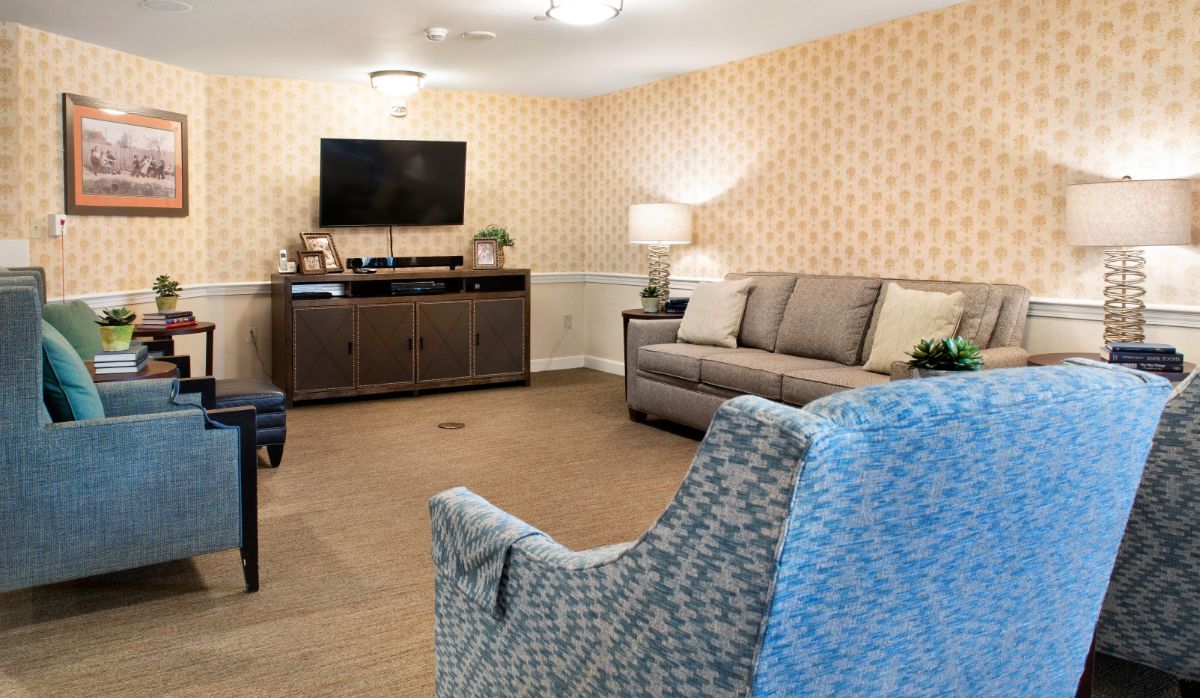
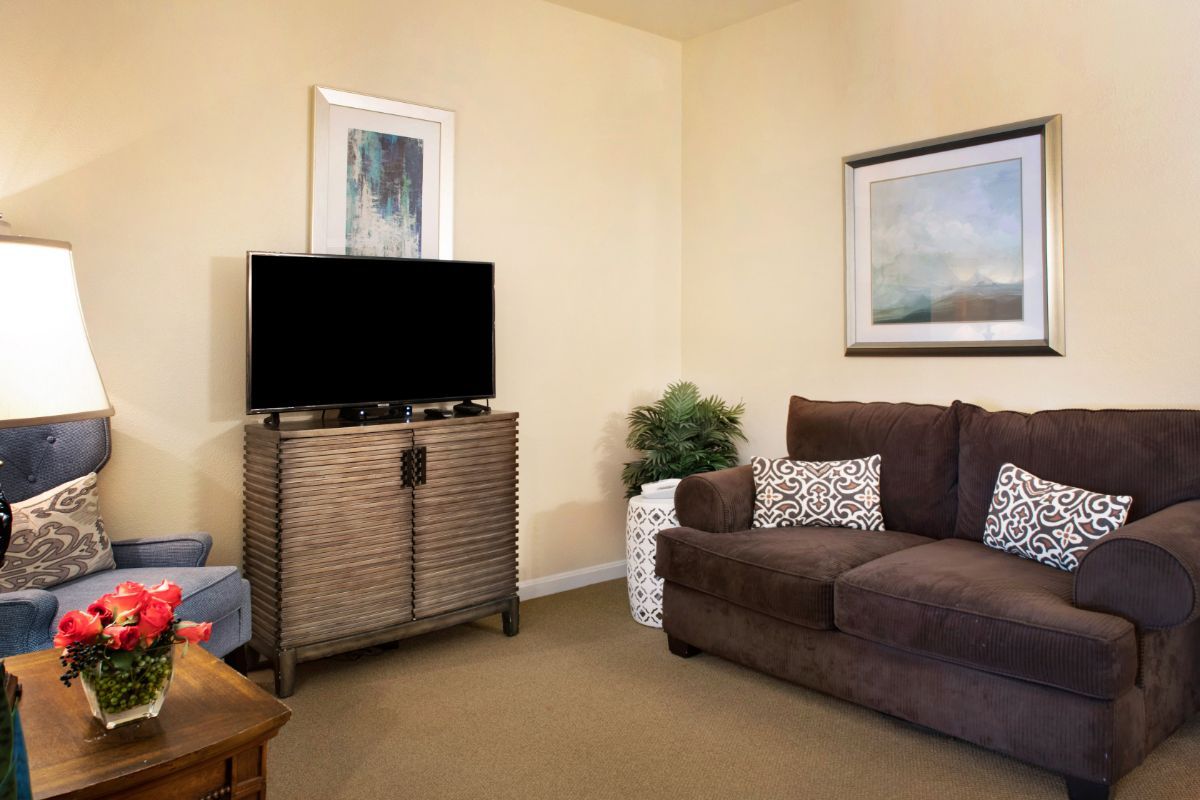
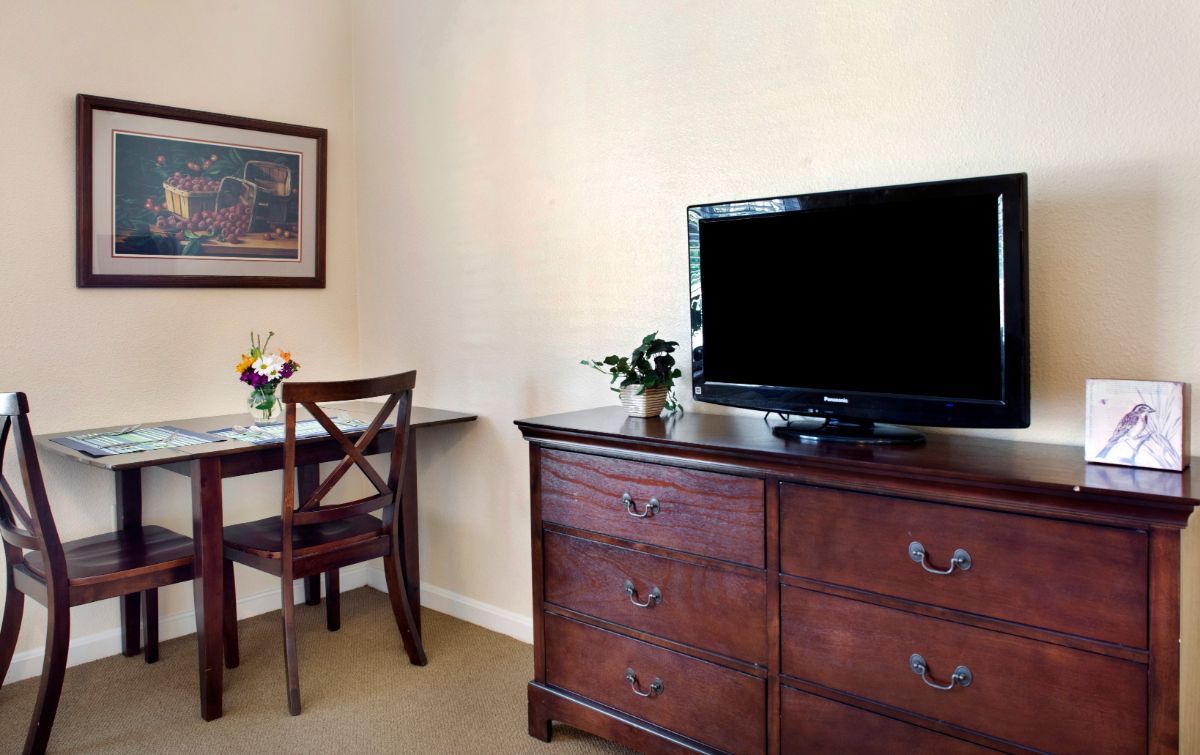
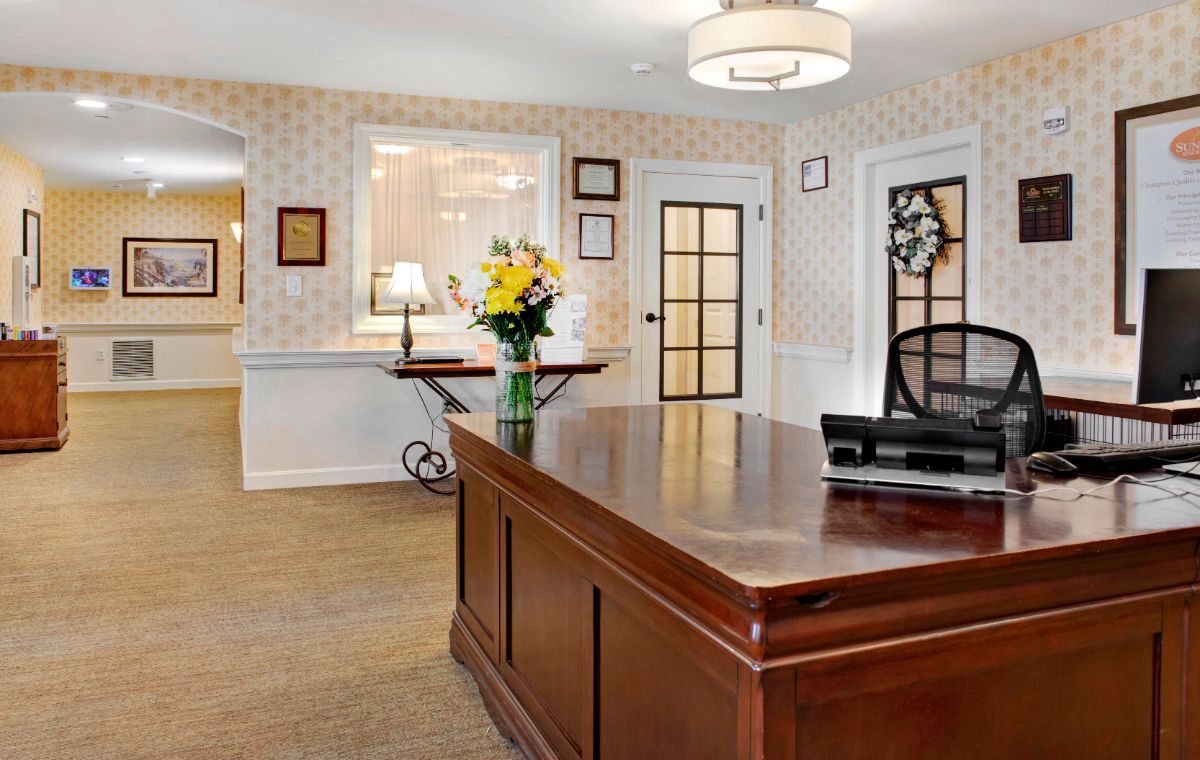
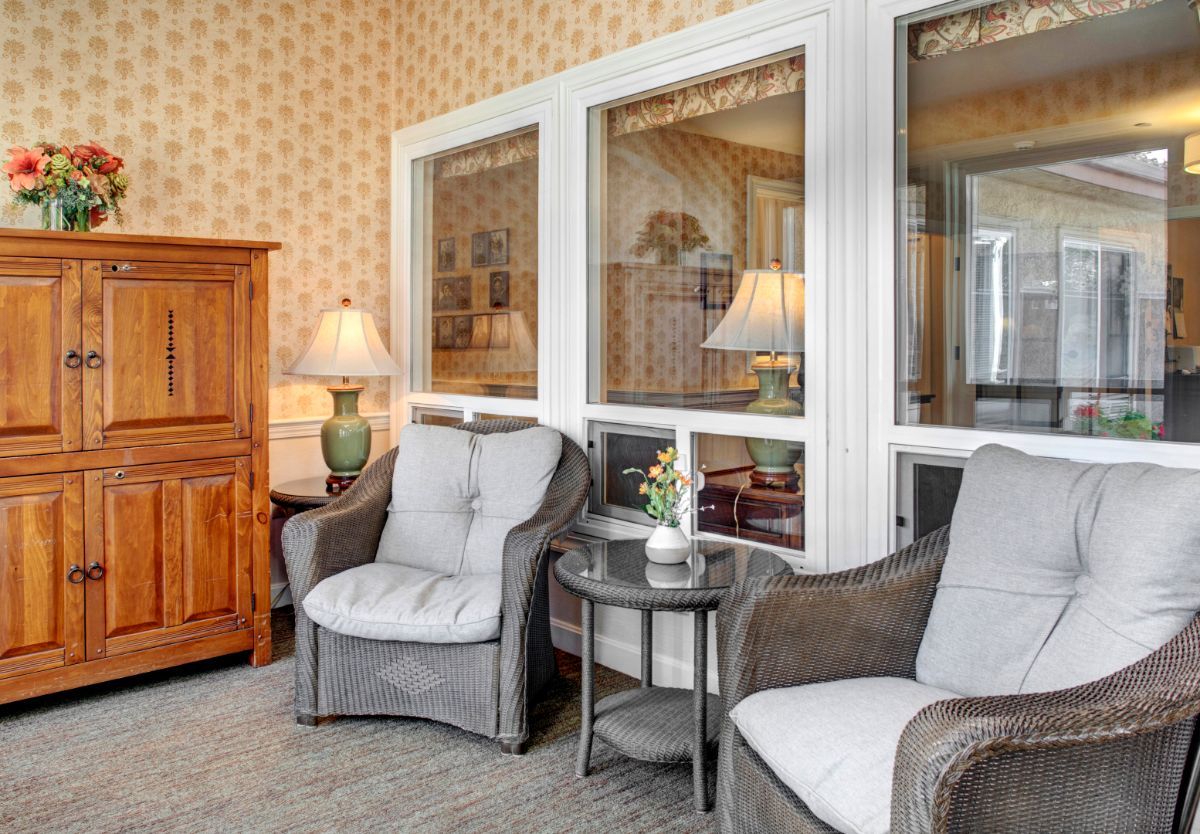
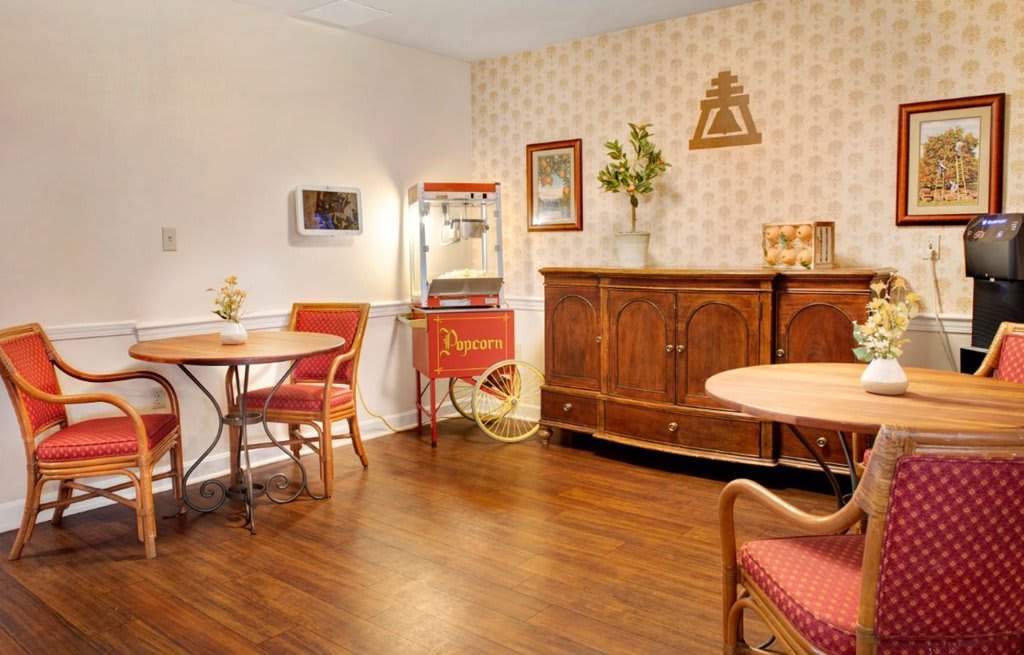
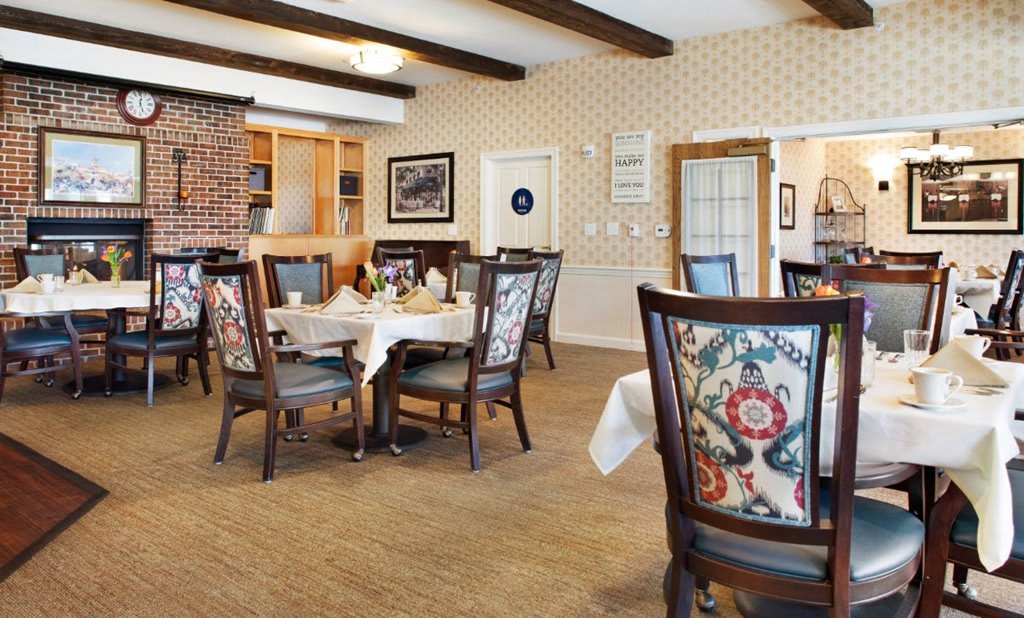
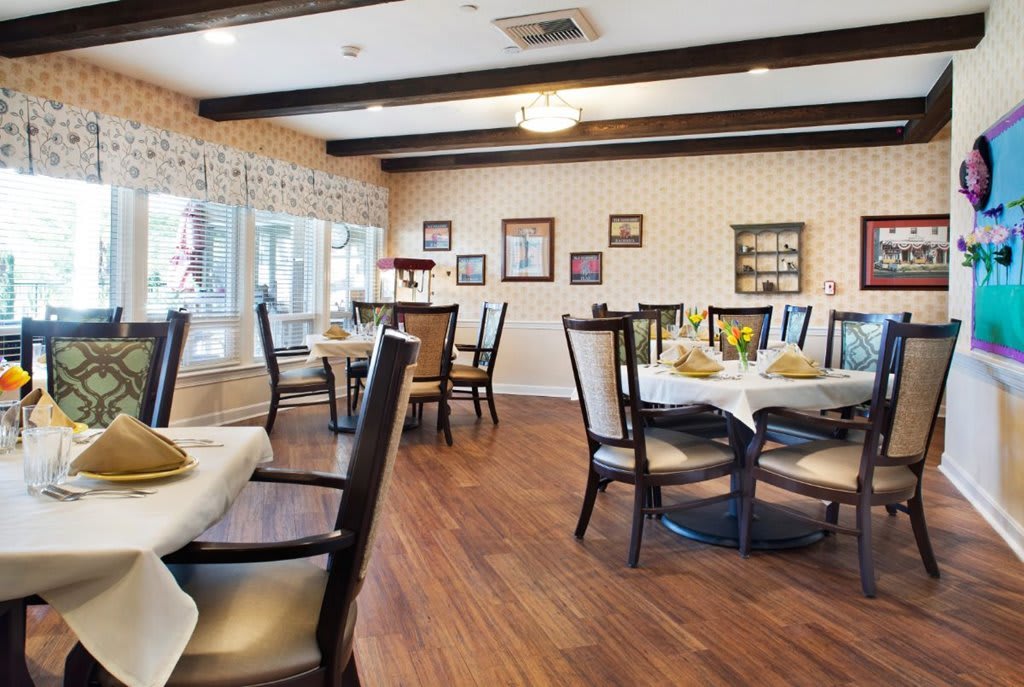
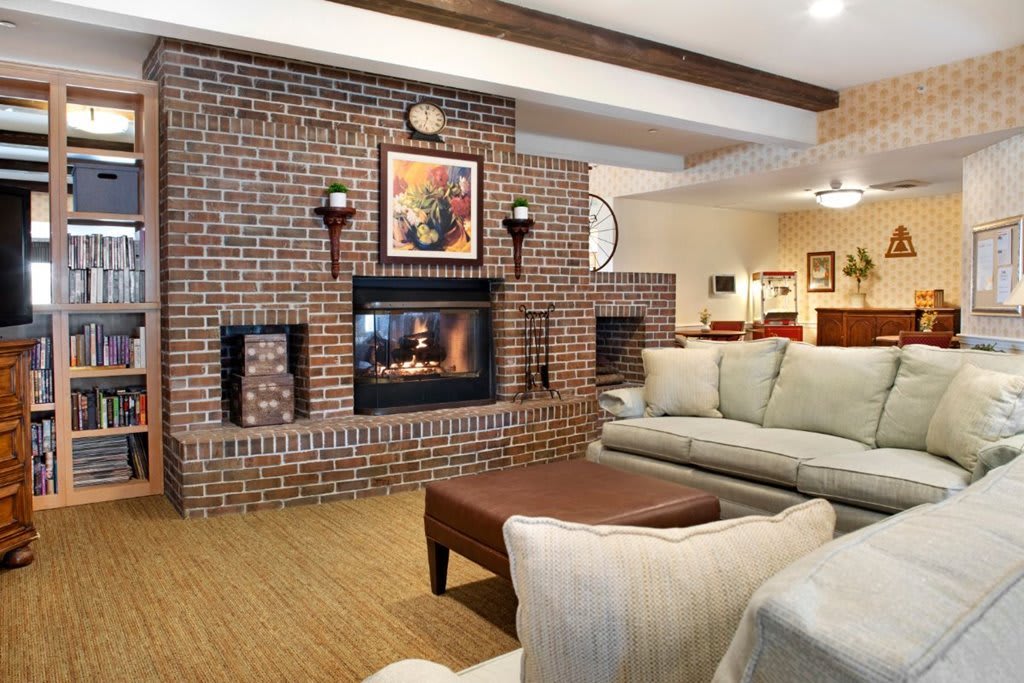
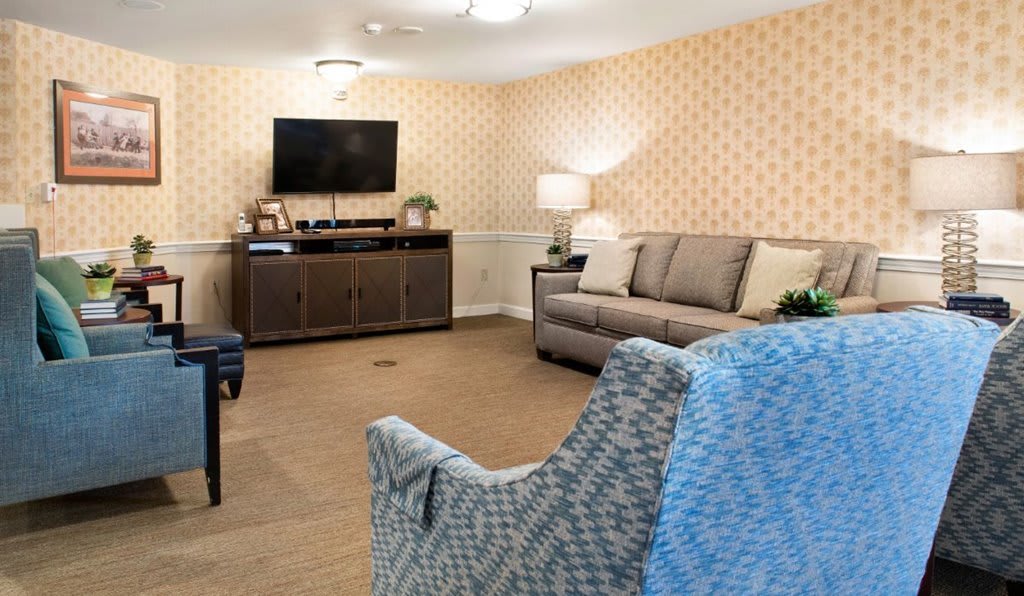
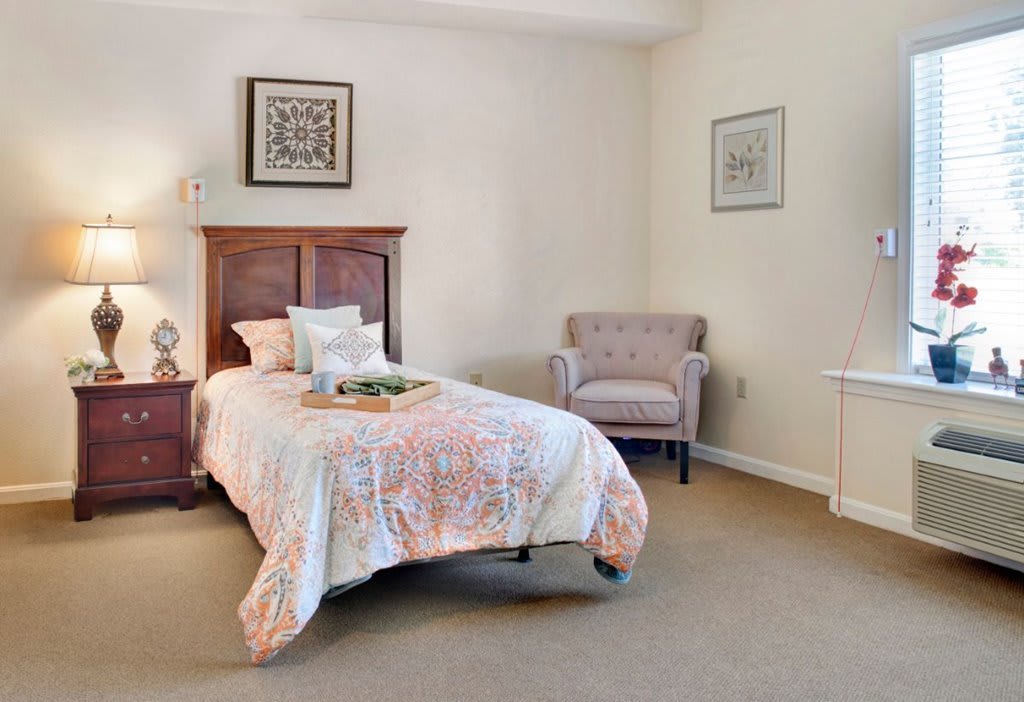
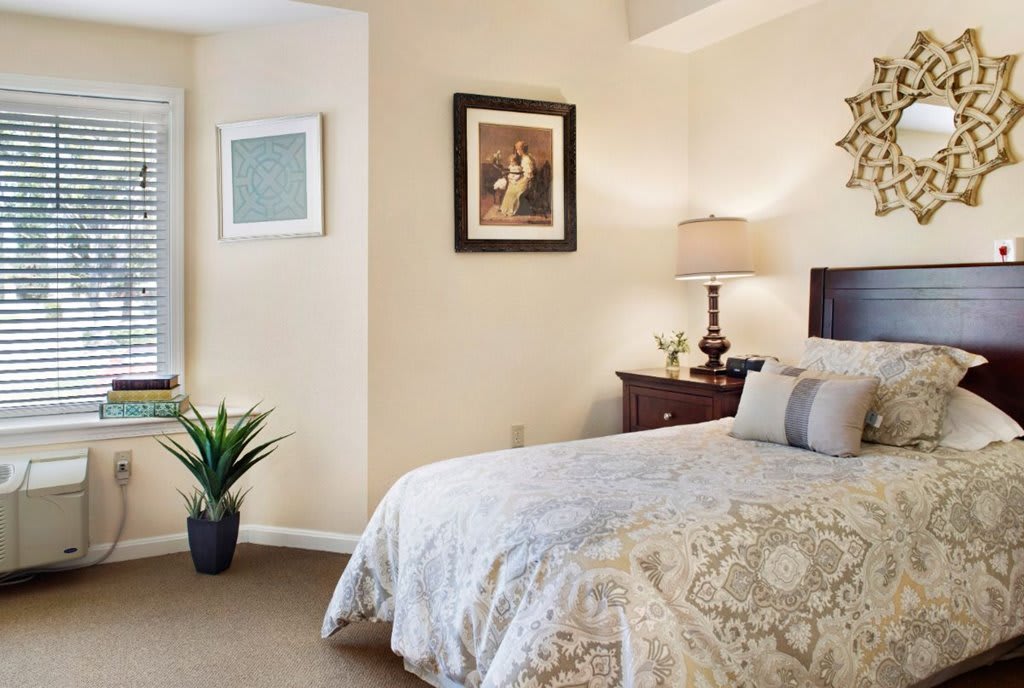
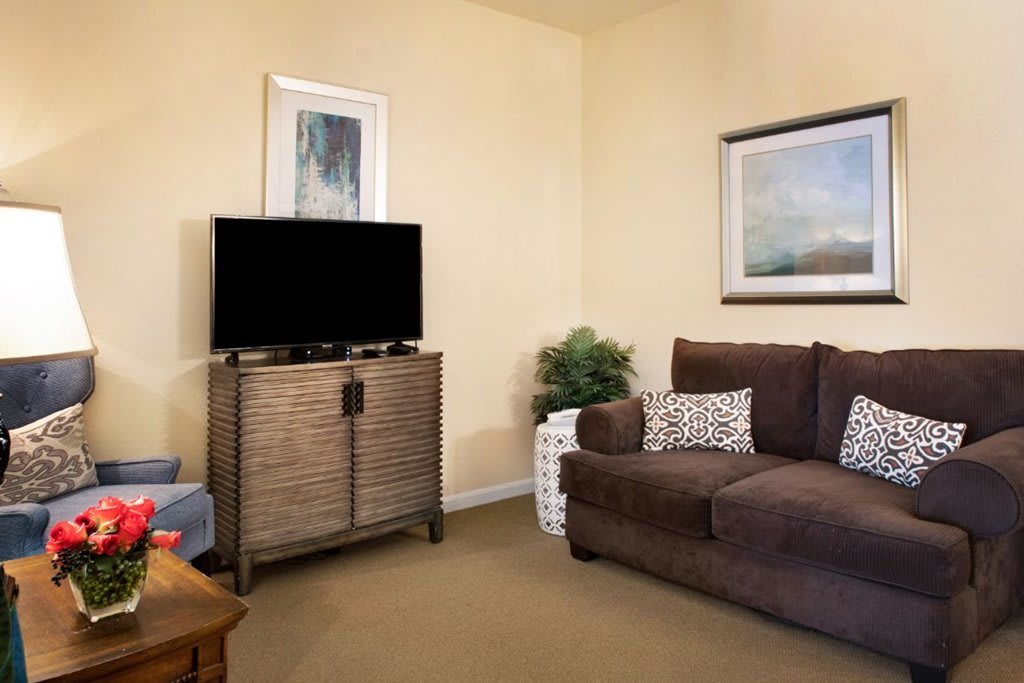
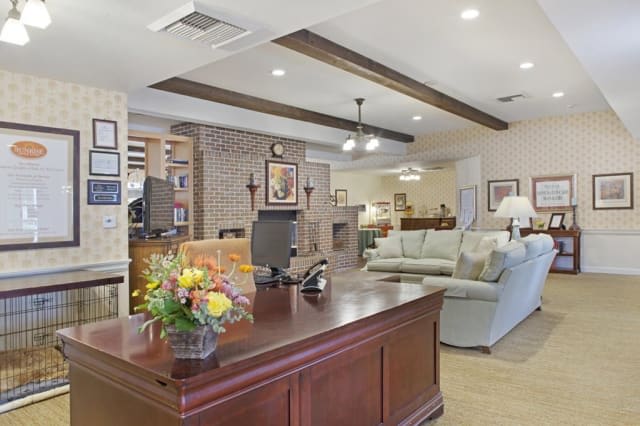
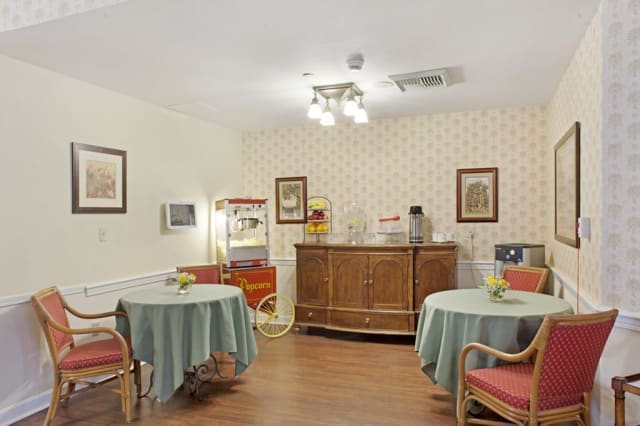
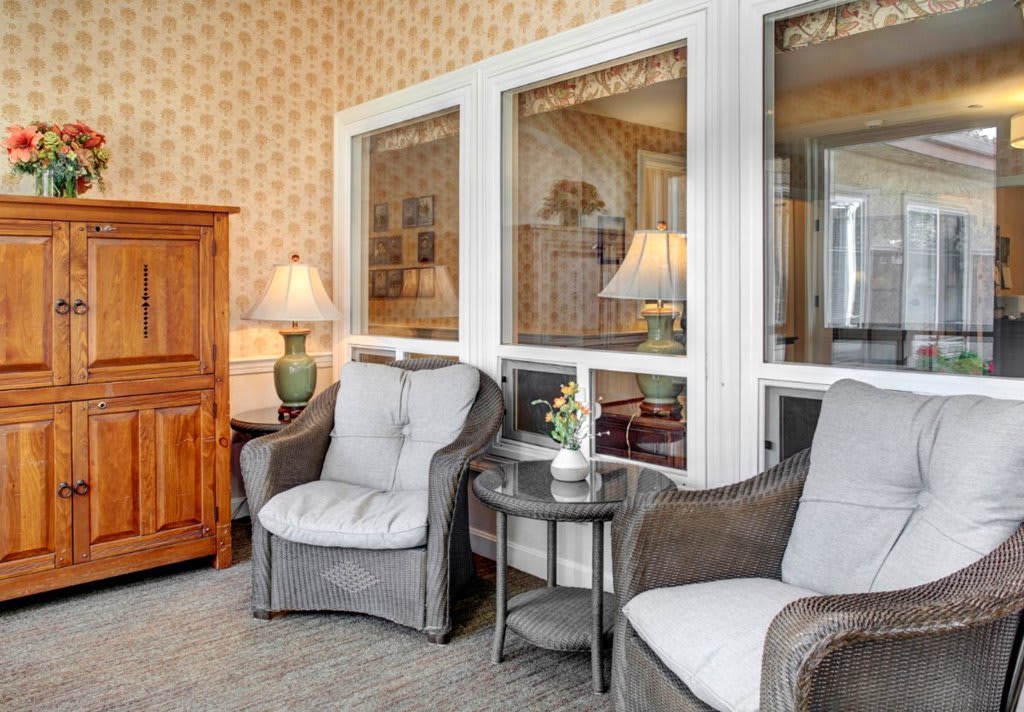
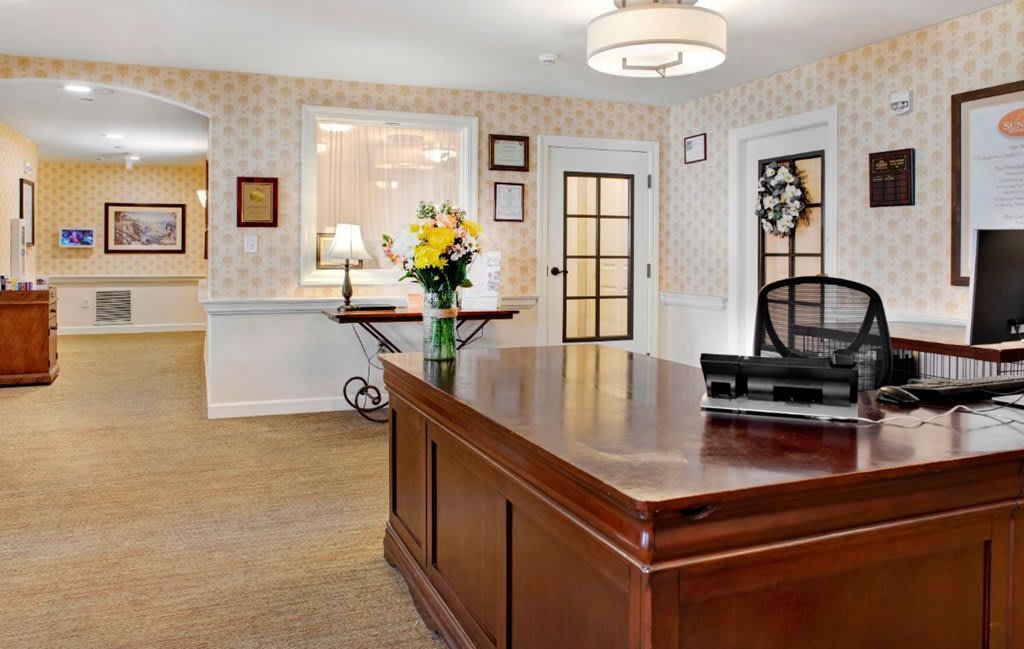
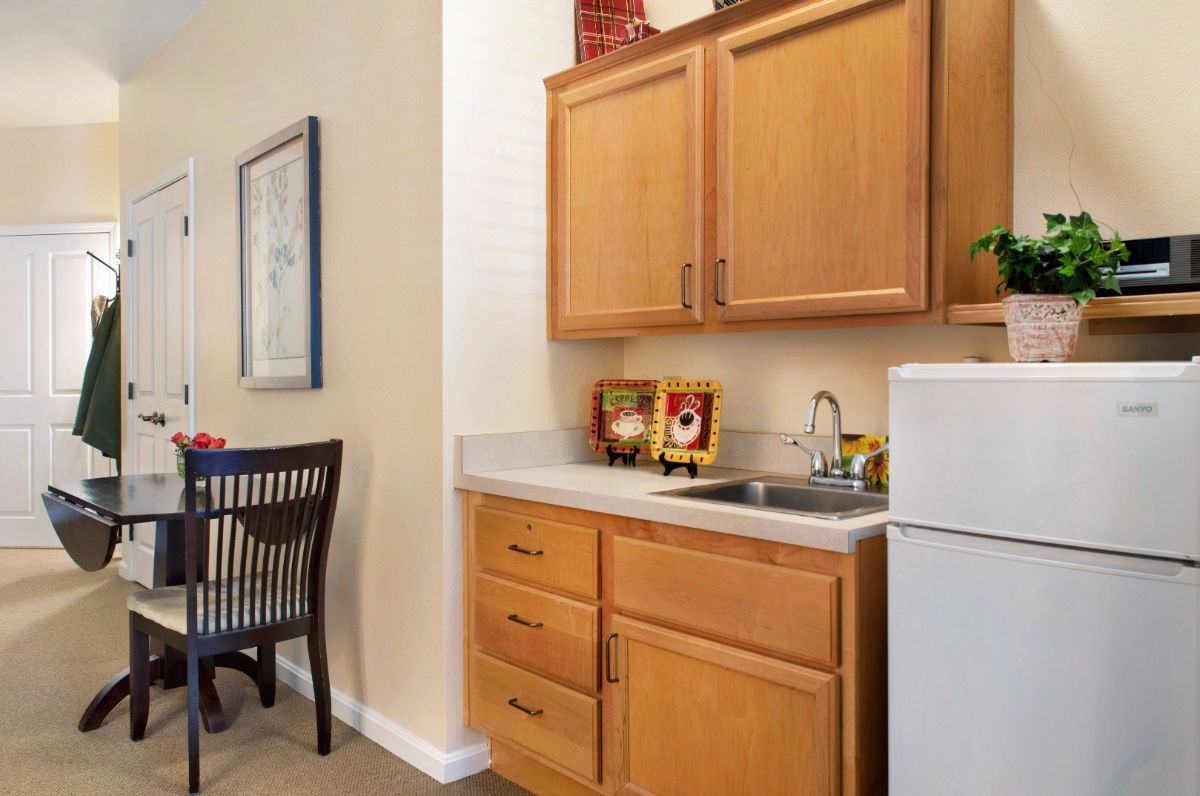
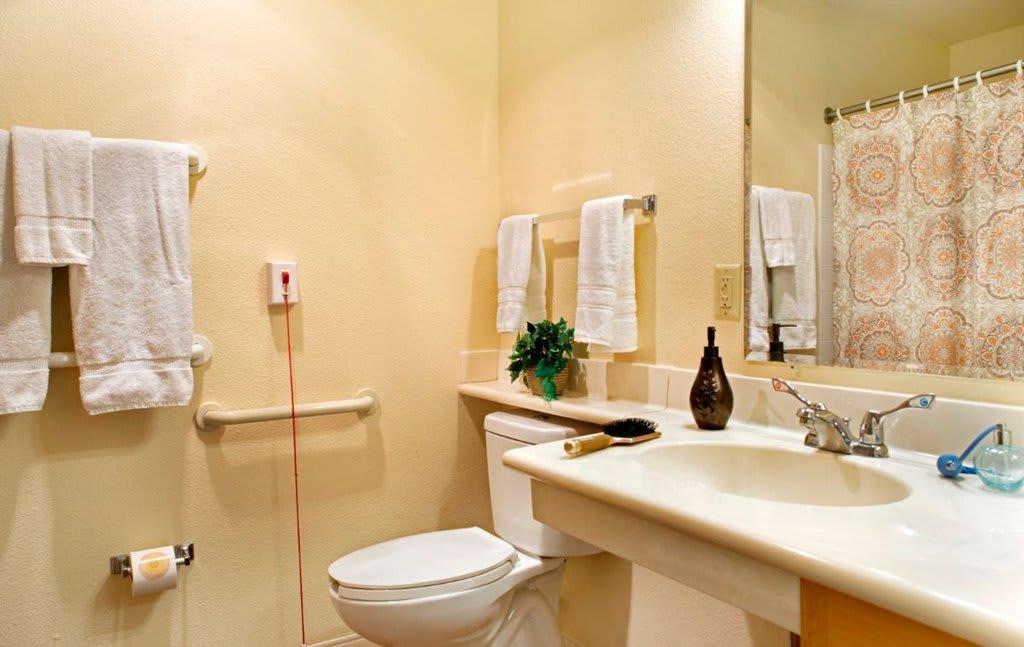
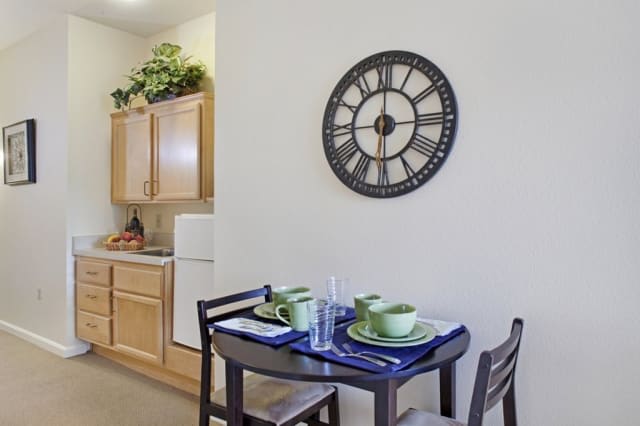
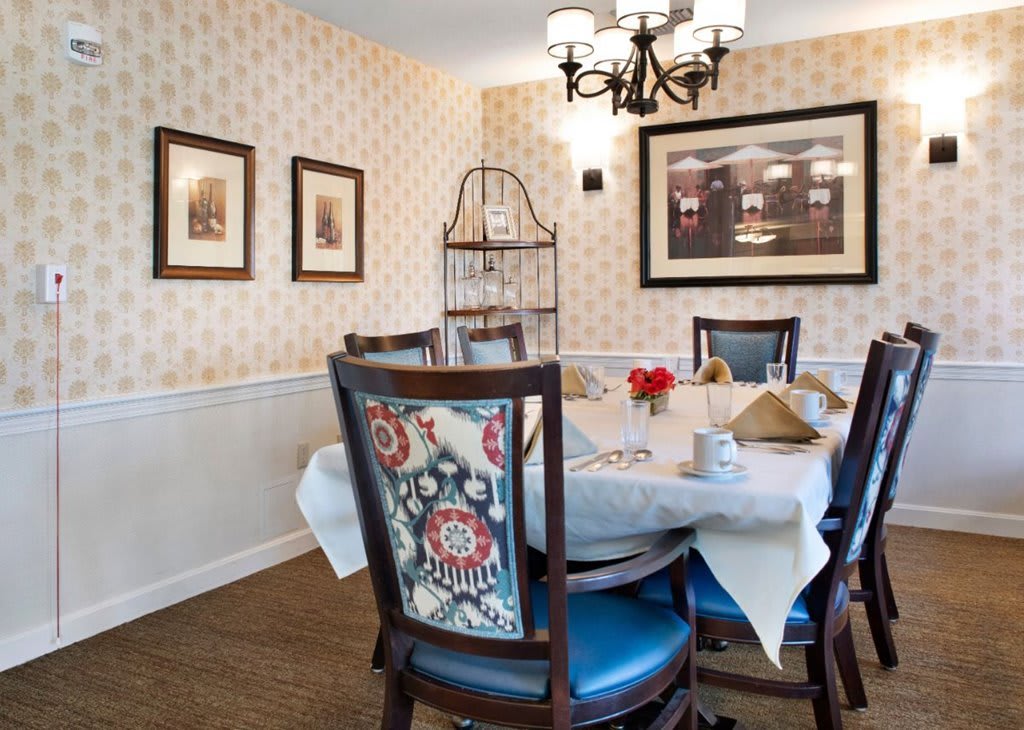
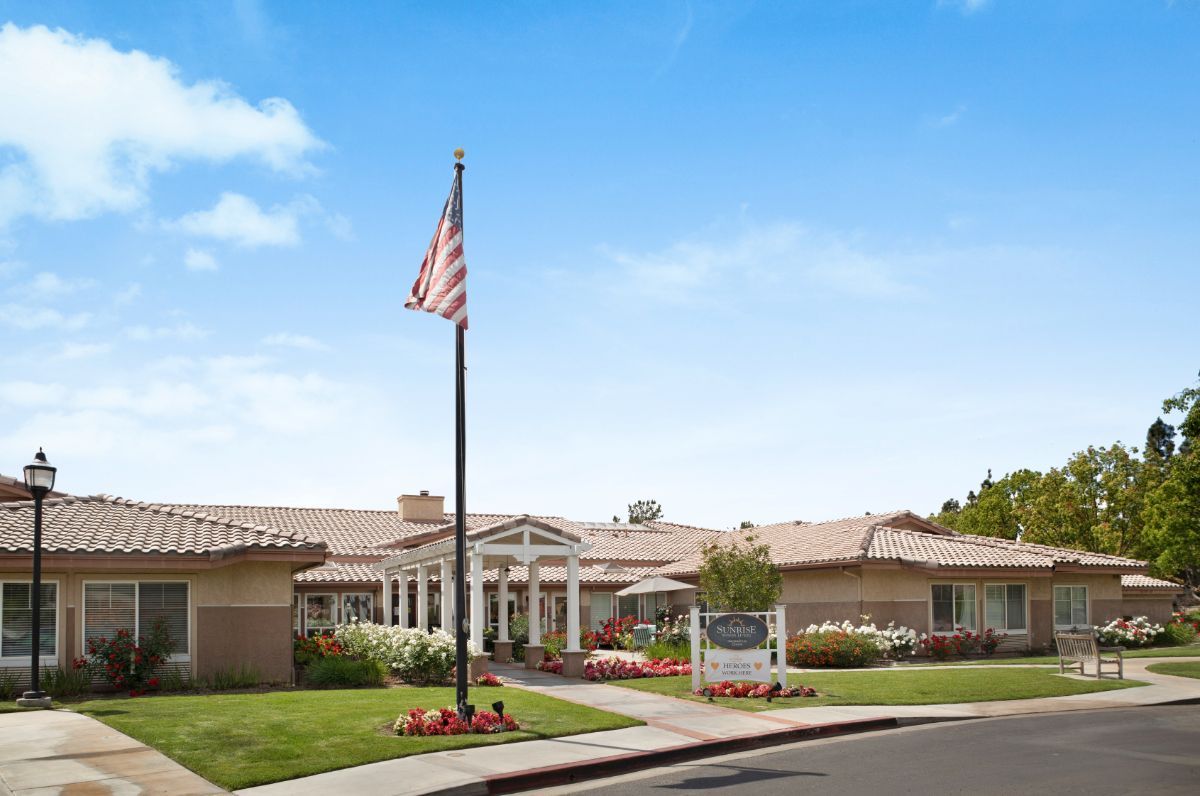
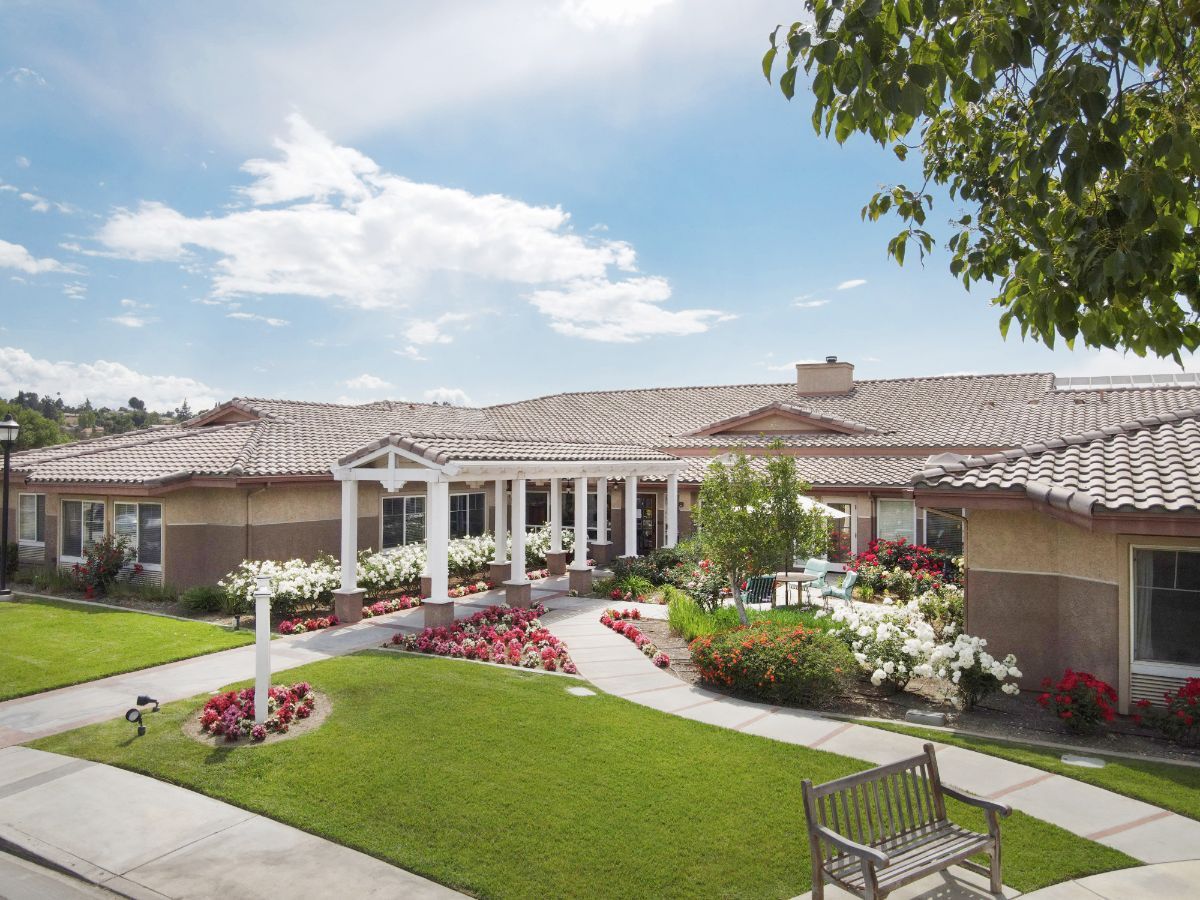
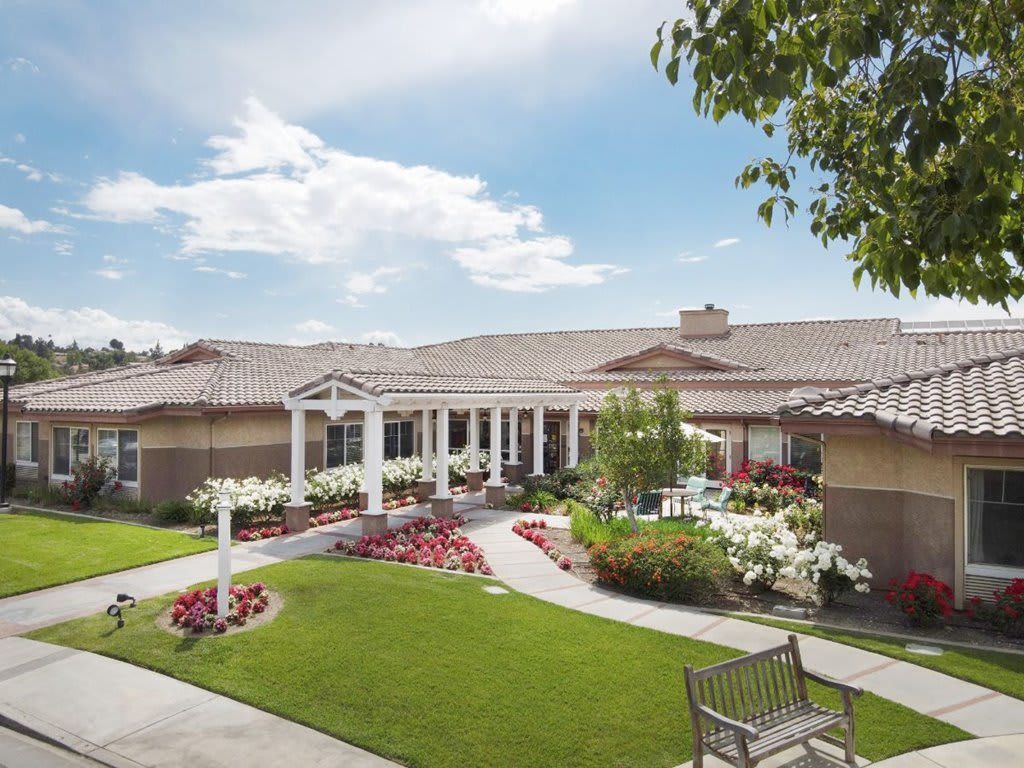
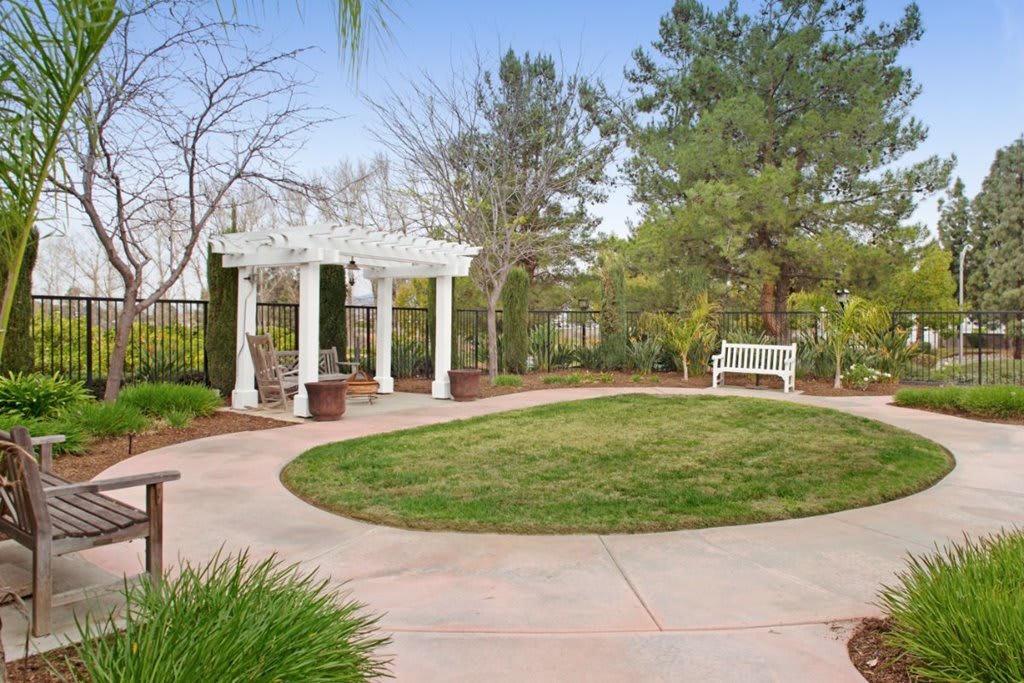
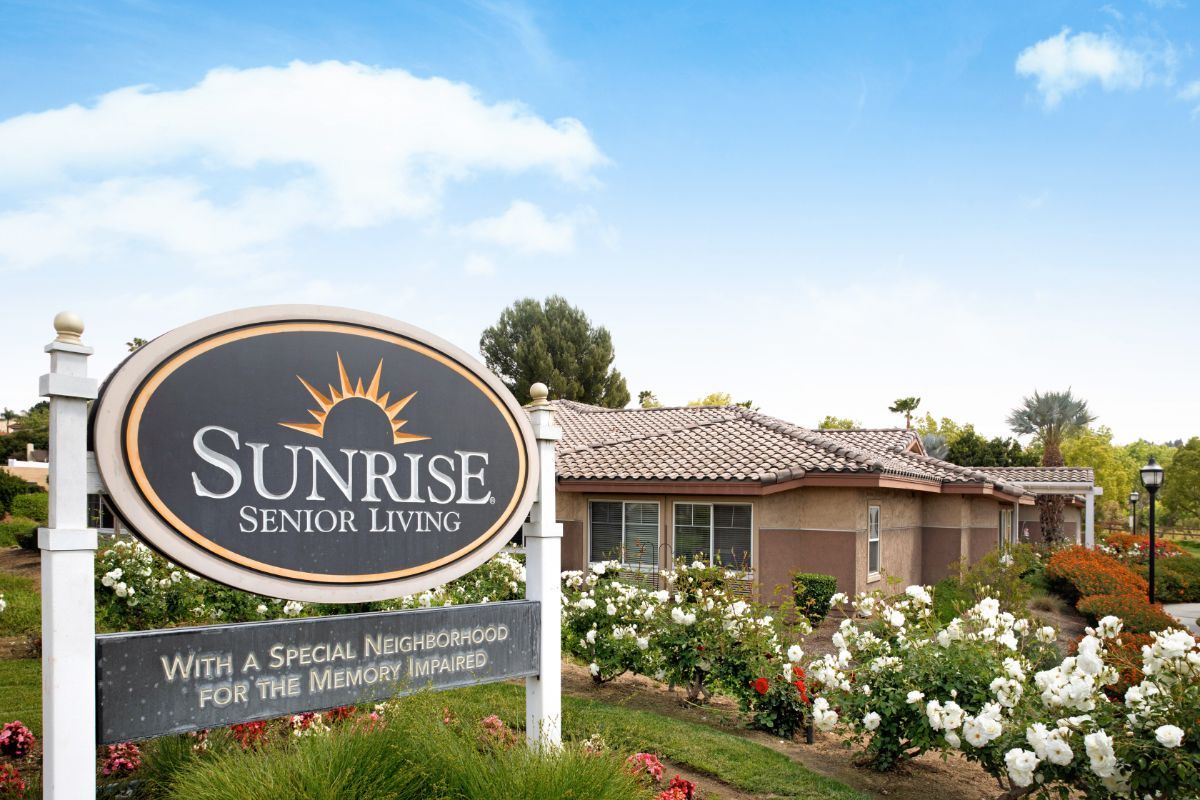
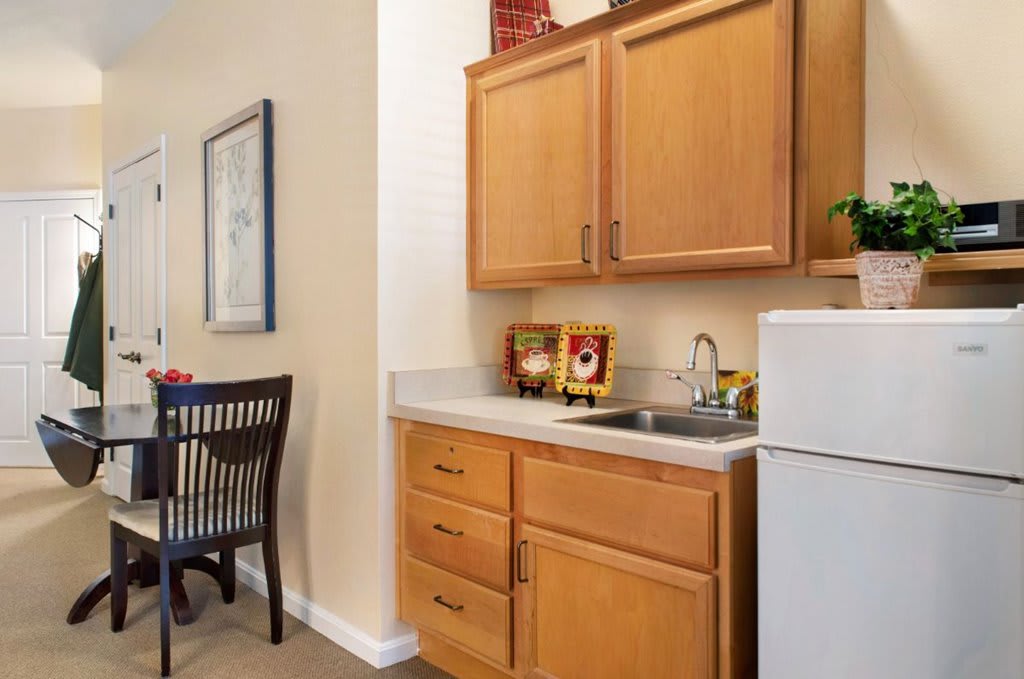
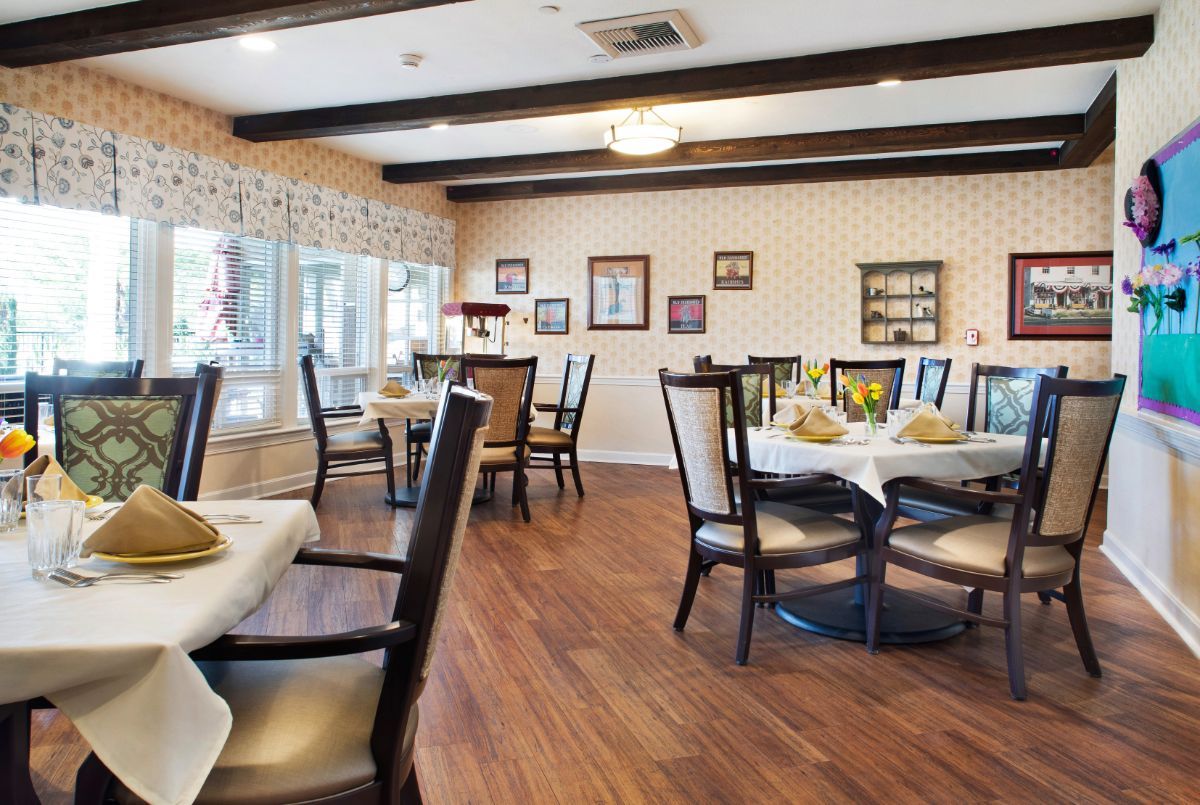
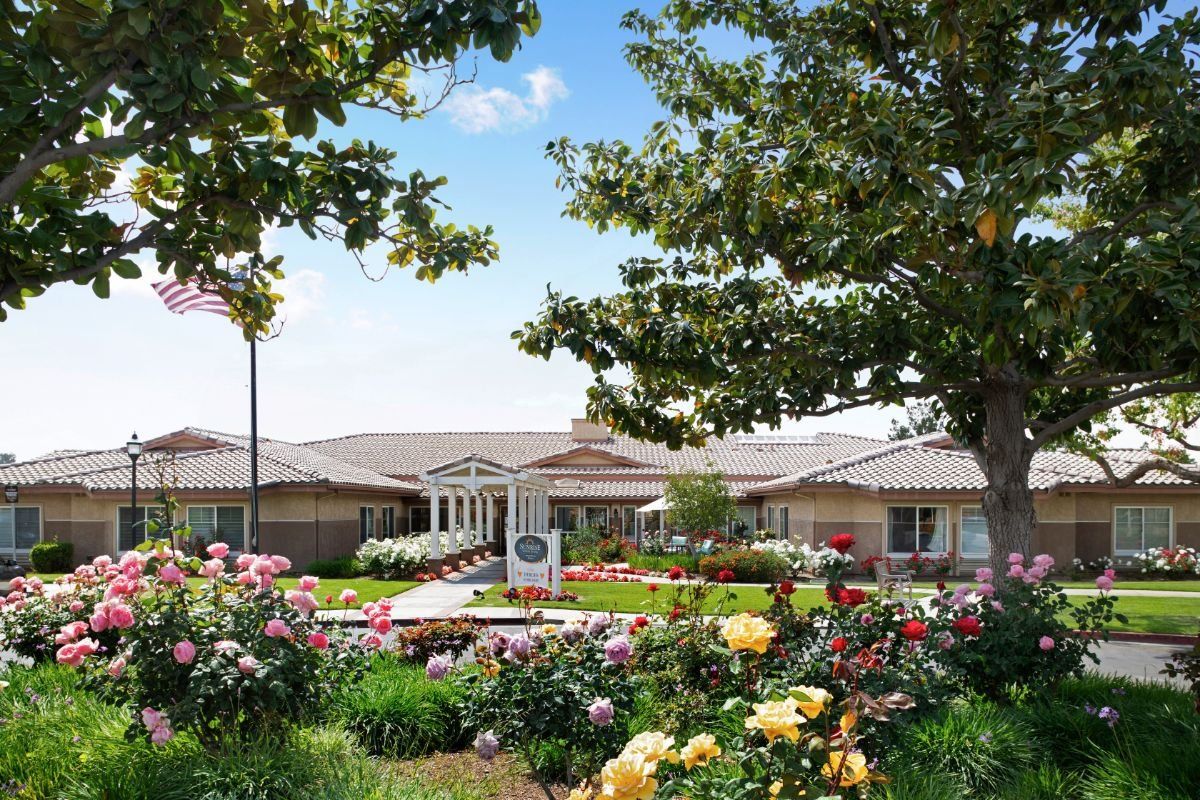
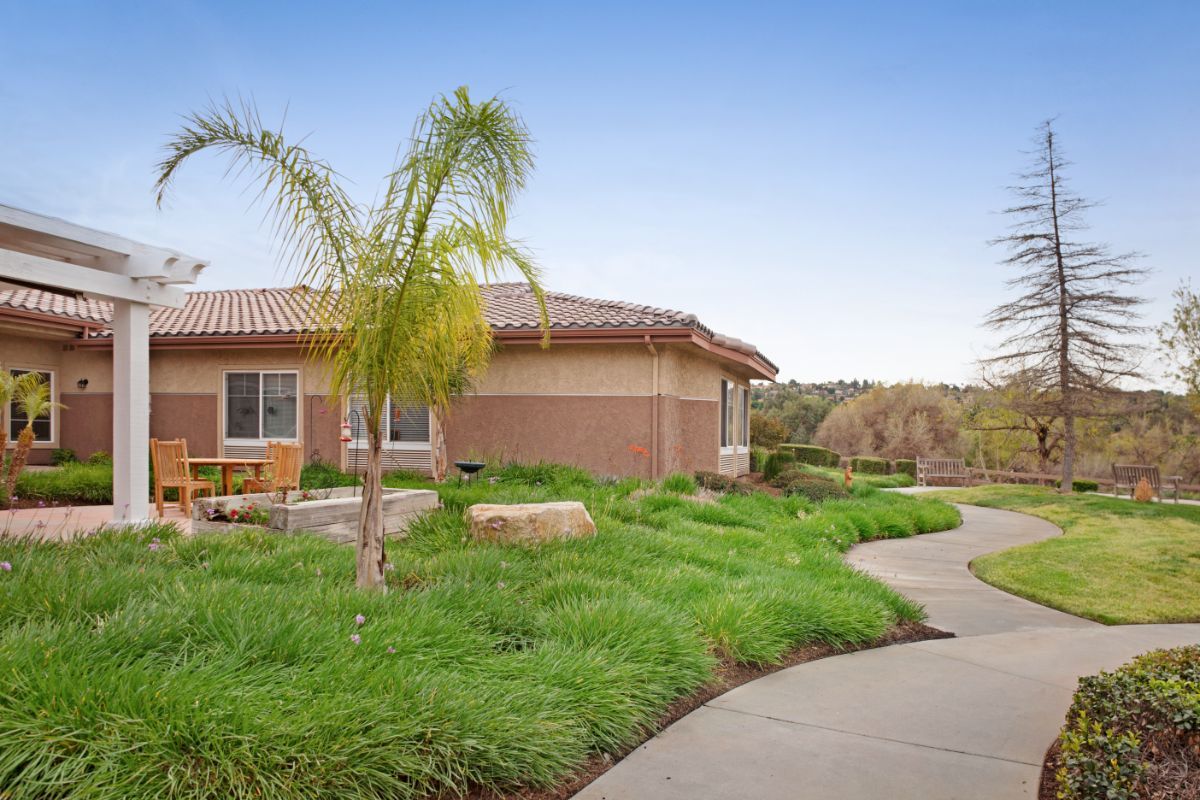
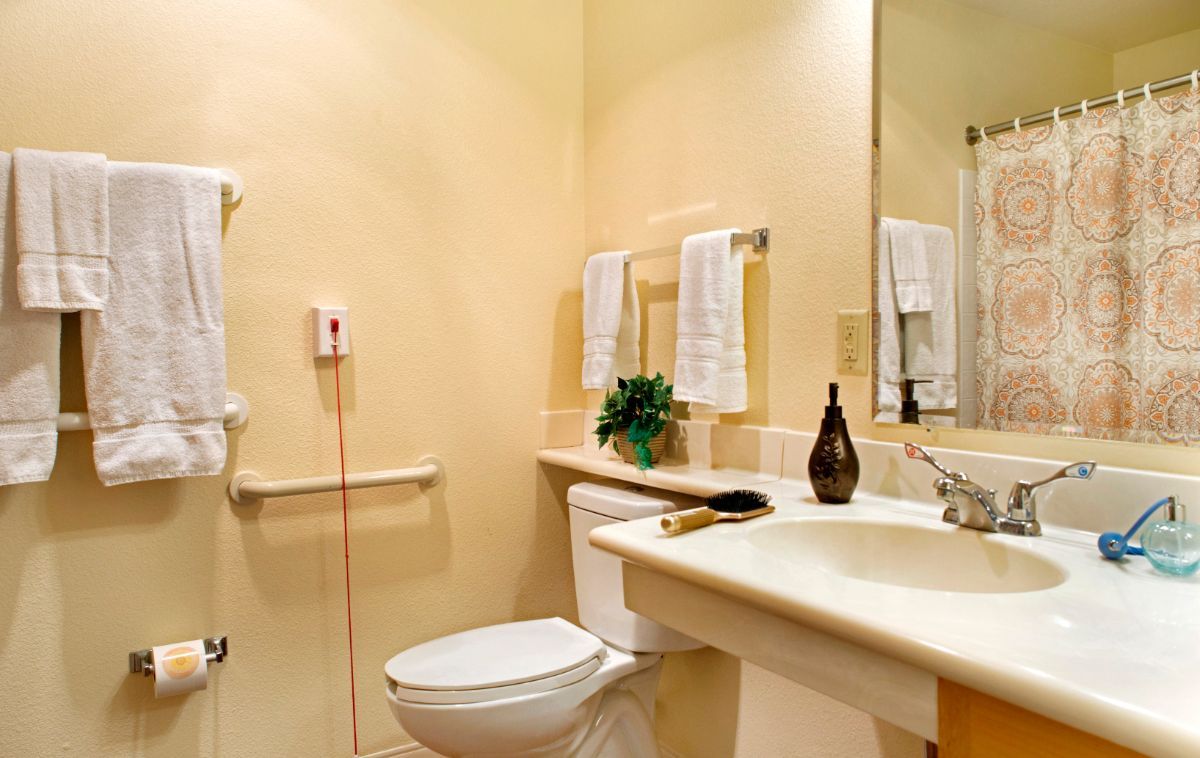
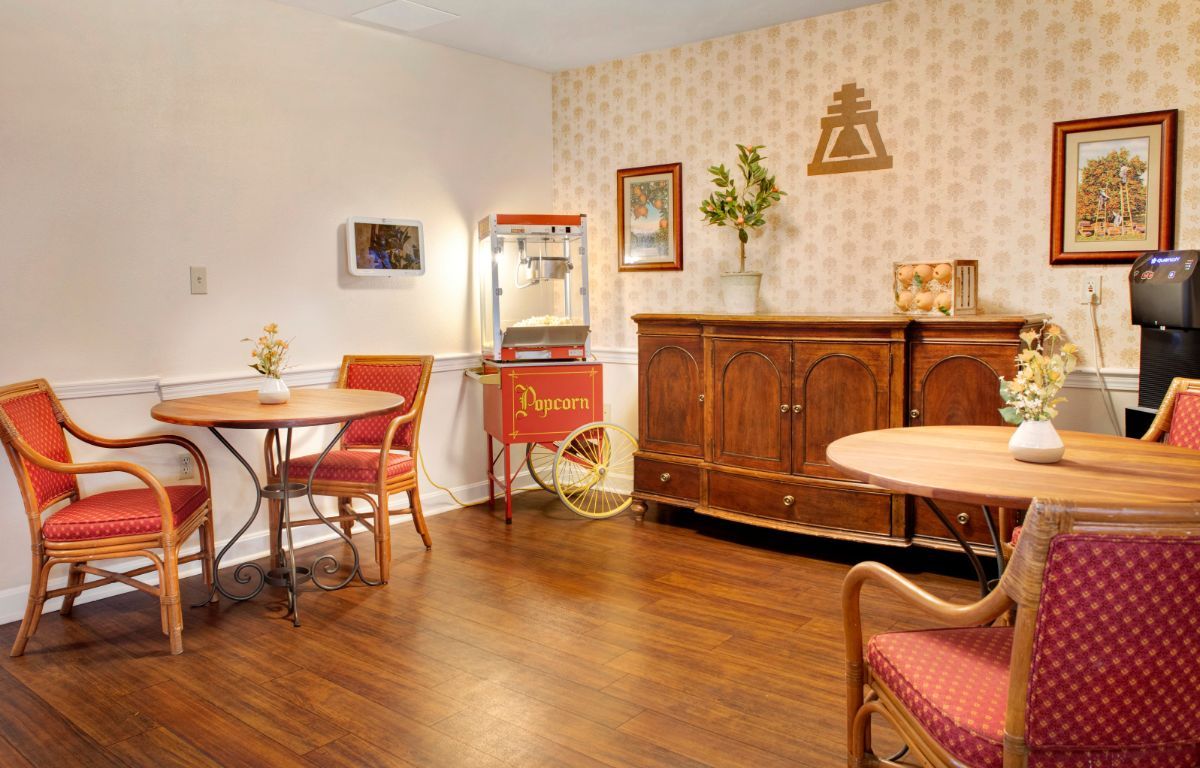
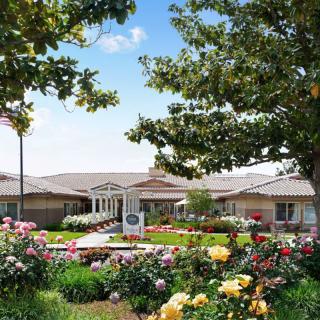
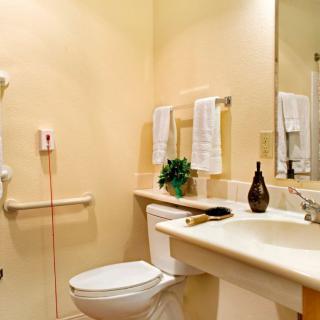
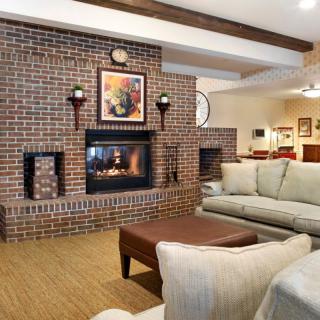
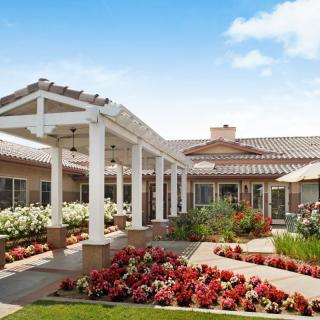
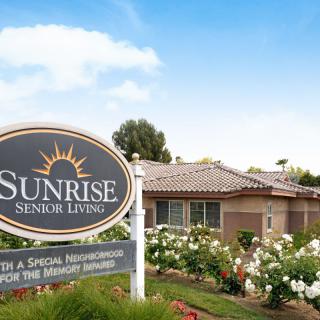
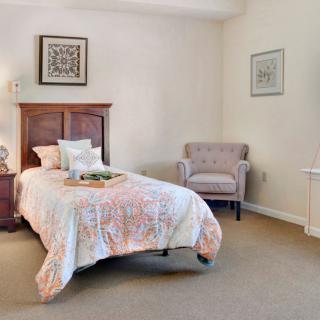
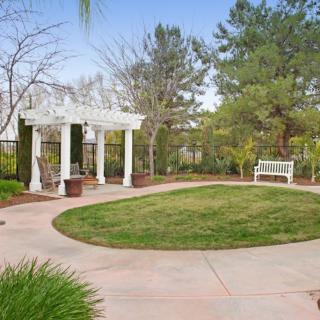
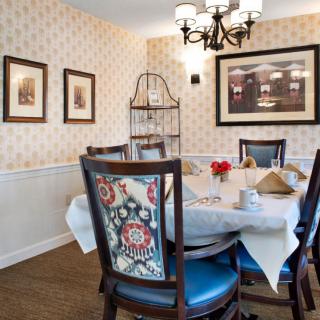
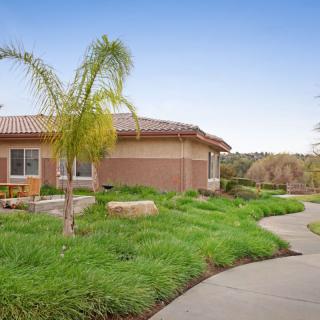
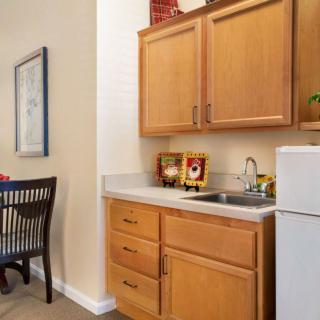
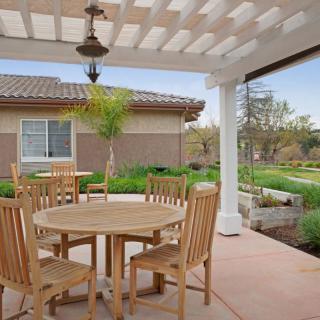
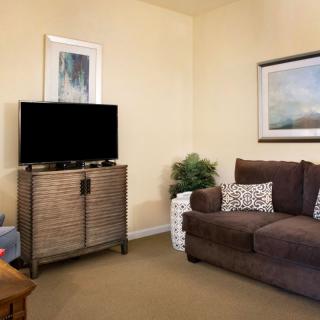
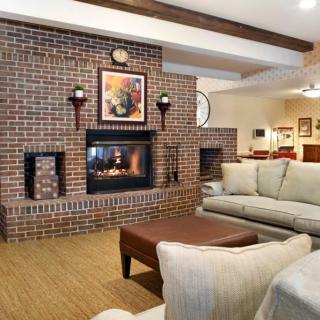
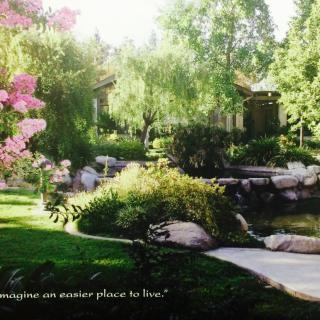
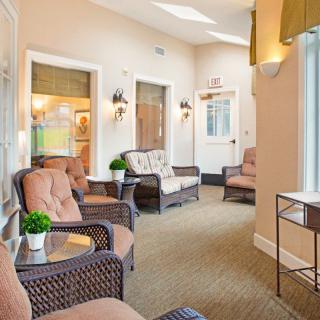
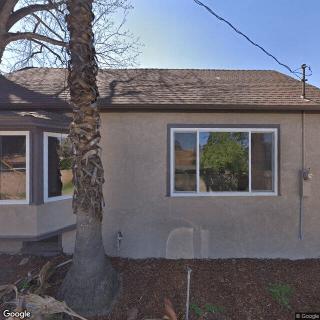
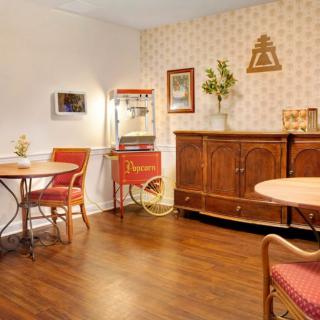
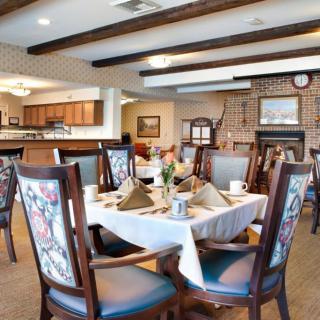
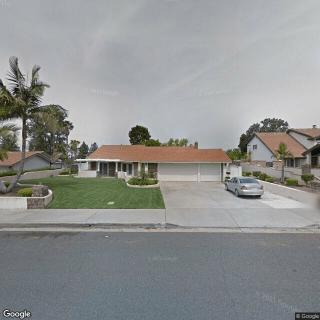
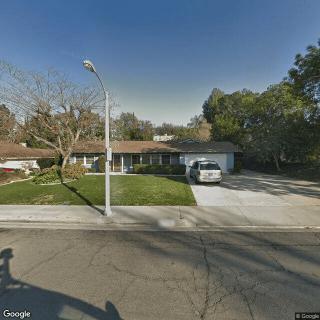
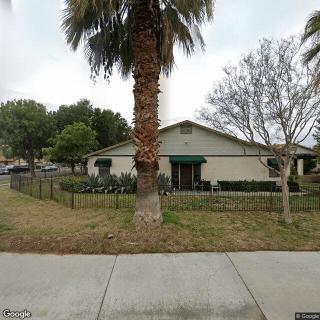
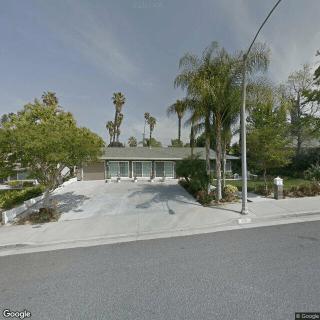
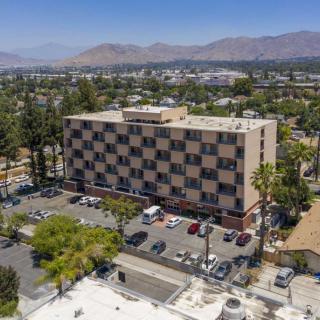
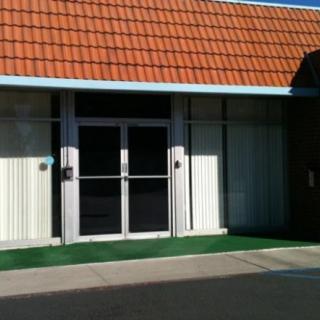
Sunrise at Canyon Crest on seniors.fyi includes 51 photos including images showing interior, decor, landscaping, dining, garden, building, living room, bedroom, and more.
Nearby Communities
Faith, Hope and Love
Riverside, CA
4.6 from 19 reviews
$3,600 to $4,000 / month
Caring, professional staff in a warm, home-like setting with home-cooked meals.
Faith Hope And Love Assisted Living 3
Riverside, CA
4.3 from 3 reviews
$3,600 to $4,000 / month
Kind, attentive staff in a well-maintained, home-like setting with quality meals and engaging activities.
Senior Focus Residential Care Homes
Riverside, CA
5 from 1 review
$3,250 to $3,550 / month
Caring, friendly staff and a welcoming environment.
Courtland Villa
Riverside, CA
5 from 1 review
$2,500 / month
Clean, inviting atmosphere with attentive care and a friendly director.
Grandview Manor
Riverside, CA
3 from 7 reviews
Homey atmosphere with clean, personalized rooms, engaging activities, and friendly staff.
Rosemont Villa
Riverside, CA
4.6 from 22 reviews
$3,000 to $4,500 / month
Beautiful, well-kept facilities with a small, personalized, resident-focused environment.
The Grove Care and Wellness
Riverside, CA
4.5 from 48 reviews
$2,500 to $3,200 / month
Friendly, attentive staff in a clean, comfortable environment with strong rehab support.
AccentCare of Riverside
Riverside, CA
4.6 from 11 reviews
Well-trained, professional, and compassionate staff.
Riverside Behavioral Healthcare Center
Riverside, CA
3.6 from 27 reviews
Extensive on-site amenities and comprehensive care services.
Alzheimer’s disease is a progressive neurological disorder that significantly impacts memory and cognitive functions, accounting for 60-80% of dementia cases, with early diagnosis being crucial yet challenging. It involves brain changes like beta-amyloid plaques and tau tangles, influenced by genetic and lifestyle factors, and while there is no cure, symptom management and support for caregivers are essential.
Dementia, influenced by aging and certain medications, may be exacerbated by drug classes such as anticholinergics, benzodiazepines, and antipsychotics, which are associated with cognitive impairment. Regular medication reviews by healthcare professionals are crucial for older adults to manage risks and optimize cognitive health.
Dementia often results in disrupted sleep patterns, leading to excessive daytime sleeping due to factors like brain damage affecting circadian rhythms, medication side effects, and lack of structure in daily activities. Caregivers must monitor these changes closely, as oversleeping can increase risks such as malnutrition or dehydration, and provide necessary support and routines to enhance patient engagement and well-being.
Lobby, Waiting Area, Reception Area, and Office Space
Pathway
Seating
Flag
Wall Art
Painting
Cabinets and Refrigerator
Office
Palm Trees and Grass
Tree
Gazebo
Dining Table
Pergola
Reception
Road
Sidewalk
Table And Chairs
Traditional Decor
Outdoor Space
Walkway
Vintage
Popcorn Machine
Additional Photos
Get PricingAsk A QuestionSchedule A TourContact Senior Advisor
By clicking submit, you agree to our Partner's Terms of Use. You
also consent to receive calls and texts, which may be autodialed, from our Partner. Your consent is not a condition to
using our Partner's service. Please visit our Partner's Privacy Policy for information about their privacy practices.

 88 resident community capacity
 1-bedroom apartments
 Detached homes
 Assisted Living
 Memory Care
 Cats allowed
 Dogs allowed
 Activities off-site
 Air-conditioning
 Beautician on-site
 Cable or satellite TV
 Cafe
Cafe Computer center
 Devotional services off-site
 Dining room
 Financing advice
 Fitness room
 Fully furnished
 Gaming room
 Garden
 Ground floor units
 Guest parking
 Handicap accessible
 Housekeeping services
 Indoor common areas
 Kitchenette
 Laundry
 Located close to restaurants
 Located close to shopping centers
 Move-in coordination
 Outdoor common areas
 Outdoor patio
 Overnight guests
 Party space
 Pet friendly
 Private bathrooms
 Respite or short term stays offered
 Restaurant-style dining
 Small library
 Spa
Spa Telephone
 Wheelchair accessible showers
 Wi-Fi/high-speed internet available
 Ontario International (16 miles away)
 Community operated transportation
 12-16 hour nursing
 24-hour call system
 Assistance with bathing
 Assistance with dressing
 Assistance with transfers
 Care with behavioral issues
 Diabetes diet
 Diabetic care
 Hospice care
 Incontinence care
 Medication management
 Mental wellness program
 Physical therapy
 Special dietary restrictions
 Transportation arrangement (medical)
 Art classes
 Book club
 Concierge services
 Cooking club
 Day trips and outings
 Educational speakers / life long learning
 Games
Games Happy hour
 Live musical performances
 Wii bowling
 English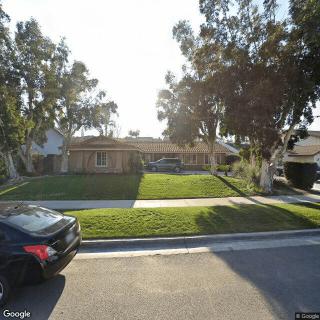
 Caring, professional staff in a warm, home-like setting with home-cooked meals.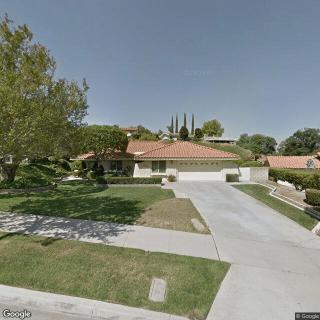

 Illuminating Insights About Alzheimer's Disease: Ten Crucial Realities
 A Thorough Discussion of Medications Potentially Linked to Dementia Risk
 Why Do Dementia Patients Sleep So Much? Understanding Oversleeping, Stages, and Care Approaches