
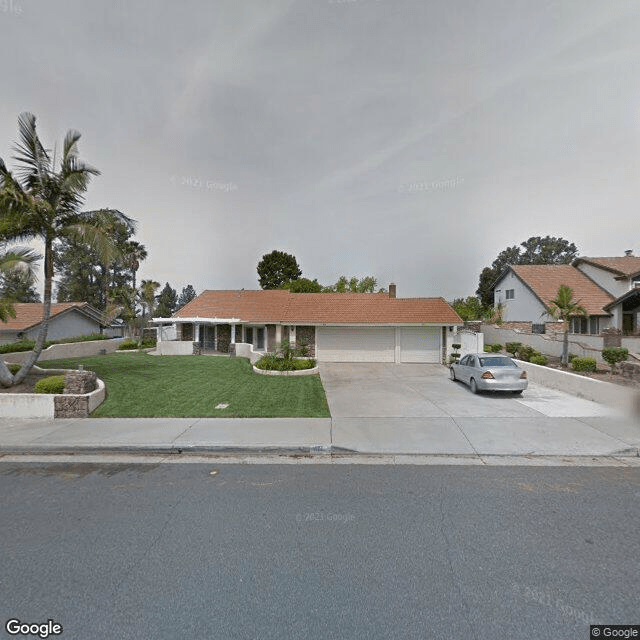
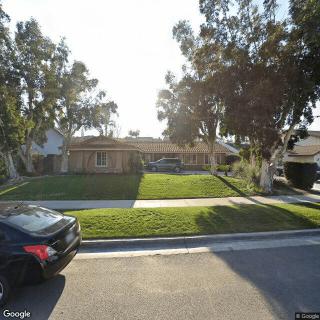
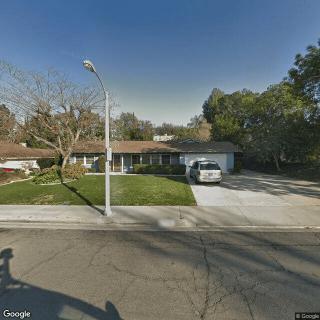
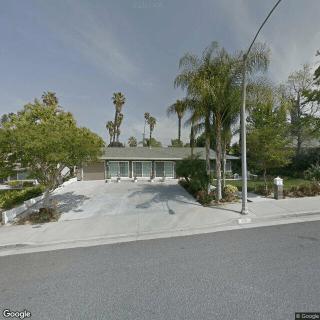
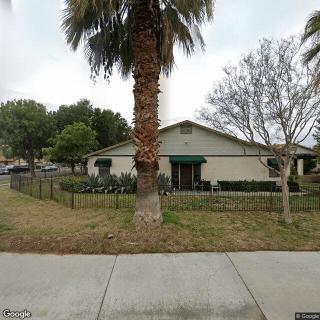
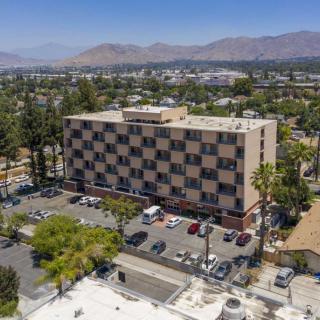
871 Via Mindi, Riverside, CA 92506
To contact a resident: (951) 684-2511
For more information about senior living options: (866) 208-4318
Senior Focus Residential Care Homes Costs & Pricing
At Senior Focus Residential Care Homes, the costs for accommodations reflect a commitment to delivering quality care in a supportive environment. For semi-private rooms, residents can expect to pay $3,250 per month, which is competitively priced compared to Riverside County's average of $2,844 and aligns closely with California's average of $3,333. For those seeking more privacy, private rooms are available at a monthly cost of $3,550. This rate is slightly below Riverside County's average of $3,474 but remains higher than the statewide average of $3,939. Overall, Senior Focus offers an attractive balance between affordability and the high standard of care that residents deserve.
| Floor plans | Senior Focus Residential Care Homes | Riverside County | California |
|---|---|---|---|
| Semi-Private | $3,250 | $2,844 | $3,333 |
| Private | $3,550 | $3,474 | $3,939 |
Senior living communities with a similar price nearby
-
from +$250 / mo
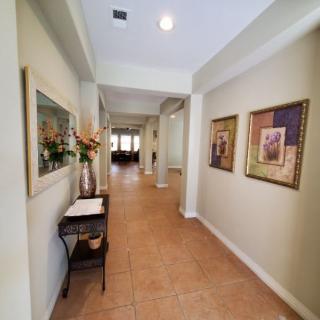
Aloha Residential Care
$3,500 to $6,500 / month16.3 miles away -
from +$250 / mo
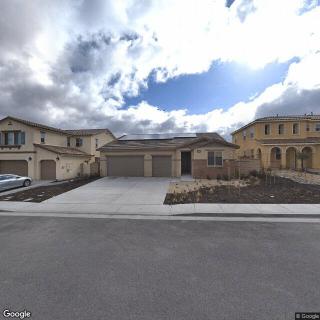
Kun Bai Care
$3,500 to $4,500 / month20.0 miles away -
from +$350 / mo
Genesis Manor VI
$3,600 to $4,200 / month19.8 miles away -
from -$350 / mo
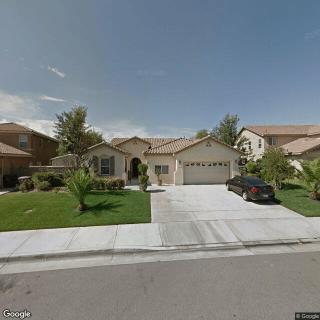
Agate Manor
$2,900 to $3,800 / month24.0 miles away -
from +$350 / mo
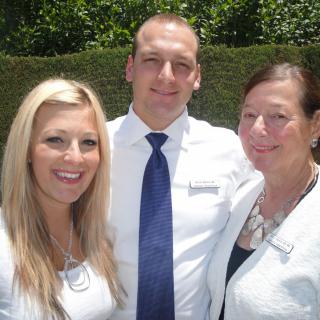
Genesis Manor I
$3,600 to $4,200 / month20.9 miles away
Overall Review of Senior Focus Residential Care Homes
Pros
 The staff at Senior Focus were amazing.
- They were very friendly and accommodating.
- They made her feel very comfortable in her last few days.
- They were absolutely wonderful.
Review
Senior Focus Residential Care Homes in Riverside is best suited for families that prioritize a small, intimate setting where care staff deliver warmth, attentiveness, and practical compassion, especially when the focus is on comfort, dignity, and a peaceful transition in end-of-life scenarios or during short, respite-like stays. The environment comes across as homelike, with staff who quickly establish trust with residents and their families. When a loved one needs sensitive, individualized attention in a calm, reassuring atmosphere, this community stands out as a credible option. For families facing a difficult time, the immediacy of compassionate human connection can make a measurable difference in day-to-day experience and emotional well-being.
Those weighing this option should explicitly consider alternatives if the priority includes ongoing, medically intensive care, a broad daily activities program, or long-term placement with robust, diversified services. Larger facilities or those with specialized units often offer more extensive medical oversight, more pronounced programming, and a wider array of supports for diverse care needs. If a family’s needs extend beyond comfort-focused care, such as chronic condition management, memory care with structured cognitive activities, or comprehensive on-site therapies, other communities may better align with those expectations.
The strongest pro is unmistakable: staff warmth, friendliness, and accommodation. Families repeatedly highlight how the team’s genuine care made the resident feel safe and supported in a vulnerable period, especially in the final days. This level of personal attention can ease anxiety for both the resident and family members, delivering a core benefit that often outweighs more superficial bells and whistles in settings like this. When a caregiver’s presence translates into consistent reassurance, it becomes a critical value proposition for end-of-life care or time-limited stays where emotional comfort is the primary objective.
The principal con, given the available information, is the scarcity of detail. A single positive review provides a clear signal about interpersonal quality, but it leaves essential questions about daily operations, medical oversight, staffing stability, safety measures, and the full scope of services unanswered. Without broader input, it’s hard to gauge how the home handles emergencies, nutrition, medication management, or long-term care planning. The lack of breadth in evidence means potential residents must assess risk factors that aren’t visible in one story, chief among them: how consistently comfort and safety are maintained across all shifts and scenarios.
To move from impression to informed decision, prospective families should pursue a structured evaluation. Schedule a detailed tour and ask who staffs nights and weekends, what medical oversight exists on-site, and how care plans are developed and reviewed. Inquire about meal quality, daily routines, activity offerings, and safety features such as fall prevention and emergency response systems. Request to observe interactions during routine moments, not just during a guided visit, and seek a short-term trial if possible. The goal is to confirm that compassionate care will be complemented by dependable operations and transparent communications.
In conclusion, Senior Focus Residential Care Homes presents a compelling option for Riverside families seeking a small, person-centered environment where compassionate staff can deliver meaningful, presence-rich care in end-of-life or short-term contexts. It is a particularly strong fit when interpersonal warmth and individualized attention are the decisive factors. However, for families needing sustained medical oversight, extensive day-to-day programming, or long-term placement with broad service offerings, alternatives that demonstrate more comprehensive operations should be explored. This community should be on the short list for those valuing the human touch and the trust that comes with consistently attentive caregivers, provided the right questions are asked and clear assurances are obtained.
 Board and Care Home
 Private
 Private bathrooms
 Ontario International (17 miles away)
 Ambulatory care
 High acuity care
 Incontinence care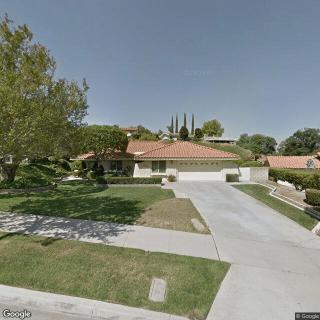


 Powerful Realities of Elder Abuse and the Most Effective Ways to Report It
 Ten Vital Duties of a Senior Caregiver: A Comprehensive Guide
 9 Stimulating Memory Activities for Seniors: Puzzles, Cards, and Much More