For more information about senior living options: (866) 208-4318
4.6 from 22 reviews
5 stars
16
4 stars
5
3 stars
0
2 stars
0
1 stars
1
Rosemont Villa Costs & Pricing
Rosemont Villa offers a range of accommodation options with pricing that reflects its quality and services. For a semi-private room, residents can expect to pay $3,000 per month, which is competitively priced compared to Riverside County's average of $2,844 and California's average of $3,333. The private room option at Rosemont Villa is available for $3,500, slightly below the county average of $3,474 but still lower than the state average of $3,939. Additionally, those seeking more spacious living arrangements can opt for a one-bedroom unit at Rosemont Villa for $4,500 per month; while this figure exceeds both Riverside County's average of $3,611 and California's state-wide average of $4,340, it positions Rosemont Villa as an attractive choice within the local market. Overall, while some costs may be higher than regional averages, the value offered at Rosemont Villa in terms of amenities and care justifies its pricing structure.
Floor plans
Rosemont Villa
Riverside County
California
Semi-Private
$3,000
$2,844
$3,333
Private
$3,500
$3,474
$3,939
1 Bedroom
$4,500
$3,611
$4,340
Memory care communities with a similar price nearby
Residents and families describe staff who are attentive, respectful, and supportive.
Across multiple reviews, families say the staff are courteous, knowledgeable, and professional, and that day-to-day care feels personal. Several reviewers describe patience and kindness, while others mention that staff promptly look after concerns related to nursing care. One review is an exception, describing a lack of capability for certain medical tasks and supervision, so it’s worth asking how care needs like injections and medication support are handled.
common7 reviews mention this
Clean, organized environment
Residents and visitors repeatedly mention a consistently clean, well-kept setting.
Several reviews focus on cleanliness and organization, describing the facility as clean and well run. Hygiene is mentioned directly by families who cared for loved ones there, and at least a couple of visitors note the home is well kept. Even the more cautious reviews that discuss limitations still describe the physical space as pleasant, including accessible showers and a maintained outdoor area.
differentiator4 reviews mention this
Dementia and high-needs support
Reviews describe meaningful support for dementia and higher-acuity needs.
Families of residents with dementia describe attentive care as needs increased over time, including hygiene support and day-to-day assistance. One reviewer also describes a loved one who was largely bedridden but still received care described as available around the clock. There is one negative review that specifically calls out a mismatch with certain insulin-injection, pill-passing, and supervision expectations, so prospective families should confirm the exact types of assistance that are available.
common4 reviews mention this
Meals are home-style
Many reviewers praise the quality and home-style feel of meals.
Meal quality comes up often, with families describing healthy, home-cooked meals. One reviewer says a loved one ate the meals daily, and another ties enjoyment of eating to the community’s routine. A separate review adds that vegetables raised by a caregiver are used in meals, and residents are also described as satisfied with the healthy food they receive.
common6 reviews mention this
Small, homey setting with outdoors
Residents describe a smaller, home-like feel with accessible outdoor space.
Multiple reviews contrast the community with larger, more institutional settings, describing it as warm, welcoming, and smaller in size. Families also highlight the home-like environment and mention outdoor areas that support day-to-day comfort. Reviewers also describe on-site activity engagement such as puzzles and watching TV, and at least one review mentions planned outings like day trips.
How we summarize
Counts show how many written reviews mention each theme; a review can touch several themes, and only frequently mentioned themes are displayed.
Features
Housing
6 resident community capacity
Types of Care
Assisted Living
Board and Care Home
Memory Care
Amenities
Activities off-site
Activities on-site
Air-conditioning
Cable or satellite TV
Dining room
Full kitchen
Fully furnished
Garden
Handicap accessible
Housekeeping services
Indoor common areas
Kitchenette
Move-in coordination
Outdoor common areas
Outdoor space
Private
Respite or short term stays offered
Telephone
Wheelchair accessible showers
Wi-Fi/high-speed internet available
Transportation
Ontario International (16 miles away)
Care Services
24-hour supervision
Activities of daily living assistance
Ambulatory care
Assistance with bathing
Assistance with dressing
Assistance with transfers
Coordination with health care providers
Diabetes diet
Diabetic care
High acuity care
Incontinence care
Meal preparation and service
Medication management
Special dietary restrictions
Transportation arrangement (medical)
Transportation to doctors appointments
Dining
Diabetes diet
International cuisine
Kosher
Low / no sodium
Meals provided
No Sugar
Room service
Special dietary restrictions
Vegetarian
Activities
Activities off-site
Activities on-site
BBQs or picnics
Birthday parties
Community service programs
Community-sponsored activities
Current events club
Day trips and outings
Holiday parties
Karaoke
Live musical performances
Resident band or musicians
Scheduled daily activities
Stretching classes
Walking club
Nearby Places of Interest
This part of Riverside, California offers a variety of amenities and services that cater to the needs of seniors. With several parks nearby such as Andulka Park and Sycamore Canyon Wilderness Park, residents can easily enjoy outdoor activities and stay active. There are also multiple cafes and restaurants within a short distance, providing convenient dining options. In terms of healthcare, there are several pharmacies, physicians, and hospitals in close proximity, ensuring easy access to medical care. Additionally, there are places of worship for those seeking spiritual support. The transportation options may require further exploration for those who do not drive themselves. Overall, this area provides a well-rounded community with resources that can support an enriching senior living experience.
Parks
Andulka Park (1.2 miles)
Sycamore Canyon Wilderness Park (2.1 miles)
Mount Rubidoux (3.7 miles)
Towngate Memorial Park (4.7 miles)
Cafes
Starbucks (1.7 miles)
Starbucks (3.3 miles)
Starbucks (4.3 miles)
Wanda's Cafe (4.3 miles)
The Coffee Bean and Tea Leaf (4.3 miles)
Starbucks (5.2 miles)
Starbucks (5.9 miles)
Restaurants
Donut Tyme (1.7 miles)
Smokey Canyon BBQ (1.7 miles)
Locals Public House (2.3 miles)
McDonald's (2.4 miles)
Chick-Fil-A (2.4 miles)
Islands Restaurant Riverside (2.4 miles)
The Old Spaghetti Factory (2.8 miles)
Pharmacies
CVS Pharmacy (2.2 miles)
Walgreens (2.3 miles)
CVS Pharmacy (2.5 miles)
Walgreens (2.6 miles)
Central Best Pharmacy (2.6 miles)
CVS Pharmacy (3.3 miles)
Sav-On Pharmacy (3.4 miles)
Theaters
Regal Riverside Plaza (2.3 miles)
AMC Tyler Galleria 16, NEW RESERVED SEATING: Save your favorite seat in advance (6.3 miles)
Physicians
University Pain Consultants (2.5 miles)
Loma Linda University Plastic Surgery Group (2.6 miles)
Cardio Vascular Plus (2.7 miles)
Maguire, Gerald Ucr Health Comprehensive Psychiatric Services (2.8 miles)
Riverside Community Hospital Transplant Center (3 miles)
Tang Ashley, MD (3 miles)
Riverbrock Neuro Sciences (3 miles)
Hospitals
Riverside Center (2.8 miles)
Empire Imaging (3 miles)
Parkview Community Hospital Medical Center (5.1 miles)
Windsor Cypress Gardens Healthcare (5.5 miles)
Molina Medical Center (8.4 miles)
Places of Worship
Riverside Community Church (3.4 miles)
The Grove Community Church (3.6 miles)
The Refuge Bible Fellowship (3.8 miles)
Azure Hills Seventh-Day Adventist Church (6.8 miles)
Rosemont Villa offers a range of accommodation options with pricing that reflects its quality and services. For a semi-private room, residents can expect to pay $3,000 per month, which is competitively priced compared to Riverside County's average of $2,844 and California's average of $3,333. The private room option at Rosemont Villa is available for $3,500, slightly below the county average of $3,474 but still lower than the state average of $3,939. Additionally, those seeking more spacious living arrangements can opt for a one-bedroom unit at Rosemont Villa for $4,500 per month; while this figure exceeds both Riverside County's average of $3,611 and California's state-wide average of $4,340, it positions Rosemont Villa as an attractive choice within the local market. Overall, while some costs may be higher than regional averages, the value offered at Rosemont Villa in terms of amenities and care justifies its pricing structure.
The features at Rosemont Villa are specifically designed to enhance the quality of life for residents experiencing dementia or Alzheimer's disease. Continuous 24-hour supervision ensures a safe environment where individuals can navigate daily challenges without fear of wandering or injury, while assistance with activities of daily living, such as bathing and dressing, provides dignity and comfort tailored to each resident's needs. The facilitation of transfers helps maintain mobility and independence, and coordination with health care providers ensures that medical concerns are promptly addressed. Incontinence care is handled sensitively, preserving residents' self-esteem, while thoughtful meal preparation addresses nutritional requirements essential for overall health. Medication management guarantees accurate dosing and adherence to prescribed regimens, reducing the risk of confusion. Finally, transportation arrangements for medical appointments alleviate stress for both residents and families, ensuring that individuals receive necessary healthcare interventions without disruption. Each feature works synergistically to promote well-being, security, and engagement in daily life.
Nearby Communities
Courtland Villa
Riverside, CA
5 from 1 review
$2,500 / month
Clean, inviting atmosphere with attentive care and a friendly director.
Blissful Canyon Homecare
Riverside, CA
Cozy, fully furnished board-and-care with meals, activities, and appointment transport.
Senior Helpers - Riverside
Riverside, CA
4.8 from 52 reviews
Convenient location with personalized, caregiver-led support.
Faith, Hope and Love
Riverside, CA
4.6 from 19 reviews
$3,600 to $4,000 / month
Caring, professional staff in a warm, home-like setting with home-cooked meals.
Victoria Villa At Central
Riverside, CA
1 from 2 reviews
Personalized care with comprehensive services and furnished living spaces.
Partners N Care-Care Home
Riverside, CA
5 from 2 reviews
Small, intimate board-and-care with personalized care and comprehensive daily living support.
Grandview Manor
Riverside, CA
3 from 7 reviews
Homey atmosphere with clean, personalized rooms, engaging activities, and friendly staff.
AccentCare of Riverside
Riverside, CA
4.6 from 11 reviews
Well-trained, professional, and compassionate staff.
Valencia Gardens Health Care Center
Riverside, CA
4.7 from 123 reviews
Comprehensive amenities and 24-hour care in Riverside.
Sundown syndrome, or sundowning, is a phenomenon in dementia patients characterized by increased confusion and agitation during late afternoon and evening, influenced by factors like disrupted circadian rhythms and fatigue. Effective caregiver strategies include establishing routines and managing environmental light while addressing caregiver stress through support services.
Delirium is a rapidly onset, reversible cognitive disturbance often caused by acute medical issues, while dementia is a gradual and irreversible decline due to chronic neurodegenerative diseases. Accurate differentiation between the two is essential for appropriate treatment and management in older adults.
Dementia, including Alzheimer’s disease, is often mischaracterized in terms of lethality as it leads to complications that can be fatal rather than being a direct cause of death; it causes a progressive decline in cognitive and physical health, making patients vulnerable to infections and other health crises. Effective management of nutrition, hydration, and communication is crucial in patient care, with palliative care becoming vital in advanced stages to enhance comfort and quality of life while caregivers play a key role amidst the challenges posed by the disease.
Get PricingAsk A QuestionSchedule A TourContact Senior Advisor
By clicking submit, you agree to our Partner's Terms of Use. You
also consent to receive calls and texts, which may be autodialed, from our Partner. Your consent is not a condition to
using our Partner's service. Please visit our Partner's Privacy Policy for information about their privacy practices.


 6 resident community capacity
 Assisted Living
 Board and Care Home
 Memory Care
 Activities off-site
 Air-conditioning
 Cable or satellite TV
 Dining room
 Full kitchen
 Fully furnished
 Garden
 Handicap accessible
 Housekeeping services
 Indoor common areas
 Move-in coordination
 Outdoor common areas
 Private
 Respite or short term stays offered
 Telephone
 Wheelchair accessible showers
 Wi-Fi/high-speed internet available
 Ontario International (16 miles away)
 24-hour supervision
 Ambulatory care
 Assistance with bathing
 Assistance with dressing
 Assistance with transfers
 Diabetes diet
 Diabetic care
 High acuity care
 Incontinence care
 Meal preparation and service
 Medication management
 Special dietary restrictions
 Transportation arrangement (medical)
 Transportation to doctors appointments
 BBQs or picnics
 Birthday parties
 Current events club
 Day trips and outings
 Karaoke
 Live musical performances
 Resident band or musicians
 Stretching classes
 Walking club
 Clean, inviting atmosphere with attentive care and a friendly director.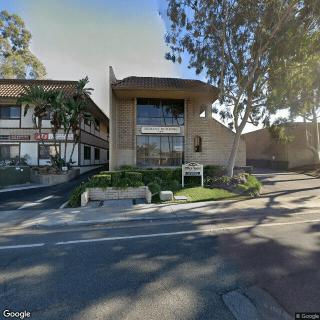


 Comprehending Evening Confusion in Dementia: Causes, Manifestations, and Support
 Delirium and Dementia: Unraveling the Key Differences
 Are Dementia and Alzheimer's Disease Lethal? A Comprehensive Exploration