
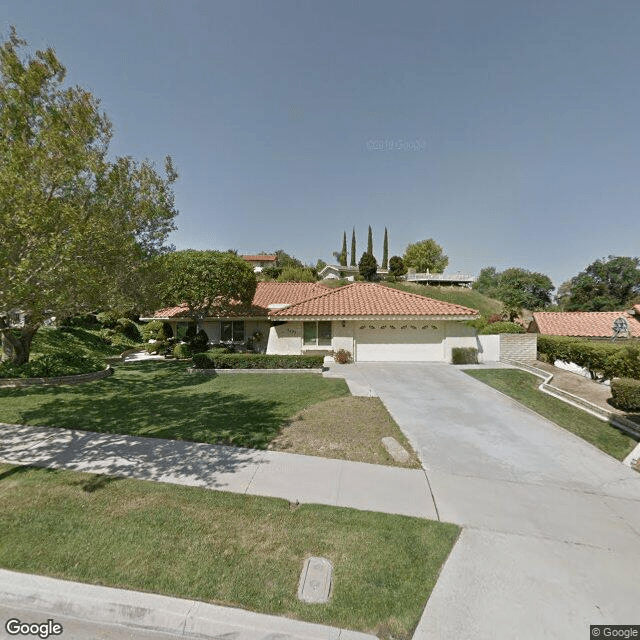
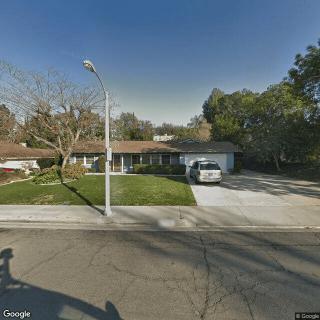
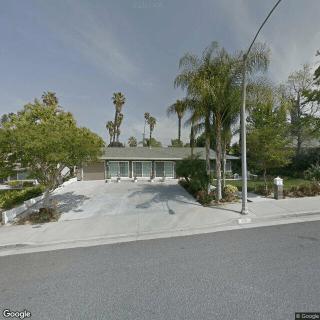
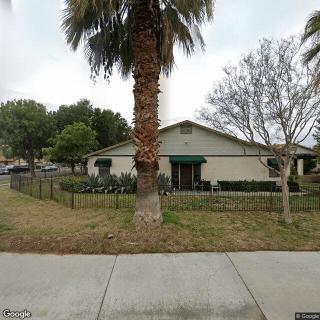
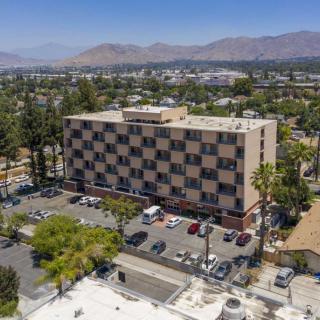
5635 Via Mensabe, Riverside, CA 92506
For more information about senior living options: (866) 208-4318
Faith Hope And Love Assisted Living 3 Costs & Pricing
Faith Hope And Love Assisted Living 3 offers competitive pricing for its residents, particularly when compared to both Riverside County and the broader state of California. For a semi-private room, the monthly cost is set at $3,600, which surpasses the county average of $2,844 but remains slightly higher than the statewide average of $3,333. Meanwhile, private rooms are priced at $4,000 per month; this figure is above Riverside County's average of $3,474 and aligns closely with California's overall rate of $3,939. This positioning suggests that while Faith Hope And Love Assisted Living 3 may be on the higher end within these comparisons, it also reflects a commitment to quality care and personalized services that can justify the investment for potential residents and their families.
| Floor plans | Faith Hope And Love Assisted Living 3 | Riverside County | California |
|---|---|---|---|
| Semi-Private | $3,600 | $2,844 | $3,333 |
| Private | $4,000 | $3,474 | $3,939 |
Memory care communities with a similar price nearby
-
About the same
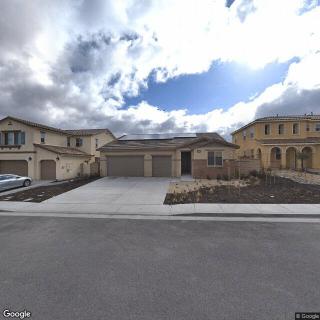
Kun Bai Care
$3,500 to $4,500 / month20.1 miles away -
About the same
Genesis Manor VI
$3,600 to $4,200 / month19.4 miles away -
About the same
Genesis Manor I
$3,600 to $4,200 / month20.5 miles away -
from -$600 / mo
Villa Anne
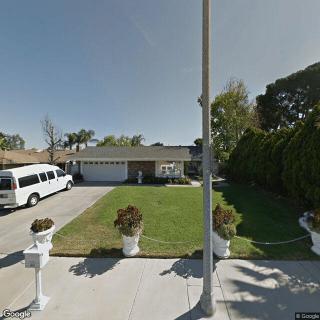
$3,000 to $4,500 / month3.1 miles away -
from -$400 / mo
Live In Comfort Care
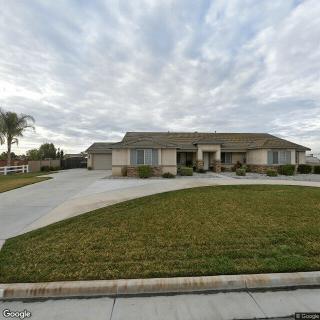
$3,200 to $3,500 / month9.9 miles away
Overall Review of Faith Hope And Love Assisted Living 3
Pros
 The staff are very kind and helpful, answering questions and providing resources.
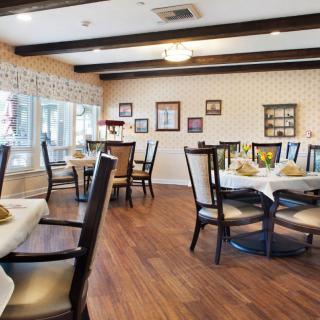
- The facility is well maintained and feels very homey.
- The community provides excellent care for loved ones, with wonderful food and a great variety.
- The staff are exceptionally attentive in taking care of those who need assistance.
- The grounds are beautiful and the rooms are clean.
- Activities are available to keep those who want to participate engaged.
Cons
 On the pricey side though..
Review
Faith Hope And Love Assisted Living 3 in Riverside is best suited for seniors who prize a warm, home-like ambiance, attentive, visible caregiving, and a robust social and dining program, and who can comfortably absorb a higher monthly price in exchange for peace of mind. Families that value consistency, respectful communication, and a well-kept, inviting setting will find this community aligns with daily life that feels less institutional and more like supported living. The combination of well-kept grounds, clean rooms, and staff that communicates clearly creates a foundation where residents can settle in and participate in a familiar routine without feeling unsettled.
Positive highlights center on people and atmosphere: staff are described as kind, helpful, and above excellent in caretaking; the facility is tidy, well maintained, and homey; the dining program features wonderful food with great variety; the grounds are beautiful; there are activities for those who wish to engage. These elements together produce not just care but a lifestyle that reduces daily friction for families watching loved ones navigate aging. When life is measured by steady routines, clear communication, and predictable, pleasant surroundings, this community delivers tangible, everyday value that matters in decision-making.
Cost is the most persistent hurdle. Reviewers flag the price as a notable downside, enough to push families to weigh affordable options against quality care. For households working within tight budgets or with limited long-term care benefits, the higher cost means potential compromise elsewhere, whether in private pay arrangements or the need to pursue alternate communities that offer lower price points. In those cases, the decision rests on whether the value delivered, personalized attention, strong meals, and an engaging environment, meets the acceptance of a larger monthly outflow.
Yet the strengths described, compassionate staff, exceptional caregiving, tasty, varied meals, and a clean, welcoming setting, tend to offset the premium. When a resident needs steady assistance and enjoys a social rhythm, the combination reduces daily friction and enhances well-being more than a leaner facility might. The ability to participate in activities, see familiar faces, and dine well contributes to quality of life that families often rank as non-negotiable, justifying the added expense for those who can accommodate it. In short, the care culture and daily life rhythm can create a compelling return on investment for those prioritizing consistency and liveliness in a home-like setting.
Given the price consideration, alternatives are worth exploring for budget-driven families. If a lower monthly cost or more robust on-site medical resources are priorities, other communities or care models, such as smaller residential homes or facilities with broader medical services, merit comparison. Those with tighter budgets or uncertain long-term resources should evaluate pricing structures, potential discounts, and what is bundled into the monthly rate to avoid surprises. The aim is to find a setting that preserves essential daily life quality while aligning with available financial resources.
For families who settle on warmth, attentiveness, and a nourishing routine as non-negotiables, Faith Hope And Love Assisted Living 3 stands out as a compelling choice in Riverside. Prospective residents should prioritize a hands-on visit to verify staff accessibility and the dining experience, request a tour of rooms and common areas, and discuss what is included in the price and what would incur additional charges. With careful comparison across several communities, a clear decision emerges: the strong care culture and welcoming environment can be worth the investment for those who can afford it, while others may find more affordable paths that meet essential needs without compromising daily life.
 6 resident community capacity
 Assisted Living
 Board and Care Home
 Memory Care
 Respite Care
 Activities off-site
 Air-conditioning
 Bath tubs
 Cable or satellite TV
 Dining room
 Fully furnished
 Garden
 Housekeeping services
 Indoor common areas
 Kitchenette
 Move-in coordination
 Outdoor common areas
 Private
 Telephone
 Wheelchair accessible showers
 Wi-Fi/high-speed internet available
 Ontario International (17 miles away)
 24-hour supervision
 Ambulatory care
 Assistance with bathing
 Assistance with dressing
 Assistance with transfers
 Diabetes diet
 Diabetic care
 High acuity care
 Incontinence care
 Meal preparation and service
 Medication management
 Special dietary restrictions
 Transportation arrangement (medical)
 Transportation to doctors appointments
 BBQs or picnics
 Bible study group
 Birthday parties
 Live dance or theater performances
 Live musical performances
 Resident band or musicians


 An In-Depth Look at Reminiscence Therapy in Dementia Care
 Dementia-Related Hallucinations: Causes, Experiences, and Practical Approaches
 Illuminating Insights About Alzheimer's Disease: Ten Crucial Realities