
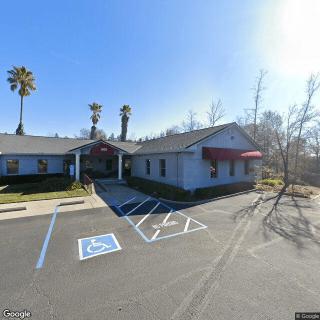
863 De Bernardi Court, Placerville, CA 95667
For more information about senior living options: (866) 208-4318
Overall Review of Sierra Manor
Pros
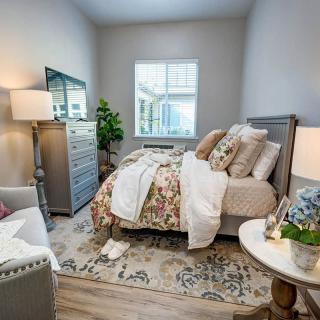
 Brookdale Elk Grove offers studio and one-bedroom apartments nestled into individual cottages, creating a cozy, home-like atmosphere.
- The cottages sit on a large rural-style property and are close to a main clubhouse and expansive outdoor spaces.
- Their memory care cottages include a secure outdoor area, enhancing safety and peace of mind for residents.
- With engaging activities and 16 hours of nursing on staff, the community provides exceptional care for loved ones affected by Alzheimer's or dementia.
Cons
 None detected in the provided review.
Review
Sierra Manor in Placerville is best suited for families seeking memory-care–focused assisted living delivered in a warm, home-like setting. The single detailed review of a similar dementia-care model highlights key elements that would appeal to residents with Alzheimer's or other forms of cognitive impairment: living in cottages that feel private and residential, with a secure outdoor area that reduces agitation and supports safe, independent wandering, and a schedule filled with engaging activities. Crucially, the layout connects residents to a main clubhouse and ample outdoor spaces, creating a sense of community without the institutional feel. If Sierra Manor mirrors this approach, it becomes a practical, compassionate choice for families prioritizing consistent staffing, specialized dementia programming, and everyday life that preserves autonomy within a secured framework.
For families weighing alternatives, the main caveat is simple: if memory-specific care is not the sole requirement, or if the preference leans toward a more urban, centralized campus with dense amenities, other options may fit better. Residents who desire greater independence, shorter commutes for family visits, or a setting that emphasizes flexible service plans beyond dementia-centered programming may find value in communities that offer stronger traditional assisted living layouts, more varied dining venues, or more pronounced social hubs within walking distance. In short, Sierra Manor should be weighed against facilities that provide broader or differently styled activity ecosystems and transportation options.
The strongest positives from the reviewed model, extensive nursing coverage, clearly defined memory-care cottages with secure outdoor access, and a home-like atmosphere that supports dignity and comfort, set Sierra Manor up to deliver high-impact care. Around-the-clock nursing coverage translates into rapid response to behavioral triggers, medication checks, and personalized care tweaks that dementia residents often require. The cottage configuration paired with outdoor space helps minimize the sense of confinement, enabling residents to engage in familiar routines while maintaining safety. Engaging activities and a supportive social structure further mitigate isolation, a common risk in dementia care, and can meaningfully slow the progression of withdrawal and agitation.
However, the absence of documented drawbacks in the available review means a careful, proactive verification is essential. Prospective families should seek precise confirmation on several fronts before committing. Specifically, verify staffing stability and dementia-care training levels, including ongoing education and supervision; verify the coherence of the memory-care program, its daily schedule, therapeutic activities, and whether programs are tailored to different stages of dementia. Clarify the design and security of outdoor spaces, including barriers, supervision processes, and opportunities for family involvement in outdoor activities. Finally, obtain a clear picture of dining quality, private versus shared space, and how personal routines are accommodated within the community’s daily rhythm.
A practical decision framework helps translate these insights into a live choice. If the priority is robust memory care delivered with warmth and a sense of home, and if Sierra Manor offers cottage living with secure outdoor areas and strong nursing coverage, it becomes a compelling match. For families where independence, urban convenience, or a broader range of non-memory-care activities matters more, consider alternatives that emphasize traditional assisted living with central campuses, varied dining formats, and more extensive transportation options. In all cases, the most reliable signal comes from visits that include private tours, conversations with direct care staff, and trial experiences for residents to test how daily routines feel and how safety is managed.
In the end, Sierra Manor holds promise for residents whose needs center on dementia-focused care delivered in a respectful, home-like environment enriched by outdoor access and attentive nursing support. The cottage layout and social programming suggested by the reviewed model align with a high-quality memory-care experience, provided, of course, that staff consistency, program customization, and meal-and-privacy standards meet expectations. For families pursuing a focused memory-care solution with a warm residential vibe, Sierra Manor deserves serious consideration. For those seeking broader independence or urban convenience, or for families unsure about the level of medical oversight desired, plan to explore alternatives and compare comprehensive details before making a final decision.
 15 resident community capacity
 Assisted Living
 Board and Care Home
 Cable or satellite TV
 Dining room
 Fully furnished
 Garden
 Housekeeping services
 Move-in coordination
 Outdoor space
 Telephone
 Wi-Fi/high-speed internet available
 24-hour supervision
 Activities of daily living assistance
 Assistance with bathing
 Assistance with dressing
 Assistance with transfers
 Diabetes diet
 Meal preparation and service
 Medication management
 Special dietary restrictions
 Transportation arrangement (medical)
 Transportation to doctors appointments

 Exploring the Contrasts Between Assisted Living and Skilled Nursing
 8 Key Indicators That Suggest It May Be Time to Transition from Assisted Living to Skilled Nursing Care
 Vibrant Senior Living: A Comprehensive Guide for Active Older Adults