
The Pavilion At El Dorado Hills

Save

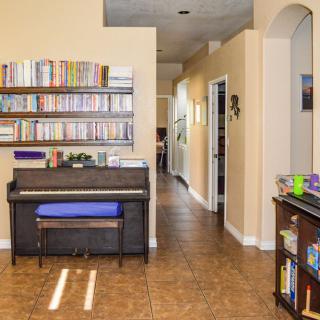
  • Interior

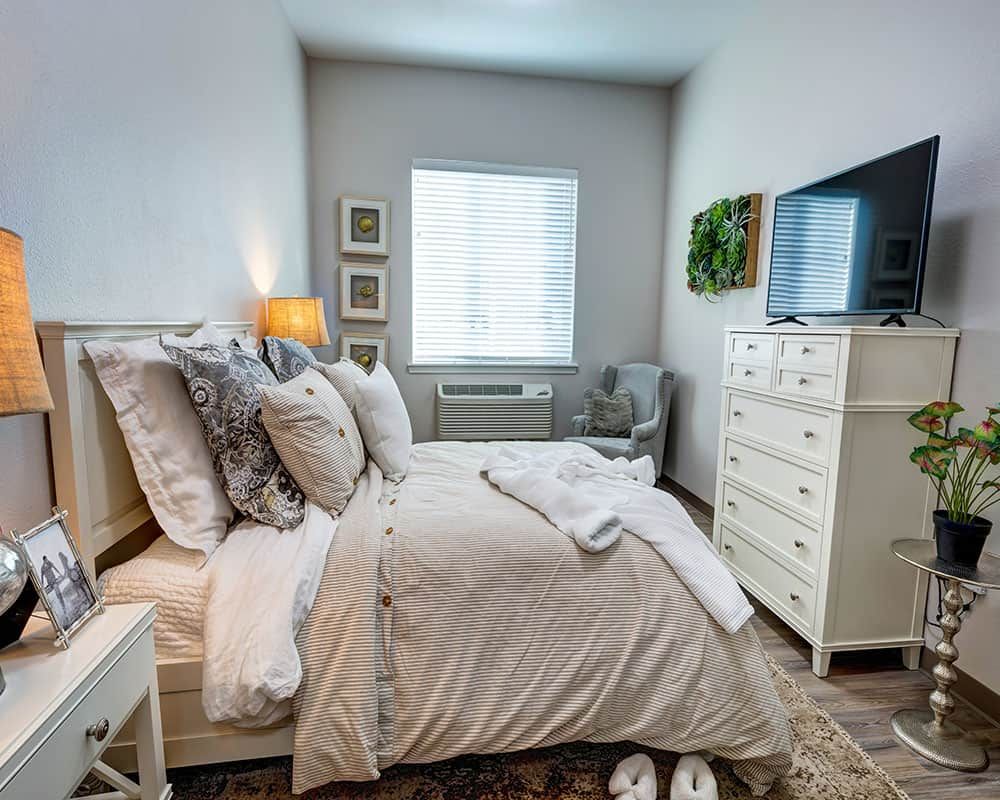
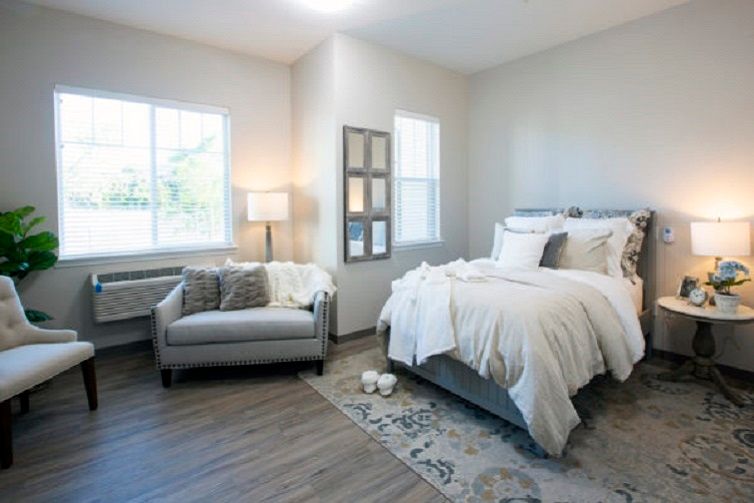
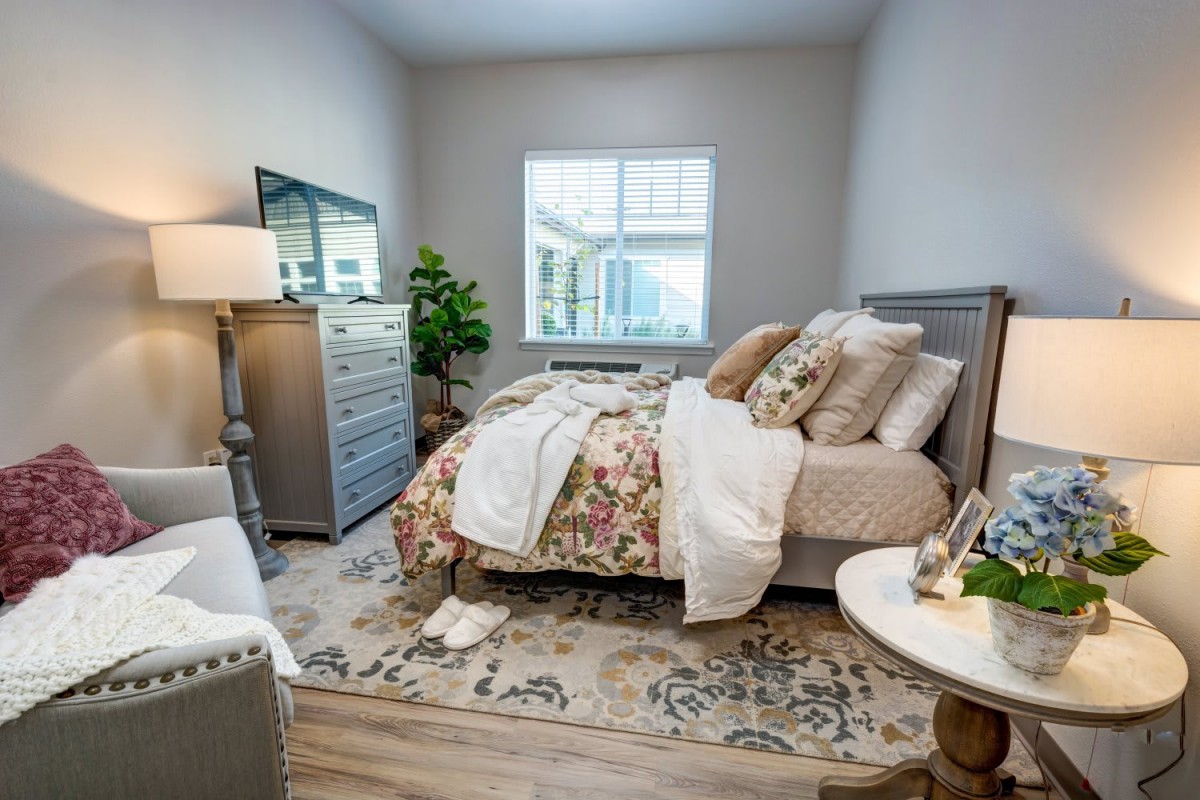
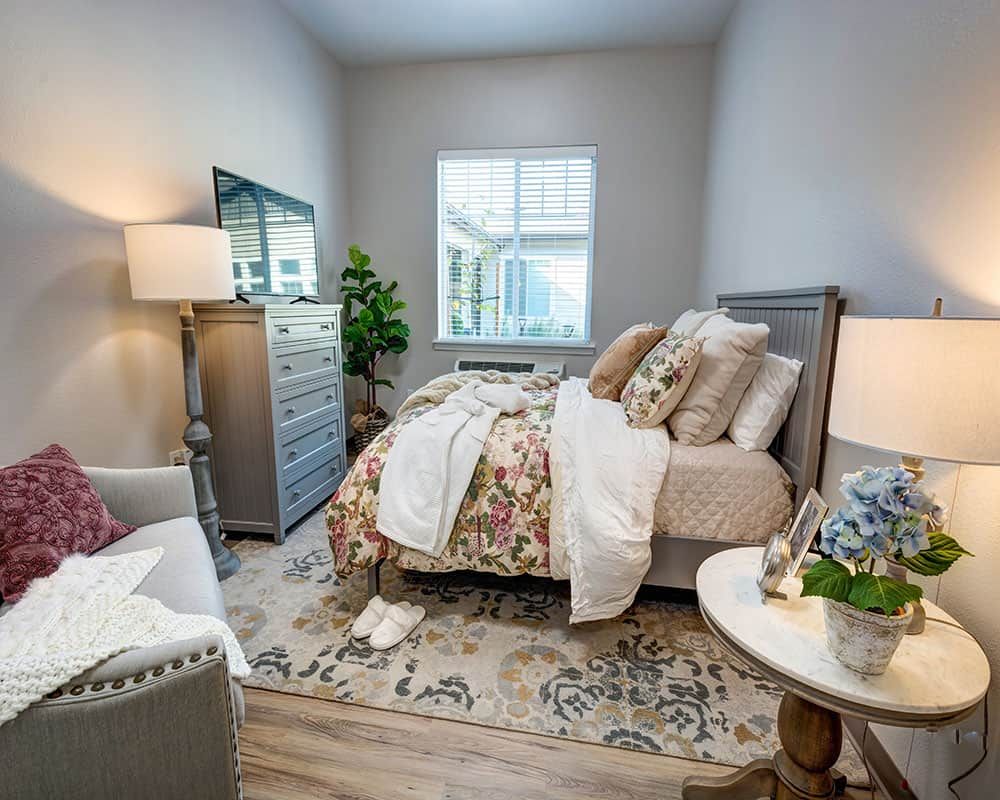
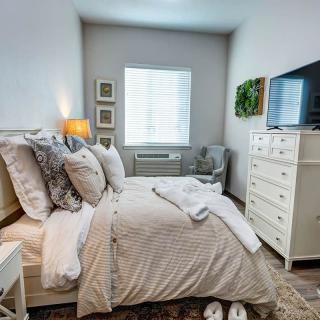
    A cozy and well-decorated bedroom featuring a bed with patterned bedding, a lamp, and a stylish rug.
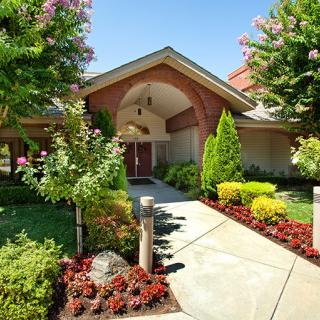
  • Outdoors

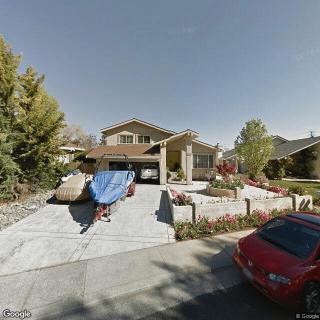
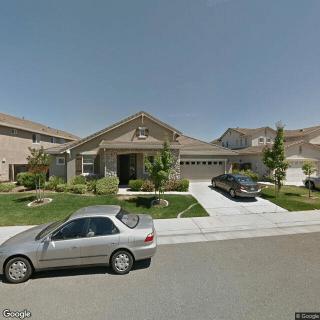
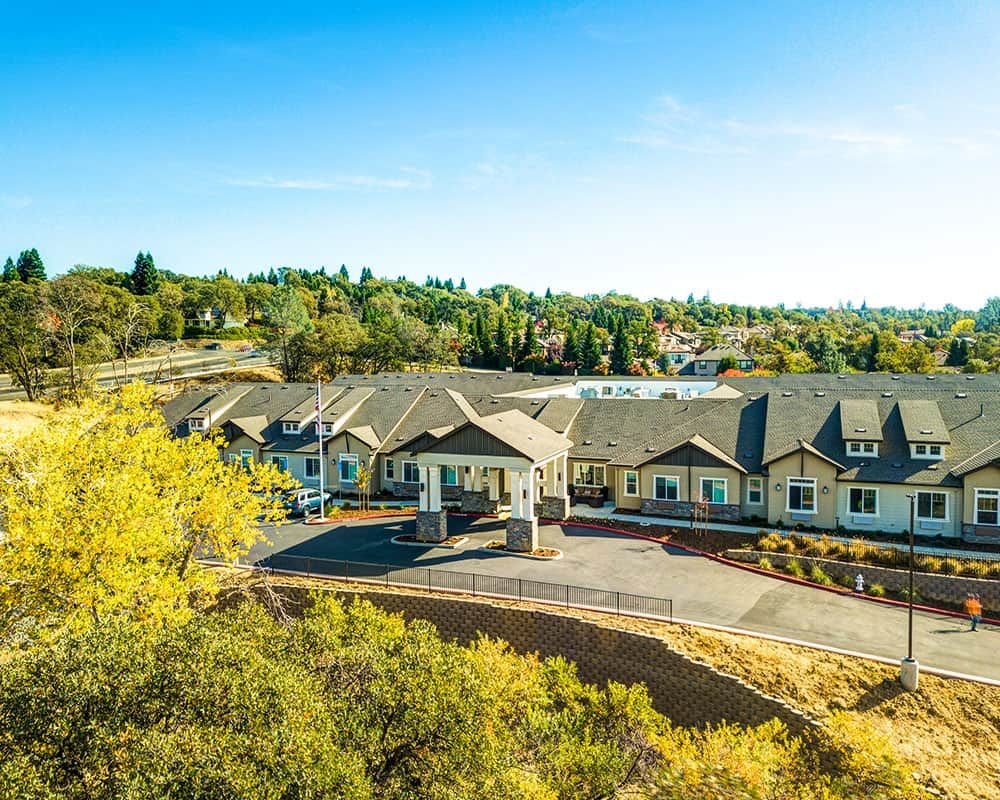
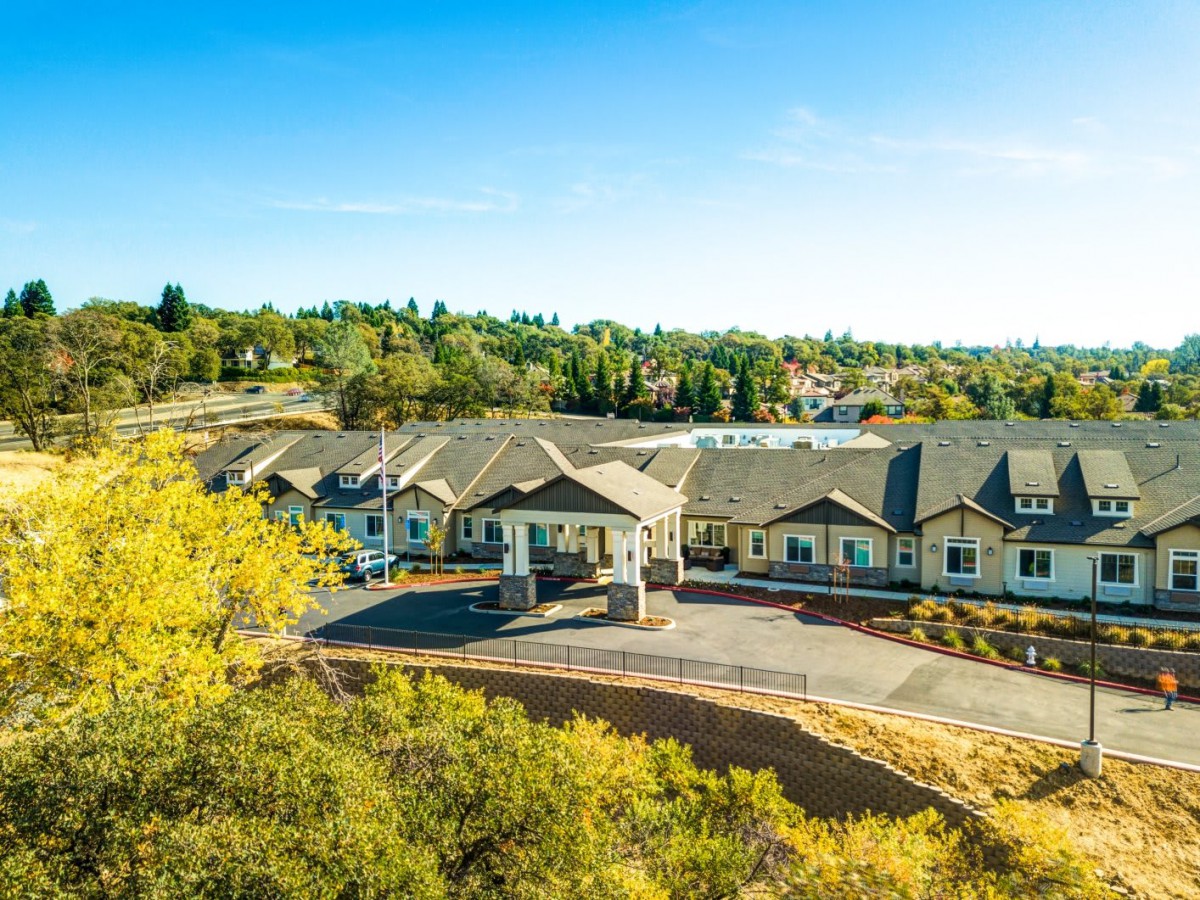
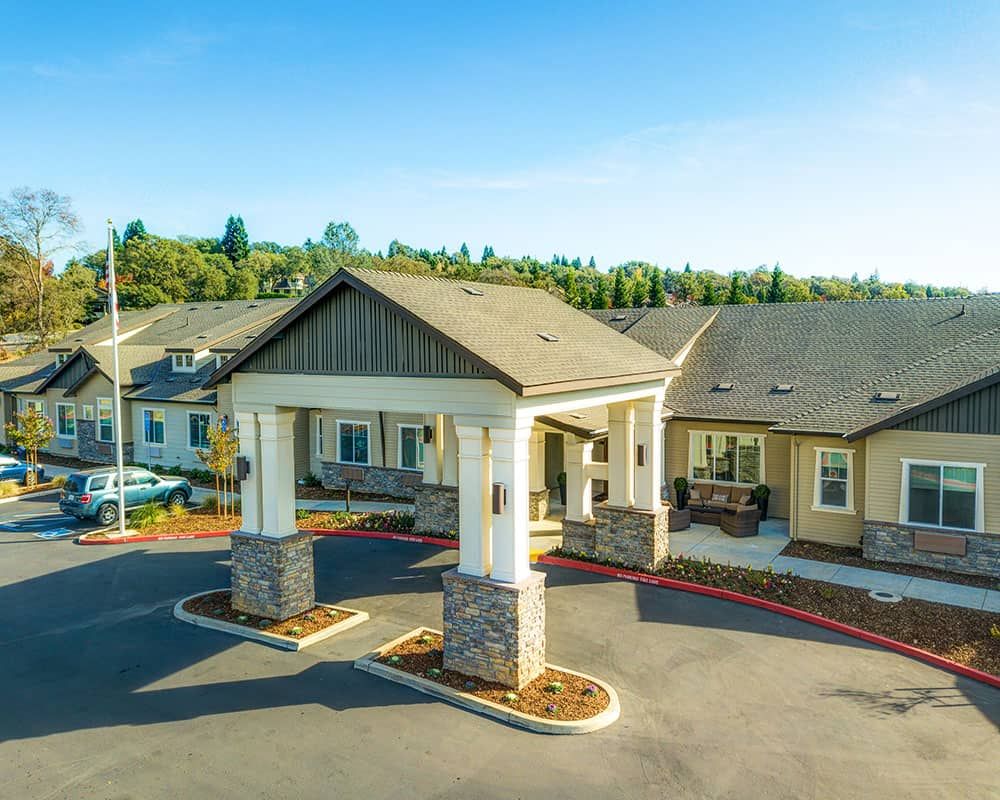
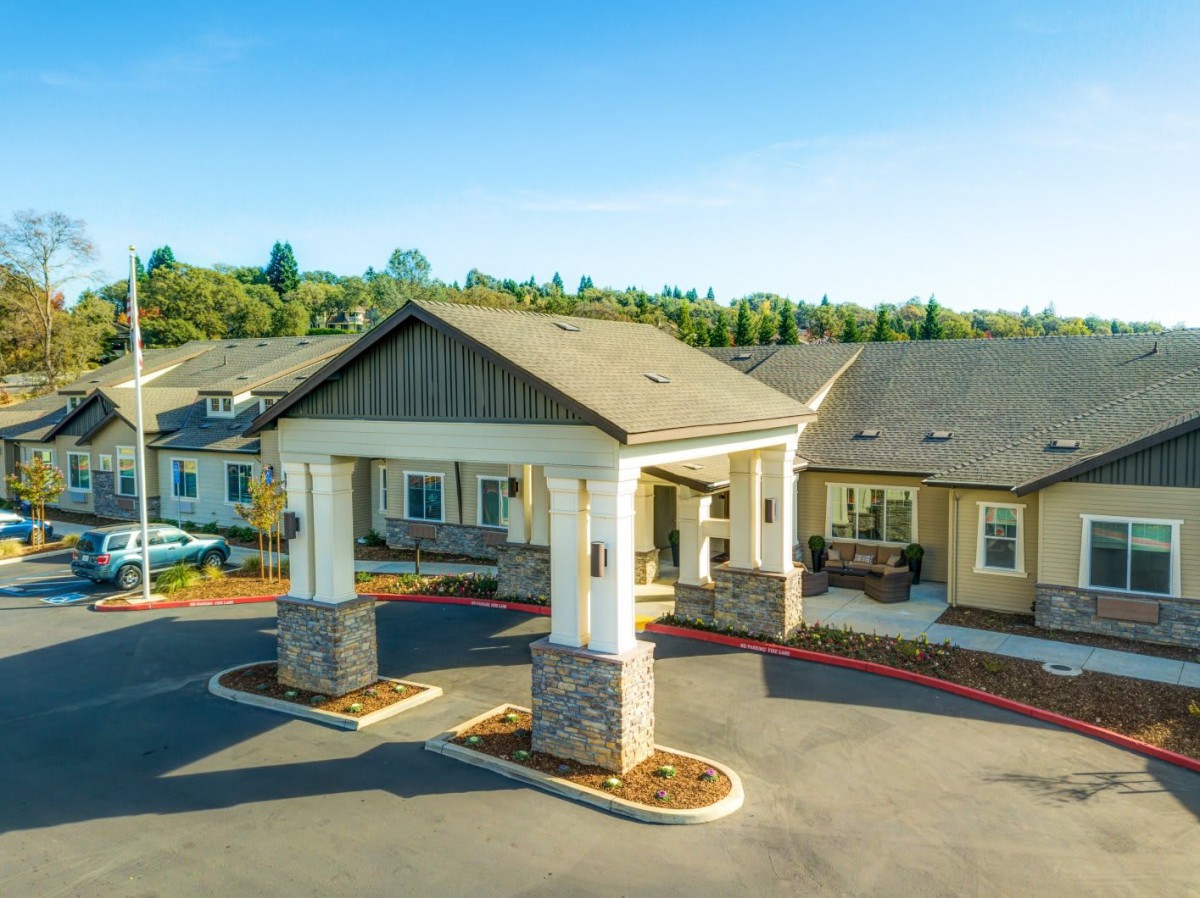
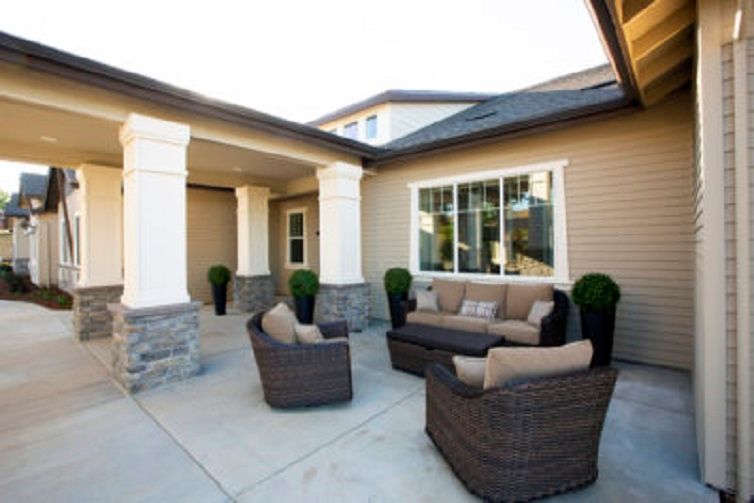
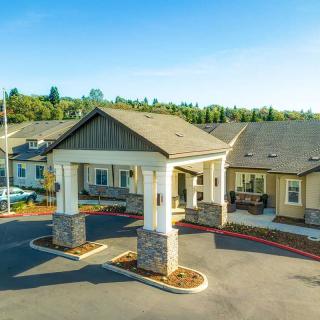
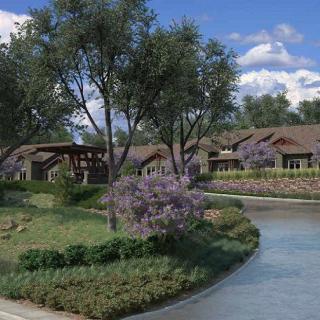
    A modern building with a prominent entrance and paved driveway under a clear sky.
  • Decor

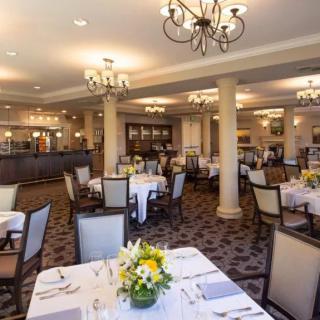
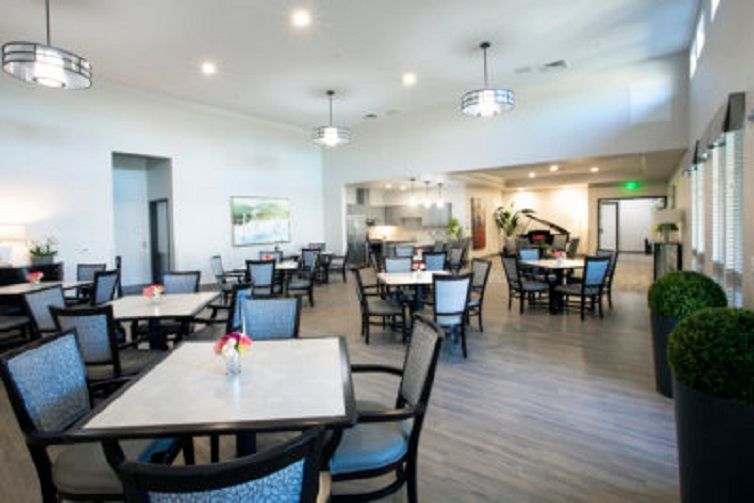
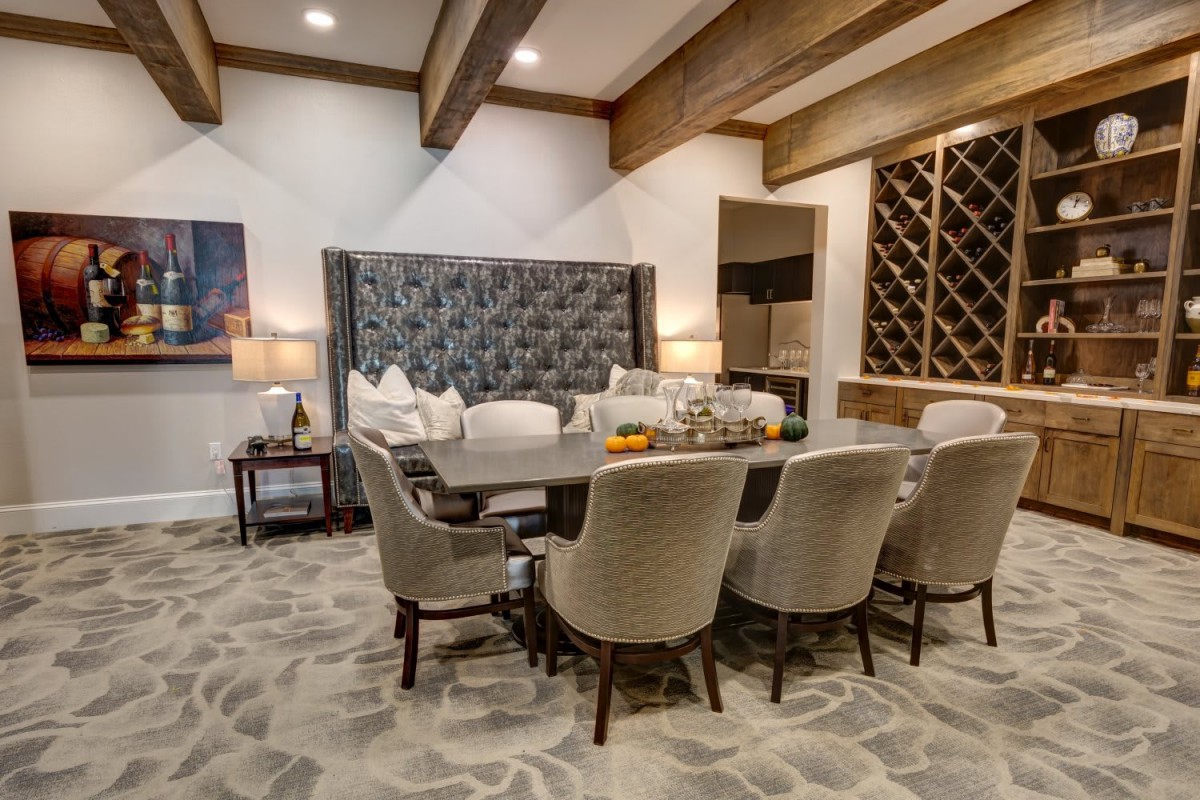
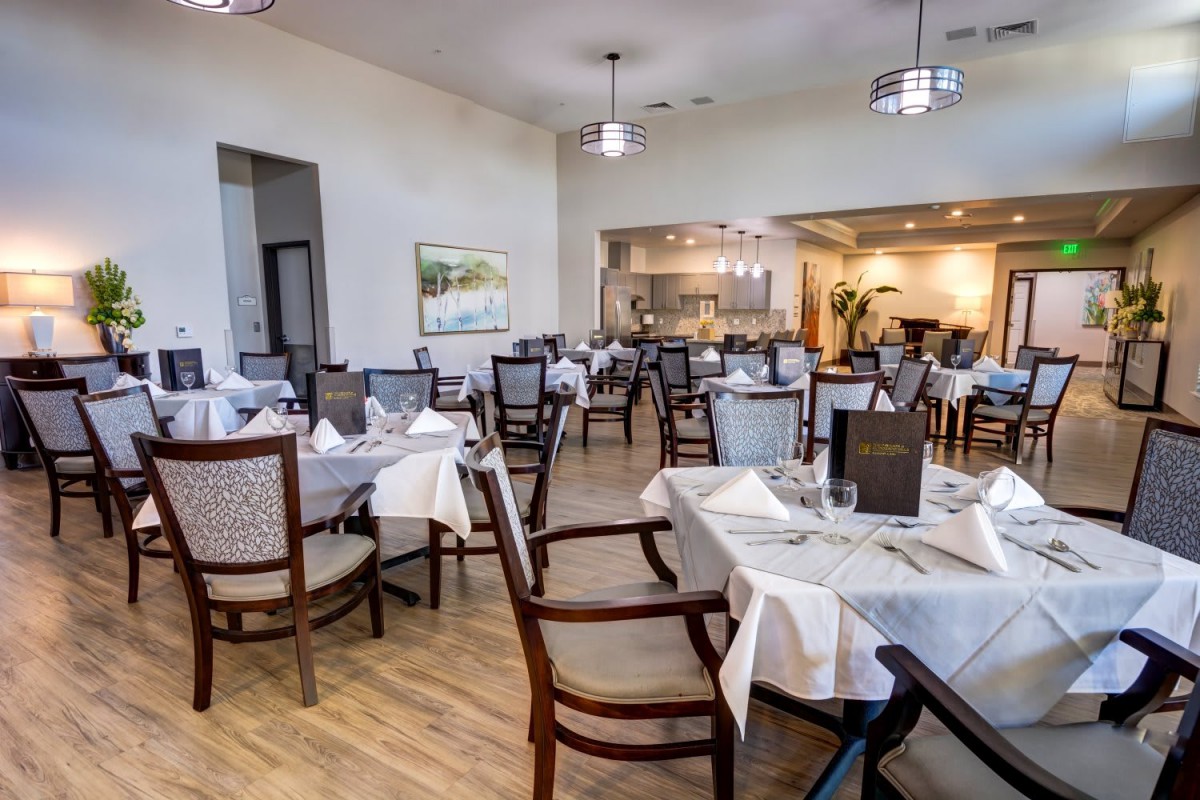
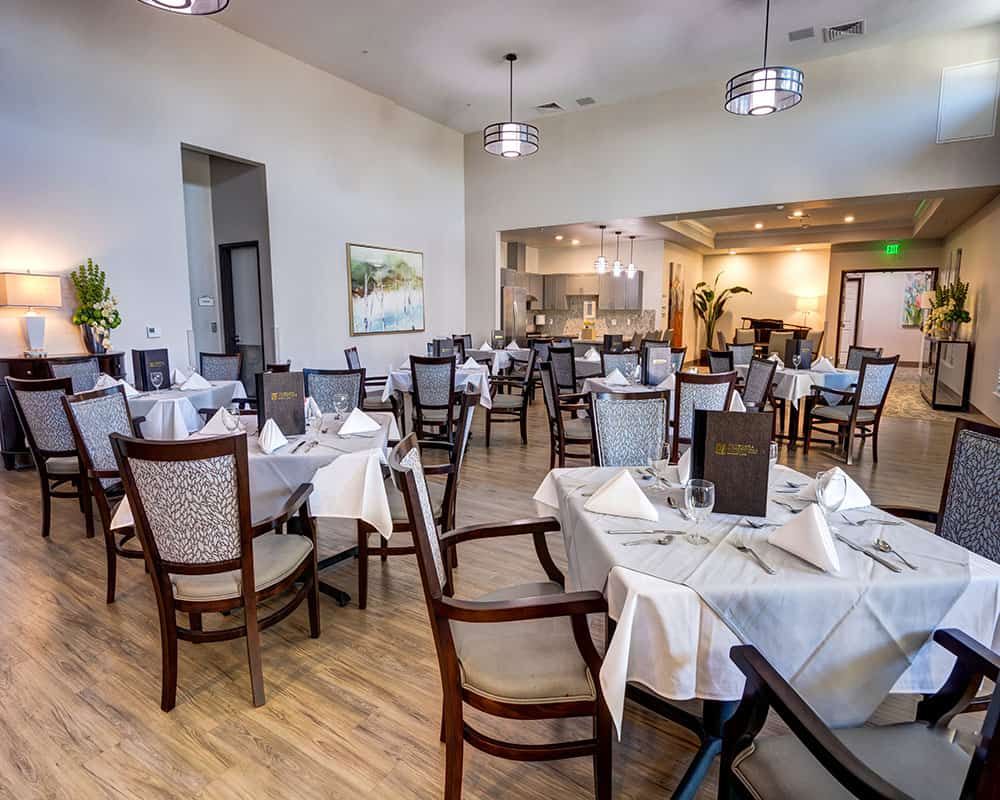
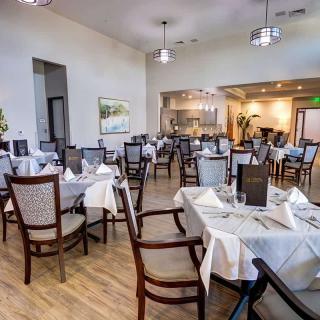
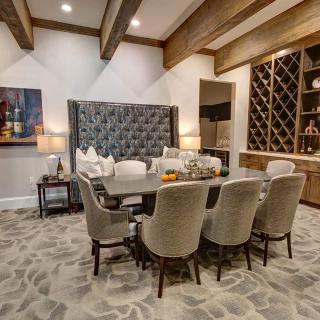
    An elegant dining room with neatly arranged tables and stylish decor.
  • Living Room

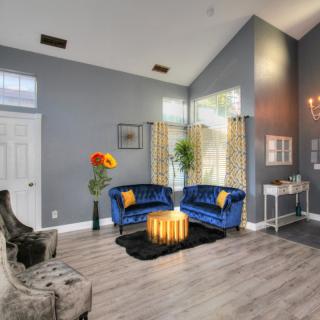
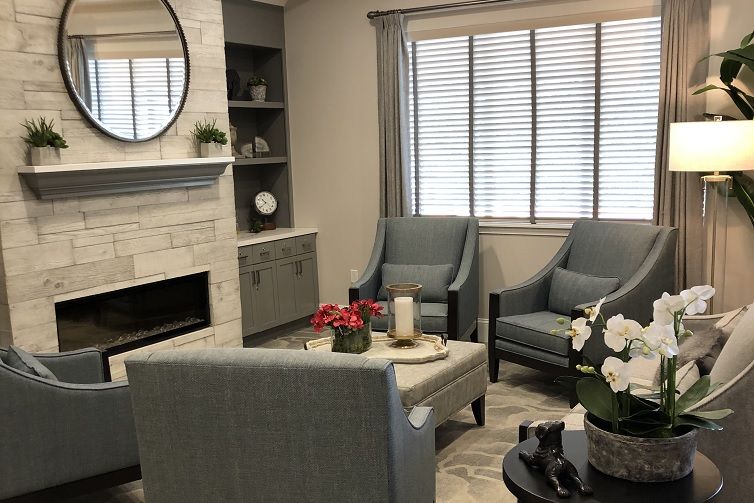
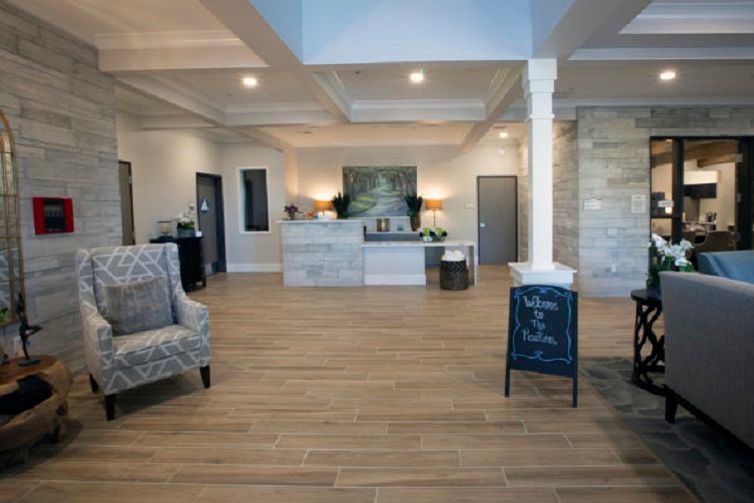
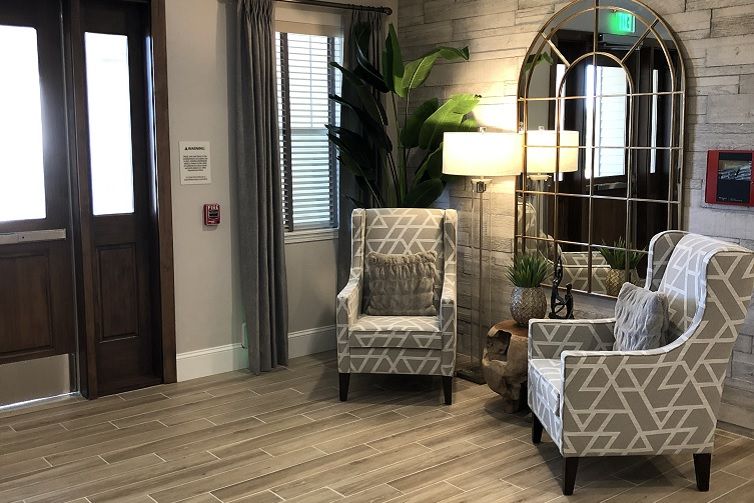
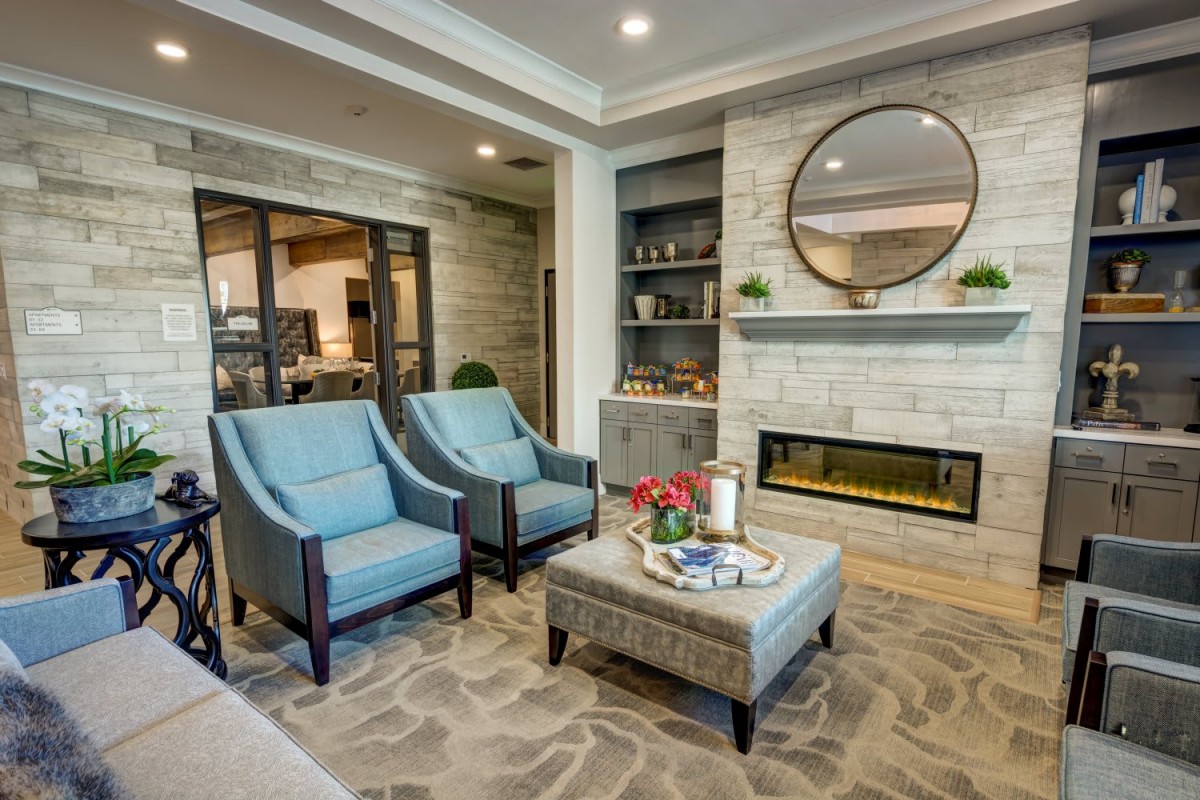
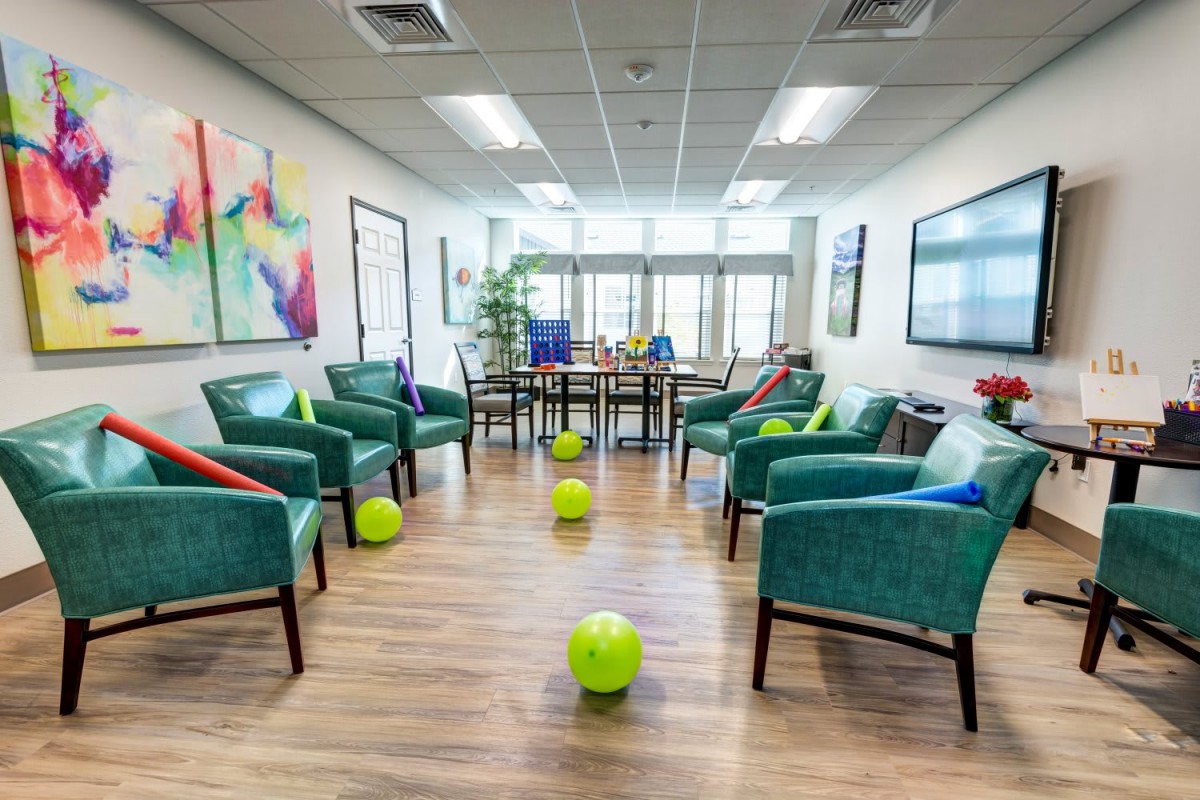
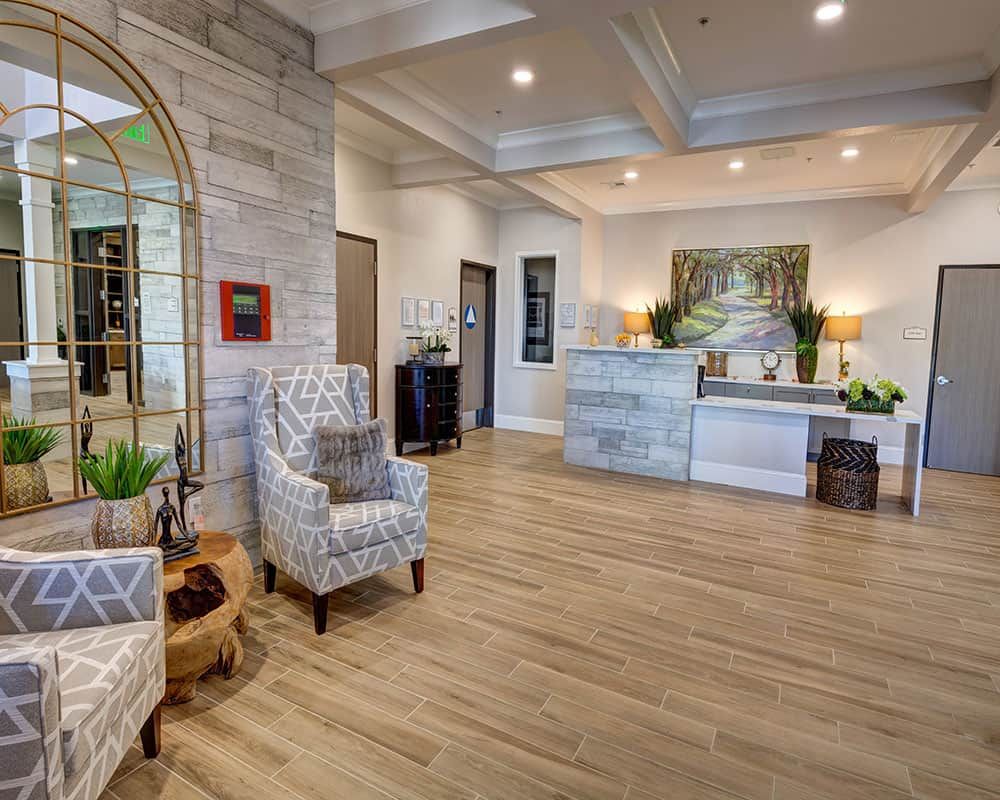
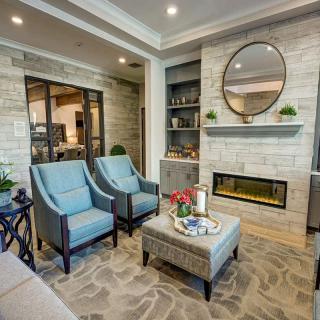
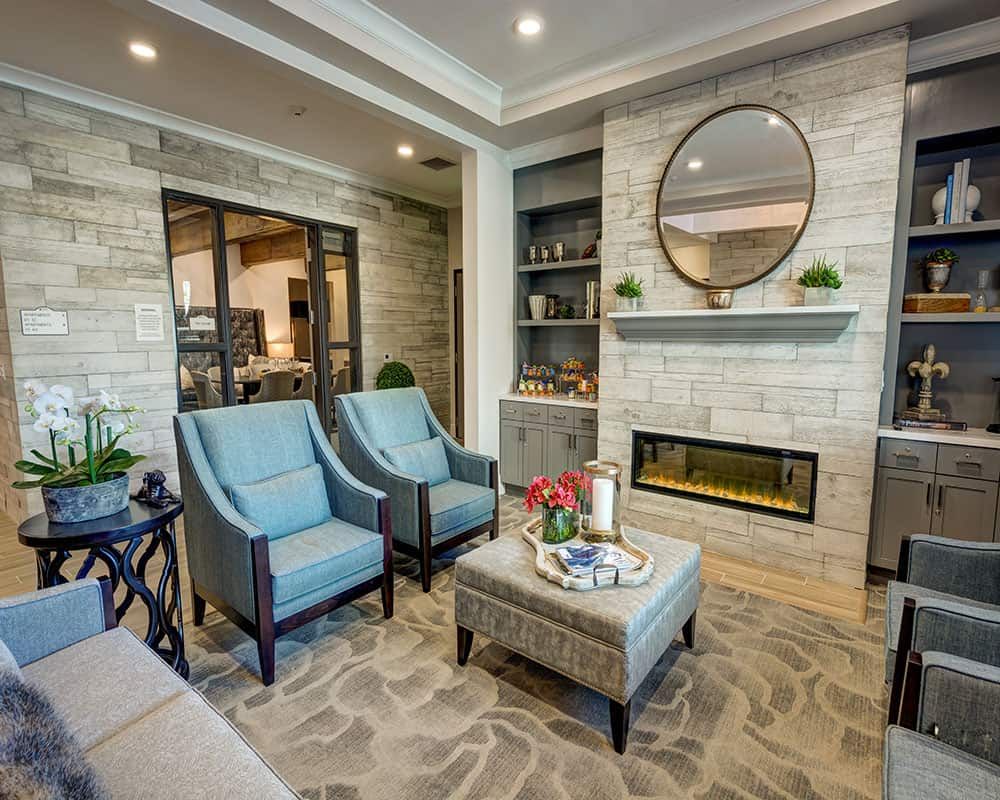
    A modern living room with a cozy fireplace, stylish armchairs, and elegant decor.
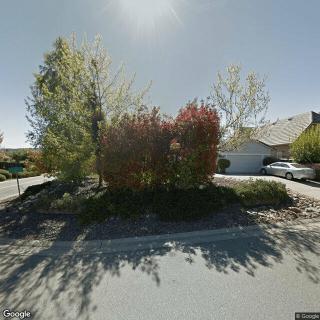
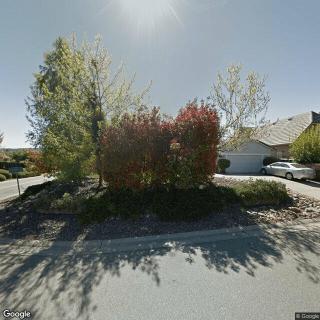
  • Building

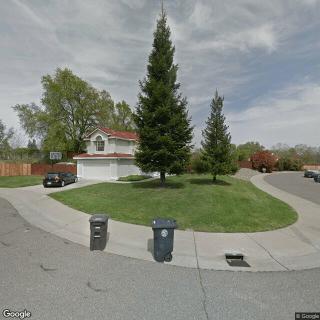
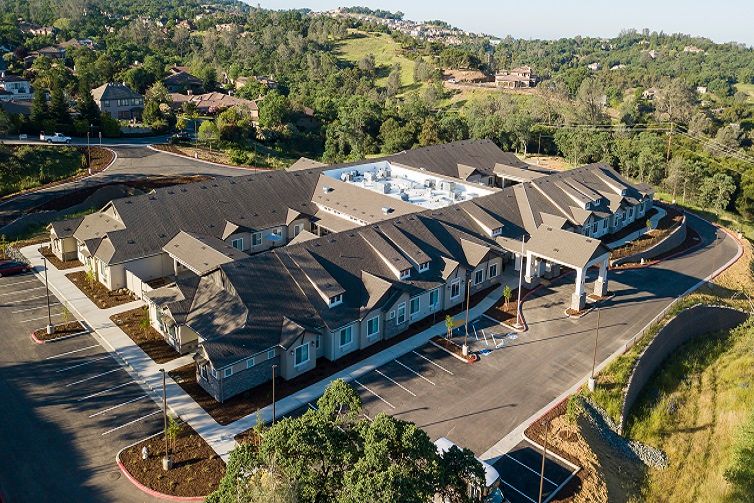
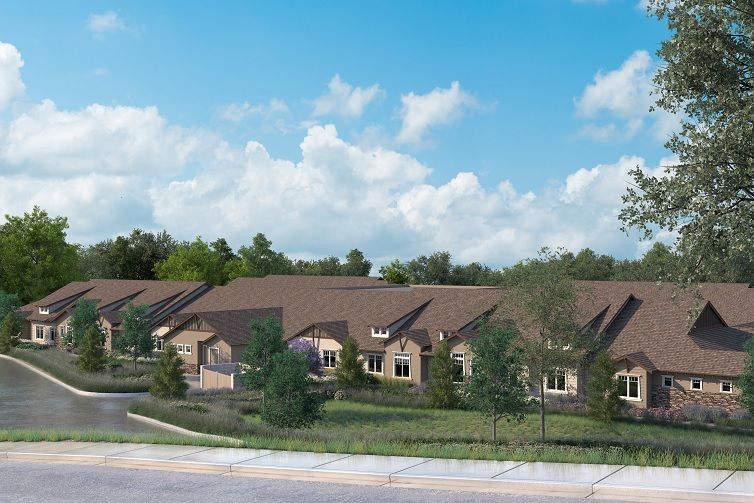
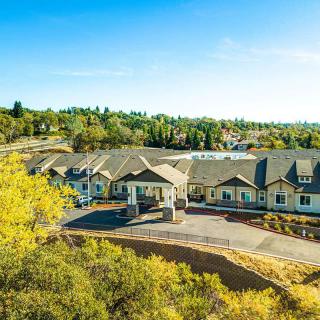
    A scenic view of a residential building surrounded by lush greenery under a clear blue sky.
  • Architecture

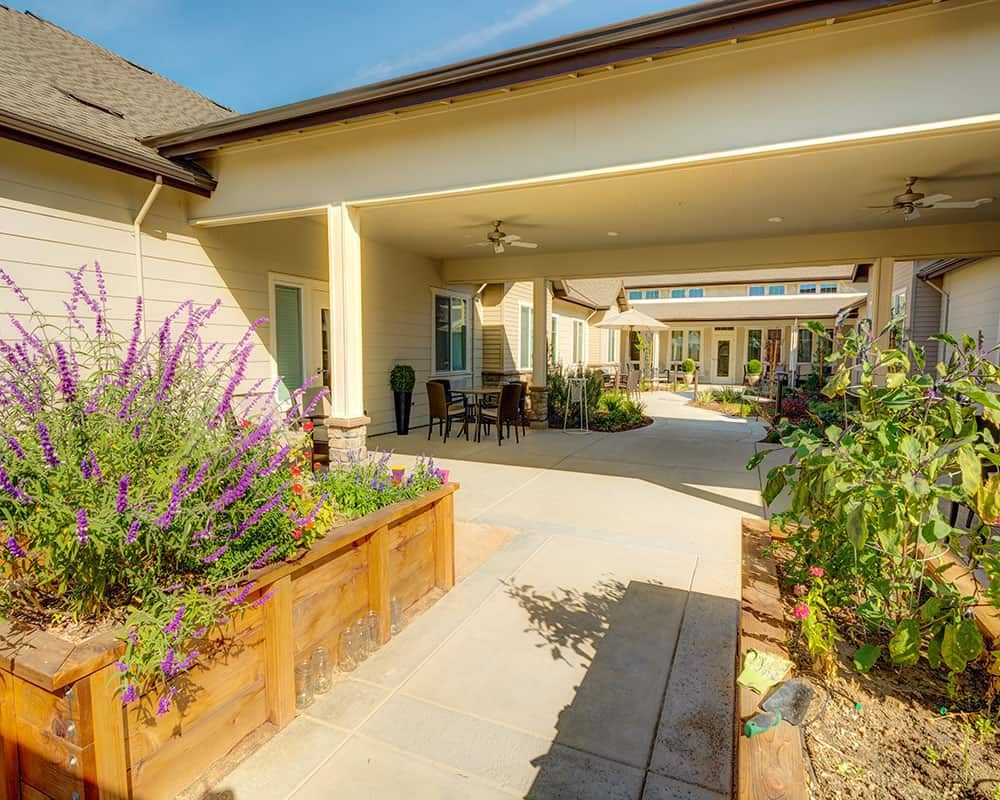
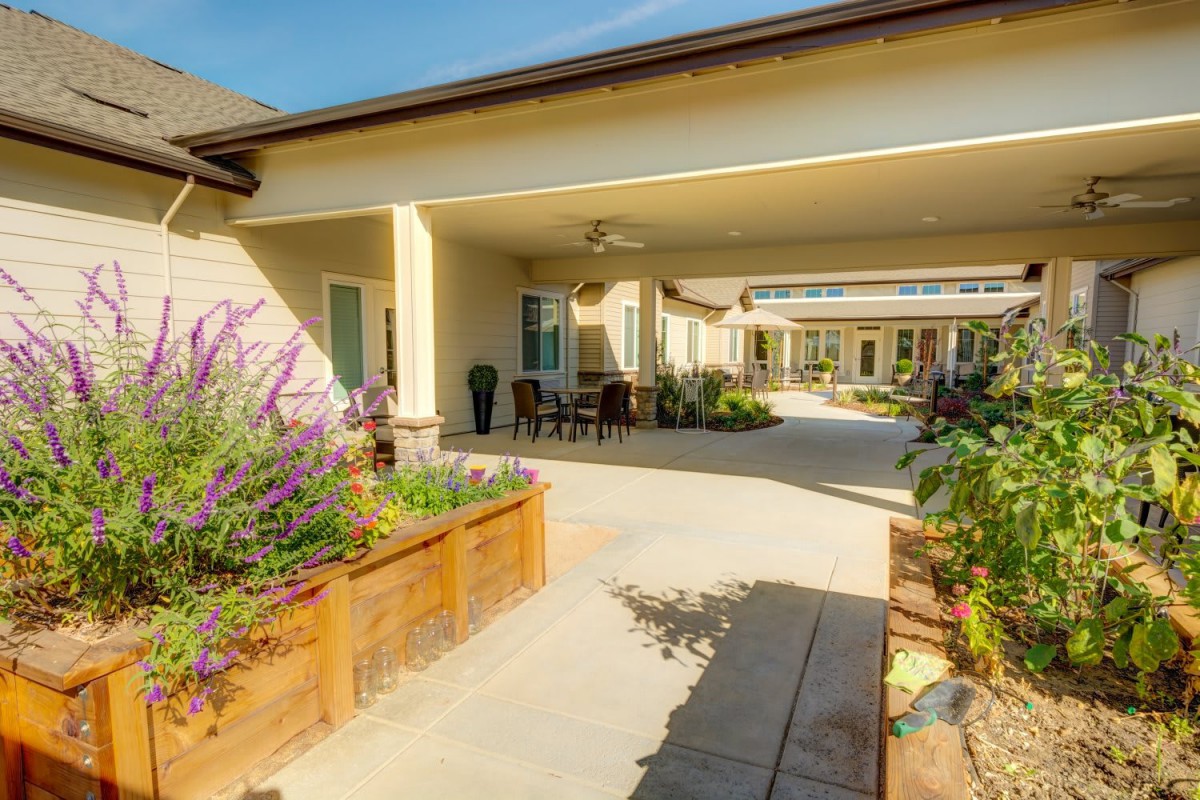
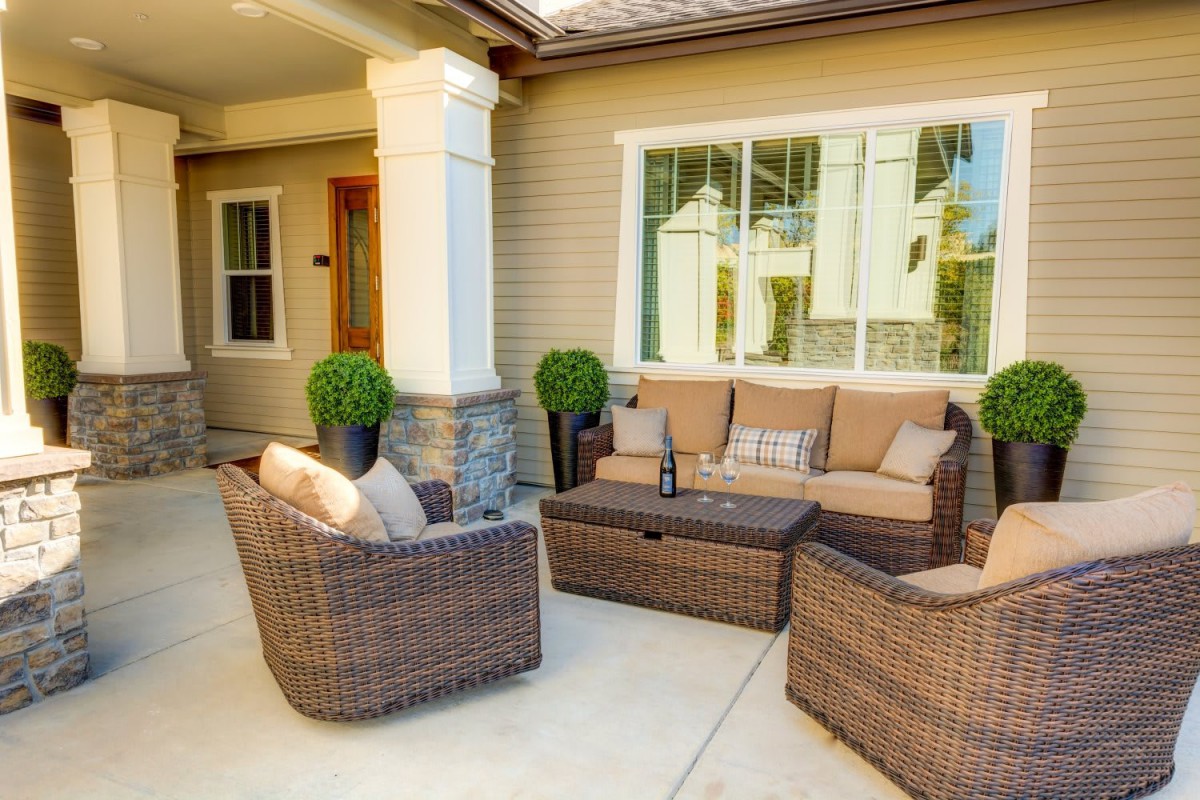
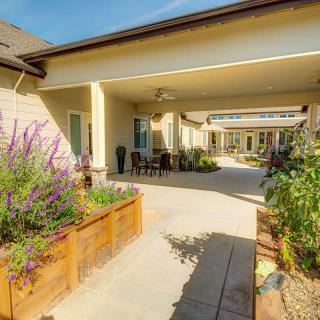
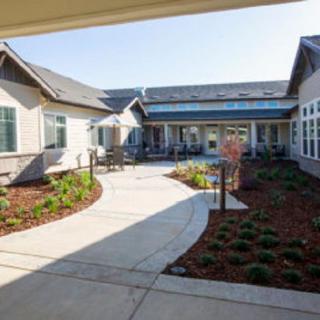
    A sunlit walkway lined with planters and greenery.
  • Bedroom

    A cozy bedroom with elegant decor and a comfortable bed.
  • Trees

    A tranquil landscape featuring a gently flowing river bordered by lush greenery and blooming flowers.
  • Windows

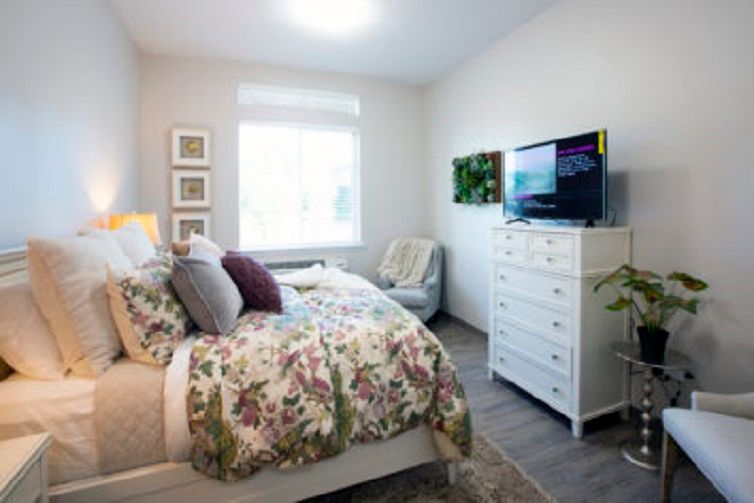
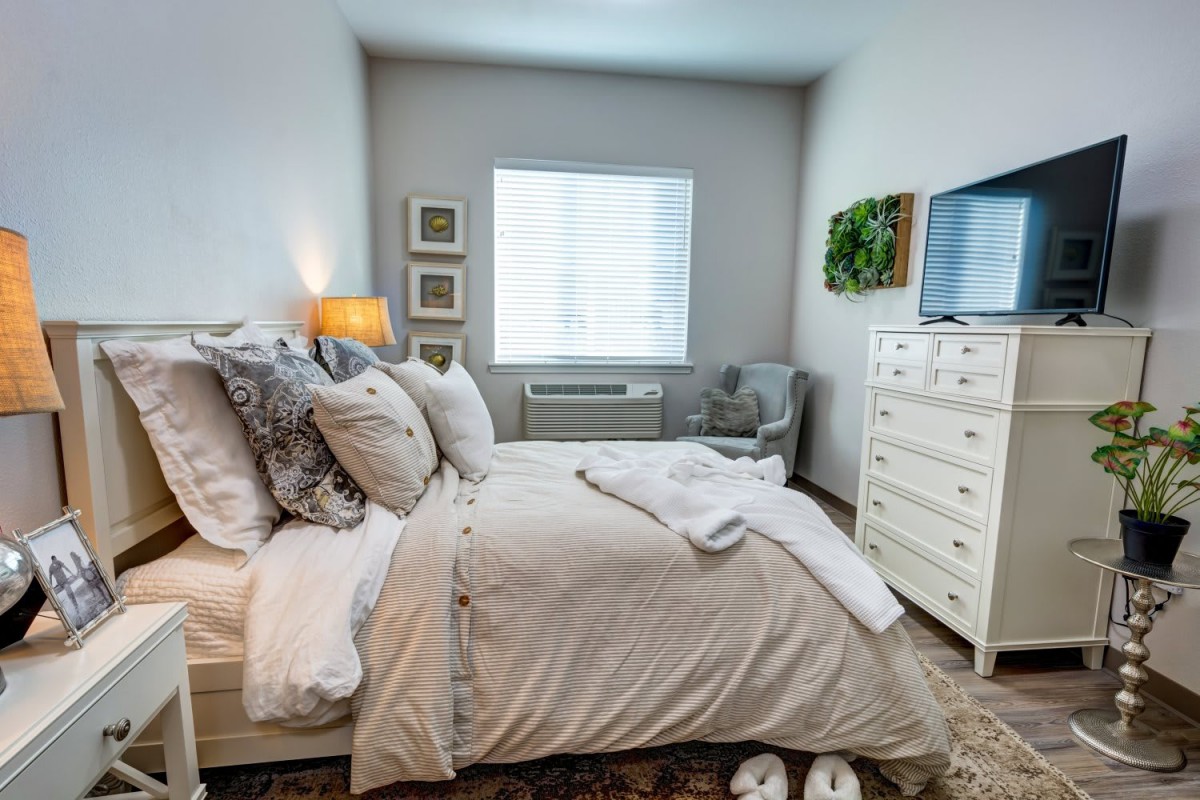
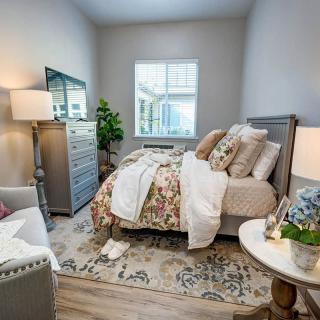
    A cozy bedroom with floral bedding, a white dresser, and a television, featuring bright natural light from a window.
  • Dining

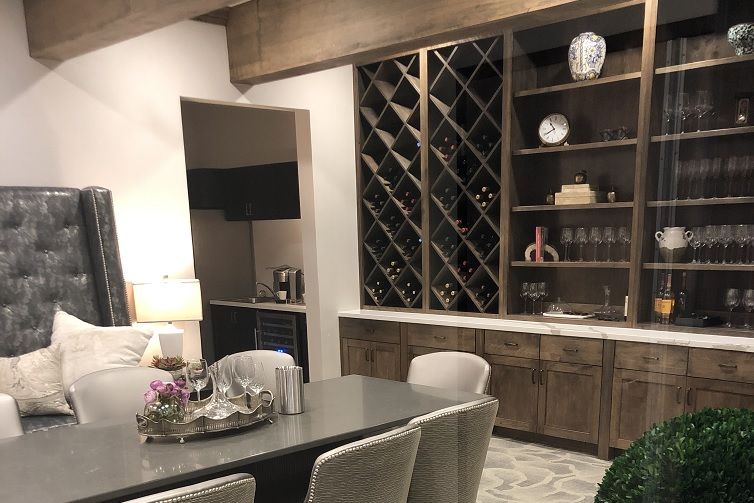
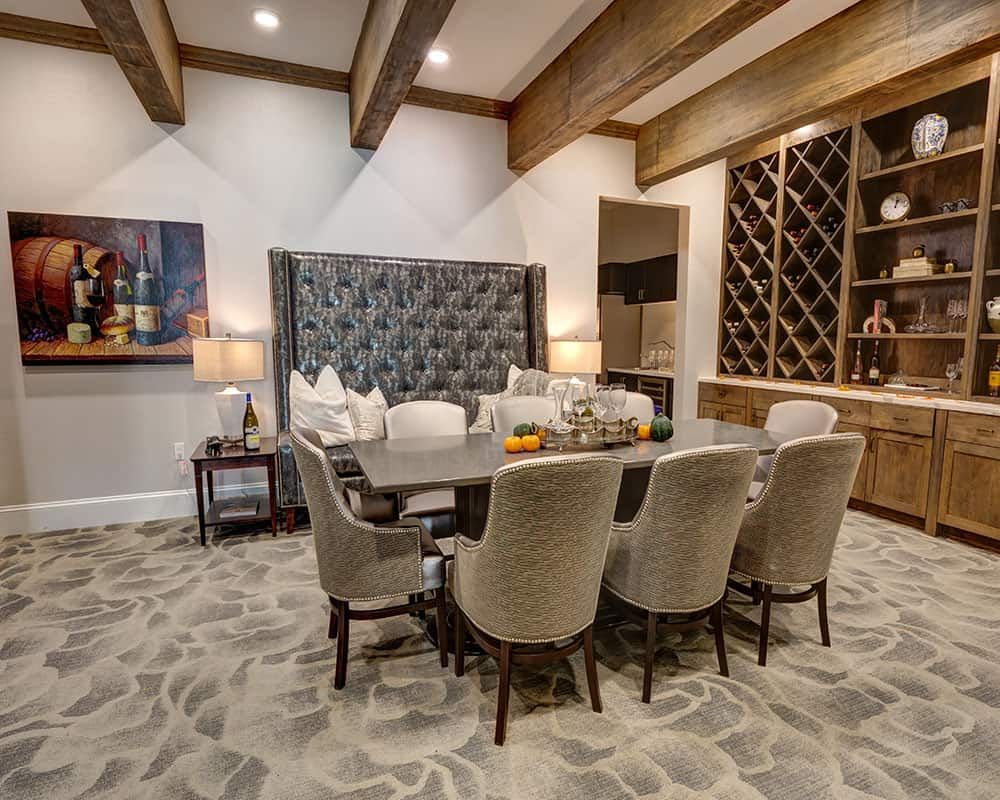
    A luxurious dining room with a large table, upholstered chairs, and wine storage.
  • Landscaping

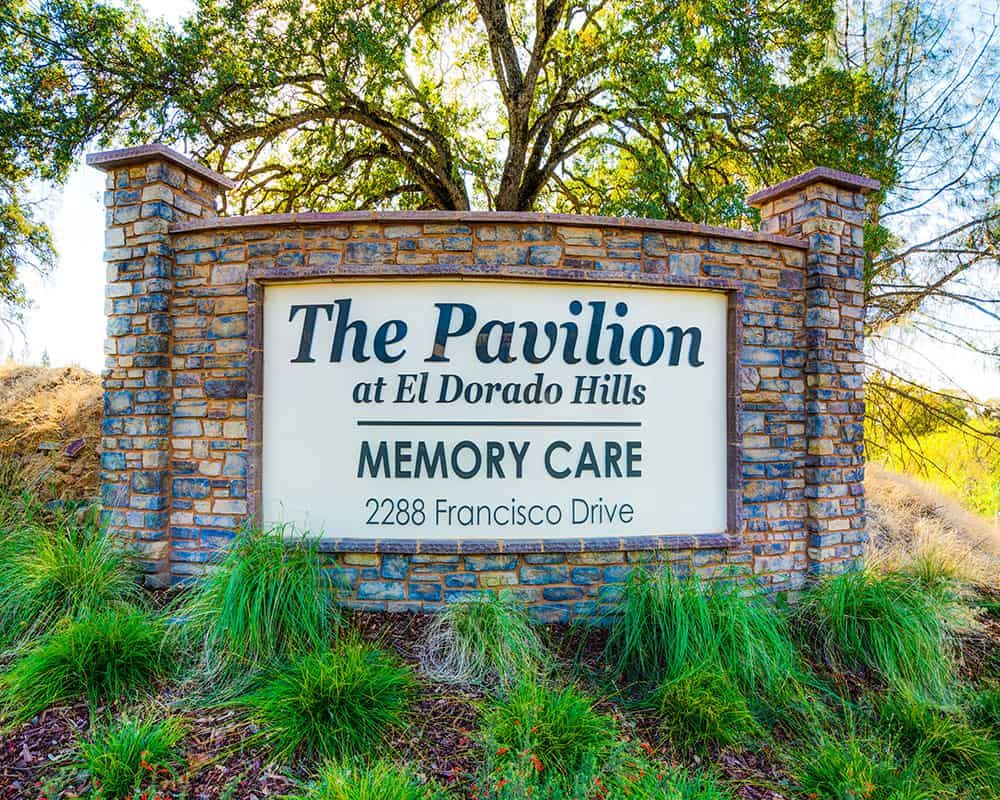
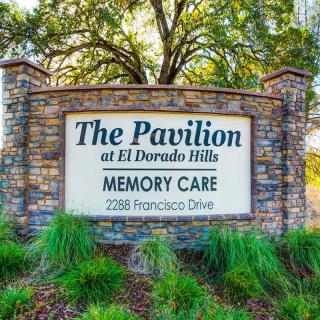
    A stone sign for The Pavilion at El Dorado Hills Memory Care, surrounded by greenery.
  • Kitchen

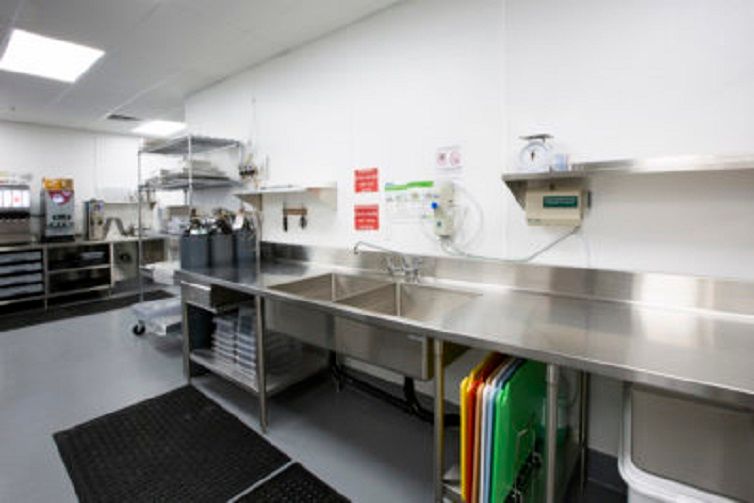
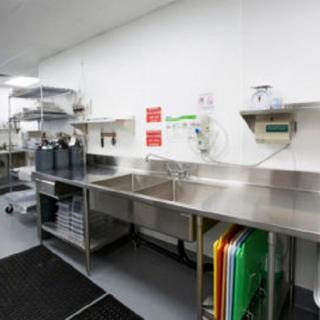
    A well-organized commercial kitchen with stainless steel fixtures and multiple sinks.
  • Lighting

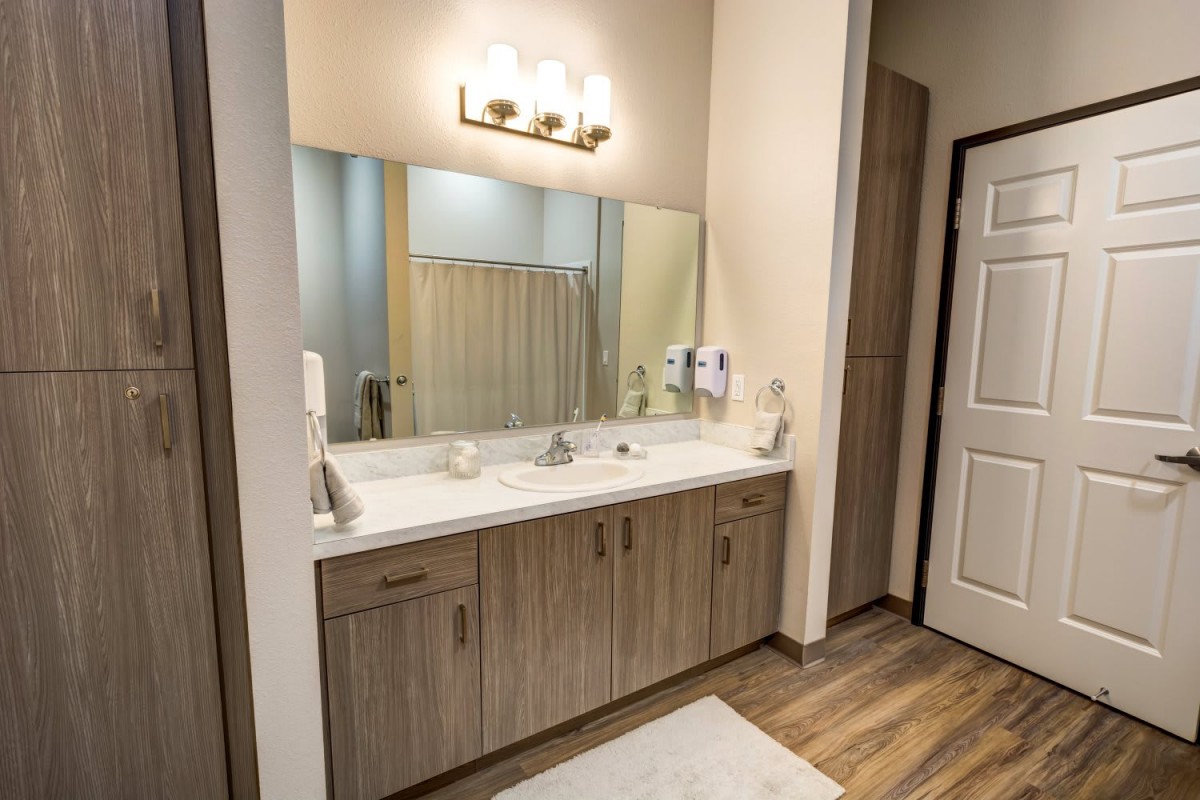
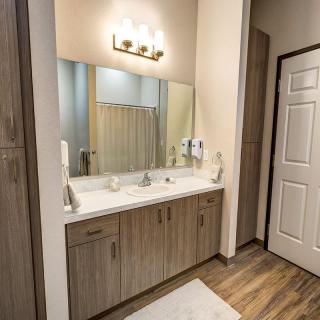
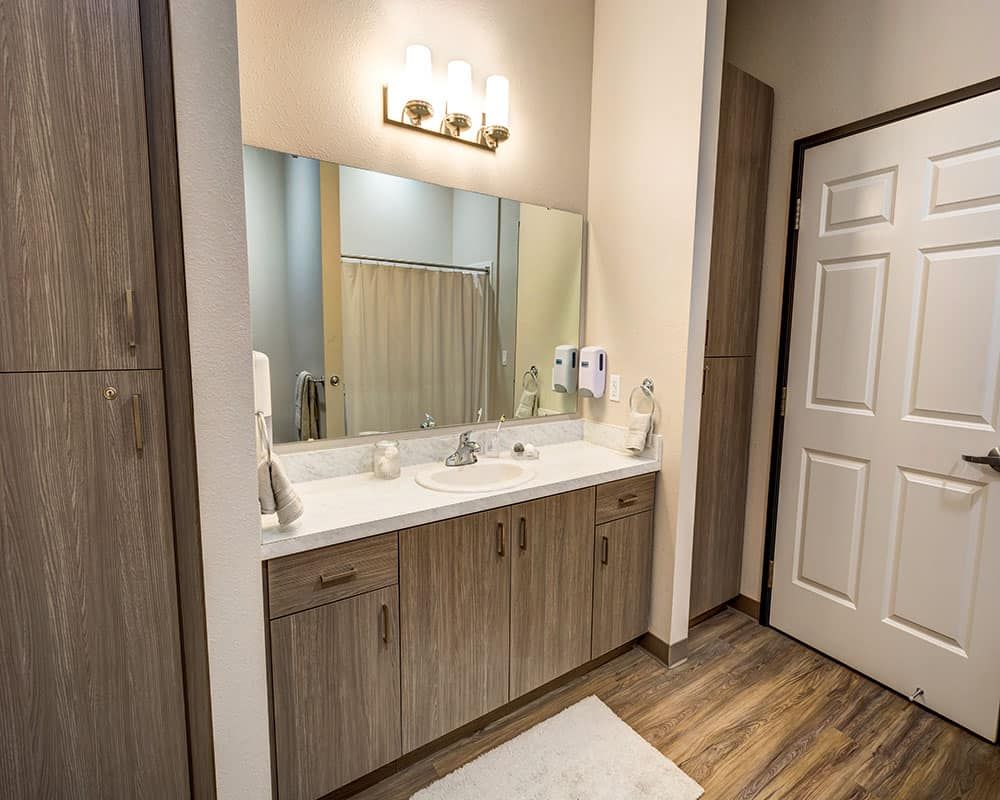
    A modern bathroom with a large mirror and a wooden vanity featuring dual sinks.
  • Garden

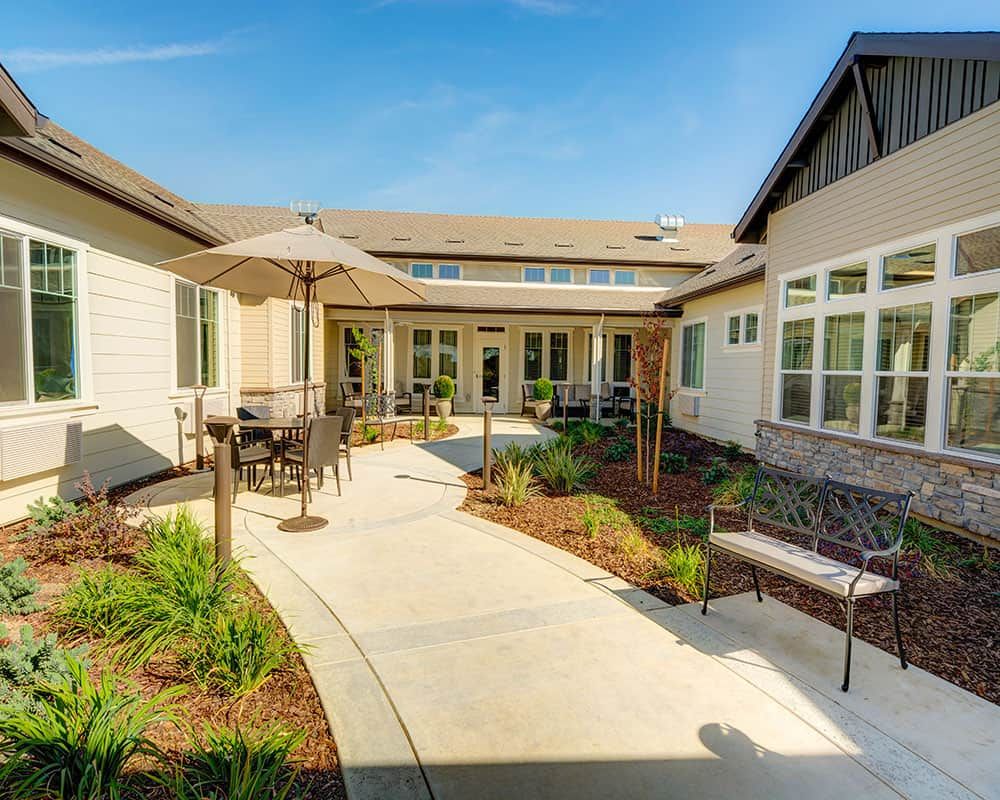
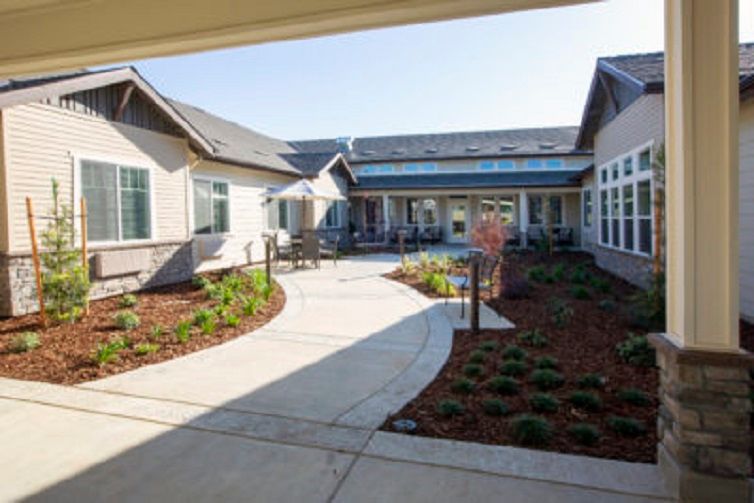
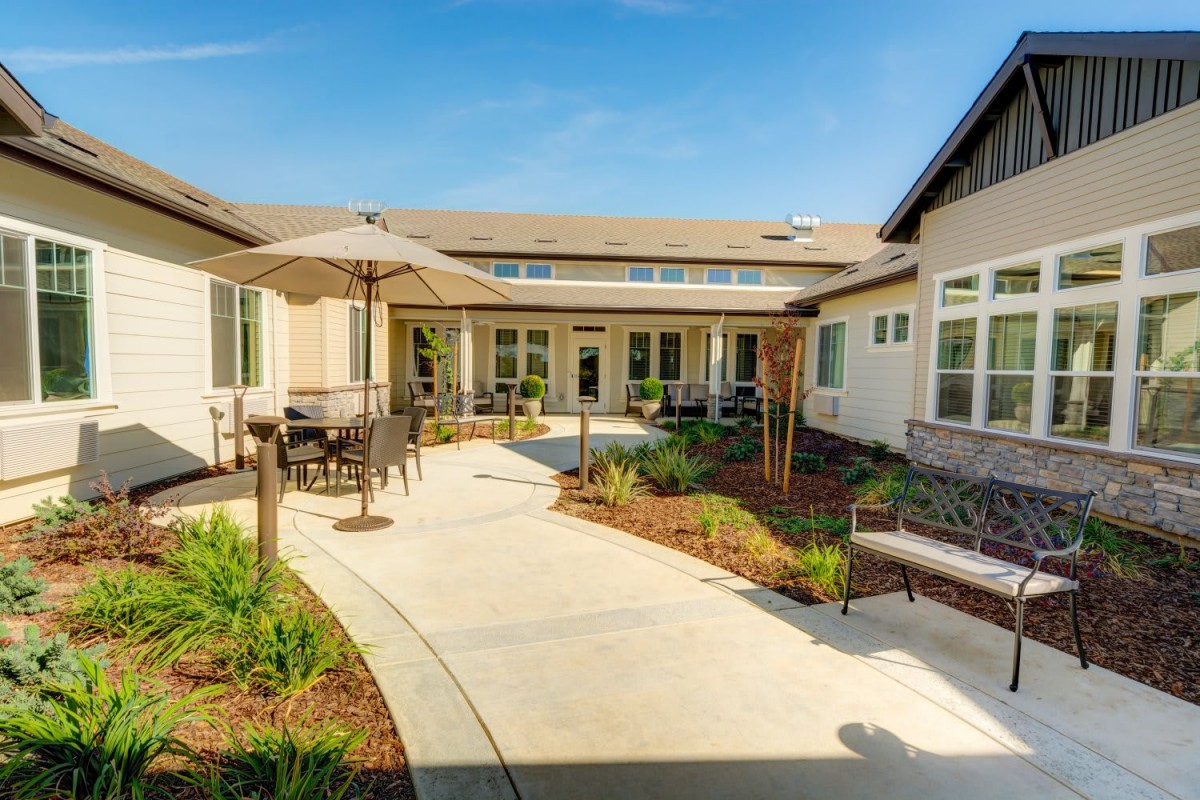
    A modern courtyard with landscaped gardens and multiple buildings.

The Pavilion At El Dorado Hills

Information last verified:

2288 Francisco Drive, El Dorado Hills, CA 95762

For more information about senior living options: (844) 490-3973

3.8 from 13 reviews
5 stars
7
4 stars
2
3 stars
1
2 stars
1
1 stars
2

The Pavilion At El Dorado Hills Costs & Pricing

The Pavilion At El Dorado Hills offers a range of room options at competitive pricing compared to the broader market in El Dorado County and across California. For instance, a semi-private room is priced at $4,725, which is significantly higher than the county average of $3,046 and the state average of $3,333. The studio option reflects a similar trend with monthly costs set at $6,155 - above both the county's average of $4,136 and California's average of $4,145. Lastly, for those seeking more private accommodations, the one-bedroom unit is available for $6,815, surpassing both local ($4,502) and state-wide averages ($4,340). These figures suggest that while The Pavilion provides luxurious amenities and potential care advantages that may justify the higher costs, they do stand out notably against both county and state norms.

Floor plansThe Pavilion At El Dorado HillsEl Dorado CountyCalifornia
Semi-Private$4,725$3,046$3,333
Studio$6,155$4,136$4,145
1 Bedroom$6,815$4,502$4,340

Overall Review of The Pavilion At El Dorado Hills

Pros

  • pro The community feels welcoming, calm, and very well cared for.
  • pro The exterior and grounds are immaculate, and the building itself appears fairly new or exceptionally well maintained.
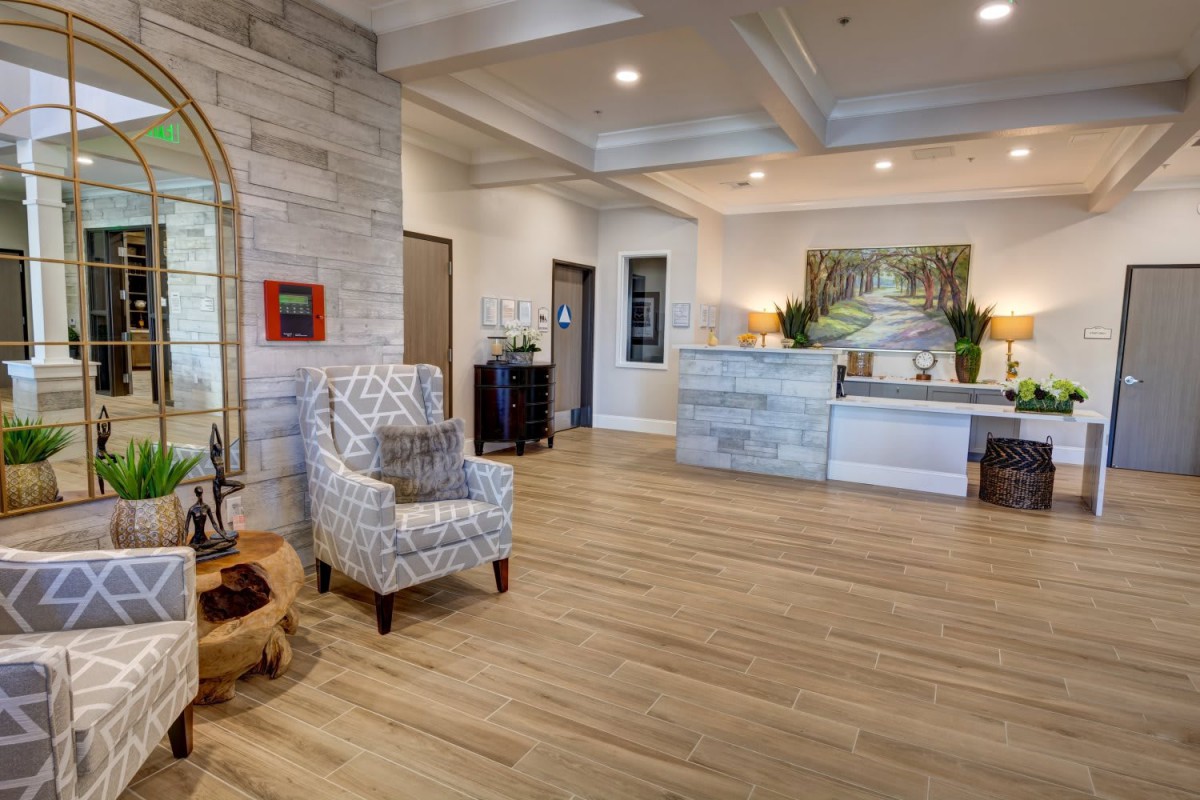
  • pro Inside, the community is clean, thoughtfully designed, and warmly decorated.
  • pro It feels inviting rather than institutional, which is incredibly important in a memory care setting.
  • pro The layout is spacious and well organized.
  • pro There are constant activities—birthday celebrations, live entertainment, classes, and chef nights—keeping residents engaged.
  • pro Family involvement is encouraged, and residents are treated as individuals, not just occupants.
  • pro The staff are consistently friendly, professional, and attentive.

Cons

  • pro The Pavilion is described as being more suited to Assisted Living than Memory Care, implying it is not a proper memory care facility.
  • pro Families report that care is lacking and residents are not receiving the attention and assistance they need.
  • pro Meals are described as subpar, more like middle school meals.
  • pro Some residents look unkempt, with hair not washed or combed.
  • pro There is a noticeable lack of staffing, making communication difficult and leaving staff unable to adequately supervise.
  • pro Activities are nearly nonexistent, with residents often sitting alone or wandering aimlessly.
  • pro An incident occurred where a resident struck another due to inadequate supervision, highlighting safety concerns.
  • pro The facility falls short for the premium price and does not meet expectations for quality memory care.

Review

The Pavilion at El Dorado Hills is best suited for families seeking a warm, home-like assisted living environment with an emphasis on active engagement, security, and personal connection. It works well for residents who crave a lively calendar of activities, meaningful interaction with staff, and a campus designed to feel welcoming rather than clinical. The community appeals to families who want transparent communication, a dignified setting, and spaces that support both privacy and socialization. Those prioritizing a strong sense of routine, accessible outdoor areas, and well-maintained facilities will find this option compelling. It is particularly attractive for memory-care considerations in practice, but with the caveat that it may not be the definitive specialist memory-care environment some families expect. For higher-stakes memory-care needs, alternatives deserve consideration.

The Pavilion delivers a number of clear strengths. The campus is described as impeccably maintained, with an exterior and interior that feel modern and carefully curated rather than institutional. The layout, two wings with ample common areas, kitchens, activity spaces, exercise rooms, and multiple gathering spaces, supports easy navigation and ongoing engagement. Families consistently praise the level of activity: monthly birthday celebrations, live entertainment, classes, and chef nights that involve residents in hands-on care and social participation. Security is a tangible comfort, with controlled access that reassures families about safety. The living arrangements, including Jack-and-Jill options that preserve independence while sharing a bath, reflect thoughtful consideration of resident preferences. Outdoor spaces, secure courtyards and small garden areas, give residents tangible opportunities to participate in life outside the daily routine. Staff are repeatedly described as friendly, professional, and attentive, and the Community Relations Manager is highlighted as approachable and transparent, a critical factor for families navigating care decisions.

Still, important cautions emerge through the reviews. A recurring concern is staffing, specifically, that the level of staffing may not consistently meet the demands of memory-care residents, leading to occasional delays in care and communication gaps. Several observers note that while caregivers are kind and well-meaning, they can feel stretched or overwhelmed, which affects responsiveness and supervision. Some accounts describe meals and daily care that fall short of expectations, with remarks about food quality and the appearance of personal care for residents not being ideal in every case. Not all memory-care expectations align with what is offered, and a few families report safety incidents or poor supervision that amplify anxiety about risk. There are also isolated remarks about cleanliness and staff attention to detail in resident rooms. Taken together, the cons center on staffing reliability, the depth of memory-care programming, and consistency in daily care, rather than on a lack of warmth or atmosphere.

Those pros can offset the cons in meaningful, practical ways if approached with clear expectations. The active, engaging environment helps mitigate the isolation risk that can accompany memory care by providing structured socialization, purpose-driven tasks, and family-friendly events that invite participation. The secure, well-maintained campus reduces risk and provides peace of mind for families, while the accessible design supports autonomy for residents who can participate in routine activities. The strong emphasis on personalized attention from staff, despite staffing pressures, appeals to families who value being kept in the loop and having a steady point of contact. When families prioritize social vitality and a bright, respectful atmosphere, the Pavilion’s strengths can substantially offset the concerns about staffing and consistency, especially if a tour confirms real-world staffing levels and the facility’s ability to tailor routines to individual abilities and safety needs.

Who should consider alternatives? Families with memory-care needs that require high staffing ratios, highly specialized dementia programming, or exceptionally consistent daily oversight may want to explore other options. Some reviewers reference Placerville as offering a stronger dedicated memory-care environment, implying a better fit for residents with advanced dementia or those needing more intensive supervision and targeted programming. Price sensitivity also matters; for households prioritizing gourmet meals, highly consistent daily care, or a more consistent cadence of behavior management, a different community with a more uniform service model could be preferable. In short, if the primary goal is a best-in-class, memory-care-specific program with the most predictable staffing patterns, alternatives deserve comparison.

Bottom line: The Pavilion at El Dorado Hills is a compelling choice for families seeking an active, security-conscious setting with a warm, engaged culture and thoughtfully designed spaces. Its greatest appeal lies in the atmosphere, staff warmth, robust programming, and secure campus, features that translate into meaningful daily life for many residents. The trade-off is a reality of staffing pressures and variable depth of memory-care support. Prospective families should prioritize a candid assessment of current staffing levels, request a tour during peak activity times to observe caregiver-resident interactions, and speak directly with current residents’ families about responsiveness and consistency. If these factors align with expectations, The Pavilion can be a strong, life-affirming home. If not, it is prudent to broaden the search to facilities with a more pronounced memory-care focus and steadier staffing, including a careful comparison with alternatives noted by other families in the region. This approach ensures a decision anchored in concrete experiences, not just promising marketing, and delivers the best fit for a loved one’s level of need and family goals.

Features

Housing

  • 64 resident community capacity 64 resident community capacity
  • Studio apartments Studio apartmentsStudio apartments are important for seniors because they offer a smaller, more manageable living space that is easier to navigate and maintain as physical abilities decline. Additionally, studio apartments provide seniors with independence and privacy while still being part of a community that offers support and social opportunities.

Types of Care

  • Memory Care Memory CareMemory care is crucial for seniors as it provides specialized support and services for individuals with dementia or Alzheimer's disease. These programs offer a safe and secure environment where residents receive personalized care, cognitive stimulation, and help with daily activities. Memory care helps seniors maintain their independence, quality of life, and dignity while also providing peace of mind for their families.

Amenities

  • Activities off-site Activities off-siteEngaging in off-site activities is crucial for seniors to maintain social connections, stay active, and stimulate their minds. It promotes overall well-being and helps combat feelings of isolation and loneliness.
  • Activities on-site Activities on-siteActivities on-site are important for seniors because they provide opportunities for socialization, mental stimulation, physical activity, and overall well-being. Engaging in activities can help seniors stay active, maintain their independence, and improve their quality of life.
  • Air-conditioning Air-conditioningAir conditioning is important for seniors as they are more vulnerable to heat-related illnesses and may have underlying health conditions that make it difficult for them to regulate their body temperature. It helps to keep them comfortable, safe, and healthy in hot weather.
  • Beautician on-site Beautician on-siteHaving a beautician on-site at a senior living community is important for seniors as it allows them to easily access grooming and personal care services, boosting their self-esteem and overall well-being. It also provides convenience and helps seniors maintain their sense of independence and personal style.
  • Beauty salon Beauty salonBeauty salons are important for seniors because they provide a space for them to feel pampered, socialize, and maintain their personal grooming and hygiene. Regular visits to a beauty salon can help boost seniors' self-esteem and overall well-being.
  • Cable or satellite TV Cable or satellite TVCable or satellite TV is important for seniors because it provides entertainment, news, and companionship, helping to combat loneliness and boredom. It also offers a wide range of programming options tailored to different interests and preferences.
  • Computer center Computer centerA computer center is essential for seniors as it provides access to technology, communication tools, and resources that can enhance their daily lives. It allows them to stay connected with loved ones, engage in online activities, and learn new skills, ultimately promoting socialization and mental stimulation.
  • Dining room Dining roomDining rooms are important for seniors as they provide a space for socialization, connection, and nutritious meals. They offer opportunities for residents to bond over shared meals, foster a sense of community, and promote healthy eating habits. Dining rooms also ensure that seniors have access to well-balanced meals tailored to their dietary needs and preferences.
  • Fitness room Fitness roomHaving a fitness room in a senior living community is essential for seniors to stay active, maintain their physical health, and improve their overall well-being. Regular exercise can help prevent falls, reduce the risk of chronic diseases, and promote mental sharpness. It also provides social opportunities for residents to connect with others and enjoy a sense of community.
  • Fully furnished Fully furnishedFully furnished senior living communities are important for seniors because they provide convenience, comfort, and a hassle-free moving experience. Seniors can easily settle into their new living space without the stress of having to buy and move furniture. This allows them to focus on enjoying their new home and community.
  • Gaming room Gaming roomGaming rooms are important for seniors as they provide a fun and engaging environment for socializing, cognitive stimulation, and physical activity. Games can improve memory, problem-solving skills, and overall mental well-being while fostering friendships and reducing feelings of isolation.
  • Garden GardenGardens are important for seniors as they provide a peaceful and therapeutic environment for relaxation, physical activity, and socialization. Being in nature has been shown to reduce stress, improve mood, and promote overall well-being. Gardens also offer opportunities for seniors to engage in gardening activities, which can improve mobility, flexibility, and cognitive function. Additionally, gardens create a sense of community and connection with others who share a passion for plants and outdoor spaces.
  • Garden view Garden viewGarden views are important for seniors as they provide natural beauty and tranquility, promoting relaxation and overall well-being. Access to green spaces can also encourage outdoor activity and socialization, enhancing physical and mental health.
  • Ground floor units Ground floor unitsGround floor units are important for seniors because they provide easy accessibility, reduced risk of falls and injuries, and convenience for those with mobility issues. Seniors can avoid climbing stairs or using elevators, making daily tasks and activities more manageable and enjoyable.
  • Handicap accessible Handicap accessible"Handicap accessible" amenities are crucial for seniors to ensure they can easily navigate and access facilities, services, and activities without barriers or limitations due to physical impairments. This promotes independence, safety, and inclusivity for seniors in senior living communities.
  • Housekeeping services Housekeeping servicesHousekeeping services are important for seniors because they help maintain a clean and safe living environment, promote independence, and reduce the risk of accidents or illnesses. Additionally, having assistance with household chores can alleviate physical strain and allow seniors to focus on other aspects of their well-being.
  • Indoor common areas Indoor common areasIndoor common areas are crucial for seniors as they provide a space for socialization, recreation, and community engagement, promoting overall well-being and reducing feelings of isolation and loneliness.
  • Kitchenette KitchenetteKitchenettes are important for seniors living in senior living communities because they provide the convenience and independence of being able to prepare simple meals and snacks in the comfort of their own living space. This can help promote a sense of autonomy and well-being for seniors, allowing them to maintain some level of control over their dietary choices and daily routines.
  • Move-in coordination Move-in coordinationMove-in coordination is important for seniors because it helps ease the transition into their new living environment. It ensures that all logistics, such as packing, organizing movers, and setting up utilities are taken care of, allowing seniors to focus on settling in and adjusting to their new home. Having a smooth move-in process can alleviate stress and anxiety, making the transition smoother and more enjoyable for seniors.
  • Outdoor common areas Outdoor common areasOutdoor common areas are important for seniors as they provide a space for socialization, physical activity, and relaxation. Being outside in nature can improve mood and overall well-being, while also encouraging movement and engagement with others. These spaces can help combat feelings of isolation and promote a sense of community among residents.
  • Outdoor space Outdoor spaceOutdoor spaces are important for seniors as they provide opportunities for physical activity, social interaction, exposure to natural light and fresh air, and a sense of connection to nature. Having access to outdoor spaces can improve overall well-being and quality of life for older adults living in senior communities.
  • Private bathrooms Private bathroomsPrivate bathrooms are important for seniors in senior living communities because they provide independence, dignity, and comfort. Having a private bathroom allows seniors to maintain their personal hygiene routines without the need for assistance, promoting a sense of autonomy and privacy. Additionally, private bathrooms help prevent the spread of infections and provide a safe and clean environment for seniors to navigate safely.
  • Respite or short term stays offered Respite or short term stays offeredRespite or short term stays provide seniors with a temporary solution when their regular caregiver is unavailable, offering them the opportunity to receive additional care and support during times of need, while also giving caregivers a chance to rest and recharge.
  • Restaurant-style dining Restaurant-style diningRestaurant-style dining is important for seniors because it allows them to enjoy delicious, nutritious meals in a social and upscale setting. This enhances their dining experience, promotes healthy eating habits, and fosters socialization with fellow residents, ultimately contributing to their overall well-being and quality of life.
  • Small library Small librarySmall libraries are important for seniors as they provide access to a variety of reading materials, including books, newspapers, and magazines. This can help stimulate their minds, keep them engaged, and provide a sense of community through book clubs and other social activities. Additionally, reading has been shown to improve cognitive function and overall mental well-being in older adults.
  • Spa SpaSpas are important for seniors because they provide relaxation, stress relief, and therapeutic benefits which can improve their overall well-being and quality of life. Additionally, spa treatments such as massages, hydrotherapy, and aromatherapy can help alleviate common age-related ailments such as arthritis, joint pain, and circulation issues. Seniors deserve to enjoy a pampering experience that promotes physical and emotional wellness.
  • Telephone TelephoneTelephones are important for seniors as they provide a lifeline for communication with loved ones, emergency services, and healthcare providers. They offer a sense of security and independence, enabling seniors to stay connected and access assistance when needed.
  • Wellness center Wellness centerWellness centers are important for seniors because they offer a variety of programs and services that promote physical, mental, and emotional well-being. These centers provide opportunities for exercise, socialization, education, and relaxation, helping seniors maintain their overall health and quality of life.
  • Wheelchair accessible showers Wheelchair accessible showersWheelchair accessible showers are crucial for seniors as they provide a safe and independent bathing option for those with mobility challenges. These showers help prevent falls and allow seniors to maintain their dignity and autonomy while ensuring they can bathe comfortably.
  • Wi-Fi/high-speed internet available Wi-Fi/high-speed internet availableWi-Fi/high-speed internet is important for seniors to stay connected with loved ones, access online resources, and participate in virtual activities to combat feelings of loneliness and isolation. It also allows them to easily manage healthcare needs, access entertainment, and engage in lifelong learning opportunities.

Transportation

  • Community operated transportation Community operated transportationCommunity operated transportation is crucial for seniors as it provides them with the means to access essential services, social activities, and medical appointments. It allows seniors to maintain their independence and quality of life by ensuring they can participate in activities outside of their homes. Additionally, community-operated transportation services offer a safe and reliable way for seniors to travel without having to rely on family or friends for assistance.
  • Transportation arrangement Transportation arrangementTransportation arrangements are crucial for seniors as they may face challenges with driving, mobility, or access to public transportation. Having reliable transportation services ensures that seniors can easily attend appointments, social activities, and maintain their independence and quality of life.
  • Transportation arrangement (non-medical) Transportation arrangement (non-medical)Transportation arrangements are essential for seniors as they provide access to essential services, activities, and social interactions outside the home. This service helps maintain independence, mobility, and overall well-being for seniors who may have limited transportation options.
  • Transportation to doctors appointments Transportation to doctors appointmentsTransportation to doctors appointments is crucial for seniors as it ensures they have access to necessary medical care and support, promoting their health and well-being. It allows them to receive timely treatment, monitor existing conditions, and address any new health concerns efficiently. Additionally, transportation services can help seniors maintain their independence and quality of life by enabling them to stay connected with their healthcare providers.

Care Services

  • 12-16 hour nursing 12-16 hour nursing12-16 hour nursing care is crucial for seniors in order to ensure around-the-clock monitoring, timely medication administration, and prompt response to any health concerns or emergencies. This level of care helps to promote the overall well-being and safety of seniors living in senior living communities.
  • 24-hour call system 24-hour call system24-hour call systems are important for seniors because they provide peace of mind and immediate assistance in case of emergencies. This technology ensures that help is always available, promoting safety and security for elderly individuals living alone or in assisted living facilities.
  • 24-hour supervision 24-hour supervision24-hour supervision is important for seniors to ensure their safety, well-being, and access to immediate assistance in case of emergencies or health issues. This constant support provides peace of mind for both seniors and their loved ones, allowing them to age in place with dignity and security.
  • Activities of daily living assistance Activities of daily living assistanceActivities of daily living assistance are important for seniors because they provide essential support with tasks such as eating, bathing, dressing, and mobility. This assistance helps seniors maintain their independence, dignity, and overall quality of life as they age.
  • Ambulatory care Ambulatory care"Ambulatory care services provide essential medical support and treatment to seniors without requiring hospitalization, allowing them to maintain their independence and quality of life while managing chronic conditions or receiving routine medical care."
  • Assistance with bathing Assistance with bathingAssistance with bathing is crucial for seniors as it helps maintain personal hygiene, prevents infections, and ensures their overall well-being and comfort. It also provides a sense of dignity and independence for seniors who may struggle with this task on their own.
  • Assistance with dressing Assistance with dressingAssistance with dressing is important for seniors because it helps maintain their independence, promotes personal hygiene, prevents accidents and injuries, and improves overall quality of life. This service ensures that seniors can continue to dress comfortably and confidently, despite any physical limitations they may have.
  • Assistance with transfers Assistance with transfersAssistance with transfers is crucial for seniors as it helps prevent falls and injuries, maintains their independence, and ensures they can safely navigate their living environment. It also provides peace of mind for both seniors and their loved ones.
  • Coordination with health care providers Coordination with health care providersCoordination with health care providers is crucial for seniors to ensure proper medical care, medication management, and overall well-being. This collaboration helps prevent overlapping treatments, track progress more effectively, and provide comprehensive support tailored to individual needs.
  • Dementia waiver Dementia waiverDementia waivers are essential for seniors as they provide critical protections and accommodations for those experiencing cognitive decline. These waivers ensure individuals with dementia receive appropriate care, support, and resources to maintain their quality of life and dignity as they navigate the challenges of this progressive condition.
  • Diabetes diet Diabetes dietA diabetes diet is crucial for seniors as it helps manage blood sugar levels, reduce risks of complications, and improve overall health and well-being. By following a balanced and nutritious diet tailored to their specific needs, seniors can better control their diabetes and enhance their quality of life.
  • Hospice waiver Hospice waiverHospice waivers are important for seniors because they allow individuals to receive specialized end-of-life care and support at home or in a hospice facility. This waiver ensures that seniors can access the necessary resources and services to maintain comfort and dignity during their final days.
  • Incontinence care Incontinence careIncontinence care is essential for seniors to maintain their dignity, hygiene, and overall quality of life. By addressing incontinence issues promptly and effectively, seniors can enjoy a sense of independence and comfort in their daily activities.
  • Meal preparation and service Meal preparation and serviceMeal preparation and service are crucial for seniors as they may have limited mobility or energy to cook nutritious meals. Having access to healthy and convenient food options can ensure they are getting the proper nutrition needed to maintain their overall health and well-being.
  • Medication management Medication managementMedication management is crucial for seniors to ensure they are taking the right medications at the correct dosages and times. This helps prevent adverse drug interactions, reduces the risk of medication errors, and promotes overall health and well-being. Proactive management also allows for adjustments as needed based on changing health conditions or new prescriptions.
  • Mental wellness program Mental wellness programMental wellness programs are essential for seniors as they promote cognitive stimulation, emotional support, and social engagement. These programs help prevent isolation, depression, and cognitive decline, ultimately enhancing the overall quality of life for older adults.
  • Mild cognitive impairment Mild cognitive impairment"Mild cognitive impairment" is important for seniors because it is an early stage of cognitive decline that can potentially progress to more severe conditions such as dementia. Recognizing and addressing mild cognitive impairment can help seniors receive appropriate care and support to maintain their quality of life and independence for as long as possible.
  • Special dietary restrictions Special dietary restrictionsSpecial dietary restrictions are important for seniors because age-related changes in metabolism and health conditions can make it difficult for their bodies to process certain foods. By following a diet tailored to their specific needs, seniors can maintain their overall health and well-being, manage chronic conditions, and reduce the risk of complications such as malnutrition or food interactions with medications.
  • Specialized memory care programming Specialized memory care programmingSpecialized memory care programming is crucial for seniors with cognitive impairments such as dementia or Alzheimer's disease. These programs provide a safe and supportive environment tailored to the unique needs of individuals with memory loss, helping them maintain their independence, dignity, and quality of life.
  • Transportation arrangement (medical) Transportation arrangement (medical)Transportation arrangements for medical purposes are essential for seniors as they may have difficulty driving themselves to appointments or accessing public transportation. Having reliable and safe transportation options ensures that seniors can receive timely medical care and maintain their health and well-being.
  • Transportation to doctors appointments Transportation to doctors appointmentsTransportation to doctors appointments is crucial for seniors as it ensures they have access to necessary medical care and support, promoting their health and well-being. It allows them to receive timely treatment, monitor existing conditions, and address any new health concerns efficiently. Additionally, transportation services can help seniors maintain their independence and quality of life by enabling them to stay connected with their healthcare providers.

Dining

  • Anytime dining Anytime diningAnytime dining is important for seniors because it allows them the flexibility to eat when they are hungry, rather than being restricted to set meal times. This can be especially beneficial for those with medical conditions or medications that affect their appetite, as well as those who may have difficulty adhering to a strict dining schedule. Overall, anytime dining promotes independence and overall well-being for seniors in senior living communities.
  • Diabetes diet Diabetes dietA diabetes diet is crucial for seniors as it helps manage blood sugar levels, reduce risks of complications, and improve overall health and well-being. By following a balanced and nutritious diet tailored to their specific needs, seniors can better control their diabetes and enhance their quality of life.
  • Guest meals Guest mealsGuest meals are important for seniors living in senior living communities because they provide an opportunity for socialization and companionship. Sharing a meal with friends, family, or new acquaintances can help combat feelings of loneliness and isolation, promote a sense of community, and enhance overall well-being. Additionally, guest meals allow seniors to enjoy delicious food in a comfortable setting without the hassle of cooking or cleaning up, making dining a pleasurable and stress-free experience.
  • Meals provided Meals provided"Meals provided" are crucial for seniors in assisted living communities as it ensures they have access to nutritious, balanced meals without the stress of meal planning and preparation. This can help promote overall health and well-being for seniors who may have limited mobility or cognitive abilities.
  • Professional chef Professional chefProfessional chefs are important for seniors living in senior living communities because they provide nutritious and delicious meals that cater to their dietary needs and preferences. A professional chef can ensure that seniors are receiving balanced, flavorful meals that support their overall health and well-being.
  • Special dietary restrictions Special dietary restrictionsSpecial dietary restrictions are important for seniors because age-related changes in metabolism and health conditions can make it difficult for their bodies to process certain foods. By following a diet tailored to their specific needs, seniors can maintain their overall health and well-being, manage chronic conditions, and reduce the risk of complications such as malnutrition or food interactions with medications.
  • Special dining programs Special dining programsSpecial dining programs are important for seniors because they provide nutritious meals tailored to their dietary needs and preferences. These programs also offer socialization opportunities, promote overall health and well-being, and can help prevent malnutrition.

Activities

  • Art classes Art classesArt classes are important for seniors because they provide a creative outlet, improve cognitive function, reduce stress and anxiety, promote socialization, and enhance overall well-being and quality of life.
  • Community-sponsored activities Community-sponsored activitiesCommunity-sponsored activities are important for seniors as they provide opportunities for social interaction, mental stimulation, and physical activity. These activities can help improve overall well-being, combat loneliness and isolation, and promote a sense of belonging and purpose among older adults.
  • Concierge services Concierge servicesConcierge services are essential for seniors as they provide assistance with daily tasks and errands, enhance their quality of life by offering convenience and personalized care, and promote a sense of safety and security.
  • Cooking classes Cooking classesCooking classes are important for seniors as they provide opportunities for social interaction, enhance cognitive skills, promote healthy eating habits, and boost confidence in the kitchen.
  • Day trips and outings Day trips and outingsDay trips and outings are important for seniors as they provide opportunities for socialization, mental stimulation, physical activity, and a break from daily routines. These experiences can enhance overall well-being and quality of life for older adults living in senior communities.
  • Educational speakers / life long learning Educational speakers / life long learningEducational speakers and lifelong learning opportunities are crucial for seniors as they provide mental stimulation, promote social engagement, and contribute to overall well-being. Continuous learning helps seniors stay mentally sharp, build new skills, and maintain a sense of purpose and fulfillment in their lives. It also allows them to stay connected to the world around them and fosters a sense of community within senior living facilities.
  • Fitness programs Fitness programsFitness programs are crucial for seniors as they help improve strength, flexibility, balance, and overall well-being. Staying active can reduce the risk of chronic diseases, improve mental health, and enhance quality of life in older adults.
  • Gardening club Gardening clubGardening clubs are important for seniors because they provide a sense of community, promote physical activity and mental well-being, and offer opportunities for socialization and connection with nature. Gardening can also improve cognitive function and overall quality of life for seniors.
  • Happy hour Happy hourHappy hour is important for seniors as it provides a social activity that promotes camaraderie and reduces feelings of loneliness or isolation. It also offers an opportunity for older adults to relax, unwind, and enjoy some drinks or snacks in a fun and welcoming atmosphere.
  • Karaoke KaraokeKaraoke provides seniors with a fun and social activity that can boost mood, confidence, and cognitive function. It encourages social interaction, physical movement, and creative expression, making it an important form of entertainment for senior living communities.
  • Live dance or theater performances Live dance or theater performancesLive dance or theater performances are important for seniors because they provide opportunities for socialization, mental stimulation, and emotional engagement. These performances can help combat feelings of isolation and loneliness, while also offering a sense of connection to the arts and culture. Additionally, watching live performances can bring joy and create lasting memories for seniors in their later years.
  • Live musical performances Live musical performancesLive musical performances can provide seniors with a sense of joy, nostalgia, and connection. Music has the power to evoke emotions and memories, improve mood and cognitive function, and foster social interaction among seniors. It can also serve as a form of therapy and stress relief for older adults, making it an important activity to include in senior living communities.
  • Montessori programs Montessori programsMontessori programs are important for seniors because they promote a sense of independence, dignity, and purpose through engaging activities and personalized care. These programs help seniors maintain cognitive abilities, physical health, and emotional well-being, ultimately enhancing their overall quality of life in a supportive and stimulating environment.
  • Planned day trips Planned day tripsPlanned day trips are important for seniors because they offer opportunities for socialization, mental stimulation, and physical activity. They provide a change of scenery and help seniors stay engaged and connected to their community, promoting overall well-being and quality of life.
  • Resident-run activities Resident-run activitiesResident-run activities are important for seniors as they encourage social interaction, creativity, and a sense of autonomy. These activities empower seniors to stay engaged and active in their community while fostering meaningful connections with their peers.
  • Scheduled daily activities Scheduled daily activitiesScheduled daily activities are important for seniors because they provide structure, socialization, mental stimulation, and physical activity. Engaging in regular activities can improve overall well-being and quality of life for seniors living in a community setting.
  • Stretching classes Stretching classesStretching classes are important for seniors because they help improve flexibility, reduce the risk of injury, and promote overall health and well-being. Regular stretching can also help alleviate joint pain and stiffness, enhance balance and coordination, and increase range of motion.
  • Trivia games Trivia gamesTrivia games are important for seniors because they provide mental stimulation, social interaction, and a fun way to keep the mind sharp. They can help improve memory, cognitive function, and overall well-being in older adults.
  • Wine tasting Wine tastingWine tasting can be a fun and social activity for seniors, allowing them to engage their senses, learn about different varieties of wine, and potentially meet new friends. It also offers health benefits such as improved cognitive function and reduced risk of heart disease when consumed in moderation.

Description

The Pavilion At El Dorado Hills is an assisted living community located in El Dorado Hills, CA. Our community offers a wide range of amenities and care services to ensure our residents have a comfortable and enjoyable living experience.

Our residents can participate in various activities on-site, such as gaming, stretching classes, trivia games, and wine tasting. We also have a fitness room and a small library for those who enjoy physical and intellectual stimulation. For relaxation, we have a spa and beautiful outdoor common areas with garden views.

We provide fully furnished apartments with air-conditioning, private bathrooms, and Wi-Fi/high-speed internet access. Our community operates transportation for both non-medical needs and scheduled doctors appointments. We also offer move-in coordination services to make the transition as smooth as possible.

Our dedicated staff is available 24/7 and provides assistance with daily activities such as bathing, dressing, transfers, medication management, and meal preparation. We coordinate with healthcare providers to ensure our residents receive the necessary care. We also offer specialized memory care programming for those with dementia or mild cognitive impairment.

At The Pavilion At El Dorado Hills, dining is taken seriously. Our professional chef prepares delicious meals that cater to specific dietary restrictions such as diabetes diets. We also offer special dining programs and guest meals for family visits.

In addition to our on-site amenities and services, we are conveniently located near various cafes, parks, pharmacies, physicians' offices, restaurants, places of worship,and theaters. Our community truly provides a comfortable and enriching living environment for seniors in El Dorado Hills.

Nearby Places of Interest

This part of El Dorado Hills, California, offers a variety of amenities and services that cater to senior living. With several cafes nearby such as Starbucks and T4 Tea For U, seniors can easily enjoy a morning coffee or afternoon tea with friends. There are also reputable physicians and pharmacies like Marshall Hospital and Walgreens in close proximity for convenient healthcare access. The area boasts several parks like Kalithea Park and Hacienda Park for leisurely walks and outdoor activities. Additionally, there are quality dining options such as Mexquite and Visconti's Ristorante, as well as theaters like Regal El Dorado Hills & Imax for entertainment. For those in need of medical care, hospitals like Mercy Hospital of Folsom and Kaiser Permanente ASU are within a short distance. Overall, this part of El Dorado Hills provides a well-rounded community with easy access to essential services for seniors looking to retire in the area.

Cafes

  • Starbucks (0.1 miles)
  • T4 Tea For U (4.1 miles)
  • Selland's Market Cafe (4.1 miles)
  • Temple Coffee Roasters (4.2 miles)
  • Starbucks (4.9 miles)
  • Dutch Bros Coffee (5.2 miles)
  • Sociology Coffee Bar (5.5 miles)

Physicians

  • Marshall Hospital (1.9 miles)
  • Caton State, DDS, MS (3.5 miles)
  • Folsom Orthopaedic Surgery (3.8 miles)
  • Folsom Orthopaedics and Sports Medicine (3.8 miles)
  • Fosic (4.1 miles)
  • Folsom Oral Surgery And Implant Center (4.1 miles)
  • Sambajon, Voltaire - Sambajon Voltaire, DDS MD (4.1 miles)

Parks

  • Kalithea Park (2.1 miles)
  • Econome Family Park (2.4 miles)
  • Castle Park (3.2 miles)
  • Handy Family Park (4.2 miles)
  • Granite Park (5.6 miles)
  • Negro Bar State Park (6 miles)
  • Hacienda Park (6.7 miles)

Restaurants

  • Mexquite (2.2 miles)
  • Posh Bagel (2.3 miles)
  • Sienna (3.6 miles)
  • Chipotle Mexican Grill (4 miles)
  • Milestone Restaurant (4.1 miles)
  • Visconti's Ristorante (4.1 miles)
  • BJ's Restaurant & Brewhouse (4.1 miles)

Pharmacies

  • Walgreens (3.7 miles)
  • CVS Pharmacy (4 miles)
  • Walgreens (4.2 miles)
  • Biosrx (4.4 miles)
  • CVS Pharmacy (4.4 miles)
  • CVS Pharmacy (4.6 miles)
  • CVS Pharmacy (4.7 miles)

Places of Worship

  • The Block At Lakeside Church (3.9 miles)
  • Lakeside Church (4 miles)
  • Holy Trinity Parish (5.1 miles)

Theaters

  • Regal El Dorado Hills & Imax (4.1 miles)
  • Palladio 16 Cinemas (4.5 miles)
  • Folsom Century Theaters (7.3 miles)

Hospitals

  • Mercy Hospital of Folsom (4.1 miles)
  • Kaiser Permanente ASU (4.6 miles)
  • Kaiser Permanente (5.2 miles)
  • Marshall Hematology and Oncology (7.3 miles)

Transportation

  • Cameron Airpark (5.9 miles)

Frequently Asked Questions

How much does it cost to live at The Pavilion At El Dorado Hills in El Dorado Hills, CA?
What floor plans and room types does The Pavilion At El Dorado Hills offer?
Where is The Pavilion At El Dorado Hills?
Does The Pavilion At El Dorado Hills provide care for residents with dementia or Alzheimer's disease?
What photos are available for The Pavilion At El Dorado Hills in El Dorado Hills, California?

Nearby Communities

  • Home Care Assistance of El Dorado County

    Home Care Assistance of El Dorado County

    El Dorado Hills, CA

    4.6 from 9 reviews
     

    pro Strong, responsive customer service with tailored in-home care.

  • Elite Elder Care

    Elite Elder Care

    El Dorado Hills, CA

    3.9 from 21 reviews
    $5,000 to $5,500 / month

    pro Small, intimate setting with caring staff and engaging activities.

  • Whispering Pine

    Whispering Pine

    El Dorado Hills, CA

    4.1 from 12 reviews
    $4,500 / month

    pro Compassionate, personalized care with owner involvement, solid memory-care programming, and private rooms with homemade meals.

  • Governors Manor 2

    Governors Manor 2

    El Dorado Hills, CA

    5 from 4 reviews
     

    pro Compassionate, thorough staff (including a reliable husband-and-wife team) that helps residents thrive.

  • At Home Serenity Care

    At Home Serenity Care

    El Dorado Hills, CA

    5 from 11 reviews
     

    pro Intimate 6-bed board-and-care with personalized care, meals, housekeeping, and transport to medical appointments.

  • Bryan's Residential Care Home

    Bryan's Residential Care Home

    El Dorado Hills, CA

    5 from 6 reviews
     

    pro Excellent access to nearby health services and dining.

  • Pinebrook Village

    Pinebrook Village

    Folsom, CA

    4.4 from 74 reviews
     

    pro Excellent access to nearby cafes, parks, pharmacies, restaurants, and healthcare

  • Summerfield of Roseville Memory Care

    Summerfield of Roseville Memory Care

    Roseville, CA

    4.7 from 96 reviews
    $3,700 to $4,600 / month

    pro Friendly, attentive staff with personalized care and strong family communication in a small, home-like setting.

  • Oakmont of Fair Oaks

    Oakmont of Fair Oaks

    Fair Oaks, CA

    4.4 from 105 reviews
    $4,195 to $8,495 / month

    pro Caring staff in a well-maintained, amenity-rich setting with engaging activities.

Related Resources

  • dementia careA Holistic Dementia Care Guide: Effective Strategies for Memory Support

    The guide on holistic dementia care outlines the complexity of dementia and stresses the need for individualized caregiver strategies that include medical treatment, psychological support, and environmental adaptations, while emphasizing early detection, various therapeutic options, and caregiver support to enhance quality of life and maintain dignity.

  • dementia careMemory Care Pathways: A Holistic Guide to Dementia Support

    "Memory Care Pathways: A Holistic Guide to Dementia Support" outlines the complexities of dementia and its various types, emphasizing early detection, patient-centered care strategies, caregiver support, and long-term care options while addressing legal and financial considerations to enhance the quality of life for individuals with dementia and their families.

  • sundown syndromeComprehending Evening Confusion in Dementia: Causes, Manifestations, and Support
    Sundown syndrome, or sundowning, is a phenomenon in dementia patients characterized by increased confusion and agitation during late afternoon and evening, influenced by factors like disrupted circadian rhythms and fatigue. Effective caregiver strategies include establishing routines and managing environmental light while addressing caregiver stress through support services.