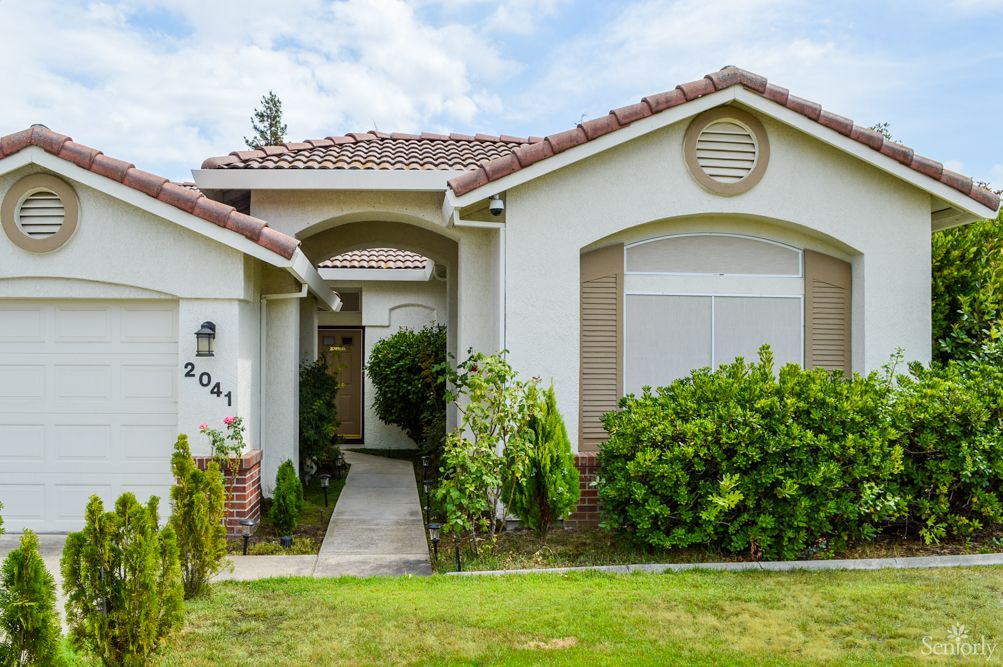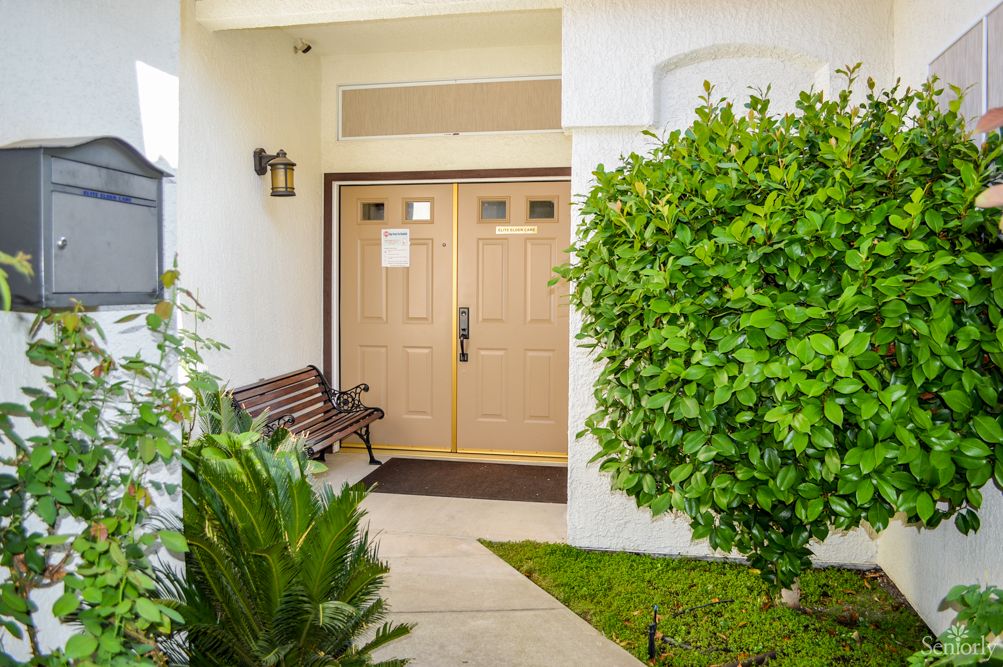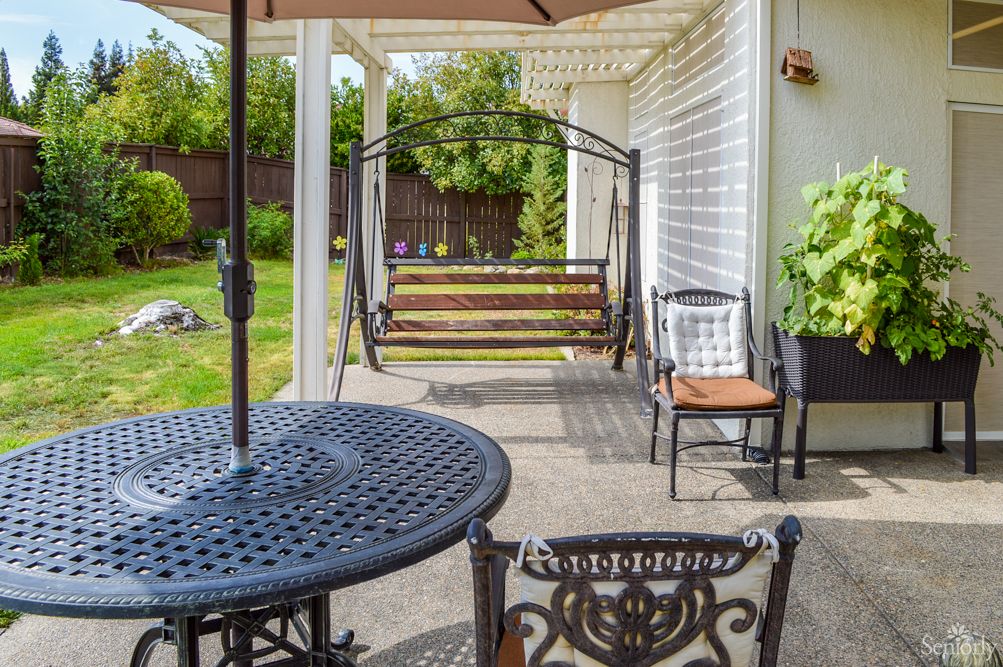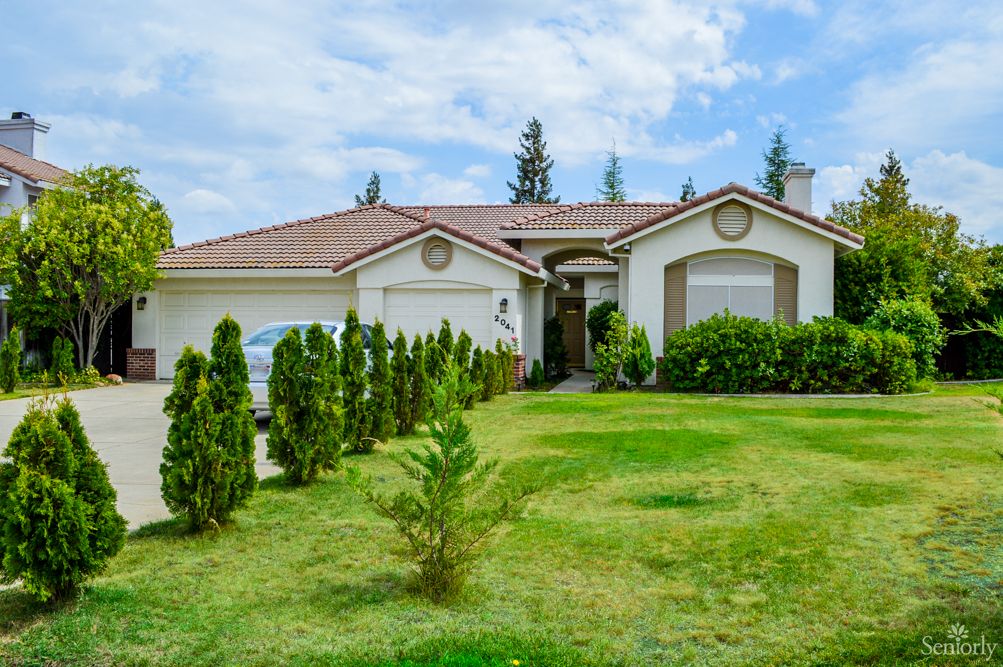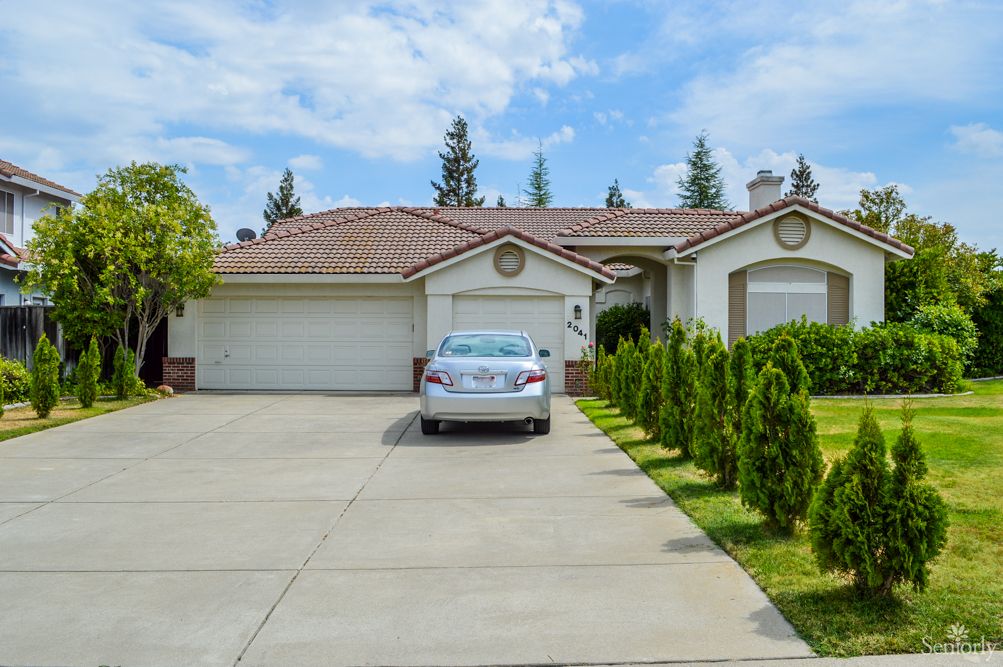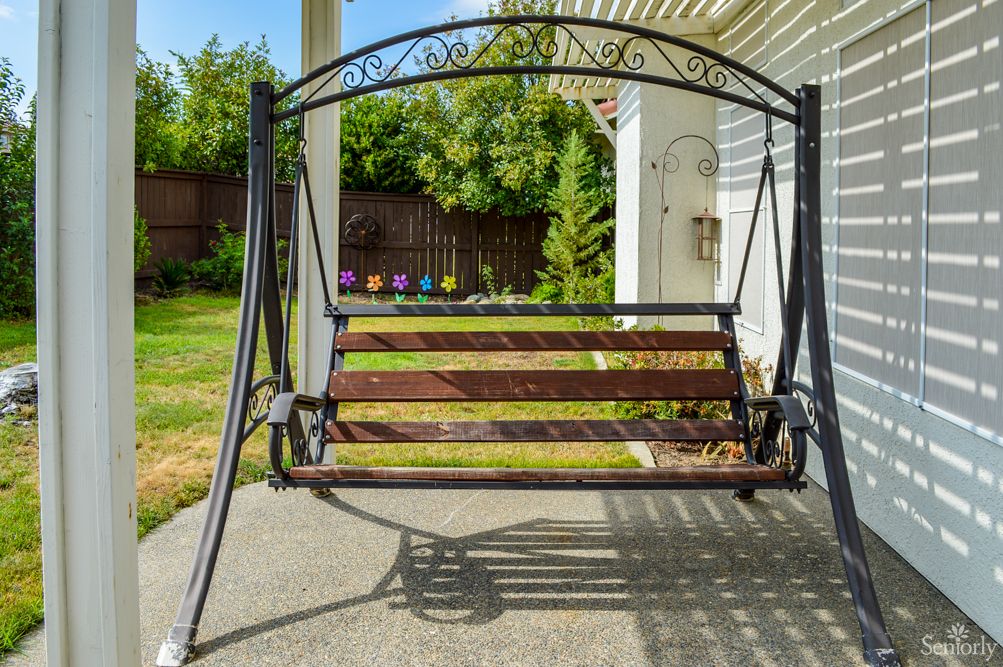

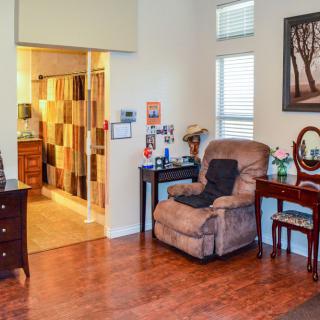
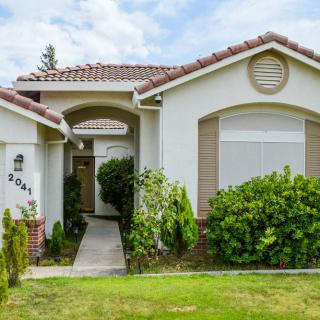
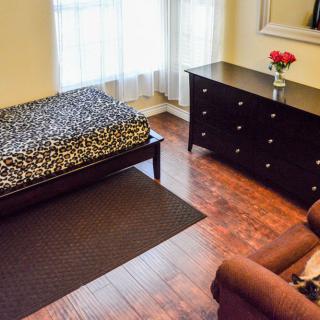
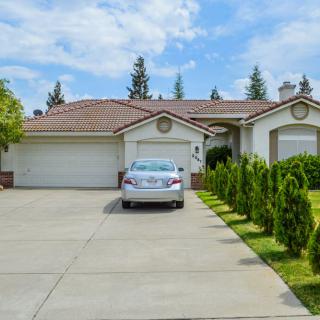
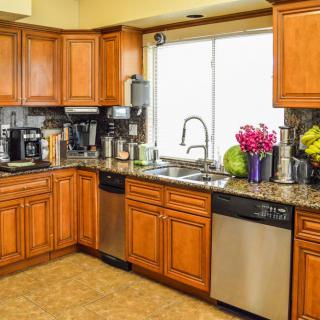
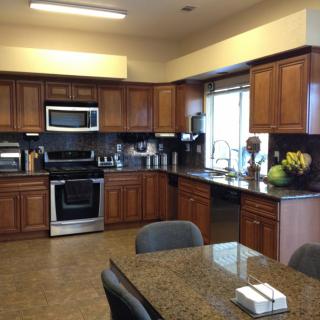
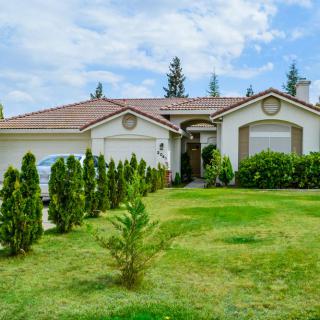
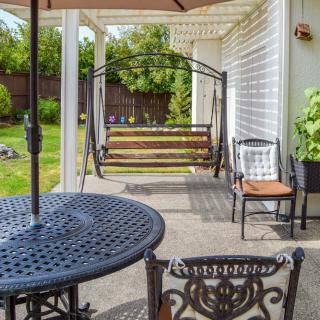
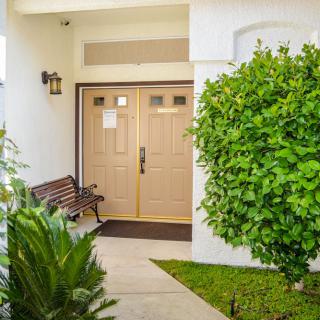
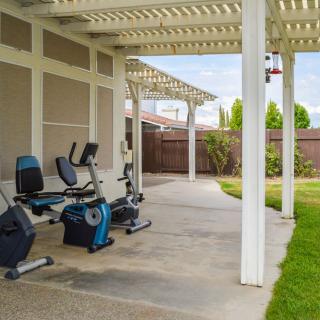
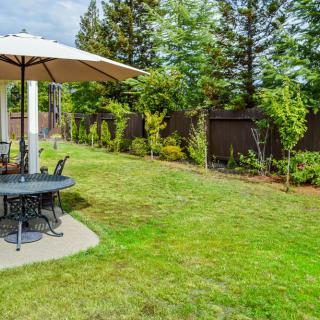
2041 Bates Circle, El Dorado Hills, CA 95762
For more information about senior living options: (866) 208-4318
Elite Elder Care Costs & Pricing
At Elite Elder Care, the costs for room accommodations reflect a premium level of care and service that surpasses both El Dorado County and statewide averages. For a semi-private room, residents pay $5,000 per month, significantly higher than the county's average of $3,046 and California's statewide average of $3,333. Similarly, private rooms at Elite Elder Care are priced at $5,500 a month, which stands in contrast to El Dorado County's average of $3,680 and California's average of $3,939. These figures underscore Elite Elder Care's commitment to providing an enriched environment with personalized attention, advanced amenities, and specialized support tailored to each resident's needs.
| Floor plans | Elite Elder Care | El Dorado County | California |
|---|---|---|---|
| Semi-Private | $5,000 | $3,046 | $3,333 |
| Private | $5,500 | $3,680 | $3,939 |
Memory care communities with a similar price nearby
-
from -$500 / mo
Sunriver Senior Care
$4,500 / month11.6 miles away -
from -$850 / mo
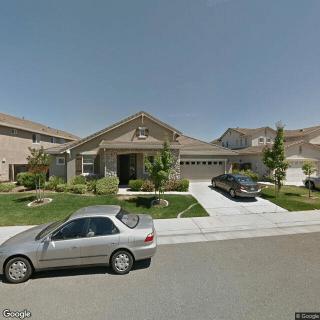
Ferrari
$4,150 to $5,500 / month16.0 miles away -
from -$200 / mo
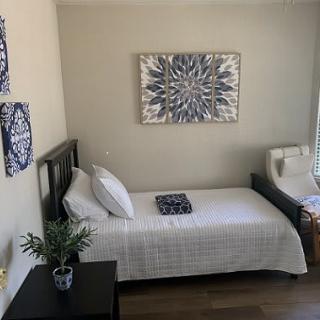
Mountain View Senior Care
$4,800 / month10.3 miles away -
About the same
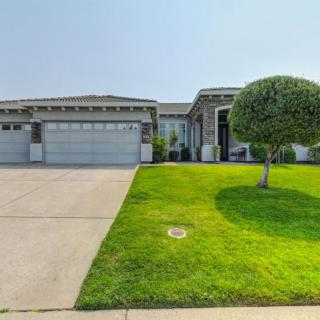
Placer Starcare
$4,999 to $6,000 / month8.4 miles away -
from -$155 / mo
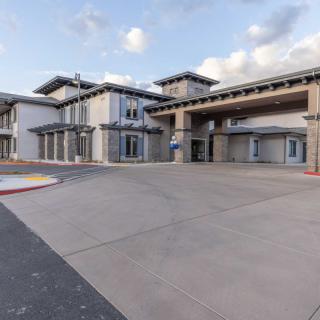
WellQuest of Granite Bay
$4,845 to $8,095 / month7.7 miles away
Overall Review of Elite Elder Care
Pros
 The owner and staff provide excellent service and take great care of the residents and the facilities.
- Residents are provided with healthy meals in a timely fashion.
- The staff and the environment at Elite Elder Care stand above the rest.
- The facility is welcoming and the management shows genuine care for residents.
- The facility is neat and organized, with friendly and competent workers.
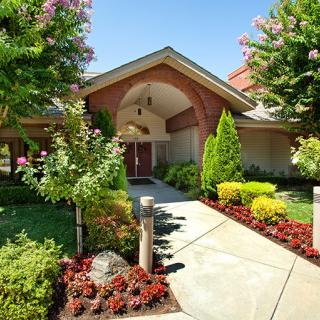
- The home is beautiful with wonderful staff, and residents feel right at home.
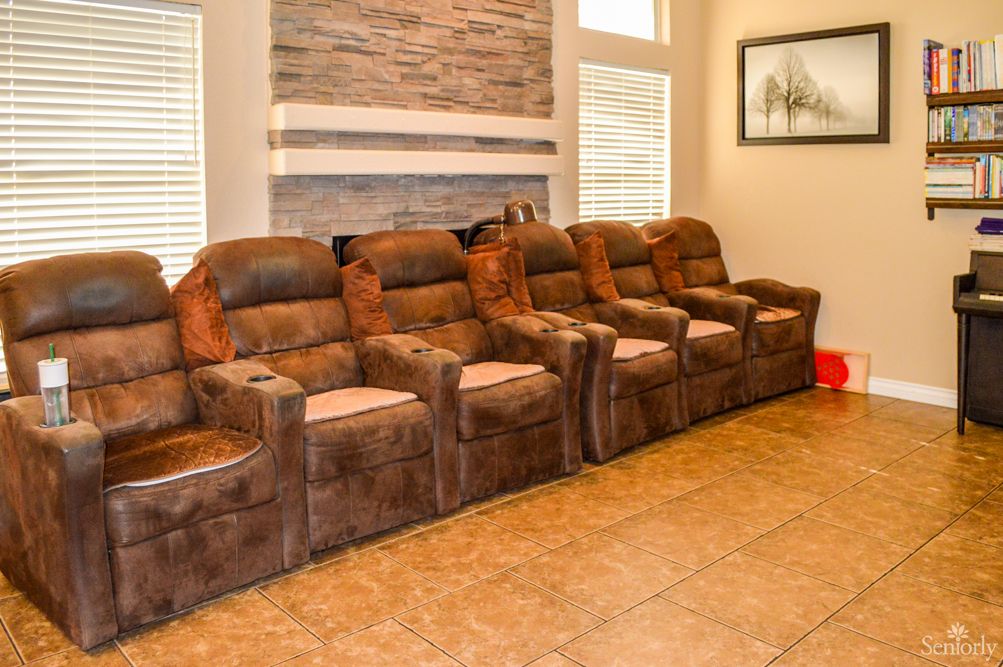
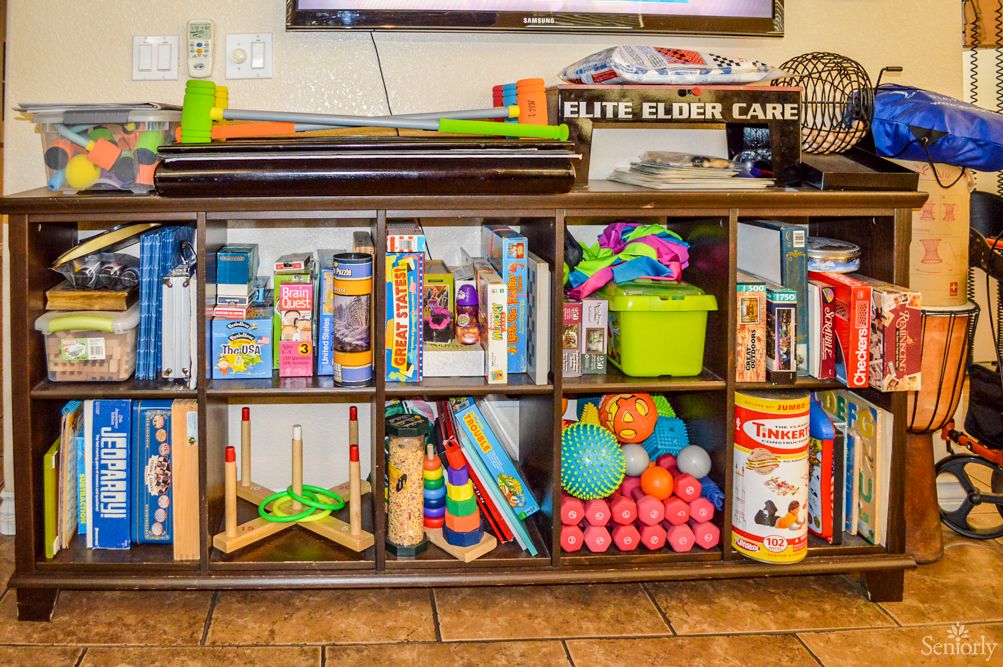
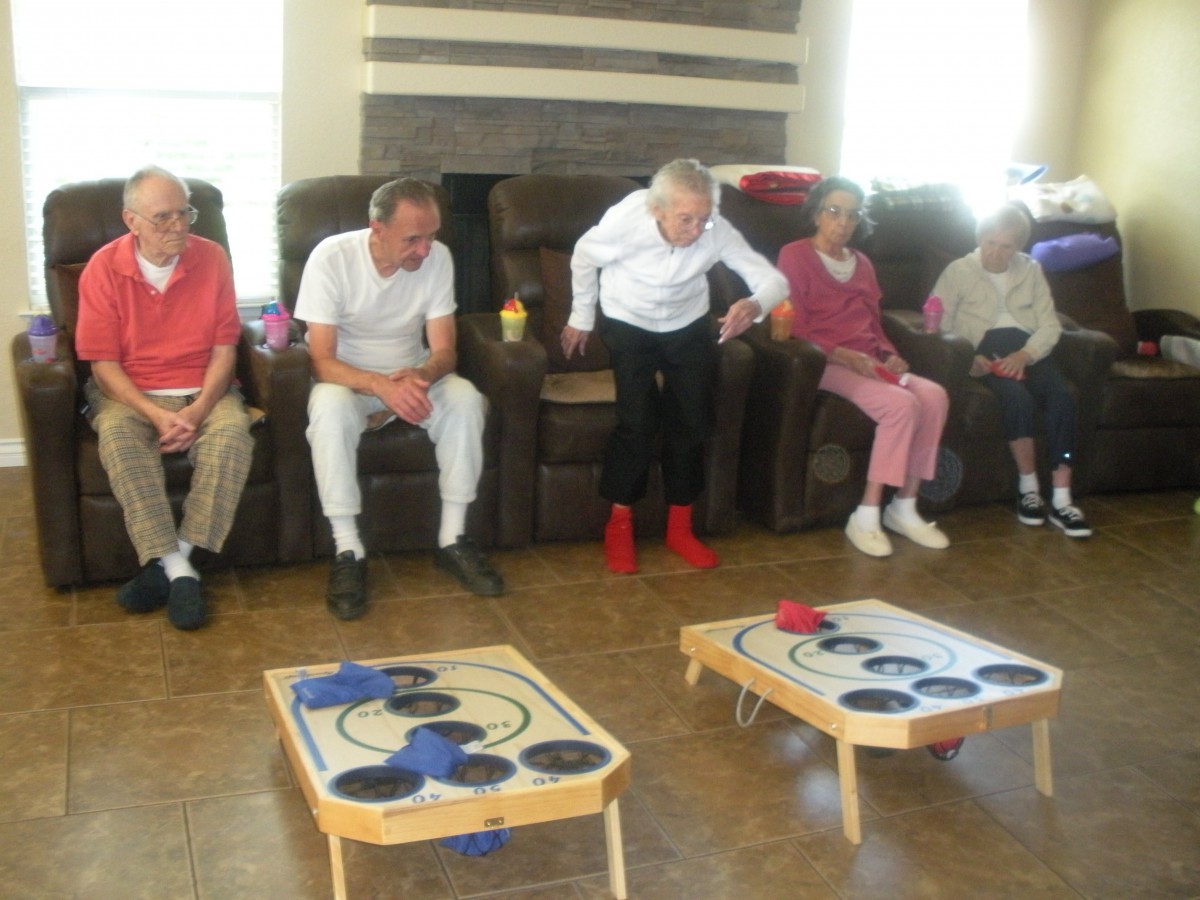
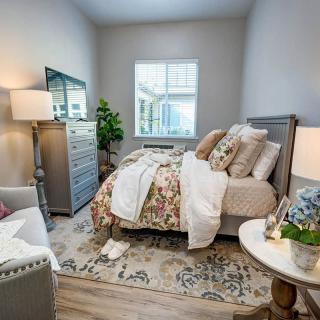
- The atmosphere is warm and friendly, with many activities and fully furnished rooms.
- A visiting nurse was impressed by how well residents are cared for at Elite Elder Care.
Cons
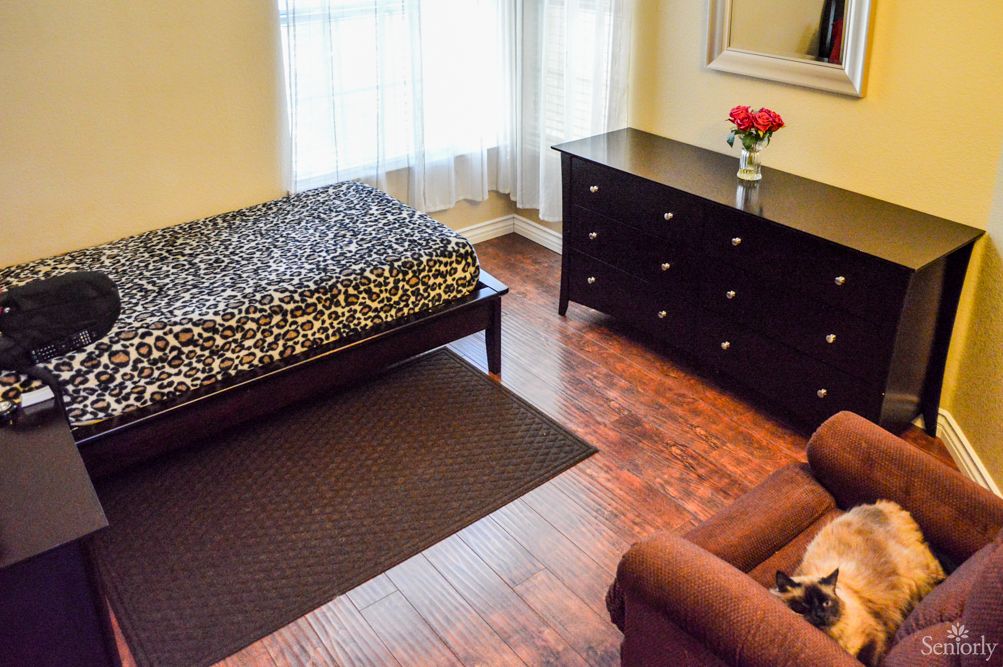
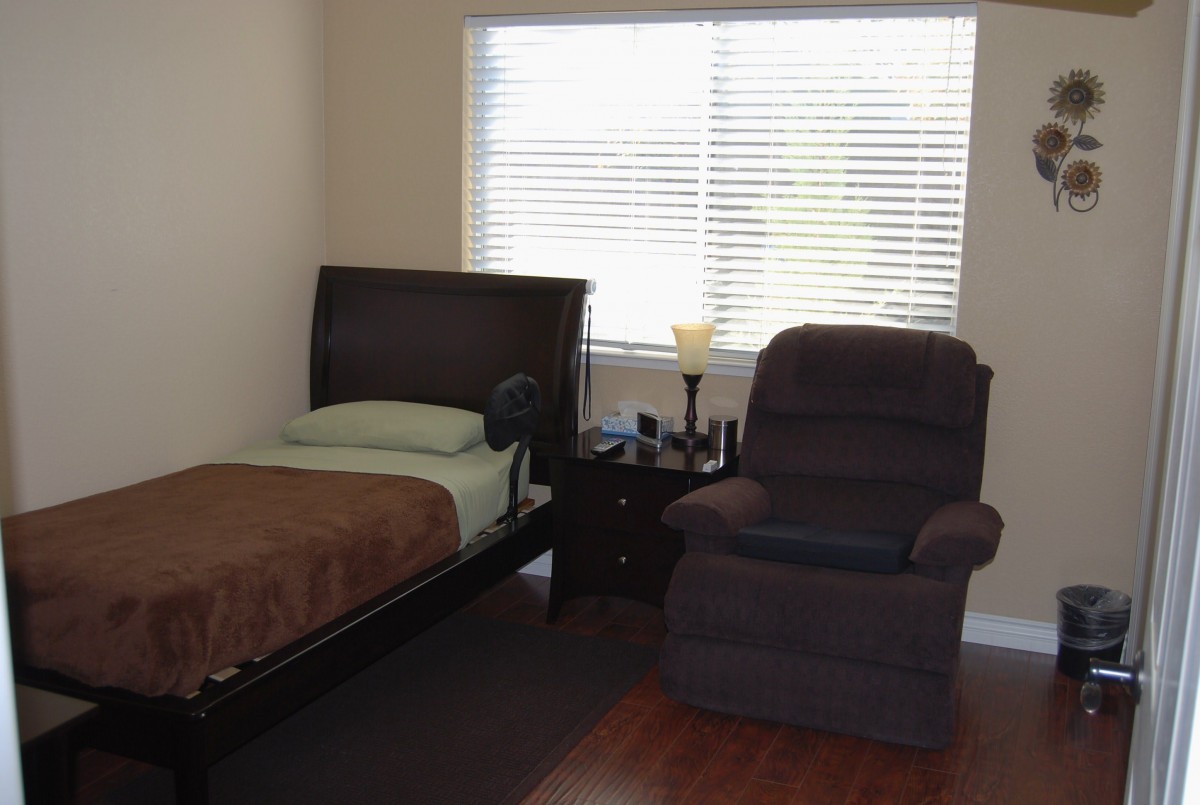
 The loved one’s room is very small.
- Residents are very dissatisfied with most meals.
- Larger rooms cost more, which is financially hard for the family.
- Visitors were made to feel unwelcome, the setting was uncomfortable, and communication with the resident was restricted.
- The onsite hairdresser is actually the caretaker’s daughter, which undermines professionalism.
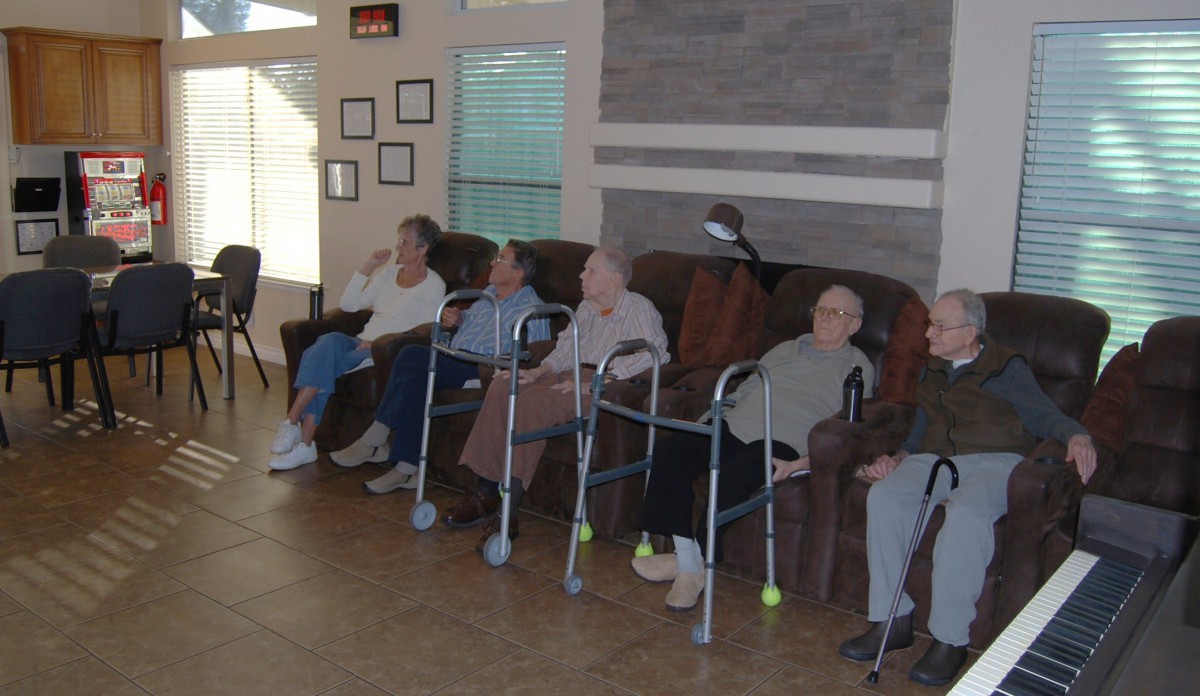
- There were almost no activities, with residents silently lined up watching television.
- The facility used strong-armed sales tactics, restrained the resident when she tried to leave, and would not allow family contact.
- The facility kicked her out after a poor review.
- The resident has tried to leave and has been restrained and returned to the facility against her will.
- Often the phone is not answered and calls are not returned.
Review
Elite Elder Care in El Dorado Hills is best suited for families seeking a small, home-like setting where a hands-on owner anchors daily life and a devoted staff delivers attentive, individualized care. This community shines for seniors who value personal routines, a cozy, residence-like atmosphere, and frequent staff- resident interactions over the amenities of a large campus. It can be a particularly good match for those approaching end-of-life care or someone who benefits from a highly intimate environment, where caregivers appear to know residents well and respond promptly to daily needs. For families prioritizing warmth, ease of access to a familiar routine, and a manager who is visibly engaged, Elite Elder Care often rises to the occasion.
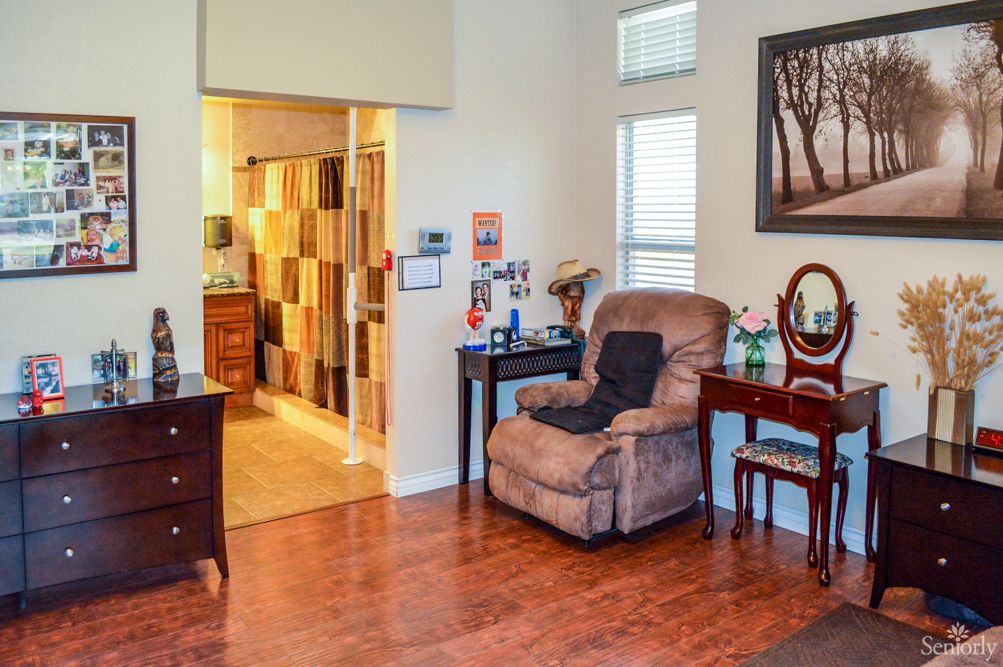
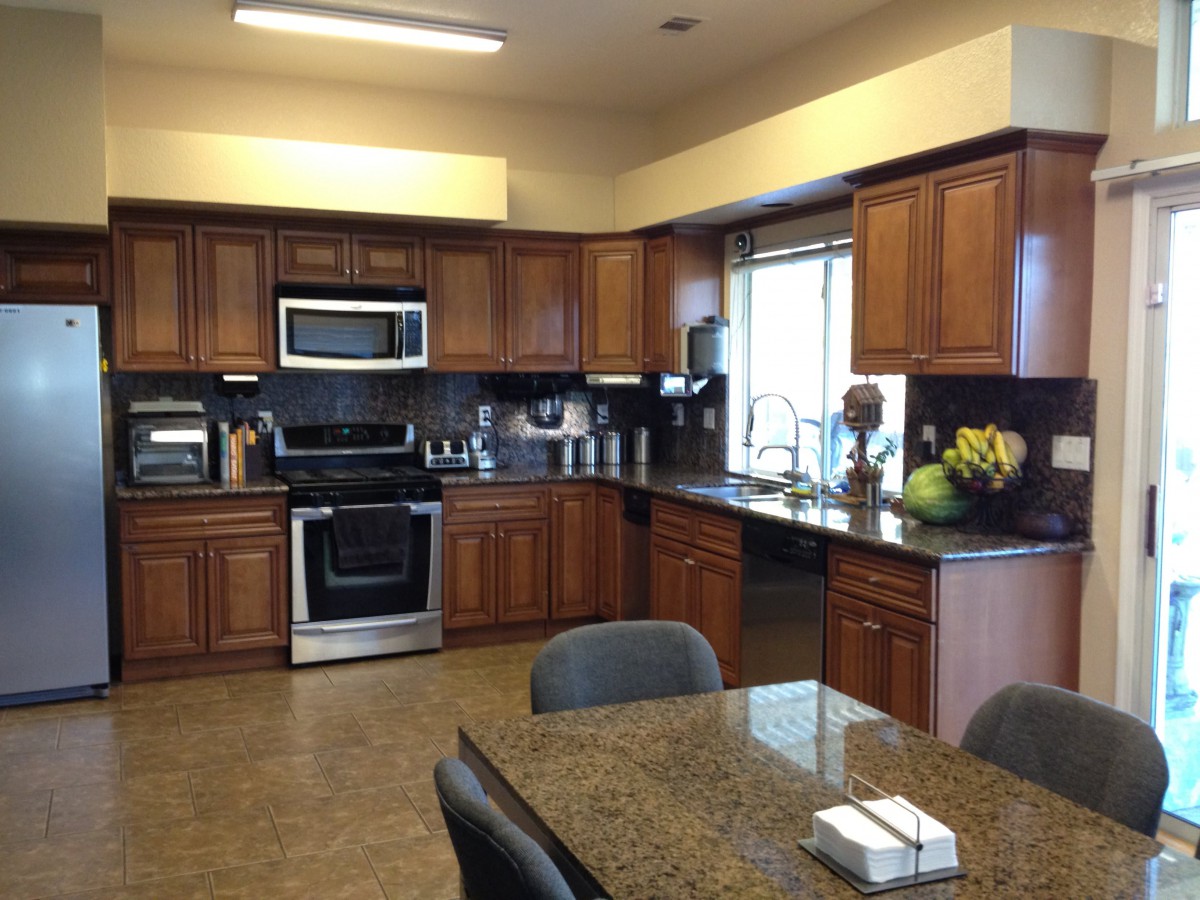
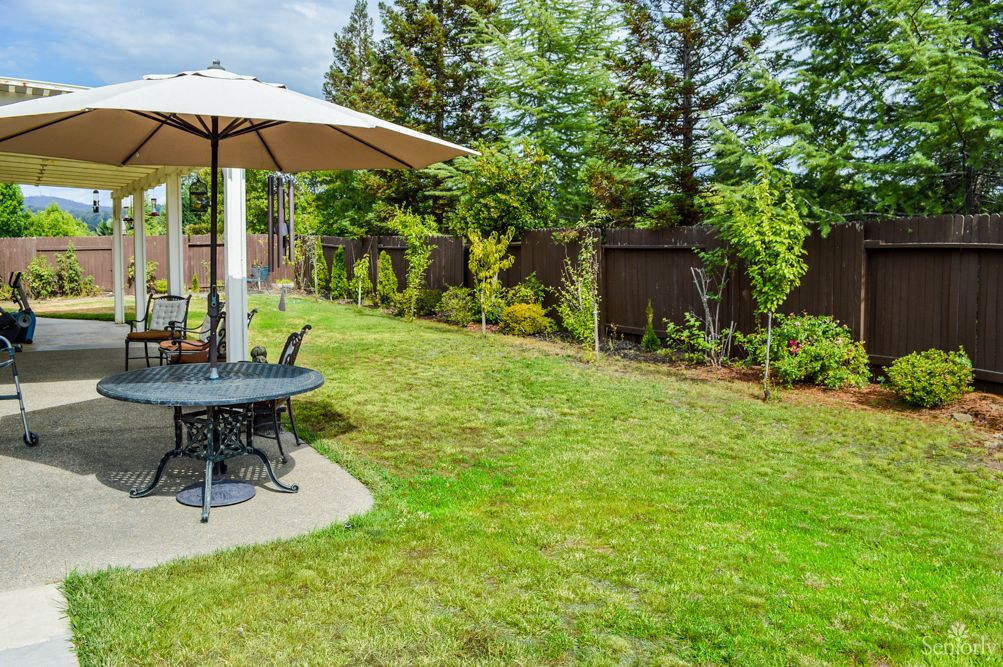
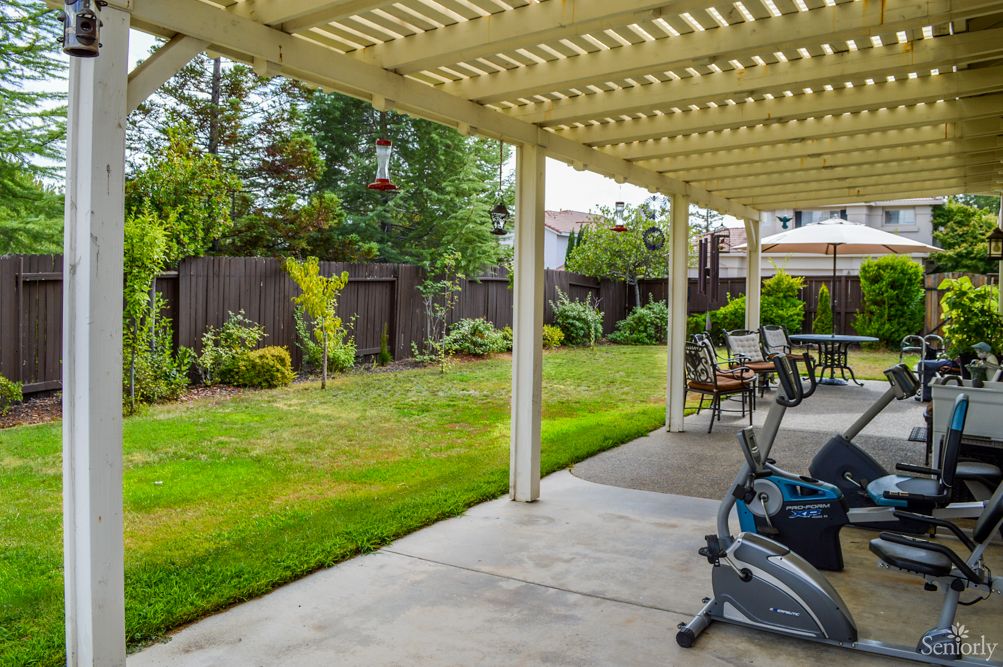
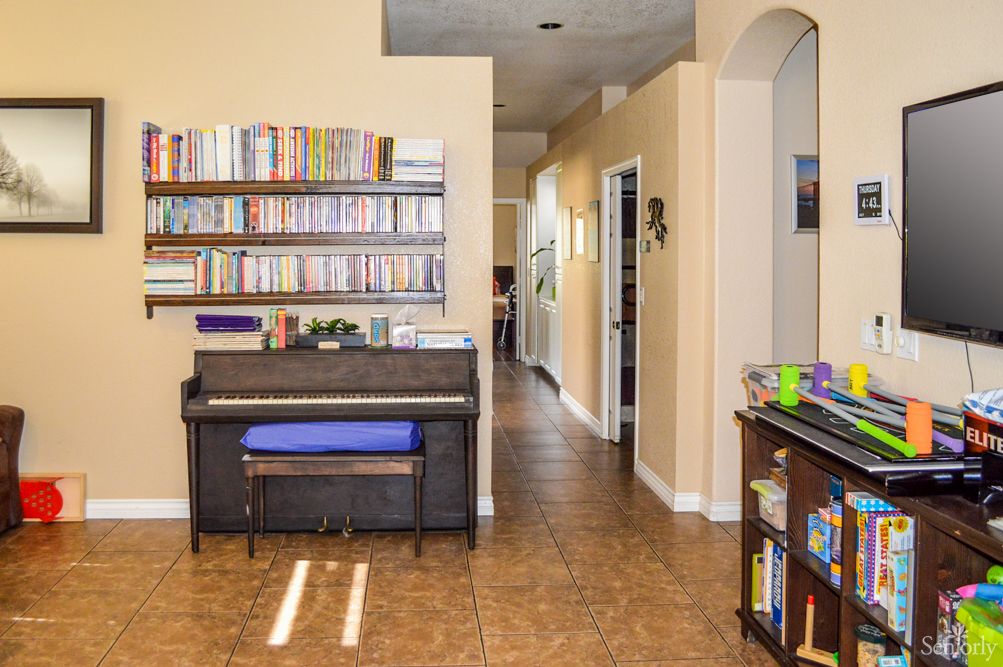
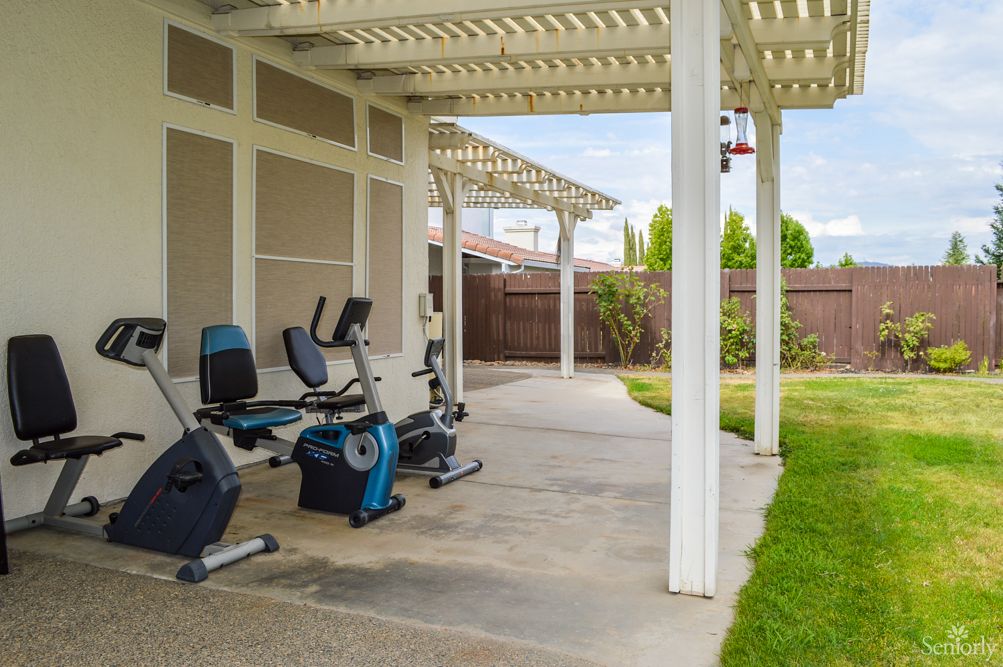
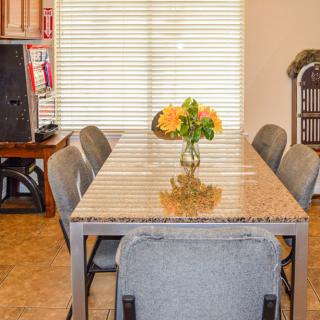
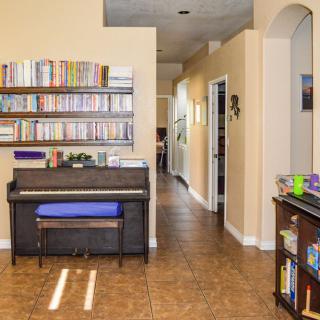
The strongest positives revolve around the care ethos and the setting. Several accounts praise the owner’s direct involvement and the staff’s competence, noting a welcoming, organized atmosphere that feels more like a private home than a facility. The appeal of a smaller community is clear: less crowding, easier monitoring, and a culture of warmth that familiarizes residents quickly. Amenities that reinforce daily life, an on-site barber and beauty salon, each room wired for cable and Internet, a well-equipped library, and regular outings, help keep residents engaged without demanding them to navigate sprawling programs. For families who want visible, personal attention and a caregiver-driven routine, these elements can offset some limitations of size and budget.
Yet the downsides are substantial and cannot be dismissed. The most consistently cited drawbacks are related to space and dining. Rooms are described as small, sometimes cramped, with the cost-at-issue feeling disproportionate to the size of the living area. Meals provoke mixed experiences, with some residents finding food unsatisfactory or overly spicy for picky eaters. Beyond comfort and nutrition, several reviews raise serious concerns about autonomy and communication: visitors and families report restricted access, difficult phone contact, and even alarming stories of residents being restrained or kept from leaving. In multiple accounts, families describe a sense of pressure to sign in, poor responsiveness from the owner, and, in extreme cases, being asked to accept rules that feel coercive or punitive rather than collaborative.
The key pros can offset the main cons only to a point, and this balance hinges on what matters most to a given family. For those who prize a warm, intimate staff culture and a facility that feels like a home, the strong care orientation and small-scale environment can create meaningful peace of mind and daily comfort that larger communities struggle to match. The on-site services and the opportunity for constant, human contact with caregivers are notable advantages that can mitigate some concerns about meals or space. However, when autonomy, open communication, and consistent, transparent policies are nonnegotiable, the negative reports about restricted visitation, delayed responses, and perceptions of coercive practices become decisive factors that offset the advantages of care quality.
Prospective families should approach with a clear set of questions and thresholds. Before deciding, observe a typical day, request a candid discussion with the owner or administrator about visitation practices, and review a resident care plan in detail. Verify the room size and associated costs, and confirm whether nutrition services can accommodate specific preferences or restrictions. Probe policies around family involvement, emergency responsiveness, and how staff handle behavioral or medical escalations. If open lines of communication and unrestricted, respectful family access are non-negotiables, or if there is a need for more robust monitoring and safety assurances, alternatives with more transparent governance and broader activity programing should be explored.
In the end, Elite Elder Care offers the compelling combination of a warm, intimate environment and dedicated, hands-on leadership that can deliver heartfelt, individualized care. It is a strong choice for families prioritizing personal touch, a small-scale setting, and day-to-day warmth. However, the weight of the reported autonomy restrictions and communication gaps means this facility is not the right fit for every family. For those who require unfettered family access, clear, reliable responsiveness, and a dining experience that consistently meets varied tastes, better-aligned options exist, and should be pursued with diligence. The right match will hinge on aligning values around freedom, transparency, and ongoing family involvement with the evident strength of care when those elements are in place.
 6 resident community capacity
 Assisted Living
 Board and Care Home
 Memory Care
 Respite Care
 Cats allowed
 Dogs allowed
 Activities off-site
 Beautician on-site
 Cable or satellite TV
 Computer center
 Devotional services off-site
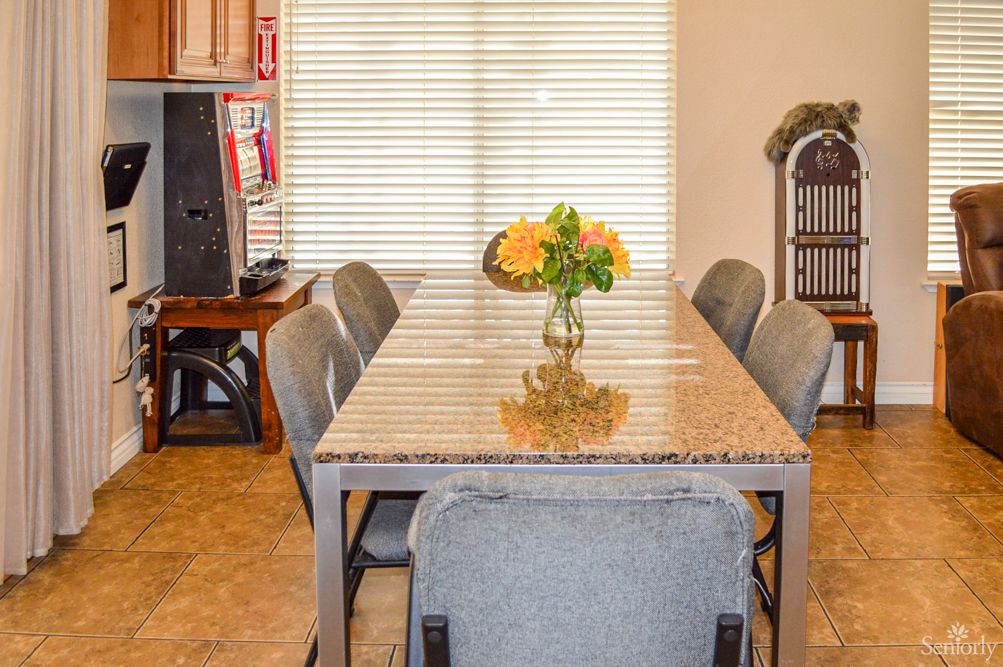
 Dining room
 Fully furnished
 Garden
 Housekeeping services
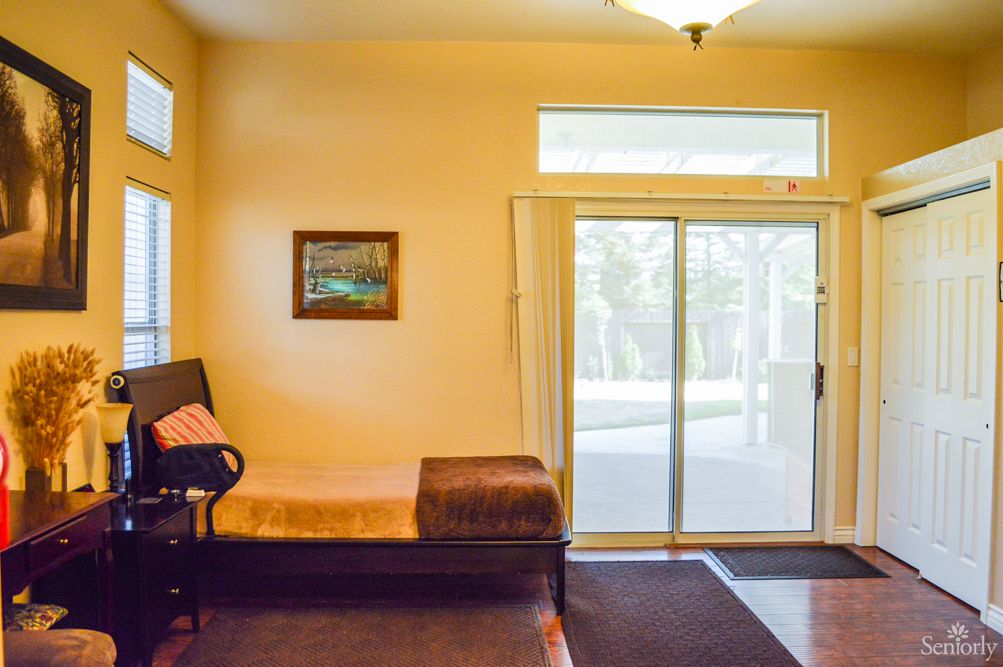
 Indoor common areas
 Laundry
 Move-in coordination
 Outdoor common areas
 Private
 Private bathrooms
 Small library
 Telephone
 Wheelchair accessible showers
 24-hour supervision
 Assistance with bathing
 Assistance with dressing
 Assistance with transfers
 Diabetes diet
 Diabetic care
 High acuity care
 Hospice care
 Incontinence care
 Meal preparation and service
 Medication management
 Mental wellness program
 Special dietary restrictions
 Adventist services
 Birthday parties
 Live dance or theater performances



 Medications Associated with Dementia Risk: A Comprehensive Overview
 Guiding Your Journey: Understanding Power of Attorney for Elderly Parents
 22 Remarkable Caregiver Support Groups Available Online and In-Person