

1666 Downieville Ct, El Dorado Hills, CA 95762
To contact a resident: (916) 939-3784
For more information about senior living options: (866) 208-4318
Overall Review of Governors Manor 2
Pros
 Whispering Pines is wonderful and takes great care of its residents.
- The staff at Whispering Pines are the best.
- The facility and its staff are highly praised by the family.
- The husband-and-wife staff team at Whispering Pines is thorough, sensitive, and reliable in every way.
- The owner of Whispering Pines is a caring and skilled manager, experienced in supporting the elderly with a variety of medical needs.
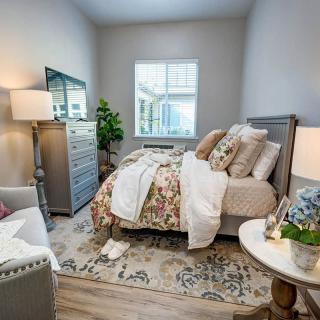
- The rooms at Whispering Pines are spacious and well-equipped, with storage, natural light, and optional phone.
- The mother thrived at Whispering Pines, and the family felt peace of mind and confidence in the care for over half a decade.
Review
Governors Manor 2 is best suited for families seeking a small, intimate care-home environment where an elderly loved one with substantial needs receives attentive, individualized support from stable, hands-on staff. It fits seniors not ready for independent living but who don’t need a sprawling campus, including those recovering from a stroke, dealing with dementia, or needing full-time supervision in a home-like setting. The emphasis on a quiet neighborhood vibe and a hands-on, consistent caregiving team makes it a strong choice for relatives prioritizing peace of mind, predictable routines, and staff who truly know the resident’s history and preferences.
Those considering alternatives should weigh the needs for broader clinical oversight and more expansive programming. If a loved one requires frequent access to a wide range of medical specialists on-site, high-intensity therapies, or a robust activities calendar, a larger community with extensive resident services may be preferable. For families worried about continuity of care should staff change or health needs escalate, a larger organization with multiple campuses can offer redundancy and depth. In short, this intimate model excels in personal attention but may not be the best fit for every clinical or social programming expectation.
The strongest justification for this model lies in the people delivering care. Families consistently describe staff as wonderful, thorough, sensitive, and reliable, with caregivers who feel like an extended, dependable family. The owner-manager is portrayed as genuinely caring and skilled, bringing years of experience in supporting seniors with diverse medical needs. The steady, husband-and-wife team dynamic fosters consistent, accountable leadership and fosters trust when navigating medical and daily-care decisions. The result is a sense of security that can ease decision-making for anxious families.
A practical trade-off of the small-home approach is the relative limit on resources. While the setting offers large, sunlit rooms and thoughtful amenities, such as ample storage, optional phone, and a private bathroom arrangement, the on-site medical infrastructure and broad service menu commonly found in larger facilities may be leaner. Families should verify the availability of on-call medical support, nurse oversight, and the scope of therapies and specialized activities offered weekly. For some residents, the intimacy and daily routines will compensate for any gaps in scale; for others, incremental medical or social programming may be a priority that requires a larger community.
Nevertheless, the pros tend to magnify the value of the quiet, home-like environment. The consistent, personalized care minimizes confusion and anxiety, while reliable communication with the care team keeps families well-informed and confident in day-to-day management. Private rooms and the dignity of a familiar setting support emotional well-being, especially for individuals with dementia who benefit from predictable surroundings and routine. The stability of a small team often translates into fewer abrupt changes, more tailored supports, and a deeper understanding of each resident’s likes, dislikes, and triggers, an outcome that can significantly improve mood, participation in daily activities, and overall quality of life.
When families decide between Governors Manor 2 and other options, the decisive factor is clear: prioritize relationship-driven, individualized attention in a calm, home-style setting, and this model tends to outperform. If clinical breadth and a wide social calendar are non-negotiable, larger communities may deliver more, but with trade-offs in personalization and continuity. The prudent path is a focused visit that probes staff-to-resident ratios, care plans, and the process for handling medical and daily-life changes. Inquiries should include how family input is incorporated, how emergencies are managed, and what a typical day looks like for residents. In the end, the right match delivers enduring dignity, steady support, and genuine peace of mind for families navigating long-term care.
 Board and Care Home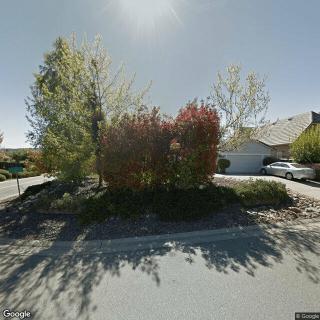




 Navigating Medicare Coverage for In-Home Care Services
 In-Home Care Costs in 2025: A Detailed State-by-State Exploration
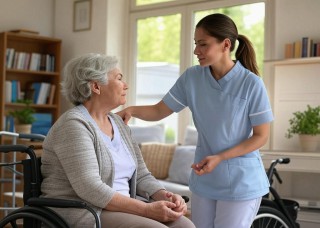 Understanding Home Health Care: A Comprehensive Guide