
1660 Downieville Court, El Dorado Hills, CA 95762
For more information about senior living options: (866) 208-4318
Overall Review of At Home Serenity Care
Pros
 The owner, Singh, genuinely cares about the residents and their families.
- The staff are kind and attentive, and residents feel safe and well cared for.
- Vista Hills provides comprehensive on-site supervision and care for all residents.
- The caregivers are loving, warm, and well trained, treating residents with respect.
- Families are welcomed and accommodated, with friendly caregivers during visits.
- The homes prioritize socializing and sunshine, helping residents’ physical and mental health.
- The facilities are light, airy, cheery, and immaculate, with delicious, freshly prepared meals.
- Regular updates and photos are provided to families, offering peace of mind.
- The care is exceptional and highly recommended by families.
- The atmosphere feels like a true, loving home where residents are treated like family.
Cons
 One reviewer notes that things weren’t always perfect.
- There were occasional issues that arose and needed addressing.
Review
This community is best suited for families seeking a warm, hands-on, home-like senior living option in El Dorado Hills. It thrives when the elder’s day-to-day is guided by a true, owner-operated commitment rather than a large, impersonal campus. Across the stories, the common thread is clear: Singh and the small team are visibly present, consistently approachable, and genuinely invested in each resident’s well‑being. Residents feel safe, valued, and known by name, with daily care that stays personal even as needs evolve. For families prioritizing a sense of belonging, open communication, and freshly prepared meals within a bright, homey setting, this arrangement delivers.
There is a clear caveat for those weighing alternatives. If the elder requires hospital-level medical oversight, aggressive wound care, or dementia-specific programming in a highly structured environment, a larger facility with formal memory-care wings or on-site licensed nursing staff may be a better fit. Similarly, families seeking expansive activity calendars, on-site rehabilitation services, or 24/7 clinical coverage should consider options designed to accommodate high-acuity needs. The upside here is not clinical heft; it is intimate, continuous care delivered with warmth. For many, that trade-off is precisely what makes this home so appealing, but it’s important to match the setting to the evolving medical and safety demands of the loved one.
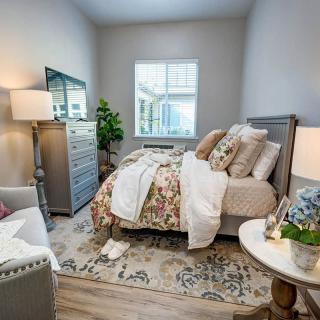
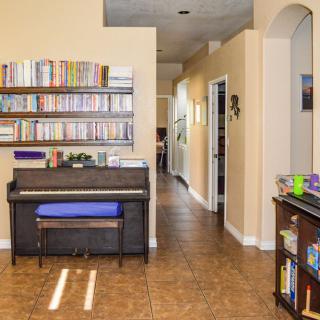
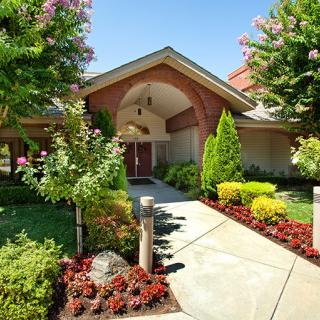
The strongest positives rest on a few reliable pillars. Ownership and frontline staff are consistently described as compassionate, attentive, and respectful. The care team is portrayed as warm, well trained, and capable of making residents feel truly at home, with family members welcomed to visit regularly. The environment itself reinforces these strengths: a light, airy, immaculate home, with a sunny outdoor courtyard and facilities designed for everyday comfort. Meals are described as homemade and delicious, contributing to better appetite and mood. Regular updates, photos and messages sent to families, help families stay connected even during busy days, a tangible reassurance for those who cannot drop in daily. The overall culture is one of belonging, with residents socializing during shared meals and activities that prioritize engagement over isolation.
The few potential drawbacks suggested by the reviews are not deal-breakers so much as a reminder of fit. The small, home-like model may not satisfy families needing robust clinical infrastructure or dementia-specific programming. Staffing is excellent for everyday care, but the model relies on the owner and a tight-knit team rather than a large pool of specialists. For elders whose care plan requires frequent medical interventions, complex medication management, or round-the-clock nursing attention, alternatives with larger clinical footprints will be preferable. Yet these constraints are offset by the high level of personalized attention, the sense of safety that comes from a closely monitored home, and the strong emphasis on social well-being and family communication.
From a value perspective, the offering scores highly for trust, consistency, and quality of life improvements observed in residents. The small-house care model translates into predictable routines, frequent family interactions, and a transparent, person-centered approach to care. Families repeatedly note improvements in quality of life and in residents’ happiness, socialization, and overall mood when moving into this setting. The ambiance, cleanliness, brightness, and a welcoming aesthetic, complements the care philosophy, turning daily living into an experience rather than a series of tasks. For those weighing options, this combination of relational care and home-like comfort often proves more meaningful than marginal gains in a larger facility’s amenities.
Bottom line: for families prioritizing intimate, attentive, and dignity-preserving care in a home environment, this El Dorado Hills option stands out as a compelling choice. It excels where personal connection, quick issue resolution, family involvement, and daily rhythms matter most. If needs shift toward high-acuity medical supervision, dementia-specific programming, or a institutional-feel setting, alternatives that emphasize clinical services will be a better match. Prospective families should arrange a visit to observe the care dynamic firsthand, discuss licensing and staff-to-resident ratios, review how med administration is handled, and confirm how transitions, whether to hospice or higher levels of care, will be managed. This approach will ensure the chosen path aligns with both the elder’s needs and the family’s expectations for ongoing peace of mind.
 6 resident community capacity
 Assisted Living
 Board and Care Home
 Cable or satellite TV
 Dining room
 Fully furnished
 Garden
 Housekeeping services
 Move-in coordination
 Outdoor space
 Telephone
 Wi-Fi/high-speed internet available
 24-hour supervision
 Activities of daily living assistance
 Assistance with bathing
 Assistance with dressing
 Assistance with transfers
 Diabetes diet
 Meal preparation and service
 Medication management
 Special dietary restrictions
 Transportation arrangement (medical)
 Transportation to doctors appointments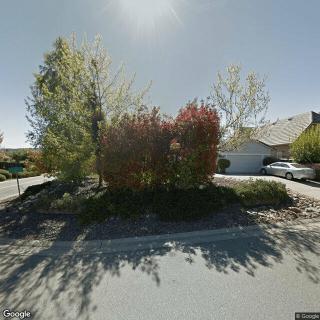





 Social Security Benefits and Assisted Living: Navigating Options Across the U.S.
 An Extensive Exploration of the VA Aid and Attendance Benefit
 Senior Transition Services: Understanding Their Role, Cost, and Importance