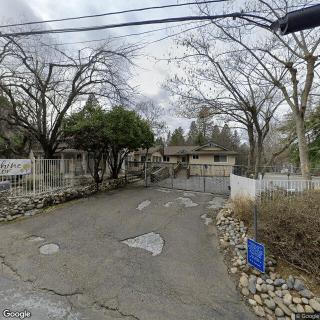
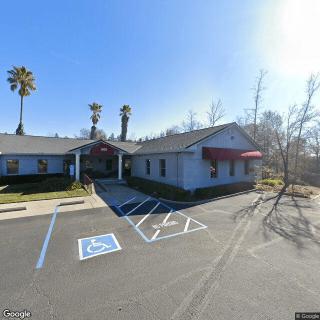
Marshall Medical Center

Save
Marshall Medical Center

Marshall Medical Center

1100 Marshall Way, Placerville, CA 95667

For more information about senior living options: (844) 490-3973

2.7 from 100 reviews
5 stars
36
4 stars
6
3 stars
2
2 stars
5
1 stars
51

Skilled Nursing Facility

Overall Review of Marshall Medical Center

Pros

  • pro The hospital is nestled in the stunning hills, making the drive absolutely delightful.
  • pro The front staff are incredibly polite and helpful, and there is ample parking for convenience.
  • pro The gift shop is quaint and charming.
  • pro Appointments are super quick and efficient, and everyone encountered is very nice.
  • pro The hospital staff from the lobby to the doctors and nurses are caring and attentive.
  • pro The ER and overall care are described as life-saving, with staff who are heroic and dedicated.
  • pro The north wing staff, including Ryan, Jenny, and Caroline, delivered wonderful care.

Cons

  • pro The hospital is described as unorganized and unprofessional, with staff who don't seem to care if patients are in pain.
  • pro Discharge papers are said to be filled with errors and even list the wrong doctor due to incompetence.
  • pro There is a claim that they nearly gave their son the wrong medication for a spinal tap.
  • pro In the ER, a doctor didn't order an X-ray for back pain and merely prescribed Vicodin, with a later discovery of a crushed vertebrae.
  • pro A reviewer alleges a mother died after being overmedicated while in the hospital.
  • pro The ER staff are described as rude and judgmental, with doctors who don't care about patients' concerns or pain.
  • pro Scheduling and transfer problems are highlighted, including missed MRI appointments and reluctance to transfer patients to facilities with needed equipment.

Review

Marshall Hospital sits in a setting that many reviewers describe as absolutely picturesque, tucked into rolling hills with a drive that some find truly pleasant. A number of people praise the front desk team for being polite and helpful, and they point to ample parking as a meaningful convenience. There's also affection for the hospital's little gift shop and the sense that, in some visits, the experience moves quickly and smoothly. On balance, several voices celebrate quick, efficient appointments and friendly, considerate staff, with some even raving about how wonderfully everything went from entry to discharge. For these supporters, the care felt compassionate and the overall experience left them feeling hopeful about their health journey.

Yet the hospital is also the focal point for a chorus of serious concerns. A recurrent sentiment among many reviewers is a perception of disorganization and a lack of accountability that touches multiple departments and levels of care. One account describes a near-miss of dangerous medication, noting that a spinal tap medication was almost given incorrectly to a child. The ER and inpatient stories then compound into broader worries about safety, with another patient recounting a back injury visit where no imaging was performed and only a prescription for pain relief was provided, later revealed to have masked a crushed vertebrae. The implication for this reviewer is not just about a bad day, but about systemic gaps that could dangerously delay a correct diagnosis and treatment.

These stories extend into alleged cases of malpractice and avoidable harm. Several reviewers recount the distressing claim that an elderly relative died after what they view as overmedication and insufficient investigation of the underlying issues. Another reviewer shares a haunting reflection about a patient's death shortly after an ER visit for hydration in the setting of dementia, alleging neglect and mismanagement that they attribute to the hospital. In these deeply personal accounts, there is a sense of having undergone or witnessed life-threatening situations that could have been prevented with more careful monitoring, better communication, and a more cautious approach to treatment decisions.

The complaints also cover administrative and logistical failures that complicate care. A recurring theme is poor discharge communication, with people saying discharge papers were full of errors and contained the wrong doctor, forcing them to seek a second opinion and incur additional costs. Scheduling missteps are another sore point: a patient arriving for an MRI in one location was told to go to another site, resulting in a missed scan and, eventually, a much higher out-of-pocket expense when the procedure was rescheduled. These practical glitches, while perhaps not dramatic in isolation, accumulate into a perception of a system that is not reliably coordinated or patient-centered, leaving families frustrated and anxious about their next steps.

Pain management and the bedside manner of clinicians emerge as another powerful strand in these reviews. Some patients describe physicians as judgmental and reluctant to pursue standard pain management, while nurses are depicted as kind and empathetic, yet overwhelmed by the expectations placed on the medical staff. A particularly tense account describes a situation in which a physician told an ER patient with dangerously high blood pressure that the patient could go home, despite clear signs that they needed closer monitoring. In another ER visit, a provider dismissed a patient's concern about the cause of swollen lymph nodes and offered only simple home remedies, prompting questions about whether more thorough diagnostic workups are being pursued. There are also stories of staff who appear to prioritize expedience over thorough patient engagement, with patients feeling rushed, unheard, or dismissed.

Amid this landscape of highs and lows, there are still specific, consistently glowing anecdotes about care. Several reviewers recount a hospital stay in which the staff were described as "amazing," with particular praise for members of the north wing who provided attentive, compassionate care. A patient who underwent a total hip replacement is singled out for a smooth, successful experience, noting that discharge happened the same day and that the home caregiver played a crucial role in the recovery. There are also expressions of gratitude for the ER staff during an influenza episode, with patients describing the team as heroic and appreciative of the help received even when the environment was crowded and demanding. A resident of the community even reflects on a personal connection to the hospital, remembering a birth there and expressing warmth toward the staff who supported their family.

In the most intense narratives, families describe lengthy, troubling hospital experiences that raise questions about the hospital's decision-making and its capacity to coordinate care across departments and external facilities. One case involves a 25-day hospitalization of an elderly mother with ongoing bleeding, where the family perceived that the hospital did not have the modern tools to diagnose the source, and where the case manager appeared to be ineffective in securing a transfer to a hospital with the necessary specialists and technology. The family expressed profound concern that their loved one would not receive the transfer needed to access appropriate care and monitoring, suggesting a pattern of delays and bureaucratic hurdles that could have real consequences for patient outcomes. Another deeply felt narrative underscores the emotional toll of watching a loved one deteriorate and feeling that the hospital's response was insufficient or misaligned with the family's understanding of the patient's needs.

Taken together, the tapestry of reviews reveals a complex picture of Marshall Hospital: moments of exceptional, life-affirming care and staff kindness sit alongside troubling reports of disorganization, perceived neglect, and safety concerns. The hospital's strengths shine in instances of compassionate, skilled hands - especially certain nurses, technicians, and physicians - where patients feel seen, heard, and well-cared-for. At the same time, the collection of experiences points to serious opportunities for improvement in safety protocols, communication, discharge accuracy, and care coordination, as well as in how pain and urgent symptoms are addressed in fast-moving settings like the ER. For anyone considering care here, the takeaway is nuanced: there are pathways to excellent care and hopeful outcomes, but also risks that warrant careful attention, documentation, and, when necessary, seeking second opinions or transfers to higher levels of care to ensure the best possible results.

Features

Housing

  • 14 resident community capacity 14 resident community capacity

Types of Care

  • Skilled Nursing Facility Skilled Nursing FacilitySkilled Nursing Facilities are crucial for seniors as they provide round-the-clock medical care, rehabilitation services, and assistance with daily activities. These facilities ensure that seniors receive the specialized care they need to maintain their health and well-being as they age.

Amenities

  • Cable or satellite TV Cable or satellite TVCable or satellite TV is important for seniors because it provides entertainment, news, and companionship, helping to combat loneliness and boredom. It also offers a wide range of programming options tailored to different interests and preferences.
  • Dining room Dining roomDining rooms are important for seniors as they provide a space for socialization, connection, and nutritious meals. They offer opportunities for residents to bond over shared meals, foster a sense of community, and promote healthy eating habits. Dining rooms also ensure that seniors have access to well-balanced meals tailored to their dietary needs and preferences.
  • Fully furnished Fully furnishedFully furnished senior living communities are important for seniors because they provide convenience, comfort, and a hassle-free moving experience. Seniors can easily settle into their new living space without the stress of having to buy and move furniture. This allows them to focus on enjoying their new home and community.
  • Garden GardenGardens are important for seniors as they provide a peaceful and therapeutic environment for relaxation, physical activity, and socialization. Being in nature has been shown to reduce stress, improve mood, and promote overall well-being. Gardens also offer opportunities for seniors to engage in gardening activities, which can improve mobility, flexibility, and cognitive function. Additionally, gardens create a sense of community and connection with others who share a passion for plants and outdoor spaces.
  • Housekeeping services Housekeeping servicesHousekeeping services are important for seniors because they help maintain a clean and safe living environment, promote independence, and reduce the risk of accidents or illnesses. Additionally, having assistance with household chores can alleviate physical strain and allow seniors to focus on other aspects of their well-being.
  • Move-in coordination Move-in coordinationMove-in coordination is important for seniors because it helps ease the transition into their new living environment. It ensures that all logistics, such as packing, organizing movers, and setting up utilities are taken care of, allowing seniors to focus on settling in and adjusting to their new home. Having a smooth move-in process can alleviate stress and anxiety, making the transition smoother and more enjoyable for seniors.
  • Outdoor space Outdoor spaceOutdoor spaces are important for seniors as they provide opportunities for physical activity, social interaction, exposure to natural light and fresh air, and a sense of connection to nature. Having access to outdoor spaces can improve overall well-being and quality of life for older adults living in senior communities.
  • Telephone TelephoneTelephones are important for seniors as they provide a lifeline for communication with loved ones, emergency services, and healthcare providers. They offer a sense of security and independence, enabling seniors to stay connected and access assistance when needed.
  • Wi-Fi/high-speed internet available Wi-Fi/high-speed internet availableWi-Fi/high-speed internet is important for seniors to stay connected with loved ones, access online resources, and participate in virtual activities to combat feelings of loneliness and isolation. It also allows them to easily manage healthcare needs, access entertainment, and engage in lifelong learning opportunities.

Care Services

  • 24-hour supervision 24-hour supervision24-hour supervision is important for seniors to ensure their safety, well-being, and access to immediate assistance in case of emergencies or health issues. This constant support provides peace of mind for both seniors and their loved ones, allowing them to age in place with dignity and security.
  • Activities of daily living assistance Activities of daily living assistanceActivities of daily living assistance are important for seniors because they provide essential support with tasks such as eating, bathing, dressing, and mobility. This assistance helps seniors maintain their independence, dignity, and overall quality of life as they age.
  • Assistance with bathing Assistance with bathingAssistance with bathing is crucial for seniors as it helps maintain personal hygiene, prevents infections, and ensures their overall well-being and comfort. It also provides a sense of dignity and independence for seniors who may struggle with this task on their own.
  • Assistance with dressing Assistance with dressingAssistance with dressing is important for seniors because it helps maintain their independence, promotes personal hygiene, prevents accidents and injuries, and improves overall quality of life. This service ensures that seniors can continue to dress comfortably and confidently, despite any physical limitations they may have.
  • Assistance with transfers Assistance with transfersAssistance with transfers is crucial for seniors as it helps prevent falls and injuries, maintains their independence, and ensures they can safely navigate their living environment. It also provides peace of mind for both seniors and their loved ones.
  • Diabetes diet Diabetes dietA diabetes diet is crucial for seniors as it helps manage blood sugar levels, reduce risks of complications, and improve overall health and well-being. By following a balanced and nutritious diet tailored to their specific needs, seniors can better control their diabetes and enhance their quality of life.
  • Meal preparation and service Meal preparation and serviceMeal preparation and service are crucial for seniors as they may have limited mobility or energy to cook nutritious meals. Having access to healthy and convenient food options can ensure they are getting the proper nutrition needed to maintain their overall health and well-being.
  • Medication management Medication managementMedication management is crucial for seniors to ensure they are taking the right medications at the correct dosages and times. This helps prevent adverse drug interactions, reduces the risk of medication errors, and promotes overall health and well-being. Proactive management also allows for adjustments as needed based on changing health conditions or new prescriptions.
  • Special dietary restrictions Special dietary restrictionsSpecial dietary restrictions are important for seniors because age-related changes in metabolism and health conditions can make it difficult for their bodies to process certain foods. By following a diet tailored to their specific needs, seniors can maintain their overall health and well-being, manage chronic conditions, and reduce the risk of complications such as malnutrition or food interactions with medications.

Dining

  • Diabetes diet Diabetes dietA diabetes diet is crucial for seniors as it helps manage blood sugar levels, reduce risks of complications, and improve overall health and well-being. By following a balanced and nutritious diet tailored to their specific needs, seniors can better control their diabetes and enhance their quality of life.
  • Special dietary restrictions Special dietary restrictionsSpecial dietary restrictions are important for seniors because age-related changes in metabolism and health conditions can make it difficult for their bodies to process certain foods. By following a diet tailored to their specific needs, seniors can maintain their overall health and well-being, manage chronic conditions, and reduce the risk of complications such as malnutrition or food interactions with medications.

Activities

  • Community-sponsored activities Community-sponsored activitiesCommunity-sponsored activities are important for seniors as they provide opportunities for social interaction, mental stimulation, and physical activity. These activities can help improve overall well-being, combat loneliness and isolation, and promote a sense of belonging and purpose among older adults.
  • Scheduled daily activities Scheduled daily activitiesScheduled daily activities are important for seniors because they provide structure, socialization, mental stimulation, and physical activity. Engaging in regular activities can improve overall well-being and quality of life for seniors living in a community setting.

Description

Marshall Medical Center in Placerville, CA is an assisted living community that offers a range of amenities and care services to ensure the comfort and well-being of its residents. The community boasts a dining room where residents can enjoy delicious meals prepared by the staff. The accommodations are fully furnished, providing a cozy and home-like environment for residents. A beautiful garden and outdoor space allow for relaxation and enjoyment of nature.

Housekeeping services are provided to ensure that the living spaces are clean and tidy at all times. Move-in coordination is available to assist new residents with a smooth transition into their new homes. The community offers telephone and Wi-Fi/high-speed internet access so that residents can stay connected with their loved ones or browse the internet at their convenience.

In terms of care services, Marshall Medical Center provides assistance with various activities of daily living such as bathing, dressing, and transfers. The staff is experienced in diabetes management, including following specialized diets if needed. Medication management ensures that residents receive their medications as prescribed.

Special dietary restrictions are accommodated in the dining options to cater to individual needs. Scheduled daily activities are organized to keep residents engaged and entertained within the community.

The location of Marshall Medical Center is also advantageous, with several shops, parks, pharmacies, physicians' offices, restaurants, transportation options, places of worship, and hospitals conveniently nearby.

Overall, Marshall Medical Center provides a comfortable and supportive environment for seniors requiring assisted living services in Placerville, CA.

Nearby Places of Interest

This part of Placerville, California, offers a variety of essential services and amenities that cater to the needs of seniors. With two hospitals nearby, Marshall Medical Center and Marshall Hospital, quality healthcare is easily accessible. There are also several physicians' offices, pharmacies, and an emergency room close by for convenient medical care. In terms of leisure activities, there are restaurants serving a range of cuisine, cafes for socializing over coffee, and parks for enjoying the outdoors. Transportation options include a bus station and Amtrak station for easy travel within and outside of the area. Overall, this neighborhood provides a well-rounded environment with everything seniors need for comfortable living in Placerville.

Hospitals

  • Marshall Medical Center (0 miles)
  • Marshall Hospital (0 miles)
  • Gold Country Skilled Nursing (2.3 miles)
  • Marshall Hematology and Oncology (10.3 miles)

Physicians

  • Marshall Emergency Room (0 miles)
  • La Mers, Juliet Dr - Emergency Medicine Physicians (0 miles)
  • Kenneth Nelson, MD (0.1 miles)
  • Placerville Foot Clinic (0.1 miles)
  • Rochat Derald W MD (0.1 miles)
  • Heart Anita MD Marshall Family Medicine (0.1 miles)
  • Marshall CARES (0.1 miles)

Places of Worship

  • Family History Center (0.1 miles)
  • Gainsbrugh Jonathan Ministries (0.4 miles)
  • Pioneer Bible Church (9.3 miles)

Restaurants

  • Iron Wok (0.4 miles)
  • The Independent Restaurant and Bar (0.4 miles)
  • Main Street Melters (0.4 miles)
  • Thai Unique (0.4 miles)
  • Bagel Works (0.5 miles)
  • Old Town Grill (0.6 miles)
  • Placerville Public House (0.6 miles)

Pharmacies

  • Rite Aid (0.5 miles)
  • Save Mart Supermarkets (0.6 miles)
  • Robinson's Pharmacy (0.6 miles)
  • Rite Aid (2.2 miles)
  • Raley's Pharmacy (2.4 miles)
  • Walmart Pharmacy (2.5 miles)
  • Walgreens (2.5 miles)

Cafes

  • Starbucks (0.5 miles)
  • Dedrick's Tea (0.6 miles)
  • Ugly Mug's Coffee (0.8 miles)
  • Bean Barn (2.2 miles)
  • Starbucks (2.7 miles)
  • Honey Bear Ranch (5.6 miles)
  • Marco's Cafe (8.5 miles)

Transportation

  • Placerville Bus Station (0.6 miles)
  • Placerville Amtrak (0.6 miles)
  • Hangtown Taxi (0.8 miles)
  • Steven P Bonak (1.5 miles)
  • Placerville Airport (PVF) (1.8 miles)
  • Budget Truck Rental (2.2 miles)
  • Bill's Taxidermy (3.4 miles)

Parks

  • Lumsden Park (0.9 miles)
  • Lions Park Playground (1 miles)
  • Lions Park (1 miles)
  • Lotus Park (8.3 miles)

Frequently Asked Questions

Where is Marshall Medical Center?

Nearby Communities

Related Resources

  • what does the sandwich generation meanUnderstanding the Sandwich Generation: Stress and Responsibilities for Multigenerational Caregivers

    The Sandwich Generation comprises adults managing the dual responsibilities of caring for aging parents and raising children, leading to significant emotional, logistical, and financial challenges. This situation is exacerbated by longer life expectancies and cultural expectations, necessitating effective coping strategies and support resources to alleviate caregiver stress and burnout.

  • assistive devices for elderly8 Essential Assistive Devices for Older Adults

    The article highlights eight essential assistive devices that improve the independence and safety of older adults, addressing issues related to mobility, balance, vision, hearing, and dexterity. It emphasizes the importance of proper selection guided by healthcare professionals to enhance seniors' quality of life while allowing them to age in place.

  • how to pay for nursing homeNavigating the Financial Road to Nursing Home Care: In-Depth Guidance and Resources

    The article offers detailed guidance on the financial complexities of nursing home care, covering costs, payment methods, and alternative funding strategies while emphasizing the importance of proactive planning and legal considerations for individuals and families making care decisions.