
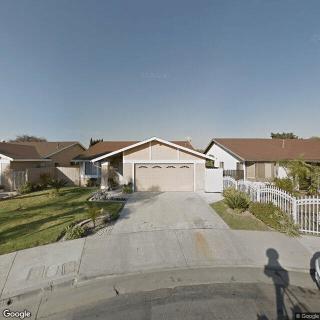
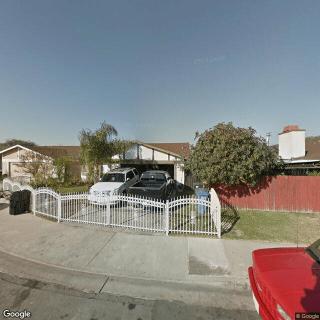
11416 Tina Street., Norwalk, CA 90650
For more information about senior living options: (866) 208-4318
Overall Review of Rnj Homes
Pros
 Robert Creek Villa is described as a gem, with charm in the house and decor.
- The backyard is sunlit, with beautiful plants and a nice seating area.
- It connects to a sister community next door, adding to its appeal.
- Marie is praised for her love and personal relationships with all residents.
- She is dedicated to providing individualized care and socialization tailored to each resident’s needs.
- She leads activities such as gardening with residents and neighborhood strolls, and she accompanies residents to doctor appointments when family members cannot join.
- The community strives to be a family home-like environment, and the reviewers feel it achieves this.
Review
RNJ Homes’ Robert Creek Villa in Norwalk is best suited for seniors who want a true small-house, family-style environment where independence is respected but support is intimate and readily accessible. This is the kind of setting that feels like a lived-in home rather than a formal facility, with a sunny, plant-filled backyard and a decor that reinforces comfort over formality. For families who value a warm, neighborly atmosphere, and want a place that emphasizes personal connections, this is a strong match. The arrangement even allows easy access to a nearby sister community, which adds a touch of expanded capability without sacrificing the homey feel.
Those who should consider alternatives are seniors who need a higher level of medical oversight, more structured programming, or specialized memory-care services. A larger community with a broader continuum of care, more formalized activity schedules, or dedicated memory-care wings will typically better serve residents with advanced needs, frequent clinical oversight, or a desire for a louder social calendar. If privacy, wider room options, or a more conventional, hospital-like environment are priorities, or if transportation and logistics require more formal arrangements than a small home setup can reliably provide, alternatives are worth exploring.
The core strengths here lie in the personal attention and social fabric that define the day-to-day experience. The staff, particularly the leadership team, are described as genuinely warm and deeply invested in each resident. The emphasis on individualized care means socialization and activities are tailored to personal preferences and abilities, not pushed through a canned program. Practical touches, gardening with residents, neighborhood strolls, and other light, meaningful activities, create ongoing engagement that helps prevent isolation. The care philosophy extends to practical coordination: staff will accompany residents to medical appointments if family members cannot attend, which can be a pivotal advantage for someone navigating ongoing health needs.
These advantages offset several potential drawbacks inherent to a small, home-like setting. The intimate scale can limit privacy and the breadth of available amenities, and it naturally lacks the omnipresent, activity-filled calendar of a larger community. Yet the same features that can feel limiting, a quieter pace, fewer on-site resources, less formalized programming, are what empower the staff to deliver highly personalized care and genuine companionship. The "home away from home" vibe means less impersonality and more consistent, human interaction, which can translate into better day-to-day well-being for residents who thrive on recognition, routine, and a sense of belonging.
Another key offset comes from the structural advantage of proximity to a sister community. This arrangement provides access to a broader ecosystem of care options and social exposure without forcing residents into a different, more institutional setting. Family members can bring in a broader network of support, while residents still maintain the intimate, familiar environment they are comfortable with. The relationship-driven approach also means staff are more attuned to subtle shifts in mood or health, enabling earlier, more personalized adjustments to care plans than might be possible in a larger operation.
In the end, the smart call for families is to match expectations with this setting’s strengths. If the priority is a warm, low-key, highly engaged living situation where care feels personal and residents are known by name, RNJ Homes delivers compelling value. If the goal centers on abundant on-site programming, extensive medical staffing, and rigorous, facility-grade frameworks, it may be prudent to consider alternatives that scale up those resources. For families pursuing transition planning, a tour focused on meeting the care partners, testing the ease of coordinating medical visits, and gauging how well the home atmosphere supports sustained independence will reveal whether this is the right fit.
 4 resident community capacity
 Assisted Living
 Board and Care Home
 Cable or satellite TV
 Dining room
 Fully furnished
 Garden
 Housekeeping services
 Move-in coordination
 Outdoor space
 Telephone
 Wi-Fi/high-speed internet available
 Long Beach (Daugherty) (8 miles away)
 24-hour supervision
 Activities of daily living assistance
 Assistance with bathing
 Assistance with dressing
 Assistance with transfers
 Diabetes diet
 Meal preparation and service
 Medication management
 Special dietary restrictions
 Transportation arrangement (medical)
 Transportation to doctors appointments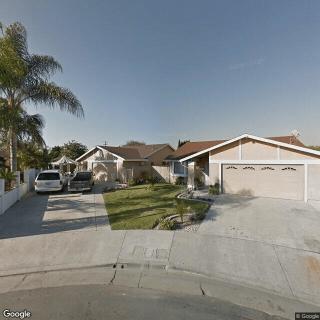



 When to Transition from Assisted Living to Memory Care: Key Indicators, Steps, and Finding the Right Community
 Assisted Living and Memory Care: Understanding Their Core Differences
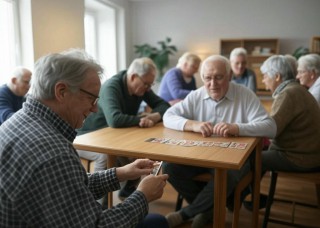 Beyond the Bingo Hall: 50+ Enriching Activities for Seniors in Assisted Living