
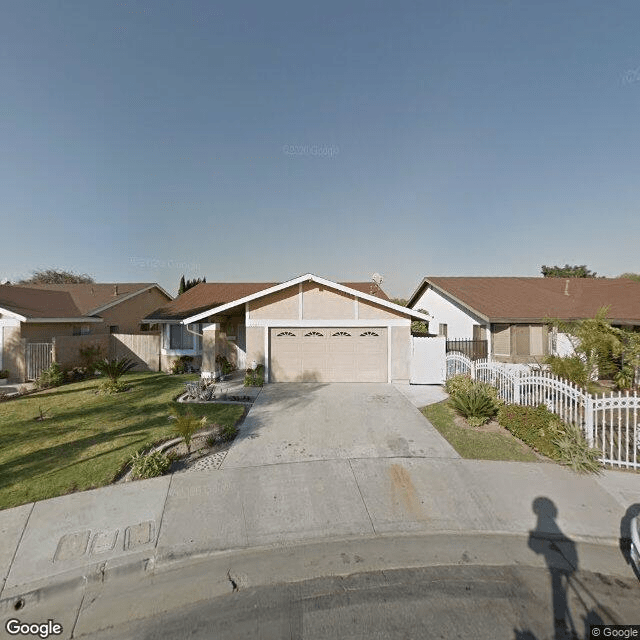
11507 Thomas Place, Norwalk, CA 90650
For more information about senior living options: (866) 208-4318
Loving Arms Residential Care For Seniors III Costs & Pricing
Loving Arms Residential Care for Seniors III offers competitive pricing for its accommodations compared to the broader market in Los Angeles County and California as a whole. For instance, the semi-private room is available at $3,000 per month, which is notably lower than both the county average of $3,349 and the state average of $3,333. Studio apartments are priced at $3,450, again presenting a more affordable option than the county's average of $4,172 and the state's average of $4,145. Private rooms are offered at $3,500 monthly; although this is slightly below the county's average of $4,197, it remains higher than California's overall average of $3,939. Overall, Loving Arms Residential Care provides valuable options that can cater to budget-conscious seniors while ensuring quality care in a supportive environment.
| Floor plans | Loving Arms Residential Care For Seniors III | Los Angeles County | California |
|---|---|---|---|
| Semi-Private | $3,000 | $3,349 | $3,333 |
| Studio | $3,450 | $4,172 | $4,145 |
| Private | $3,500 | $4,197 | $3,939 |
Memory care communities with a similar price nearby
-
from +$500 / mo
Kind Heart Home Care VI
$3,500 to $5,000 / month14.4 miles away -
from -$200 / mo
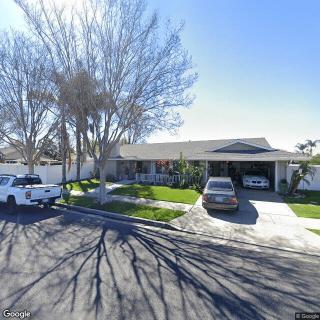
Candlewood Care Home III
$2,800 to $3,400 / month20.7 miles away -
from -$200 / mo
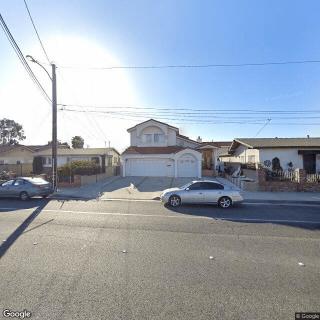
Leah Loving Elderly Care
$2,800 to $3,000 / month17.0 miles away -
from -$300 / mo
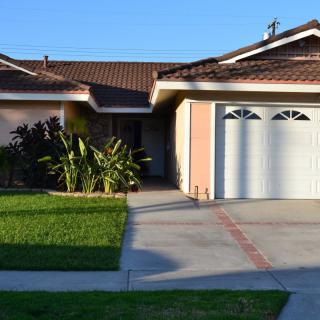
Loving Care Senior Home
$2,700 to $3,500 / month17.5 miles away -
from +$500 / mo
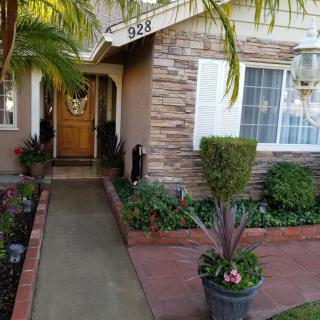
Comfort Keepers Home Care
$3,500 to $6,500 / month10.9 miles away
Overall Review of Loving Arms Residential Care For Seniors III
Pros
 The setup is incredible and the cul de sac location keeps freeway noise to a minimum.
- The staff does a good job offering social stimulation.
- Residents have shown improvement since staying there.
- The people are wonderfully nice.
- The food looks really good and is loved by residents.
- They are incredibly accommodating.
- Arlin is amazing, with extensive dementia knowledge, and the home is super clean.
- The owners are friendly and very nice, and they are frequently present with the residents.
Cons
 The home is too small for his father, who is still very strong and active, making it feel confining.
- They have a list of daily tasks, but they aren’t doing any activities with the patients.
- They don’t seem to communicate with the residents as much as the reviewer would like.
- The cook is on vacation for a month in the Philippines, and the husband did not know that.
- There are only five or six people in the home, so organized activities are limited.
- The staff speak a lot of their own language to each other, which reduces communication with residents.
Review
Loving Arms Residential Care For Seniors III in Norwalk is best suited for families seeking a small, home-like setting where seniors receive individualized attention, warmth, and steady caregiving from a close-knit staff. With only five or six residents, the environment supports direct caregiver access, familiar routines, and a sense of safety that larger facilities often struggle to deliver. The home’s cul-de-sac location helps minimize noise from the nearby freeway, contributing to a calm, residential feel. Residents benefit from solid meals, practical daily support, and social prompts from staff, all underscored by an RN-owner presence that adds a layer of medical oversight.
Those considering alternatives should weigh this home against options designed for more active residents or those needing intensive dementia programming. The very strengths here, intimacy, predictable routines, and a compact footprint, can become drawbacks for someone who thrives on frequent group activities or needs more space to move. One reviewer found the home too small for a father who is still strong and highly active, suggesting the residence may not be ideal for residents whose care needs escalate toward higher physical demands. Families seeking expansive activity calendars, robust in-house programming, or highly transparent, ongoing family communication may gravitate toward larger assisted-living or dementia-focused communities.
On the upside, the strongest pros revolve around a warm, home-like atmosphere and reliable caregiver engagement. The owners and caregivers are described as friendly and accommodating, with cleanliness consistently highlighted as excellent. Food quality stands out, and one review specifically praised the chef’s offerings. The home’s emphasis on physical therapy exercises and some social stimulation demonstrates a practical commitment to maintaining residents’ mobility and engagement within a small, manageable setting. For families prioritizing a humane, attentive touch and straightforward oversight, these attributes translate into meaningful daily quality of life.
Nevertheless, several notable cons temper the overall impression. Communication with residents can feel uneven, and some staff members reportedly converse primarily in their own language, which can leave residents feeling less included or informed about day-to-day plans. A caregiver’s extended vacation and a month-long absence of the cook underscored gaps in routine updates, highlighting a weakness in proactive family communication. The perception that daily activity lists exist in theory but are not consistently enacted can be a decisive issue for families that value regular, visible programming and frequent updates.
With clear-eyed expectations, the strong points can offset the drawbacks for the right resident. The intimate, well-supervised setting plus friendly, hands-on staff and solid meals offer real, tangible benefits to residents who appetite predictable routines and personal attention. Prospective families should actively verify how daily activities are actually implemented, request a concrete weekly calendar, and scrutinize how communications are handled, especially during staff vacations or dietary changes. Asking for a structured plan for dementia progression, including how residents would transition if needs escalate, can clarify whether the environment remains appropriate over time.
In sum, Loving Arms Residential Care For Seniors III represents a compelling choice for families prioritizing a cozy, resident-centered milieu with attentive caregiving and dependable oversight. It is less suitable for residents requiring vigorous daily programming, expansive space, or advanced dementia-focused services, and for families that demand highly proactive, ongoing communications. A visit focused on activity feasibility, language and cultural comfort, and future care planning will reveal whether this Norwalk home aligns with a loved one’s current needs and future trajectory. When those elements align, the community stands out as a practical, trustworthy option within the local landscape.
 6 resident community capacity
 Assisted Living
 Board and Care Home
 Memory Care
 Cable or satellite TV
 Dining room
 Fully furnished
 Garden
 Housekeeping services
 Move-in coordination
 Outdoor space
 Private
 Telephone
 Wi-Fi/high-speed internet available
 Long Beach (Daugherty) (8 miles away)
 24-hour supervision
 Activities of daily living assistance
 Ambulatory care
 Assistance with bathing
 Assistance with dressing
 Assistance with transfers
 Diabetes diet
 Diabetic care
 Meal preparation and service
 Medication management
 Special dietary restrictions
 Transportation arrangement (medical)
 Transportation to doctors appointments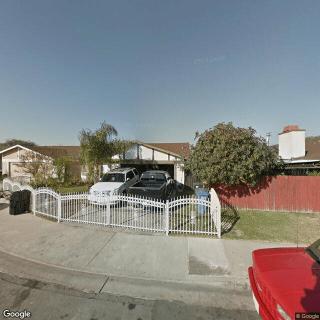
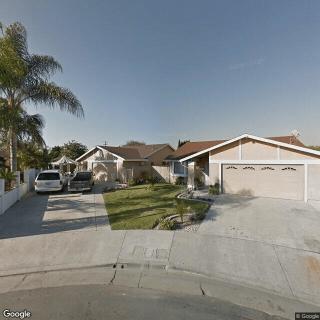



 Understanding the Distinctions: Assisted Living and Memory Care Explained
 How to Communicate with a Loved One Living with Dementia: 10 Supportive Strategies
 Comprehensive Guide to VA Nursing Homes: A Crucial Long-Term Care Resource for Veterans