
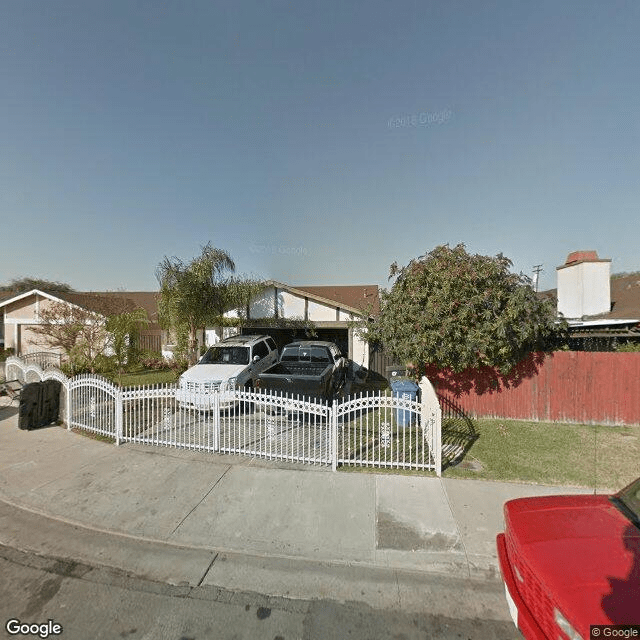
11511 Thomas Place, Norwalk, CA 90650
For more information about senior living options: (866) 208-4318
Overall Review of Loving Arms Residential Care For Seniors IV
Pros
 The caregivers provided personalized care and compassionate love to Dad.
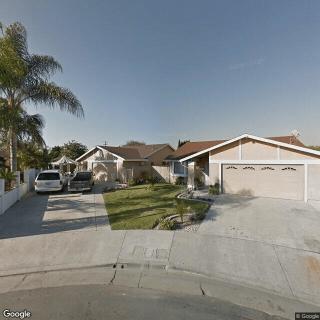
- The facility’s layout—three connected homes on a cul-de-sac with backyards and patios—enabled easy movement for caregivers and space for families to sit with their loved one.
- The family felt cared for and valued as staff worked to make Dad’s last weeks comfortable in a homelike environment.
- The care team and administrators were on a first-name basis, reflecting a warm, personal approach.
- Even after Dad’s passing, the family could visit to say hello to the caregivers and to Dad’s roommate, showing ongoing connections.
Review
Loving Arms Residential Care For Seniors IV in Norwalk is best suited for families seeking a tightly knit, homelike setting where caregivers know each resident by name and families are welcomed to participate in daily life. The model shines for seniors who need hands-on assistance delivered with warmth and personal attention, and for those who value continuity across a small footprint, three connected houses with shared patios that allow staff to move fluidly as needs shift. It is especially compelling for end-of-life comfort, where the atmosphere and relationships can make the final weeks feel meaningful and dignified.
Those weighing alternatives should consider options if the priority is robust medical oversight, 24/7 on-site nursing, or formal memory-care programming. A larger campus with structured activities, formalized care plans, and broader medical staffing may better serve residents with complex chronic conditions, frequent hospitalizations, or advanced dementia requiring specialized security and routine clinical management. Families seeking a wide array of senior-services in one campus, or guaranteed rapid access to physicians, may find a bigger operation more aligned with long-term planning.
The strongest pros live in the daily lived experience: highly personalized care, compassionate engagement, and a homelike environment that minimizes the institutional feel. Families report feeling truly welcomed and valued, with caregivers and administrators on a first-name basis and a sense that the entire team has the same goal, keeping a loved one comfortable and supported. The connected house layout is more than a curiosity; it translates into practical continuity, letting caregivers move between spaces to attend to changing needs without the stress of entrusting a relative to multiple, separate facilities. For families facing end-of-life care, those small, consistent touches, familiar faces, respectful routines, and a quiet dignity, tend to offset the absence of larger-scale amenities.
Where the setting can fall short, candidly, is in the absence of explicit, formal medical capabilities typical of larger communities. The testimonial leaves room for questions about the level of on-site nursing, emergency protocols, and the degree of structured programming beyond everyday caregiving. The footprint of three homes on a cul-de-sac implies a boutique operation rather than a full-service campus, which can translate into slower access to specialized services or memory-care security features. Prospective residents should not assume a long-term memory-care track or high-intensity clinical oversight exists without asking for concrete details and recent examples.
Yet those potential drawbacks are largely offset by what this community does exceptionally well. The intimate staffing model fosters trust, reduces the alienation that often accompanies aging in a larger facility, and invites families to stay and participate without feeling like outsiders. The ability for staff to traverse houses quickly to respond to needs means residents experience prompt, attentive care, not delays associated with navigating a larger campus. End-of-life weeks become more manageable when the care team is known, trusted, and supported by administrators who prioritize a dignified, comfortable environment, an outcome that can be hard to sustain in bigger operations.
For families making a decision, a practical course of action is to visit with a clear checklist: observe how staff interact with residents and families, ask about staffing ratios by shift, and request a tour of the three houses to understand how caregivers move through the space. Inquire about on-site medical support, availability of a nurse practitioner or physician, and how medical orders are communicated and updated. Clarify memory-care capabilities, programming for daily activities, and how emergencies are handled. If the aim is a close-knit, home-like setting where compassionate, personalized care is the norm and family involvement is encouraged, this community represents a compelling fit; if the focus is comprehensive medical complexity or larger-scale programming, alternatives with more robust clinical resources warrant serious consideration.
 6 resident community capacity
 Assisted Living
 Board and Care Home
 Cable or satellite TV
 Dining room
 Fully furnished
 Garden
 Housekeeping services
 Move-in coordination
 Outdoor space
 Telephone
 Wi-Fi/high-speed internet available
 Long Beach (Daugherty) (8 miles away)
 24-hour supervision
 Activities of daily living assistance
 Assistance with bathing
 Assistance with dressing
 Assistance with transfers
 Diabetes diet
 Meal preparation and service
 Medication management
 Special dietary restrictions
 Transportation arrangement (medical)
 Transportation to doctors appointments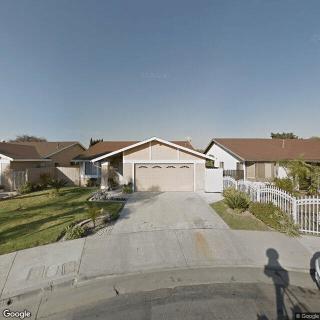





 Funding and Affording Assisted Living: A Thorough Overview
 Assisted Living Expenses and Long-Term Care Insurance: A Comprehensive Exploration
 Securing Financial Support for Assisted Living: A Comprehensive Overview