

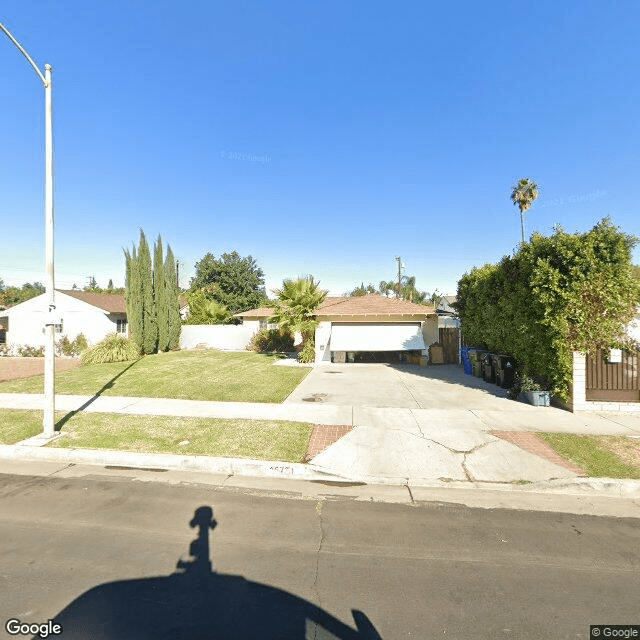
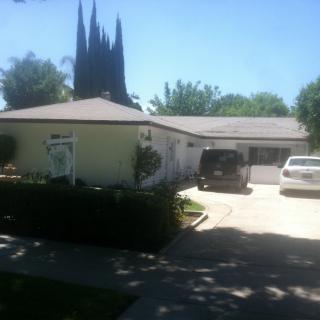
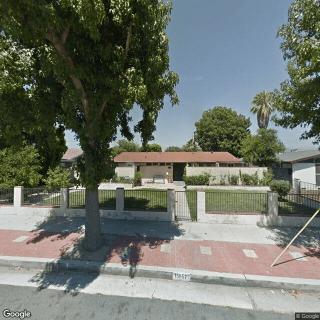
15731 Lemarsh St, North Hills, CA 91343
To contact a resident: (818) 891-9186
For more information about senior living options: (866) 208-4318
Lemarsh Home Care Costs & Pricing
Lemarsh Home Care presents a compelling value for those seeking quality accommodations in a nurturing environment. With monthly costs of $1,500 for a semi-private room and $3,000 for a private room, Lemarsh significantly undercuts the average rates in Los Angeles County, where similar semi-private rooms average around $3,349 and private rooms reach approximately $4,197. Even when compared to broader state averages - $3,333 for semi-private and $3,939 for private accommodations - Lemarsh Home Care stands out as an economically advantageous option without compromising the standard of care provided. This affordability positions Lemarsh Home Care as an attractive choice for families looking to balance quality care with cost-efficiency.
| Floor plans | Lemarsh Home Care | Los Angeles County | California |
|---|---|---|---|
| Semi-Private | $1,500 | $3,349 | $3,333 |
| Private | $3,000 | $4,197 | $3,939 |
Senior living communities with a similar price nearby
-
About the same
Sunnyside Res. Assist. Living For The Elderly
$1,500 to $6,357 / month4.3 miles away -
from +$100 / mo
Laigo-Zanders Home for the Elderly
$1,600 to $2,000 / month14.0 miles away -
from +$225 / mo
Burbank Senior Artists Colony
$1,725 to $2,495 / month11.1 miles away -
About the same
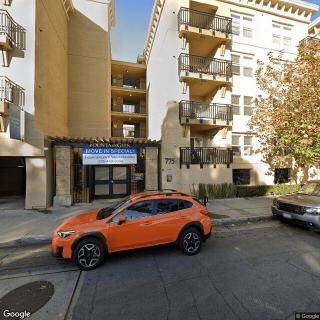
FountainGlen at Pasadena
$1,475 to $1,765 / month20.8 miles away -
from -$179 / mo

Vintage Crest
$1,321 to $1,588 / month23.5 miles away
Overall Review of Lemarsh Home Care
Pros
 The staff are very nice and informative, and the manager and owner are easy to talk to.
- The environment is clean and friendly.
- The facility feels homey, and the manager aims to make residents feel that this is their home.
- Meals are homemade, with very little canned food used.
- Residents can bring a dish for their loved one, and staff will mark it for them.
- Staff arrange medical appointments when necessary.
- Staff can take residents to Target or Walmart for shopping.
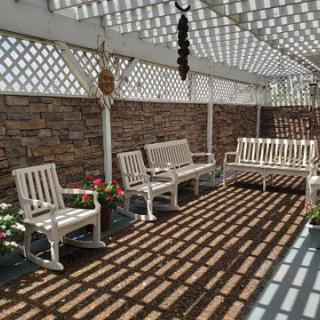
- Sliding glass doors open to an outside patio, creating a nice area.
Cons
 They do not pick up the phone
Review
Lemarsh Home Care in North Hills is best suited for seniors who want a genuinely small, home-like setting where care feels personal and unhurried. This community suits residents who need help with daily activities and medications but do not require heavy medical intervention or extensive programming. The environment reads as clean and friendly, with a manager and owner who are easy to talk to and who emphasize making residents feel at home. Meals are homemade and flexible, with a willingness to accommodate residents’ preferences, including sharing dishes the family prefers. With capacity for about six residents, the setting stays intimate, allowing routines to feel predictable and individualized.
Families weighing alternatives should consider other options if social activity and a broader care team are priorities. The small scale means fewer structured programs and limited peer interaction by design, which can feel isolating for some seniors who thrive on more social engagement. Communication gaps have been noted at times, with reports that phones aren’t always answered promptly, potentially delaying updates or urgent messages. Pricing sits in the mid-to-higher range for the area, and the limited capacity can translate into wait times for a preferred room. For residents needing 24/7 nursing, specialized memory care, or extensive therapies, larger facilities may deliver the coverage those needs require.
On balance, the strongest selling points are the warmth of the setting and the attentiveness of staff. Residents benefit from a homey atmosphere, where the manager prioritizes autonomy and comfort, and caregivers who remember individual preferences. The ability to tailor meals and to accommodate favorite dishes adds tangible quality-of-life gains. Safety is reinforced through medication management with locked storage, and staff can coordinate medical appointments and even assist with errands, which adds practical convenience for families. These advantages can substantially offset drawbacks like limited space and fewer organized activities for residents who value dignity, familiarity, and close relationships with caregivers.
Cost considerations reflect a deliberate trade-off. Private rooms run around $2,500 per month, while shared accommodations are closer to $1,800, sometimes dipping to about $1,500 after an evaluation. This pricing recognizes the intimate, home-like service rather than a clinical, cookie-cutter experience. For families that prize direct access to caregivers, highly personalized routines, and reassurance from staff who know the resident well, the value can justify the expense. The policy requiring a 30-day notice to move out adds predictability but can complicate sudden changes in care needs, so planning ahead is essential. Prospective residents should confirm exactly what is included in the rate and whether any services incur additional fees.
Care governance centers on safety and personal attention. Medicines are administered under supervision and kept securely, and staff can coordinate transportation to appointments, reducing friction for families managing medical visits. The small census, currently four residents, with capacity for six, fosters close oversight and rapid response, but also raises questions about coverage if a caregiver is unavailable. The owner-manager’s philosophy aims to make this feel like a true home, creating a comforting tone that supports emotional well-being. However, families should verify consistency of coverage, emergency procedures, and night-time assistance to avoid gaps in care.
For decision-makers, Lemarsh offers a compelling option for a resident who prioritizes a genuine home atmosphere, close caregiver relationships, and flexibility around meals and daily routines, even if that means a quieter social environment and a higher price point. Those seeking extensive social programming, broad activities, or lower-cost care should explore larger, more facility-like communities. Before deciding, it is prudent to visit, ask about room options, confirm the exact costs after the evaluation, review cancellation terms, and verify transportation arrangements. If the fit aligns with these values, Lemarsh presents a practical, approachable path to consistent, person-centered care.
 Board and Care Home
 Cats allowed
 Dogs allowed
 Activities off-site
 Devotional services off-site
 Indoor common areas
 Outdoor common areas
 Private
 Private bathrooms
 Respite or short term stays offered
 Wheelchair accessible showers
 Burbank-Glendale-Pasadena (8 miles away)
 Ambulatory care
 Diabetic care
 Incontinence care
 Medication management
 Kosher


 Financing Long-Term Nursing Home Care Through Social Security: A Thorough Exploration
 Essential Knowledge on Pneumonia in Older Adults
 Exploring Palliative Care in the Home: A Comprehensive Overview