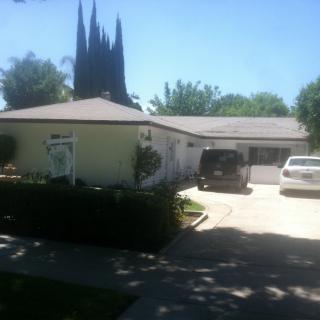
Jms Residential Care in Mission Hills, CA

15346 Mayall Street, Mission Hills, CA 91345

For more information about senior living options: (844) 490-3973

5 from 1 review
Assisted Living Board and Care Home

What level of care are you interested in?

Assisted Living

Memory Care

Independent Living

Skilled Nursing Facility

Continuing Care Retirement Community (CCRC)CCRC

Other


Request a tour at Jms Residential Care

    Overall Review of Jms Residential Care

    Pros

    • pro The staff are amazing.
    • pro The menu and food are loved by residents.
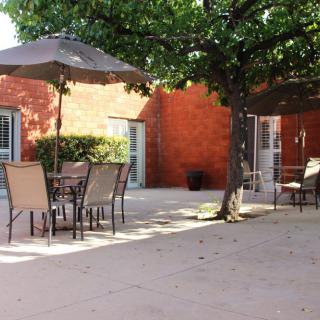
    • pro There is an outside garden where residents can sit.
    • pro They take care of residents for doctor's appointments and provide care products.
    • pro Each resident has a private room and living space.
    • pro The facility is kept clean, neat, and organized.
    • pro It is worth the money.

    Review

    Jms Residential Care in Mission Hills, CA is best suited for seniors who want a true home-like setting where care comes with a personal touch. It works well for residents who value simple comforts - a satisfying daily menu, a safe outdoor garden to sit in, and the reassurance that trained caregivers and on-site nurses are present and engaged. Day-to-day routines unfold in a lived-in environment, with private rooms connected to shared living spaces, easy access to transportation for doctor appointments, and readily available care products. This combination creates a predictable, calmer rhythm that reduces the stress of medical navigation while preserving independence as much as possible.

    That said, not every senior fits this model. Families with members needing intensive medical management, aggressive rehab, or specialized memory-care programming may want alternatives that provide a larger medical footprint or more formalized clinical oversight. If the priority is a densely structured activity calendar, expansive on-site therapies, or highly scalable amenities, other communities will likely outperform. For households watching every dollar, the lack of clearly defined clinical expansion plans could also push consideration toward facilities that spell out a broader continuum of care and stricter caregiver-to-resident ratios.

    The strengths of this setting - the homey atmosphere, strong staff engagement, and practical conveniences - offset the main limitations in meaningful ways. The on-site team includes both caregivers and nurses, which translates to steady oversight and quicker responses to daily needs. Meals are not just fuel but a highlight, with residents enjoying what's served, an important indicator of overall quality of life. The garden offers real value, promoting outdoor time and autonomy within a safe environment. Cleanliness and organization reduce hazards and simplify routines, while on-site coordination for medical appointments and the provision of care products minimize frustration for families.

    However, the smaller, home-based model can limit access to the breadth of medical services found in larger campuses. There may be fewer opportunities for intensive physical therapy, complex wound care, or round-the-clock clinical staffing. For residents with evolving medical conditions that demand robust, 24/7 clinical presence, this setting could fall short over time. The key to balancing the positives against these potential gaps lies in clear expectations: understanding exactly what medical coordination looks like, how medications are managed, and whether any specialized therapies can be arranged if a resident's needs intensify.

    Decision-makers should approach with a practical checklist. Confirm staffing patterns, nurse availability, and how care is coordinated with outside physicians. Inquire about the menu, meal variety, and dietary accommodations, as well as room configurations and privacy levels. Probe how transportation to appointments is handled, and what social or recreational programming exists beyond basic care. Given the emphasis on independence within a supportive framework, assess the limits of what is offered and what would require a transition to a more comprehensive campus.

    Overall, Jms Residential Care represents a compelling option for families seeking a warm, small-community environment where meals, cleanliness, and hands-on staff support translate into genuine daily relief. The strongest case is for seniors who want reliable assistance coordinating care and enjoy the garden setting, without requiring high-intensity medical services or a memory-care specialization. Alternatives should be weighed for residents with advanced clinical needs or those who prioritize expansive programming and a broader continuum of care. For families prioritizing steady, compassionate daily care in a well-organized, home-like setting, this option warrants serious consideration and a direct visit.

    Features

    Housing

    • 6 resident community capacity 6 resident community capacity

    Types of Care

    • Assisted Living Assisted LivingAssisted living facilities provide crucial support and care for seniors who may need help with daily tasks such as medication management, bathing, and meal preparation. These communities offer a safe and comfortable environment where seniors can maintain their independence while receiving the assistance they need to thrive in their golden years.
    • Board and Care Home Board and Care HomeBoard and care homes provide a smaller, more intimate setting for seniors who require assistance with daily tasks but do not need the level of care offered by a nursing home. They offer personalized care, meals, and social activities in a homelike environment, ensuring that seniors receive individualized attention and support in their golden years.

    Amenities

    • Cable or satellite TV Cable or satellite TVCable or satellite TV is important for seniors because it provides entertainment, news, and companionship, helping to combat loneliness and boredom. It also offers a wide range of programming options tailored to different interests and preferences.
    • Dining room Dining roomDining rooms are important for seniors as they provide a space for socialization, connection, and nutritious meals. They offer opportunities for residents to bond over shared meals, foster a sense of community, and promote healthy eating habits. Dining rooms also ensure that seniors have access to well-balanced meals tailored to their dietary needs and preferences.
    • Fully furnished Fully furnishedFully furnished senior living communities are important for seniors because they provide convenience, comfort, and a hassle-free moving experience. Seniors can easily settle into their new living space without the stress of having to buy and move furniture. This allows them to focus on enjoying their new home and community.
    • Garden GardenGardens are important for seniors as they provide a peaceful and therapeutic environment for relaxation, physical activity, and socialization. Being in nature has been shown to reduce stress, improve mood, and promote overall well-being. Gardens also offer opportunities for seniors to engage in gardening activities, which can improve mobility, flexibility, and cognitive function. Additionally, gardens create a sense of community and connection with others who share a passion for plants and outdoor spaces.
    • Housekeeping services Housekeeping servicesHousekeeping services are important for seniors because they help maintain a clean and safe living environment, promote independence, and reduce the risk of accidents or illnesses. Additionally, having assistance with household chores can alleviate physical strain and allow seniors to focus on other aspects of their well-being.
    • Move-in coordination Move-in coordinationMove-in coordination is important for seniors because it helps ease the transition into their new living environment. It ensures that all logistics, such as packing, organizing movers, and setting up utilities are taken care of, allowing seniors to focus on settling in and adjusting to their new home. Having a smooth move-in process can alleviate stress and anxiety, making the transition smoother and more enjoyable for seniors.
    • Outdoor space Outdoor spaceOutdoor spaces are important for seniors as they provide opportunities for physical activity, social interaction, exposure to natural light and fresh air, and a sense of connection to nature. Having access to outdoor spaces can improve overall well-being and quality of life for older adults living in senior communities.
    • Telephone TelephoneTelephones are important for seniors as they provide a lifeline for communication with loved ones, emergency services, and healthcare providers. They offer a sense of security and independence, enabling seniors to stay connected and access assistance when needed.
    • Wi-Fi/high-speed internet available Wi-Fi/high-speed internet availableWi-Fi/high-speed internet is important for seniors to stay connected with loved ones, access online resources, and participate in virtual activities to combat feelings of loneliness and isolation. It also allows them to easily manage healthcare needs, access entertainment, and engage in lifelong learning opportunities.

    Transportation

    • Burbank-Glendale-Pasadena (7 miles away) Burbank-Glendale-Pasadena (7 miles away)
    • Los Angeles International (22 miles away) Los Angeles International (22 miles away)

    Care Services

    • 24-hour supervision 24-hour supervision24-hour supervision is important for seniors to ensure their safety, well-being, and access to immediate assistance in case of emergencies or health issues. This constant support provides peace of mind for both seniors and their loved ones, allowing them to age in place with dignity and security.
    • Activities of daily living assistance Activities of daily living assistanceActivities of daily living assistance are important for seniors because they provide essential support with tasks such as eating, bathing, dressing, and mobility. This assistance helps seniors maintain their independence, dignity, and overall quality of life as they age.
    • Assistance with bathing Assistance with bathingAssistance with bathing is crucial for seniors as it helps maintain personal hygiene, prevents infections, and ensures their overall well-being and comfort. It also provides a sense of dignity and independence for seniors who may struggle with this task on their own.
    • Assistance with dressing Assistance with dressingAssistance with dressing is important for seniors because it helps maintain their independence, promotes personal hygiene, prevents accidents and injuries, and improves overall quality of life. This service ensures that seniors can continue to dress comfortably and confidently, despite any physical limitations they may have.
    • Assistance with transfers Assistance with transfersAssistance with transfers is crucial for seniors as it helps prevent falls and injuries, maintains their independence, and ensures they can safely navigate their living environment. It also provides peace of mind for both seniors and their loved ones.
    • Coordination with health care providers Coordination with health care providersCoordination with health care providers is crucial for seniors to ensure proper medical care, medication management, and overall well-being. This collaboration helps prevent overlapping treatments, track progress more effectively, and provide comprehensive support tailored to individual needs.
    • Diabetes diet Diabetes dietA diabetes diet is crucial for seniors as it helps manage blood sugar levels, reduce risks of complications, and improve overall health and well-being. By following a balanced and nutritious diet tailored to their specific needs, seniors can better control their diabetes and enhance their quality of life.
    • Meal preparation and service Meal preparation and serviceMeal preparation and service are crucial for seniors as they may have limited mobility or energy to cook nutritious meals. Having access to healthy and convenient food options can ensure they are getting the proper nutrition needed to maintain their overall health and well-being.
    • Medication management Medication managementMedication management is crucial for seniors to ensure they are taking the right medications at the correct dosages and times. This helps prevent adverse drug interactions, reduces the risk of medication errors, and promotes overall health and well-being. Proactive management also allows for adjustments as needed based on changing health conditions or new prescriptions.
    • Special dietary restrictions Special dietary restrictionsSpecial dietary restrictions are important for seniors because age-related changes in metabolism and health conditions can make it difficult for their bodies to process certain foods. By following a diet tailored to their specific needs, seniors can maintain their overall health and well-being, manage chronic conditions, and reduce the risk of complications such as malnutrition or food interactions with medications.
    • Transportation arrangement (medical) Transportation arrangement (medical)Transportation arrangements for medical purposes are essential for seniors as they may have difficulty driving themselves to appointments or accessing public transportation. Having reliable and safe transportation options ensures that seniors can receive timely medical care and maintain their health and well-being.
    • Transportation to doctors appointments Transportation to doctors appointmentsTransportation to doctors' appointments is crucial for seniors as it ensures they have access to necessary medical care and support for their health needs. Without reliable transportation, seniors may struggle to attend important appointments, leading to potential delays in treatment and health complications. Providing transportation services helps seniors maintain their overall well-being and quality of life.

    Dining

    • Diabetes diet Diabetes dietA diabetes diet is crucial for seniors as it helps manage blood sugar levels, reduce risks of complications, and improve overall health and well-being. By following a balanced and nutritious diet tailored to their specific needs, seniors can better control their diabetes and enhance their quality of life.
    • Special dietary restrictions Special dietary restrictionsSpecial dietary restrictions are important for seniors because age-related changes in metabolism and health conditions can make it difficult for their bodies to process certain foods. By following a diet tailored to their specific needs, seniors can maintain their overall health and well-being, manage chronic conditions, and reduce the risk of complications such as malnutrition or food interactions with medications.

    Activities

    • Community-sponsored activities Community-sponsored activitiesCommunity-sponsored activities are important for seniors as they provide opportunities for social interaction, mental stimulation, and physical activity. These activities can help improve overall well-being, combat loneliness and isolation, and promote a sense of belonging and purpose among older adults.
    • Scheduled daily activities Scheduled daily activitiesScheduled daily activities are important for seniors because they provide structure, socialization, mental stimulation, and physical activity. Engaging in regular activities can improve overall well-being and quality of life for seniors living in a community setting.

    Description

    Jms Residential Care in Mission Hills, CA offers a comfortable and supportive environment for seniors who require assistance with their daily living activities. This board and care home provides a range of amenities to ensure residents feel at home, including a dining room, fully furnished accommodations, and access to outdoor spaces such as a garden.

    The dedicated staff at Jms Residential Care are committed to providing personalized care services to meet the individual needs of each resident. They offer assistance with activities of daily living, such as bathing, dressing, and transfers. The staff also coordinates with health care providers to ensure residents receive the necessary medical attention.

    Meal preparation and service are provided at Jms Residential Care, with consideration given to special dietary restrictions such as diabetes diets. Medication management is also available to help residents stay on top of their prescribed medications.

    In addition to providing essential care services, Jms Residential Care understands the importance of keeping seniors engaged and active. Scheduled daily activities are offered to keep residents entertained and stimulated.

    Conveniently located in Mission Hills, this assisted living community has several amenities nearby that residents can easily access. There are three cafes and nine restaurants within close proximity for dining options outside the community. Two parks provide opportunities for outdoor recreation and relaxation. For medical needs, there are 17 pharmacies located nearby as well as two physicians' offices. Transportation arrangements can be made for both medical appointments and general transportation needs.

    Overall, Jms Residential Care provides a secure and caring environment where seniors can receive the assistance they need while maintaining their independence and quality of life.

    Nearby Places of Interest

    Restaurants

    • McDonald's (0.3 miles)
    • McDonald's (1.2 miles)
    • In-N-Out Burger (2 miles)
    • Wendy's (2.4 miles)
    • Sugar Suite (3 miles)
    • Del Taco (3.4 miles)
    • La Corona Mexican Grill (3.9 miles)

    Places of Worship

    • Immanuel Bible Church (0.8 miles)

    Hospitals

    • Veterans Administration (1.1 miles)
    • Tebi, Sina Dr - Providence Holy Cross Medical Center Diabetes Education (1.9 miles)
    • Rinaldi Convalescent Hospital (2.4 miles)
    • Kaiser Permanente Emergency (3.2 miles)
    • Olive View Ucla Medical Center (5.2 miles)

    Pharmacies

    • Walgreens (1.1 miles)
    • Walgreens (1.3 miles)
    • CVS Pharmacy (2 miles)
    • Rite Aid (2.3 miles)
    • CVS Pharmacy (2.3 miles)
    • CVS Pharmacy (2.5 miles)
    • CVS Pharmacy (3.4 miles)

    Cafes

    • Starbucks (2 miles)
    • Starbucks (3.5 miles)
    • Starbucks (4 miles)
    • Porto's Bakery & Cafe (5.3 miles)
    • Starbucks (6.5 miles)
    • Winnetka Bowl (7.3 miles)
    • Starbucks (8.5 miles)

    Transportation

    • Van Nuys FlyAway Bus Terminal to LAX (3.2 miles)
    • Van Nuys Airport (VNY) (3.9 miles)
    • Burbank Airport Ride Share Pick Up (7.6 miles)
    • Baggage Claim (7.6 miles)
    • Hollywood Burbank Airport (BUR) (7.6 miles)
    • Terminal A (7.7 miles)
    • North Hollywood Metro Station (7.8 miles)

    Physicians

    • Mid-Valley Comprehensive Health Center (3.4 miles)
    • Southern California Orthopedic Institute (4.1 miles)

    Parks

    • Playground (4.4 miles)
    • O'Melveny Park (4.5 miles)
    • Lake Balboa Park (5.1 miles)
    • Encino Bike Path (5.7 miles)
    • Holleigh Bernson Memorial Park (6.5 miles)
    • Van Nuys Sherman Oaks Park (6.6 miles)
    • Parthenia Park (7.8 miles)

    Theaters

    • AMC Porter Ranch 9 (6.2 miles)
    • Regal Sherman Oaks Galleria (6.8 miles)

    Frequently Asked Questions

    Where is Jms Residential Care?

    Nearby Communities

    • Terner Home

      Terner Home

      Mission Hills, CA


      pro Comprehensive services and amenities (meals, housekeeping, transportation, outdoor spaces, activities, and dietary accommodations).

    • North Hills Chalet

      North Hills Chalet

      North Hills, CA


      pro Fully furnished accommodations with meals, housekeeping, and ADL support.

    • Lemarsh Home Care

      Lemarsh Home Care

      North Hills, CA

      3.7 from 6 reviews
      $1,500 to $3,000 / month

      pro Homey atmosphere with friendly, informative staff; homemade meals; secure medication management; transportation to appointments; flexible pricing.

    • Country Villa Sheraton

      Country Villa Sheraton

      North Hills, CA

      2.7 from 69 reviews
       

      pro Friendly, attentive staff with social activities; clean, spacious environment.

    • Golden Years Board and Care

      Golden Years Board and Care

      Granada Hills, CA

       
      $4,500 to $5,000 / month

      pro Memory-care focused with personalized care and broad on-site amenities.

    • Golden Years

      Golden Years

      North Hills, CA


      pro Personalized care with 24-hour supervision and medication management.

    • Casitas Care Center

      Casitas Care Center

      Granada Hills, CA

      3 from 45 reviews
       

      pro Friendly staff and engaging activities with extensive on-site amenities.

    • Nikkei Senior Gardens

      Nikkei Senior Gardens

      Pacoima, CA

      4.8 from 15 reviews
      $3,100 to $4,190 / month

      pro Culturally tailored care with a warm, attentive staff and well-maintained grounds.

    • Fickett Towers

      Fickett Towers

      Van Nuys, CA


      pro Excellent nearby amenities (dining, parks, pharmacies, hospitals).

    Related Resources

    • when to move from assisted living to nursing home8 Key Indicators That Suggest It May Be Time to Transition from Assisted Living to Skilled Nursing Care

      The transition from assisted living to skilled nursing care is often prompted by complex medical needs that assisted living cannot meet, with key indicators including frequent health declines, increased falls, severe memory issues, and caregiver burnout. Families should recognize these signs early to discuss options with healthcare providers and prepare for the emotional and logistical aspects of moving to a facility that offers comprehensive medical support.

    • active senior livingVibrant Senior Living: A Comprehensive Guide for Active Older Adults

      Vibrant Senior Living emphasizes active senior living communities that promote independence and engagement through diverse amenities and activities, fostering wellness and social interaction among older adults. These communities range from independent to assisted living, with a focus on personal growth, family involvement, financial planning, and leveraging technology to enhance residents' experiences.

    • when to move from assisted living to memory careWhen to Transition from Assisted Living to Memory Care: Key Indicators, Steps, and Finding the Right Community

      Transitioning from assisted living to memory care is driven by an individual's cognitive decline and specific needs, requiring careful evaluation of indicators like increased confusion and wandering. The process involves consulting medical professionals, researching suitable communities, considering financial and legal aspects, and ensuring effective communication for personalized care plans.


    Get Pricing Ask A Question Schedule A Tour Contact Senior Advisor